
When I think of Malaysian culture , there is one word that immediately pops up: diversity.
And the more I research about this country, the more clear I am that trying to explain Malaysian culture as if it were a single tradition would be a huge understatement. Malay, Chinese, Indian, indigenous, Islamic, European and other parts of Southeast Asia influences coexist here.
The interesting thing is that this mixture does not remain in the history books. You can notice it walking through a city, entering a temple, visiting a mosque, trying street food or simply observing how different communities celebrate their own festivals.
In fact, one of the things that catches my attention the most about Malaysia is that you can go from a neighborhood with a strong Chinese influence to an Indian area and then find a mosque with Islamic architecture without having traveled great distances.
Malaysian culture is precisely that: a mixture of peoples, religions, languages, traditions and ways of life that have ended up creating their own identity .

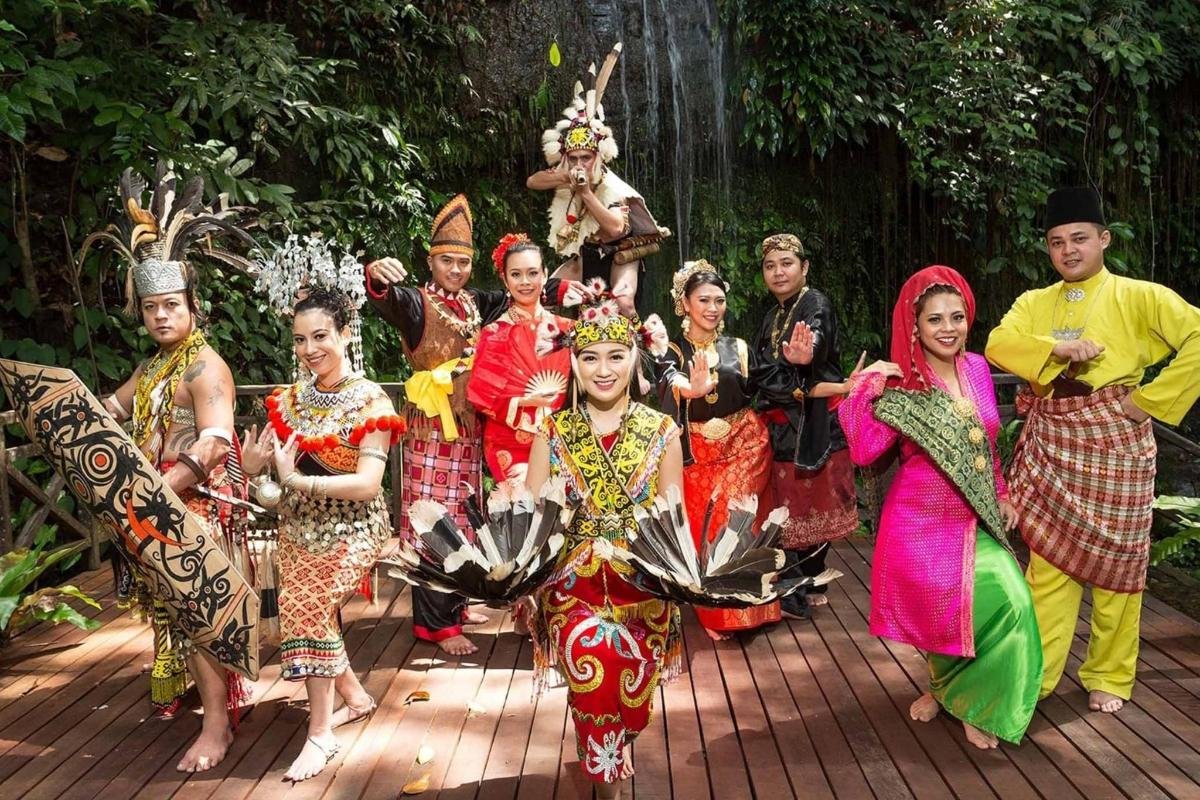
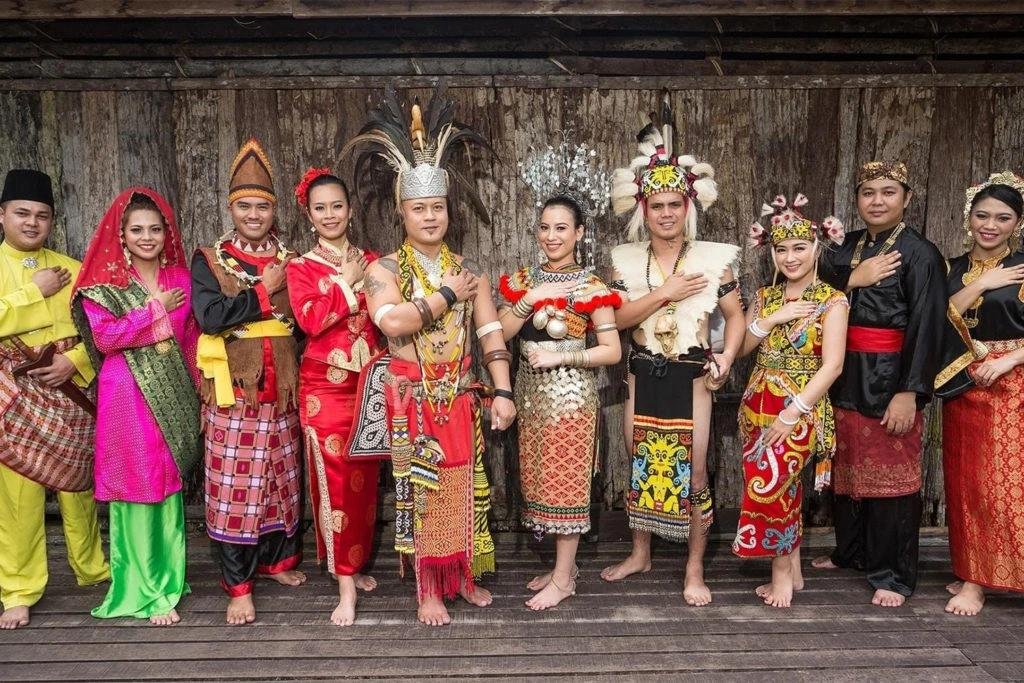

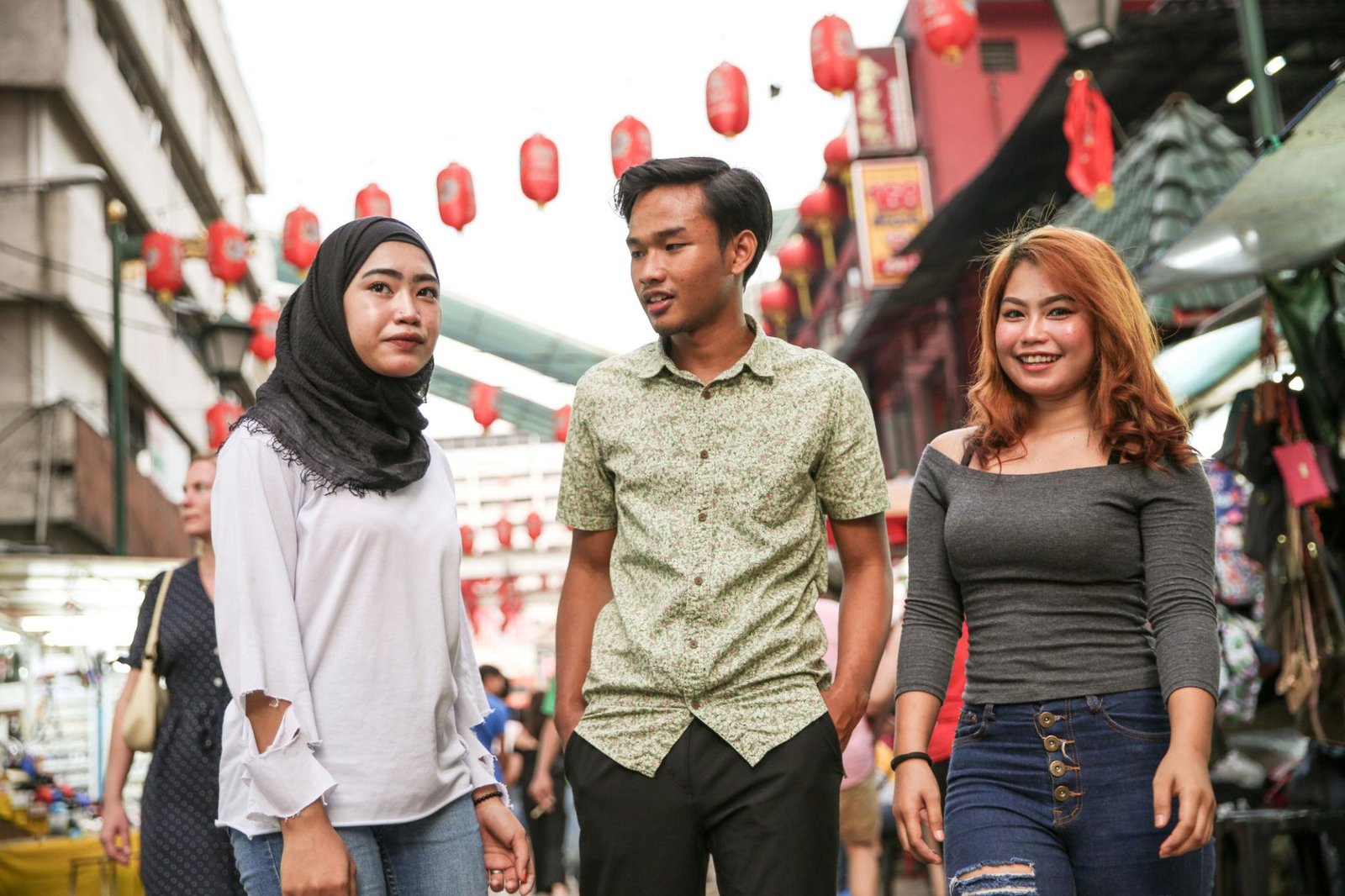

What is Malaysian culture like?
Malaysia’s culture is multicultural, religious and deeply influenced by its geographical position.
The Malaysian territory is located in an area that was historically connected to important trade routes in Asia. Merchants, travelers and people from China, India, the Arab world and other regions of Southeast Asia circulated there.
Over the centuries, these influences mixed with local cultures.
Therefore, when we talk about the main characteristics of Malaysian culture, we find:
- Malay tradition.
- Chinese influence.
- Indian influence.
- Islamic culture.
- Traditions of indigenous peoples.
- Heritage of Peranakan communities.
- Portuguese, Dutch and British influences.
- Multicultural gastronomy.
- Different languages and dialects.
- Great variety of religious and cultural festivities.
Malaysian culture itself is characterized by the coexistence of numerous ethnic groups with their own identities.
And this diversity is, in my opinion, the best gateway to understanding the country.
Malaysia’s ethnic diversity
One of the most common mistakes when talking about Malaysia is using “Malay” as a synonym for “Malaysian.”
Not all Malaysians are ethnically Malay.
The society is made up of different communities, among which the Malays, Chinese and Indians stand out, as well as numerous indigenous peoples, especially in Sabah and Sarawak, on the island of Borneo.
Each group has contributed to the country’s culture in different ways.
Malay culture
Malay culture has a huge presence in the national identity.
It is closely related to the Malay language, Islam and certain social, gastronomic and family traditions.
Hospitality also plays an important role.
When I study Malaysian customs, one of the things I like most is precisely seeing how food, celebrations and social relations function as meeting points between communities.
The Chinese community
The Chinese community has had enormous economic and cultural influence in Malaysia.
Its presence can be seen in cities such as Kuala Lumpur, George Town, Ipoh or Malacca.
Influence appears in:
- Gastronomy.
- Architecture.
- Temples.
- Trade.
- Holidays.
- Languages and dialects.
- Family traditions.
Chinese New Year is one of the most visible celebrations.
The Indian Community
The Indian community, especially those of Tamil origin, also form a fundamental part of Malaysian society.
Its influence is especially evident in gastronomy, Hindu religion, temple architecture and festivities such as Deepavali and Thaipusam .
Indigenous peoples
And here we find a part of Malaysia that is often forgotten when we talk only about Kuala Lumpur.
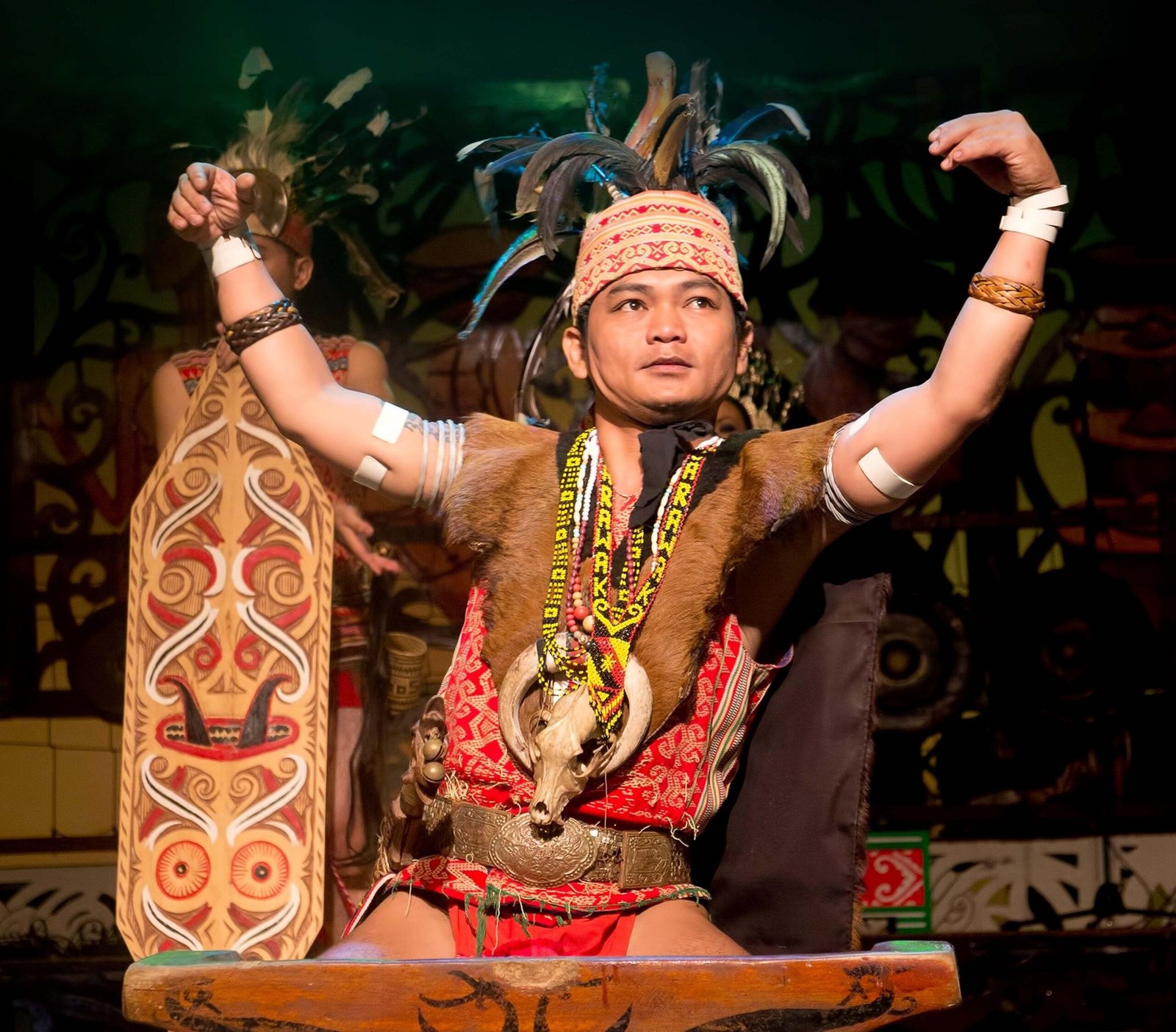
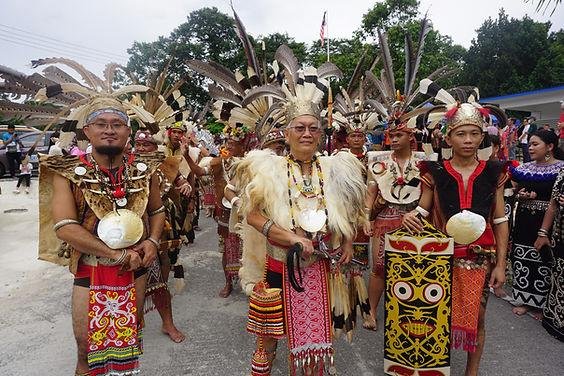
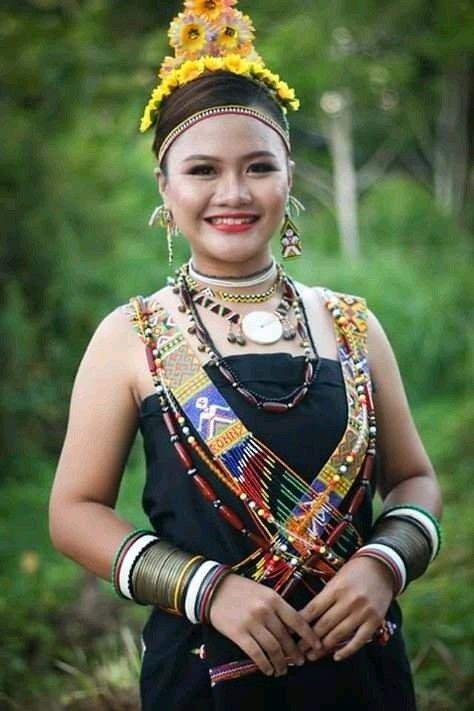
In Sabah and Sarawak there are numerous indigenous peoples with their own languages, traditions, clothing and ceremonies.
Among them we find groups such as the Iban, Bidayuh, Kadazan-dusun and other peoples of Borneo.
There are also different indigenous peoples in the Malay Peninsula, usually grouped under the term Orang Asli .





Religion in Malaysia
Religion is another fundamental element to understand Malaysian customs.
Islam is the official religion of the federation, although there is significant religious diversity.
In the country we find Muslim, Buddhist, Christian, Hindu communities and followers of other beliefs. There are also people without religious affiliation.
According to data collected by reference sources, Islam represents approximately six out of every ten inhabitants, while Buddhism, Christianity and Hinduism also have a significant presence.
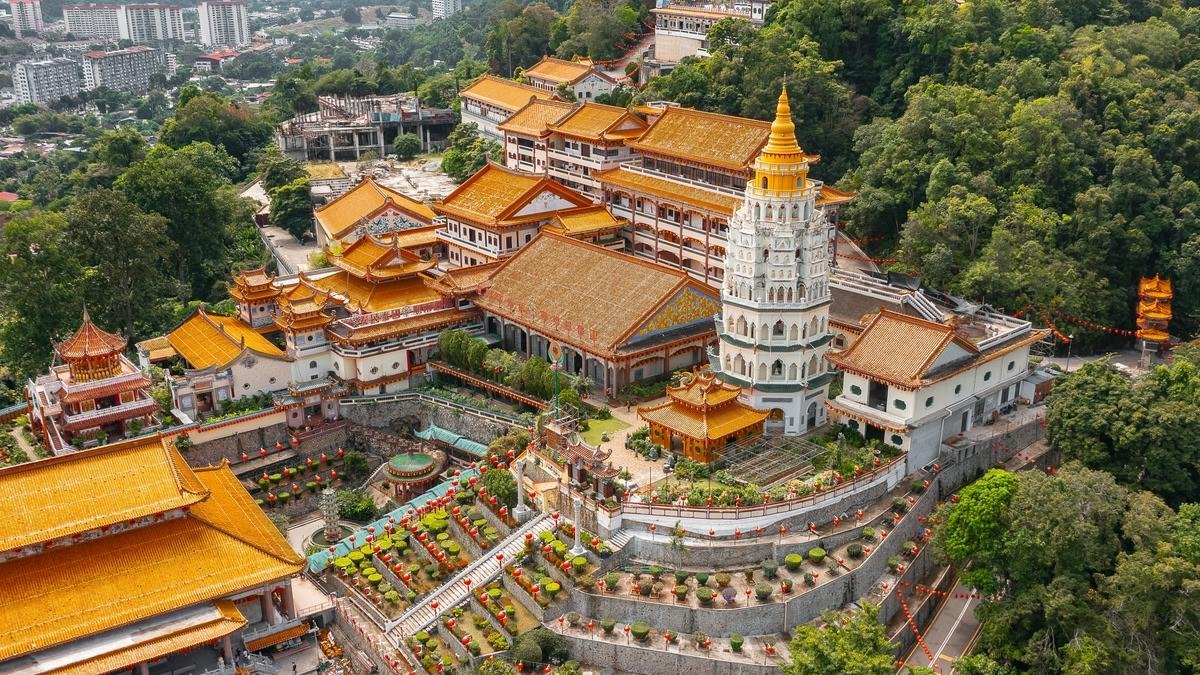
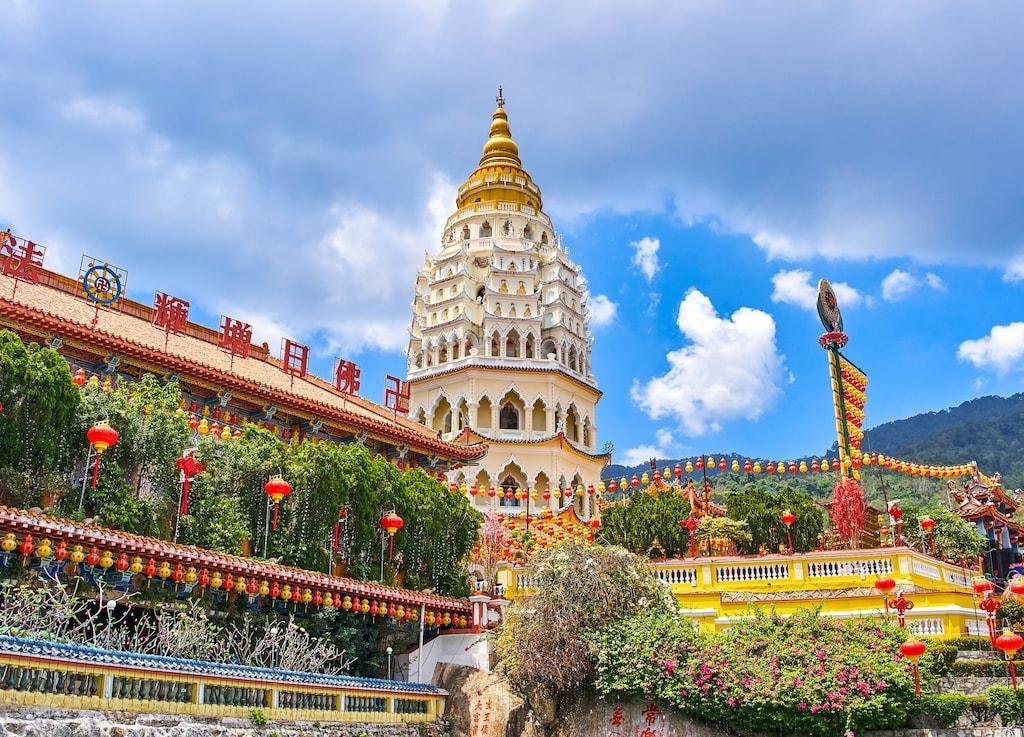
This religious diversity is directly reflected in the landscape.
In the same city you can find:
- Mosques.
- Buddhist temples.
- Hindu temples.
- Churches.
- Taoist temples.
- Shrines of different traditions.
To me, it’s one of the most visually interesting features of Malaysian culture.




Islam and Malaysian customs
Islam has an important influence on the daily life of a large part of the population.
This is reflected in aspects such as food, clothing, celebrations and certain social norms.
Ramadan , for example, has enormous importance for Muslims.
At the end of the month of fasting, Hari Raya Aidilfitri is celebrated, one of the great festivals of the Malaysian calendar.
During these dates, family gatherings, visits to family and friends, and special meals are common.
But something that I find especially interesting is that the cultural diversity makes the Malaysian holiday calendar much broader than Islamic celebrations.
The great festivals of Malaysia
If there is something that demonstrates the cultural diversity of the country, it is its calendar of festivities.
In Malaysia, festivals related to different communities and religions are celebrated.
Among the most important we find:
- Hari Raya Aidilfitri .
- Chinese New Year .
- Deepavali .
- Thaipusam .
- Christmas .
- Wesak .
- Gawai Dayak .
- Kaamatan .
- Independence Day , Hari Merdeka.
- Malaysia Day .
The same society can participate in different celebrations depending on the region, community or family relationships.
Live Malaysia highlights precisely the multicultural nature of the holidays and mentions celebrations such as Chinese New Year, Deepavali, Gawai Dayak, Chingay and other regional festivals.
Hari Raya Aidilfitri
It is the celebration that marks the end of Ramadan.
Families get together, prepare special meals, and visit family and friends.
Chinese New Year
Celebrations include red decorations, family gatherings, traditional dances, markets and shows.
Deepavali
It is the Festival of Lights of the Hindu tradition.
Houses and streets can be filled with lights and decorations, especially in areas with a significant Indian population.
Thaipusam
It is one of the most striking Hindu celebrations in Malaysia.
The celebrations at Batu Caves , near Kuala Lumpur, are especially well known.
Gawai Dayak
It is a celebration related to different indigenous people of Sarawak and has a strong connection with the culture and traditions of Borneo.
Kaamatan
The Kaamatan is a particularly important harvest celebration in Sabah and is linked to the traditions of the indigenous people of that state.


Malaysian gastronomy: a culture that is eaten
If I had to choose just one way to approach Malaysian culture , it would probably be through food.
Malaysian cuisine is one of the best examples of how different cultures can mix to create something completely new.
Influences appear here:
- Malays.
- Chinese.
- Indians.
- Thai.
- Indonesians.
- Javanese.
- From Sumatra.
- Arabs and other commercial influences.
Malaysia’s position within the ancient spice routes also helped enrich its cuisine.
And this is evident in the flavors.
We find rice, noodles, coconut, chili, turmeric, ginger, coconut milk, aromatic herbs, fish, seafood and a huge variety of spices.



Typical Malaysian dishes
Among the dishes that most represent Malaysian gastronomy we find:
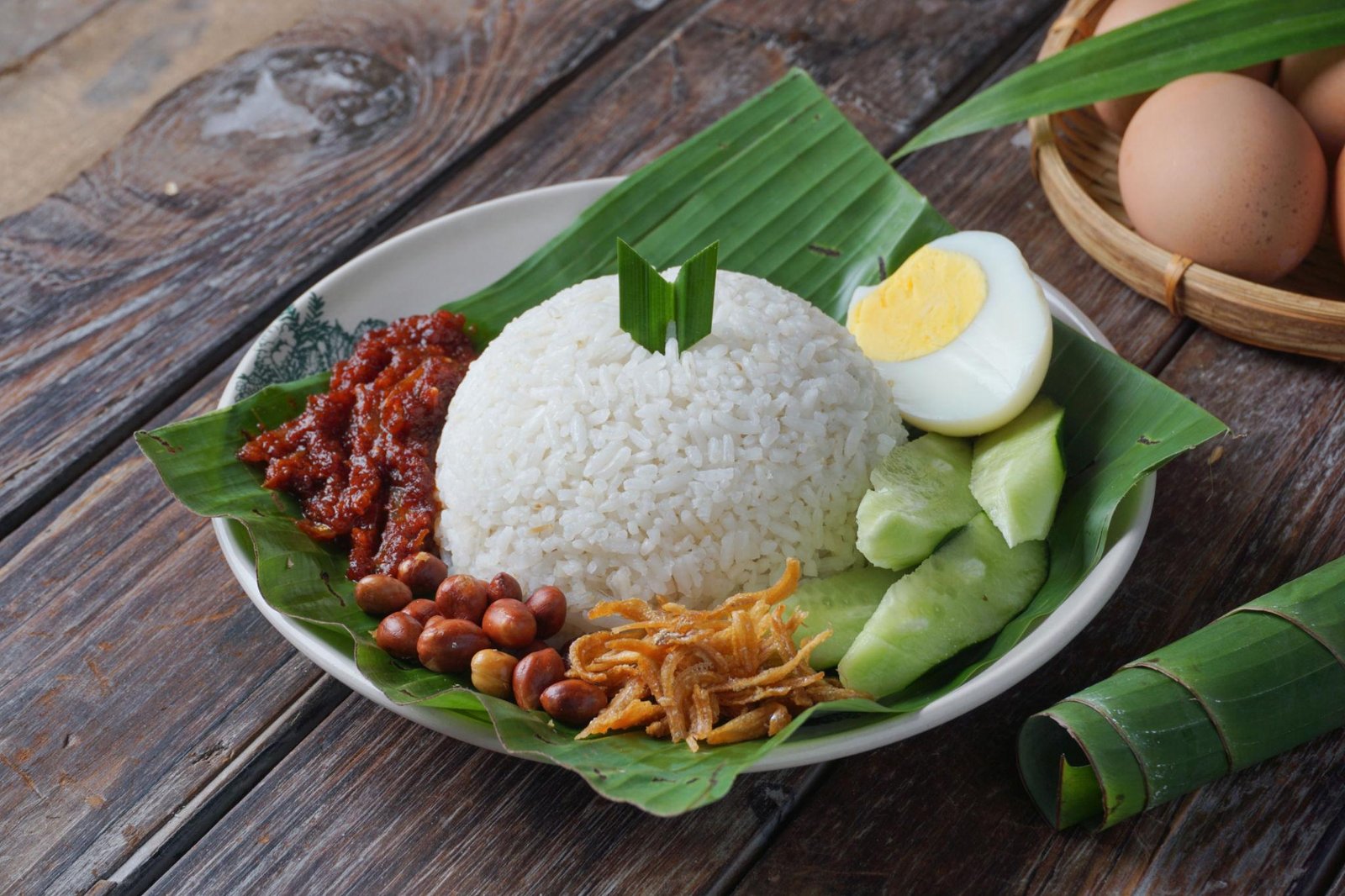
Nasi lemak
Probably one of the most iconic dishes.
Rice is traditionally cooked with coconut milk and is usually accompanied with sambal, peanuts, anchovies, egg and other ingredients.
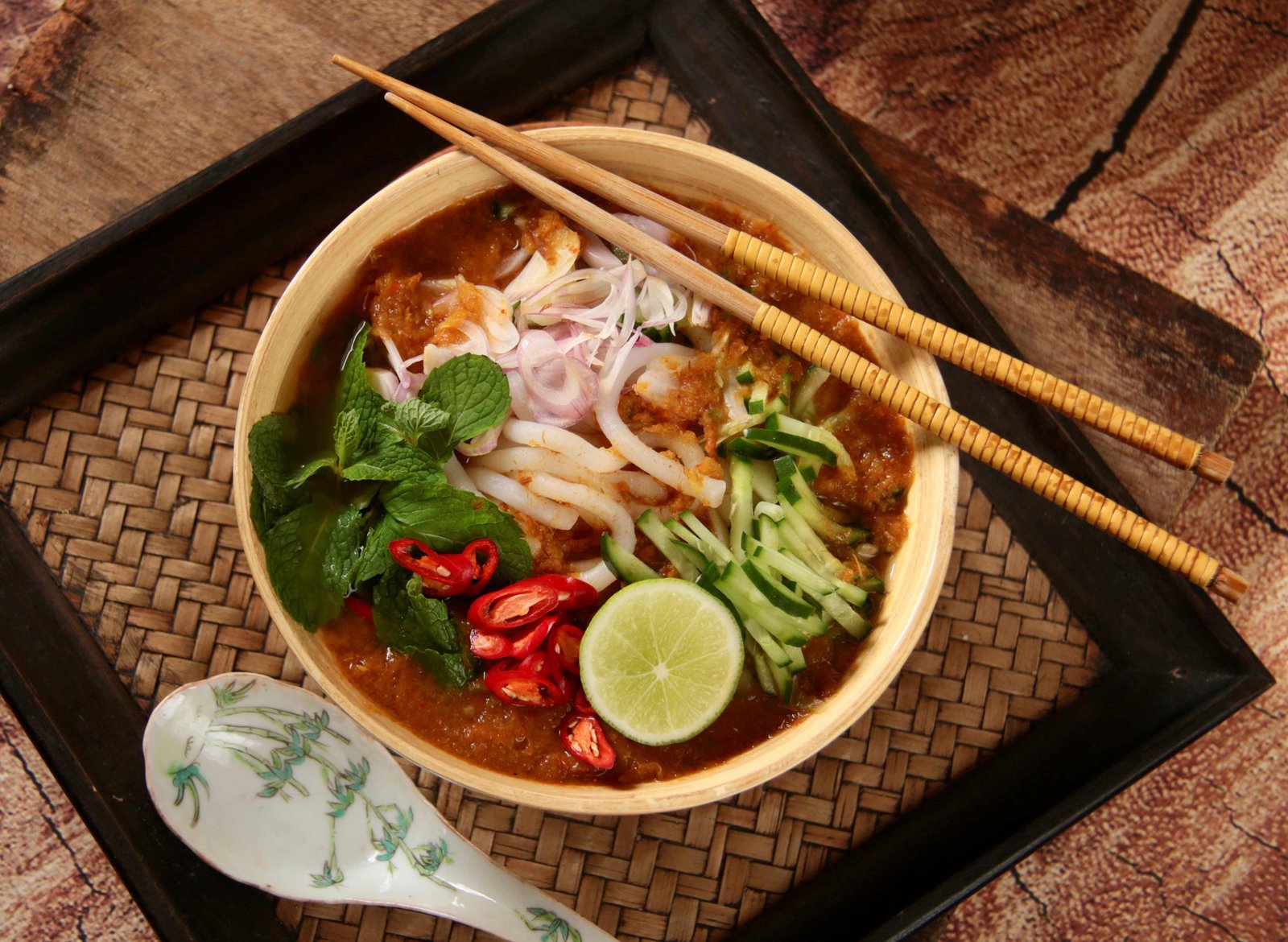
Laksa
Laksa brings together different regional versions and combines noodles with intense and spicy broths.
The asam laksa from Penang , for example, is very different from other varieties.
Satay
They are marinated meat skewers cooked on the grill and usually accompanied with peanut sauce.
Roti canai
It has a strong influence from the Indian community and consists of a flat, flaky bread that is usually served with curry.
Char kway teow
A dish of stir-fried rice noodles that is especially famous in Penang.
Rendang
A meat preparation slowly cooked with spices and coconut milk, closely related to Malay and Indonesian culinary traditions.
Hainanese chicken rice
Although it has Chinese roots, in Malaysia it developed its own versions and became a very popular dish.
And here’s one of my favorite details about Malaysian cuisine: It doesn’t always make sense to try to figure out which country a dish “belongs” to . Many recipes traveled, were adapted and ended up being part of a local identity.
The culture of markets and food stalls
Street food is a very important part of everyday life.
In places like Penang, Kuala Lumpur or Malacca, markets and food stalls allow you to try a huge variety of preparations.
In many cases, gastronomy functions as a meeting point between communities.
One person can order Malaysian food, another Chinese food, and another an Indian preparation, and they all end up sharing the same space.
For me, few things better explain the concept of Multicultural Malaysia .
Peranakan culture
One of the most fascinating parts of Malaysian culture is the Peranakan culture .
The Peranakan are communities that developed their own identity from different cultural influences, especially Chinese and Malay.
Their heritage can be seen especially in Malacca and Penang .
We found:
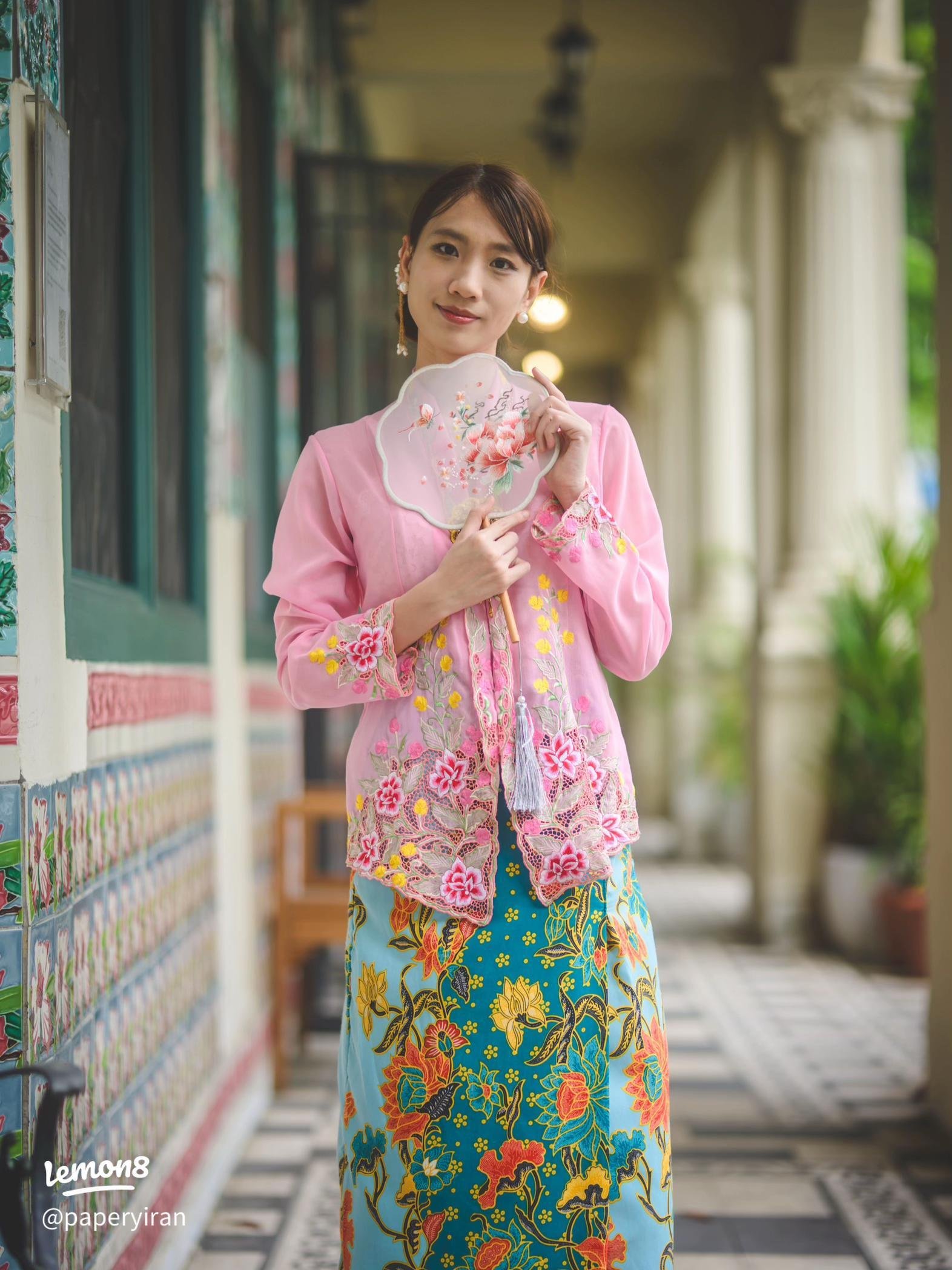
- Colorful architecture.
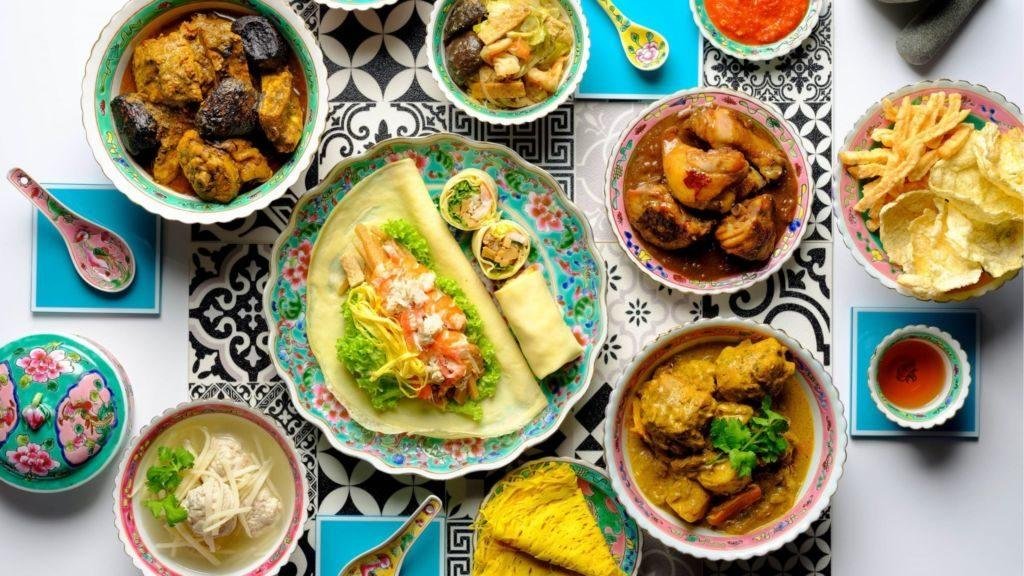
- Own gastronomy.
- Traditional clothing.
- Ceramics.
- Furniture.
- Decoration.
- Family traditions.
- Marriage customs.
Nyonya cuisine, linked to Peranakan culture, is especially known for combining Chinese techniques and ingredients with local Southeast Asian flavors.




The culture of Malacca
Malacca is one of the places that interest me the most to understand the cultural mix of Malaysia.
Its history as a commercial port meant that different cultures left their mark on the city.
Malay, Chinese, Portuguese, Dutch and British influences appear in its heritage.
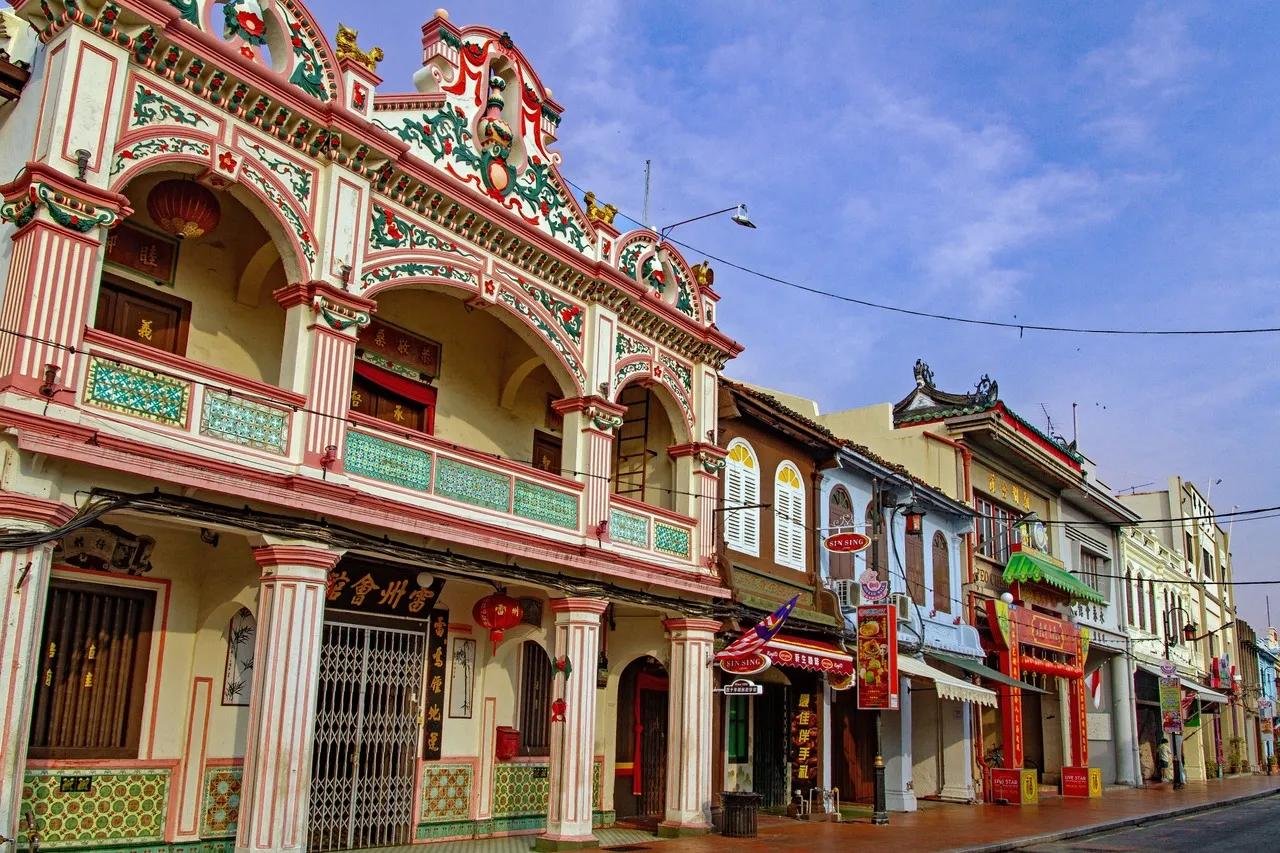
The historic center preserves buildings, temples, churches and old commercial houses that tell this story.
The city was also an important port within the region’s trade routes.


Penang and cultural diversity
If Malacca represents the country’s multicultural history very well, Penang is another essential place.
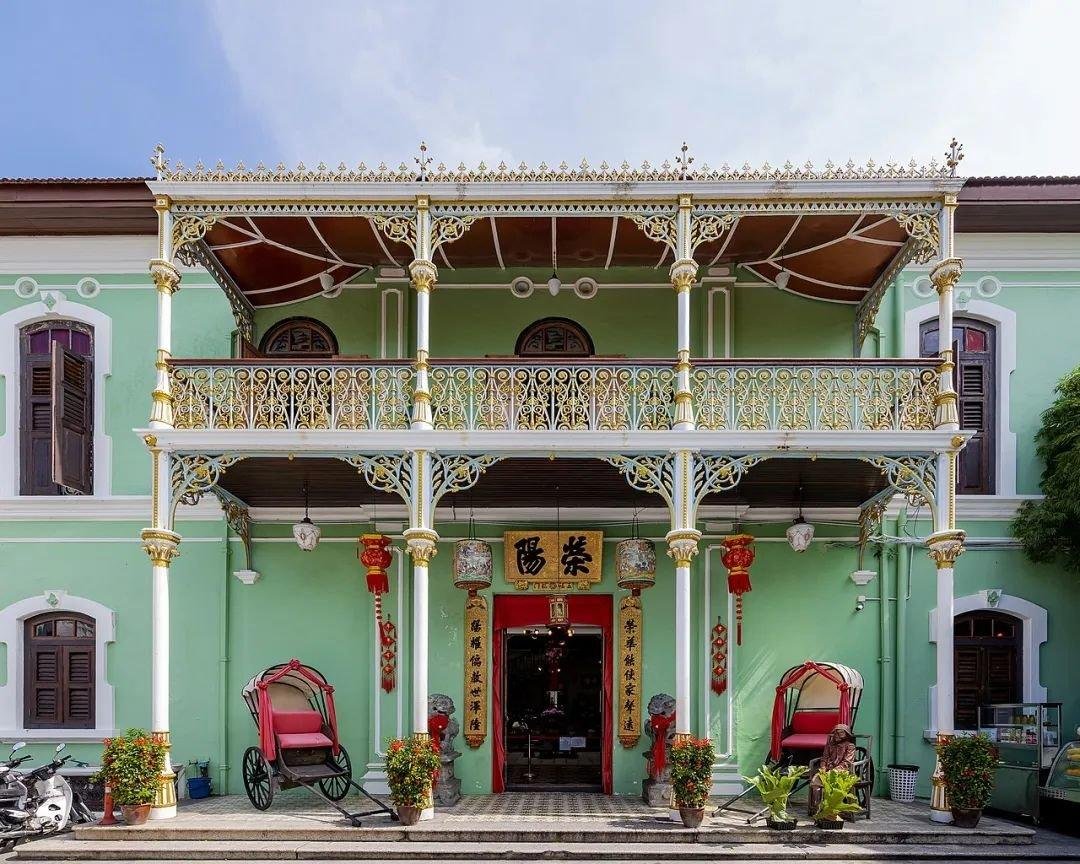
George Town brings together Chinese, Malay, Indian, British and Peranakan heritage.
Furthermore, its gastronomy is one of the great cultural attractions of the region.
Walking through George Town allows you to find temples, mosques, churches, traditional houses, food stalls and urban art practically in the same route.
It’s hard to find a clearer representation of Malaysia’s cultural mix.
Traditional Malaysian architecture
Malaysian architecture also reflects the country’s diversity.
We can find:
- Traditional Malay houses.
- Peranakan Houses.
- Chinese temples.
- Mosques.
- Hindu temples.
- Colonial architecture.
- Commercial houses.
- Modern buildings.
shophouses are especially characteristic in historic cities such as George Town and Malacca.
These constructions traditionally combined commercial and residential spaces.



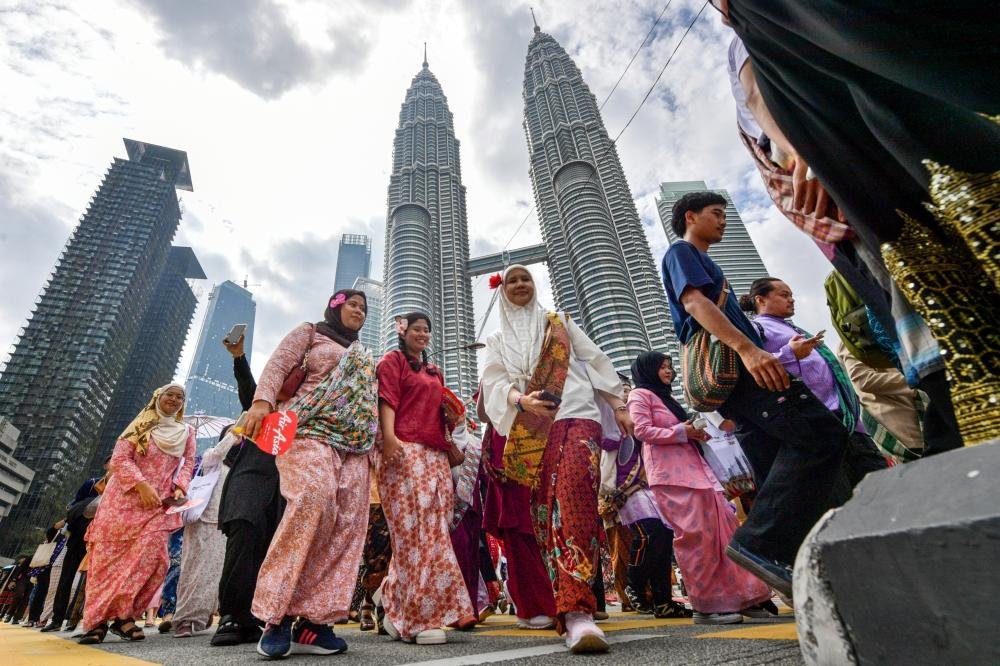
The Petronas Towers and modern Malaysia
And then we have the other side of the country.
The Petronas Towers are probably the most recognizable architectural symbol of contemporary Malaysia.
Its presence in Kuala Lumpur perfectly represents the leap that the country has experienced in recent decades.
I especially like that contrast: you can visit a temple with several centuries of tradition and then find one of the great architectural icons of Asian modernity.
Malaysian culture is not only historical heritage.
It is also an urban, technological and modern society.
Traditional music and dances
Malaysian traditional music presents enormous variety due to the country’s cultural diversity.
There are percussion instruments, string instruments and different types of music related to specific communities.
In Borneo we also find musical traditions typical of indigenous peoples.
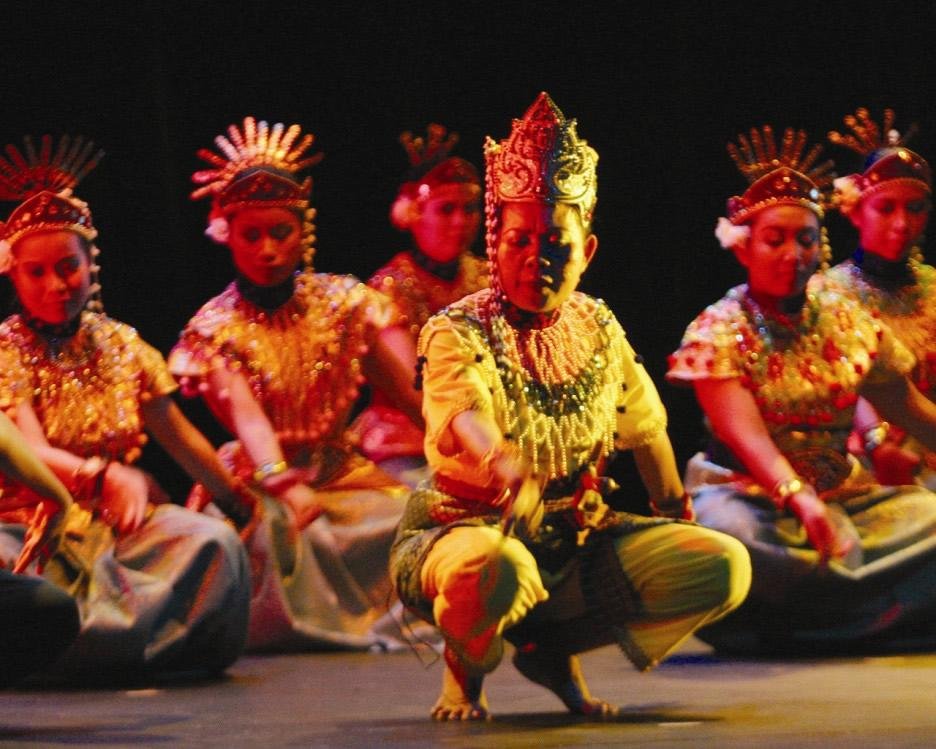
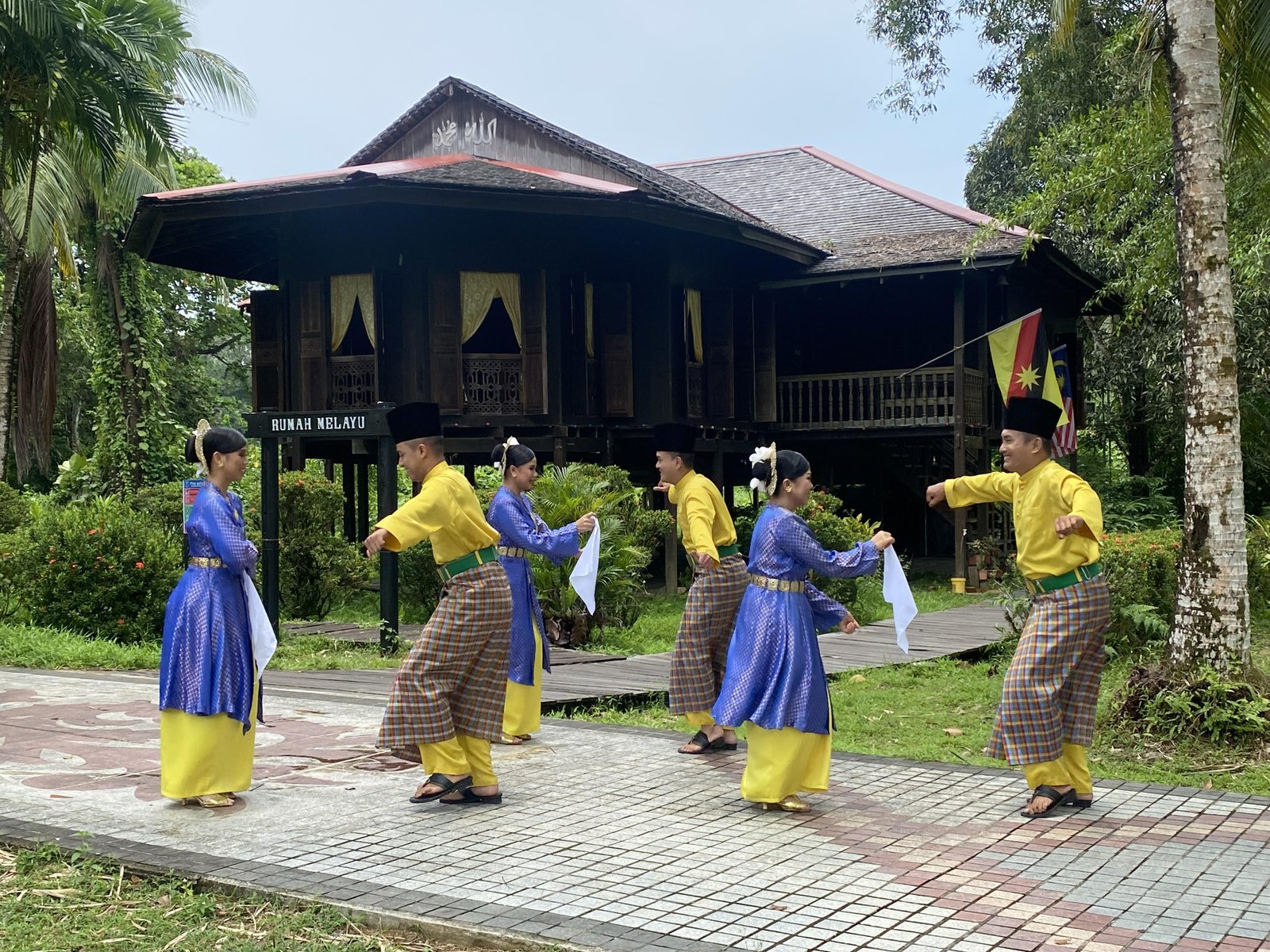
Among the traditional expressions, different Malay, Chinese, Indian and indigenous dances stand out.
Mak Yong , a traditional form of theater and dance originating from the Kelantan area, is one of the internationally recognized elements of Malaysian cultural heritage.
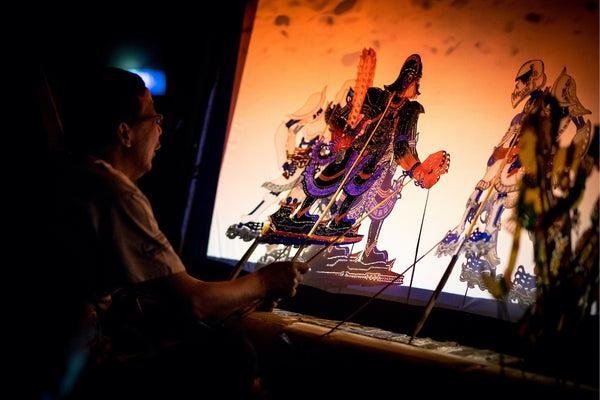
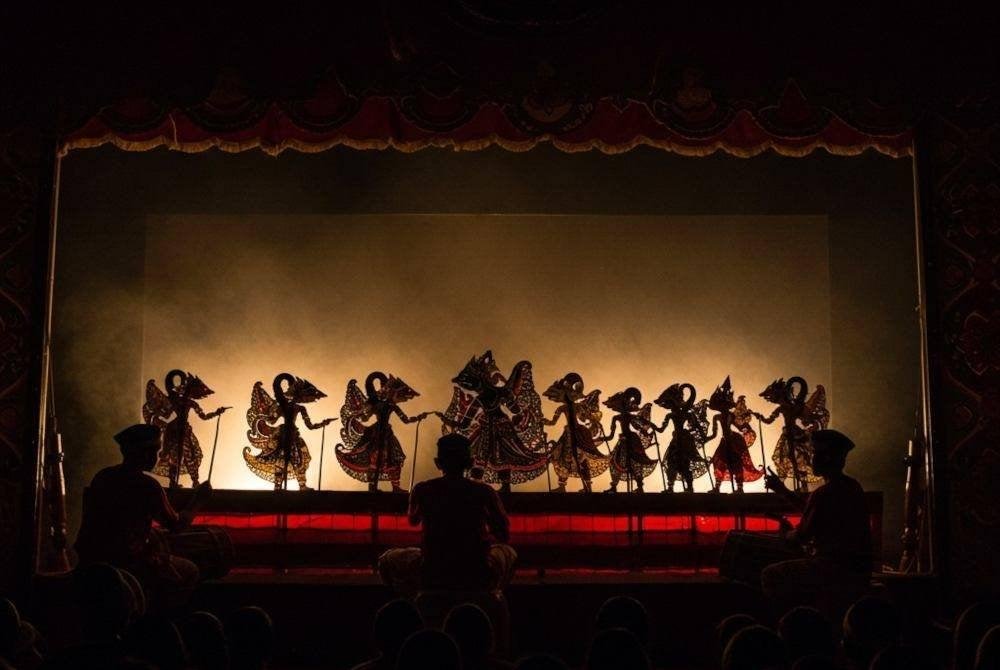
We also find the wayang kulit , the traditional shadow theater.


Traditional Malaysian crafts
Craftsmanship is also part of cultural identity.
Among the traditional techniques we find:
- Batik.
- Songket.
- Traditional fabrics.
- Basketry.
- Wood carving.
- Goldsmithing.
- Ceramics.
Malaysian batik
The batik is one of the most recognizable handicraft products.
Wax and dye application techniques are used to create designs on fabrics.
Although batik also exists in other Southeast Asian countries, Malaysia developed its own characteristics and styles.
The songket
The songket is a traditional fabric made with decorative threads, historically associated with materials such as gold or silver.
It is especially used in ceremonial clothing and important occasions.
The languages of Malaysia
The official language is Malaysian , officially known as Bahasa Melayu or Bahasa Malaysia .
But linguistic reality is much more complex.
In the country they also speak:
- English.
- Mandarin.
- Cantonese.
- Hokkien.
- Tamil.
- Different indigenous languages.
- Other languages and dialects.
English has a particularly important presence in cities and in certain educational and professional fields.
This linguistic diversity is another direct consequence of the country’s multicultural history.
Malaysian customs you should know
If I am preparing a trip to Malaysia, there are certain rules of etiquette that I find especially useful.
Use the right hand
In certain cultural and religious contexts it is considered appropriate to use the right hand to eat, hand over objects or receive them.
Taking off shoes
It is common to remove your shoes before entering certain homes and religious places.
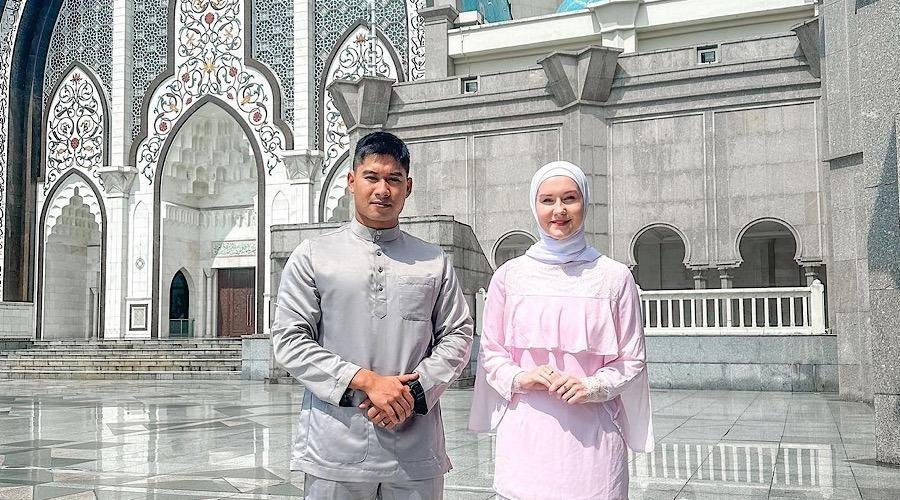
Dress respectfully
On beaches and tourist areas there is greater freedom, but to visit mosques, temples or traditional communities it is advisable to dress more conservatively.
In particular, it is advisable to cover shoulders and knees when the location requires it.
Ask permission before photographing
Although photography is usually allowed in many tourist places, in religious spaces or when photographing people it is best to ask permission.
Avoid pointing fingers
In certain cultural contexts it may be considered impolite to point directly at a person.
Show affection in public in moderation
Excessive displays of affection can be uncomfortable in certain areas or contexts.


Malaysian hospitality
One characteristic that constantly appears when studying Malaysian culture is hospitality.
Visitors usually find a fairly open society, especially in urban and tourist areas.
Offering food or drink to guests is part of many social traditions.
Live Malaysia also highlights hospitality as one of the important aspects of local culture and recommends politely accepting food or drinks offered by a host.
And I personally believe that these types of details say much more about a society than any list of monuments.
The British, Portuguese and Dutch influence
Malaysia’s current culture also cannot be understood without its colonial history.
Portugal, the Netherlands and later the United Kingdom left traces in different parts of the territory.
The European influence can be seen especially in:
- Architecture.
- Administration.
- Education.
- Trade.
- Urbanism.
- Gastronomy.
- Historical heritage.
Malacca is probably one of the best places to appreciate this overlap of influences.
But we should not interpret today’s Malaysian culture simply as a sum of foreign influences. Over time, these influences were adapted and mixed with local traditions.
The culture of Sabah and Sarawak
This is where I think many articles on Malaysian culture fall too short.
Malaysia does not end in Kuala Lumpur.
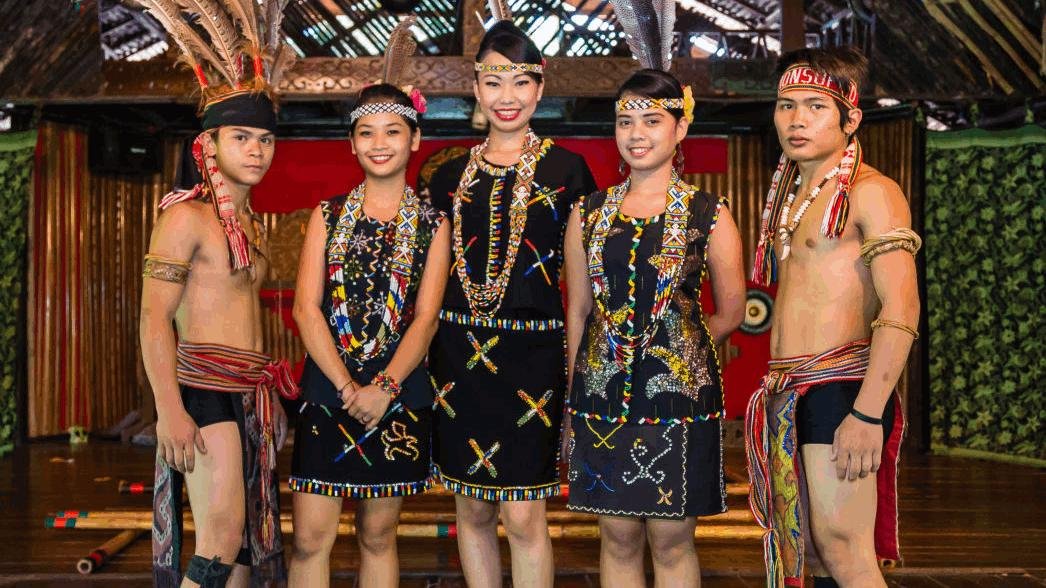
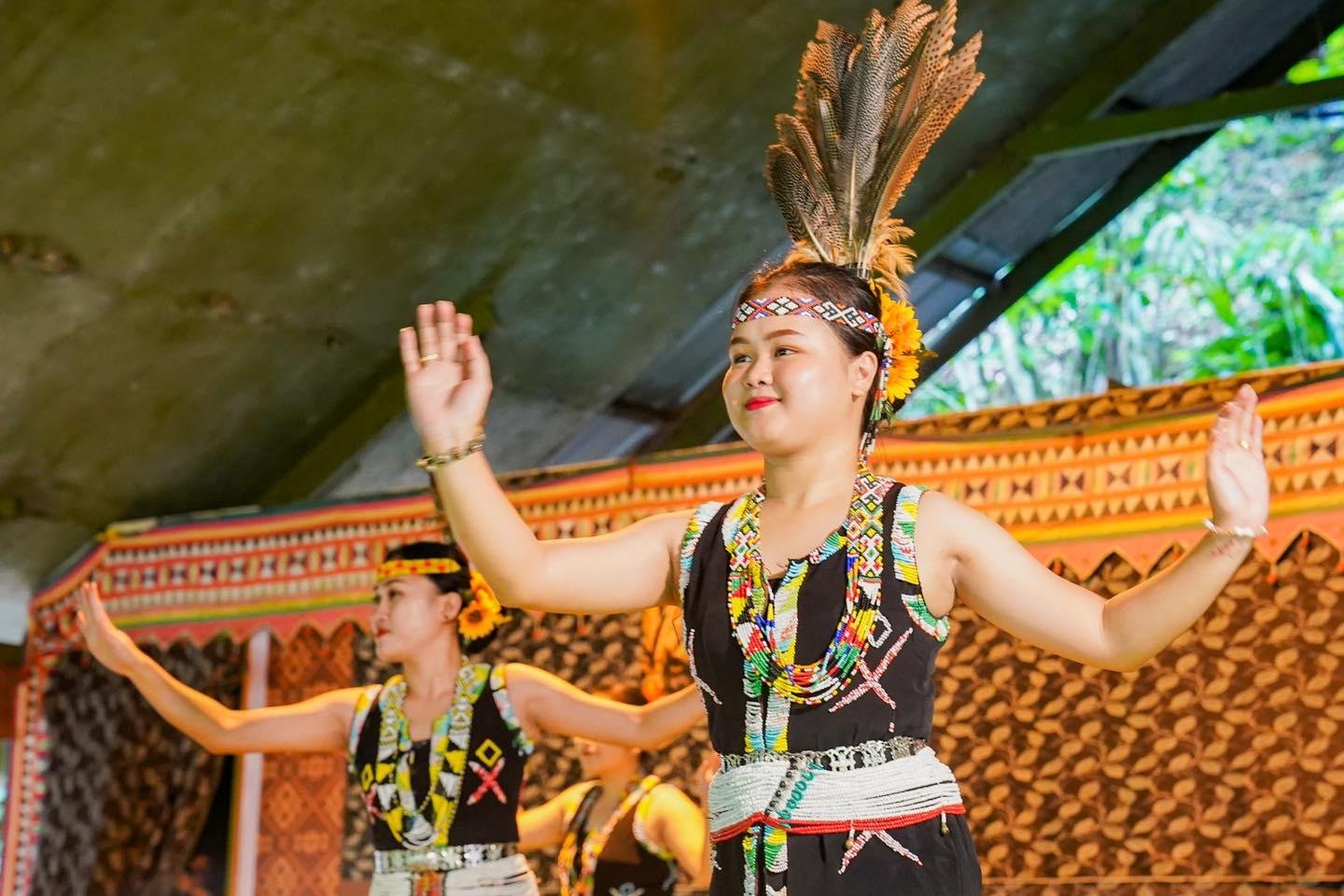
The states of Sabah and Sarawak , located in Borneo, have enormous cultural wealth.
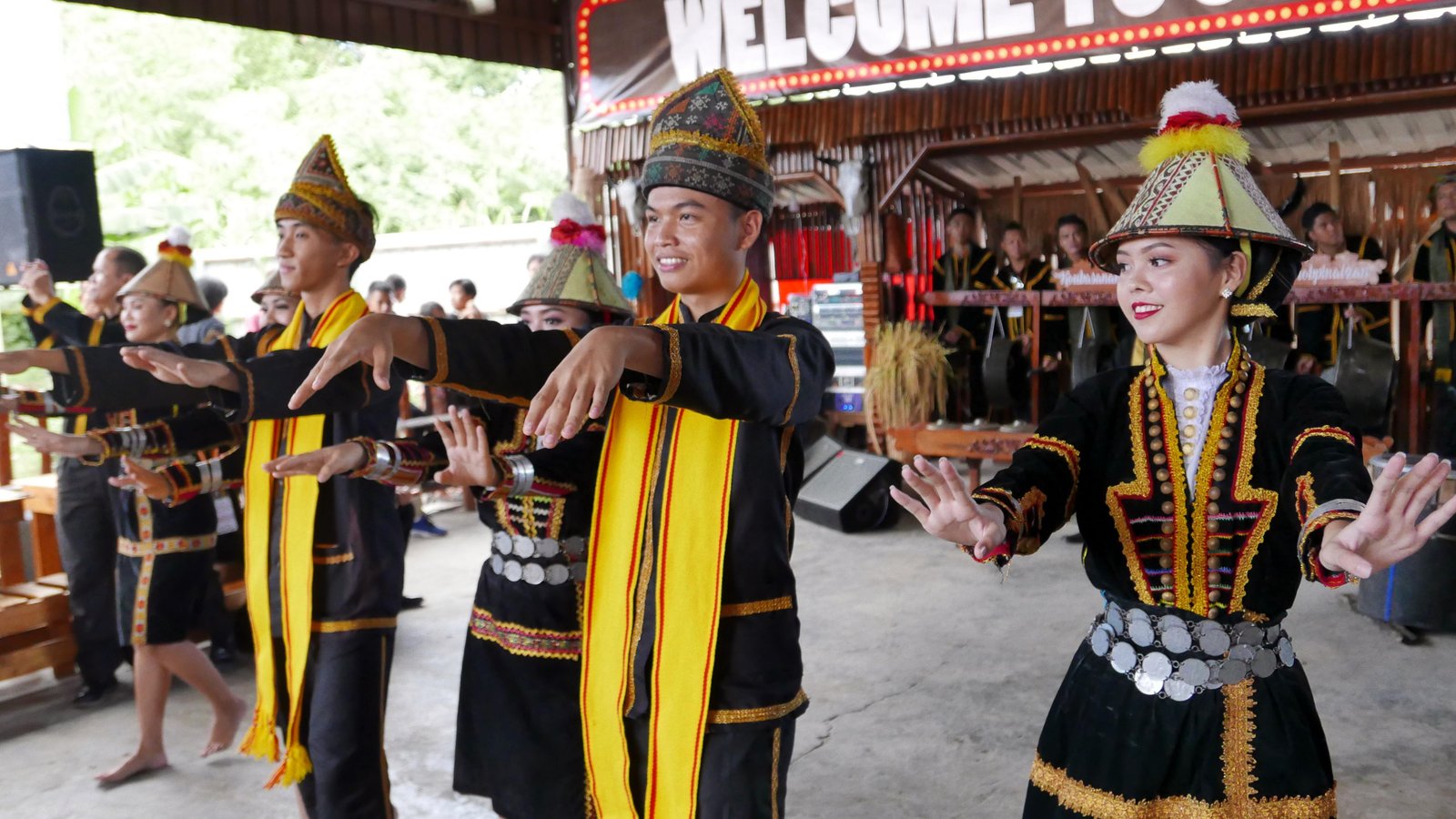
Numerous indigenous peoples with their own traditions live in these regions.
In Sarawak we find, among others, Iban and Bidayuh communities.
Groups such as the Kadazan-Dusun stand out in Sabah.
Traditions may include:
- Communal houses.
- Ceremonial clothing.
- Traditional music.
- Dances.
- Crafts.
- Agriculture.
- Harvest festivals.
- Different indigenous languages.



What is a longhouse?
The longhouses, or longhouses, are one of the most interesting architectural elements of some indigenous communities in Borneo.
Several families can live in them within the same structure, sharing certain spaces.
They are not simply curious buildings for the visitor: they represent a traditional form of community organization.
It’s one of those examples that shows that talking about “Malaysian culture” also means talking about many different local cultures.
The Malaysian identity between tradition and modernity
One of the things I like most about Malaysia is that there doesn’t seem to be a need to choose between tradition and modernity.
You can have:
- Skyscraper in Kuala Lumpur.
- Centennial temples.
- Giant shopping centers.
- Traditional markets.
- Modern technology.
- Longhouses in Borneo.
- Chinese restaurants.
- Malaysian food stalls.
- Hindu temples.
- Mosques.
- Urban art.
It’s all part of the same country.


Malaysia as a cultural meeting point
If I had to explain Malaysian culture to someone who has never researched the country, I wouldn’t start by talking about a specific dish or a religion.
I would start by talking about its historical position.
Malaysia was located in a strategic area for maritime trade in Asia. This position made people, merchandise, ideas, religions, languages and recipes circulate through its territory.
Over time, those influences blended with local cultures.
That is why we find gastronomy with Chinese and Indian influences, colonial architecture along with mosques and temples, festivities of different religions and indigenous communities with completely their own traditions.
It is not an artificial mixture created for tourism.
It is the result of centuries of history.
Frequently Asked Questions (FAQs)
What is the culture of Malaysia?
Malaysia’s culture is multicultural, combining Malay, Chinese, Indian, indigenous traditions and other influences from the country’s commercial and colonial history.
What are the main cultures of Malaysia?
The main cultural communities include the Malays, Chinese and Indians, as well as numerous indigenous peoples of the peninsula and Borneo, especially in Sabah and Sarawak.
What is the main religion of Malaysia?
Islam is the official religion of the federation and the majority religion, but Malaysia also has significant Buddhist, Christian and Hindu communities.
What language is spoken in Malaysia?
The official language is Malay, although English is widely spoken and Mandarin, Cantonese, Tamil and numerous indigenous languages and dialects are also spoken.
What is typical Malaysian food?
Among the best-known dishes are nasi lemak, laksa, satay, roti canai, char kway teow, rendang and different preparations of rice and noodles.
What customs does Malaysia have?
Among the customs that should be known are taking off your shoes before entering certain places, dressing respectfully in religious spaces, using your right hand to eat or hand over objects in certain contexts, and asking permission before photographing people or religious places.
What holidays are celebrated in Malaysia?
Major ones include Hari Raya Aidilfitri, Chinese New Year, Deepavali, Thaipusam, Christmas, Wesak, Gawai Dayak, Kaamatan, Hari Merdeka and Malaysia Day.
What is Malaysian batik?
It is a traditional textile decoration technique based on the use of wax and dyes to create patterns and designs. Malaysia developed its own styles within the Southeast Asian batik tradition.
What is Peranakan culture?
It is a culture developed from the historical interaction between different communities in Southeast Asia, especially of Chinese and Malay origin. It is especially visible in places like Penang and Malacca.
What indigenous peoples exist in Malaysia?
There are numerous indigenous peoples. In Borneo, communities such as the Iban, Bidayuh and Kadazan-Dusun stand out, while on the peninsula there are different Orang Asli groups.
Why does Malaysia have so many different cultures?
Its strategic position on the Asian trade routes favored the arrival and settlement of different peoples for centuries. Later, the Portuguese, Dutch and British colonial stages added new influences.
Is Malaysia a multicultural country?
Yes. Ethnic, linguistic and religious diversity is one of the fundamental characteristics of Malaysian society.
What is the difference between Malaysian and Indonesian culture?
Although there are important historical and cultural similarities, they are different countries and each developed their own national identities, linguistic variants, traditions and cuisines. In addition, Malaysia presents a particularly strong combination of Malay, Chinese, Indian, indigenous and colonial influences.
What makes Malaysian culture special
After reviewing all this, I think there is one idea that sums up Malaysia’s culture quite well : its diversity is not a secondary detail, but one of the pillars of its identity.
The food proves it.
The architecture proves it.
Religions prove it.
The holidays prove it.
Even languages prove it.
And the deeper I go into the country, the clearer I see that it would be a mistake to stop at just Kuala Lumpur and the Petronas Towers. Malacca, Penang, Sabah and Sarawak provide fundamental pieces to understand the enormous Malaysian cultural mosaic.
What attracts me most to Malaysia is precisely that contrast: a modern, urban society that continues to preserve Malay, Chinese, Indian, Peranakan and indigenous traditions .
You can start the day contemplating the skyscrapers of Kuala Lumpur, eat a nasi lemak, visit a Chinese temple, encounter a Hindu celebration and end by discovering a tradition from Borneo.
And all of that is still Malaysia.