
Traveling through Europe is much more than a tour of historical monuments. It is entering the “Old Continent”, a territory that, despite its small size compared to others, is defined by a cultural, historical and political density unmatched in the rest of the world.
The European continent is located in the northern hemisphere and most of it in the eastern hemisphere. It is bordered by the Arctic Ocean to the north, the Atlantic to the west and the Mediterranean Sea to the south. Geographically, Western, Central, Eastern, Northern and Southern Europe is organized into various regions that are home to 50 sovereign countries , each with its own language, currency (in many cases) and ancient traditions.

A fact that underlines its relevance: Europe is the most visited continent in the world, annually receiving more than 700 million international tourists , attracted by the ease of movement between borders and its inexhaustible artistic heritage.
Why traveling through Europe is a unique experience
Delving deeper into what it means to travel through Europe, there is a fascinating contrast between preserving the past and pioneering the future. It is the only place where you can walk along a Roman road in the morning and use hyper-modern transport infrastructure in the afternoon.
Unlike other continents, Europe operates under a logic of proximity . Diverse social models coexist here: from the Nordic “Welfare State”, where efficiency and punctuality are pillars, to the Mediterranean culture of Spain and Italy, where the pace of life is slow and socialization and gastronomic enjoyment are prioritized.
This mosaic of identities concentrated in a small space is what makes Europe an unrivaled destination for any traveler.
How the European continent is divided
To organize an efficient route, it is essential to understand its main regions:

- Western Europe: The political and economic heart (France, Germany, Netherlands).
- Southern Europe: Classic history, sun, beaches and gastronomy (Spain, Italy, Greece).
- Northern Europe: Dramatic natural landscapes, design and modernity (Scandinavia, United Kingdom).
- Central and Eastern Europe: Medieval castles, imperial history and an emerging cultural wealth (Poland, Czech Republic, Hungary).
Best countries to travel in Europe
Throughout the analysis of the continent, these countries stand out for their tourism infrastructure and their weight in global history:


From an objective perspective, Europe has been the laboratory of the great artistic movements (Renaissance, Baroque, Modernism) that have shaped the visual aesthetics of contemporary civilization.
Curiosities of some of the countries of Europe
Discover the secrets that have remained hidden behind the walls of their imperial cities. Below, we present the most surprising things about various European nations to navigate intuitively:

Curiosities about France: 25 surprising facts that you may not have known

Curiosities about Spain: 25 surprising facts that you probably didn’t know

Curiosities about Germany: surprising facts, culture and things you didn’t know

Curiosities about Italy: 50 surprising facts that you probably didn’t know

Curiosities about Portugal: 25 surprising facts that you may not have known

Curiosities about Greece: 30 surprising facts that you may not have known
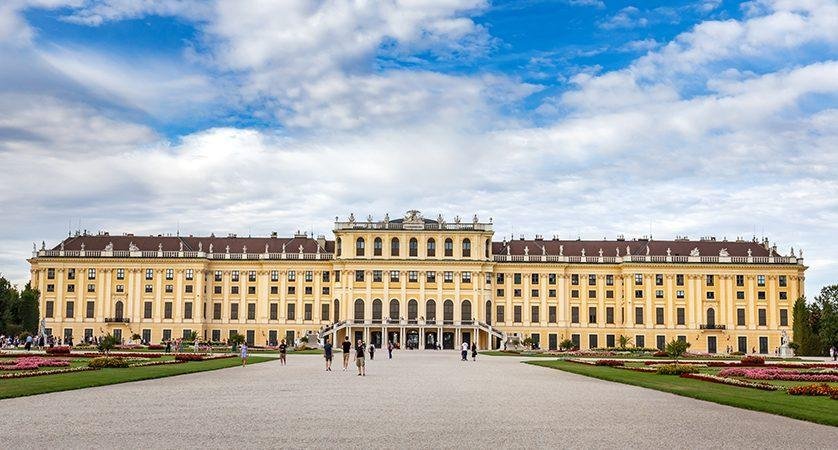
Curiosities about Austria: 35 surprising facts that you may not have known

Curiosities about the Netherlands: 40 surprising facts that you may not have known

Curiosities about Türkiye: 40 surprising facts that will make you see the country with different eyes

Curiosities about the United Kingdom: surprising facts, secrets and things you might not know
Cultural differences in Europe that you should know
One of the greatest attractions of Europe is that crossing a border of just a few kilometers can mean a radical change in language and customs.


The North-South divide: While in northern Europe communication is usually direct and privacy is valued, in the south human warmth, expressiveness and street life are the predominant social norms.
Furthermore, Europe is an example of multilingualism . In a single trip, it is common to interact with three or four different languages, which requires an open mind and a great capacity for adaptation on the part of the visitor.
Traveling through Europe through its gastronomy
European gastronomy is the result of centuries of cultural exchange and a deep respect for local products.

Gastronomy of France: typical dishes, traditions and flavors that conquered the world

Gastronomy of Spain: typical dishes, ingredients and flavors that conquer the world

Gastronomy of Germany: typical dishes, traditional food, drinks and German flavors

Gastronomy of Italy: discover the dishes, ingredients and traditions that conquer the world

Gastronomy of Portugal: typical dishes, traditional flavors and Portuguese food that you must try

Gastronomy of Greece: typical dishes, traditional food, Greek ingredients and flavors

Austrian gastronomy: typical dishes, traditional Austrian food and flavors you should try

Gastronomy of the Netherlands: typical dishes, traditional food and flavors you must try

Gastronomy of Türkiye: discover the flavors, typical dishes and secrets of a cuisine between continents

Gastronomy of the United Kingdom: typical dishes, traditional food and what to eat
Every bite is a lesson in geography and tradition.
Best destinations in Europe that you should visit
After analyzing the continent in depth, these places represent its maximum essence:

Best places in France: 20 essential destinations to discover the country

The best places in Spain: 20 essential destinations to fall in love with the country

Best places in Germany: 15 destinations worth visiting

Best places in Italy: 25 essential destinations to discover the charm of the country

Best places in Portugal: 22 incredible destinations worth visiting

Best places in Greece: 25 destinations worth visiting

Best places in Austria: 25 essential destinations to see

Best places in the Netherlands: 25 essential destinations to see

Best places in Türkiye: complete guide to discover a country between two worlds

Best places in the United Kingdom: 25 incredible destinations to see.
How to organize a trip through Europe step by step
Planning a European route requires technical precision to make the most of your time:
- Transportation: The train (Eurail) is the most efficient and scenic option.
- Season: Spring and fall offer the best balance between weather and crowds.
- Currency: Although the Euro is the main currency, countries like Switzerland, Hungary and the United Kingdom maintain their own.
- Visas: It is vital to verify the requirements of the Schengen Area.
Recommended routes for traveling through Europe
- Classic Route: London + Paris + Amsterdam.
- Mediterranean Route: Barcelona + Costa Azul + Rome.
- Imperial Route: Berlin + Prague + Vienna + Budapest.
- Nordic Route: Copenhagen + Stockholm + Oslo.
Why traveling through Europe changes your perspective
In conclusion, traveling through Europe is not just about visiting museums; is to understand the roots of modernity. It is understanding how political fragmentation has given rise to such rich cultural diversity and how the union of these nations has created a space of unprecedented peace and mobility. It is a journey to the origin of our own ideas.
Frequently Asked Questions (FAQs)
How many countries are there in Europe?
Europe has 50 sovereign countries, although not all of them belong to the European Union.
What is the best way to move between countries?
High-speed rail is the preferred option for its comfort and sustainability, although low-cost airlines are very popular for long distances.
What currency do I need?
The Euro (€) is the most common, but it is always advisable to carry a multi-currency card for countries outside the Eurozone.
Is it safe to travel in Europe?
Yes, it is considered one of the safest regions in the world for tourism, with excellent health services and traveler assistance.