
Portugal is one of those countries that seems simple until you start to dig a little into its history, its traditions and its way of living. It is there, to the west of the Iberian Peninsula, with its tiles, cod, fado and the famous pasteis de nata… but behind that image there are a lot of much more curious stories.
While preparing this article, I came across data ranging from a diplomatic alliance dating back to the Middle Ages to a surprising connection between Portugal and Japan. And the more I researched, the clearer something became clear to me: Portugal has many more curiosities than can fit into a conventional tourist guide .
So I have gathered here some of the most interesting curiosities of Portugal , trying to separate the truly documented data from those stories that are repeated on the internet without too many nuances.


1. Portugal is one of the oldest countries in Europe
This is one of those curiosities of Portugal that needs a little nuance.
Portugal is often described as the oldest nation in Europe , especially due to the continuity of its borders and the consolidation of the Portuguese kingdom in the Middle Ages. The official Portuguese tourism body itself uses this description when talking about the country’s history.
The Kingdom of Portugal was consolidated during the 12th century around Alfonso Henriques, and since then the territory has gone through monarchies, wars, discoveries, a dictatorship and finally a republic.
The interesting thing is that we are not simply talking about a country with many centuries of history: Portugal preserves an extraordinarily long territorial and historical identity .
2. The alliance between Portugal and the United Kingdom is more than 600 years old
This seems to me to be one of the most impressive curiosities of Portugal because it is not normally talked about when we think about the country.
The Anglo-Portuguese alliance has its roots in medieval treaties, especially that of 1373 and later the Treaty of Windsor of 1386. The University of Minho describes it as the oldest diplomatic alliance still in force.
We are talking about a diplomatic relationship that has survived wars, changes of monarchy, revolutions, empires and two world wars.
When you think about the historical relationship between European countries, you probably expect to find conflicts and rivalries. In this case, the story is much more nuanced.
3. Lisbon is much older than it seems
Lisbon was not exactly born yesterday.
The territory of the current Portuguese capital was inhabited since ancient times and there is evidence of Phoenician presence in the area. In fact, some tourist sources place Phoenician settlements in Lisbon around the first millennium BC.
That is why the comparison that Lisbon is older than Rome frequently appears.
Of course: here it is advisable to be careful with the exact figures that circulate on the internet. Simply saying that Lisbon is exactly 400 years older than Rome is a simplification. The important thing is that the occupation of Lisbon dates back to extraordinary antiquity.
And this explains quite well why walking through certain Lisbon neighborhoods feels like walking through several eras at the same time.
4. Portugal has 17 UNESCO World Heritage Sites
Another of the curiosities of Portugal that shows that the size of a country does not have much to do with the amount of assets it can concentrate.
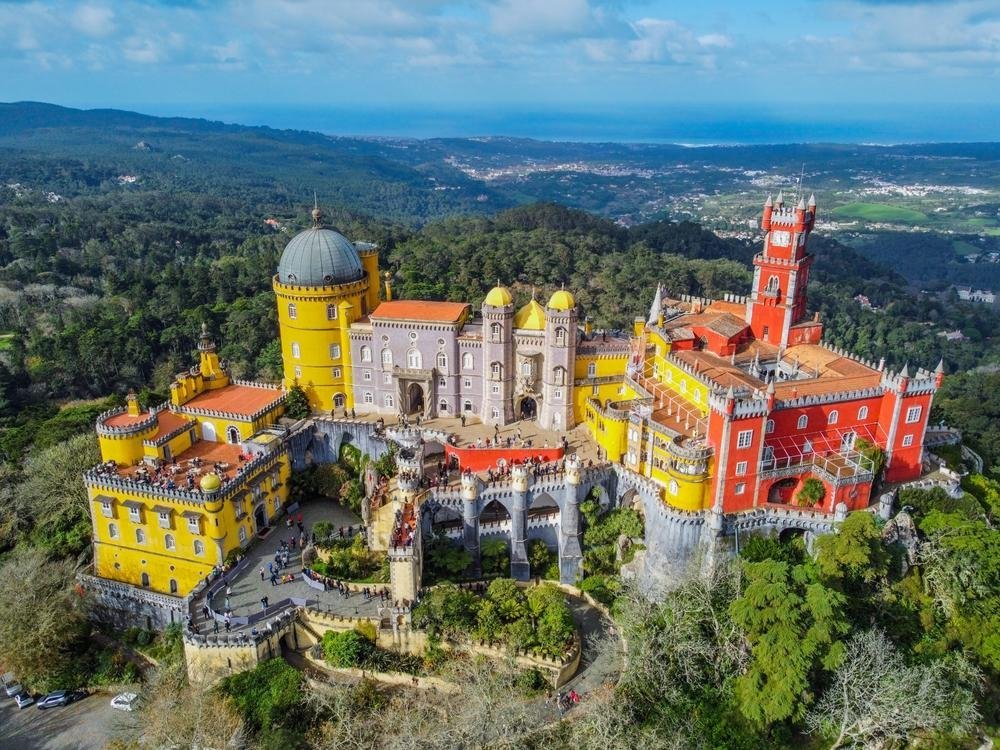
Portugal currently has 17 properties inscribed on the UNESCO World Heritage List , including places such as the historic center of Porto, Sintra, the University of Coimbra, the Alto Douro wine region and the Laurisilva of Madeira.
And there is one thing that I find especially interesting: not everything is concentrated in Lisbon.
Portugal allows you to go from historic cities to natural landscapes, vineyards, monasteries, medieval universities and architectural heritage practically without traveling enormous distances.


5. Portuguese tiles have a much older history than Instagram
If there is an image that we immediately associate with Portugal, it is the tiles.
We find them in churches, train stations, facades, palaces, homes and even Lisbon metro stations.
But here another curiosity appears: the word and tradition of tiles have roots related to the Islamic world. The official Portuguese tourism explains that the term comes from the Arabic al-zuleique , associated with a small polished stone.
Portugal took this decoration to a spectacular level, especially during the following centuries, until it became one of the most recognizable visual landmarks of the country.
Personally, this is one of those details that I find much more interesting when you know its history: you stop seeing it as just a pretty wall and you start seeing it as a piece of heritage.
6. Fado is Intangible Cultural Heritage of Humanity
The fado is much more than sad music.
This genre combines music and poetry and is deeply related to Lisbon. UNESCO incorporated it into the Representative List of the Intangible Cultural Heritage of Humanity in 2011.
He traditionally appears accompanied by the Portuguese guitar and a classical guitar, and his lyrics usually revolve around love, nostalgia, loss, everyday life and the call saudade .
The interesting thing is that fado was born from a quite complex cultural mix, with Afro-Brazilian influences, Portuguese musical traditions and urban currents of the 19th century.
Therefore, when we talk about Portuguese culture, fado is practically mandatory.
7. Portugal and Japan have an unexpected gastronomic connection
Here comes one of my favorite Portuguese curiosities.
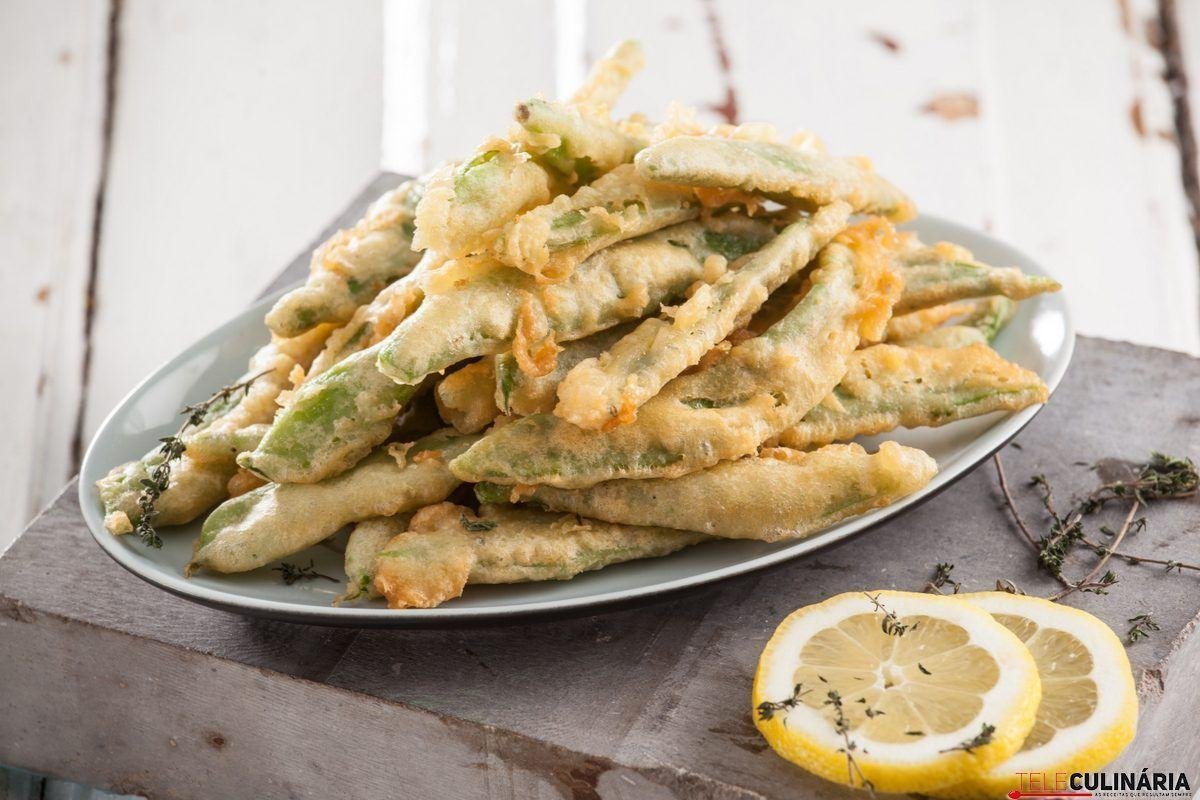
Japanese tempura has a historical relationship with the Portuguese who arrived in Japan during the 16th century.
The idea of breaded and fried foods already existed in different cultures, but the Portuguese presence in Japan contributed to the spread of certain preparations that ended up forming part of Japanese cuisine. The connection is usually related to Portuguese preparations such as peixinhos da horta .
So the next time someone says that tempura is just an isolated Japanese tradition, you have a fun fact to bring up in the conversation.
8. Some Japanese words have Portuguese origin
The connection between both countries did not stop at food.
The Portuguese were the first Europeans to establish contact with Japan during the 16th century and that exchange left linguistic traces.
For example, Japanese words such as pan , related to Portuguese pão , are often cited as examples of such influence. Trafalgar also points out other terms of Portuguese origin present in Japanese.
I love this kind of curiosity because it shows that travel and commerce leave much deeper marks than it seems. A word can be the memory of centuries of contact between two cultures.




9. Portugal is the largest producer of cork in the world
Portugal and cork have an enormous relationship.
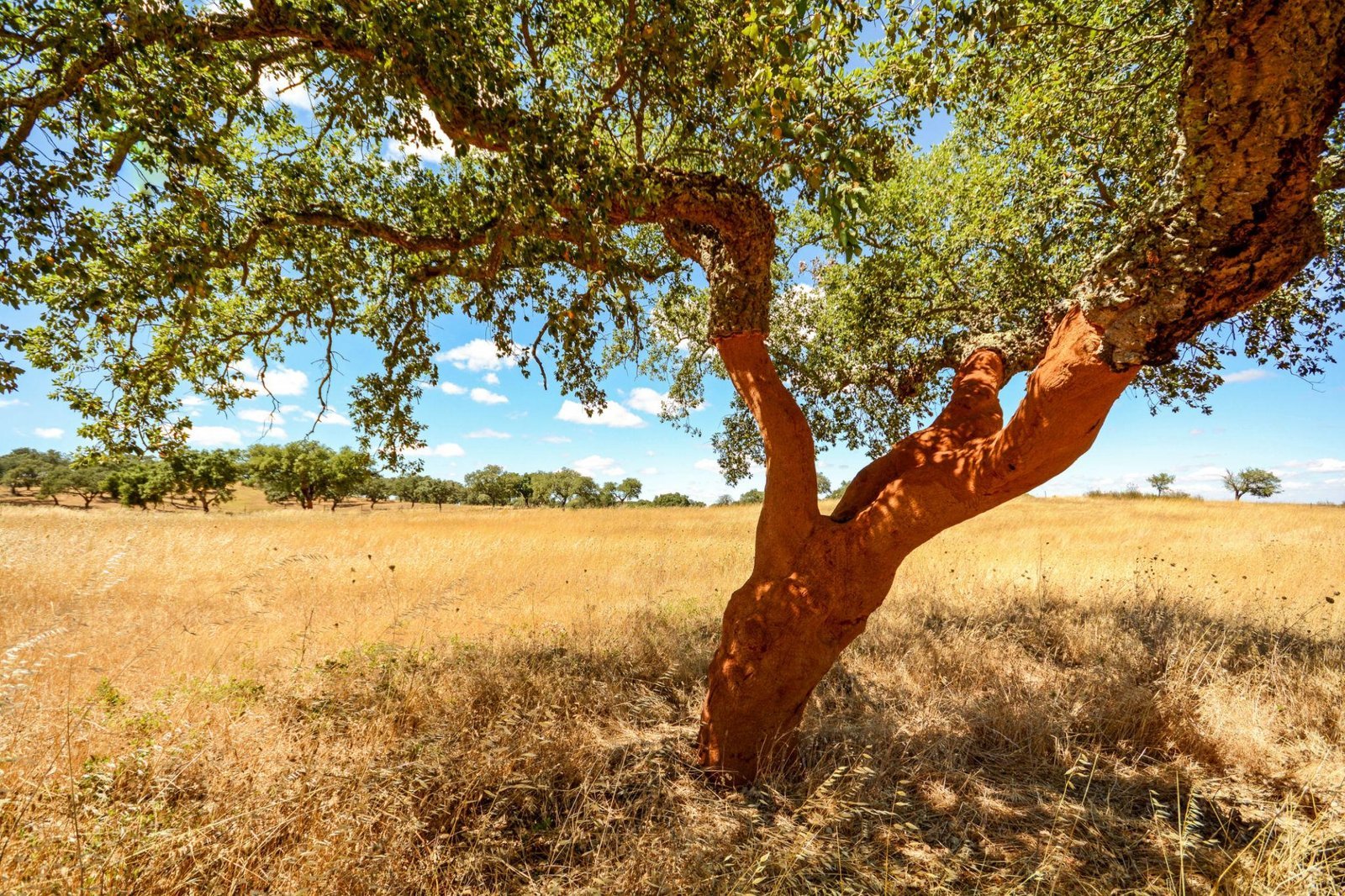
The country is currently the world’s largest producer of cork , accounting for more than 60% of the volume of global exports of this material, according to Visit Portugal.
Cork comes mainly from the cork oak and has much broader applications than we normally imagine:
- Bottle caps.
- Accessories.
- Decoration.
- Coatings.
- Fashion products.
- Construction materials.
- Objects of everyday use.
And yes, even clothing has been made using cork.




10. Portugal turned cork into a design product
The curious thing is not only that Portugal produces a lot of cork.
It’s because he managed to turn it into a modern material.
Currently you can find bags, wallets, shoes, accessories, decorative objects and even technological products made using Portuguese cork.
To me it seems like a perfect example of how an agricultural tradition can be transformed into a modern industry without completely abandoning its identity.
11. Cod is the protagonist of hundreds of recipes
If we talk about gastronomic curiosities of Portugal, the cod , known as bacalhau , deserves its own chapter.
There is a famous claim that Portugal has 365 ways of preparing cod, one for each day of the year .
Is this an exact mathematical figure? Not necessarily. It is rather a popular expression that reflects the enormous variety of existing recipes.
Among the best-known preparations are:
- Bacalhau à Brás.
- Bacalhau with creams.
- Bacalhau à Gomes de Sá.
- Roasted Bacalhau.
- Bacalhau pastries.
And the curious thing is that cod does not need to come from Portuguese waters to have become one of the national gastronomic symbols.
12. Pastel de nata has a famous cousin: pastel de Belém
Here’s a small difference that often goes unnoticed.
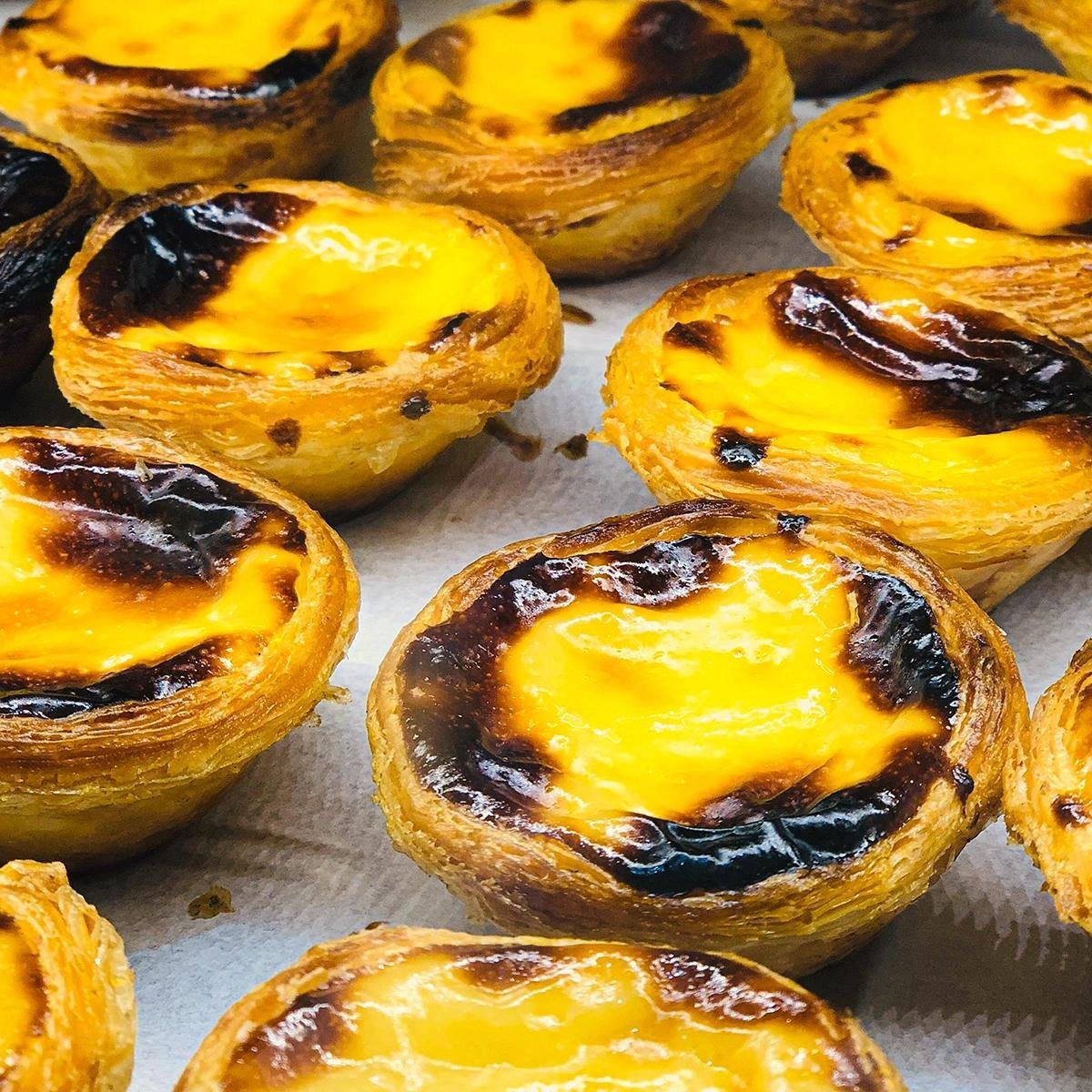
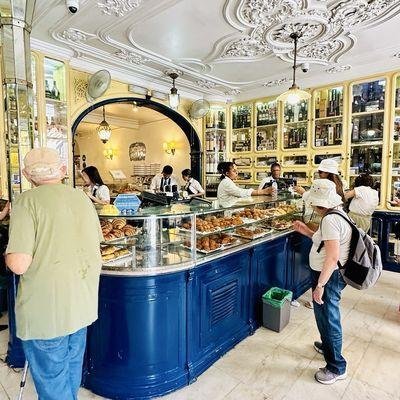
pasteis de nata are one of the most internationally known Portuguese sweets. But Pastéis de Belém are a specific brand associated with a pastry shop in Lisbon and their original recipe is kept secret.
The tradition of this sweet is related to the Belém neighborhood and the ancient monasteries in the area. The recipe that we know today as pastel de nata later became one of the great Portuguese gastronomic icons.
In other words: all Pasteis de Belém are pasteis de nata, but commercially not all pasteis de nata can be called Pasteis de Belém.



13. Portugal was a pioneer in the abolition of the death penalty
This is one of the historical curiosities of Portugal that deserves much more attention.
Portugal abolished the death penalty for civil crimes through a law of 1867 , becoming one of the pioneer countries in Europe in this matter.
The abolition was subsequently expanded until it reached the current framework, in which the Portuguese Constitution establishes that there is no death penalty.
It is a particularly interesting fact because it shows that Portuguese political history is not limited to the discoveries and the time of the navigators.
14. Portugal had one of the longest dictatorships in Western Europe during the 20th century
The Portuguese Estado Novo began in 1933 under António de Oliveira Salazar and continued until the Carnation Revolution of 1974.
If we consider the years of the military dictatorship that began in 1926 and the regime that continued afterwards, the Portuguese authoritarian period lasted for almost five decades.
On April 25, 1974, the Carnation Revolution took place , which put an end to the regime.
The name of the revolution has a curious history: carnations ended up becoming one of its most recognizable visual symbols.
15. Portugal and British tea have an unexpected connection
This is another one of those stories that seems made up.
Catherine of Braganza, a Portuguese princess who married King Charles II of England, is traditionally associated with the introduction and popularization of tea drinking at the English court.
Tea, of course, was not born in Portugal or England. He came from Asia.
But the Portuguese connection helped make it part of the customs of the British aristocracy.
So, somehow, behind the famous British tea time also appears Portugal.
16. Portugal has one of the oldest universities in the world
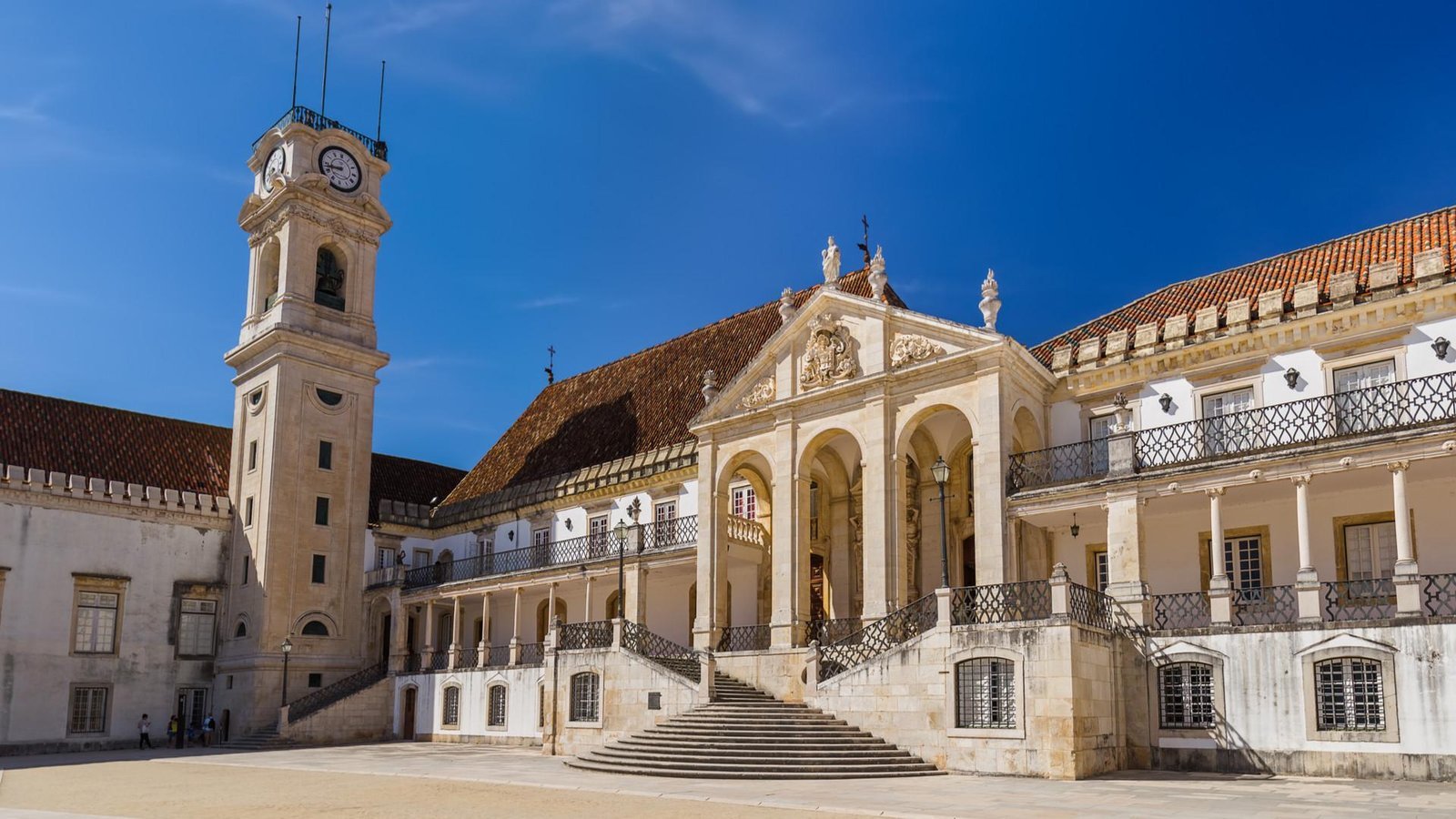
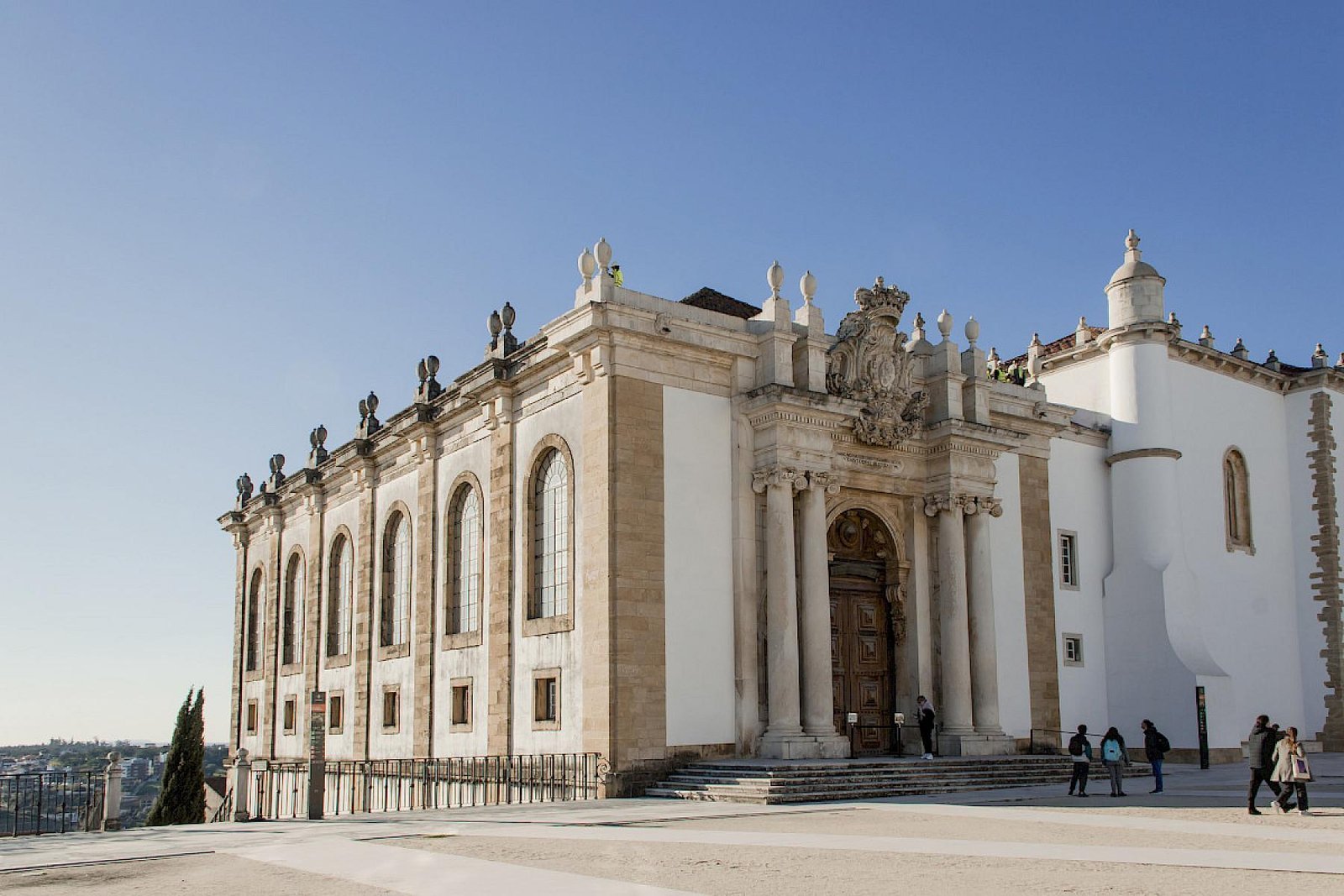
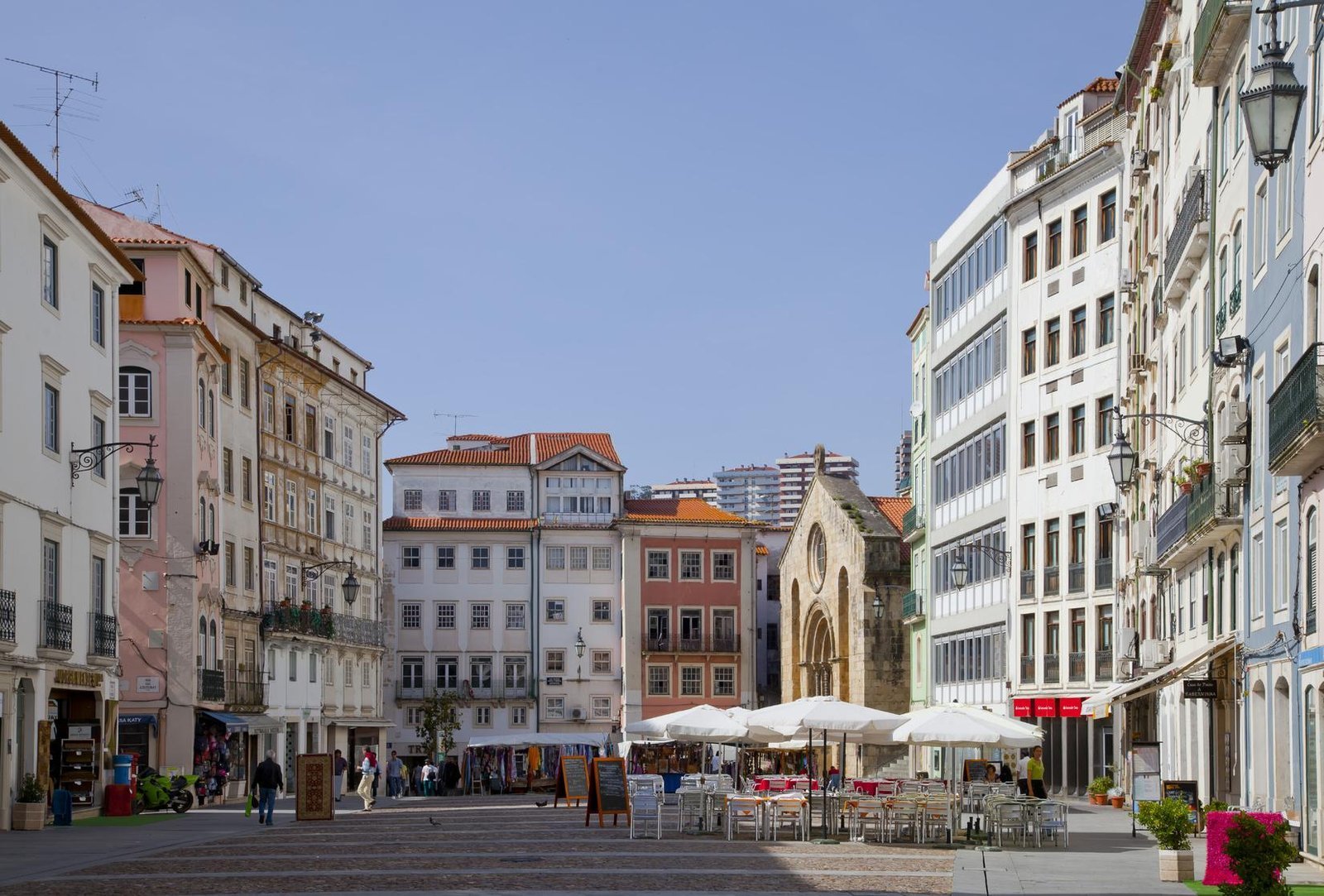
The University of Coimbra was founded in 1290 and is one of the oldest university institutions in Europe.
The university was recognized by UNESCO as a World Heritage Site in 2013.
Also, we are not just talking about a modern university with old buildings. The historical complex includes the Royal Palace, the Joanina Library and different university buildings that show centuries of academic evolution.




17. The Bertrand bookstore opened in 1732
Book lovers have another good excuse to visit Lisbon.
Livraria Bertrand , located in Chiado, opened in 1732 and is often recognized as the oldest operating bookstore in the world.
And here appears another Portuguese curiosity related to bookstores: Porto has the spectacular Livraria Lello , famous for its interior architecture and its impressive staircase.
You don’t have to be an avid reader to appreciate these places. They are practically monuments.
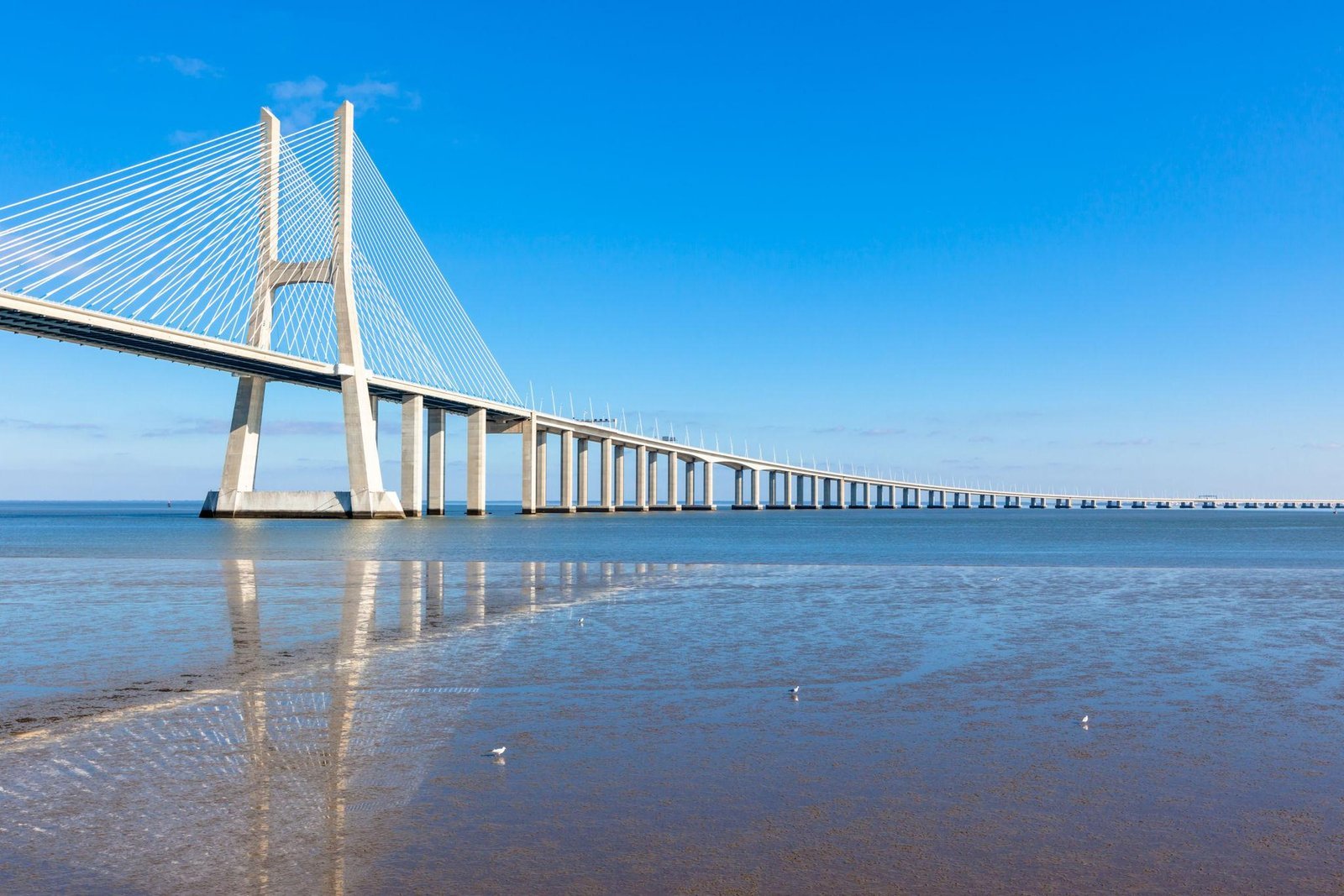
18. Portugal has a bridge of more than 12 kilometers
The Vasco da Gama bridge , over the Tagus River, is more than 12 kilometers long.
Its construction turned this infrastructure into one of the great engineering works of Portugal and remains one of the most striking elements of the Lisbon metropolitan area.
Of course, a clarification must be made: simply calling it “the longest bridge in Europe” depends on how it is measured and what structures are included. That’s why I prefer to stay with the solid data: more than 12 kilometers long .
And it is not the only spectacular bridge in the country.


19. The Dom Luís I bridge is related to Gustave Eiffel’s school
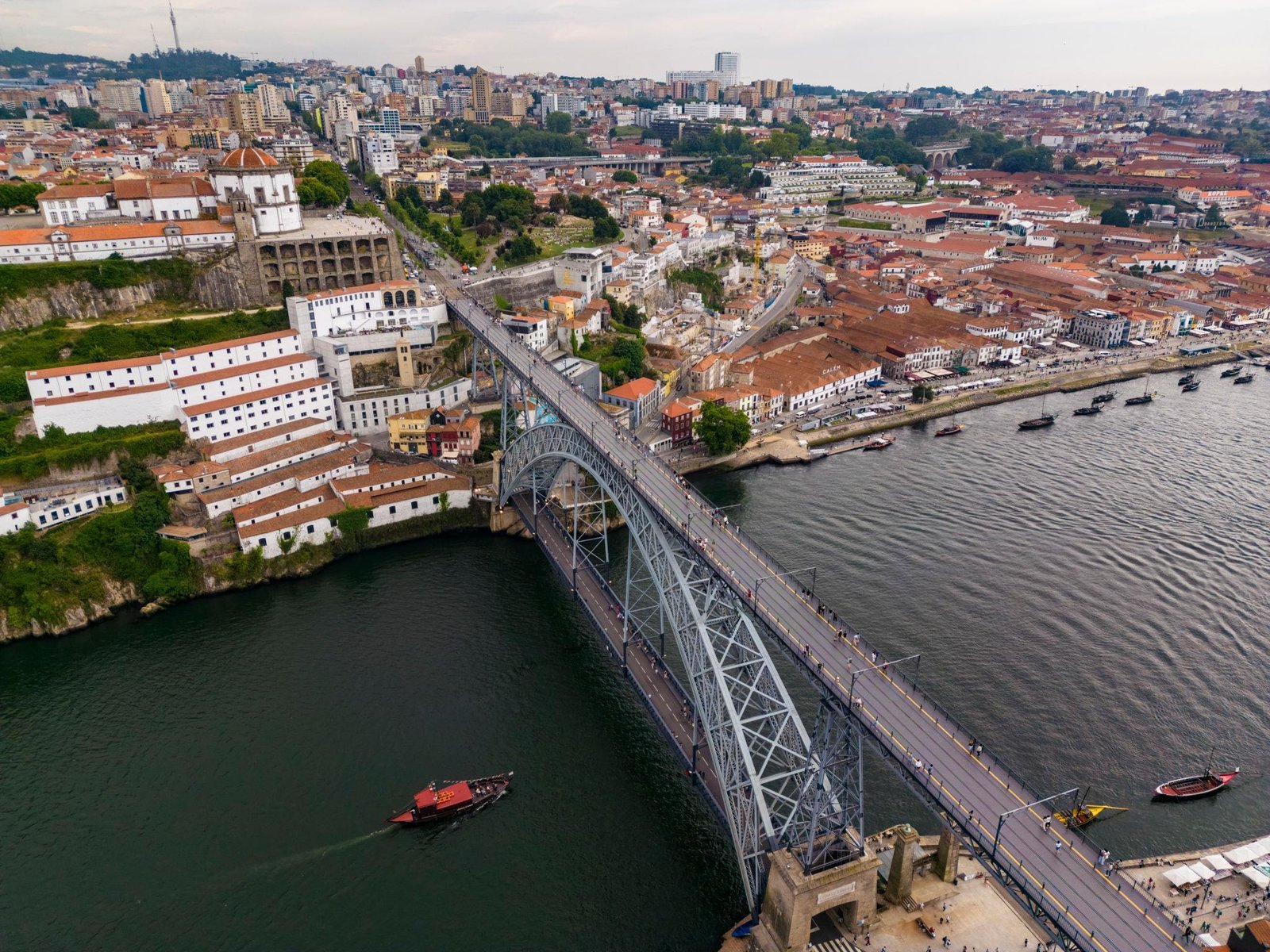
If you visit Porto, the Dom Luís I bridge is practically impossible to ignore.
Its metal structure crosses the Douro and connects Porto with Vila Nova de Gaia. It has two levels and has become one of the architectural symbols of the city.
Its designer, Théophile Seyrig, had worked with Gustave Eiffel and belonged to the same tradition of metal engineering that made several European bridges famous.
The bridge is also part of the historic center of Porto complex registered by UNESCO.



20. Nazaré has some of the most impressive waves on the planet
Portugal is also a brutal destination for surf lovers.
In Nazaré , specifically in Praia do Norte, gigantic waves are produced thanks to the characteristics of the Nazaré underwater canyon.
The place has become one of the most famous settings in the world for big wave surfing and has been the protagonist of numerous records and sporting feats.
What is most impressive is that from land the waves already look enormous. When you see a surfer next to you, the scale becomes completely absurd.





21. Portugal was a world maritime power
During the 15th and 16th centuries, Portugal developed enormous maritime expansion.
Names like Vasco da Gama, Bartolomeu Dias and Fernão de Magalhães are linked to the history of great ocean voyages.
In the case of Magellan, another important clarification must be made: the expedition that began the first circumnavigation of the planet was initially led by him, but Magellan died during the trip and it was Juan Sebastián Elcano who finished the expedition.
Portugal also established trade routes and territories in Africa, Asia, and the Americas.
This stage profoundly changed Portuguese history and also left cultural and linguistic traces in many places around the world.
22. Portuguese is spoken on several continents
One of the consequences of this historical expansion is that Portuguese ceased to be an exclusively European language.
It is currently an official language in countries such as:
- Brazil.
- Angola.
- Mozambique.
- Cape Verde.
- Guinea-Bissau.
- Sao Tome and Principe.
- Timor-Leste.
- Portugal.
- Equatorial Guinea.
There are also communities and territories where the Portuguese language has left an important historical mark.
Therefore, when we talk about Portuguese culture, we are actually talking about a culture with an enormous international dimension.


23. Port wine was not exactly born in Porto
The famous Port wine is associated with the city, but its production comes mainly from the Douro region.
Alto Douro is a historic wine region and is inscribed as a UNESCO World Heritage Site.
For centuries, wine was transported along the Douro River to Porto and Vila Nova de Gaia, where an important tradition of storage and marketing developed.
That’s where a good part of the association between the drink and the city comes from.
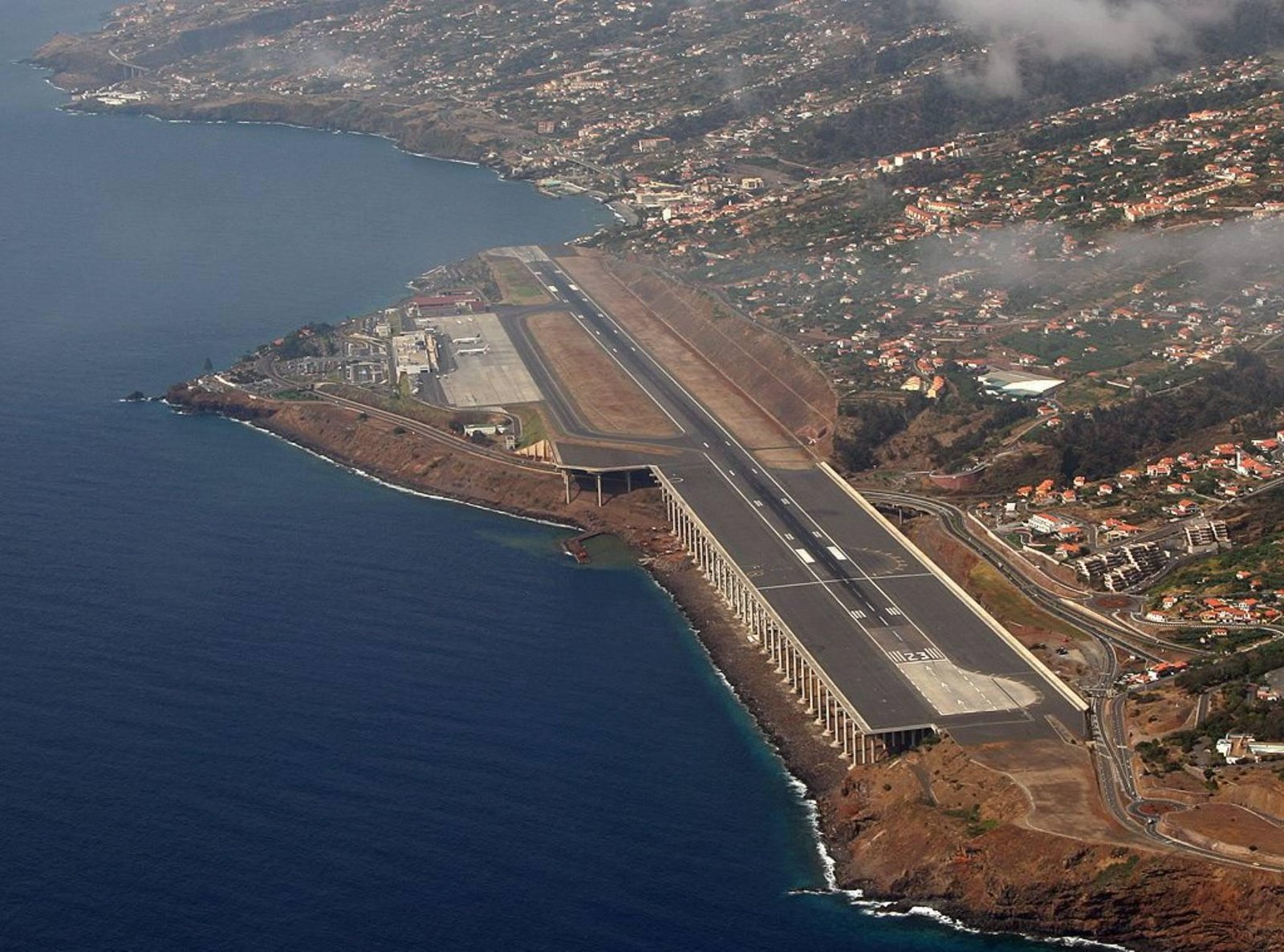
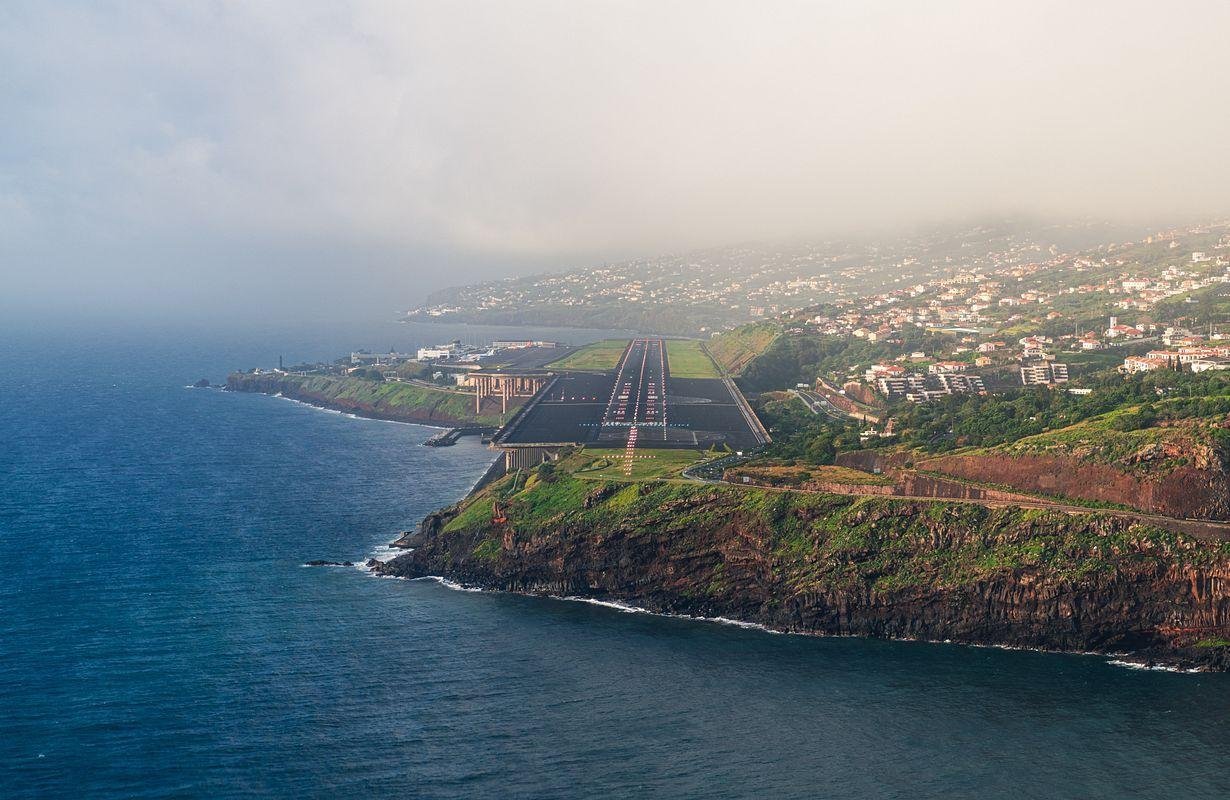
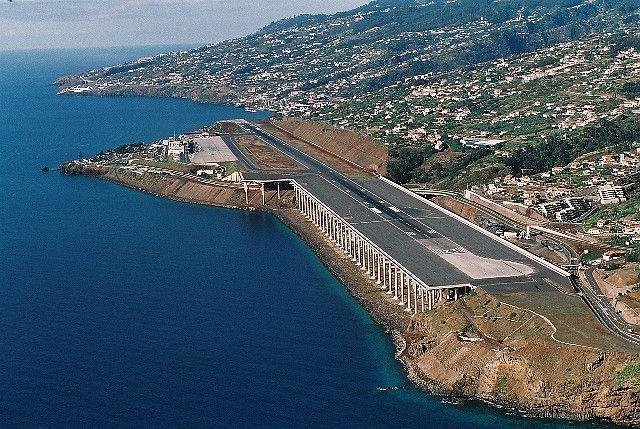
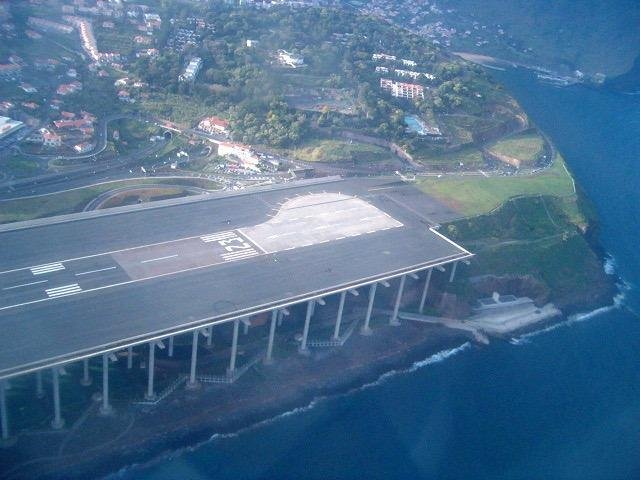
24. Madeira has an airport with a spectacular runway
Madeira airport is famous for its location and the engineering necessary to extend its runway.
Part of the track is located on a huge structure built next to the ocean, supported by pillars.
It is not just a conventional runway next to the sea: the extension was a true work of engineering.
And yes, Madeira’s winds can make certain operations especially demanding, which is why pilots operating there need specific training.


25. Portugal has a special relationship with renewable energy
Another curiosity about Portugal that I find especially interesting is its commitment to renewable energy.
The country has managed to produce very significant quantities of electricity through sources such as wind, hydraulic and solar energy.
One of the best-known data is that in 2016 Portugal managed to operate for almost four and a half consecutive days using exclusively renewable electricity generation, according to data disseminated by operators and specialized media.
This shows that the image of Portugal as a historical and traditional country does not tell the whole story. There is also a fairly modern Portugal in terms of energy.
26. On New Year’s there is a tradition of eating 12 raisins
This is one of the nicest curiosities of Portugal.
During the New Year celebration there is a tradition of eating 12 raisins , one for each bell or month of the year.
The idea is to associate each raisin with a wish for the new year.
It is a tradition similar in spirit to the 12 grapes of Spain, although the protagonist here is the raisin.
If you ever celebrate the New Year in Portugal, you already know what to bring prepared.
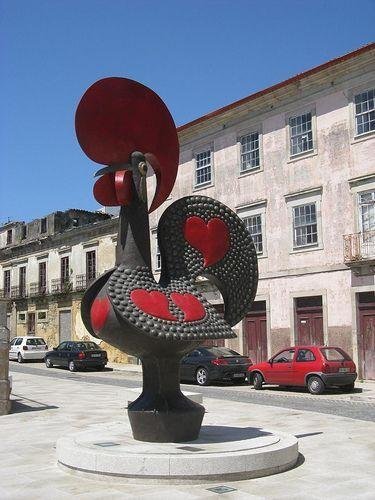
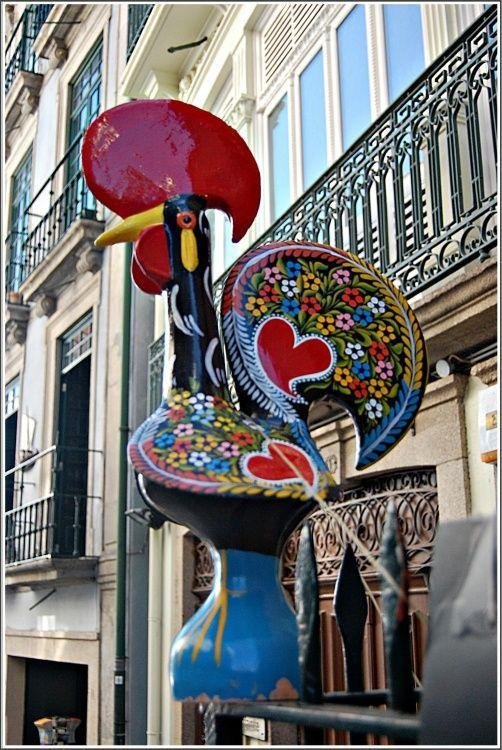
27. The Rooster of Barcelos is one of the great Portuguese symbols
The Gallo de Barcelos appears everywhere: ceramics, souvenirs, decoration, textiles and crafts.
Its origin is related to an ancient legend in which a pilgrim unjustly accused of a crime manages to prove his innocence through a supposed miracle related to a roast rooster.
The story has different versions, but the rooster ended up becoming a popular symbol of Portugal.
And here’s one thing I love about these types of symbols: you don’t need to know the whole story to recognize it immediately when you see it.



28. Portugal has an enormous amount of cultural heritage in a very small territory
One of the things that catches my attention when studying Portugal is the density of its heritage.
You can go from Lisbon to Sintra, then continue towards Coimbra, Porto or the Douro Valley and constantly encounter different buildings, landscapes, traditions and cultural manifestations.
Official Portuguese tourism itself highlights tiles, fado, Manueline architecture, cork and other cultural expressions as fundamental elements of the country’s identity.
It is precisely this mix that makes Portugal much more interesting when you look beyond its main monuments.
29. Portuguese from Portugal and Portuguese from Brazil can sound very different
Although both countries share Portuguese as an official language, pronunciation, vocabulary and some expressions can vary greatly.
For someone studying Portuguese, listening to a conversation between Portuguese people can be surprising if you are mainly used to Brazilian Portuguese.
And it’s not that one is “the correct Portuguese” and the other is not. They are different varieties of the same language that have evolved over centuries in different cultural contexts.
This linguistic diversity also helps to understand why Portuguese is such an internationally widespread language.
30. Portugal is small, but its history went very far
Perhaps this is the curiosity that best summarizes all the previous ones.
Portugal is not the size of France, Germany or Spain. However, its historical influence reached America, Africa and Asia.
Its language is spoken on several continents, its gastronomic products traveled the world, its navigators opened sea routes and its cultural traditions survived enormous political changes.
When you put all those pieces together, you understand why a relatively small country ended up having such a large international influence.

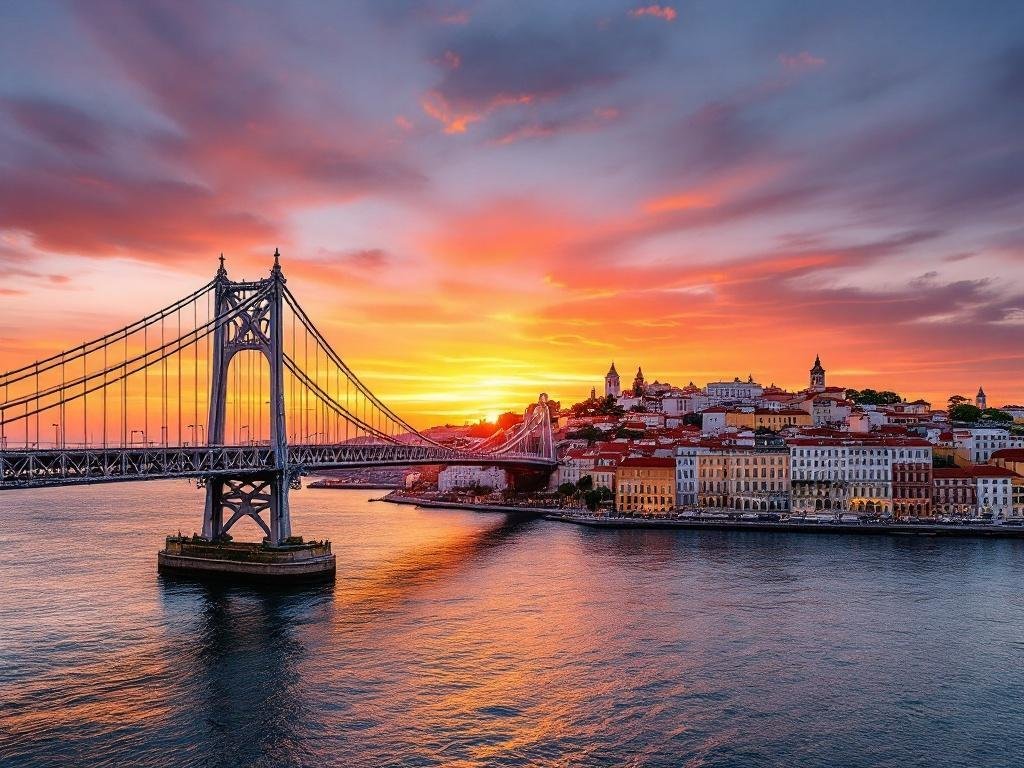

Curiosities about Portugal that have surprised me the most
After reviewing all this data, if I had to stick with a few, my personal list would be pretty clear:
- The historical relationship between Portugal and Japan.
- The Portuguese origin of some Japanese words.
- The age of the alliance between Portugal and the United Kingdom.
- The importance of cork for the Portuguese economy.
- The enormous history behind the tiles.
- The giant waves of Nazaré.
- The history of fado.
- The antiquity of the University of Coimbra.
- The early abolition of the death penalty.
- The international dimension of the Portuguese language.
And the best thing is that there are still many other curiosities of Portugal outside of this list.
Frequently Asked Questions (FAQs)
What is the most famous curiosity in Portugal?
Probably one of the best known is that Portugal has a historical relationship with Japanese tempura , although they also highlight the origin of tiles, fado, pasteis de nata, cork and the great waves of Nazaré.
Is Portugal really the oldest country in Europe?
Portugal is often described as the oldest nation in Europe due to the continuity of its borders and the early consolidation of the Portuguese kingdom. The official tourism body itself uses this description.
What did the Portuguese invent?
It is not correct to attribute all the great innovations related to Portugal to a single “inventor”, but the country had an enormous historical influence on navigation, maritime routes and commercial exchanges. He also spread products, techniques and words between Europe, Africa, Asia and America.
Why does Portugal have so many tiles?
Azulejos became a fundamental part of Portuguese architecture from the late Middle Ages and achieved enormous popularity during the following centuries. Portugal developed a particularly distinctive decorative tradition, visible in both religious and civil buildings.
Is it true that tempura is Portuguese?
The story is more complex than simply saying that “Portugal invented tempura.” Contacts between the Portuguese and Japanese during the 16th century contributed to culinary exchanges that are related to some preparations that evolved within Japanese gastronomy.
What is the most famous typical sweet in Portugal?
The pastel de nata is probably the most internationally known Portuguese sweet. Pastéis de Belém are a specific commercial version associated with the Lisbon neighborhood of Belém and have their own recipe kept secret.
What is the Barcelos Rooster?
It is a traditional Portuguese symbol originating in Barcelos and related to a popular legend about a pilgrim unjustly accused of a crime. Nowadays it frequently appears in ceramics, souvenirs and Portuguese crafts.
Why is Portugal famous for cork?
Because it has a huge cork industry and is the world’s largest producer. Portugal represents more than 60% of the volume of global cork exports.
How many places in Portugal are World Heritage?
Portugal currently has 17 properties inscribed on the UNESCO World Heritage List , including cultural places and a natural site: the Laurisilva of Madeira.
What is the most famous city in Portugal?
Lisbon is usually the first international reference, but Porto, Sintra, Coimbra, Braga, Évora, Faro and many other cities have enormous historical, cultural or tourist importance.
Portugal has many more stories than it seems
After reviewing all these curiosities about Portugal , I think it is quite clear that the country is much more than Lisbon, Porto, beaches and pasteis de nata.
There is a gigantic maritime history, a culture marked by the ocean, a language that crossed continents, an architecture recognizable for miles, a gastronomy with its own personality and traditions that are still alive.
And perhaps what I like most about researching Portugal is precisely that: each seemingly small piece of information usually hides a much bigger story behind it.
Because you can start by simply searching for curiosities about Portugal and end up discovering what relationship a sweet Portuguese has with a monastery, how certain words arrived in Japan, why Portugal is covered in tiles, how it managed to become a cork powerhouse or why some waves in Nazaré attract surfers from all over the planet.
Portugal is small on the map, yes.
But when you start pulling the thread, it’s huge.