
Traveling through Oceania is facing the immensity in its purest state. More than a continent of land, it is a continent of water; a vast blue tapestry where thousands of islands spread across the Pacific Ocean, offering everything from unfathomable deserts to pristine coral atolls.
Oceania is the smallest continent in the world in terms of land area, but the largest if we consider its oceanic domain. Geographically and culturally, this unique region is divided into four large areas: Australasia, Melanesia, Micronesia and Polynesia , which are home to a total of 14 sovereign countries, in addition to various dependencies and overseas territories.

From the first analysis of this corner of the world, it is clear that its geographical isolation is its greatest treasure. Every year, millions of travelers venture to the “end of the world”, attracted by an enviable quality of life, landscapes that seem taken from another era and cultures deeply connected to the sea and land.
Why traveling through Oceania is a unique experience
When you delve into the essence of Oceania, you understand that the adventure here is on a different scale.
The realities that coexist on this continent are fascinating. On the one hand, economic powerhouses such as Australia and New Zealand offer vibrant, modern and multicultural cities (such as Sydney, Melbourne or Auckland) surrounded by wild and deadly nature. On the other hand, island nations such as Fiji, Samoa or Vanuatu operate on what is often called “Island Time”, where the clock surrenders to the cycles of the sun, tides and community life.
This contrast between cutting-edge urban development and traditional island life is what makes Oceania the ultimate destination to disconnect and rethink our relationship with the environment.
How the ocean continent is divided
To organize a trip to Oceania and understand its immensity, it is essential to know its divisions:

- Australasia: The main landmass, dominated by Australia and New Zealand. It is synonymous with deserts, fjords, mountains and endemic fauna.
- Melanesia: The “black islands” (due to the pigmentation of their original inhabitants). Includes Fiji, Papua New Guinea, Solomon Islands and Vanuatu. It stands out for its dense jungles and ancient cultures.
- Polynesia: The triangle that extends from Hawaii (USA) to New Zealand and Easter Island (Chile). Nations like Samoa or Tonga are the heart of tattoo culture, sailing and respect for the ocean.
- Micronesia: An archipelago of small islands in the western Pacific, such as Palau and the Marshall Islands, famous for having some of the best seabed on the planet.
Best countries to travel in Oceania
Despite the enormous distances, there are destinations in Oceania that stand out for their infrastructure, security and the spectacular nature of their offer:



Long before Europeans developed advanced navigation instruments, Polynesian navigators had already colonized the world’s largest ocean guided only by the stars, ocean currents, and the flight of birds; one of the most impressive feats of exploration in human history.
Curiosities of some of the countries of Oceania
Discover the facts that defy logic and rarely appear in conventional guides:
Cultural differences in Oceania that you should know
Oceania is a continent of deep mutual respect and reverence for nature. Assuming that there is a single culture westernized by the influence of Australia or New Zealand is a big mistake.
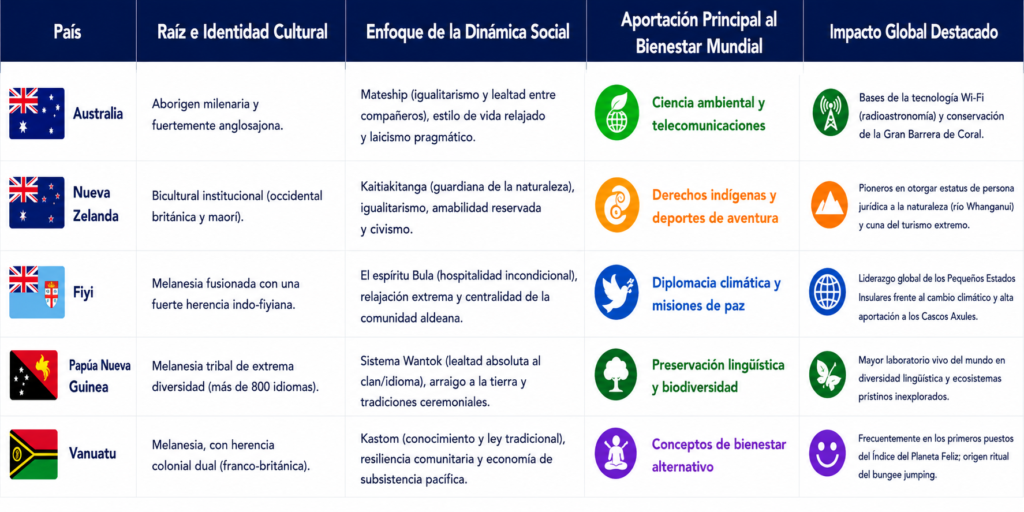

The cultural duality is evident. While the large Australasian cities follow a Western model of success and individualism, the indigenous roots tell a different story. The Dreamtime of the Australian Aboriginals or the concept of Mana (spiritual power) and Whānau (extended family) of the New Zealand Maori They demonstrate that the earth does not belong to man, but that man belongs to the earth.
In the Pacific Islands, warm hospitality is an unwritten law. Concepts such as the spirit of the Bula in Fiji or the Aloha (in the general Polynesian environment) dictate that the stranger should be welcomed with joy, respect and immense generosity.
Travel through Oceania through its gastronomy
Food in Oceania is a reflection of its geographical isolation: ingredients that come exclusively from the sea or the native land, combined today with a strong Asian and European influence.


New Zealand

Fiji


Vonuatu

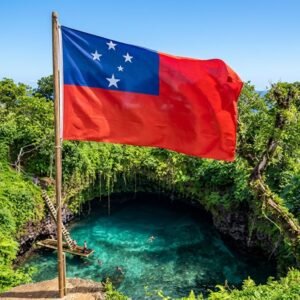
Samoa

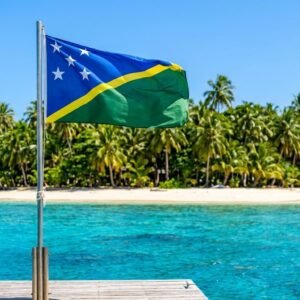
Solomon Islands

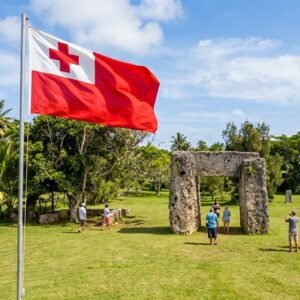
Tonga

Palau

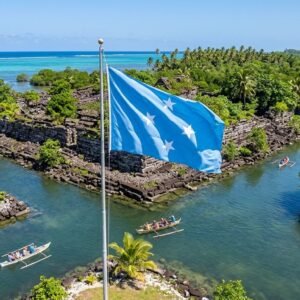
Federated States of Micronesia
Best destinations in Oceania that you should visit
The immensity of the landscape is the main attraction of the continent. These places represent the absolute greatness of Oceania:

Australia

New Zealand

Australia


Palau

Federated States of Micronesia

Vanuatu


Fiji

How to organize a trip to Oceania step by step
Traveling through Oceania requires preparation, a large budget and, above all, time.
Key factors to consider:
- Biosecurity: Australia and New Zealand have the strictest biosecurity laws in the world. Entering with food, wood or dirt in your hiking boots can result in huge fines.
- Budget: It is one of the most expensive continents for tourists. Optimizing expenses traveling in a motorhome (campervan) is one of the best strategies.
- Distances: An internal flight from east to west in Australia takes more than 5 hours. Plan realistically and don’t try to see everything in 15 days.
- Climate Inverted: Being in the southern hemisphere, summer runs from December to February, and winter runs from June to August.
Recommended routes for traveling through Oceania
If you want to optimize your trip without spending your life on a plane, focus on specific regions:
- Australia East Coast Route: From Sydney to Cairns, ideal for surfing, beaches and the Great Barrier.
- Southern Alps and Fjords Route: The South Island of New Zealand (Extreme Nature).
- Fijian Paradise: Island hopping tour between Yasawa and Viti Levu.
- Polynesian Triangle: Combine New Zealand with a flight to the Cook Islands or Samoa for a radical contrast.
Traveling through Oceania is understanding how small we are compared to the immensity of the ocean. It is a continent that teaches you to breathe more slowly, to respect the natural environment as a living being, and to find balance between modern civilization and the primal forces of the earth. Whoever crosses the world to reach Oceania rarely returns the same person.
Frequently Asked Questions (FAQs)
How many countries are there in Oceania?
Oceania is made up of 14 independent sovereign countries and numerous territories dependent on nations such as France, the United Kingdom or the United States.
What is the main barrier to traveling to Oceania?
The distances and the cost. Flights from Europe or the Americas are long (often exceeding 20 hours) and the standard of living in Australia and New Zealand is high.
Is wildlife travel dangerous in Australia?
Although Australia has deadly wildlife (snakes, spiders, jellyfish), tourist incidents are extremely rare. Common sense and following local warnings (such as flags on beaches) is enough to stay safe.
What destinations are essential for a first trip?
If you are looking for extreme nature and Maori culture, New Zealand. If you prefer wildlife, immense deserts and vibrant beaches, Australia. If you are looking for absolute disconnection, Fiji or the Cook Islands.