
Traveling through America is much more than just traveling between countries. It is facing a continent that, from the first analysis, proves to be one of the most complex, diverse and fascinating on the planet.
The continent of America is located entirely in the Western Hemisphere, extending from the Arctic Ocean in the north to Cape Horn in the south. Geographically, this vast territorial extension is divided into four main regions: North America, Central America, South America and the Caribbean, which are home to a total of 35 internationally recognized sovereign countries.

Since the beginning of my analysis, there is one fact that makes its global importance clear: every year, more than 213.4 million international tourists travel through this territory, attracted by its climatic, cultural and economic diversity.
Why traveling through America is a unique experience
When you delve into what it means to travel through America, you quickly understand that there is no other continent with such a radical contrast.
Completely opposite models coexist here. On the one hand, countries like the United States and Canada operate under structures where the individual is the center of decision-making and time is managed in a linear and strict manner. On the other hand, regions such as Mexico, Colombia or Peru prioritize the family and community structure, where social dynamics are more flexible.
This contrast is not theoretical, it is real. And it is precisely what makes America such a powerful destination.
How the American continent is divided
To organize a trip to America intelligently, you must first understand its structure:

- North America : economic development, large cities and iconic natural parks
- Central America : biodiversity, volcanoes and wild nature
- Caribbean : culture, beaches and Afro-Caribbean syncretism
- South America : ancient history, gastronomy and extreme landscapes
This analysis makes it clear that traveling through America is not a single trip, but rather multiple completely different experiences within the same continent.
Best countries to travel in America
Throughout the analysis of the continent, there are countries that stand out both for tourist volume and for cultural impact and experience:





From my point of view, it’s not just about visiting places, but understanding what they represent. For example, without the domestication of crops carried out by the ancestral cultures of Mexico and Peru, such as corn, potatoes or tomatoes, contemporary global nutrition would be unsustainable.
Curiosities of some of the countries of America
Discover the best kept secrets, the most fascinating curiosities of the Western Hemisphere. Below are the most surprising things about various American countries so that you can navigate intuitively and discover what rarely appears in conventional guides.

Curiosities about the United States: 35 surprising facts you probably didn’t know

Curiosities about Mexico: 35 surprising facts that will make you see the country with different eyes.
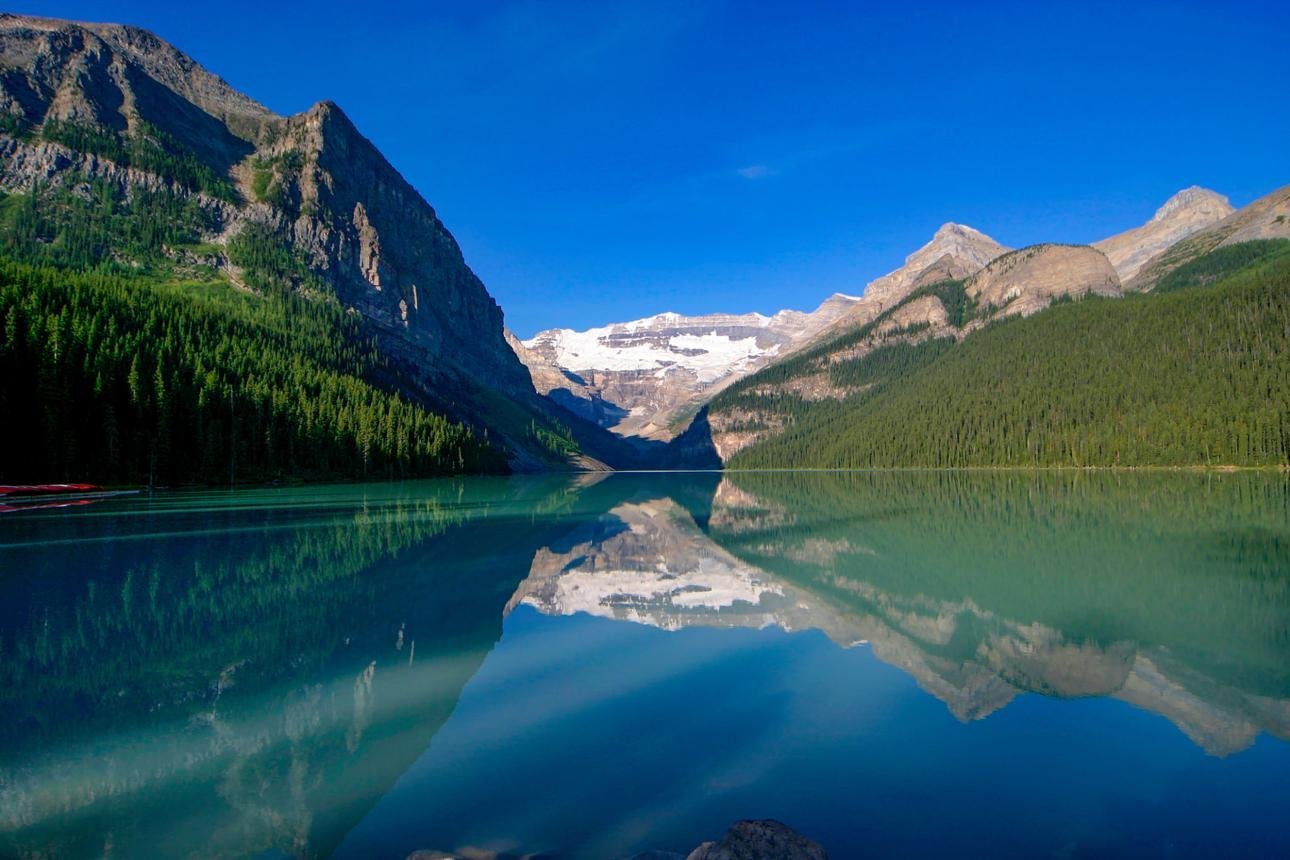
Curiosities about Canada: 35 surprising facts that you probably didn’t know

Curiosities about the Dominican Republic: 35 surprising facts that will make you see the country with different eyes

Curiosities about Argentina: 35 surprising facts that perhaps you didn’t know

Curiosities about Brazil: 35 surprising facts that you probably didn’t know

Curiosities about Colombia: 35 surprising facts that perhaps you didn’t know

Curiosities about Peru: 35 Surprising Facts You Probably Didn’t Know

Curiosities about Chile: 35 fascinating facts that you probably didn’t know

Curiosities about Jamaica: 25 surprising facts that you probably didn’t know
Cultural differences in America that you should know
One of the biggest mistakes when traveling in America is assuming that there is a homogeneous culture.
The reality is completely different.


The most evident cultural gap on the continent occurs on the axis of individualism versus collectivism. While the United States and Canada follow an individualistic model, in Latin America group well-being surpasses individual success.
In the Caribbean, a unique element also appears: syncretism. Countries like Jamaica or the Dominican Republic integrate African and European influences where music, corporality and community expression are essential tools of social cohesion.
Traveling through America through its gastronomy
If there is a direct way to understand the continent, it is through its food.
American cuisine reflects centuries of migrations, indigenous fusions, European influences and African heritage.

Gastronomy of the United States: typical dishes, culinary traditions and flavors that conquered the world

Gastronomy of the Dominican Republic: flavors, history and streets that captivate you from the first bite

Jamaican gastronomy: typical dishes, drinks and flavors that you should know

Gastronomy of Mexico: history, typical dishes and secrets of one of the richest cuisines in the world.

Gastronomy of Colombia: flavors, typical dishes and culinary traditions that conquer the palate

Gastronomy of Chile: a journey through the most authentic flavors of the country

Gastronomy of Peru: History, Typical Dishes, Ingredients and Culinary Traditions

Gastronomy of Brazil: flavors, typical dishes and culinary traditions that you should know

Gastronomy of Canada: typical dishes, culinary traditions and flavors that define the country

Gastronomy of Argentina: typical dishes, culinary traditions and flavors that conquer the world
Each dish is not just food, it is history.
Best destinations in America that you should visit
After analyzing the continent in depth, there are places that represent its essence:

Best places in Argentina: 20 essential destinations that you should visit at least once

Best places in Canada: 20 essential destinations to discover the country

Best places in the Dominican Republic.

Best places in Colombia: 25 essential destinations to discover the magic of the country

Best places in Chile: 20 essential destinations you should visit

Best places in Brazil: 20 essential destinations to discover the South American giant

Best places in Peru: 25 essential destinations to discover the magic of the country

Best places in Jamaica: 20 essential destinations to discover the island

Best Places in the United States: 25 Incredible Destinations You Should Visit at Least Once

Best places in Mexico: complete guide to discover unique, magical and surprising destinations
This set of places combines history, nature and culture at its finest.
How to organize a trip to America step by step
After analyzing routes, countries and differences, one thing is evident:
Traveling around America requires planning.
Key factors to consider:
- Extremely long distances
- Economic differences between countries
- Language changes
- Very varied climates
The best strategy is to divide the trip by region and not try to cover everything in a single route.
Recommended routes to travel through America
If you want to optimize your experience, here are some key routes:
- North America Route : United States + Canada
- Caribbean Route : Dominican Republic + Jamaica
- Andes Route : Peru + Chile + Colombia
- Patagonia Route : Argentina + Chile
Each one offers a completely different experience.
Why traveling through America changes your perspective
After analyzing the continent in depth, the conclusion is clear: Traveling through America is not just tourism, it is global understanding. It is understanding how completely different cultures have evolved in parallel, how geography defines societies and how the same continent can offer radically opposite experiences. And precisely for that reason, it is one of the most complete destinations that exist.
Frequently Asked Questions FAQs
How many countries are there in America?
America is made up of 35 internationally recognized sovereign countries.
What is the main cultural difference?
The key difference is between northern individualism and Latin American collectivism, with a strong component of syncretism in the Caribbean.
What does America contribute to the world?
From essential foods like corn or potatoes to medical and scientific advances that impact globally.
What destinations are essential?
Machu Picchu, Grand Canyon, Patagonia, Chichén Itzá, Banff or Rio de Janeiro are some of the most notable.