
When I started researching Canada’s curiosities, I thought I would find typical facts about snow, hockey and maple syrup. However, I ended up discovering a country full of world records, incredible landscapes and unique features that make it one of the most fascinating places on the planet.
What surprised me most was realizing that many of the things we take for granted about Canada only represent a small part of everything that makes this huge North American country special.
If you are looking for curious facts about Canada, interesting information for a school project or you simply want to get to know this country better, here you will find some of the most surprising curiosities.


Canada is the second largest country in the world
One of the best-known curiosities of Canada is its enormous size.
With almost 10 million square kilometers, Canada is the second largest country on the planet, only behind Russia.
Its territory occupies much of North America and extends from the Atlantic Ocean to the Pacific.
Despite its immensity, a large part of the population lives relatively close to the border with the United States.
It has more lakes than any other country
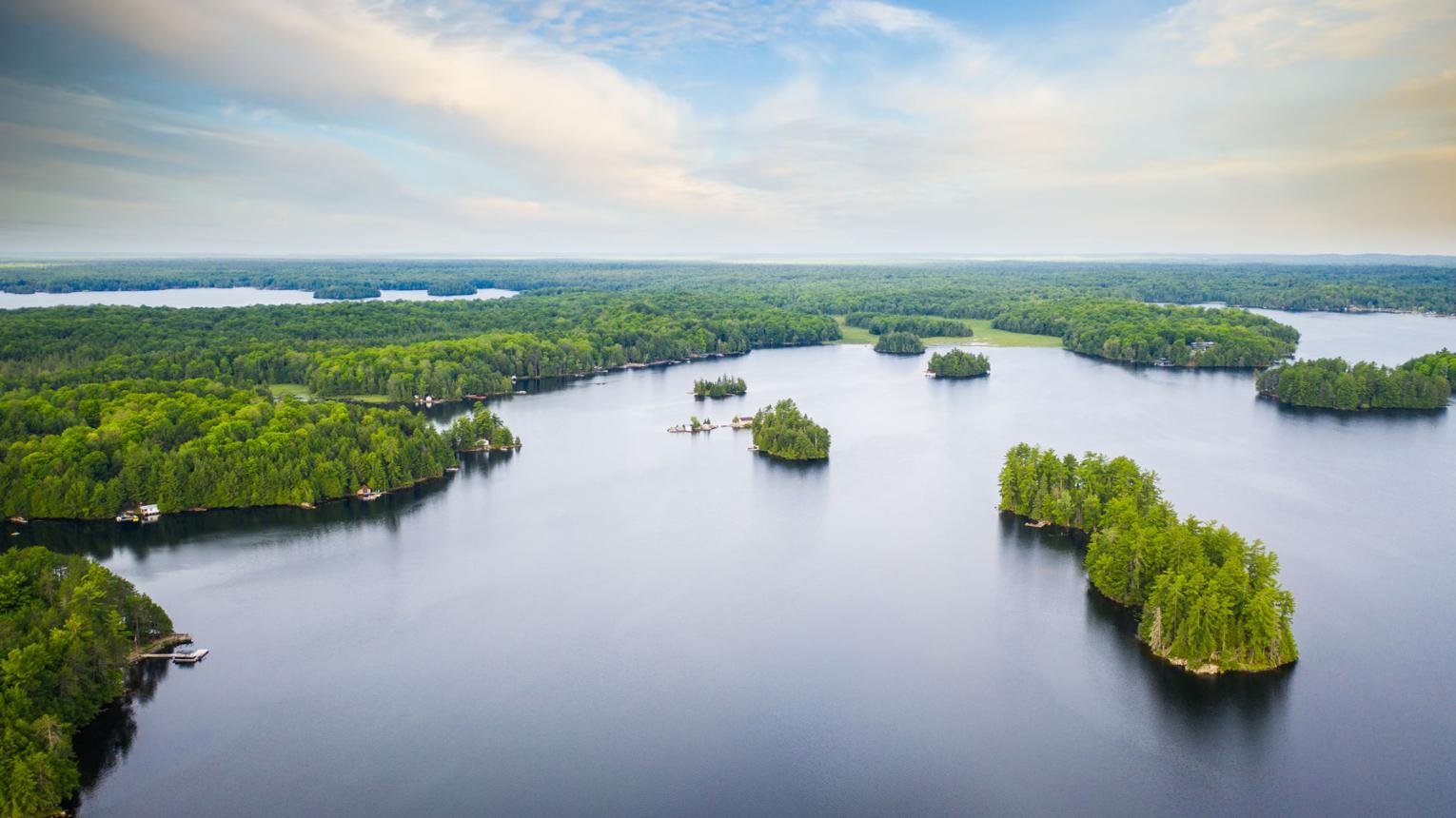
Canada is home to more lakes than all other countries combined.
It is estimated to contain about 20% of the world’s surface fresh water.
Some of its most famous lakes are:
- Lake Superior
- Lake Ontario
- Great Bear Lake


The longest coastline on the planet
Another impressive curiosity is that Canada has the longest coastline in the world.
Its coastline exceeds 240,000 kilometers due to the enormous number of islands and coastal territories.
This means that traveling the entire Canadian coast would take years.
The maple leaf is much more than a symbol
The famous maple leaf that appears on the Canadian flag represents one of the most important national symbols.
The maple is also responsible for one of the country’s most famous products:
- Maple syrup.
- Traditional sweets.
- Derived gastronomic products.
Canada produces approximately 70% of the maple syrup consumed in the world.
There are underground cities
In cities where winter can be extremely cold, huge underground complexes were developed.
One of the most famous is located in Montreal.
This network connects:
- Shopping centers.
- Subway stations.
- Offices.
- Restaurants.
- Hotels.



Extreme cold is part of daily life
Although not all of Canada is permanently covered in snow, some regions experience extremely low temperatures.
Temperatures below -50 °C have been recorded in certain areas of the north.
Personally, one of the things that impacted me the most when researching was discovering how millions of people carry out their daily lives normally in climatic conditions that for many would be practically impossible.
Canada has an island within a lake within an island
It seems like a tongue twister, but it’s real.
In Canada there is a small island located within a lake that is in turn located within another island located in a lake.
It is one of the most curious geographical phenomena in the world.
Hockey is almost a national religion
When talking about Canada, it is impossible not to mention ice hockey.



Sport is part of Canadian cultural identity.
Many children learn to skate before even playing other sports.
Also:
- It is one of the national sports.
- It is played in practically all provinces.
- It has an enormous historical tradition.
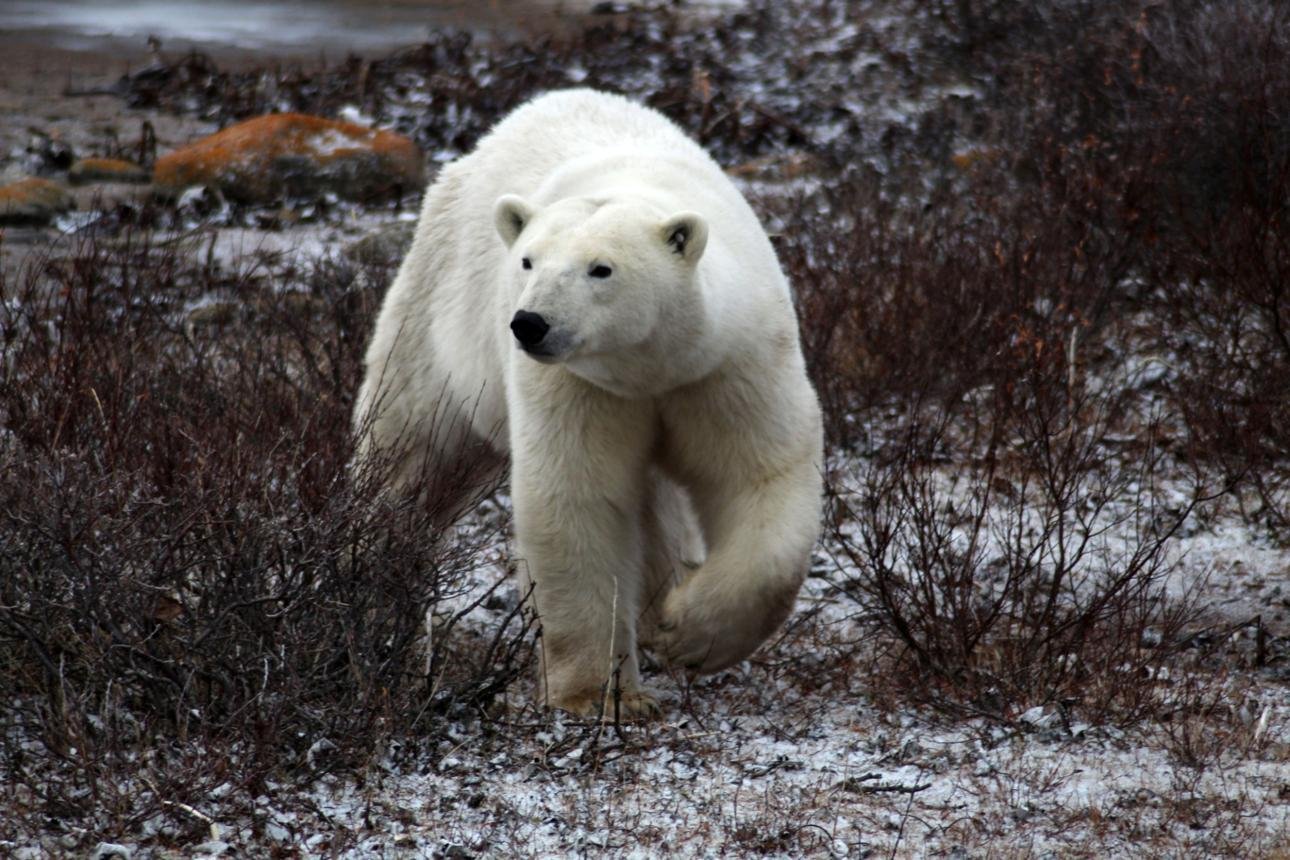
Canada has the largest polar bear in the world
The Churchill region is known as the polar bear capital of the world.
Thousands of tourists visit the area to observe these impressive animals in their natural habitat.
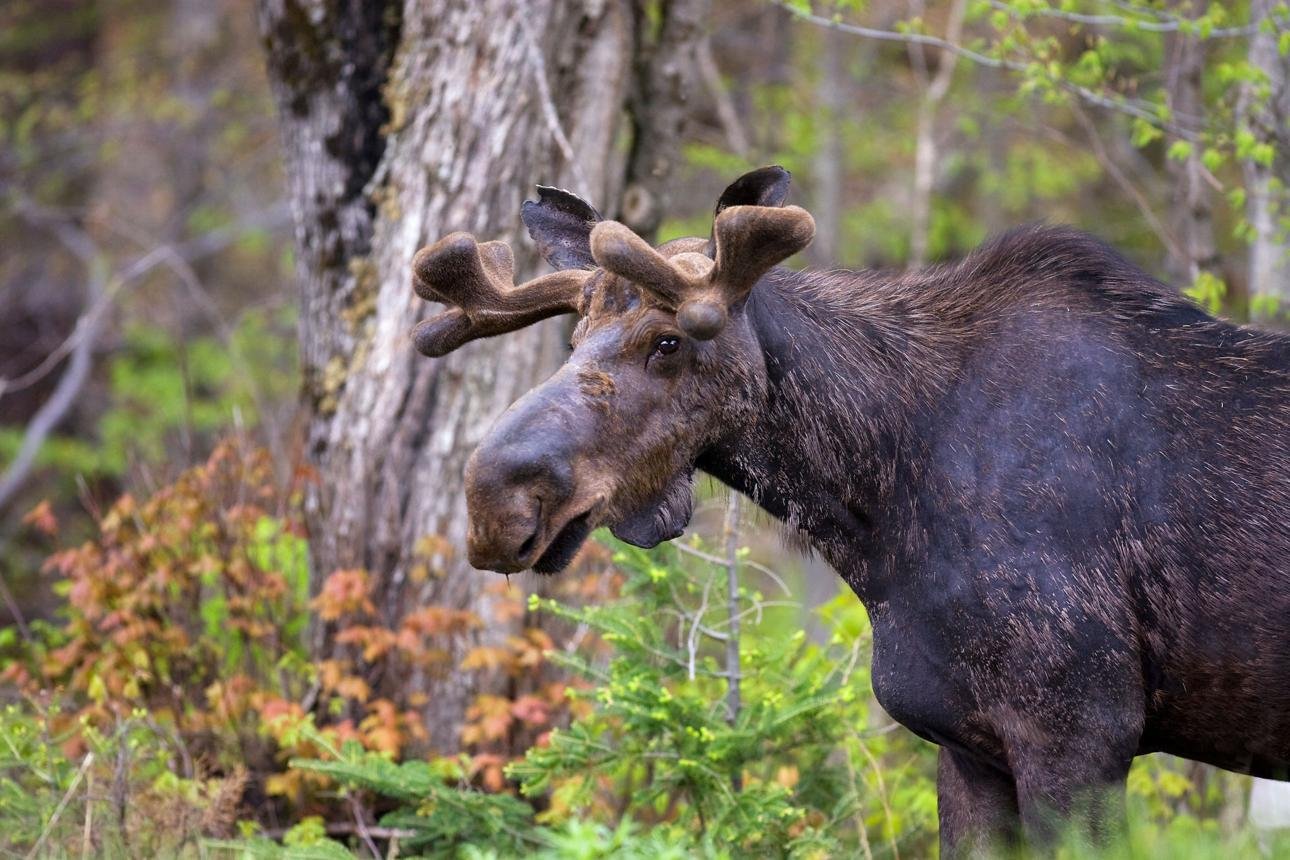
The country has more than two million deer
Canadian wildlife is spectacular.
Among the most representative animals we find:
- Moose.
- Black bears.
- Beavers.
- Wolves.
- Caribou.
- Polar bears.

The beaver is a national symbol
Although many people think of the maple leaf first, the beaver is also one of Canada’s historical symbols.
Its importance dates back to the time of the fur trade during colonization.
It currently even appears on Canadian coins.
The longest international border in the world
Canada shares the longest land border on the planet with the United States.
It is approximately 8,891 kilometers long.
The curious thing is that much of it does not have walls or physical barriers.
There are more trees than people
Canada has around 318 billion trees.
With a population close to 40 million, this means there are thousands of trees for every Canadian.
The name Canada has indigenous origins
The word “Canada” comes from the Iroquois term “kanata.”
Its meaning was:
- Village.
- People.
- Settlement.
French explorers adopted the term and it later became the official name of the country.
The Northern Lights can be seen in many regions
One of the most impressive natural spectacles in the world can be seen in several areas of northern Canada.


Thousands of tourists travel every year to see the famous Northern Lights.
Canada has more than 50,000 islands
Few people know that Canada has more than 50,000 islands distributed throughout its territory.
Some are completely uninhabited.
Others house small communities.
The country has six time zones
Due to its enormous geographical size, Canada uses six different time zones.
This means that the time difference between some regions can be considerable.
Curiosities about Canadian food
Gastronomy also offers interesting facts.
Poutine was born in Quebec
The famous Poutine consists of:
- French fries.
- Fresh cheese.
- Gravy sauce.
Today it is one of the most famous dishes in the country.
Maple syrup is produced every spring
During the harvest season, thousands of families visit specialized farms to watch how sap is extracted from maple trees.
Cultural curiosities of Canada
Some customs that often surprise visitors include:
- Take off your shoes when entering a house.
- Rigorously respect the lines.
- Great education in public spaces.
- Punctuality.
- Respect for cultural diversity.
Quick Facts about Canada
- Its capital is Ottawa.
- It has two official languages: English and French.
- It is a constitutional monarchy.
- It has one of the most valued educational systems in the world.
- It is home to some of the most spectacular national parks on the planet.
- It has one of the most developed economies in America.


Frequently Asked Questions (FAQs)
What is Canada’s most famous curiosity?
Probably its enormous size, since it is the second largest country in the world.
Is it true that Canada has more lakes than any other country?
Yes. Canada concentrates an extraordinary number of lakes and a large part of the planet’s surface fresh water.
Why is the maple leaf so important?
Because it represents one of the most recognized national symbols of the country and is linked to the production of maple syrup.
Where can you see the Northern Lights in Canada?
Mainly in northern regions such as Yukon, Northwest Territories and Nunavut.
What animal represents Canada?
The beaver is one of the most important historical national symbols.
After researching so many curiosities about Canada, I ended up understanding that this country is much more than snow, hockey and mountains. Its enormous territory, its geographical records, its natural wealth, its cultural diversity and its historical peculiarities make Canada one of the most interesting countries in the world to explore and know. Each curious fact reveals a different facet of a nation that never ceases to surprise.