
When we think of Germany, many people imagine luxury cars, beer, medieval castles, discipline and a powerful economy. And although all that is part of its identity, after researching more about the country I realized that Germany is full of small details that surprise even those who think they know it well.
The curiosities of Germany go far beyond the usual topics. We talk about strange traditions, world records, everyday customs, inventions that changed history, unique places and cultural aspects that make this country different from many others in Europe.
I have always found it interesting to discover how behind an apparently serious and organized nation there is a culture full of contrasts: people who love punctuality, but also great festivals; a modern and technological country that preserves medieval towns; a highly structured society that enjoys colorful celebrations like Oktoberfest.
In this article I am going to go through some of the most interesting curiosities about Germany , explained in a simple way and with that cultural side that helps to better understand what this country is really like.


Germany has more than 20,000 castles
One of the first things that surprises you when researching Germany is the enormous number of castles that exist spread throughout its territory.
Although the exact number may vary depending on how they are classified, it is estimated that Germany has more than 20,000 historic castles, palaces and fortresses .
Many of them look like something out of a fairy tale. The most famous example is Neuschwanstein Castle, a 19th-century construction that even inspired the design of some modern fantasy castles.
But Neuschwanstein is not the only one. Germany is full of medieval fortresses located in mountains, forests and small towns.
Some of the best-known castles are:
- Heidelberg Castle.
- Hohenzollern Castle.
- Wartburg Castle.
- Eltz Castle.
- Sanssouci Palace.
This number of historic buildings explains why traveling through Germany can feel like traveling through different eras of European history.
Germany is the country of beer par excellence


Talking about Germany without mentioning beer would be impossible.
One of the great curiosities of Germany is that the country has one of the most important beer cultures in the world.
There are thousands of varieties of beer and many regions have their own specialties.
Some famous German beers are:
- Pilsner.
- Weissbier (wheat beer).
- Dunkel.
- Kölsch.
- Bock.
- Altbier.
A well-known tradition is the German Beer Purity Law ( Reinheitsgebot ), established in 1516, which originally regulated the ingredients permitted for brewing beer.
The most famous festival related to this drink is the Oktoberfest, held every year in Munich.
Although many people believe it is simply a beer festival, it actually combines food, music, traditional clothing and Bavarian culture.
Germany has a highway with no speed limit



One of the most famous curiosities of Germany is the existence of the Autobahn, the German motorway network.
On some sections there is no mandatory maximum recommended speed limit, which has created enormous international fame.
However, it does not mean that all Germans constantly drive at extreme speeds.
The Autobahn is highly regulated, it has areas where speed limits do exist and drivers usually have a fairly developed road culture.
Additionally, Germany is known for its automobile industry, with brands such as:
- Mercedes-Benz.
- BMW.
- Volkswagen.
- Audi.
- Porsche.
The automobile has been part of the German industrial identity for more than a century.
Germany was the birthplace of modern printing
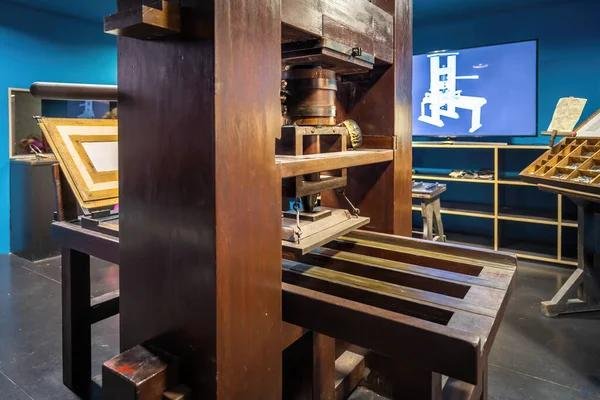


One of the most important German contributions to humanity was the modern printing press.
In the 15th century, Johannes Gutenberg developed a printing system with movable type that revolutionized the transmission of knowledge.
Before this advancement, books had to be copied manually, which was slow and expensive.
Thanks to the printer:
- The books could be produced more quickly.
- Knowledge reached more people.
- Literacy increased.
- Scientific and cultural dissemination was facilitated.
The Gutenberg Bible is considered one of the most important printed works in history.
Germany has a huge number of words
The German language has a reputation for creating extremely long words.
And it’s not just a myth.
German allows you to join different words to create new terms capable of expressing very specific concepts.
Some famous examples:
- Donaudampfschifffahrt : related to steamship navigation on the Danube.
- Schadenfreude : enjoying other people’s evil.
- Fernweh : nostalgia for far away places.
- Wanderlust : desire to travel.
This ability to form compound words is one of the most curious characteristics of the German language.
Germany has more than 1,500 types of sausages
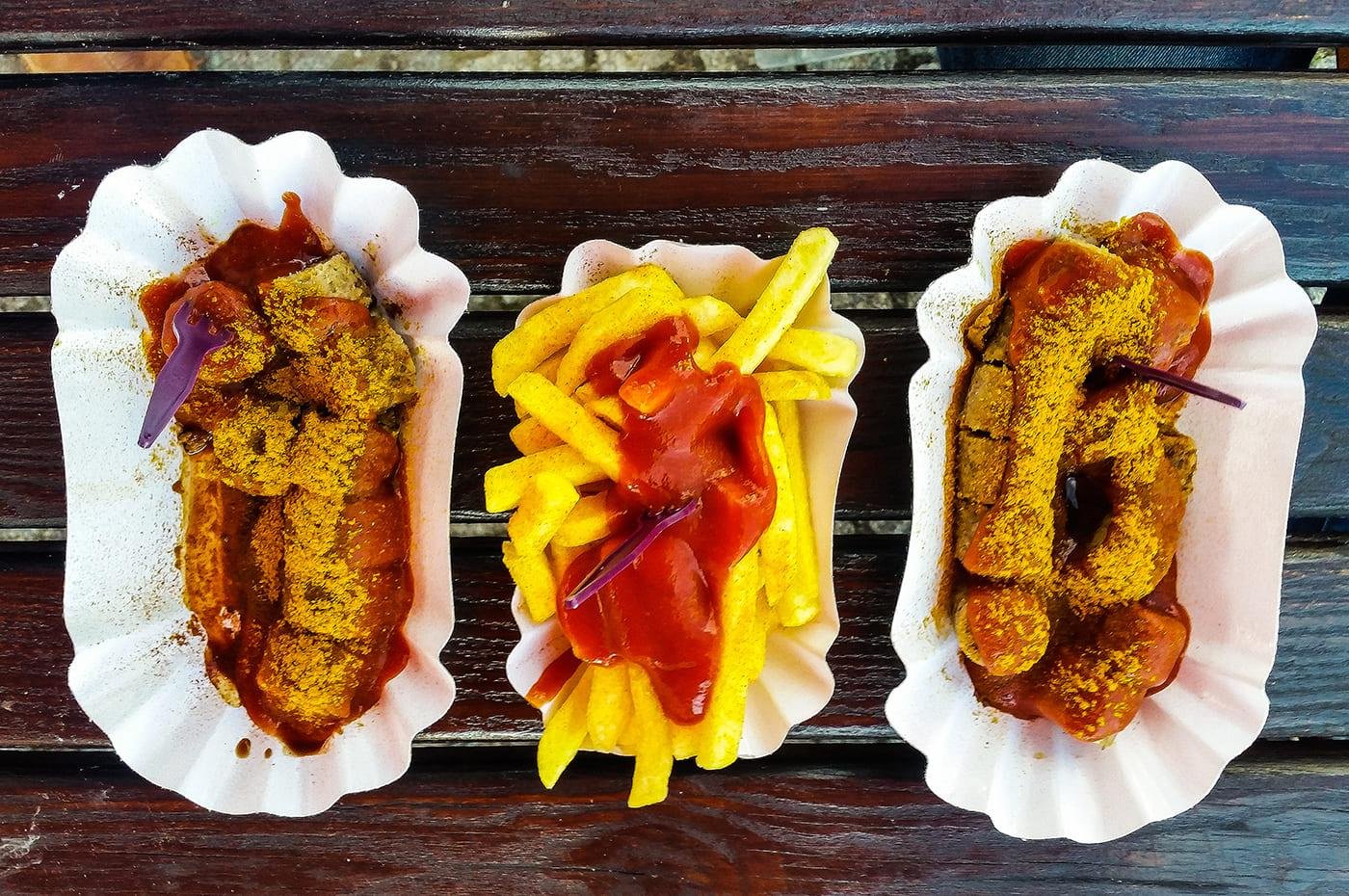



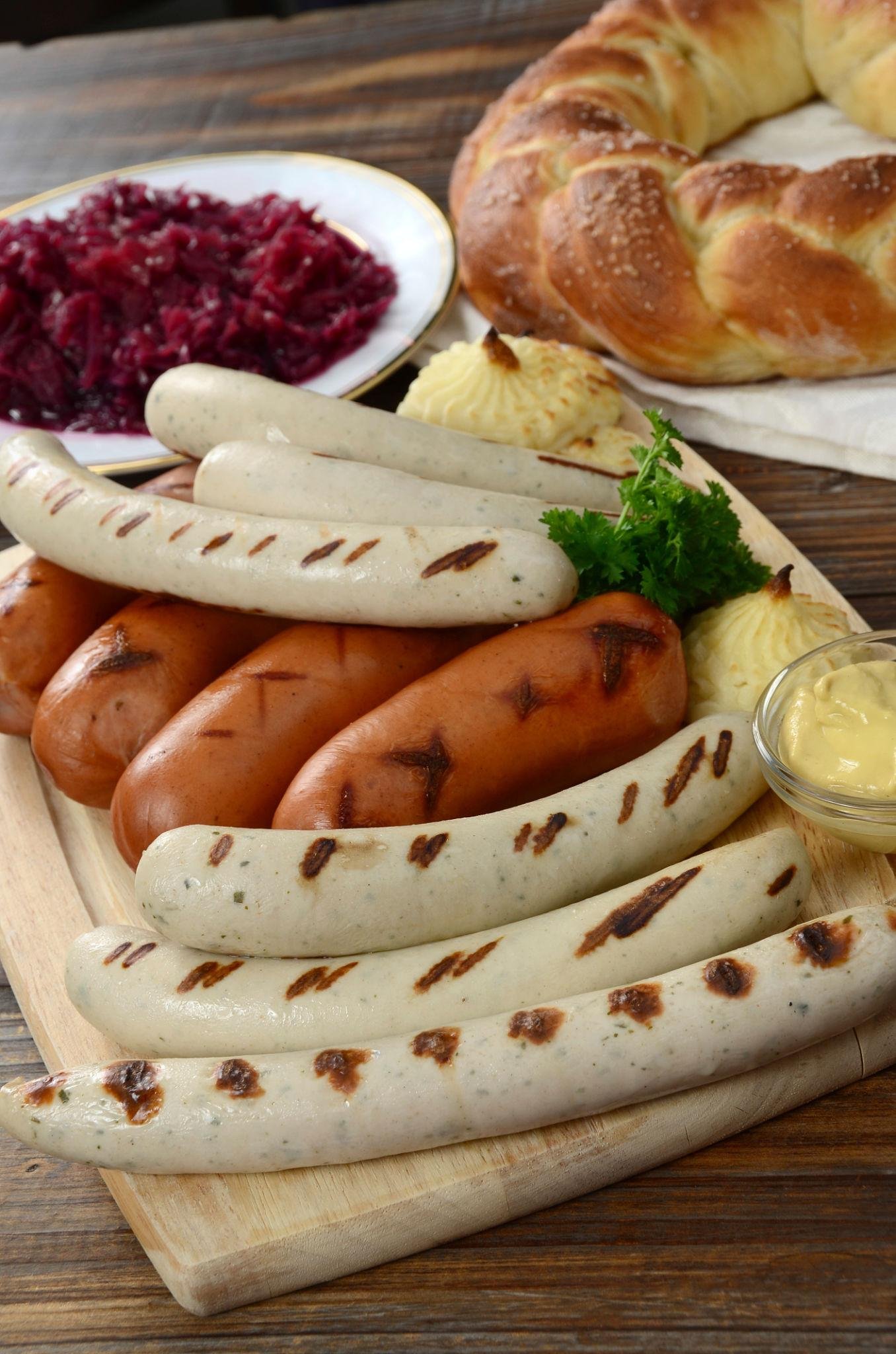

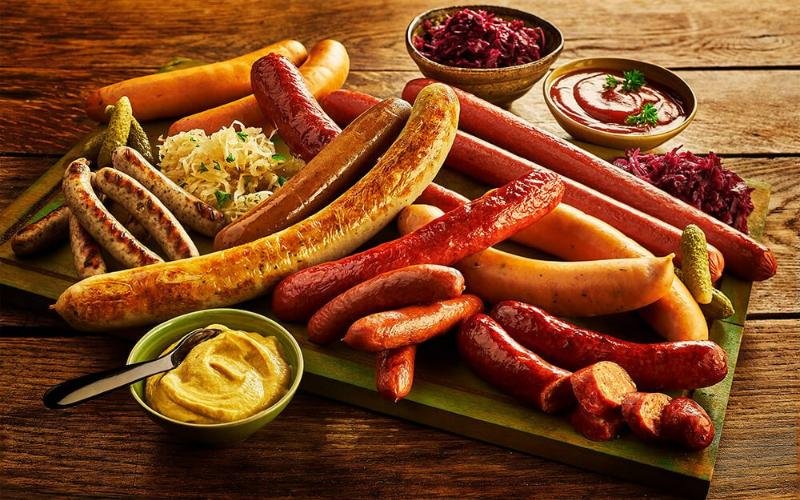
Another of the great curiosities of Germany is related to its gastronomy.
Although many people know the famous Bratwurst , the reality is that there are hundreds of varieties of sausages.
Some of the best known are:
- Bratwurst.
- Currywurst.
- Weisswurst.
- Nürnberger Rostbratwurst.
- Bockwurst.
- Thüringer Rostbratwurst.
Sausage is such a part of German culture that there are festivals dedicated exclusively to different regional varieties.
Currywurst , for example, is one of the most popular street dishes in the country and consists of a sausage served with curry sauce.
Germany has more than 1,000 types of bread


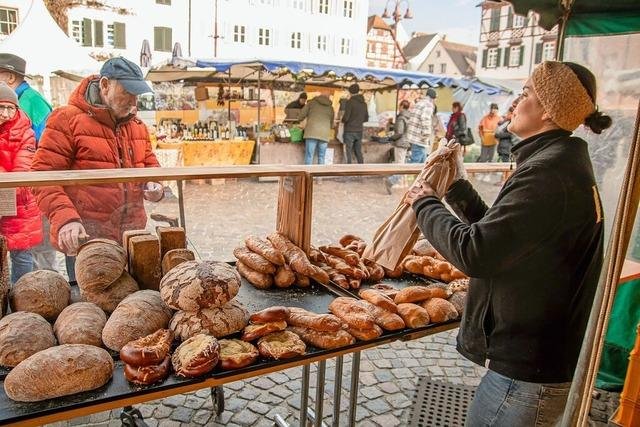
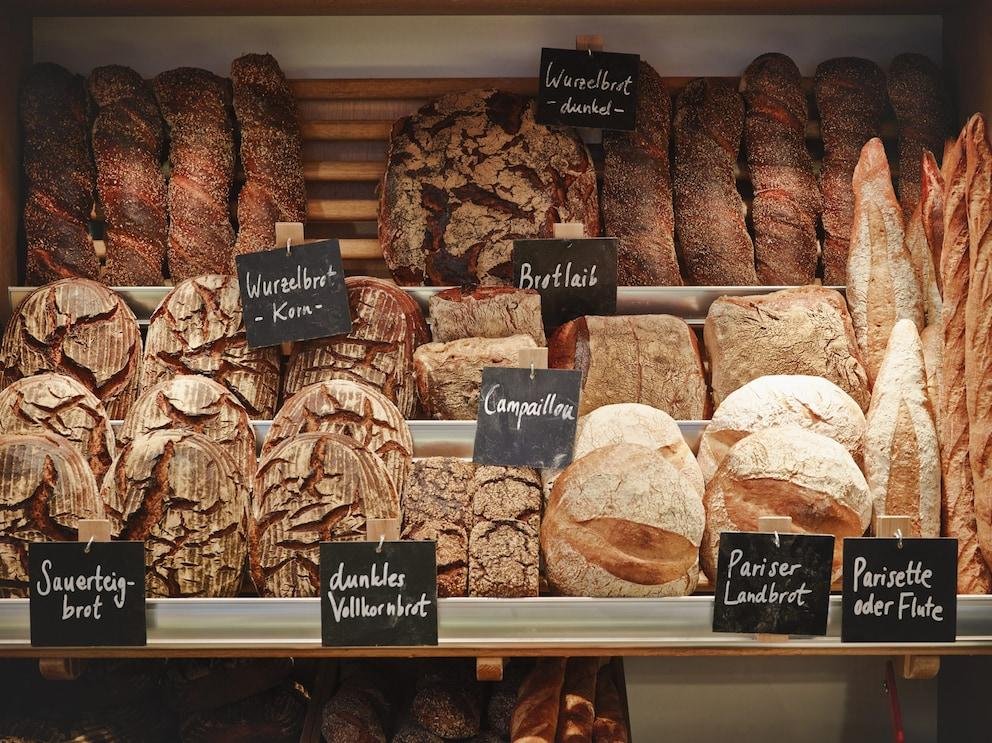


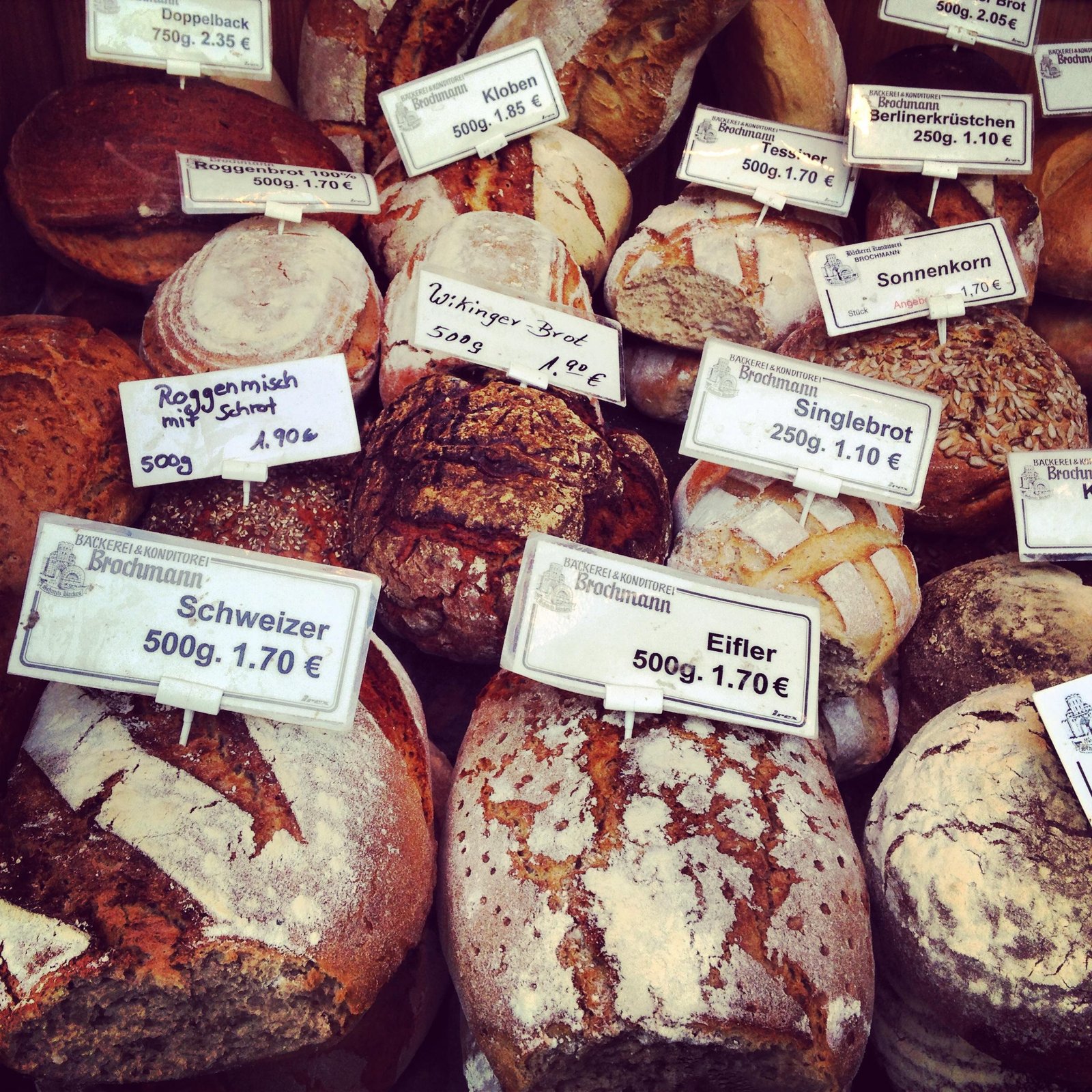
If there is one food that demonstrates the importance of German gastronomic tradition, it is bread.
Germany has a huge variety of regional breads.
Some examples:
- Vollkornbrot.
- Brötchen.
- Pretzel ( Brezel ).
- Roggenbrot.
- Bauernbrot.
Bakeries ( Bäckerei ) are part of German everyday life and many people buy fresh bread regularly.
For me, this is one of those little curiosities that says a lot about a culture: something as everyday as buying bread can become a deeply rooted tradition.
Germany is one of the countries with the most natural parks in Europe

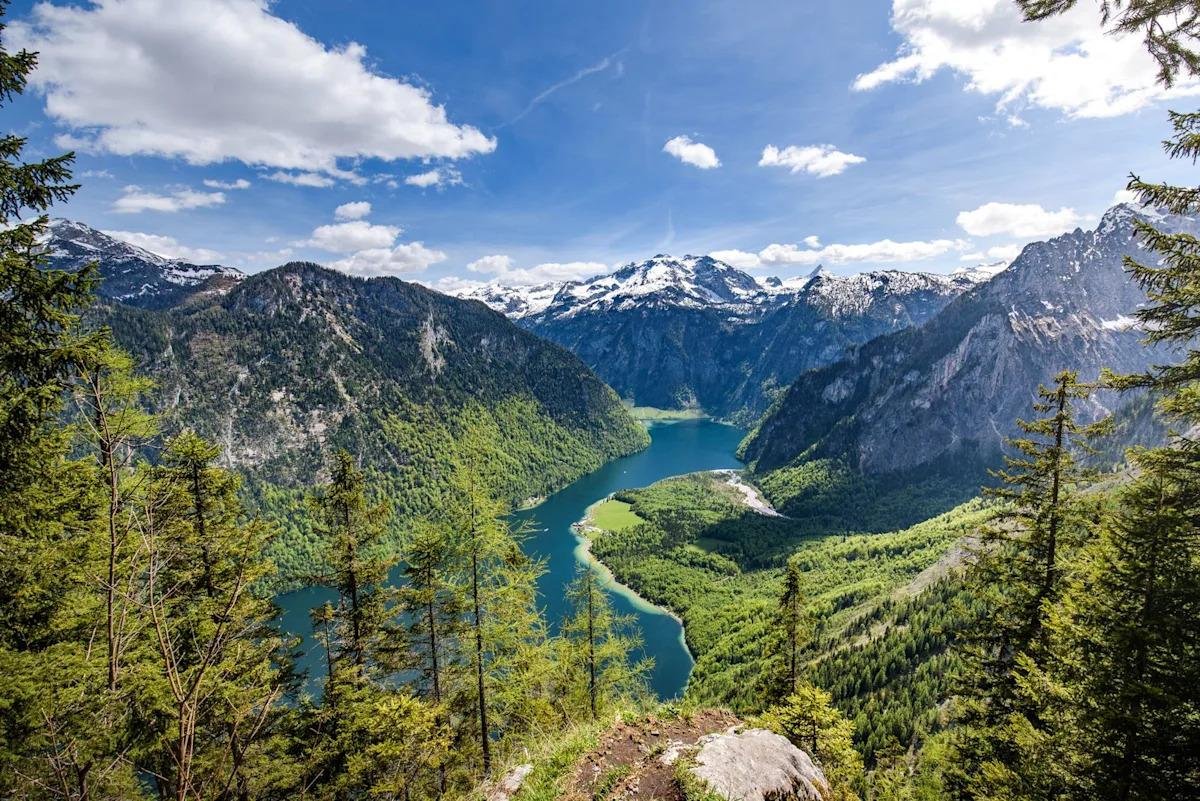


When we think of Germany we often imagine industrial cities, but the country also has enormous natural wealth.
It has numerous national parks, forests and protected areas.
Some notable natural places are:
- The Black Forest.
- The Bavarian Alps.
- Berchtesgaden National Park.
- Saxon Switzerland.
- The coast of the Baltic Sea.
The relationship with nature is very important in German culture. Activities such as walking, hiking or exploring forests are part of the lifestyle of many people.
The famous Christmas tree has German origins


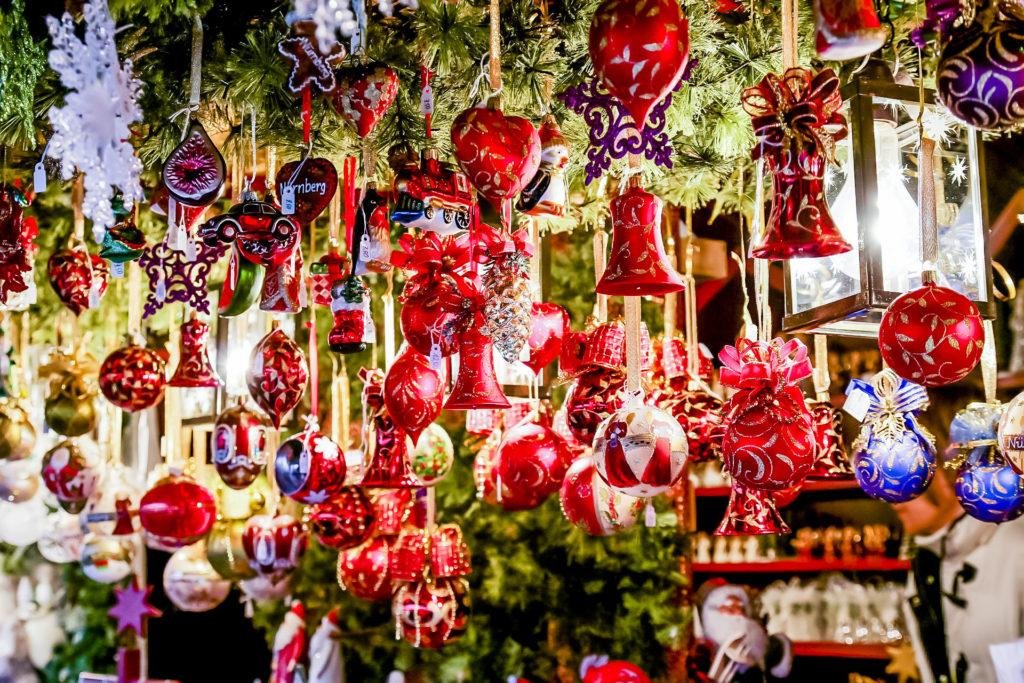


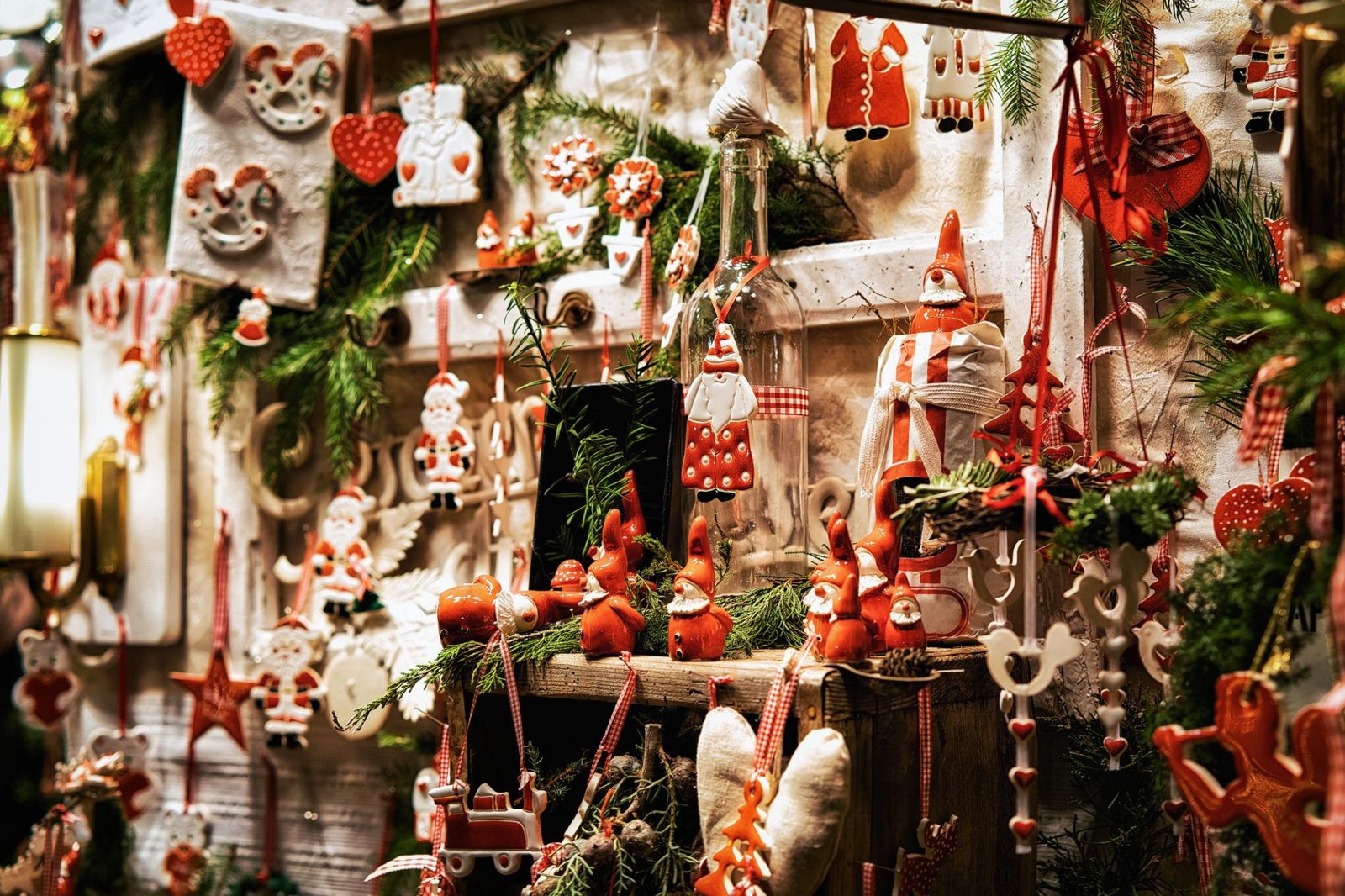
One of the most widespread Christmas traditions in the world has German roots: the Christmas tree.
Although there is a history of tree decorations in different European cultures, the modern tradition of the Christmas tree developed especially in German territories.
Also famous are the German Christmas markets ( Weihnachtsmärkte ).
Some of the best known are found at:
- Nuremberg.
- Dresden.
- Cologne.
- Munich.
- Berlin.
These markets combine:
- Christmas decorations.
- Traditional food.
- Hot drinks.
- Crafts.
- Music.
Germany has one of the most developed railway networks in the world
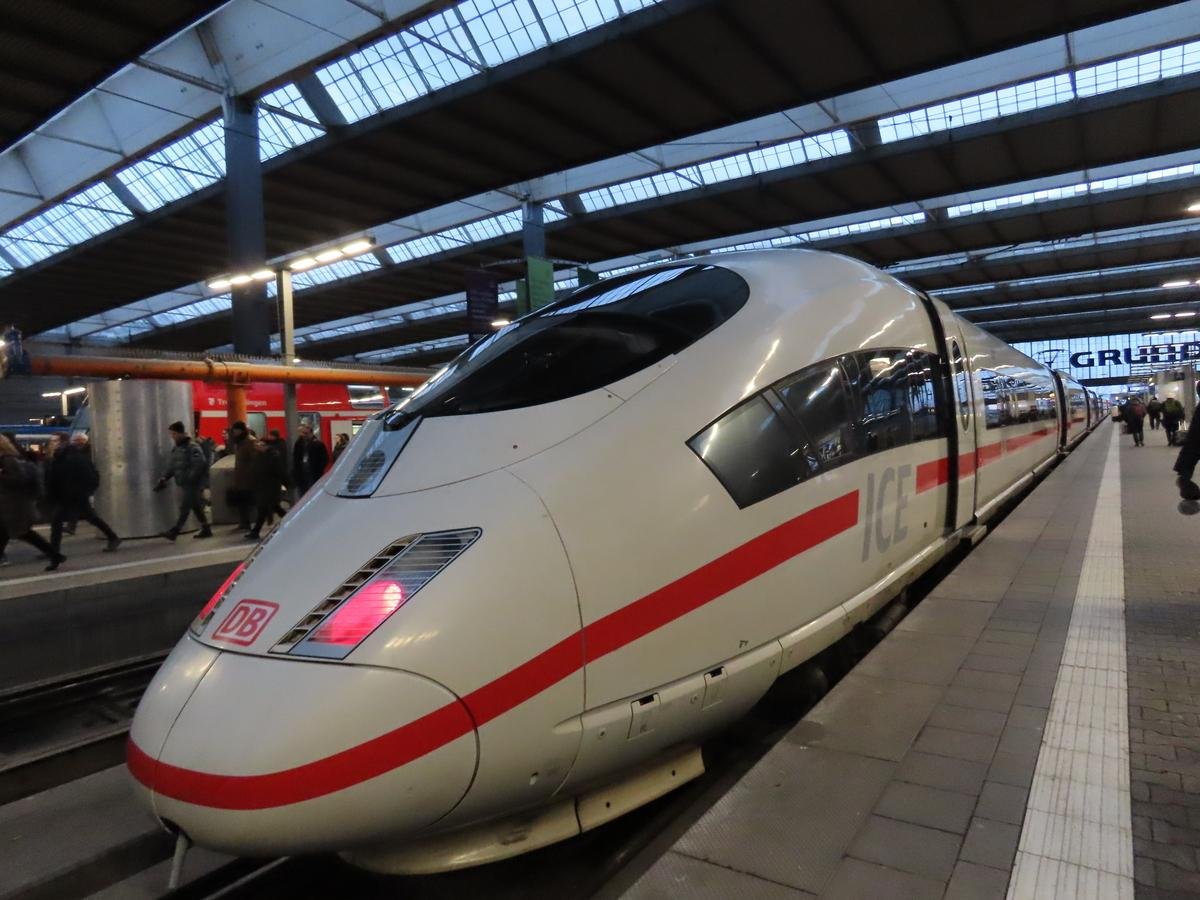

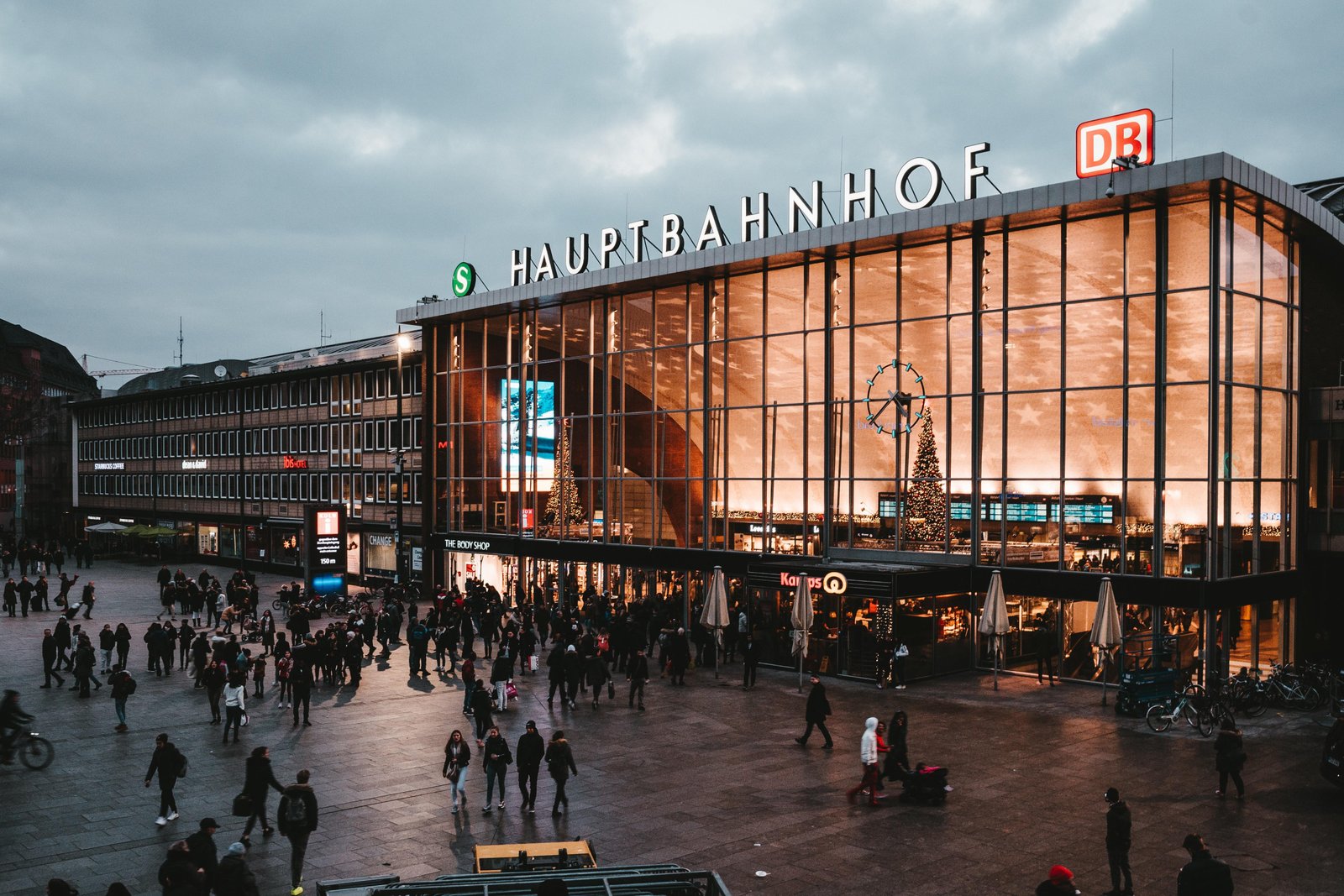


Rail transport is another important part of German life.
The train network connects large cities and small towns.
Deutsche Bahn high-speed trains, especially the ICE models, allow quick travel between different regions.
An interesting curiosity is that Germany combines modern cities with very well-connected historic towns.
This makes it much easier to discover the country beyond the usual tourist destinations.
Germany has more than 2,000 museums


History and culture lovers have a lot to discover in Germany.
The country has thousands of museums dedicated to:
- Art.
- Science.
- History.
- Technology.
- Automobiles.
- Regional traditions.
One of the most famous cultural places is Museum Island, an internationally recognized group of museums located in Berlin.
Germany was divided for almost 40 years

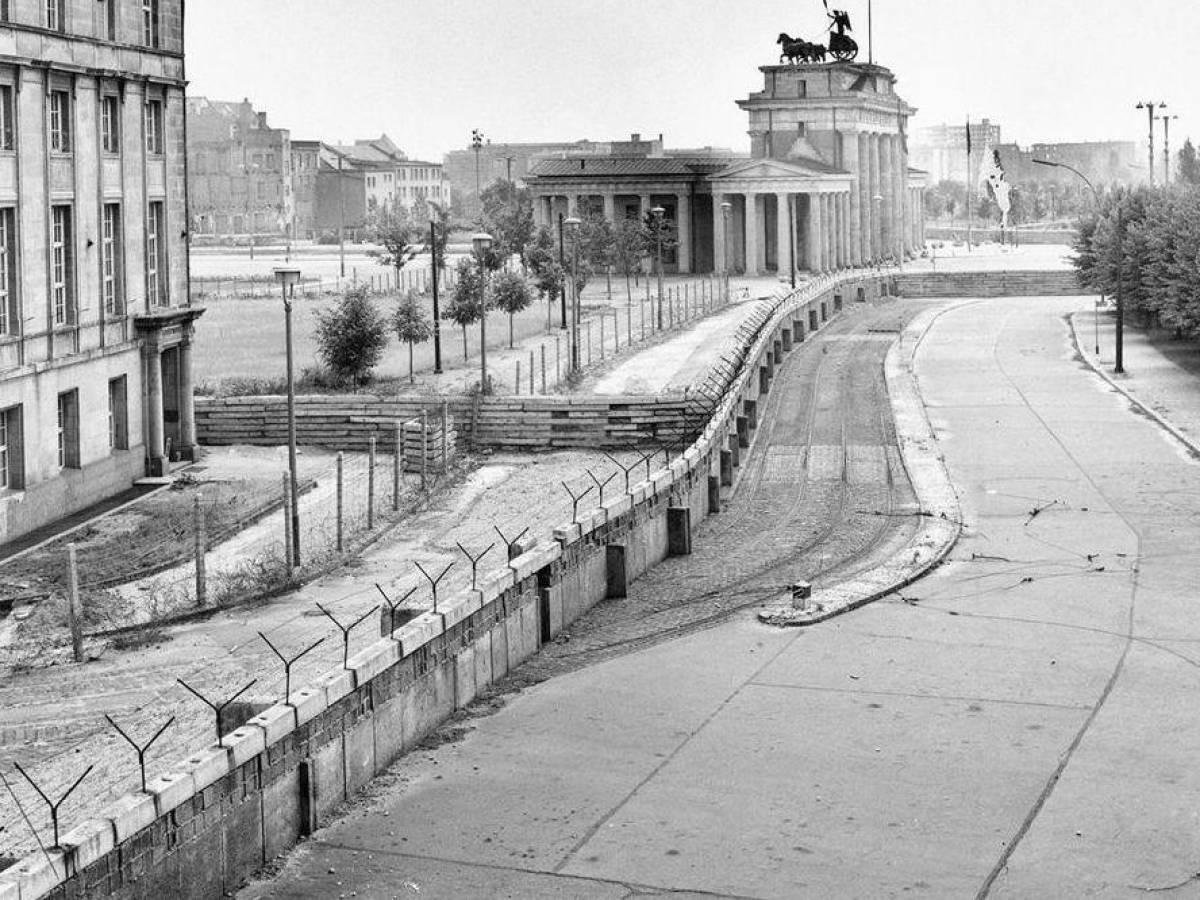


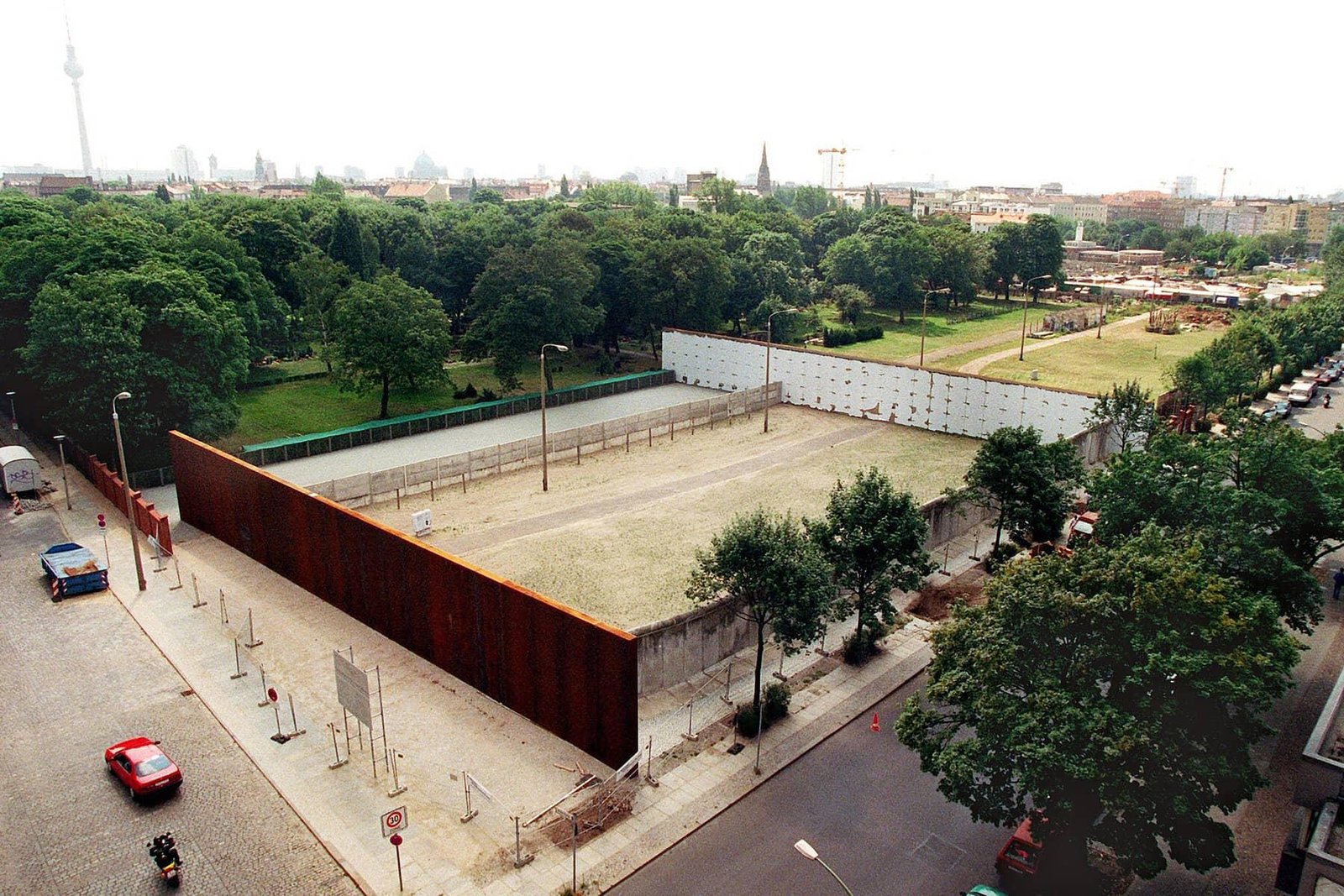
One of the most important parts of recent German history is the division between West Germany and East Germany.
After World War II, the country was divided into two states:
- Federal Republic of Germany (West Germany).
- German Democratic Republic (East Germany).
The best-known symbol of this division was the Berlin Wall, built in 1961 and torn down in 1989.
Currently, his remains are one of the most visited historical places in the country.
Germany has a huge passion for Christmas markets
German Christmas markets are not just shopping places.
They are a cultural experience.
During December, many cities create authentic Christmas villages with:
- Lights.
- Music.
- Food stalls.
- Crafts.
- Mulled wine ( Glühwein ).
The atmosphere of these markets is one of the best ways to learn about German traditions.
Germans love to separate waste
An everyday curiosity about Germany is its recycling system.
Waste separation is very integrated into daily life.
Normally there are different containers for:
- Paper.
- Glass.
- Packaging.
- Organic waste.
- General trash.
It may seem like a small thing, but it reflects an important part of German culture related to organization and environmental care.
Germany invented many things we use today


In addition to the printing press, Germany has been the origin of numerous inventions.
Some examples:
- Modern automobile.
- Aspirin.
- Diesel engine.
- MP3.
- X-ray.
- Modern refrigerator.
- Motorcycle.
- Advances in chemistry and engineering.
Research and engineering remain fundamental elements of the German identity.
Curiosities about German culture
Beyond historical data, there are many customs that attract attention:
- Punctuality has a lot of social value.
- Sundays are usually quiet days.
- Bicycles are of great importance in many cities.
- People often clearly separate their private and professional lives.
- Greetings and social norms may be more formal than in other countries.
- Regional celebrations are very important.
These small cultural differences are precisely what make traveling and getting to know Germany interesting.
Frequently Asked Questions (FAQs)
What is the most famous curiosity in Germany?
Probably the Autobahn without a speed limit, the Oktoberfest or the large number of castles that exist in the country.
How many castles are there in Germany?
It is estimated that Germany has more than 20,000 historic castles, palaces and fortresses.
What did Germany invent?
Among other advances, Germany was key in the creation of the modern printing press, the automobile, aspirin, and numerous scientific developments.
Why is Germany famous for beer?
Because it has a centuries-old beer tradition, numerous regional varieties and festivals such as Oktoberfest.
What is the typical food of Germany?
Some traditional dishes are Bratwurst, Currywurst, pretzel, Sauerbraten, schnitzel and different types of bread.
What German traditions are known worldwide?
Oktoberfest, Christmas markets, the Christmas tree and beer culture are some of the most famous.
Is Germany an expensive country to visit?
It depends on the area. Cities like Munich or Berlin can be more expensive, while other regions offer more affordable prices.
Germany: much more than beer, cars and discipline
After knowing all these curiosities about Germany , I think it is clear that this country has many more layers than what we normally see from the outside.
Yes, Germany is engineering, cars, beer and organization. But it is also castles, forests, Christmas markets, artisanal bread, history, music, literature and regional traditions.
The interesting thing about Germany is precisely that mix: a modern and technological nation that keeps customs alive with centuries of history.
When one begins to look beyond the clichés, one discovers a country full of curious details, interesting contradictions and small traditions that explain a lot about the way of life of its inhabitants.