
Talking about Italian gastronomy is much more than talking about pizza or pasta. Before starting to research this country, I thought I knew its cuisine quite well because many of its dishes are part of the usual menu almost anywhere in the world. However, the more I learned about its traditional recipes, the more I realized that Italian cuisine is incredibly diverse and that each region has its own culinary identity.
If you are planning a trip, are a lover of good food or simply want to get to know Italian cuisine better, here you will find a complete guide to the gastronomy of Italy, its typical dishes, ingredients, customs and curiosities.
What is the gastronomy of Italy like?
Italian gastronomy is considered one of the best in the world thanks to the quality of its ingredients, the simplicity of its recipes and the enormous respect for tradition.
Each dish is usually made with few ingredients, but always fresh and of excellent quality.
Its main features include:
- Use of fresh products.
- Extra virgin olive oil.
- Artisanal pasta.
- Traditional cheeses.
- Aromatic herbs.
- Ripe tomatoes.
- Regional wines.
- Recipes passed down for generations.
Something that especially caught my attention during my research was discovering that many recipes change completely depending on the city or region where they are prepared.
The history of Italian gastronomy
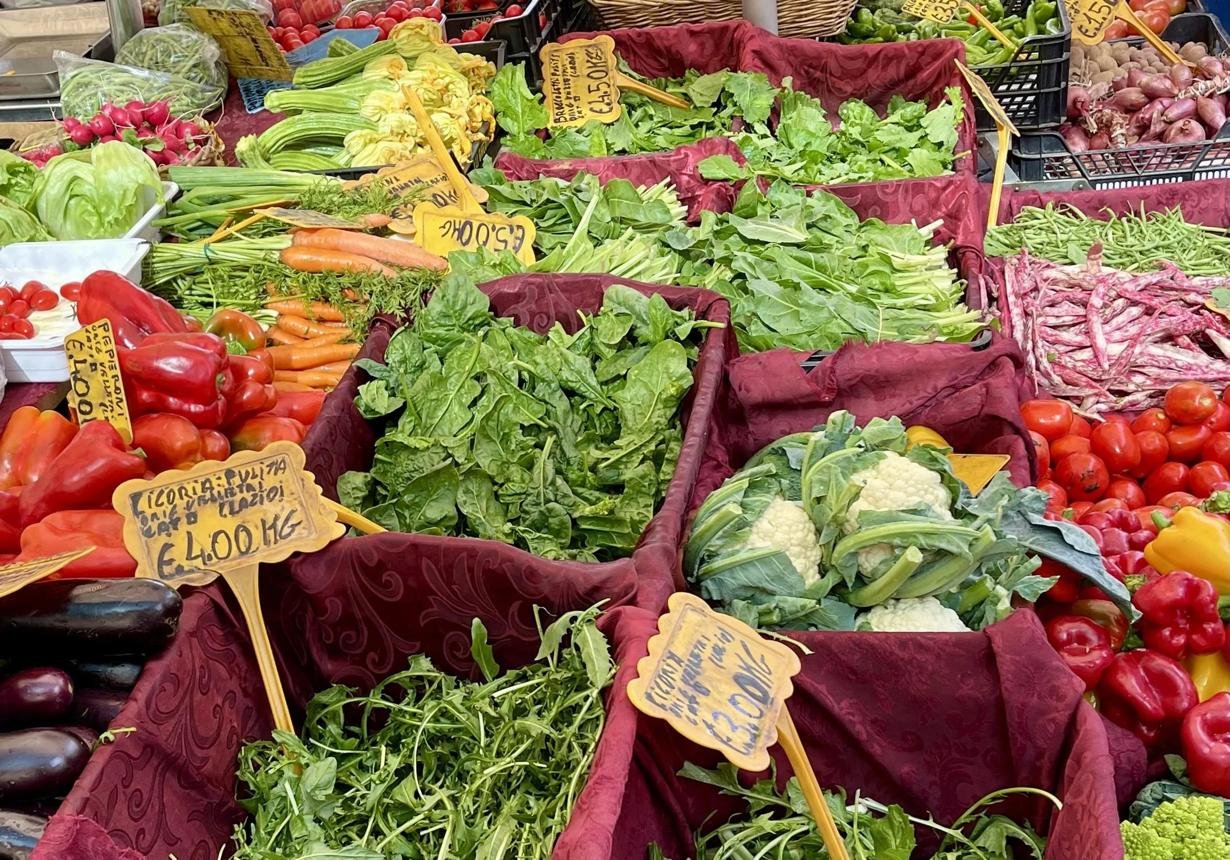


Italian cuisine has more than two thousand years of evolution.
Its origins date back to the Roman Empire, where there was already a wide variety of breads, cheeses, wines and vegetables.
Over time it received influences from different cultures:
- Greeks.
- Arabs.
- Normans.
- Spanish.
- French.
Later, the arrival of the tomato from America completely revolutionized Italian cuisine.
Today it is impossible to imagine many traditional recipes without this ingredient.
The most important ingredients of Italian cuisine
One of the secrets of the success of Italian gastronomy is the quality of its raw materials.
The most used ingredients are:
- Olive oil.
- Tomato.
- Basil.
- Oregano.
- Garlic.
- Rosemary.
- Parmesan cheese.
- Mozzarella.
- Pecorino.
- Wheat flour.
- Rice.
- Mushrooms.
- Seafood.
- Wine.
Italian cuisine shows that you don’t need complicated recipes to achieve spectacular flavors.
Pizza: the great symbol of Italy


When someone thinks of Italian food, pizza is probably the first thing that comes to mind.
The authentic Neapolitan pizza was born in Naples and is characterized by:
- Slowly fermented dough.
- High edges.
- Fine center.
- Wood oven.
- Simple ingredients.
The most popular varieties are:
- Margherita.
- Marinara.
- Four cheeses.
- Prosciutto.
- Capricciosa.
After learning how traditional pizza is prepared, I understood why the Italian version is so famous worldwide.
Italian pasta: much more than spaghetti


Pasta is probably the most representative food in the country.
There are hundreds of varieties.
Some of the best known are:
- Spaghetti.
- Penne.
- Fusilli.
- Tagliatelle.
- Fettuccine.
- Ravioli.
- Tortellini.
- Gnocchi.
- Lasagna.
Each type of pasta is usually combined with a specific sauce.
For example:
- Carbonara.
- Bolognese.
- Pesto.
- Amatriciana.
- Cacio e Pepe.
- Arrabbiata.
The most famous Italian cheeses
Italy produces hundreds of traditional cheeses.
Among the best known we find:
- Parmigiano Reggiano.
- Mozzarella di Bufala.
- Gorgonzola.
- Pecorino Romano.
- Ricotta.
- Provolone.
- Asiago.
Many have protected designation of origin.
The best Italian desserts


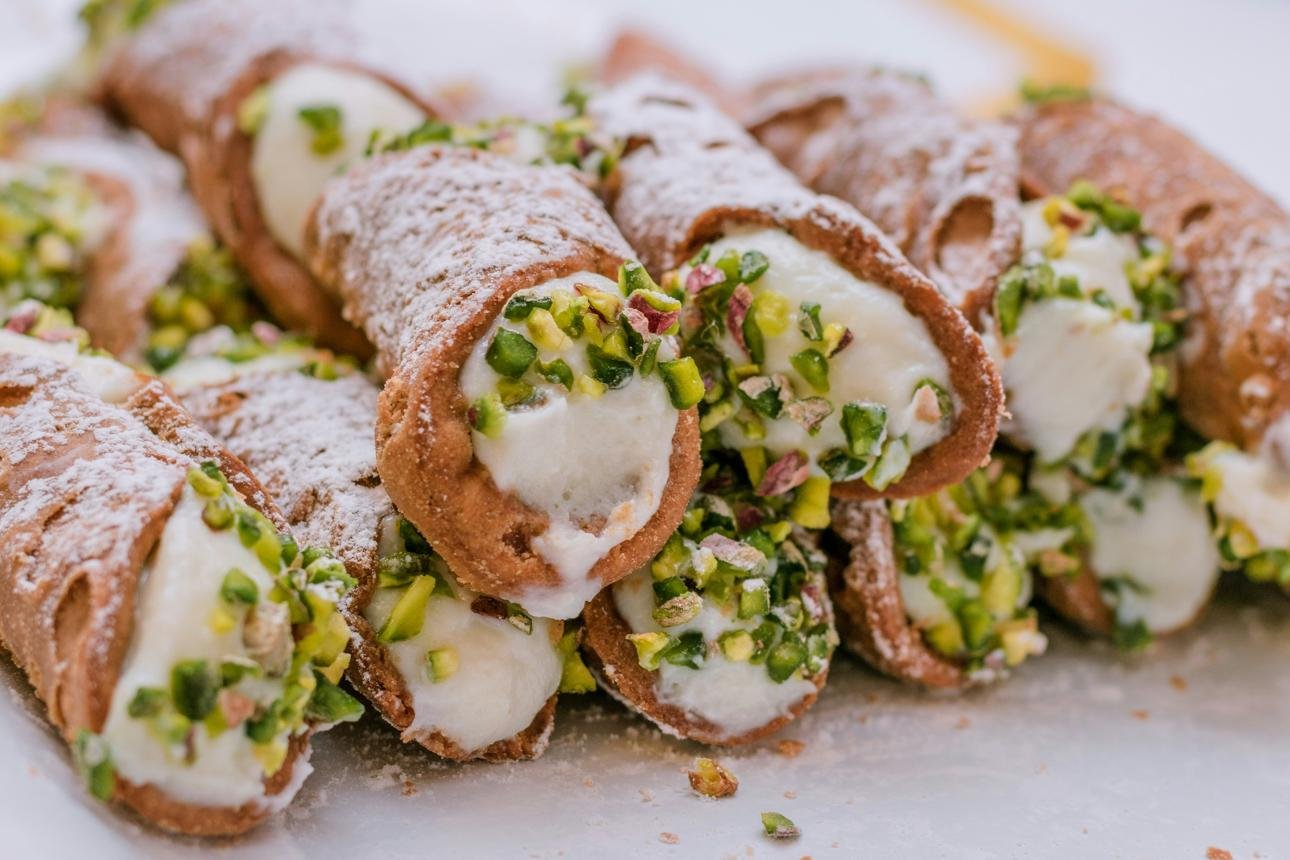
Italian desserts are also famous all over the world.
Among the essential ones are:
- Tiramisu.
- Gelato.
- Cannoli.
- Panna Cotta.
- Panettone.
- Sfogliatella.
- Zabaglione.
Each region has its own specialties.
Italian coffee is a tradition
Talking about Italian gastronomy also means talking about coffee.
The most popular are:
- Espresso.
- Macchiato.
- Cappuccino.
- Ristretto.
- Lungo.
A curiosity I discovered while researching is that many Italians drink several espressos a day, usually standing at the bar counter.
The wines of Italy


Italy is one of the largest wine producers on the planet.
Some very famous wine regions are:
- Tuscany.
- Piedmont.
- Veneto.
- Sicily.
- Emilia-Romagna.
Among the best-known wines the following stand out:
- Chianti.
- Barolo.
- Brunello di Montalcino.
- Prosecco.
- Amarone.
The cuisine changes according to each region
One of the most fascinating aspects of Italian gastronomy is its enormous regional diversity.
Northern Italy
Predominant:
- Risottos.
- Polenta.
- Butter.
- Cheeses.
- Meats.
Central Italy
They are very popular:
- Fresh pasta.
- Sausages.
- Olive oil.
- Truffles.
South Italy
Highlights:
- Pizza.
- Tomatoes.
- Seafood.
- Mozzarella.
- Olives.
Sicily
Its cuisine mixes Arab, Greek and Spanish influences.
It is famous for:
- Cannoli.
- Arancini.
- Fish.
- Pistachios.
- Sweets.
Italian gastronomic customs


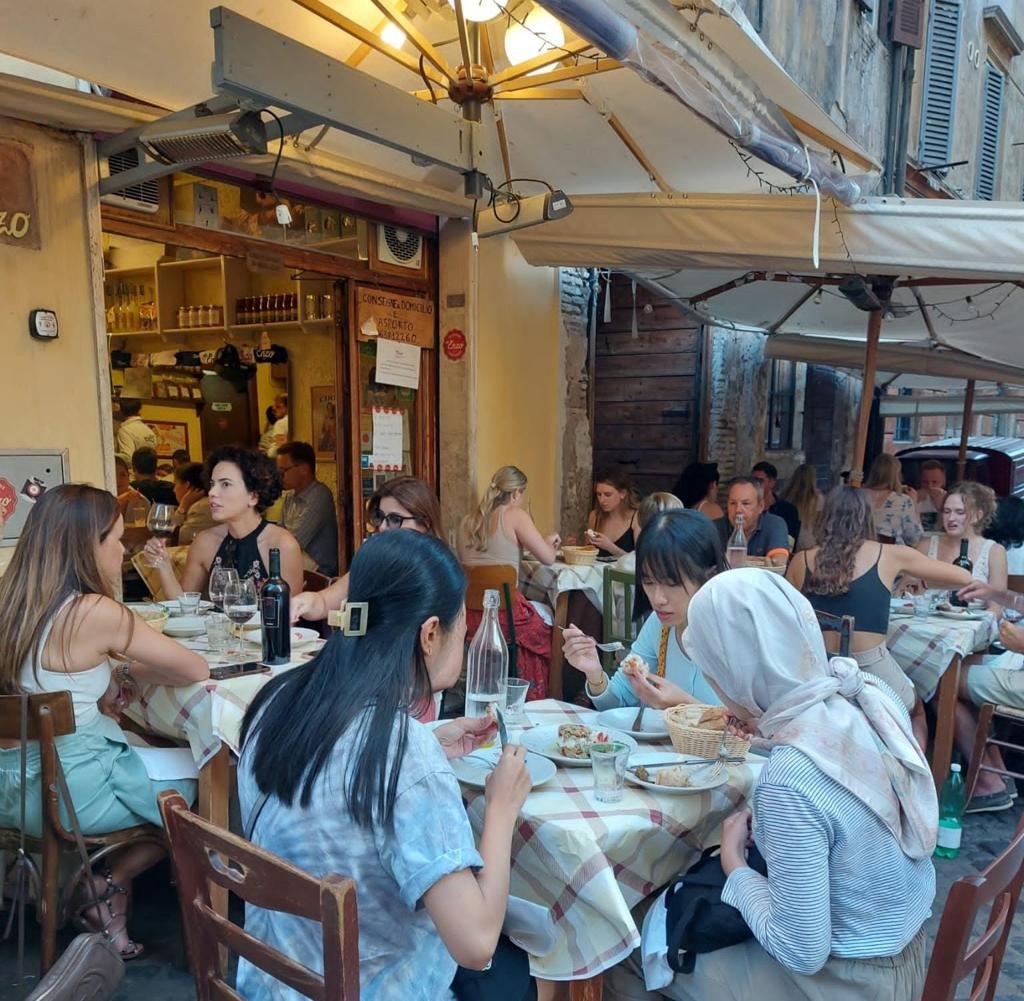
Italians experience food as a moment to share.
Some customs are:
- Eat slowly.
- Give great importance to family.
- Use fresh ingredients.
- Prepare traditional recipes.
- Enjoy long after-dinner conversations.
Something that I have always liked about Italian culture is that way of turning any meal into a social experience.
Typical dishes that you should try
If you visit Italy, these dishes cannot be missed:
- Neapolitan pizza.
- Pasta Carbonara.
- Cacio e Pepe Pasta.
- Lasagna.
- Risotto alla Milanese.
- Osso Buco.
- Gnocchi.
- Ravioli.
- Tiramisu.
- Gelato.
- Cannoli.
- Arancini.
Curiosities about the gastronomy of Italy
- Margherita pizza represents the colors of the Italian flag.
- There are more than 400 varieties of Italian cheese.
- Italy produces some of the best olive oils in the world.
- Each region has its own recipes.
- Espresso was born in Italy.
- Pasta comes in hundreds of different shapes.
- Parmigiano Reggiano requires years of maturation.
- Many traditional recipes are centuries old.
Discovering Italy also means doing it through its cuisine
After researching Italian gastronomy for quite some time, I ended up understanding that food is as much a part of the country’s identity as its monuments or its history.
Each city offers different flavors, each region preserves its own recipes and each dish tells a story that has been passed down from generation to generation.
If one day you have the opportunity to travel to Italy, my recommendation is simple: try the local cuisine of each place, avoid sticking only to the most well-known dishes and let yourself be surprised. I am convinced that you will discover one of the richest and most varied culinary traditions in the world.
Frequently Asked Questions (FAQs)
What is the most famous dish in Italy?
Neapolitan pizza is probably the best-known Italian dish worldwide, although pasta also represents one of the great symbols of its gastronomy.
What characterizes Italian cuisine?
The use of fresh ingredients, traditional recipes, olive oil, quality cheeses and simple preparations that highlight the natural flavor of the food.
What drinks are typical of Italy?
Espresso is the most representative drink, along with wines such as Chianti, Barolo, Brunello di Montalcino and Prosecco.
What is the best Italian dessert?
Tiramisu is one of the most famous Italian desserts, although gelato, cannoli and panna cotta are also very popular.
Why is Italian gastronomy so famous all over the world?
Because it combines tradition, excellent quality ingredients, an enormous regional variety and recipes that have conquered millions of people thanks to their flavor and simplicity.