
Germany is one of those countries that is difficult to summarize in a single image. You can go from a capital full of contemporary history to a medieval town that seems straight out of a story, and then end the day facing the Alps or sailing along a river surrounded by vineyards.
That’s why, when someone asks me what are the best places in Germany , I don’t like to answer only with Berlin, Munich and Neuschwanstein Castle. There is much more.
I have prepared this selection thinking precisely about that: combining historic cities, pretty towns, castles, nature, mountains and less obvious destinations. In addition, I have organized the places according to the type of trip they can offer, because those who travel to Germany for the first time are not looking for the same thing as those who want to discover quiet corners.
The search intention that dominates this topic is clearly touristic: the reader wants to know what places to visit in Germany, which ones are most worth it, what to see in each one and how to choose according to the type of trip . That is precisely the structure that I have taken as a reference from the results analyzed, but expanding it with more destinations and practical advice. GetYourGuide, for example, organizes its selection by history, architecture, nature and relaxation, while other guides focus on cities, landscapes and picturesque places.


The best places in Germany at a glance
If you want a quick answer before going into detail, this would be my selection:
| Place | Ideal for | What stands out |
|---|---|---|
| Berlin | History and culture | Berlin Wall, museums and monuments |
| Munich | Architecture and Bavarian atmosphere | Marienplatz, palaces and gastronomy |
| Neuschwanstein | Castles | Fairytale landscape |
| Hamburg | Architecture and maritime environment | Harbor and Speicherstadt |
| Black Forest | Nature | Forests, waterfalls and villages |
| Bavarian Alps | Mountain | Hiking and alpine landscapes |
| Heidelberg | Romanticism | Castle and historic center |
| Cologne | History and architecture | Cathedral and Rhine |
| Dresden | Art and architecture | Baroque historic center |
| Rothenburg ob der Tauber | Medieval villages | Walls and traditional houses |
| Regensburg | Medieval history | Old town and Danube |
| Baden-Baden | Relax | Thermal baths and architecture |
| Königssee | Lakes and nature | Alpine landscape |
| Spreewald | Quiet getaway | Canals and forests |
| Rhine Route | Landscapes | Castles, vineyards and villages |
1. Berlin: the best place in Germany to start


If it is your first time in Germany and you can only choose one city, Berlin seems like the most complete option to me.
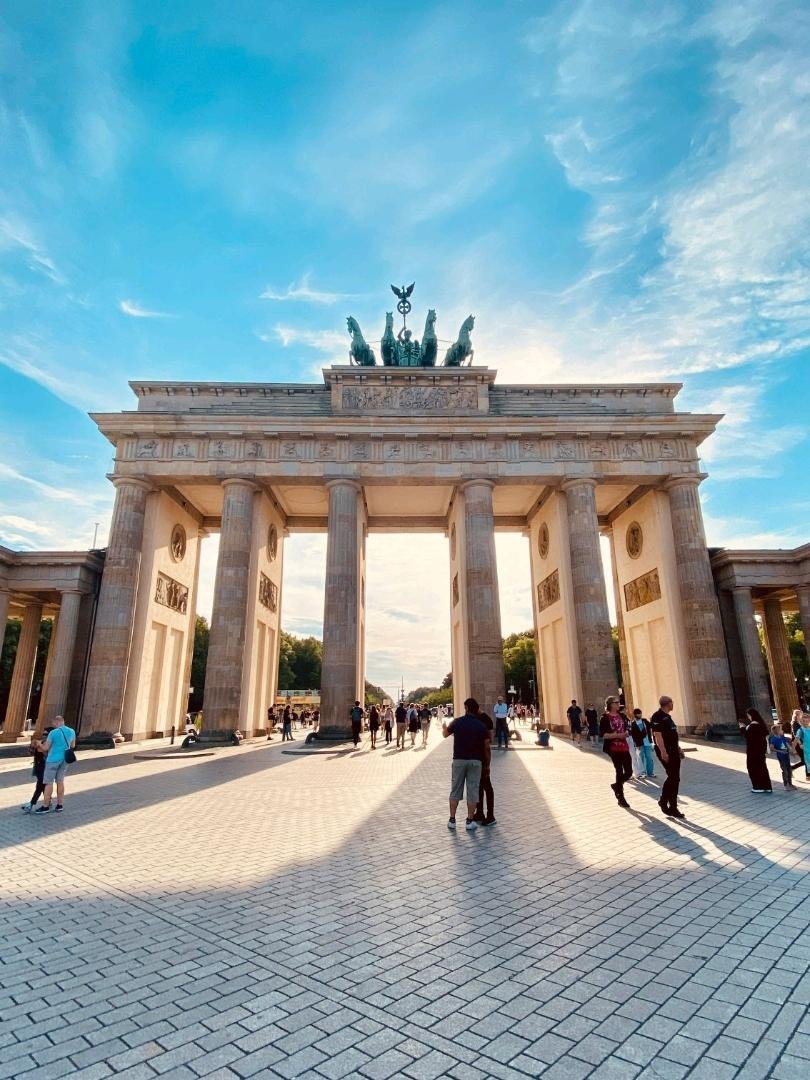
The German capital packs an impressive amount of history into a relatively small space. Here you can visit the Brandenburg Gate, the Reichstag, Museum Island, the Holocaust Memorial and different remains of the Berlin Wall.
But what interests me most about Berlin is the contrast.
It is not a city that has been frozen in its past. On the contrary: you can go from a historical monument to a modern neighborhood, an urban art gallery or an area full of restaurants and cafes.
One of the places that I consider essential is the East Side Gallery , where a preserved section of the old wall was transformed into a huge open-air art gallery.
GetYourGuide also places the Berlin Wall as its main historical reference within its selection of German places, precisely because of the enormous significance it retains for understanding the Cold War and the division of the country.
Ideal for: history, museums, architecture, urban life and cultural trips.
2. Munich: the heart of Bavaria



Munich is probably the city that we most easily associate with the traditional image of Germany.
Bavarian breweries, historic buildings, markets, monumental squares and, of course, the Oktoberfest appear here.
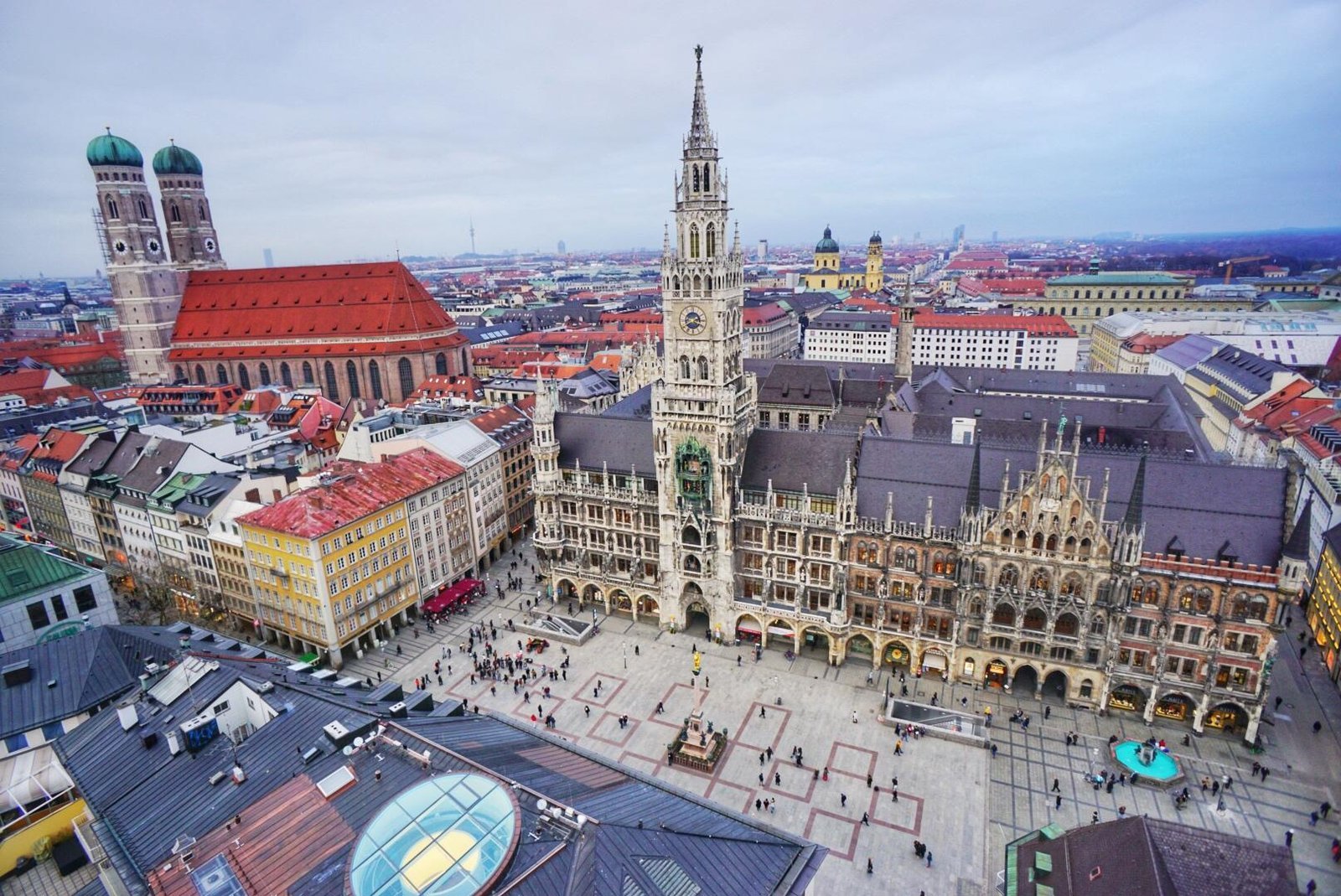
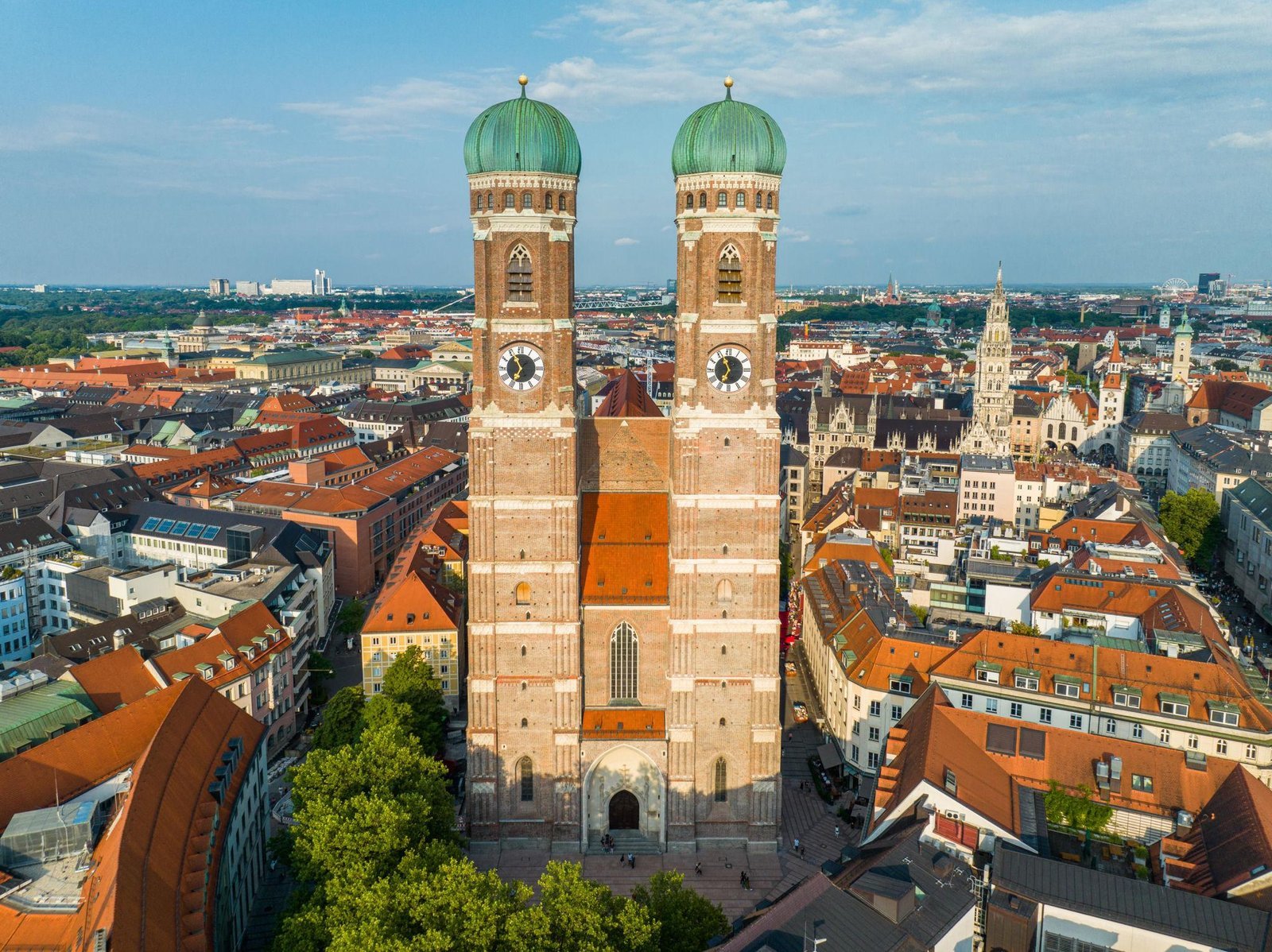
The perfect starting point is Marienplatz , the central square of the city. The spectacular New Town Hall is located there, while the Frauenkirche dominates much of the urban skyline.
Also worth visiting:
- Munich Residence.
- Viktualienmarkt.
- Deutsches Museum.
- English Garden.
- Hofbräuhaus.
- Nymphenburg Palace.
Munich’s old town stands out especially for its historic architecture and the concentration of monuments that you can explore on foot.
And here’s another bonus: Munich works very well as a base for excursions to the Bavarian Alps and Neuschwanstein Castle.
Ideal for: architecture, gastronomy, Bavarian culture and excursions.
3. Neuschwanstein Castle: the most fairytale place

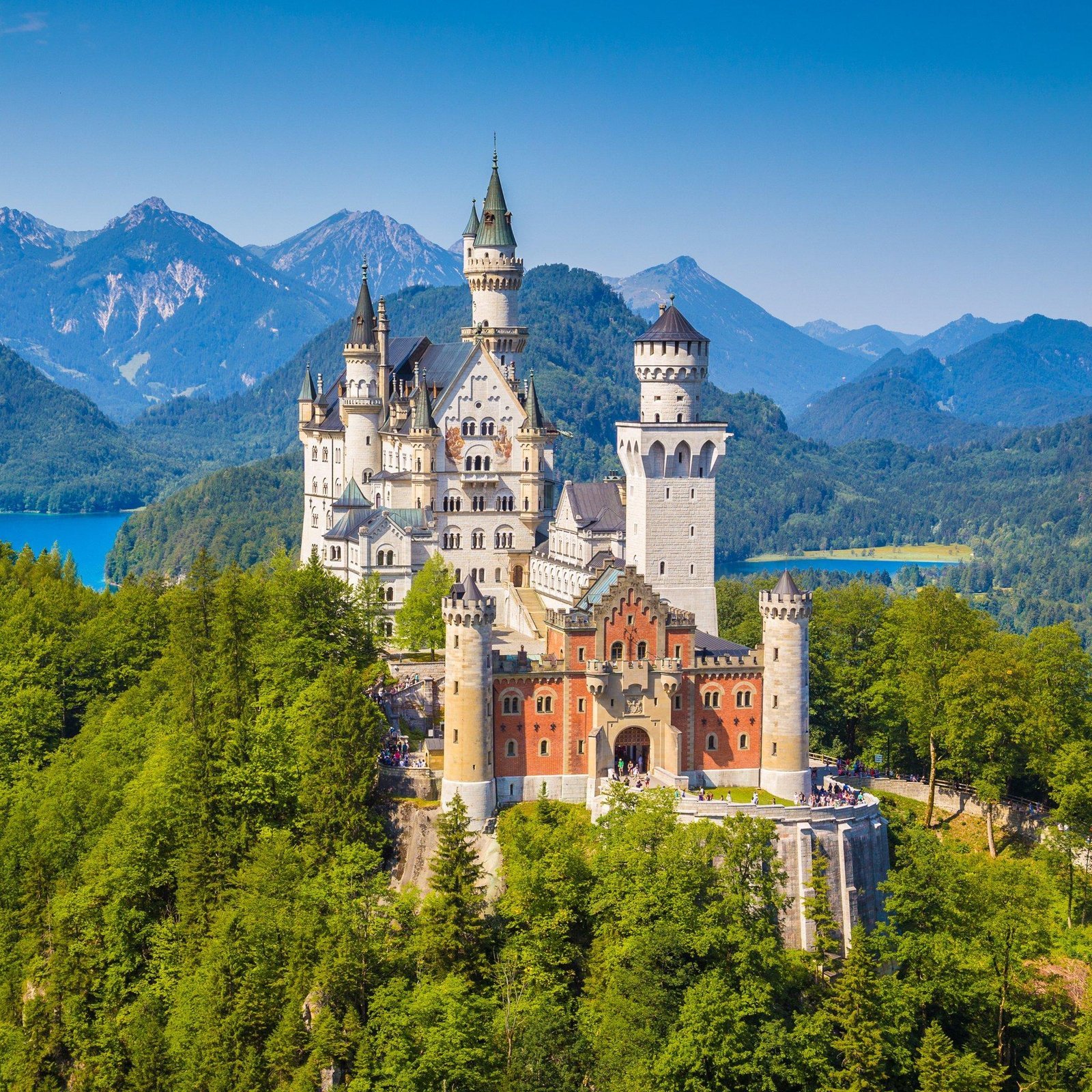


If I had to choose one of the most beautiful places in Germany , Neuschwanstein Castle would be very high up.
It is located in Bavaria, near Schwangau, surrounded by mountains and forests.
It was built during the 19th century by Ludwig II of Bavaria and is closely related to his admiration for Richard Wagner. Its romantic architecture and spectacular location made it one of the most recognizable monuments in the country.
The interesting thing is that you don’t need to be a history buff to enjoy it.
The landscape around the castle is a fundamental part of the experience.
My recommendation is to reserve enough time to also enjoy the surroundings and not limit the visit only to the interior.
Ideal for: couples, photography, castles and landscapes.
4. Hamburg: maritime Germany


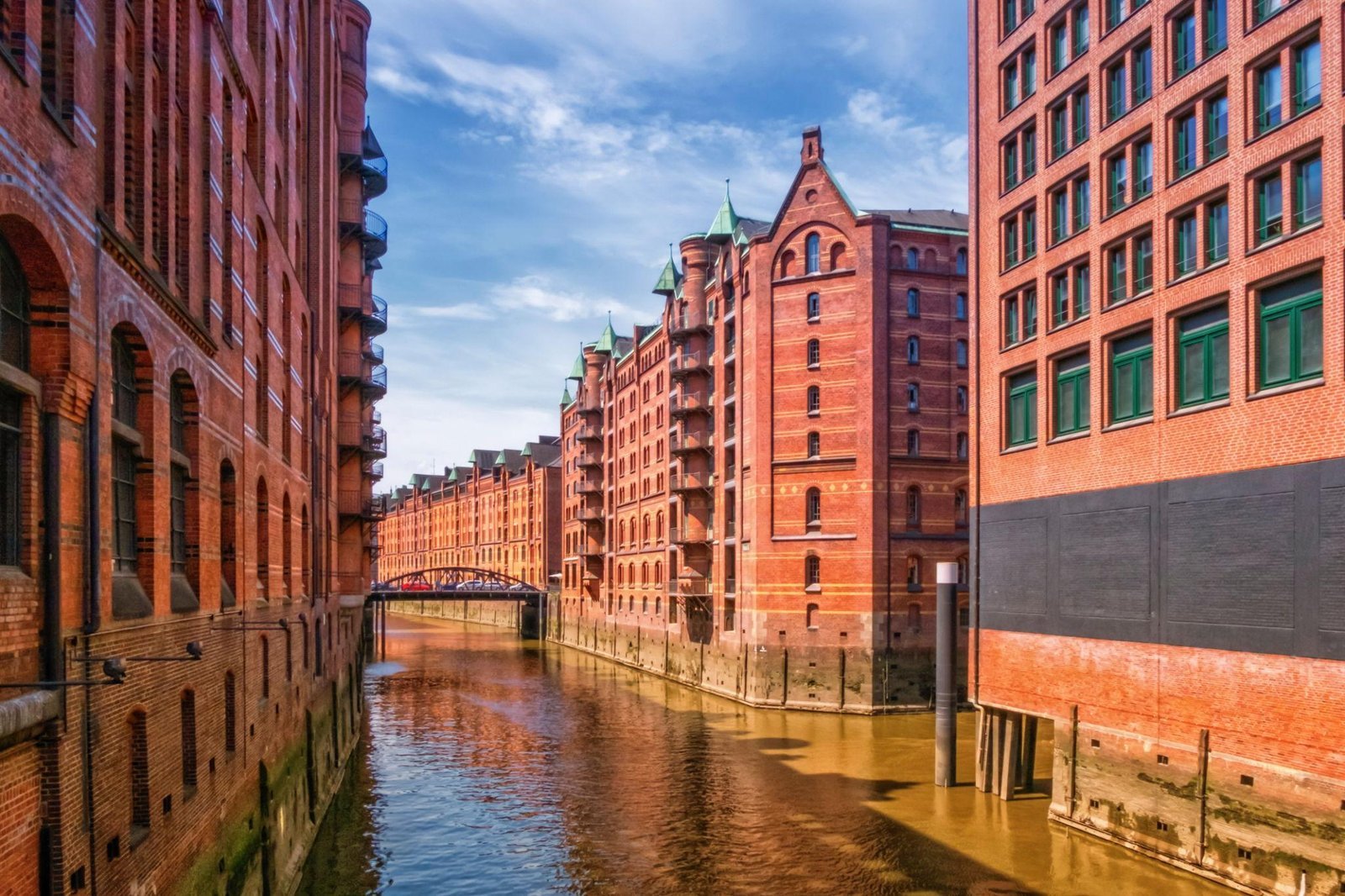


Hamburg shows that Germany is not just medieval cities and mountains.
It is a port city with a completely different personality.
One of my favorite places to recommend within the city is Speicherstadt , the huge historic warehouse district built along canals. Its red brick buildings create one of the most characteristic urban landscapes in the country.
There is also HafenCity, where historic architecture coexists with contemporary buildings such as the Elbphilharmonie.
GetYourGuide’s own selection highlights HafenCity for its mix of historic buildings, canals and modern architecture.
If you like the maritime atmosphere, here you have a completely different Germany from Bavaria.
Ideal for: architecture, photography, ports and city breaks.
5. The Black Forest: nature, forests and villages

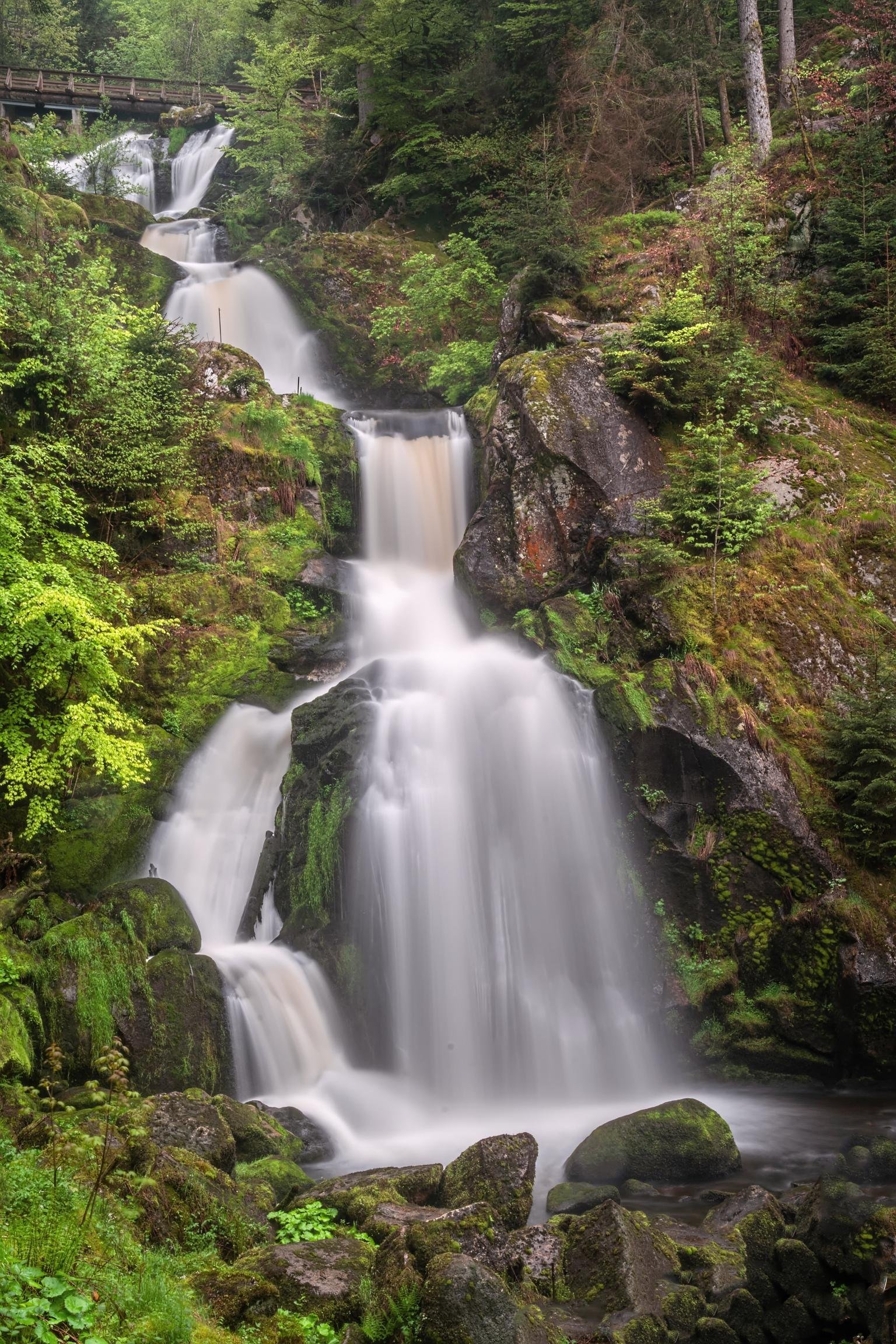


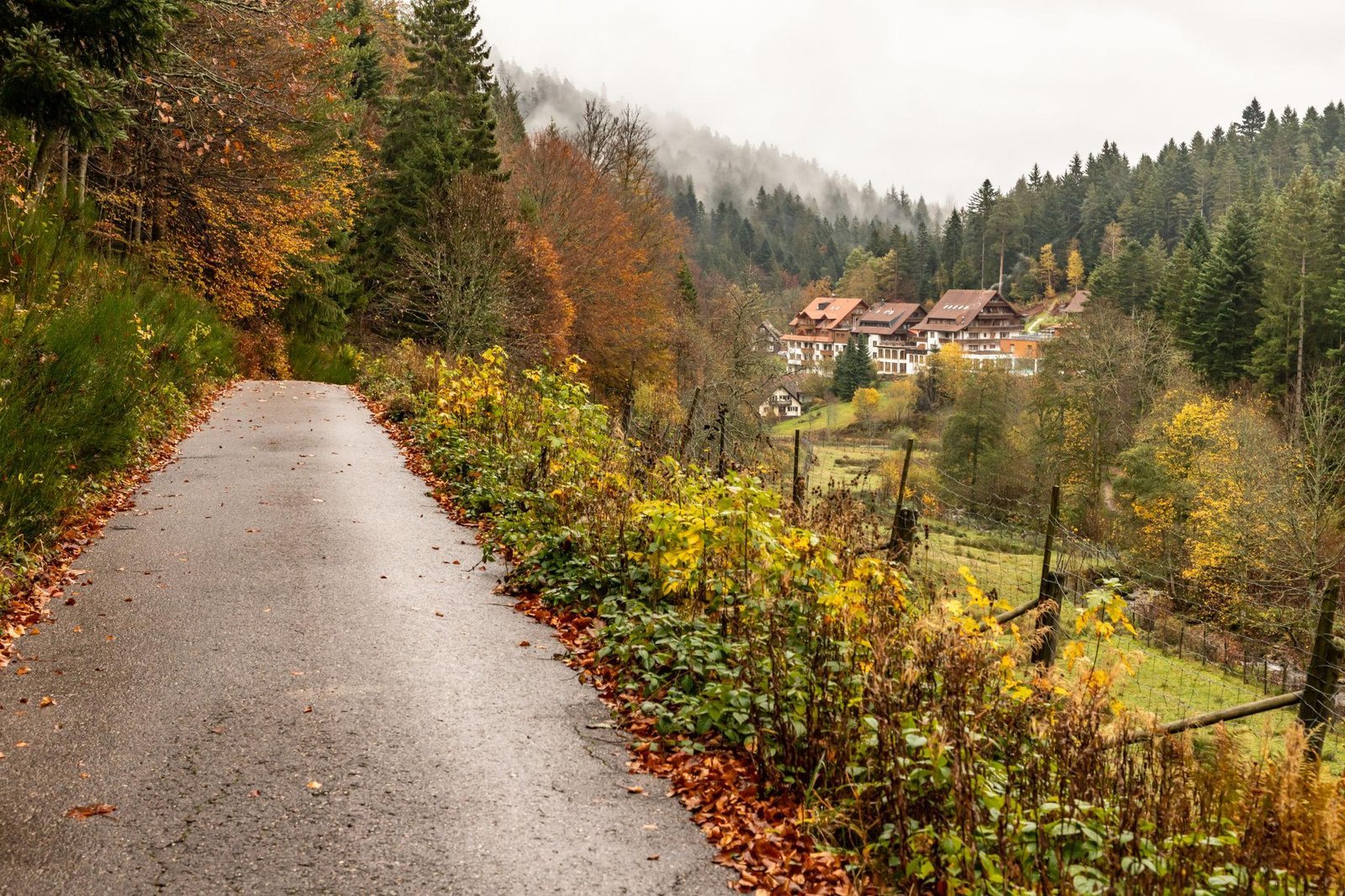

The Black Forest is one of those places that alone justify a trip to Germany.
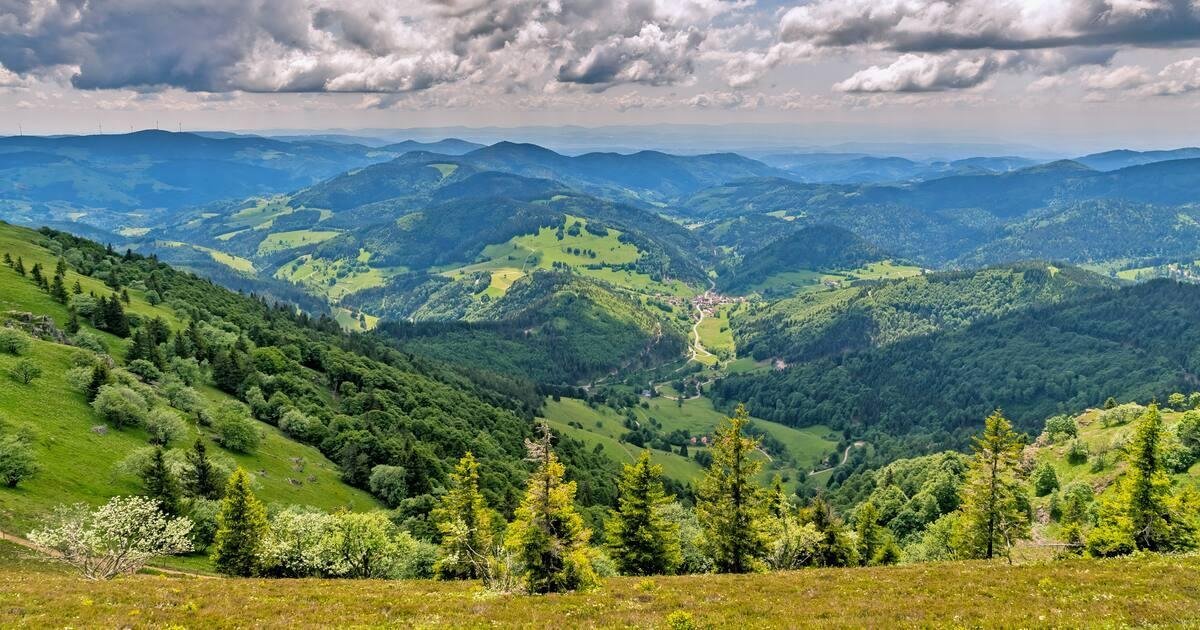
It is located in the southwest of the country, in Baden-Württemberg, and combines large forested areas, mountains, traditional villages and waterfalls.
One of the best-known places is the Triberg waterfalls , while towns like Freiburg allow you to combine nature with historical architecture.
If you asked me to describe the Black Forest in a few words, I would say: panoramic roads, dense forests, traditional houses and tranquility.
GetYourGuide also places it among its main natural destinations and highlights precisely the combination of landscapes, waterfalls, medieval towns and outdoor activities.
Ideal for: hiking, nature, photography and road trips.
6. The Bavarian Alps: to change cities for mountains


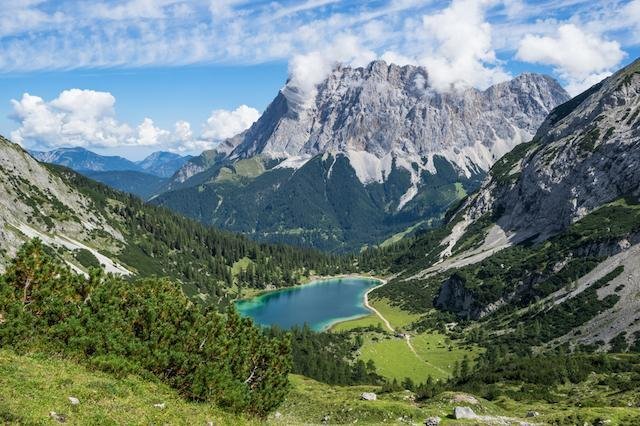


If you are one of those who enjoys a mountain more than a museum, take note of the Bavarian Alps .
The region offers possibilities practically all year round:
- Hiking.
- Ski.
- Snowboard.
- Climbing.
- Photography.
- Panoramic excursions.
One of the highlights is the Partnach Gorge near Garmisch-Partenkirchen.
Furthermore, the area allows you to combine nature with Bavarian cuisine. A regional dish like Kaiserschmarrn can be a perfect reward after a mountain route.
Ideal for: adventure, mountain and outdoor sports.
7. Lake Königssee – one of the most impressive natural landscapes


In the extreme southeast of Bavaria we find the Königssee , an alpine lake surrounded by enormous mountain walls.
The landscape seems designed for a postcard.
One of the most recognizable elements is the church of San Bartolome, with its characteristic red domes.
You can also explore nearby trails and take boat tours on the lake. GetYourGuide also highlights the lake, Obersee and the area’s viewpoints as some of its main attractions.
Ideal for: nature, photography, hiking and tranquility.
8. Heidelberg: one of the most romantic cities in Germany


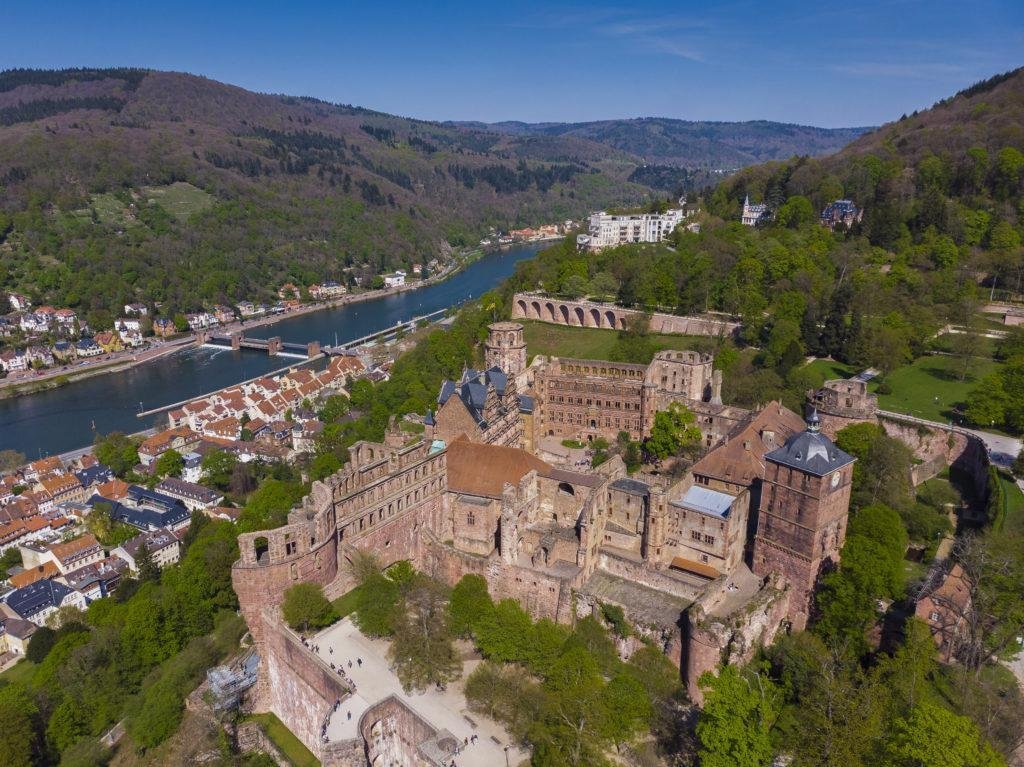


Heidelberg has something different.
Its historic center, the Neckar River and the castle located above the city create a combination that is very difficult to beat.
Heidelberg Castle is probably its main symbol, although much of the charm is simply walking through the old town.
The Old Bridge and the views from the elevated areas allow a very good appreciation of the relationship between the city and the landscape.
It is a destination that I especially recommend if you are looking for a quieter and more romantic Germany.
Ideal for: couples, history, architecture and weekend getaways.
9. Cologne: a cathedral that dominates the entire city


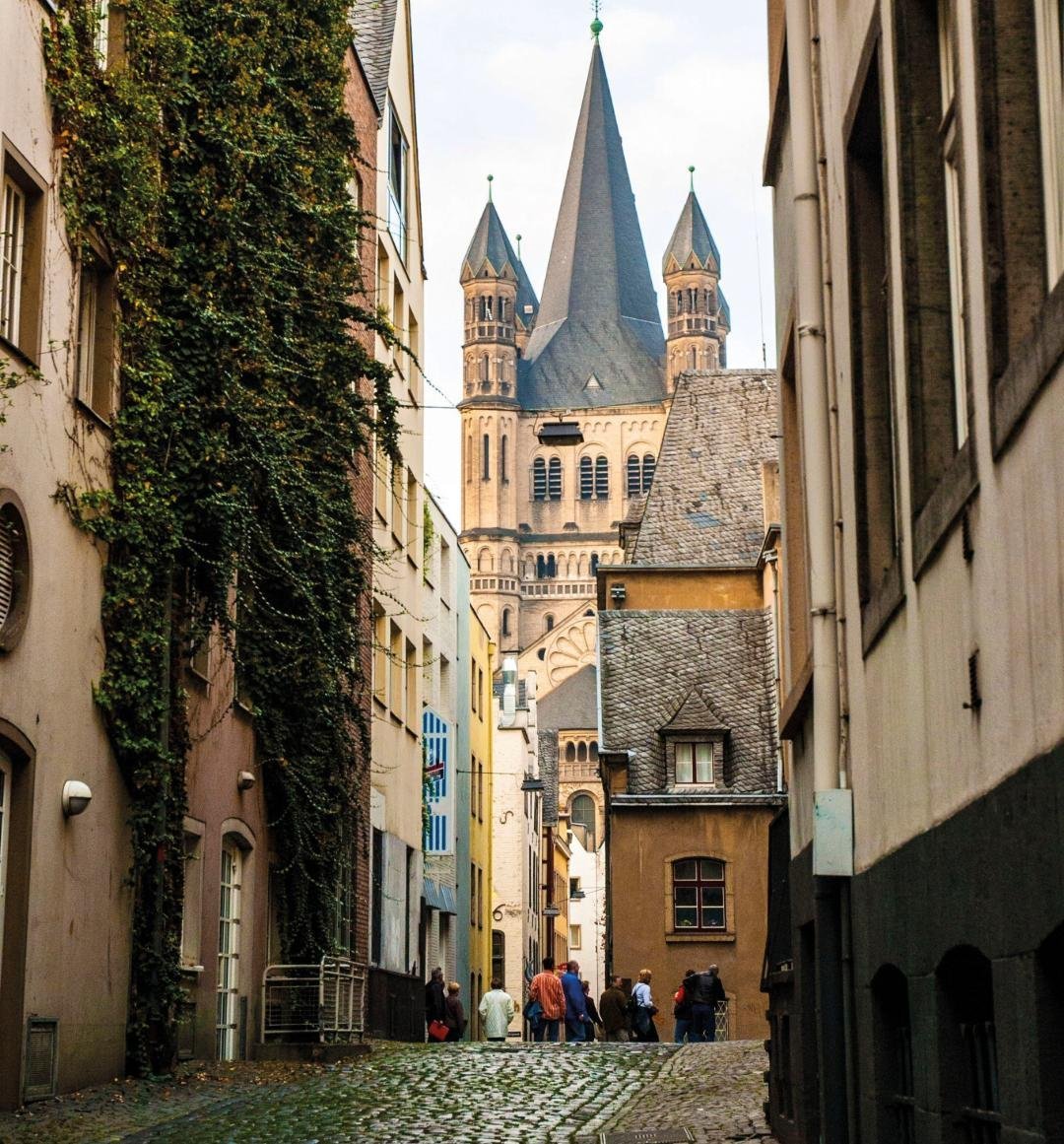
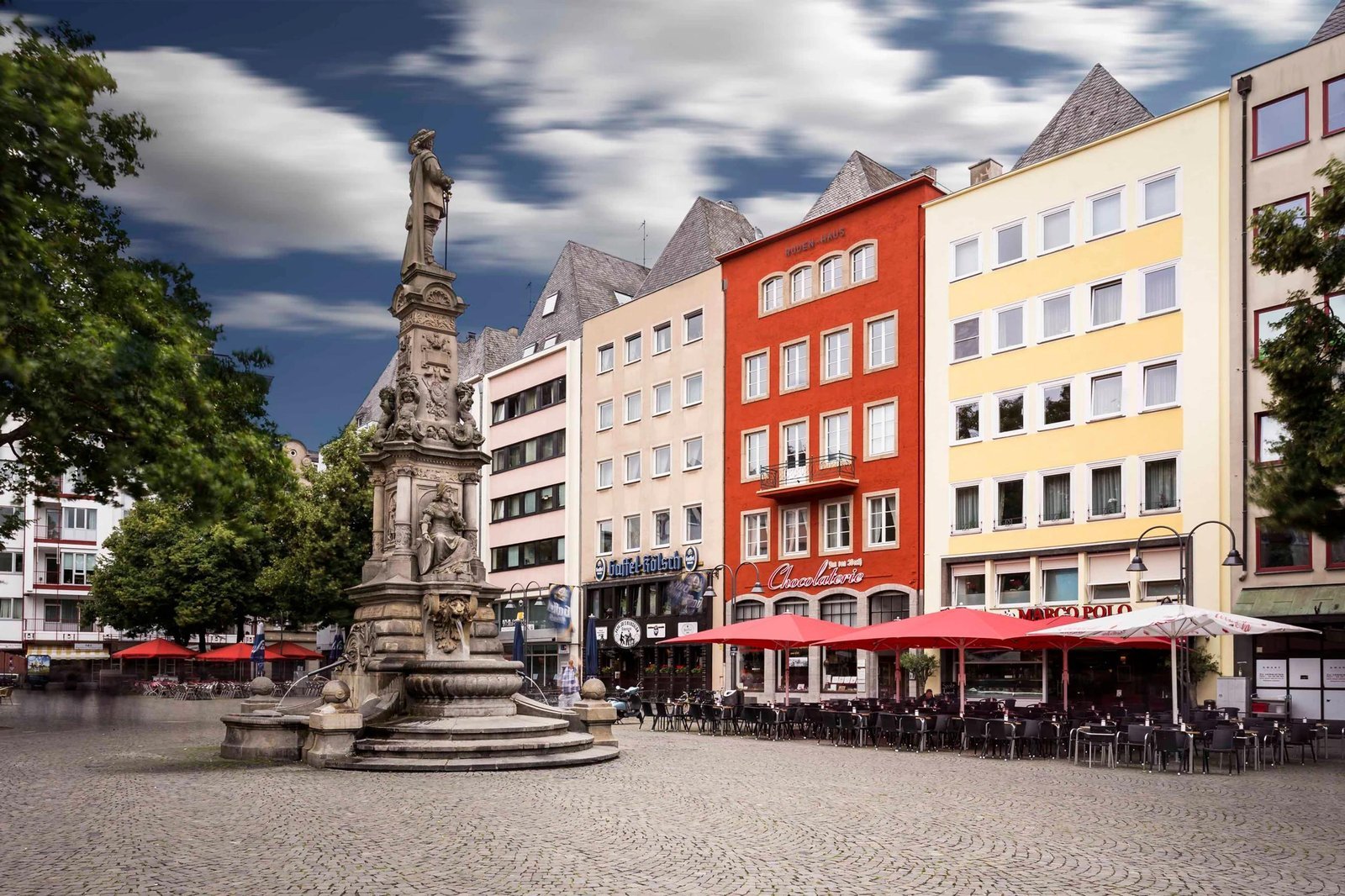
The most recognizable image of Cologne is its enormous Gothic cathedral.
Cologne Cathedral is one of the great religious monuments in Europe and completely dominates the city centre.
But Colonia offers much more:
- Walk along the Rhine.
- Historic old town.
- Bridges.
- Museums.
- Traditional breweries.
- Urban architecture.
If you want to combine history with an active city, Cologne is an excellent alternative to Berlin or Munich.
Ideal for: architecture, history and city breaks.
10. Dresden: art and architecture on the banks of the Elbe


Dresden is one of those cities that I consider especially interesting for those who enjoy architecture.
Its historic center brings together baroque buildings, churches, palaces and museums.
Among its best-known places are:
- Frauenkirche.
- Zwinger Palace.
- Semperoper.
- Brühl’s Terrace.
- Royal Palace.
Additionally, the Elbe River provides some of the best perspectives of the city.
It is a very interesting option to extend a route beyond the typical German cities.
Ideal for: art, architecture, history and photography.
11. Rothenburg ob der Tauber: the town that seems straight out of a story


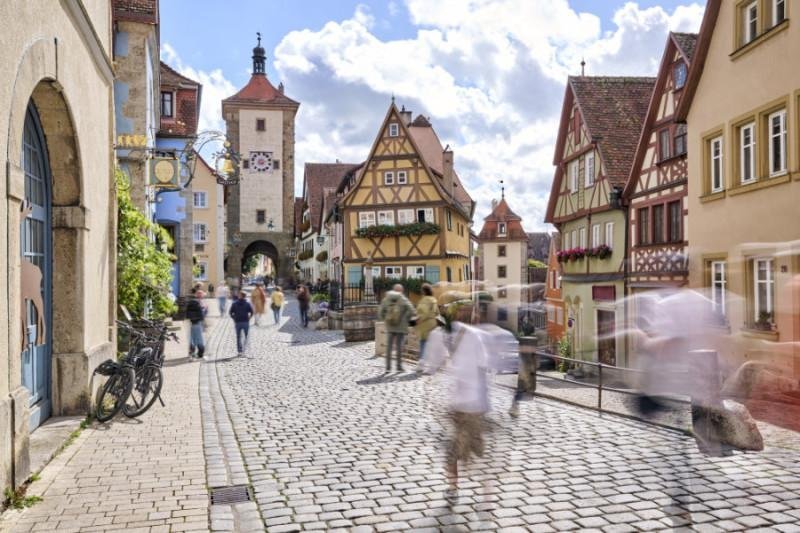
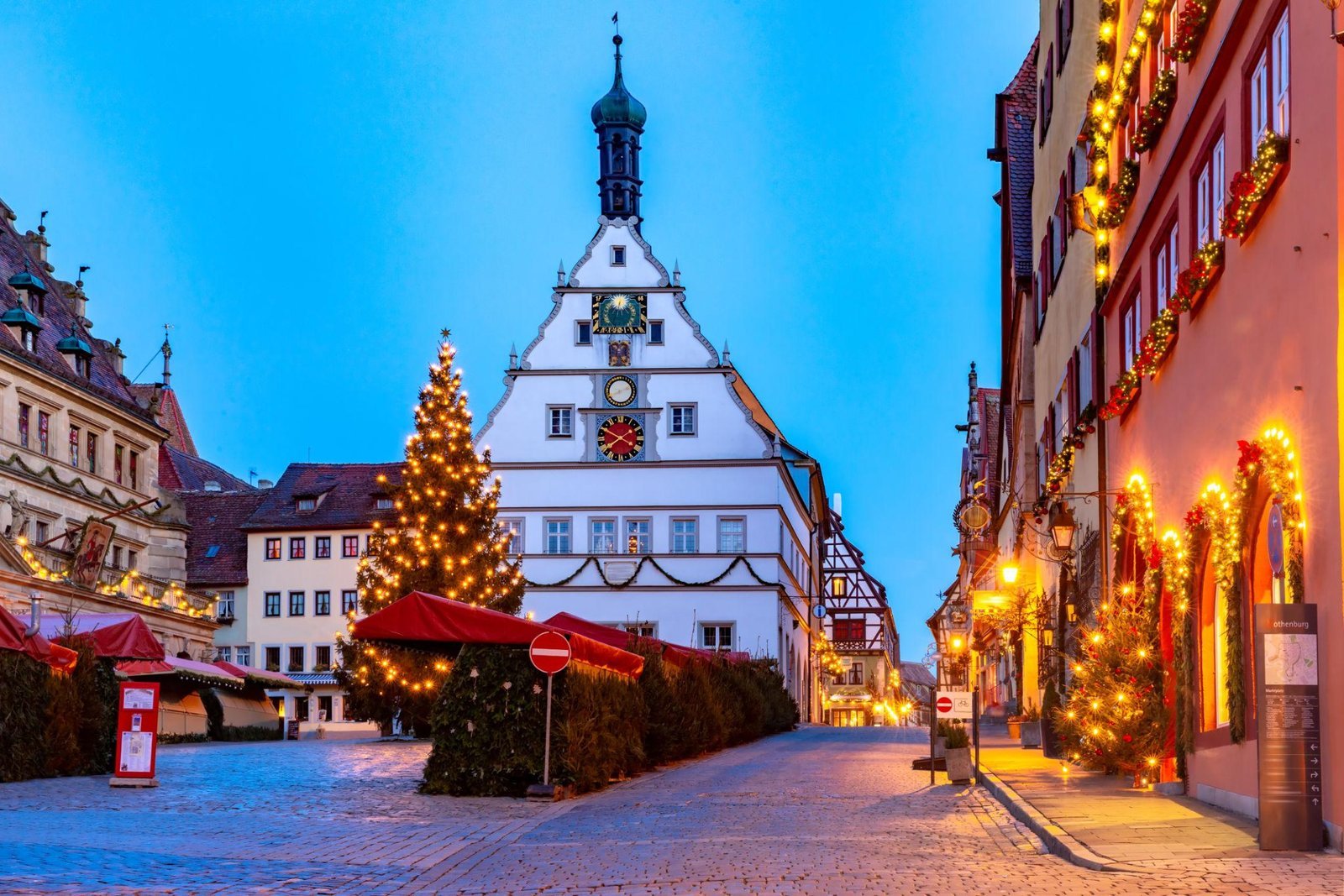

If what you are looking for are beautiful places in Germany , here we have a very clear candidate.
Rothenburg ob der Tauber preserves an impressive medieval town surrounded by walls.
Its cobbled streets, half-timbered houses, towers and small squares make walking through the center like entering another era.
The famous Plönlein is probably one of the most photographed corners.
Furthermore, during the Christmas season the town gains even more atmosphere.
Ideal for: medieval towns, photography and romantic trips.
12. Regensburg: medieval history along the Danube


Regensburg, known in German as Regensburg, is often overshadowed by Munich, and I personally think it deserves much more attention.
Its old town is a UNESCO World Heritage Site and preserves extraordinary historical architecture.
The Stone Bridge over the Danube is one of its main symbols, along with St. Peter’s Cathedral.
One of the guides analyzed also highlights it as one of the most charming destinations in Germany, precisely because of its medieval town, the river and its historical atmosphere.
Ideal for: history, architecture and quiet trips.
13. Baden-Baden: Germany to relax


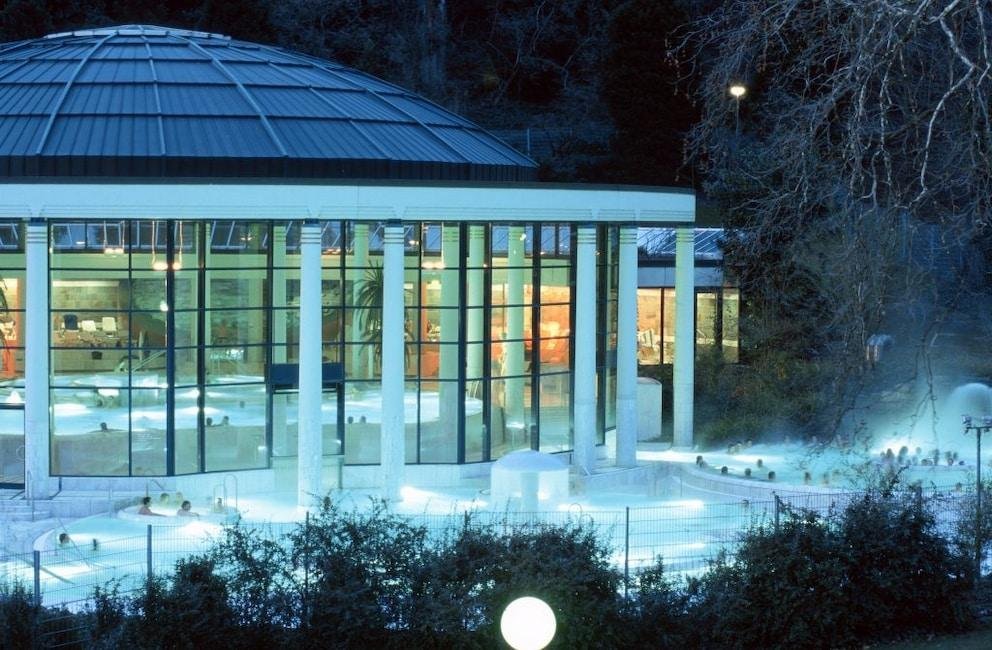


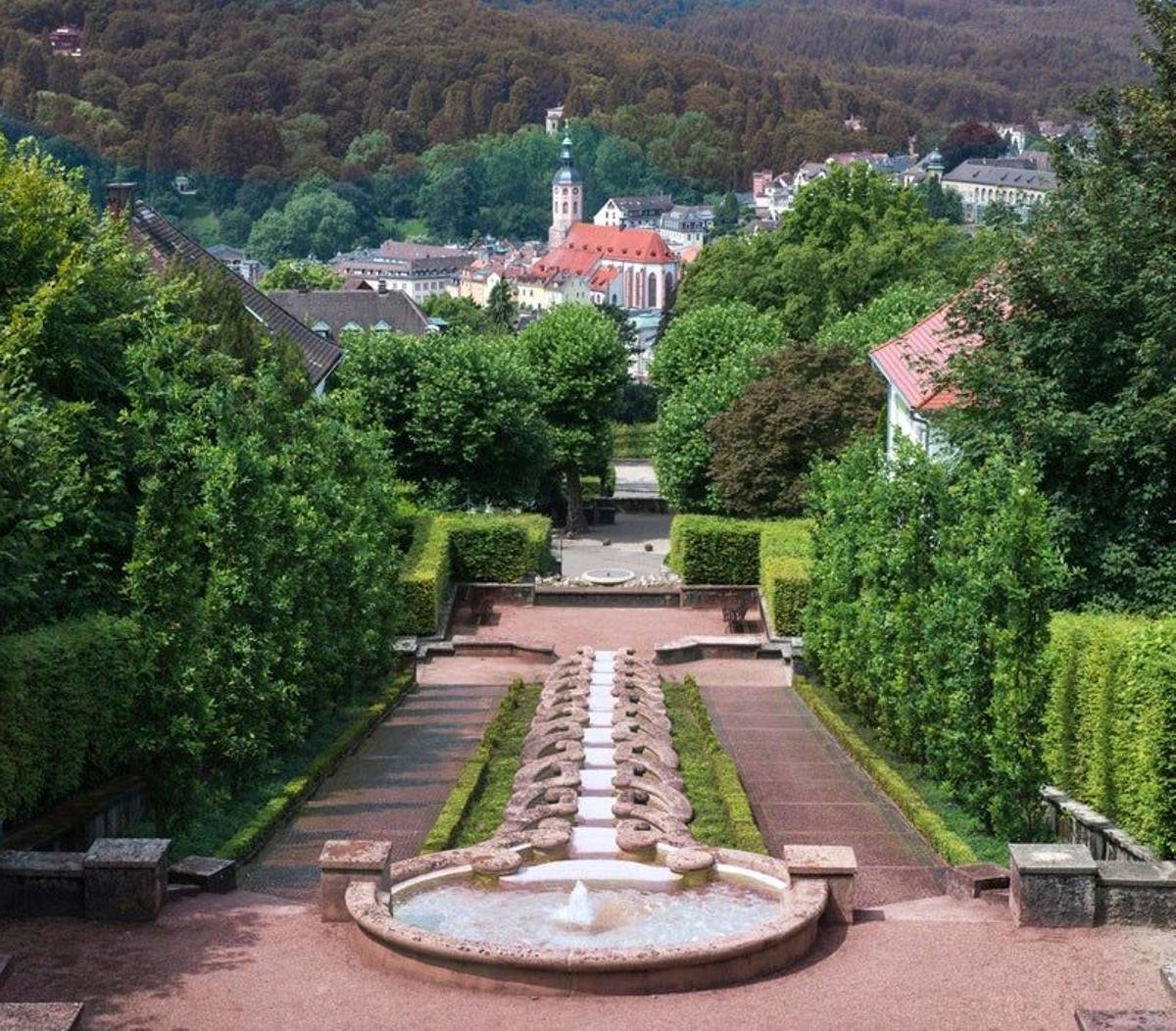
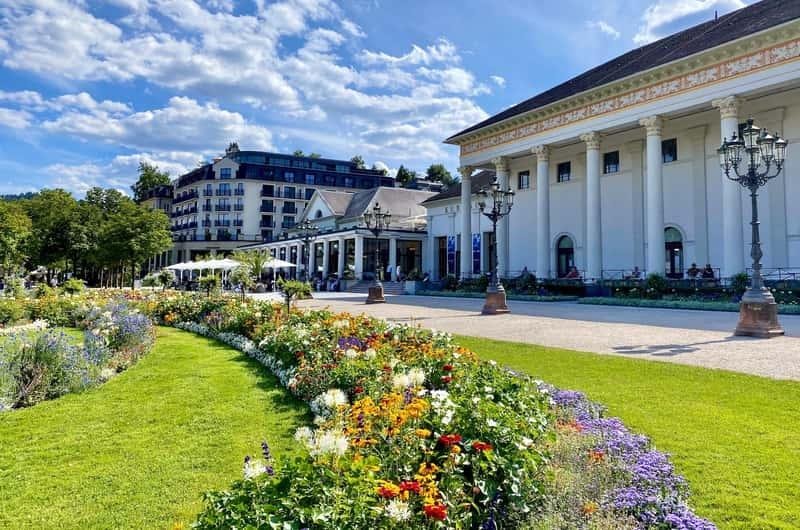

After so many cities, castles and mountain routes, there is also space to rest.
Baden-Baden is a historic spa town located in Baden-Wuerttemberg.
Its thermal tradition is one of its main attractions and the city combines baths, gardens, elegant architecture and an atmosphere quite different from that of large German cities.
GetYourGuide includes it precisely within its category of destinations to relax and highlights its hot springs and the city’s historic architecture.
Ideal for: hot springs, relaxation, couples and getaways.
14. Spreewald: a different getaway near Berlin


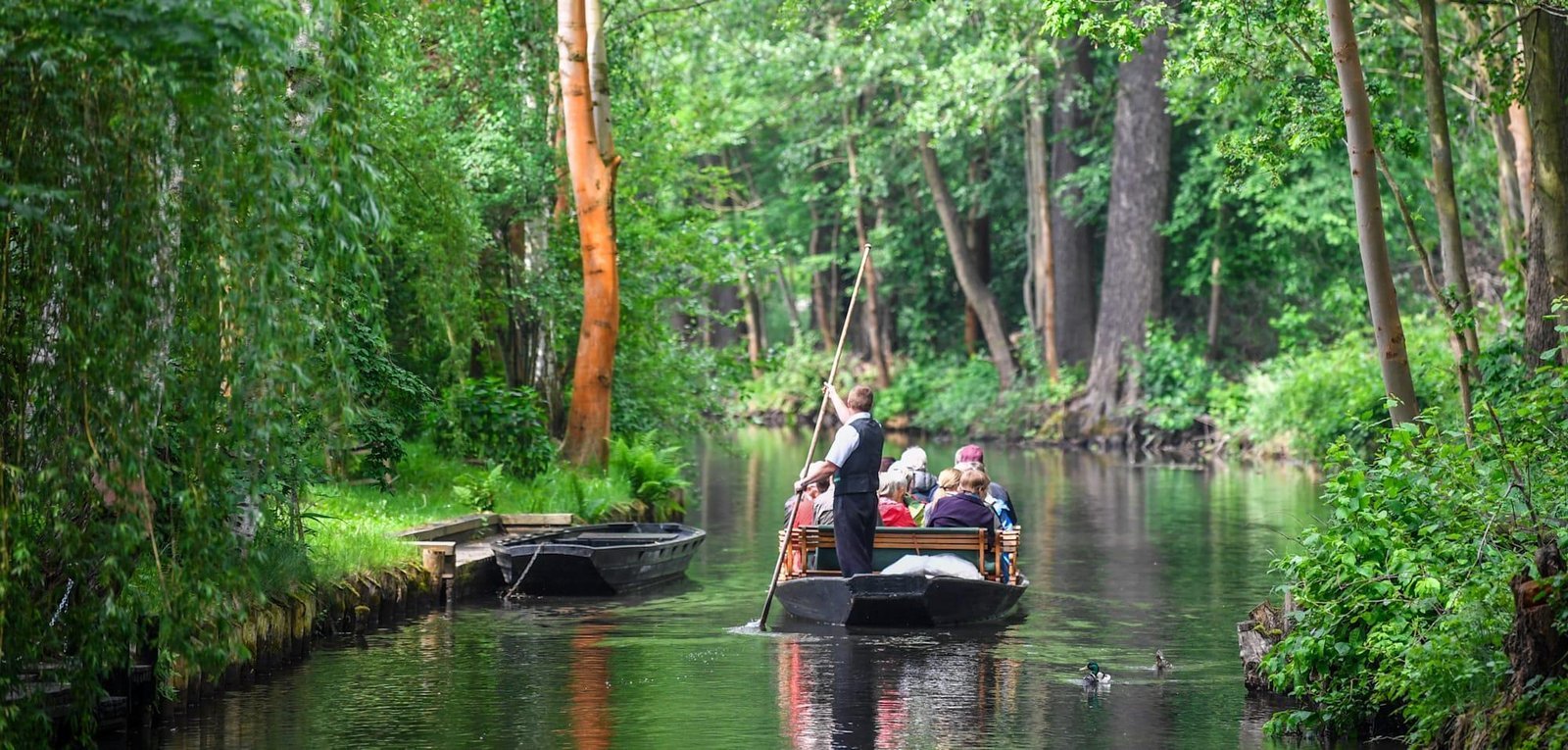

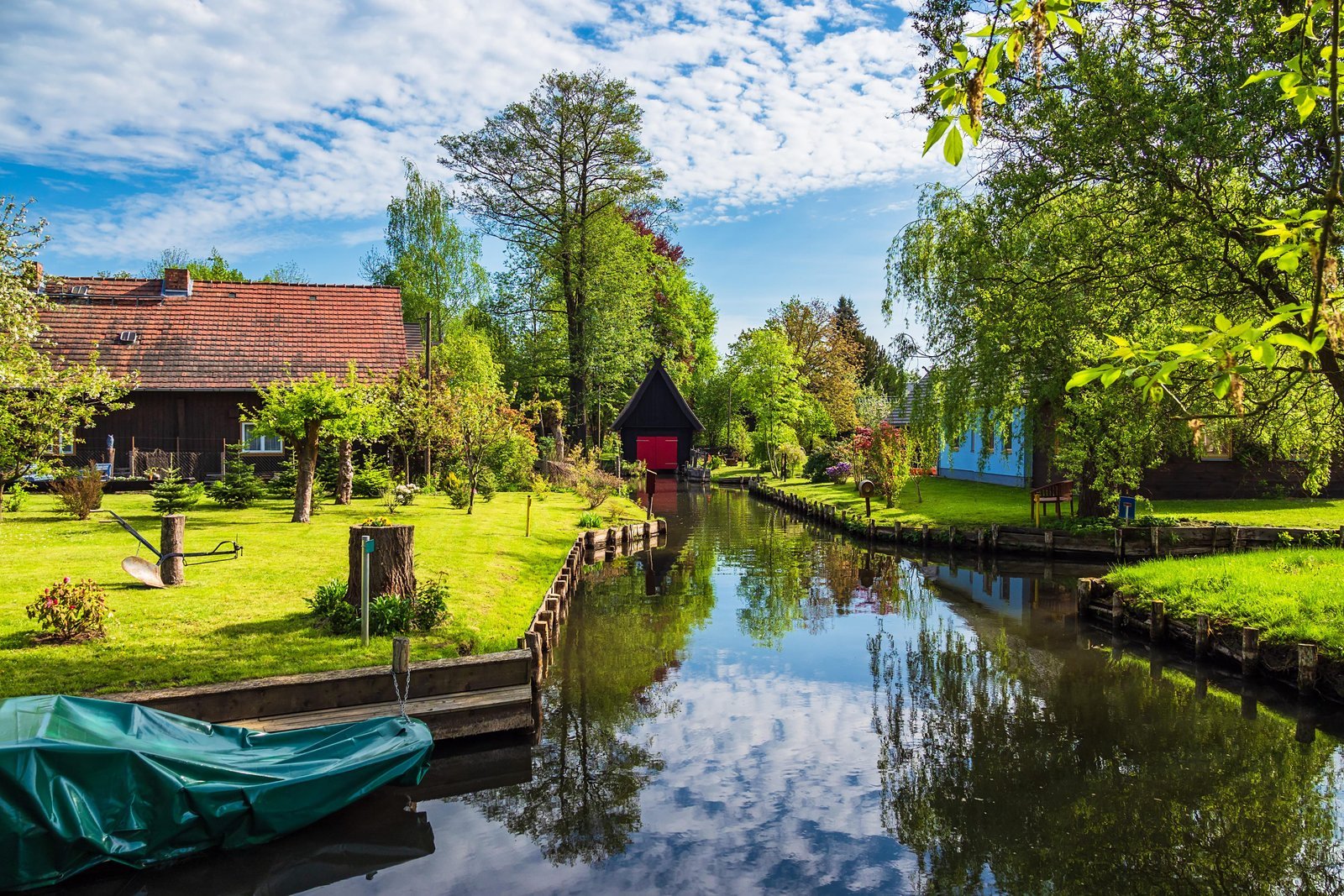

The Spreewald is perfect if you want to escape the pace of Berlin for a few hours.
This natural region is made up of an extensive network of canals surrounded by forests.
One of the most characteristic experiences is to travel through them in a traditional flat-bottom boat.
The area is located approximately one hour from Berlin and allows you to combine nature, traditional villages and tranquility.
Ideal for: nature, relaxation and excursions from Berlin.
15. The Rhine Valley: castles, vineyards and villages


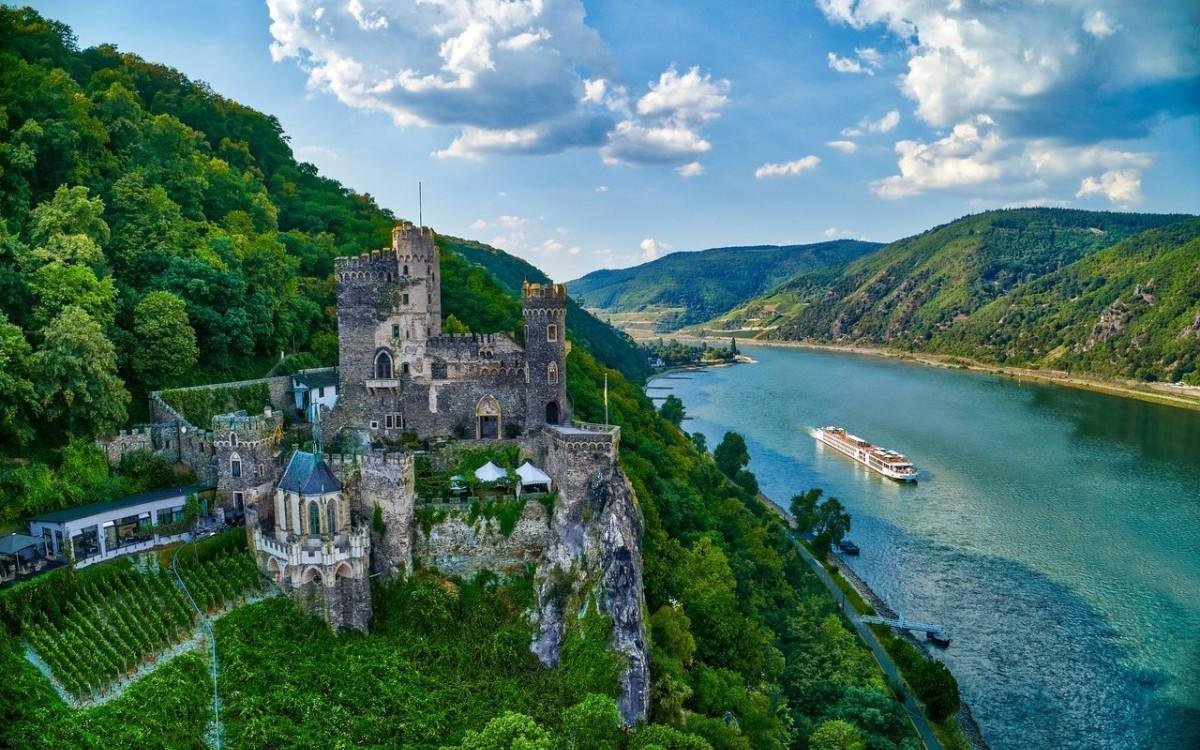
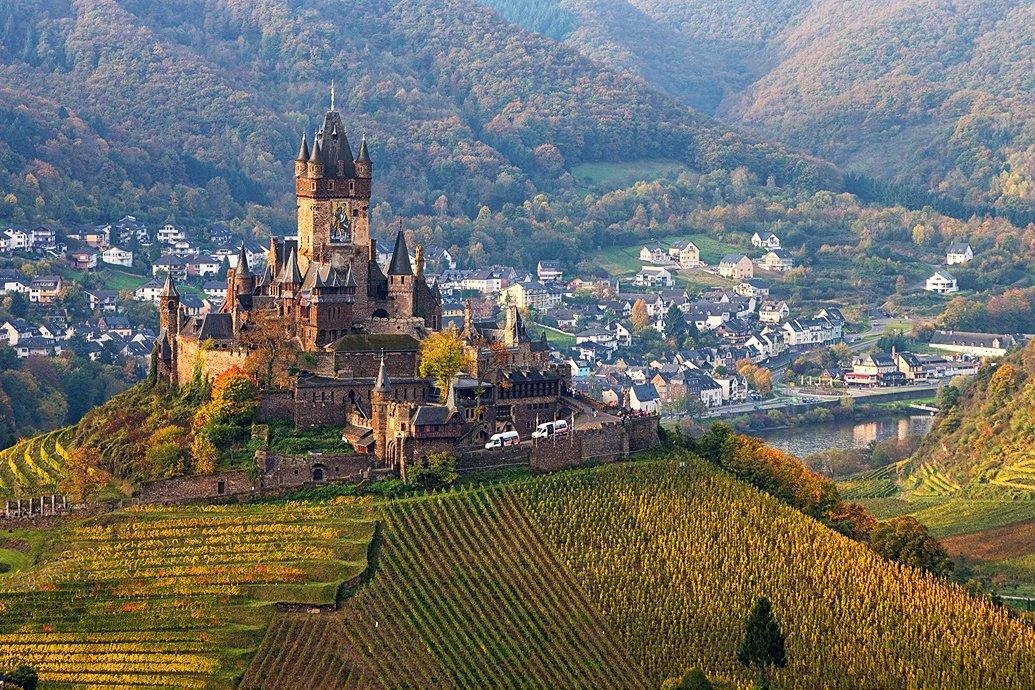
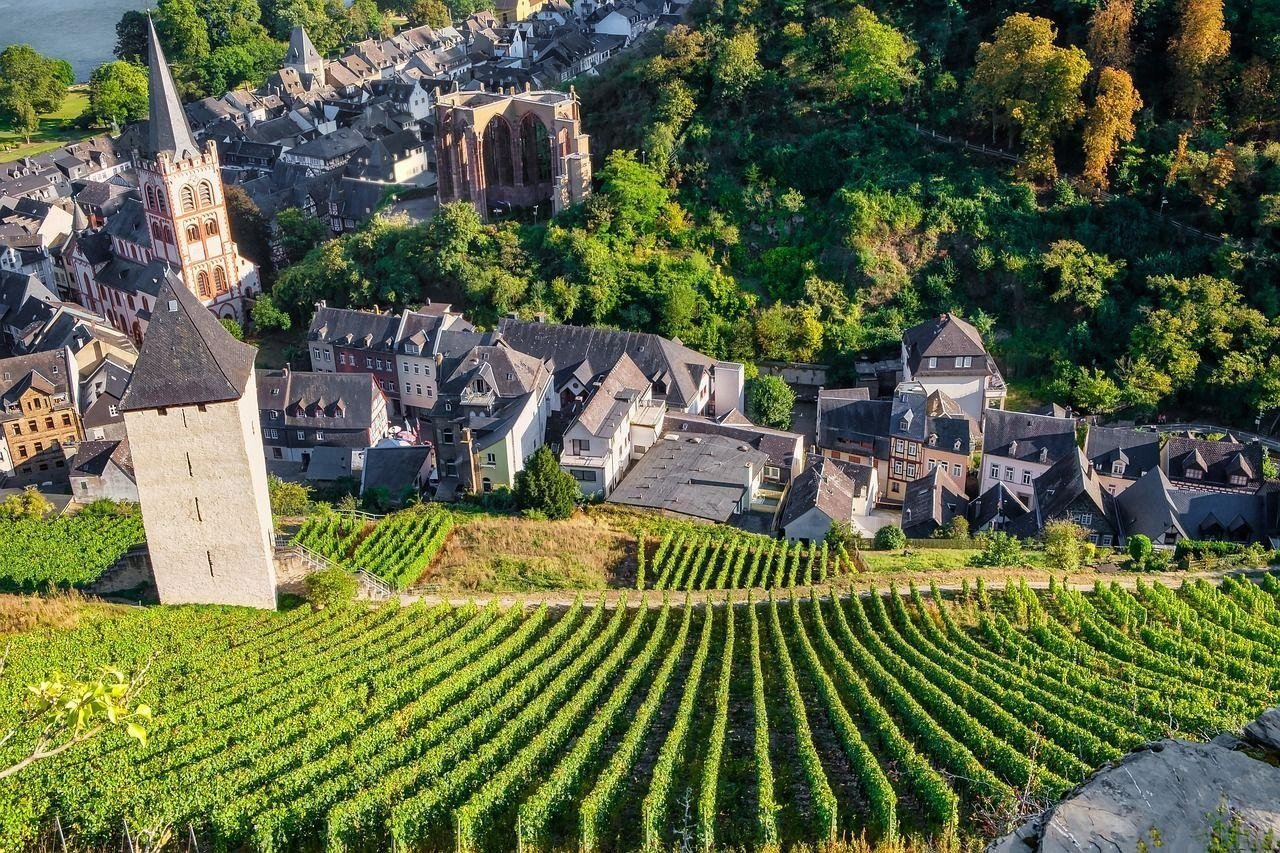


The Rhine Valley is one of the landscapes that best represents romantic Germany.
Here we find:
- Medieval castles.
- Vineyards.
- Historical towns.
- Viewpoints.
- The Rhine River.
- Boat routes.
It is especially attractive for those who want to combine cultural heritage with landscapes.
And you don’t have to limit yourself to visiting a single town: part of the fun lies precisely in visiting different parts of the valley.
Which of these places to choose according to the type of trip?
This is the part I like the most when I prepare a route: stop thinking only about rankings and choose the destination that really fits you.
For a first trip to Germany
I would prioritize:
- Berlin.
- Munich.
- Neuschwanstein.
- Heidelberg.
- Cologne.
With that combination you can learn about history, architecture, gastronomy and some of the most famous landscapes.
For nature lovers
My selection would be:
- Black Forest.
- Bavarian Alps.
- Königssee.
- Rhine Valley.
- Spreewald.
Germany has much more natural variety than is often imagined. The national tourist office highlights precisely the diversity of its landscapes, from the Alps to forests, rivers, coasts and islands.
To visit beautiful towns
Here I stay with:
- Rothenburg ob der Tauber.
- Regensburg.
- Heidelberg.
- Villages of the Black Forest.
- Villages of the Rhine Valley.
For a romantic getaway
My favorites would be:
- Heidelberg.
- Rothenburg ob der Tauber.
- Baden-Baden.
- Neuschwanstein.
- Rhine Valley.
For history
If you want to understand German history better, I would choose:
- Berlin.
- Dresden.
- Nuremberg.
- Cologne.
- Heidelberg.
How many days does it take to get to know Germany?
This is a complicated question because Germany is huge and the destinations are quite spread out.
For a first contact, 7 days may be enough if you concentrate the trip in one region.
With 10 to 14 days , you can now consider a much more complete route.
For example:
7-day route through Germany
- Day 1: Berlin.
- Day 2: Berlin.
- Day 3: Berlin → Munich.
- Day 4: Munich.
- Day 5: Neuschwanstein.
- Day 6: Heidelberg.
- Day 7: return.
14-day route
You can add:
- Black Forest.
- Cologne.
- Regensburg.
- Bavarian Alps.
- Königssee.
The key is not to try to fit fifteen cities into one week. Germany rewards a trip with time to walk and explore much more than a constant race to check off monuments on a list.
What is the best time to visit places in Germany?
It depends a lot on the type of trip.
Spring
Very good time for cities, hiking and nature, especially if you want to avoid some of the summer crowds.
Summer
It is probably the most comfortable time to take advantage of mountain routes, lakes and outdoor activities.
Autumn
The Black Forest, Bavaria and other natural regions can be especially beautiful with color changes.
Winter
Here Germany is transformed.
Christmas markets, historic towns and alpine areas make for a completely different time of year.
That’s why there is no single answer to what is the best time. GetYourGuide’s own guide points out that the traveler’s interests change the choice of season: summer for outdoor activities, spring and autumn for less crowds, and specific times for experiences such as Oktoberfest.
Is it better to travel around Germany by train or car?
For a route focused on large cities, the train is a very interesting option.
On the other hand, if you want to visit small towns, castles and rural areas, renting a car can give you much more freedom.
I would break down the decision like this:
Train: Berlin, Hamburg, Munich, Cologne, Dresden and other large cities.
Car: Black Forest, Bavarian villages, Romantic Road, castles and rural areas.
Furthermore, many German natural landscapes can be reached by public transport, something that Germany Travel also highlights in its nature guides.
Frequently Asked Questions (FAQs)
What is the most beautiful place in Germany?
There is no objective answer, but Neuschwanstein, the Black Forest, the Bavarian Alps, Königssee and the Rhine Valley are among the destinations with the most spectacular landscapes.
Which city in Germany is most worth visiting?
For a first trip, Berlin is probably the most complete option due to its history and cultural offering. Munich is great for Bavarian architecture and culture, while Hamburg offers a completely different experience.
What is the most beautiful town in Germany?
Rothenburg ob der Tauber is one of the most famous for its perfectly preserved medieval town, although there are many other interesting towns in Bavaria, the Black Forest and the Rhine Valley.
Is Neuschwanstein Castle worth visiting?
Yes. Especially if you like castles, photography and alpine landscapes. In addition, it can be easily combined with a route through Bavaria.
What places to visit in Germany in 5 days?
If it’s your first time, I would choose Berlin and Munich, leaving time for a trip to Neuschwanstein. I would try not to add too many cities.
What places in Germany to visit in summer?
The Bavarian Alps, the Black Forest, Königssee, the Rhine Valley and historic cities are great options during the warm months.
What places to visit in Germany in winter?
Berlin, Munich, Rothenburg ob der Tauber, Dresden and cities with Christmas markets are especially interesting.
What are the best places in Germany to visit as a couple?
Heidelberg, Baden-Baden, Rothenburg ob der Tauber, Neuschwanstein and the Rhine Valley are particularly attractive options.
Germany does not end in Berlin
If I have made one thing clear when preparing this guide, it is that trying to summarize Germany in five destinations falls far short.
There is a modern, urban Germany in Berlin and Hamburg. A Bavarian Germany of castles, beer and mountains in Munich and the Alps. A medieval Germany in Rothenburg and Regensburg. A romantic Germany in Heidelberg and the Rhine Valley. And a natural Germany that appears in full force in the Black Forest, Königssee and Spreewald.
Therefore, if you are looking for the best places in Germany , my advice is to first decide what kind of experience you want to live and then build the route.
And that is precisely the good thing about the country: you can return several times and feel that you still have many places to discover.