
The gastronomy of Germany is much more varied than many people imagine. When someone thinks about German food, images of sausages, beer and big celebrations like Oktoberfest usually come to mind, but the reality is that German cuisine has a much deeper history, with hundreds of regional dishes, family recipes and a huge tradition based on local products.
When I started researching German gastronomy, I was surprised to discover that each area of the country has its own flavors and customs. Germany does not have a single cuisine, but many different cuisines united by the same identity: the taste for hearty dishes, quality ingredients and meals that bring the family together around the table.
From northern fish to Bavarian alpine dishes, Rhine Valley wines and traditional sweets, German food tells an important part of the country’s history and culture.


What is the gastronomy of Germany like?
German gastronomy is characterized by being traditional, abundant cuisine and closely linked to the seasons of the year.
For centuries, the country’s climate and geography influenced its recipes. The cold winters made the Germans develop dishes capable of providing energy and being preserved for long periods.
Some basic elements of German cuisine are:
- Pork.
- Potatoes.
- Coles.
- Artisanal breads.
- Sausages.
- Dairy products.
- Cereals.
- Northern fish.
- Beer and wine.
Although historically it was considered a simple and rural cuisine, today German gastronomy combines traditional recipes with modern and international cuisine.
The history of German gastronomy


To understand the gastronomy of Germany , we must know its historical evolution.
For centuries, the German diet was marked by:
- Local agriculture.
- The forests.
- Livestock.
- The cold weather.
- Family traditions.
In the Middle Ages, cereals, bread and meats were essential.
Later, with the growth of cities and trade routes, came new ingredients and culinary techniques.
German cuisine also received influences from neighboring countries such as:
- Austria.
- France.
- Poland.
- Czech Republic.
- Hungary.
That is why we find a very diverse gastronomy depending on the region.
German bread: one of the great culinary traditions


If there is one food that represents German gastronomy, it is bread.
Germany has one of the greatest baking traditions in the world.
There are hundreds of varieties of bread made with:
- Rye.
- Wheat.
- Seeds.
- Whole grains.
- Nuts.
Some traditional breads are:
- Vollkornbrot: whole wheat bread.
- Roggenbrot: rye bread.
- Bauernbrot: peasant bread.
- Brötchen: small typical breakfast rolls.
The Germans even have a word for bread culture: Brotkultur .
This tradition is so important that the artisanal production of German bread is part of the country’s cultural heritage.
German sausages: much more than just a meal


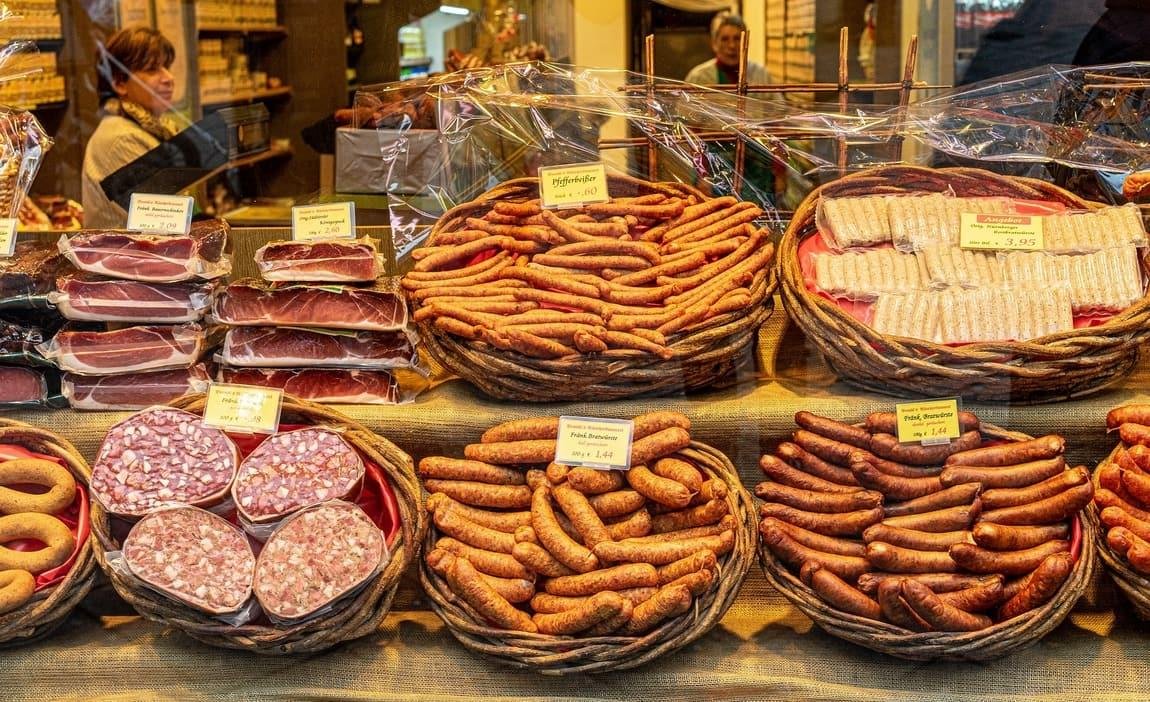
When we talk about typical German food , sausages are probably the first dish that comes up.
But something that many people don’t know is that there are hundreds of regional varieties.
Some of the best known are:
Bratwurst
One of the most famous German sausages.
It is usually prepared on the grill and served with bread, mustard or traditional accompaniments.
Currywurst
Created in Berlin after World War II.
It consists of a cut sausage accompanied by curry tomato sauce.
It became one of the symbols of German street food.
Weißwurst
Bavarian specialty made with beef and spices.
It is traditionally consumed in the morning accompanied by sweet mustard and pretzel.
Nürnberger Rostbratwurst
Small typical Nuremberg sausages with a protected recipe.
The schnitzel: a classic of German cuisine

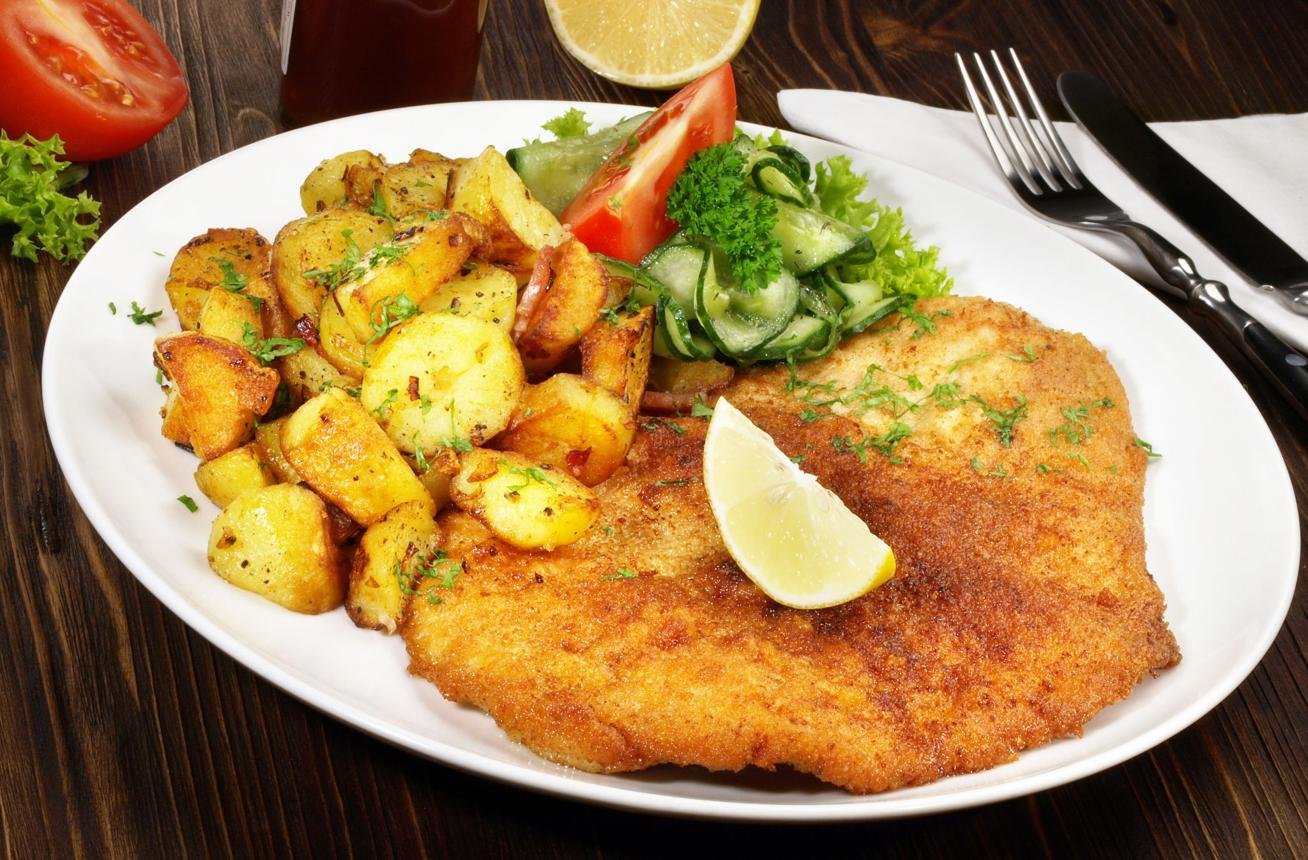
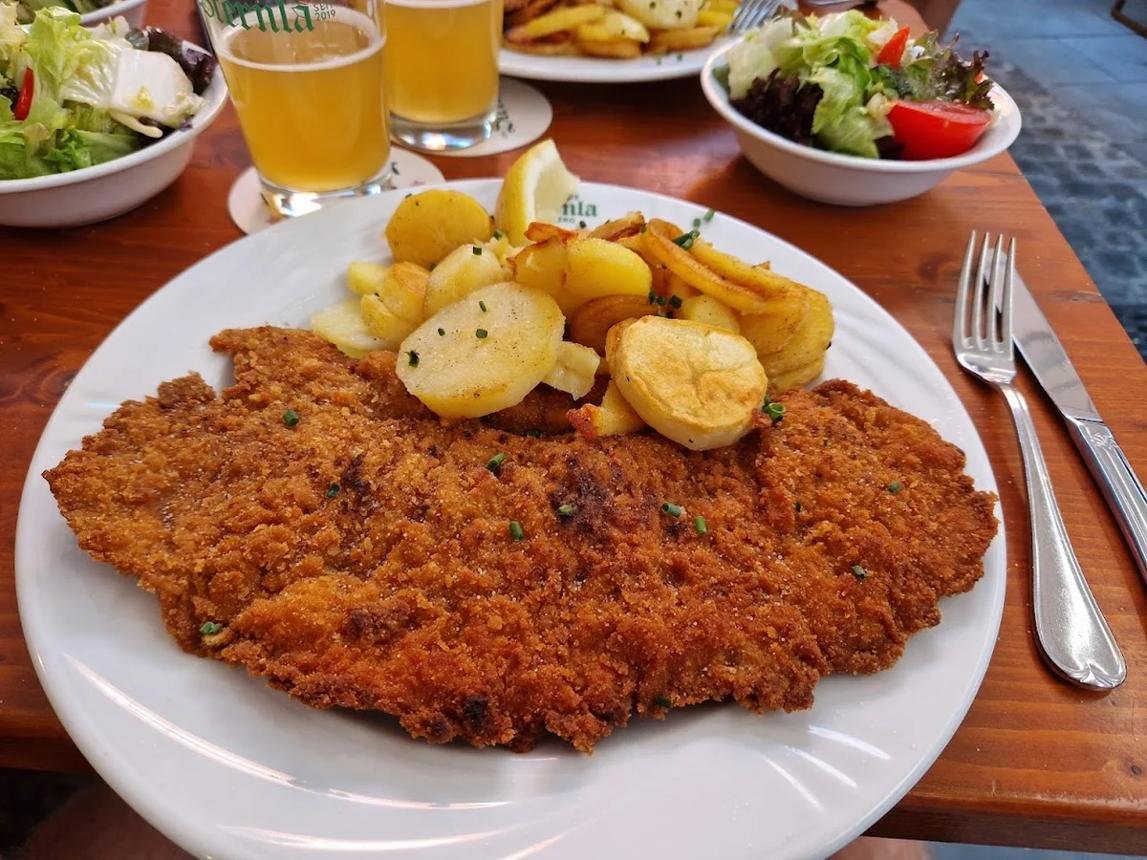
Schnitzel is one of the best-known dishes in Germany and Central Europe.
It consists of a breaded and fried fillet, usually accompanied by:
- Potatoes.
- Salad.
- Sauce.
- Vegetables.
Although it has a strong relationship with Austria, it is also a regular part of German gastronomy.
There are different versions depending on the region.
The role of meat in German gastronomy
Meat has a very important historical presence in German cuisine.
The most used products are:
- Pig.
- Veal.
- Chicken.
- Hunting.
Some traditional dishes are:
Sauerbraten
One of the great German classics.
It is a meat marinated for several days and cooked slowly until it is very tender.
Usually accompanied with:
- Sauce.
- Red cabbage.
- Potato dumplings.
Schweinshaxe
Typical Bavarian roast pork knuckle.
It has a crispy skin and is usually served with potatoes or sauerkraut.
Rouladen
Meat rolls filled with ingredients such as pickles, onion and mustard.
Sauerkraut: symbol of German cuisine


Sauerkraut or Sauerkraut is one of Germany’s most famous side dishes.
It is prepared by fermenting cabbage, a traditional technique used to preserve food during the winter.
Usually accompanied by:
- Sausages.
- Roasted meats.
- Knuckle.
Although many people associate it exclusively with Germany, it is also part of other Central European cuisines.
Potatoes in German cuisine
Potato is another essential ingredient.
It came to Europe from America and over time became an essential part of the German diet.
Some traditional dishes are:
- Kartoffelsalat: potato salad.
- Kartoffelpuffer: potato pancakes.
- Knödel: potato balls used as a side dish.
Each region has its own way of preparing them.
German cheeses and dairy products


Although Germany does not have the cheese fame of France or Switzerland, it also has an important dairy tradition.
Some featured products are:
- Allgäuer Emmentaler.
- Quark.
- Butterkäse.
Especially in the alpine regions there is a culture related to small traditional cheese dairies.
Typical German sweets


German pastries have an enormous variety.
Among the best-known sweets are:
Black Forest Cake
Schwarzwälder Kirschtorte is one of the most famous German desserts.
It is made with:
- Chocolate.
- Cream.
- Cherries.
- Cherry liqueur.
Stollen
A traditional Christmas sweet bread with:
- Candied fruits.
- Nuts.
- Powdered sugar.
Apfelstrudel
Although it is also famous in Austria, it is widely consumed in Germany.
It consists of a thin dough filled with apple and spices.
Berliner Pfannkuchen
A sweet donut-like treat filled with jam.
Beer within German gastronomic culture


Beer is a fundamental part of German gastronomy.
The country has thousands of breweries and an enormous artisan tradition.
One of the most important elements is the Beer Purity Law of 1516 , known as Reinheitsgebot.
This standard established that beer must be brewed using:
- Water.
- Malta.
- Hops.
Some traditional German styles are:
- Pilsner.
- Weissbier.
- Dunkel.
- Bock.
- Kölsch.
Oktoberfest and German food


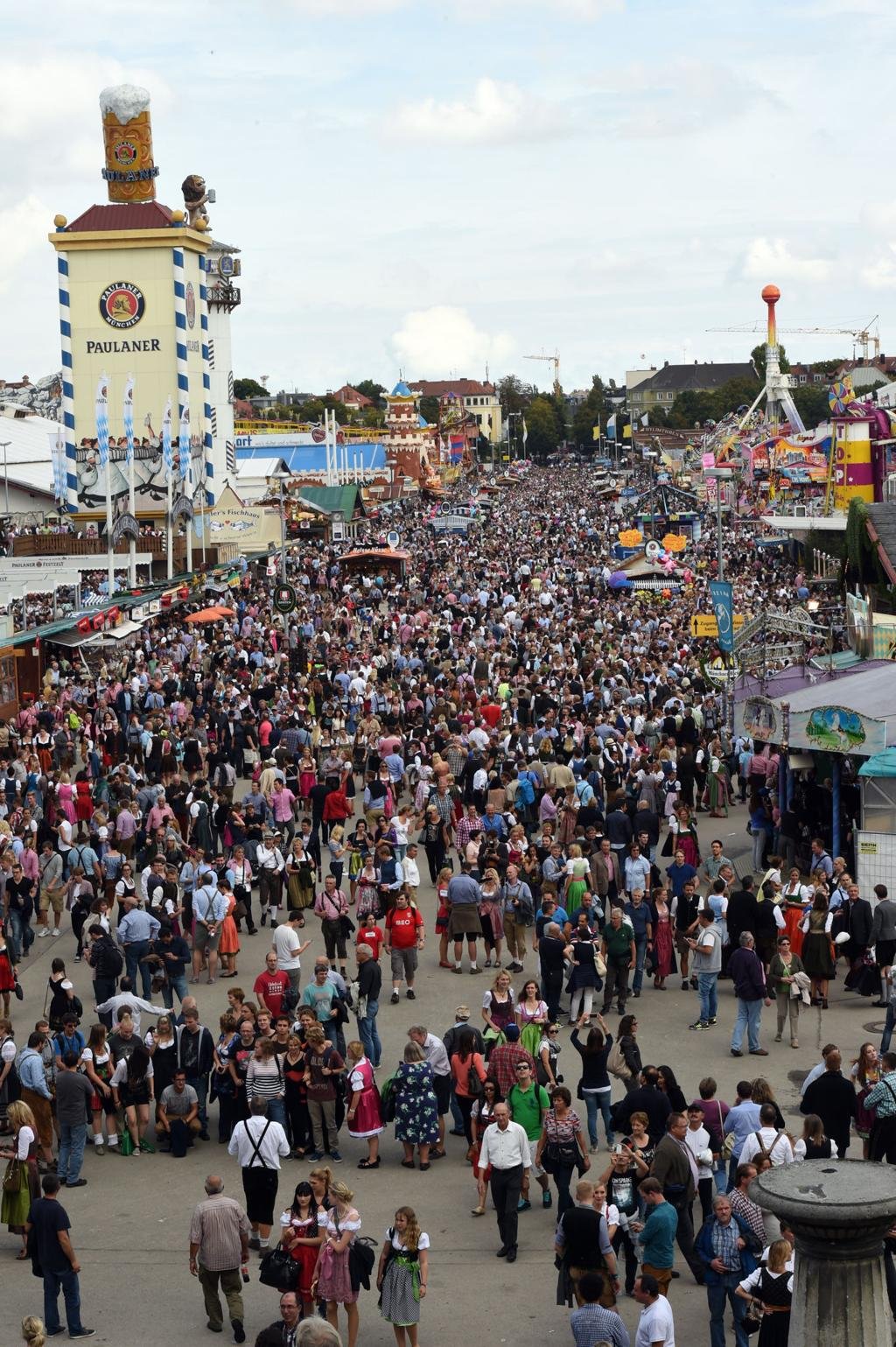
The Munich Oktoberfest is the most internationally known German gastronomic celebration.
Although it is famous for beer, food plays a leading role.
Some typical festival dishes are:
- Giant pretzel.
- Sausages.
- Knuckle.
- Roasted chicken.
- Cheeses.
- Traditional sweets.
It’s a perfect display of how German food and culture are deeply connected.
German gastronomy by region
One of the most interesting things about German cuisine is that it changes a lot depending on the place.
Bavaria


Bavarian cuisine is probably the best known outside the country.
Highlights:
- Weißwurst.
- Schweinshaxe.
- Pretzel.
- Beer.
It is a gastronomy related to Alpine traditions.
Rhineland
In this region the following stand out:
- Meat dishes.
- Pastries.
- Rhine Wines.
Northern Germany
Due to its proximity to the sea, it has a greater presence of:
- Fish.
- Seafood.
- Herrings.
Black Forest
Famous for:
- Black Forest Cake.
- Handmade products.
- Traditional rural cuisine.
German food at Christmas


Christmas is a particularly important time in German gastronomy.
Christmas markets offer traditional foods such as:
- Lebkuchen.
- Stollen.
- Sausages.
- Roasted chestnuts.
- Glühwein.
Spiced mulled wine is one of the most representative drinks of this era.
Traditional drinks from Germany
In addition to beer, Germany has other important drinks.
German wine
Particularly famous are the wines from the Rhine and Moselle valleys.
Varieties such as:
stand out- Riesling.
- Silvaner.
Apfelschorle
Very popular apple juice and sparkling water mix.
Glühwein
Mulled wine with spices typical of winter.
Curiosities about German gastronomy
- Germany has thousands of regional varieties of bread.
- There are hundreds of types of sausages.
- Beer has centuries of tradition.
- German food changes a lot depending on the region.
- Christmas markets are an important part of culinary culture.
- Potato is one of the most used ingredients in the country.
Frequently Asked Questions (FAQs)
What is the typical food of Germany?
Some typical dishes are bratwurst, schnitzel, sauerbraten, sauerkraut, pretzel and pork knuckle.
What do you eat in Germany besides sausages?
German cuisine includes meats, fish, breads, sweets, soups, cheeses and a wide variety of regional dishes.
What is the most famous dish in Germany?
Bratwurst, currywurst and schnitzel are among the most internationally known German dishes.
What drink represents Germany?
Beer is the drink most associated with Germany, although its wines and traditional drinks also stand out.
What sweets are typical of Germany?
Black Forest cake, stollen, lebkuchen and Berliners are some of the most traditional sweets.
A kitchen with history, tradition and a lot of flavor
After knowing the gastronomy of Germany , it is clear that it cannot be reduced only to sausages and beer. It is a cuisine with centuries of history, where each region has its own dishes and where family recipes continue to play a fundamental role.
German food perfectly reflects the country’s personality: organized, traditional, practical and at the same time full of creativity.
From a small Christmas market to a Bavarian beer hall full of people sharing a meal, German gastronomy shows that eating is also a way to learn about the history and culture of a people.