
Austria is one of those countries that, at first glance, seems quite easy to define: Alps, Vienna, Mozart, palaces, skiing and, of course, the famous Sachertorte.
But when I began to thoroughly investigate the curiosities of Austria , I found a country much more interesting than what that first image conveys. There are stories of emperors, surprising inventions, traditions that seem straight out of a movie, a cuisine much more varied than we usually imagine and even a mummy that is more than 5,000 years old.
Furthermore, I discovered something that I find especially interesting: Austria combines an enormous historical tradition with a fairly modern society . The same country that preserves Habsburg palaces is also related to scientific innovations, technology, renewable energy and a powerful contemporary culture.
So I have prepared this compilation of 35 curiosities about Austria , trying to separate the really interesting facts from the typical tourist clichés.


1. Austria is landlocked
We start with a fairly simple, but important geographical curiosity.
Austria is a landlocked country , located in the heart of Central Europe. It has no sea coast and borders eight countries:
- Germany.
- Czech Republic.
- Slovakia.
- Hungary.
- Slovenia.
- Italy.
- Switzerland.
- Liechtenstein.
Its geographical position has been fundamental throughout history, especially during the time of the Habsburg Empire.
And although it does not have a sea, it has something that compensates quite well for that absence: the Alps .
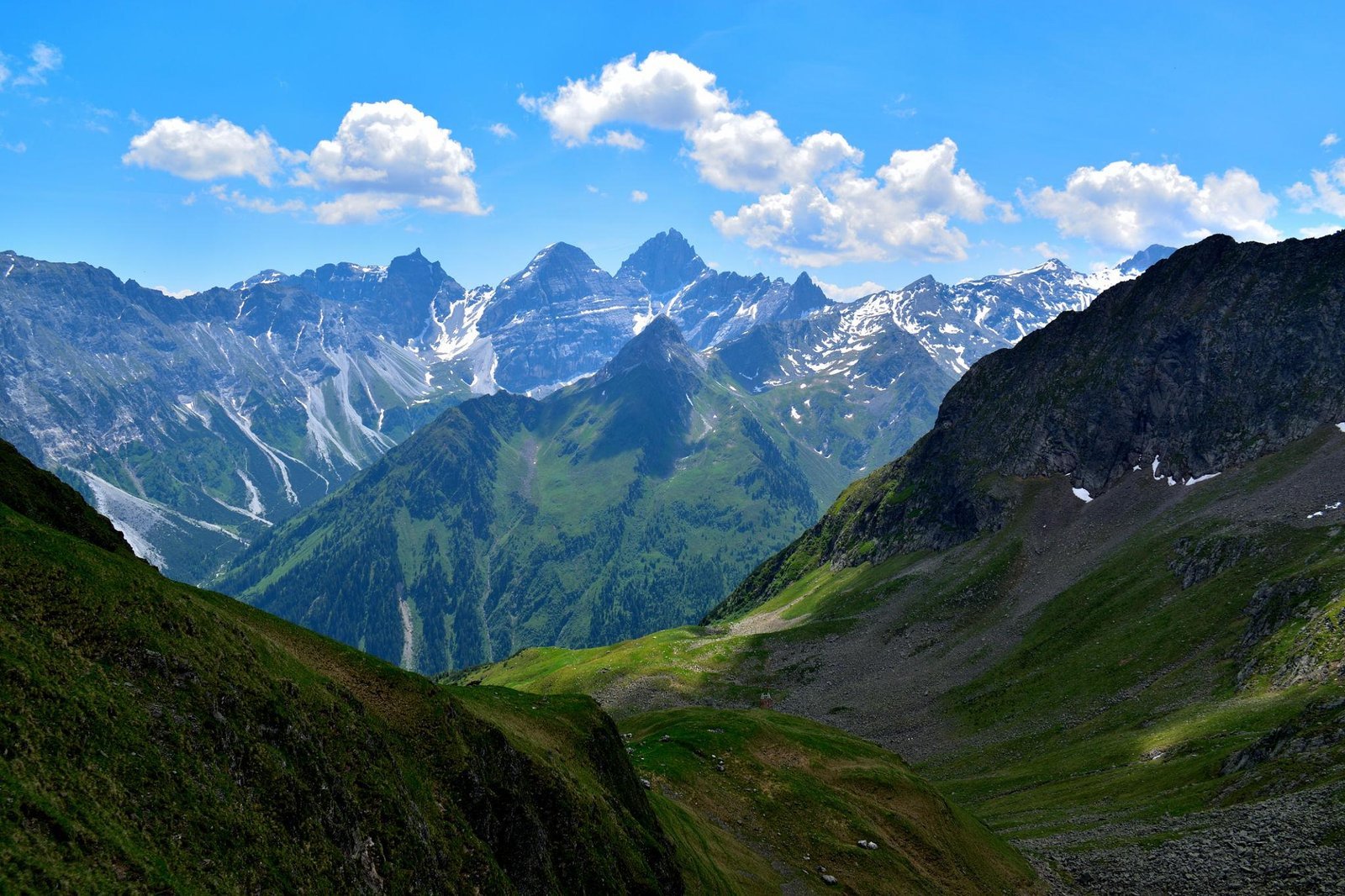
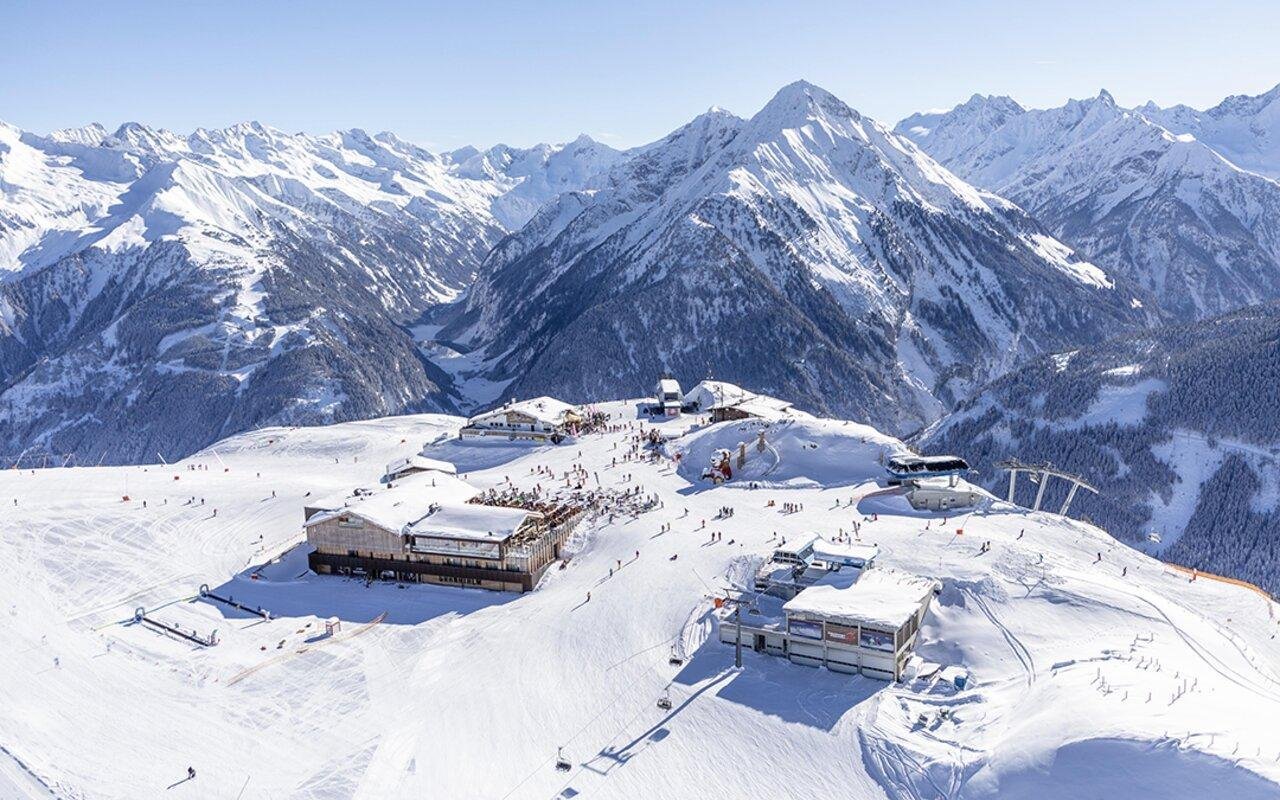
2. About two-thirds of Austria is covered by the Alps
When we think of Austria it is normal to imagine snow-capped mountains.
And this time the cliché has quite a foundation.
The Alps occupy approximately two-thirds of the Austrian territory , which explains the enormous importance of skiing, mountaineering, hiking and other mountain sports. The Österreich Institut highlights precisely the enormous presence of mountainous areas in the country.
In fact, Austria has thousands of kilometers of hiking trails and an extraordinarily developed mountain tourism infrastructure.
So if someone tells you that Austria is just Vienna, you can calmly tell them that they are ignoring a gigantic part of the country.



3. Austria has one of the highest waterfalls in Europe
The Krimml waterfalls , in the state of Salzburg, have an approximate total height of 380 meters .
This makes them the highest waterfalls in Austria and one of the country’s great natural attractions.
They are located within the Hohe Tauern Alps area and are made up of several consecutive falls.
The funny thing is that, when you think of Austria, you usually think of palaces and snow-capped mountains rather than large waterfalls.
But the country has much more water than it seems.
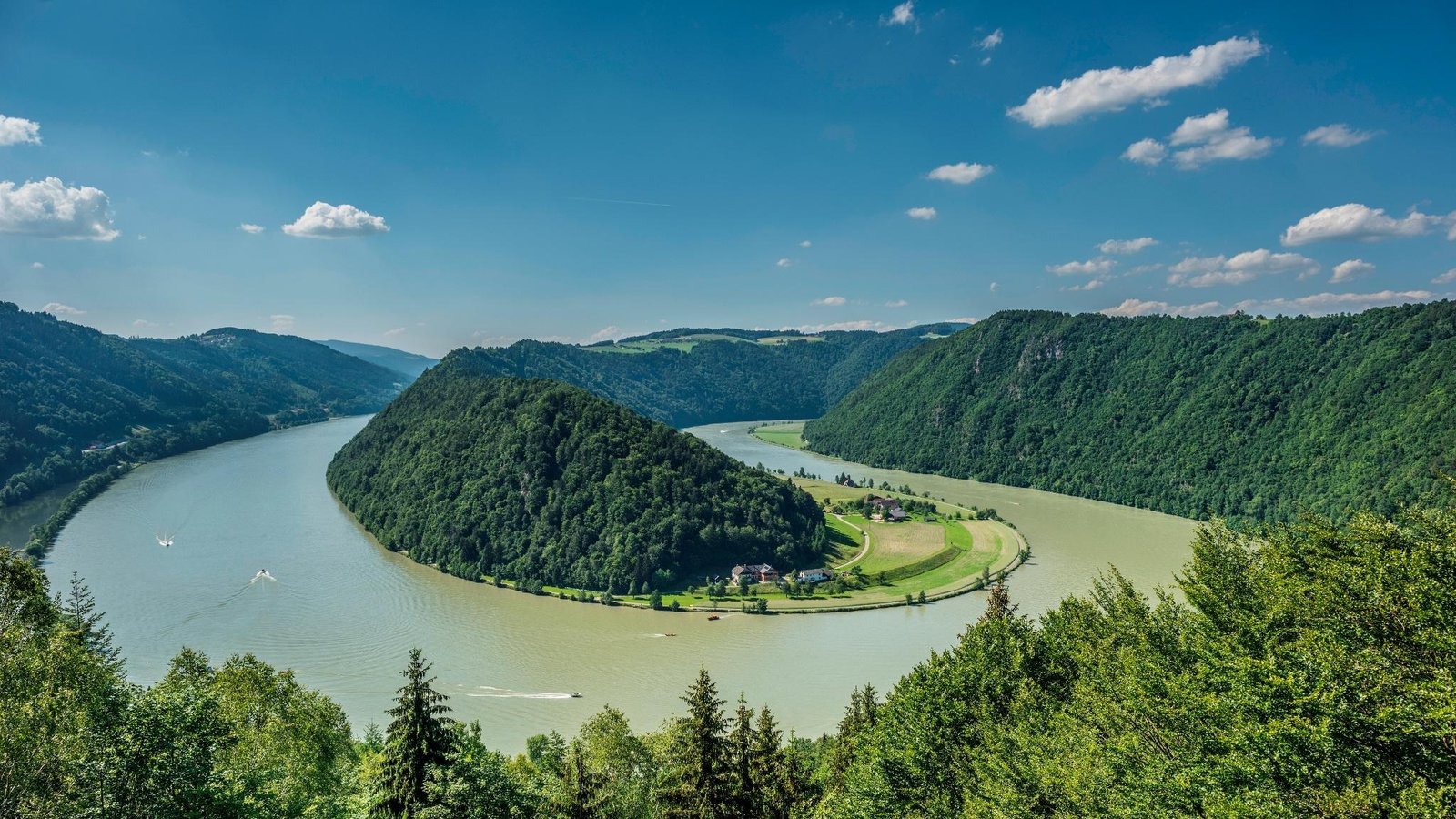
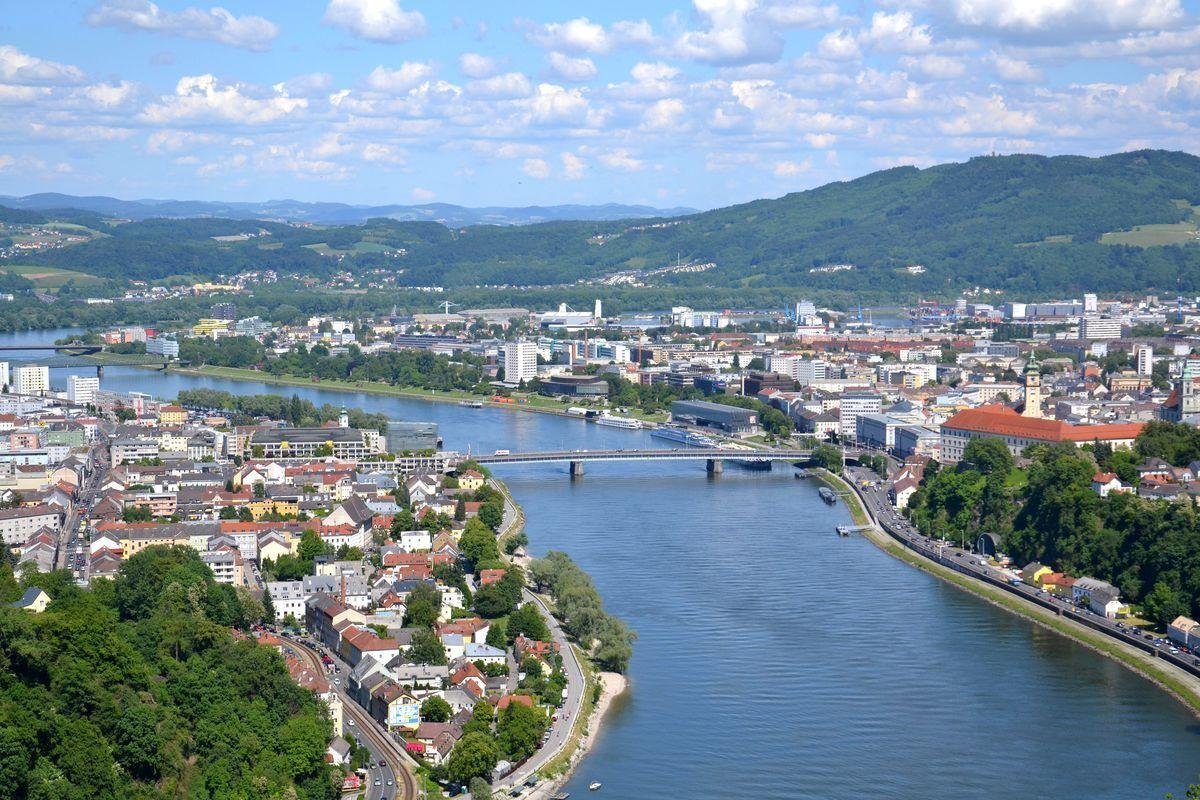
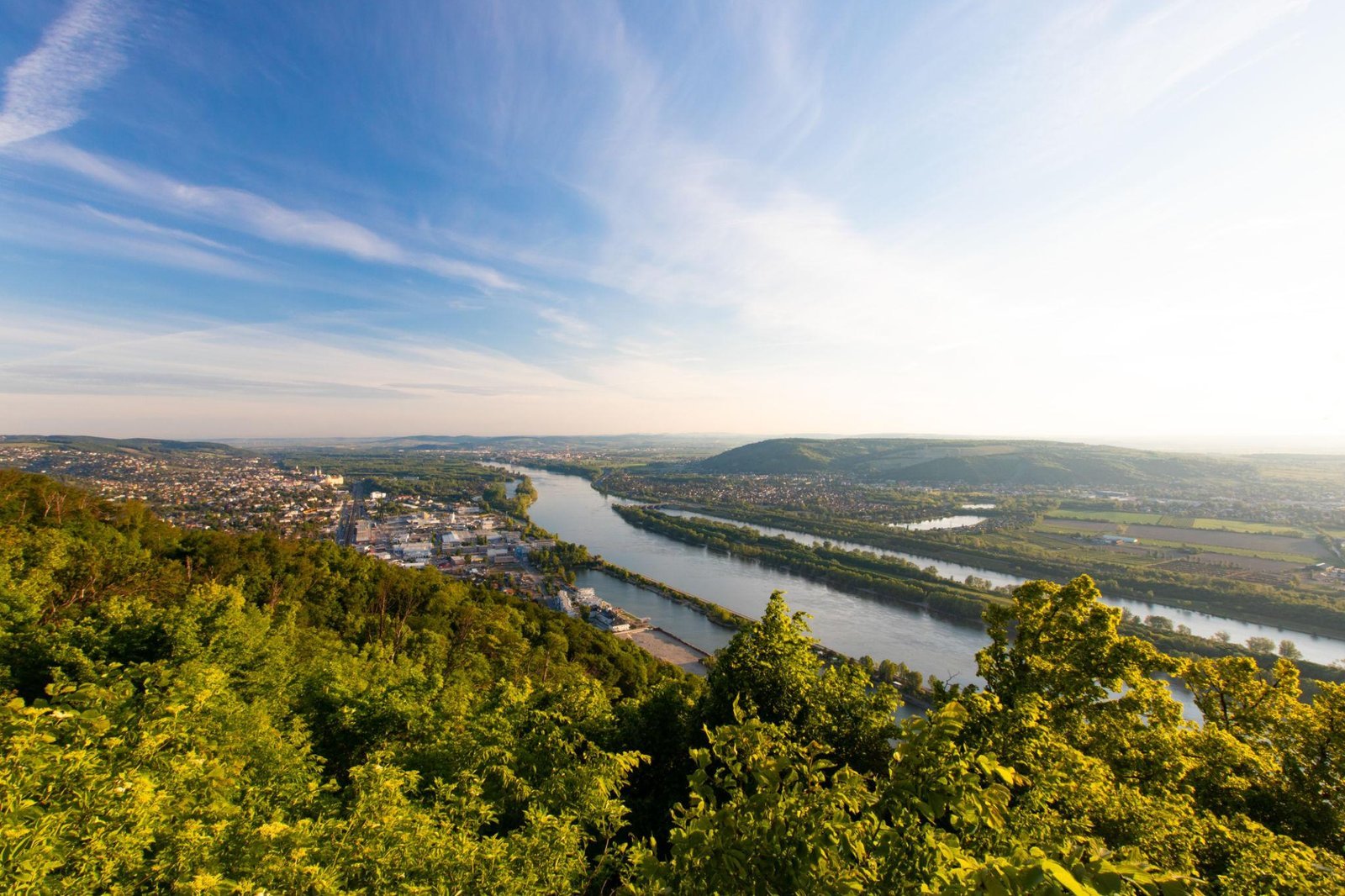
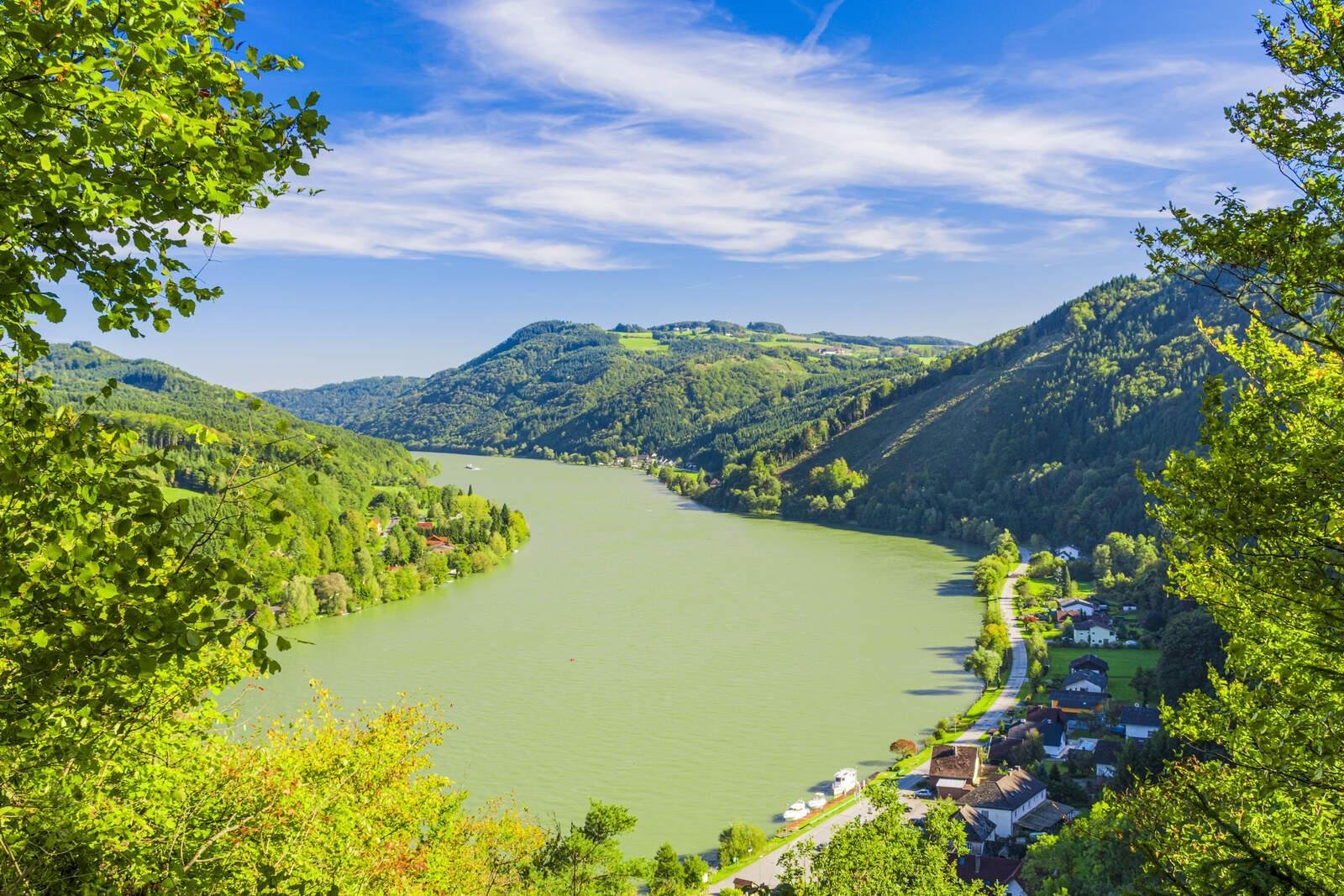
4. The Danube runs through Austria
The Danube is the second longest river in Europe, only behind the Volga.
It originates in Germany and passes through several countries before emptying into the Black Sea.
In Austria it passes through important cities such as Linz and Vienna, and for centuries it has served as a commercial, cultural and strategic route.
One of the things that catches my attention is that the Danube connects a huge number of European cultures. In fact, it crosses or passes through the territories of ten countries.




5. Austria borders eight countries
For a relatively small country, being surrounded by eight neighbors is quite interesting.
Austria borders Germany, the Czech Republic, Slovakia, Hungary, Slovenia, Italy, Switzerland and Liechtenstein.
This helps to understand why Austrian culture has so many Central European influences.
In a few hours you can go from Austria to countries with different languages, cuisines and traditions.
And Vienna, for example, is surprisingly close to Bratislava, the capital of Slovakia.
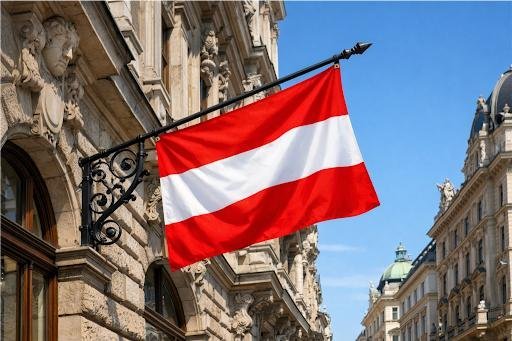
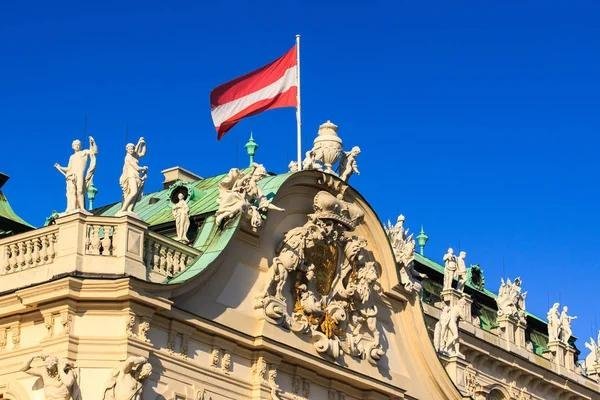
6. The Austrian flag is one of the oldest in the world
The flag of Austria, with its red, white and red stripes, has a medieval history.
Its design is traditionally linked to Duke Leopold V and the Battle of Acre of 1191 , although the historical details of the flag’s origin have different interpretations.
That is why it usually appears in lists of the oldest national flags still used.
The interesting thing is that we are not talking about a symbol created two or three centuries ago: its roots go back to the Middle Ages.


7. German is the official language of Austria, but Austrian German has its peculiarities
This is one of the curiosities of Austria that may most surprise those who study German.
The official language is German , but that does not mean that the German spoken in Austria is identical to that in Germany.
There is the so-called Austrian German , with differences in vocabulary, pronunciation, expressions and even some grammatical peculiarities.
The Österreich Institut explains that the differences can be quite important and that dialects also change considerably depending on the region.
For example, some words common in Austria may sound completely different to someone used to standard German in Germany.
And this seems to me to be one of the best examples that a language is never simply a dictionary.
8. Austria has nine federal states
The country is divided into nine federal states , known as Bundesländer .
Are:
- Vienna.
- Lower Austria.
- Upper Austria.
- Styria.
- Carinthia.
- Salzburg.
- Tyrol.
- Vorarlberg.
- Burgenland.
Each one has its own cultural, geographical and economic characteristics.
Vienna also has a special feature: is both a city and a federal state .
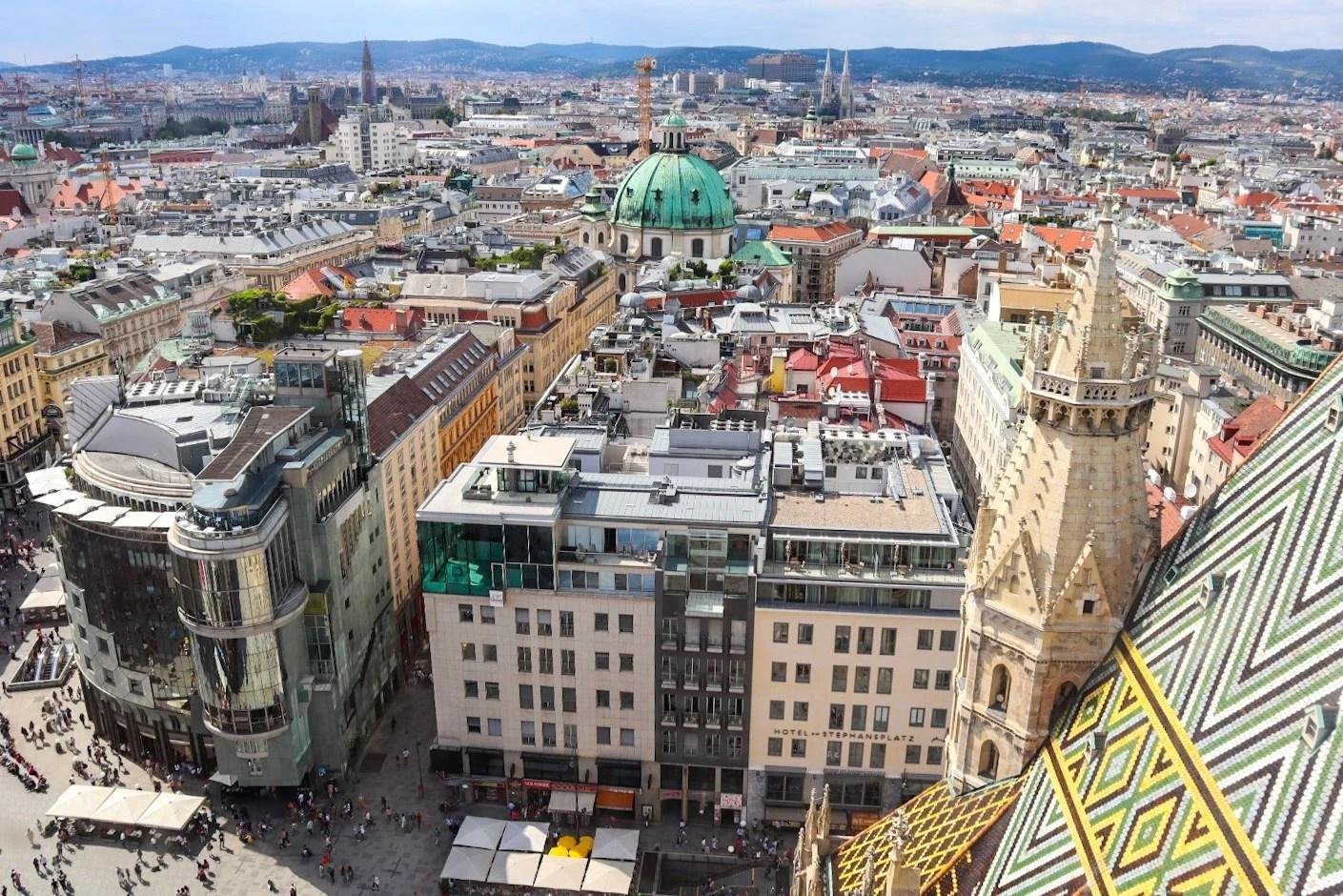
9. Vienna was for centuries the center of a huge empire
Today Austria is a relatively small republic.
But for centuries Vienna was the capital of one of the great European powers: the Habsburg monarchy and later the Austro-Hungarian Empire.
The influence of that time can still be seen at:
- Palacios.
- Churches.
- Museums.
- Monuments.
- Architecture.
- Traditions.
- Music.
- Gastronomy.
When you walk through certain areas of Vienna, it is quite easy to understand why the city had such political and cultural importance.



10. Schönbrunn Palace has more than 1,400 rooms
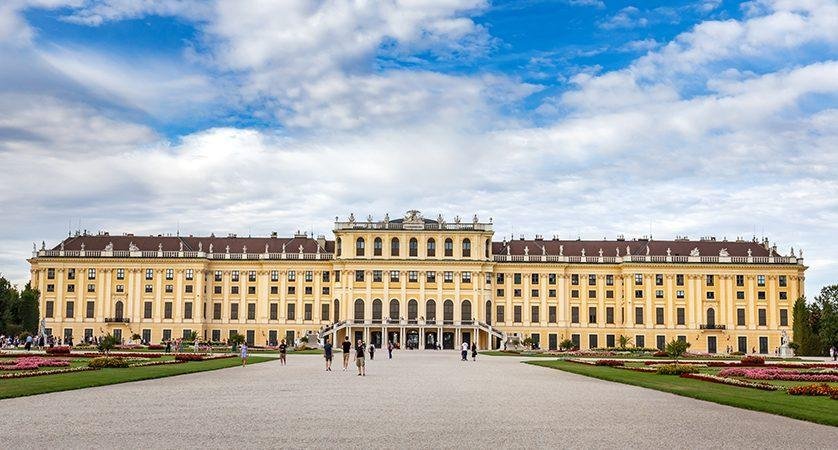
The Schönbrunn Palace is one of the great symbols of Vienna.
The complex has more than 1,400 rooms , although obviously visitors can only access part of them.
It was used as an imperial residence and is especially related to the Habsburg dynasty.
Its size helps to understand the scale of the former imperial court.
And when you see photographs of its gardens, it looks more like a small palatial city than a simple residence.
11. The oldest zoo in the world is in Vienna
Another of Austria’s curiosities that seems invented.
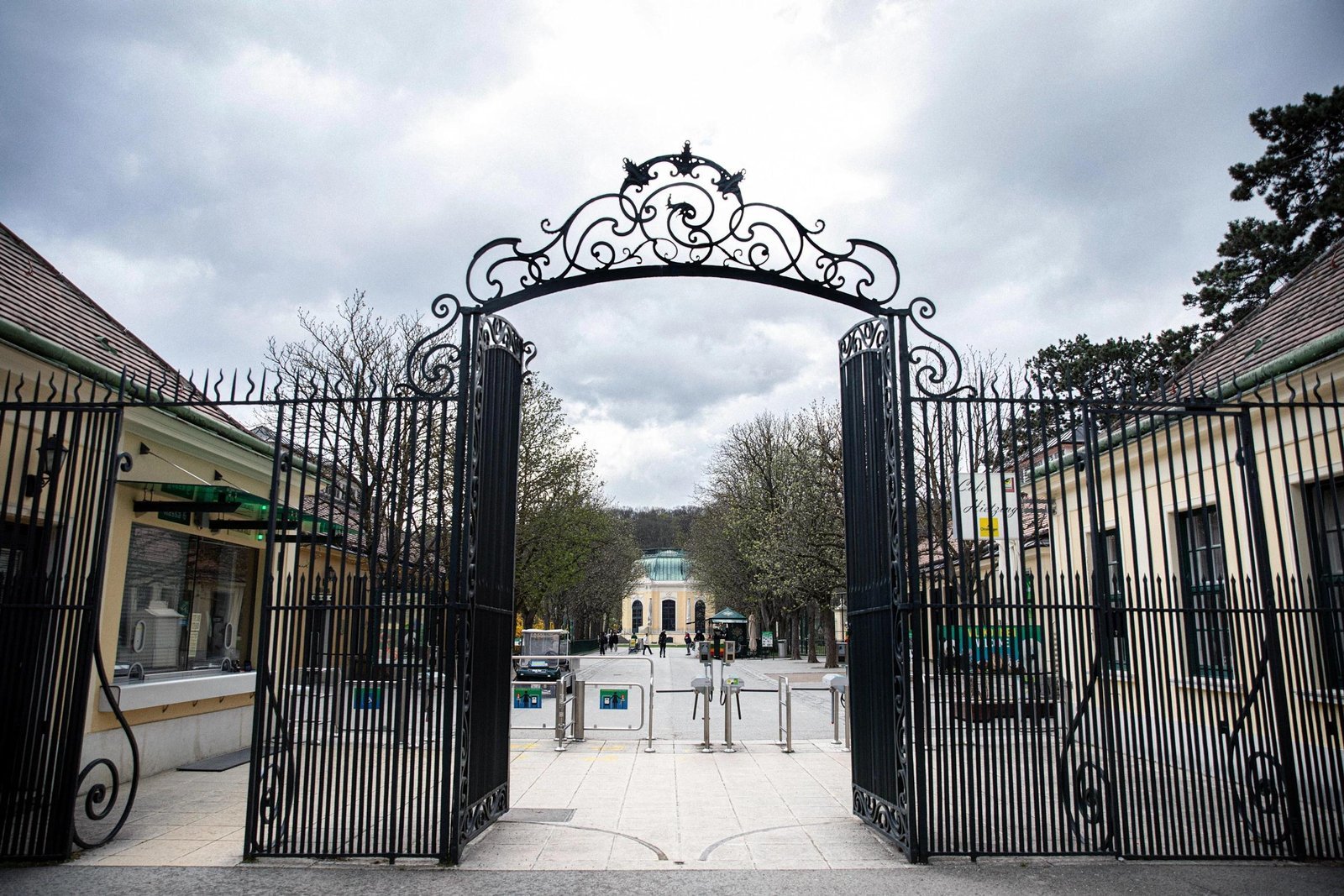
The Tiergarten Schönbrunn , located next to Schönbrunn Palace, was founded in 1752 as a menagerie of the imperial court.
It is currently recognized as the oldest zoo in the world still in operation.
The curious thing is that a place that began as a private collection of animals for the imperial family ended up becoming a modern zoological institution also dedicated to conservation and research.




12. Austria was the birthplace of Mozart
If we mention Austria and classical music, it is practically impossible not to talk about Wolfgang Amadeus Mozart .
Mozart was born in Salzburg in 1756 and from a very young age he demonstrated extraordinary musical abilities.
Although he spent part of his life traveling through Europe and later lived in Vienna, his birth in Salzburg made him one of the great cultural symbols of Austria.
The city still preserves numerous places related to his life.
13. Mozart was not the only great Austrian composer
Another interesting curiosity appears here.
Austria did not only produce Mozart.
Composers such as:
are also associated with the country.- Joseph Haydn.
- Franz Schubert.
- Johann Strauss II.
- Anton Bruckner.
- Gustav Mahler.
And some names are so closely related to Vienna that the city became one of the great musical centers of the world.
It is no coincidence that classical music still has such a presence in Austrian cultural identity today.

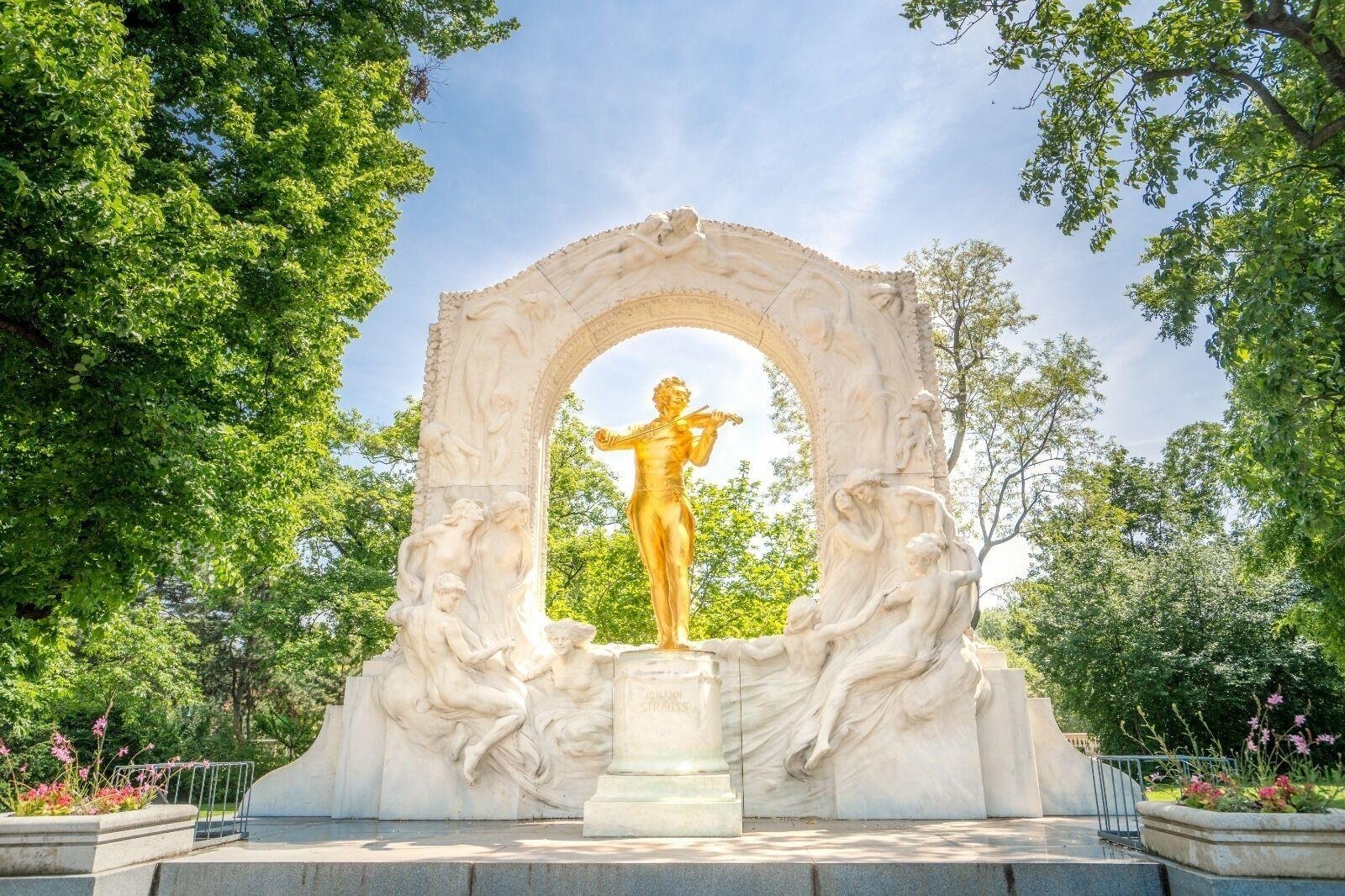


14. The Vienna New Year’s Concert is famous all over the world
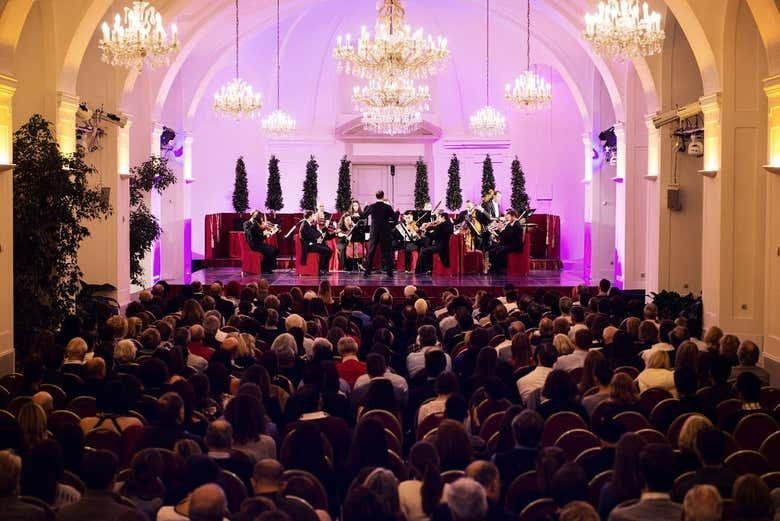
Every January 1, millions of people watch the Vienna Philharmonic’s New Year’s Concert on television.
The program is especially associated with the Strauss family and with waltzes and polkas.
What began as a Viennese musical tradition ended up becoming one of the most famous televised concerts on the planet.
And there is something very Austrian about it: elegance, classical music and tradition turned into an international event.
15. The Viennese waltz is deeply linked to Austria
When we think of an elegant waltz, we are probably thinking of Vienna.
The Viennese waltz became one of the great musical symbols of the city during the 19th century.
Johann Strauss II, known as the “king of the waltz”, contributed greatly to popularizing this genre.
The tradition lives on at the famous Viennese balls held during the winter season.
16. Vienna has a huge cafe culture
This is one of my favorite cultural curiosities.
Viennese cafés are not simply places where you can buy a cup of coffee to take away.
Historically they were spaces where writers, artists, journalists, musicians and intellectuals could spend hours talking, reading and working.
Viennese café culture was included by UNESCO in its inventory of intangible cultural heritage of Austria in 2011. The Österreich Institut highlights precisely the historical role of these cafés in the cultural life of Vienna.
And here appears something that I really like about this tradition: there is not the same obsession with finishing quickly and leaving .
A coffee can become a complete experience.

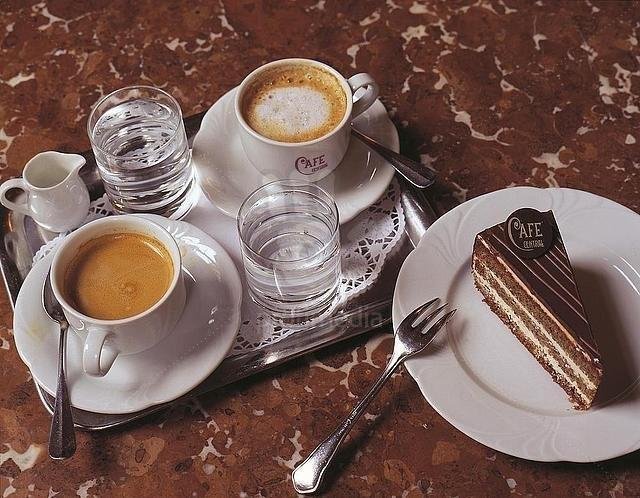


17. Viennese coffee has many varieties
In Vienna not everything is just “a café”.
You can find specialties like:
- Wiener Melange.
- Einspänner.
- Fiaker.
- Kleiner Schwarzer.
- Großer Schwarzer.
- Verlängerter.
Some combine coffee with milk, cream or different proportions of water.
If you are one of those who normally orders “a latte” and that’s it, walking into a traditional Viennese café can become a little class in gastronomic culture.
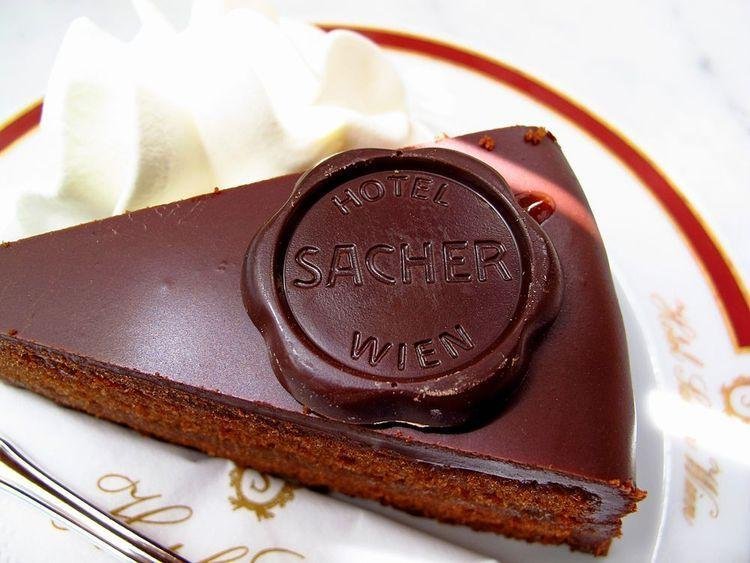
18. The Sachertorte was born in Vienna
The Sachertorte is probably the most internationally famous Austrian dessert.
This is a chocolate cake with a layer of apricot jam and chocolate icing.
Its story is related to Franz Sacher , who created the recipe in 1832 when he was still a young apprentice.
The Sacher family later developed the famous Sacher Hotel in Vienna.


19. The Linzer Torte is one of the oldest documented cakes
The Linzer Torte , associated with the city of Linz, has an extraordinarily long gastronomic history.
A recipe for this cake is documented in a cookbook by 1653 , according to the Österreich Institut.
It is traditionally made with a dough that incorporates dried fruits and a layer of jam, usually currant or raspberry.
That’s why when we talk about Austrian desserts, not everything begins and ends with the Sachertorte.
20. Austria is a country of dumplings
Another thing that surprised me while researching Austrian gastronomy is the importance of Knödel , a family of preparations similar to balls or meatballs made with different ingredients.
Can be prepared with:
- Pan.
- Potato.
- Flour.
- Meat.
- Cheese.
- Fruits.
- Herbs.
In some regions they are practically part of the daily menu.
The Österreich Institut even highlights that dumplings have a very ancient tradition in Austria and mentions a specimen found more than 4,000 years old.
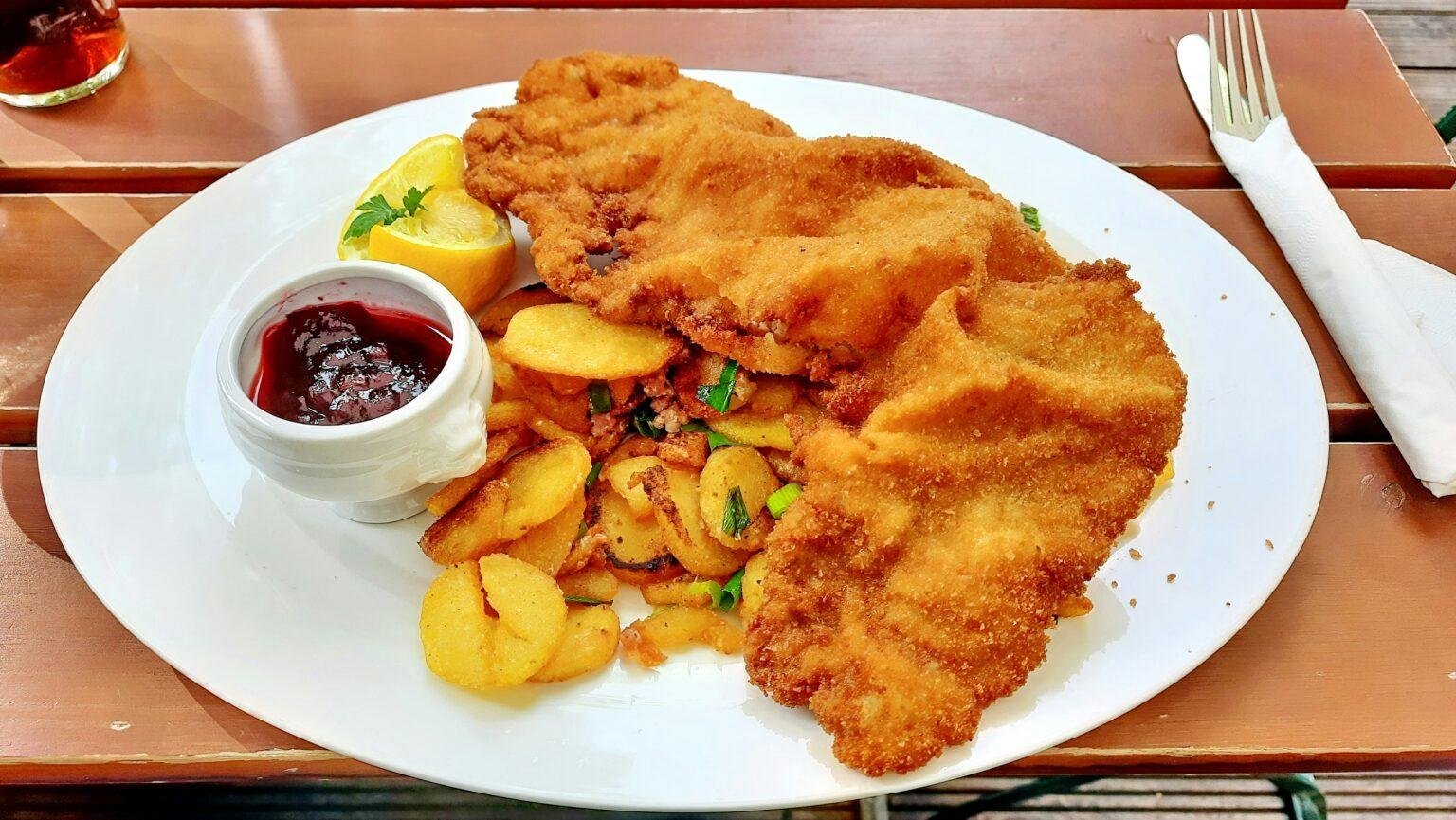
21. Schnitzel is one of the most famous dishes in Austria
The Wiener Schnitzel is possibly the most recognized Austrian dish outside the country.
This is a piece of meat, traditionally beef, breaded and fried.
The classic version is usually served with simple accompaniments, such as potato, salad or lemon.
And here’s an important detail: the authentic Wiener Schnitzel is specifically associated with veal. Other meats can be used for similar preparations, but they receive different names.




22. Austria is much more than schnitzel and beer
The Österreich Institut is right about something important: reducing Austrian gastronomy to schnitzel is a huge understatement.
We also find dishes like:
- Tafelspitz.
- Kaiserschbrown.
- Kasnudeln.
- Knödel.
- Apfelstrudel.
- Sachertorte.
- Brettljausn.
- Goulash.
- Topfengolatschen.
Additionally, each region has its own specialties.
That makes gastronomically traveling through Austria much more interesting than it may seem from the outside.
23. Kaiserschmarrn was a favorite dish of the imperial court
Kaiserschmarrn is a dessert similar to a type of thick crepe torn into pieces, usually served with icing sugar and accompaniments of fruit or compote.
The name is usually roughly translated as “emperor’s scramble.”
There are several stories about its origin and its relationship with Emperor Franz Joseph I, although some are more part of culinary tradition than completely proven historical facts.
In any case, it ended up becoming one of the best-known sweet dishes in Austria.
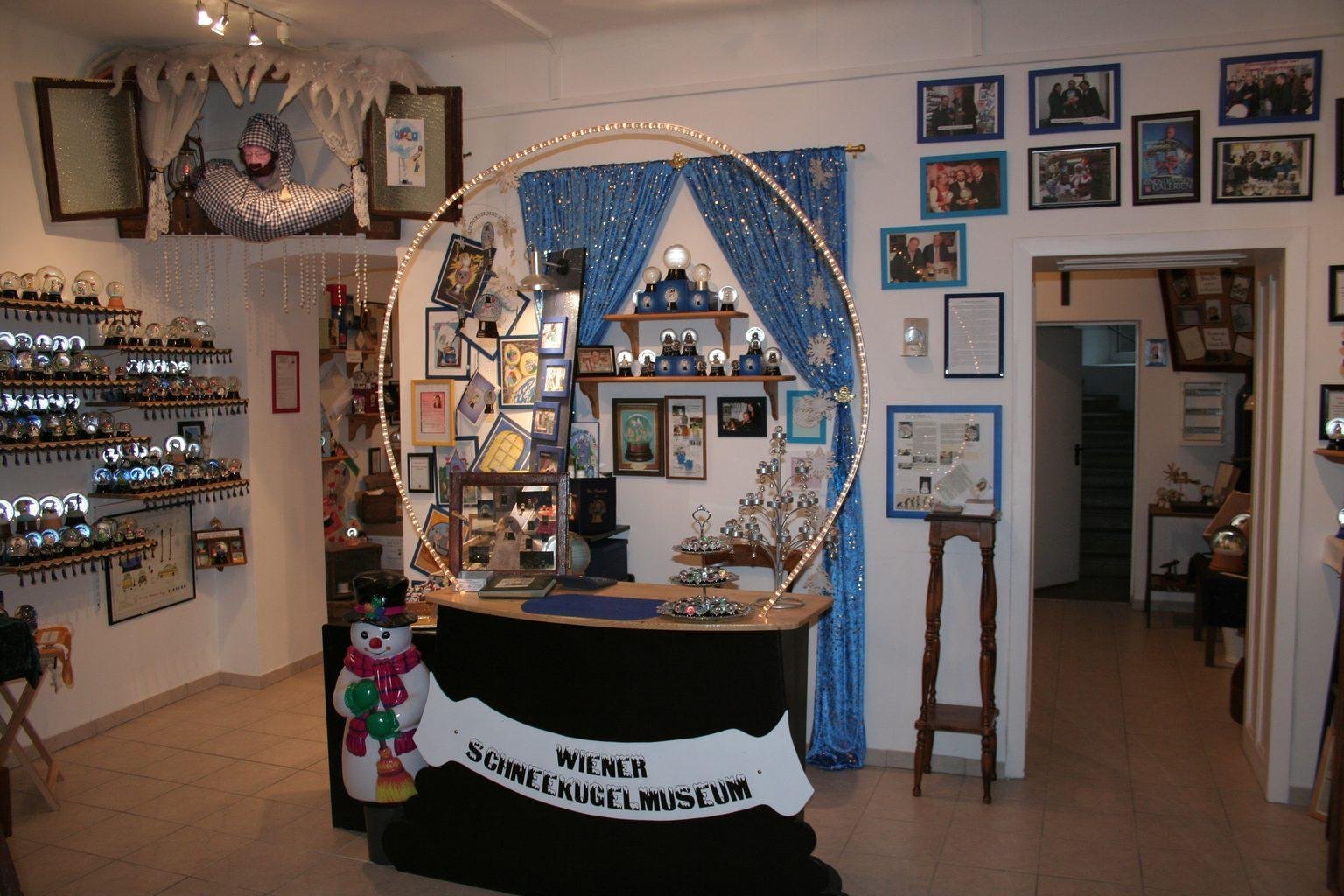
24. Austria invented the souvenir snow globe
Here we have a curiosity that you have probably seen hundreds of times.
The glass snow globe that we found as a tourist souvenir was invented in Vienna.
Erwin Perzy developed his first snowball around 1900 , originally while working on a project related to surgical lighting. The story appears collected by sources dedicated to Austrian curiosities.
The curious thing is that something that today we associate with souvenir shops in practically any country was born in Austria.




25. Sigmund Freud was born in Austria
The name of Sigmund Freud is inevitably related to psychoanalysis.
Freud was born in 1856 in the then Austrian Empire and spent much of his career in Vienna.
His work on the unconscious, dreams, and the human mind had an enormous influence on psychology, psychiatry, culture, and the arts.
Although many of his theories remain the subject of debate, his historical impact is indisputable.
26. Austria is linked to the discovery of nuclear fission
This is one of the most important curiosities of Austria from a scientific point of view.
Physicist Lise Meitner , born in Vienna, made fundamental contributions to understanding nuclear fission together with Otto Hahn and other scientists.
In 1938 he had to leave Germany due to Nazi persecution and continued his work from Sweden.
Although he received scientific recognition during his lifetime, he did not obtain the Nobel Prize in Chemistry that was awarded to Otto Hahn in 1944 for the discovery of nuclear fission.
Its history is one of the most interesting in 20th century science.




27. Austria has given several Nobel Prizes
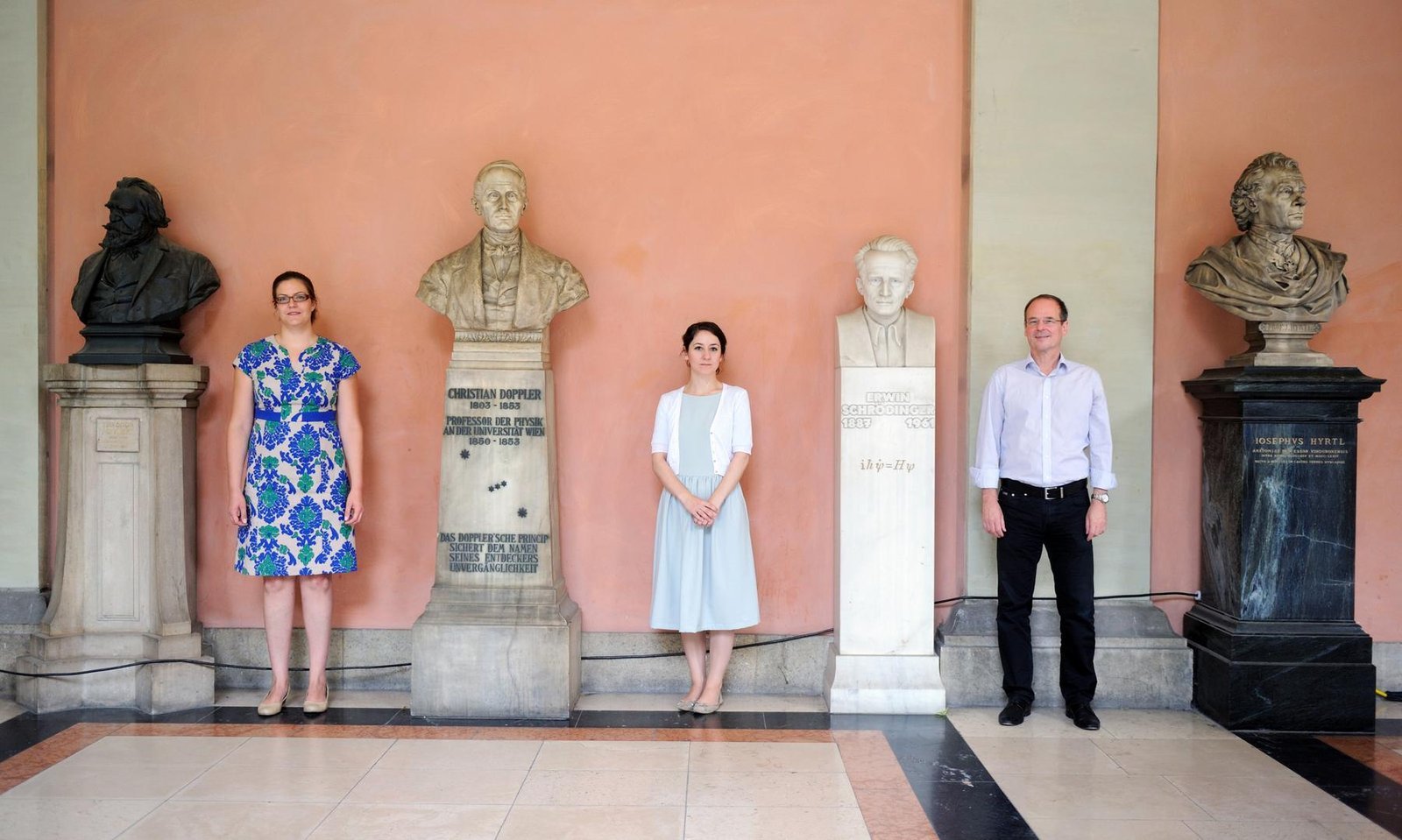
Austria has been linked to numerous winners of the Nobel Prize in areas such as physics, chemistry, medicine, literature and peace.
Among the figures related to Austria appear:
- Erwin Schrödinger.
- Viktor Hess.
- Karl Landsteiner.
- Bertha von Suttner.
- Lise Meitner, although she did not receive the Nobel.
- Wolfgang Pauli.
Bertha von Suttner deserves a special mention because she was the first woman to receive the Nobel Peace Prize , in 1905.
28. Bertha von Suttner was a pioneer of pacifism
Bertha von Suttner was born in Prague, then part of the Austrian Empire, and developed an intense activity in favor of pacifism.
His novel Down with your weapons! ( Die Waffen nieder! ) became an important work of the European pacifist movement.
In 1905 he received the Nobel Peace Prize.
His figure shows that Austrian history is not only made up of emperors and composers.
It is also full of scientists, writers, activists and thinkers who had an international impact.
29. Arnold Schwarzenegger is Austrian
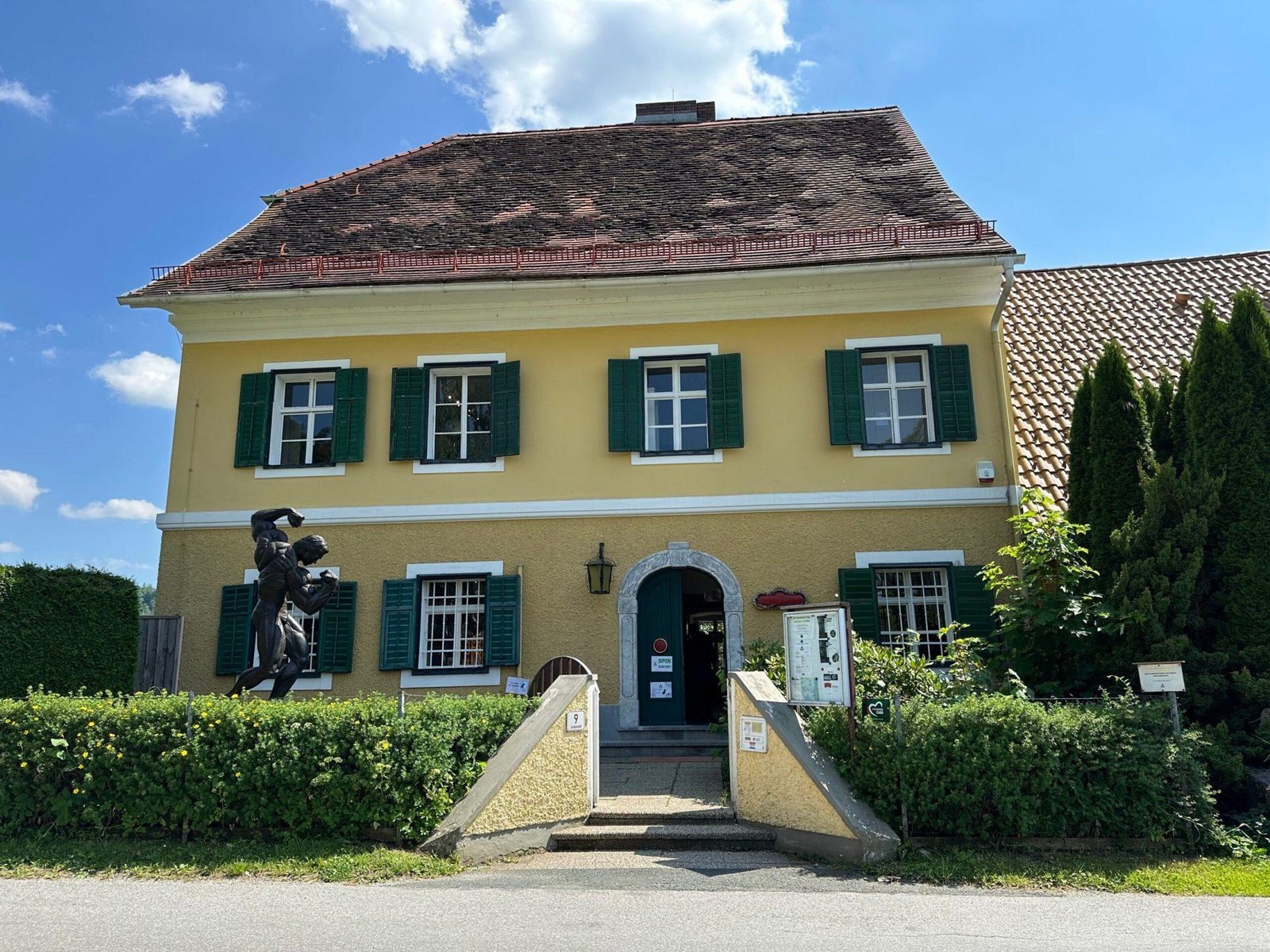
Yes, the same Arnold Schwarzenegger from Terminator , Predator and Conan the Barbarian was born in Austria.
Born in Thal , near Graz, in 1947.
He later emigrated to the United States and developed an extraordinary career as a bodybuilder, actor and politician, becoming governor of California.
This is one of those curiosities about Austria that almost everyone knows, but it is still quite striking when we think about the enormous difference between the country’s Alpine image and Schwarzenegger’s career in Hollywood.



30. Red Bull was born in Austria
Another global brand that has Austrian origins is Red Bull .
The company was founded in Austria in 1984 by Dietrich Mateschitz and Chaleo Yoovidhya, taking a Thai energy drink as inspiration.
The formula and branding were adapted for the international market and Red Bull subsequently became one of the best-known beverage companies on the planet.
It is a good example of how Austria has also generated modern global brands, not just traditional products.
31. Austria is famous for its Lipizzaner horses
The Lipizzaners are closely associated with the Spanish Riding School of Vienna.
These horses are known for their classical training and the spectacular movements they perform during shows.
The Spanish Riding School maintains a centuries-old equestrian tradition related to the former imperial court.
And no, despite the name, the institution is in Vienna.


32. Ötzi is one of the best preserved ancient human bodies
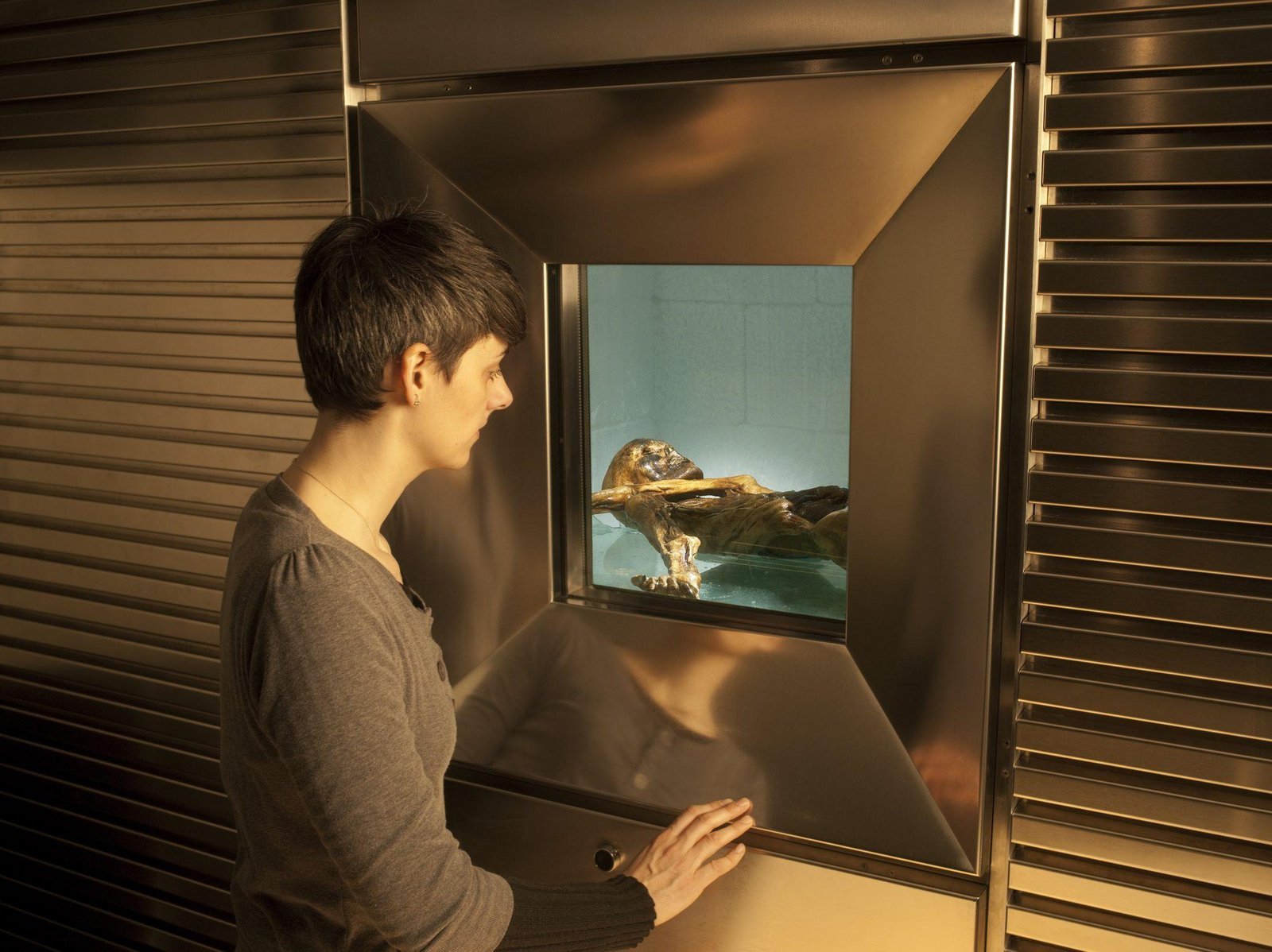
In 1991, two hikers found a mummy in the Alps that would change our view of European prehistory.
This is Ötzi , the famous “Ice Man”.
Died approximately 5,300 years ago and was preserved in ice.
His body allowed scientists to study aspects of the diet, clothing, diseases, tools and way of life of a person who lived during the Copper Age.
And here appears an interesting geographical curiosity: the discovery occurred in the Alps, on the border between Austria and Italy, and Ötzi is currently kept in Bolzano, Italy.


33. Austria has the largest ice cave in the world
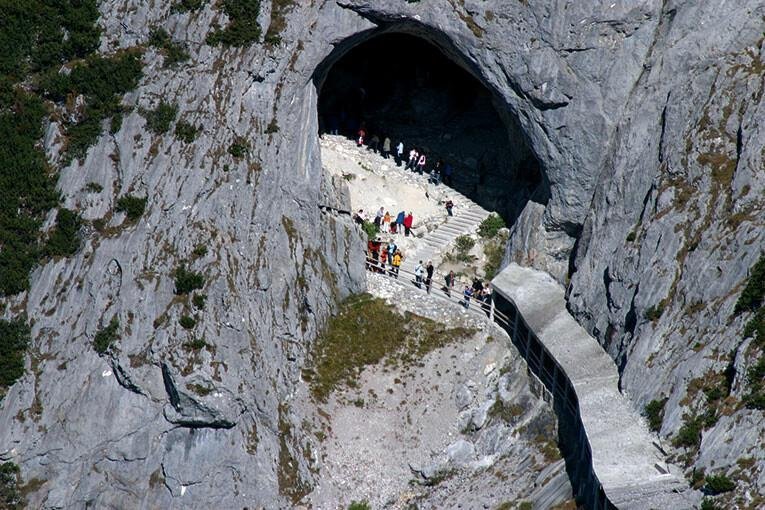
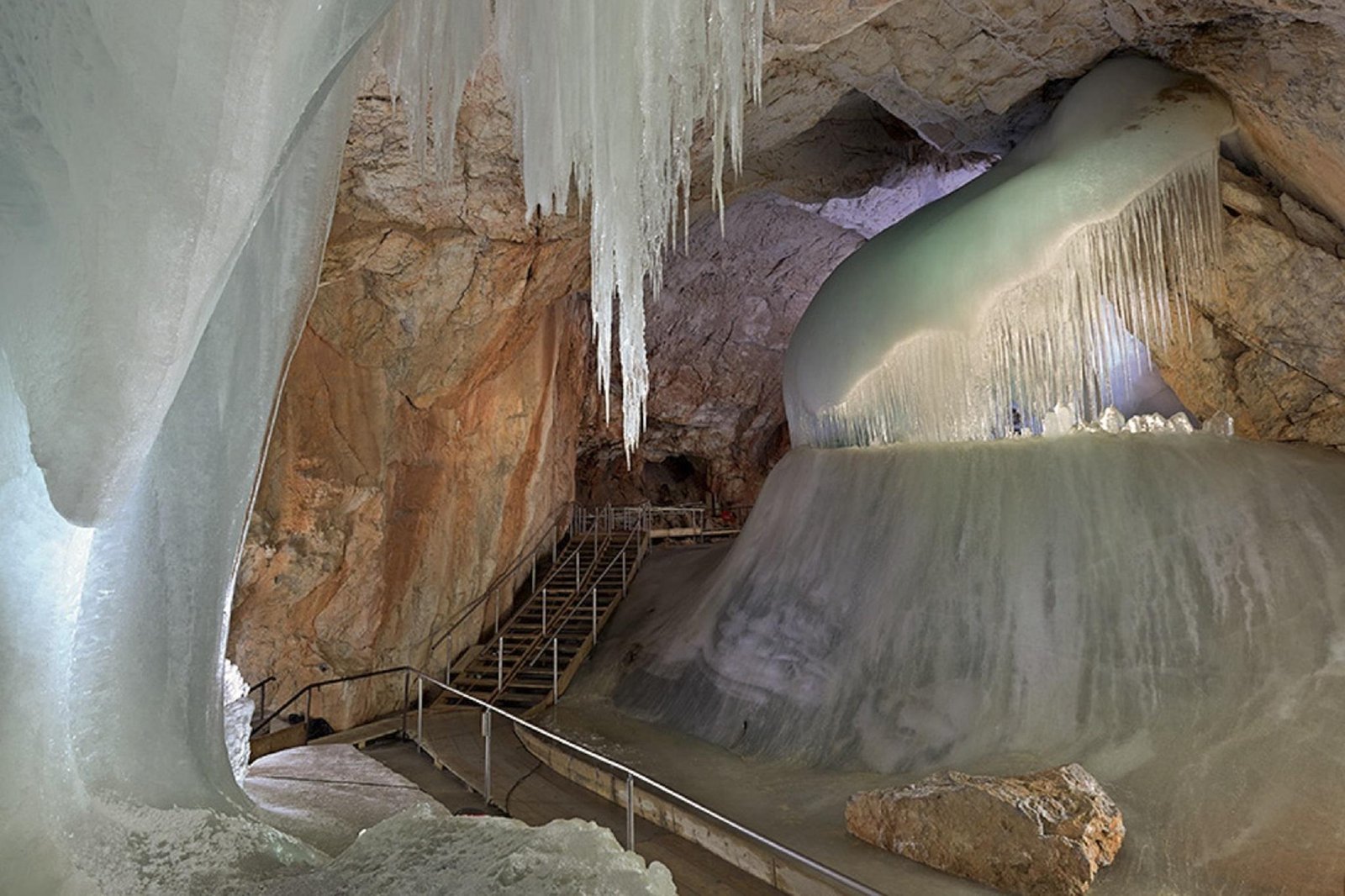
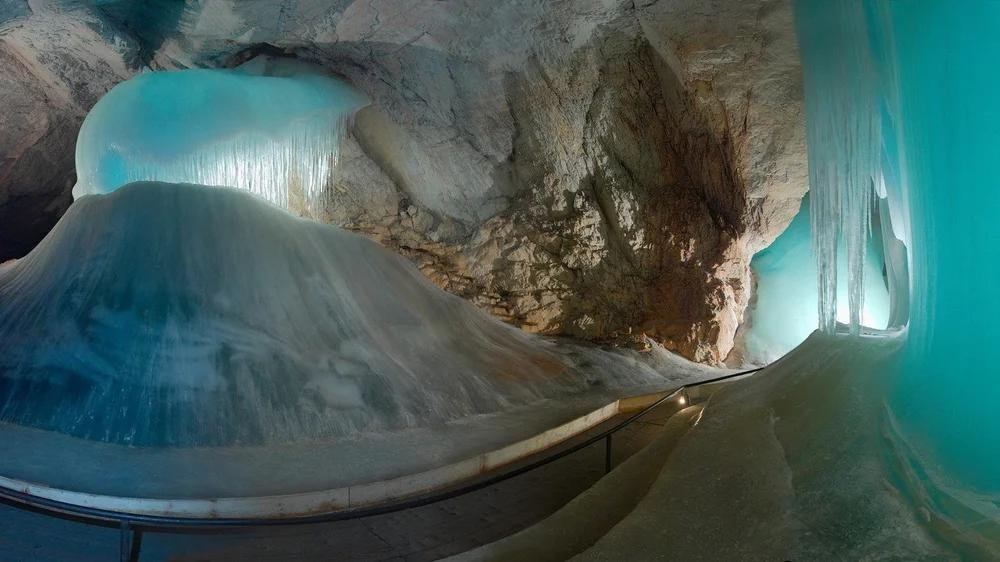
The Eisriesenwelt , located near Werfen in Salzburg, is considered the largest ice cave in the world.
Its system of galleries extends for dozens of kilometers, although only part of it is equipped for tourist visits.
Inside you will find enormous ice formations that make the place look like something out of a fantasy movie.
And this once again shows that Austria is not just palaces and ski resorts.




34. Austria is known for its winter traditions
If there is a time when Austria seems to completely transform, it is winter.
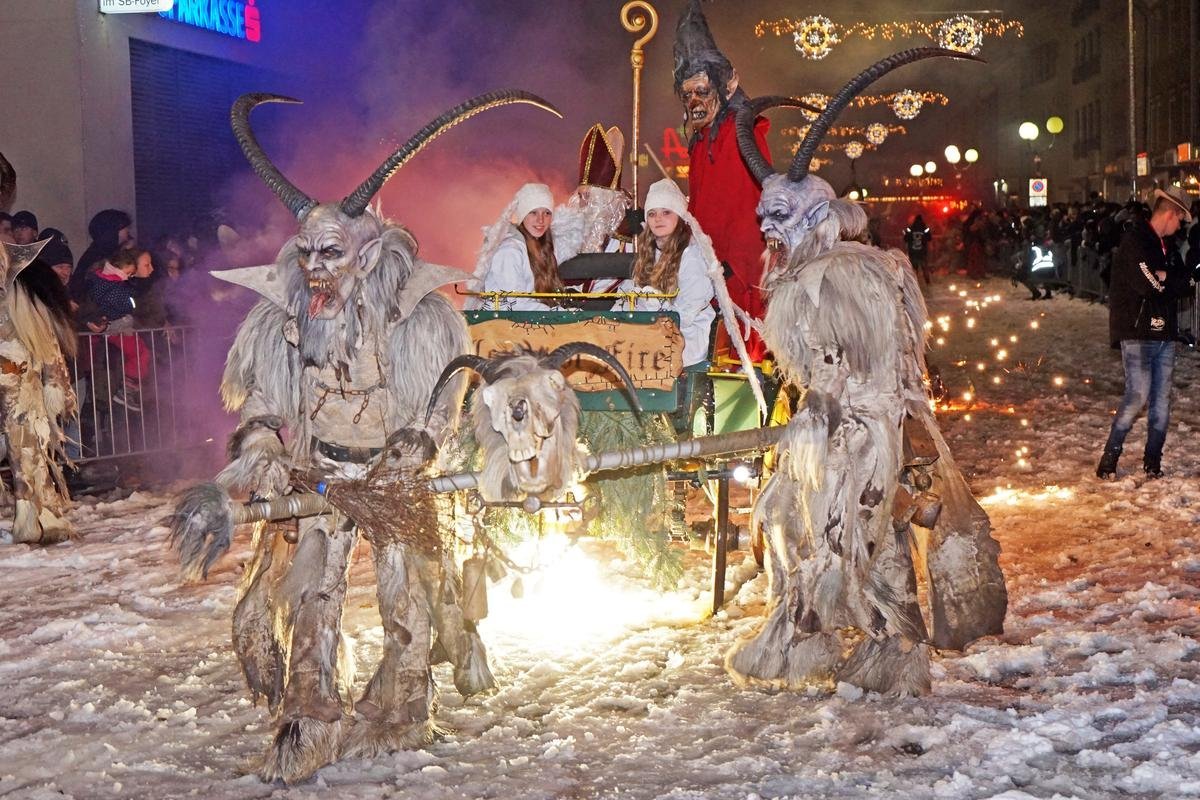
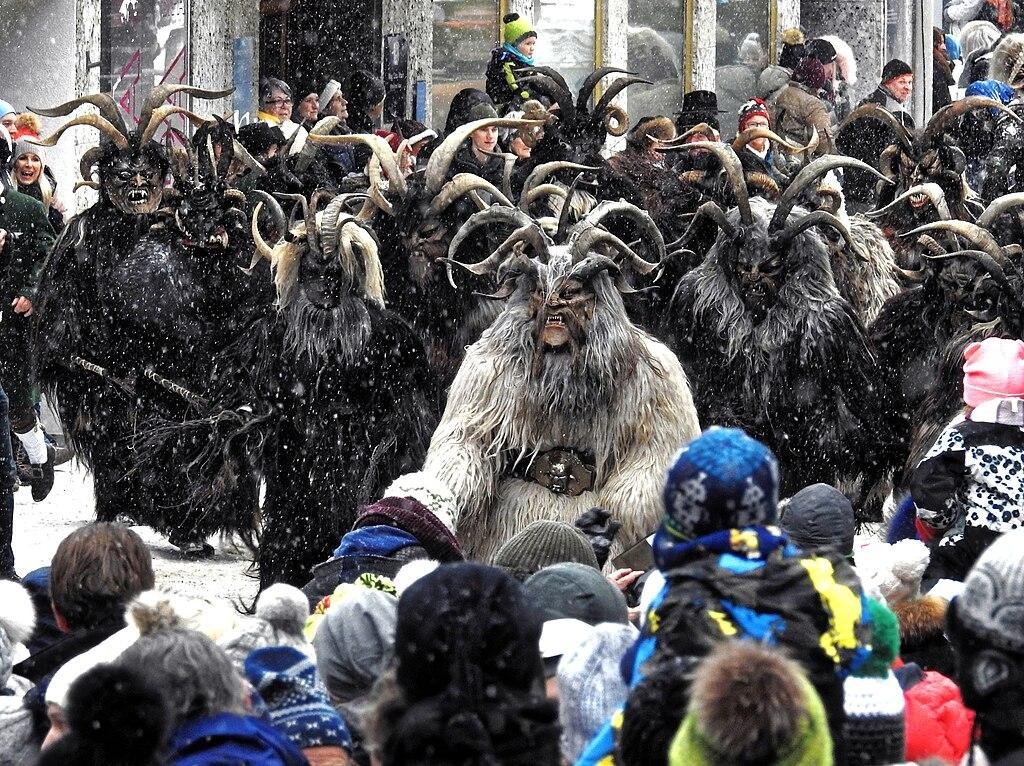
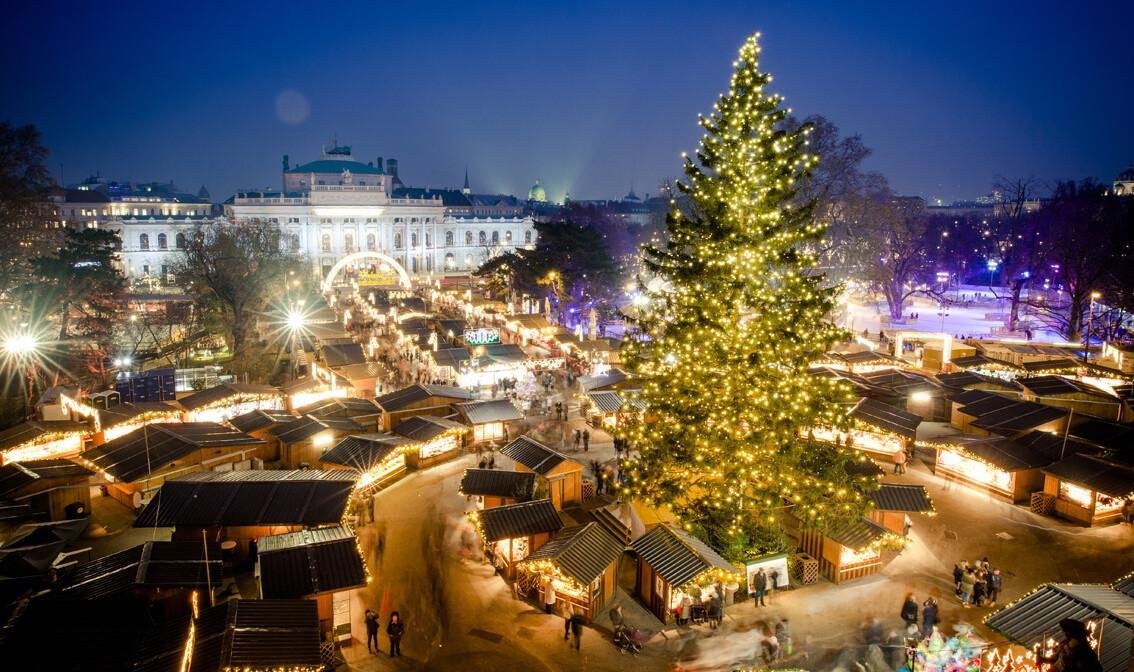
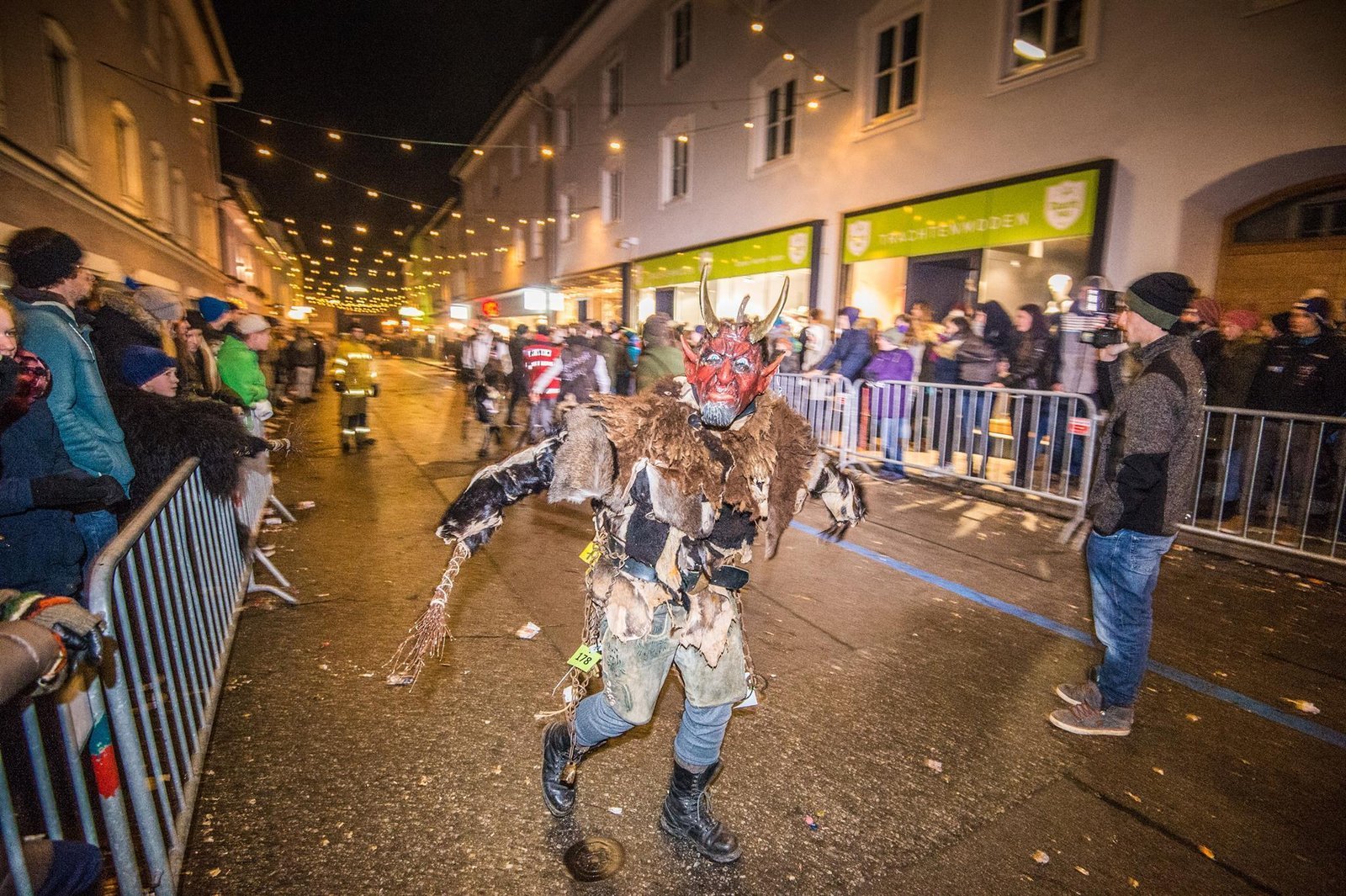
In addition to the Christmas markets, there are traditions such as the Krampus , a character related to the celebrations of Saint Nicholas.
In different regions, parades are organized in which people dressed as Krampus walk through the streets with masks, skins, horns and bells.
There is also the tradition of Perchtenlauf , related to characters and winter rituals of much older origin.
The Österreich Institut highlights precisely these traditions as part of the country’s cultural diversity.


35. Austrians don’t wear Lederhosen every day
This is a good way to deconstruct a cliche.
Yes, in Austria there is the traditional clothing known as Tracht , including the Lederhosen and the Dirndl .
But it doesn’t mean that everyone goes out dressed like this every day.
The Österreich Institut explains that these garments appear especially at folk festivals, celebrations, weddings and certain rural or tourist environments.
It’s similar to thinking that all Spaniards wear flamenco dresses every day.
Traditional clothing exists and has cultural importance, but everyday life is much more normal.
36. Austria has a huge hiking tradition
One of the most important sports in the country is not necessarily skiing.
is the hiking .
The Österreich Institut mentions around 50,000 kilometers of hiking trails in Austria.
And it makes perfect sense.
With such a large number of mountains, valleys, lakes and forests, walking is one of the best ways to get to know the country.
In addition, many routes connect small villages, alpine huts and spectacular natural landscapes.
37. Football is very popular in Austria
Although internationally Austria is much better known for skiing, classical music and the Alps, football has a huge fan base.
The Österreich Institut points out that, in terms of the number of memberships in sports clubs, football occupies a particularly prominent position, even above activities such as skiing or hiking.
This is interesting because it dispels another preconceived idea: not all Austrians live by the ski slopes.
38. Austria is one of the most important countries in Europe for winter sports
Now, the cliché makes sense again.
The Austrian Alps have made the country one of the most important European destinations for skiing and snowboarding.
Regions like:
- Tyrol.
- Salzburg.
- Vorarlberg.
- Styria.
- Carinthia.
have numerous resorts and towns specialized in winter tourism.
And it’s not just a tourist issue: winter sports are part of Austrian sports culture.


39. Austria is officially neutral
After World War II, Austria regained its full sovereignty through the Austrian State Treaty of 1955 .
That same year it approved its Federal Constitutional Law on Permanent Neutrality.
Austria is not a member of NATO and maintains a policy of military neutrality.
However, it has been part of the European Union since 1995 .
It is a quite particular position within the European political map.
40. Vienna has one of the great historical libraries in Europe
The Austrian National Library preserves an enormous amount of documents, books, manuscripts and other materials.
The collection exceeds 12 million objects , according to data cited by sources dedicated to Austrian curiosities.
Its impressive Prunksaal , or State Room, is also one of the most spectacular historic library spaces in Europe.


41. Austria has a curious relationship with academic degrees
One of the cultural particularities mentioned by the Österreich Institut is the historical importance of academic titles in Austria.
In certain formal contexts, especially among older generations, titles such as doctor may be part of the usual way of addressing a person.
Reason has historical and social roots related to the ancient system of titles and hierarchies of the Empire.
It may seem strange to someone coming from another culture, but it helps to understand some differences in Austrian etiquette.
42. Eye contact is important during toasts
Here we have another little social curiosity.
In Austria there is a tradition of maintaining eye contact when giving .
Avoiding it can be considered rude and, according to popular belief, even bring bad luck.
It is not a rule that should be taken as a national law, obviously, but it is a custom that appears associated with Austrian social etiquette.
So if one day you’re in Austria and someone raises their glass to you, you know: look them in the eye and toast.
43. Austria has numerous World Heritage sites
Austria has several places registered by UNESCO, including:
- Vienna’s historic center.
- Schönbrunn Palace and Gardens.
- Historical center of Salzburg.
- Hallstatt-Dachstein/Salzkammergut.
- Semmering Railway.
- Wachau Cultural Landscape.
- Historic Center of Graz.
- Fertő/Neusiedler See Cultural Landscape.
This reflects quite well the mix of nature, architecture, history and engineering that characterizes the country.


The curiosities of Austria that have surprised me the most
After researching all this, these are the curiosities of Austria that I personally find most striking:
- The Alps cover approximately two-thirds of the country.
- Austria is landlocked.
- The Danube runs through the country.
- Austria borders eight countries.
- The oldest zoo in the world is in Vienna.
- The tourist snowball was born in Vienna.
- Viennese café culture is recognized as intangible cultural heritage.
- Mozart was born in Salzburg.
- Arnold Schwarzenegger was born in Austria.
- The huge Eisriesenwelt ice cave is in the country.
- Ötzi lived about 5,300 years ago.
- Austria was instrumental in developing the understanding of nuclear fission.
- La Sachertorte was born in Vienna.
- The Linzer Torte has a documented recipe since 1653.
- Austria maintains a very strong tradition of winter sports.
- Austrian German has its own characteristics.
- Austria has been a neutral republic since 1955.
- Vienna was for centuries the center of the Habsburg monarchy.
- The Lipizzans are linked to the Spanish Riding School.
- Austria has a huge hiking tradition.
Frequently Asked Questions (FAQs)
What is the most famous curiosity in Austria?
Austria’s relationship with Mozart, the Alps and Vienna is probably the best known, but there are much more surprising facts, such as that the modern snow globe was born in Vienna, that the oldest zoo in the world is in Schönbrunn or that Ötzi was found in the Alps.
What did Austria invent?
Austria is associated with numerous innovations and discoveries. Examples include the snowball, the Kaplan turbine, important advances in psychoanalysis, and fundamental contributions to the understanding of nuclear fission.
Does Austria speak German?
Yes. German is the official language of Austria, but there is a variety known as Austrian German with differences in vocabulary, pronunciation and expressions compared to the German used in Germany.
How many countries border Austria?
Austria has a land border with eight countries : Germany, Czech Republic, Slovakia, Hungary, Slovenia, Italy, Switzerland and Liechtenstein.
What is Austria famous for?
Austria is known for the Alps, Vienna, Mozart, classical music, Habsburg palaces, skiing, gastronomy, Viennese cafes, the Danube and its enormous historical heritage.
Where was Mozart born?
Mozart was born in Salzburg , in 1756, when the city belonged to the territory of the Holy Roman Empire.
Where is Ötzi?
Ötzi was found in the Alps, near the border between Austria and Italy. His remains are currently preserved in the Museum of Archeology of South Tyrol, in Bolzano, Italy.
Does Austria belong to the European Union?
Yes. Austria joined the European Union in 1995 .
Does Austria belong to NATO?
No. Austria maintains a policy of permanent military neutrality and is not a member of NATO.
What is the typical food of Austria?
Among the best-known dishes are Wiener Schnitzel, Tafelspitz, Kaiserschmarrn, different types of Knödel, Apfelstrudel, Sachertorte and Linzer Torte.
Is it true that all Austrians ski?
No. Skiing is very important culturally and sportingly, but obviously not all Austrians practice this sport. The Österreich Institut points out that millions of people ski or snowboard, but also highlights that a significant part of the population has never set foot on the slopes.
Is Austria a mountainous country?
Yes. Approximately two-thirds of its territory is covered by the Alps, so the mountains have an enormous influence on the country’s landscape, economy, tourism and culture.
Austria is much more than Mozart and the Alps
After reviewing all these curiosities about Austria , I think it is quite clear that the country has many more layers than we usually imagine.
Yes, there is Mozart, the palaces, the waltz, the mountains and the Christmas markets. But there are also Freud, Lise Meitner, the enormous history of the Habsburgs, the snowball, Ötzi, engineering, café culture, the Knödel, Alpine traditions and a modern society that has little to do with some of the tourist clichés.
What I like most about Austria is precisely that mix.
You can start talking about an emperor and end up talking about nuclear physics. You can go from a baroque library to a ski resort in the same trip. You can visit an imperial palace in the morning and end the afternoon eating a Wiener Schnitzel in a traditional cafe.
And while I was researching all these curiosities about Austria , that was perhaps the idea that stuck with me the most: Austria does not need to exaggerate its history to be interesting .
The story is already there.
In their cities, in their mountains, in their dishes, in their languages, in their traditions and even in a small crystal ball with snow inside.