
The first time I started researching the culture of Italy I thought I already knew a lot about the country. I had seen hundreds of photographs of the Colosseum, heard about Neapolitan pizza, and admired works by Leonardo da Vinci. However, the more I read and watched documentaries, the more I understood that Italy is much more than famous monuments. Their culture is present in the way they speak, eat, dress, celebrate and even enjoy a simple coffee.
If you are thinking about traveling or simply want to get to know this fascinating country better, here you will find a complete guide to Italian culture, its traditions, customs and everything that makes it one of the most influential in the world.
What is the culture of Italy like?
Italian culture is the result of more than two thousand years of history. From the Roman Empire to the Renaissance, passing through numerous European and Mediterranean influences, Italy has developed its own identity that is today admired throughout the planet.
When you visit the country, you quickly discover that Italians feel enormous pride in their history, their gastronomy, their art and their family traditions.
Some characteristics that best define Italian culture are:
- Great importance of family.
- Passion for good food.
- Respect for historical heritage.
- Love for art and architecture.
- Elegance in fashion.
- Very marked regional traditions.
- Relaxed and social lifestyle.
History as the basis of Italian culture
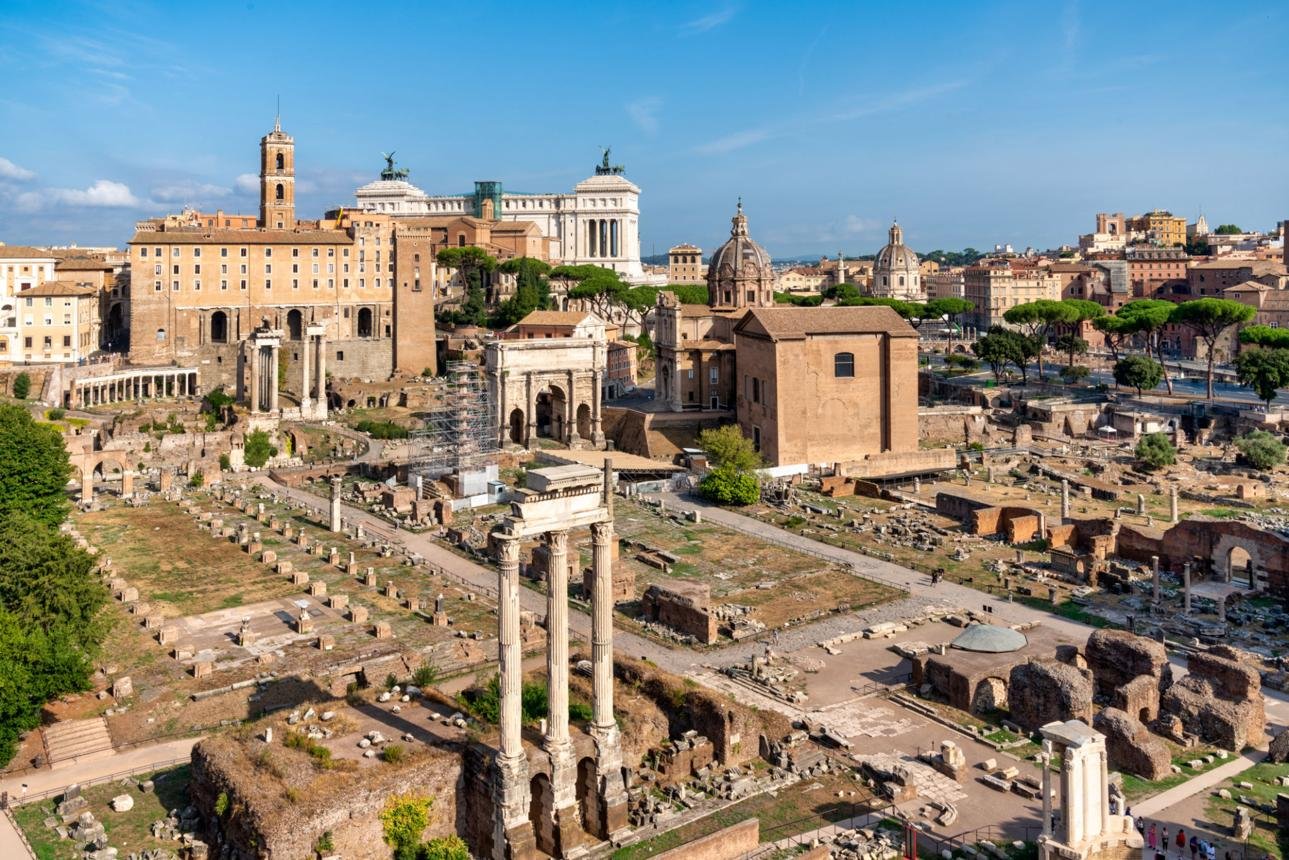
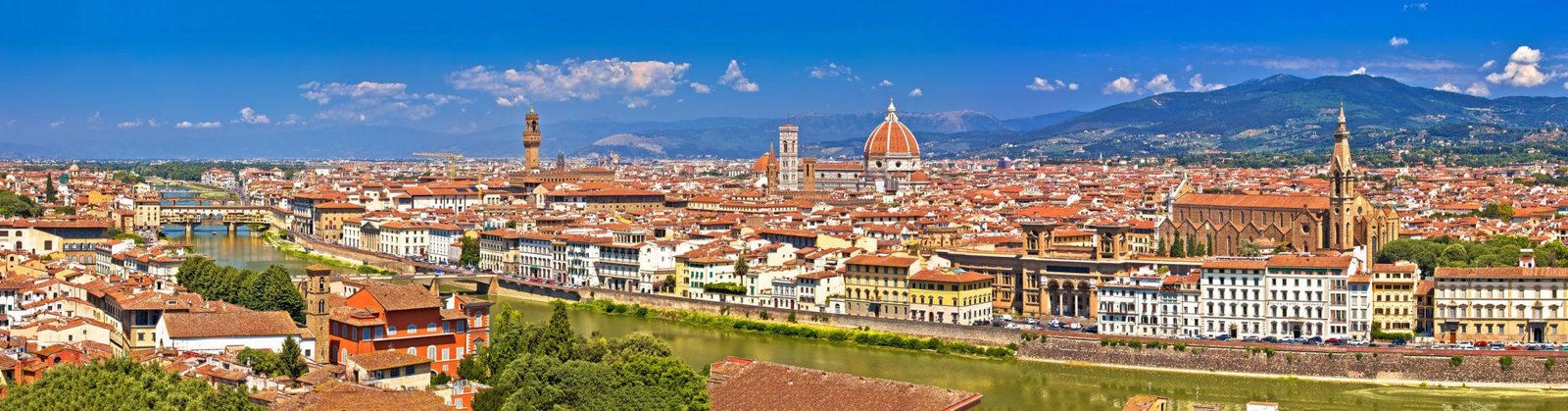
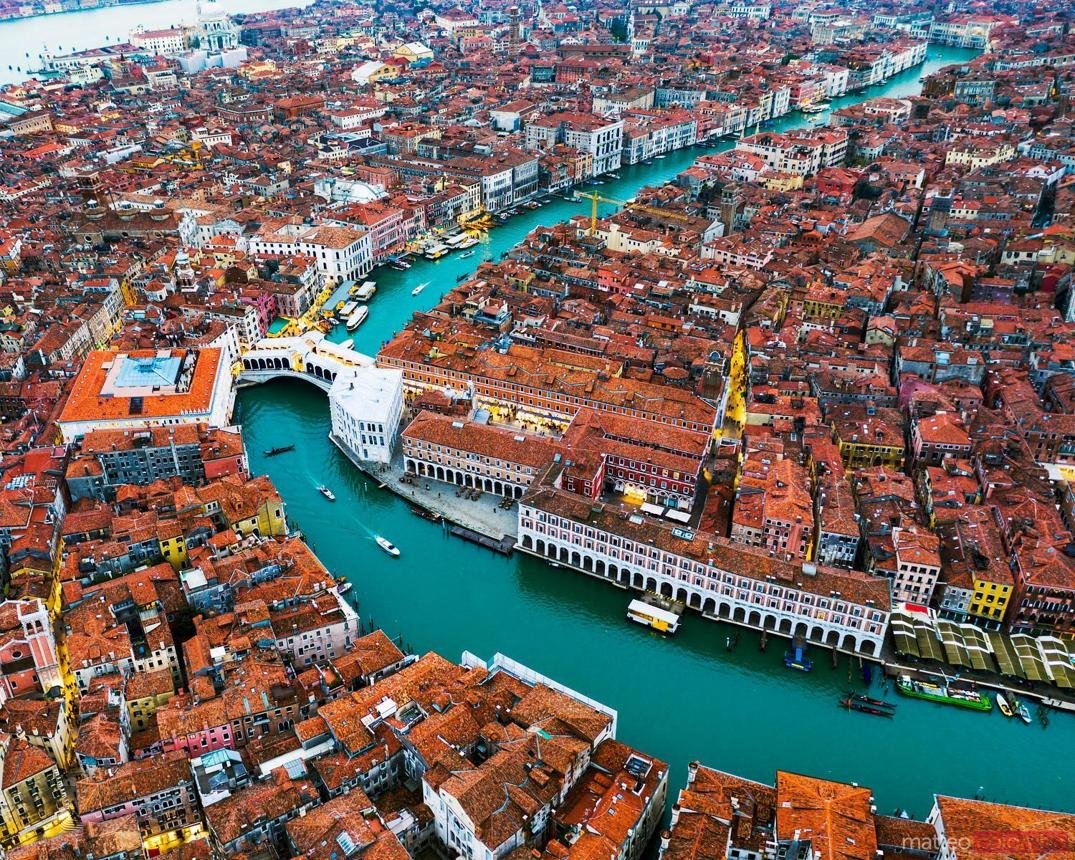
It is impossible to understand the culture of Italy without knowing its history.
Civilizations such as the Etruscans and, above all, the Roman Empire left a mark that is still present.
Later came the Renaissance, an era that revolutionized art, science, architecture and literature.
Each Italian city preserves part of that legacy, so traveling through the country is almost like visiting a huge open-air museum.
Personally, one of the things that surprised me the most while preparing my trip was discovering how each region has different customs, but they all maintain a strong Italian identity.
The family: the heart of Italian society
One of the fundamental pillars of Italian culture is the family.
Italians tend to maintain very close relationships with parents, siblings, grandparents and cousins.
It is common for several generations to meet during:
- Sundays.
- Christmas.
- Easter.
- Birthday.
- Weddings.
- Local festivals.
Many important decisions first depend on family opinion.
It is not unusual to see restaurants full of families sharing long meals for several hours.
Italian gastronomy: much more than pizza and pasta
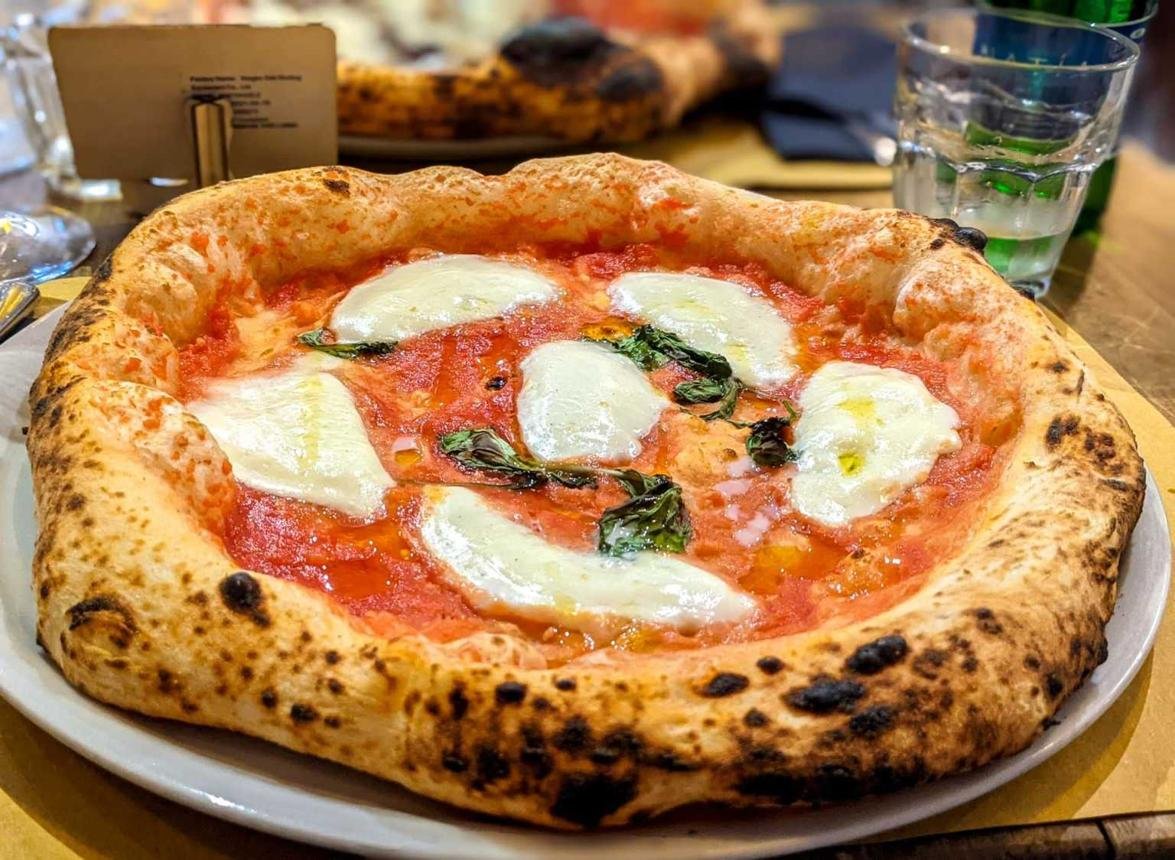
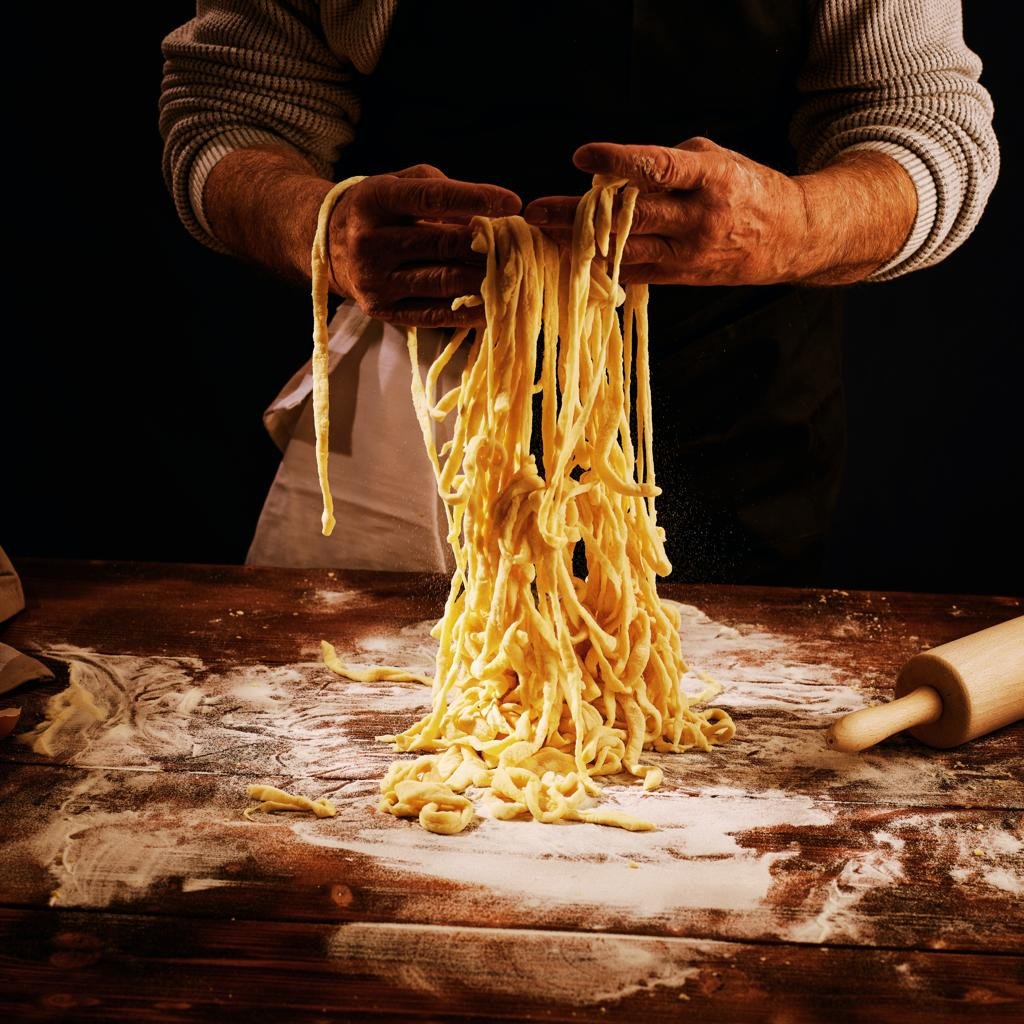

Talking about the culture of Italy also means talking about its gastronomy.
Italian cuisine is considered one of the best in the world due to the quality of its ingredients and the simplicity of its recipes.
Among the most famous dishes we find:
- Neapolitan pizza.
- Fresh pasta.
- Lasagna.
- Risotto.
- Ravioli.
- Gnocchi.
- Tiramisu.
- Cannoli.
- Gelato.
Something that caught my attention while researching Italian cuisine is that many traditional recipes change completely depending on the region where they are prepared.
What you eat in Sicily can be very different from what you will find in Milan or Venice.
Coffee is part of everyday life
In Italy, drinking coffee is practically a ritual.
Italians usually drink:
- Espresso.
- Cappuccino.
- Macchiato.
- Caffè lungo.
There is even a small well-known cultural norm: cappuccino is usually only drunk in the morning.
After lunch, most prefer an espresso.
Italian art has influenced the entire world
Italy has been the birthplace of some of the most important artists in history.
Among them are:
- Leonardo da Vinci.
- Michelangelo.
- Raphael.
- Botticelli.
- Donatello.
- Caravaggio.
Thanks to the Renaissance, Italy became the artistic center of Europe for centuries.
Millions of tourists currently visit Italian museums to see some of the most famous works on the planet.
Architecture that tells centuries of history
Few nations have an architectural wealth comparable to Italy.
It is possible to find constructions from practically all historical periods.
Among them:
- Roman amphitheaters.
- Medieval basilicas.
- Renaissance palaces.
- Baroque churches.
- Castles.
- Historic villas.
Each city offers a different style that reflects its evolution over time.
Italian fashion
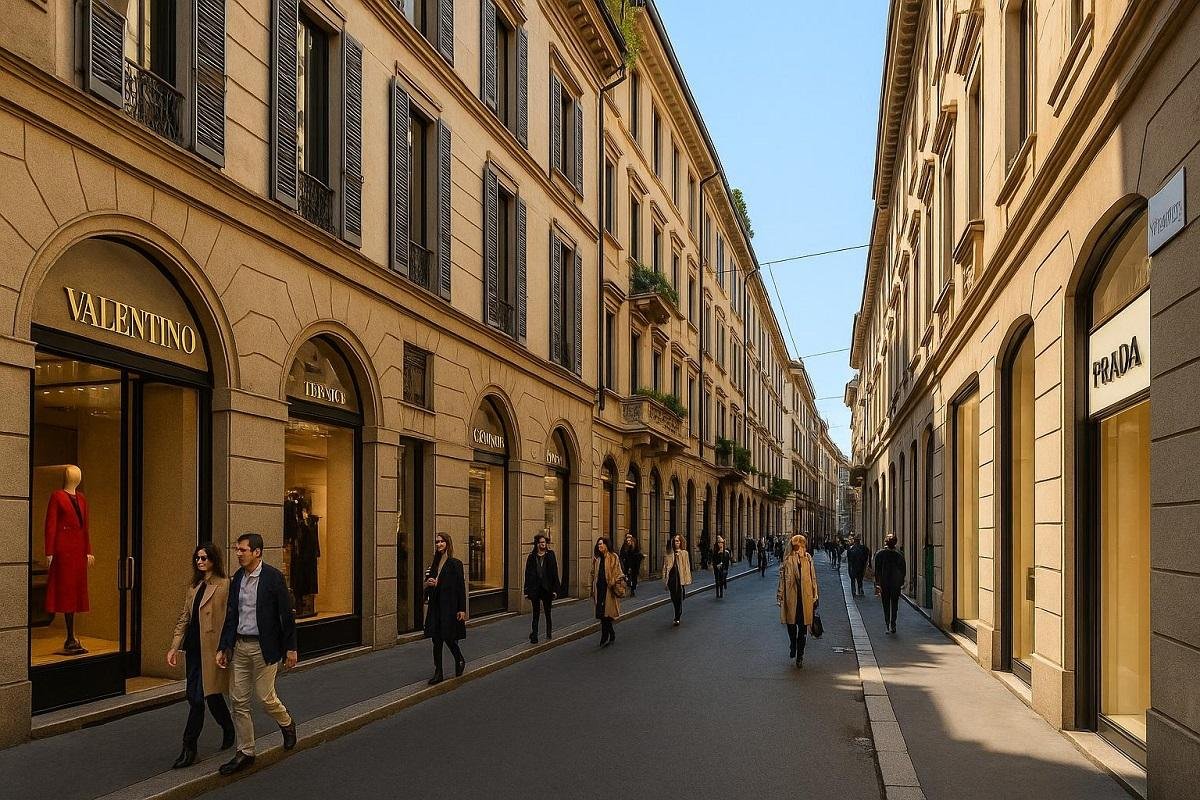

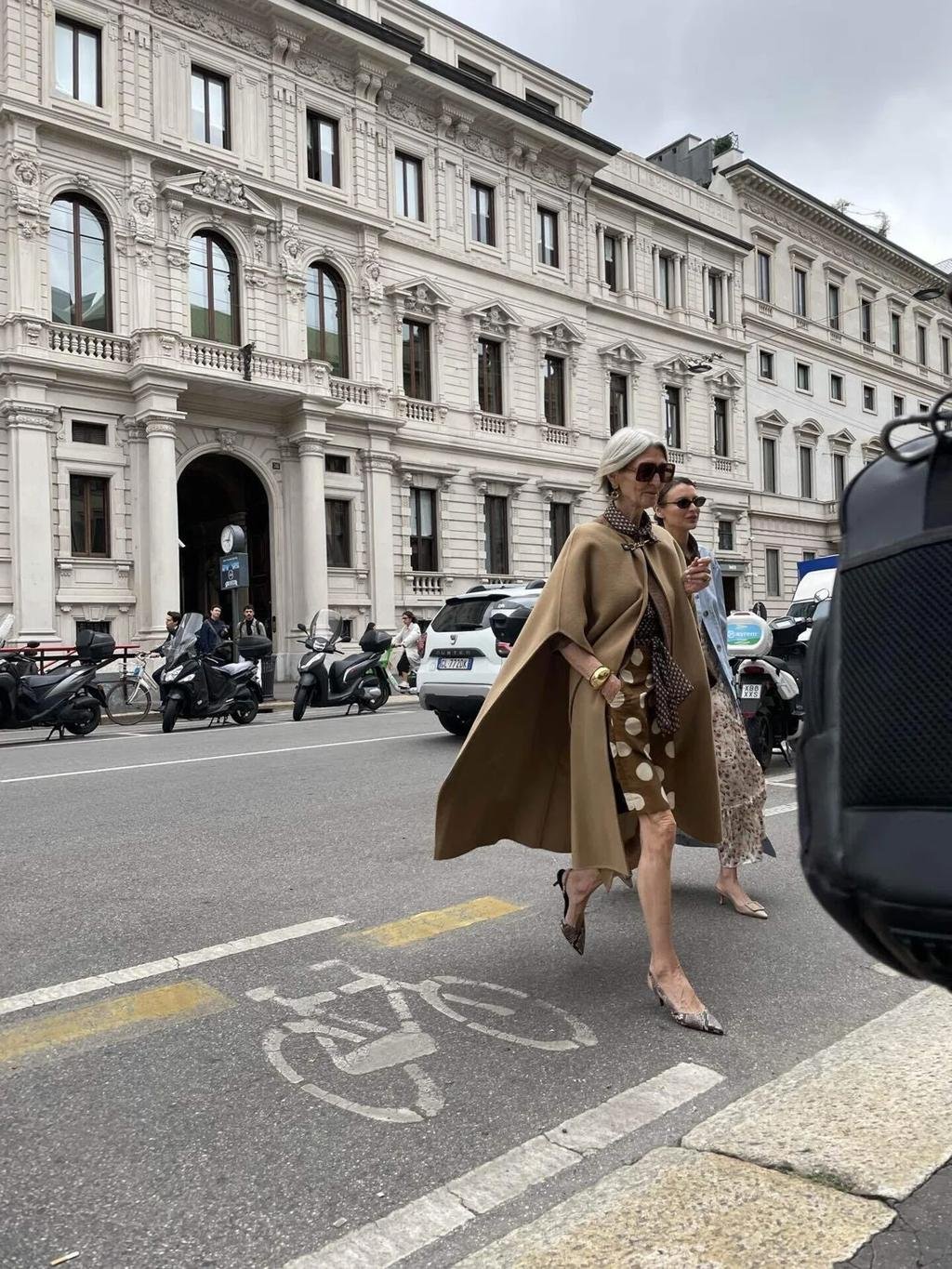
Italy is a global reference in the world of fashion.
Italian brands are known for their quality, design and elegance.
Milan is considered one of the international capitals of fashion.
During the year, important events are held where designers from all over the world participate.
Italians tend to take great care in the way they dress, even for everyday activities.
Music and opera
Music occupies a very important place in Italian culture.
Italy was the birthplace of opera.
Composers as:
- Giuseppe Verdi.
- Gioachino Rossini.
- Giacomo Puccini.
- Antonio Vivaldi.
They have deeply influenced classical music.
Currently, numerous pop, rock and electronic music artists also stand out.
Traditional festivals and celebrations
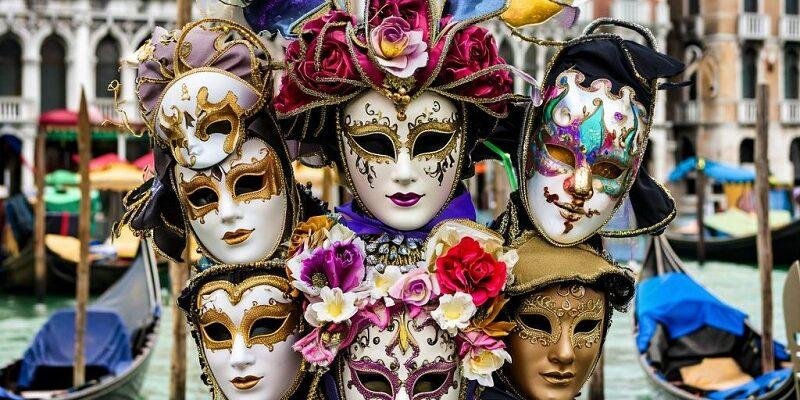
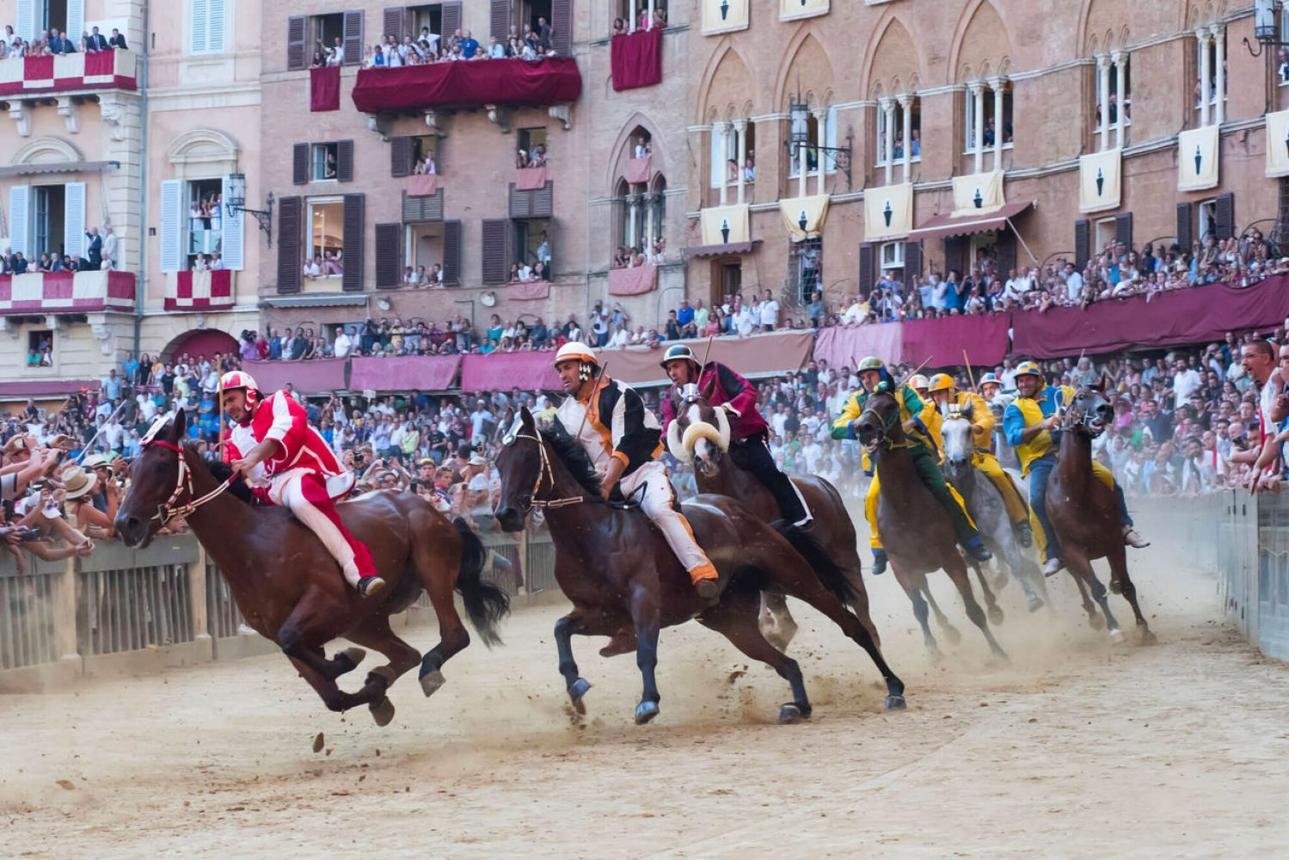
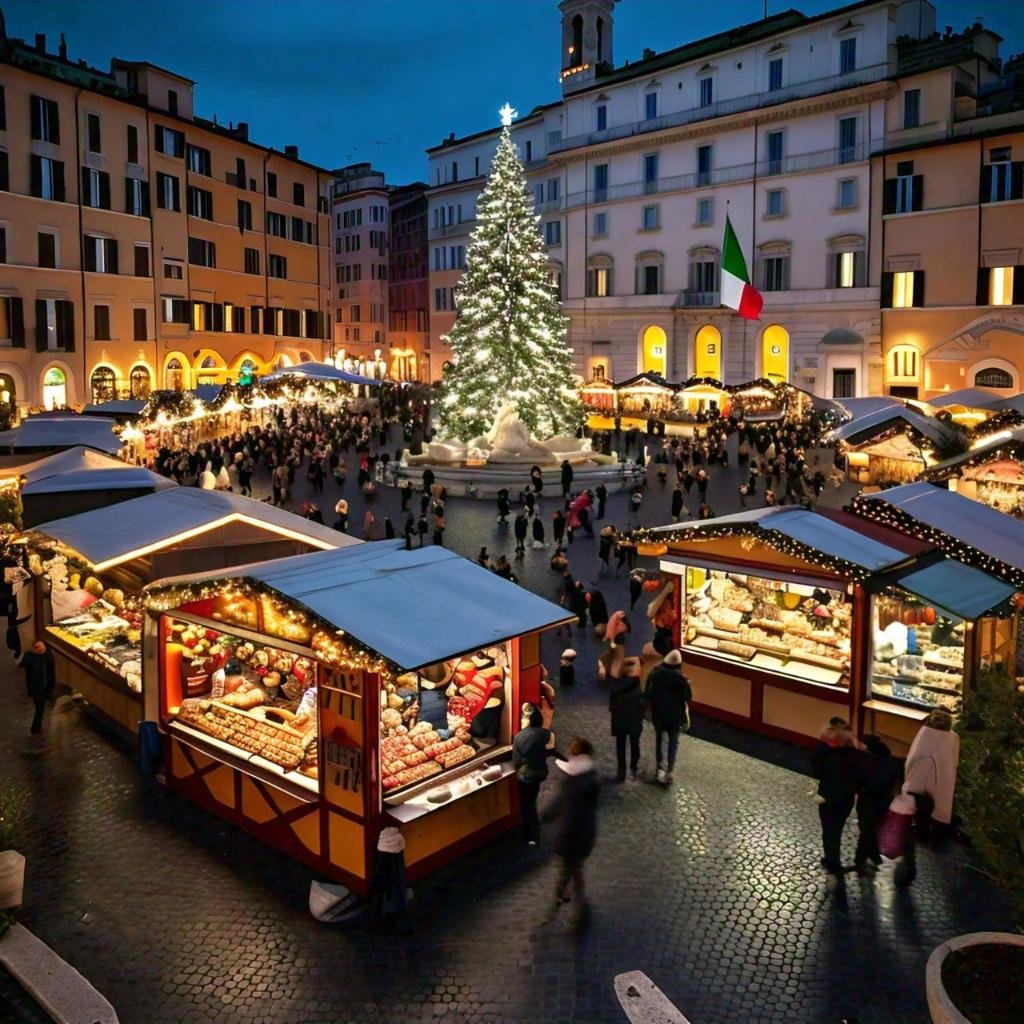
Italy celebrates numerous festivities throughout the year.
Among the best known we find:
- Venice Carnival.
- Palio of Siena.
- Easter.
- Christmas.
- Easter.
- Festival of the Republic.
Each region maintains its own celebrations with centuries of tradition.
Religion in Italy
The majority of the Italian population historically identifies with Catholic Christianity.
The Vatican, located in the center of Rome, makes Italy a very special place for millions of believers.
Although there is an increasingly diverse society today, many religious celebrations are still part of everyday life.
The Italian language
The official language is Italian.
However, there are numerous regional dialects that are still in use.
Some are so different that they could be considered their own languages.
Additionally, in certain regions they also speak:
- German.
- French.
- Slovenian.
- Ladino.
Italian customs that surprise tourists

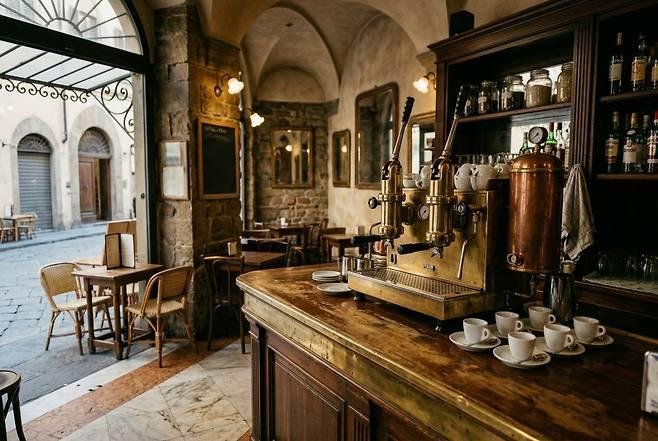
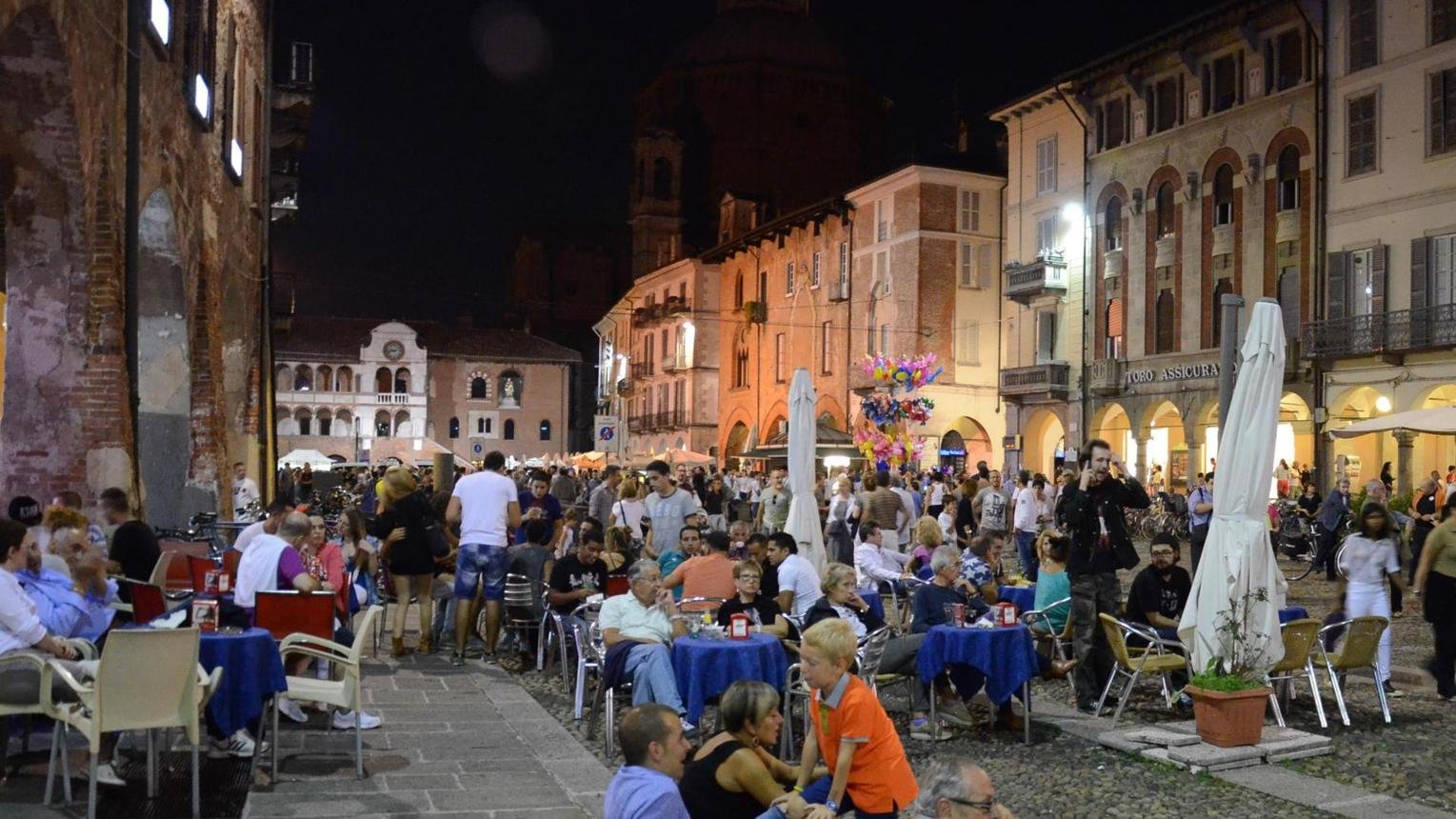
During my research I found several customs that usually catch the attention of those who visit Italy for the first time.
Some of them are:
- Greet with two kisses between friends and family.
- Eat much later than in many countries.
- Enjoy long after-dinner conversations.
- Give great importance to the quality of the ingredients.
- Stroll through the squares at dusk.
- Speak using numerous hand gestures.
They are small details that help understand the Italian personality.
Regions also have their own cultures
One of the most interesting aspects of Italy is its enormous regional diversity.
Each region has:
- Different gastronomy.
- Dialects.
- Architecture.
- Traditions.
- Popular festivals.
- Music.
- Crafts.
For example:
- Sicily has a strong Mediterranean influence.
- Tuscany stands out for its Renaissance art.
- Veneto is famous for Venice.
- Lombardy combines tradition with modernity.
- Campania is the birthplace of Neapolitan pizza.
This makes traveling through Italy a very varied experience.
Curiosities about the culture of Italy
- Italy has the largest number of UNESCO World Heritage sites.
- Italian derives directly from Latin.
- Modern pizza was born in Naples.
- Italian espresso is famous all over the world.
- The Venice Carnival has more than 800 years of history.
- Milan is one of the great international centers of fashion.
- The Renaissance began in Florence.
- Opera was born in Italy.
Why get to know Italian culture before traveling?
I always recommend spending a little time getting to know the local culture before visiting any country.
In the case of Italy, understanding its customs makes the experience much more authentic.
Knowing why Italians value family meals so much, knowing the origin of their festivals or understanding the importance of art allows you to enjoy each city, museum or restaurant much more.
After researching for hours on Italian culture, I ended up understanding that the true charm of the country is not only in its monuments, but also in the way its inhabitants live their daily lives.
Frequently Asked Questions (FAQs)
What is the main characteristic of Italian culture?
The importance of family, gastronomy, art, history and cultural heritage are some of its most representative features.
What traditions are typical in Italy?
Family reunions, religious festivals, the Venice Carnival, long meals and strolls through the squares are part of many Italian traditions.
Why is Italian gastronomy so famous?
Because it uses fresh ingredients, traditional recipes and an enormous regional variety that has conquered practically the entire world.
Which cities best represent Italian culture?
Rome, Florence, Venice, Milan, Naples, Bologna and Palermo are some of the best destinations to discover Italian cultural wealth.
What is the importance of the Renaissance in Italian culture?
The Renaissance turned Italy into the artistic and intellectual center of Europe, leaving a legacy that still influences painting, architecture, literature, science and world culture today.