
Brazil’s culture is one of the most vibrant, diverse and fascinating in the world. Every time I research this enormous country I am surprised by the way in which it managed to fuse indigenous, African, European and Asian influences to create its own identity that today is recognized on all continents.
When most people think of Brazil, they imagine beaches, samba and carnival. However, Brazilian culture goes much further. It is an extraordinary blend of history, art, religion, gastronomy, music and traditions that reflect centuries of cultural exchange.


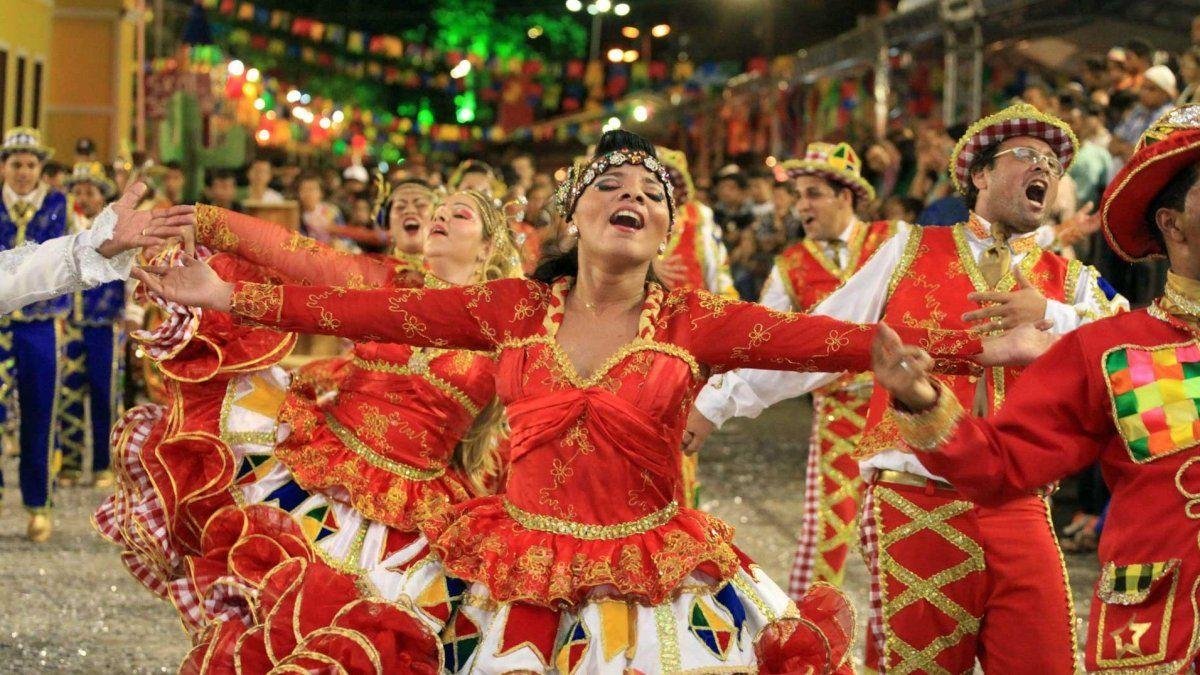
In this guide you will discover the most important aspects of Brazilian culture, its customs, artistic expressions, festivities and everything that makes the country one of the most culturally rich nations on the planet.
How was Brazil’s culture formed?
Brazilian cultural identity was born from the combination of diverse peoples and civilizations.
The main groups that contributed to its formation were:
- Original indigenous peoples.
- Portuguese colonizers.
- African slaves.
- Italian immigrants.
- German immigrants.
- Japanese communities.
- Arab migrants.
This cultural mix produced a diverse society where ancient traditions and modern expressions coexist.
Something that I have always found fascinating is how Brazil managed to integrate so many different influences without losing a strong and recognizable national identity.
The indigenous influence on Brazilian culture
Before the arrival of the Europeans, millions of indigenous people inhabited Brazilian territory.
His legacy is still present at:
- Names of cities and regions.
- Traditional foods.
- Natural medicine.
- Crafts.
- Local languages.
- Knowledge about the Amazon rainforest.
Many words used daily in Brazilian Portuguese have indigenous origins, especially from the Tupi-Guarani peoples.
African heritage in Brazil
African influence is one of the fundamental pillars of Brazilian culture.


For centuries millions of Africans arrived in the country, leaving a deep mark on:
- The music.
- The dance.
- Gastronomy.
- Religion.
- The language.
- Popular celebrations.
States like Bahia are especially known for preserving strong Afro-Brazilian traditions.
Capoeira: martial art and cultural expression
Capoeira combines:
- Music.
- Acrobatics.
- Personal defense.
- Dance.
- African tradition.
Today it is one of the best-known cultural symbols of Brazil.
The Portuguese language in Brazil
Brazil is the only country in Latin America where the official language is Portuguese.
Although it shares roots with European Portuguese, Brazilian Portuguese developed its own characteristics:
- Different pronunciation.
- Regional expressions.
- Indigenous influences.
- African contributions.
This feature clearly differentiates Brazil from its Spanish-speaking neighbors.
Brazilian music: much more than samba
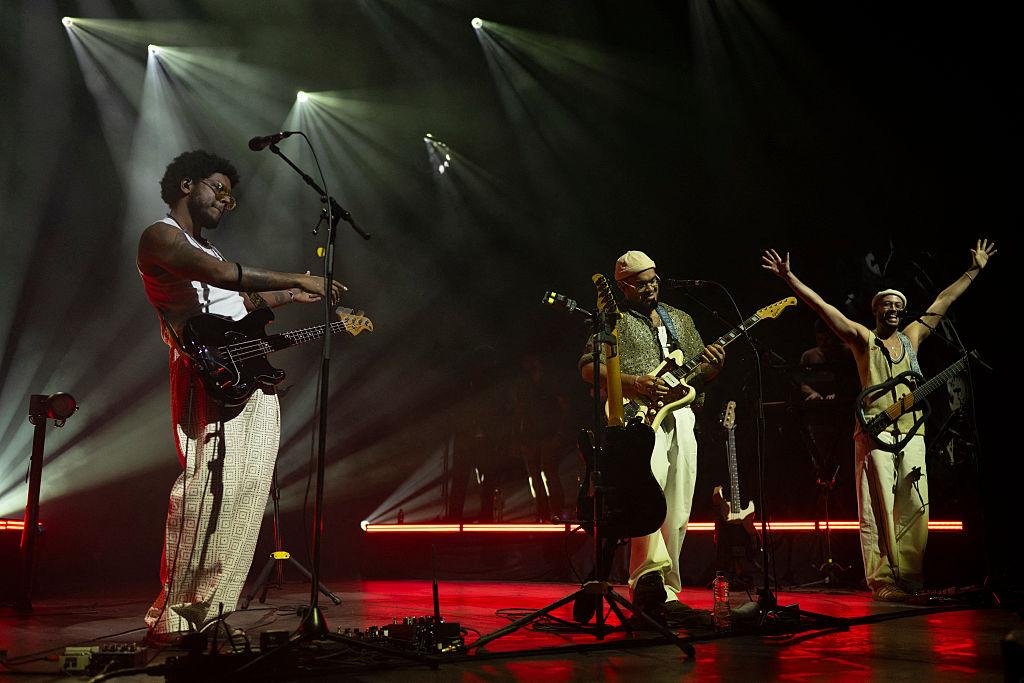
When talking about Brazilian culture, music takes center stage.

Samba
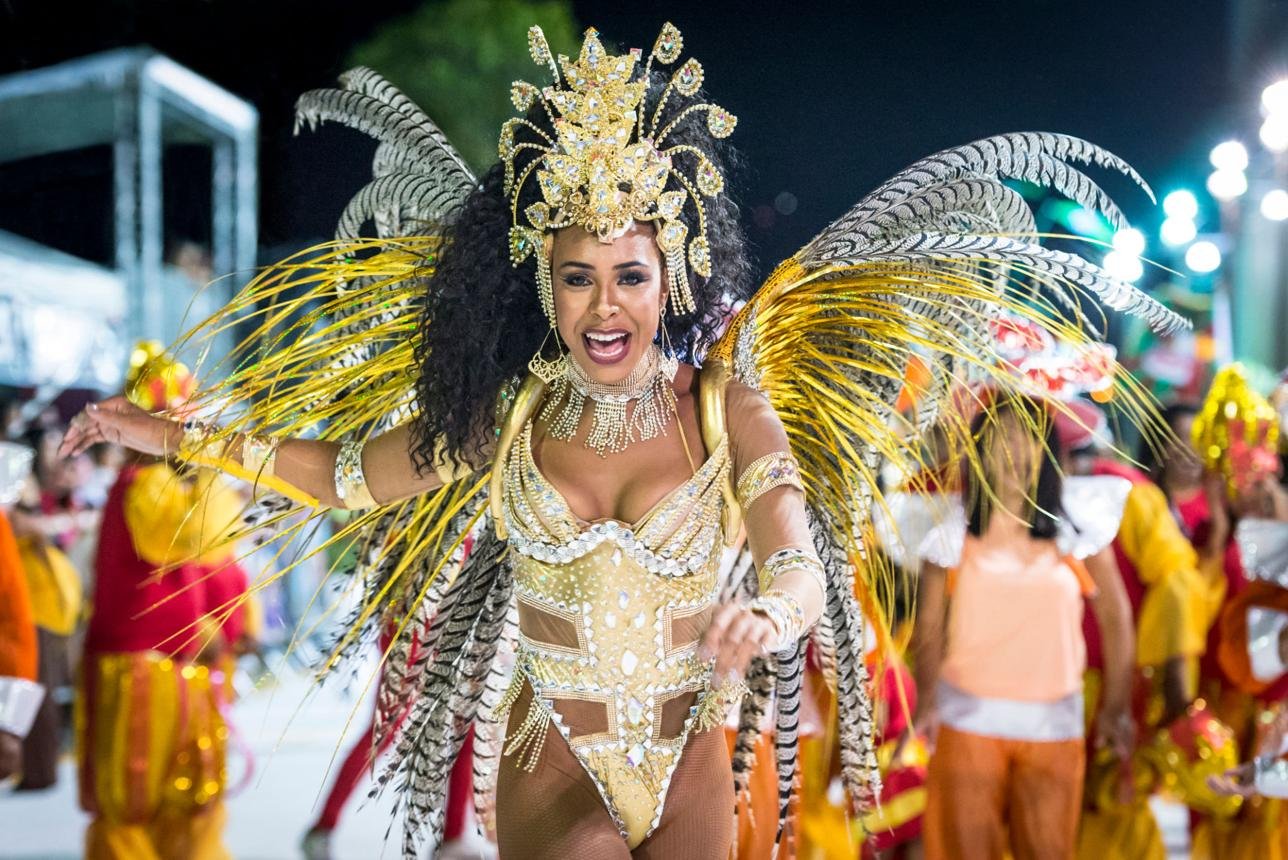
Samba is probably the most representative musical genre in the country.
Its roots combine elements:
- Africans.
- Europeans.
- Indigenous.
It is deeply linked to carnival and popular celebrations.
Bossa Nova
Bossa nova brought Brazilian music to the international stage.
Artists like Antônio Carlos Jobim revolutionized music during the 20th century.
Other popular genres
Brazil also stands out for:
- Forró.
- Sertanejo.
- MPB (Brazilian Popular Music).
- Rio funk.
- Axé.
- Choro.
Carnival: the most famous festival in Brazil
Talking about Brazilian culture without mentioning the carnival would be impossible.
The Rio de Janeiro Carnival is one of the best-known events in the world.
Every year it meets:
- Samba schools.
- Thousands of dancers.
- Spectacular floats.
- Millions of tourists.


What impresses me most about the Brazilian carnival is that it is not just a party. Behind it there is enormous artistic, cultural and community work that lasts all year round.
Brazilian gastronomy
Brazilian food perfectly reflects the country’s cultural diversity.
Feijoada
Feijoada is considered by many to be the national dish.
Prepared with:
- Black beans.
- Different types of meat.
- Rice.
- Farofa.
- Orange.
Other typical Brazilian dishes
Among the most popular meals are:
- Pão de queijo.
- Moqueca.
- Acarajé.
- Steak.
- Vatapá.
- Brigadeiro.


Each region has its own recipes, which makes Brazil one of the most interesting gastronomic destinations in America.
Religion and spirituality in Brazil
Brazil is one of the countries with the greatest religious diversity on the continent.
Major beliefs include:
- Catholicism.
- Protestantism.
- Spiritualism.
- Candomblé.
- Umbanda.
- Indigenous religions.
The coexistence of different religious traditions has contributed enormously to Brazilian cultural wealth.
Brazilian Literature
Brazil has produced writers of enormous international relevance.
Among the most notable we find:
- Machado de Assis
- Jorge Amado
- Clarice Lispector
His works help to understand the social and cultural evolution of the country.
Art and architecture of Brazil
Brazilian art combines European, indigenous and African elements.
In architecture the following stand out:
- Colonial churches.
- Historical centers.
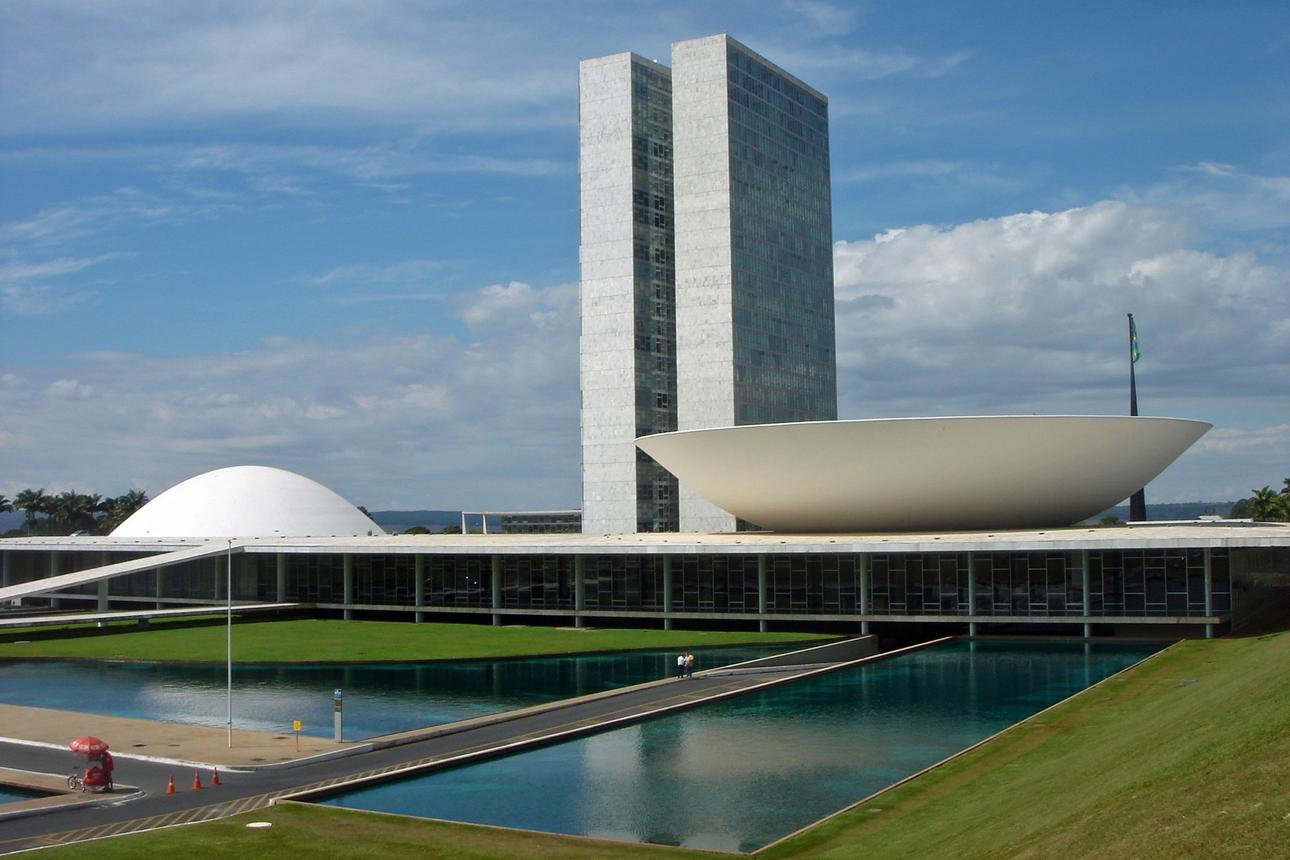
- Modern buildings.
- Innovative urban planning works.
The city of Brasilia is considered a world reference for modern urban planning.


Brazilian customs and traditions
Brazilians are known for their open and sociable nature.
Some typical customs include:
- Value family life.
- Hold frequent social gatherings.
- Enjoy music and dancing.
- Practice outdoor sports.
- Share meals as a group.
The passion for football
Soccer is much more than a sport in Brazil.
Legendary figures like Pelé helped turn the country into a global soccer power.
Football is part of the national identity and is present in practically every corner of the country.
Amazonian culture
The Amazon region has unique cultural characteristics.
Local communities maintain:
- Ancestral traditions.
- Medicinal knowledge.
- Traditional crafts.
- Direct relationship with nature.
The Amazon represents one of the greatest cultural and environmental riches of Brazil.
Curiosities about the culture of Brazil
Brazil has the largest Japanese community outside of Japan
Japanese immigration began at the beginning of the 20th century and left an important influence in cities like São Paulo.
There are hundreds of regional cultural events
The culture of the northern Amazon is very different from that of the south of the country.
Samba was internationally recognized
Today it is one of the best-known cultural symbols on the planet.
The carnival generates millions of visitors
It is one of the largest tourist and cultural events in the world.
Frequently Asked Questions (FAQs)
What is the main characteristic of Brazilian culture?
Its diversity, the result of the mix between indigenous, African, European and Asian influences.
What is the traditional music of Brazil?
Samba is the most representative genre, although bossa nova, forró and sertanejo also stand out.
What is the typical food of Brazil?
Feijoada is often considered the Brazilian national dish.
What language is spoken in Brazil?
Portuguese is the official language of the country.
What is the Brazilian carnival famous for?
For its spectacular parades, samba schools and enormous cultural relevance.
A country where each region tells a different story
Exploring the culture of Brazil is discovering an extraordinary mix of traditions, rhythms, flavors and artistic expressions. From the Amazon to the Atlantic beaches, from samba to literature, every corner of the country contributes something unique to the national identity.
Every time I delve into Brazilian customs, I find new details that explain why Brazil exerts so much cultural influence on the world. Its ability to merge different historical roots and transform them into a vibrant, joyful and diverse culture is, without a doubt, one of the great riches of Latin America.