
History of Chile: a fascinating journey through its past
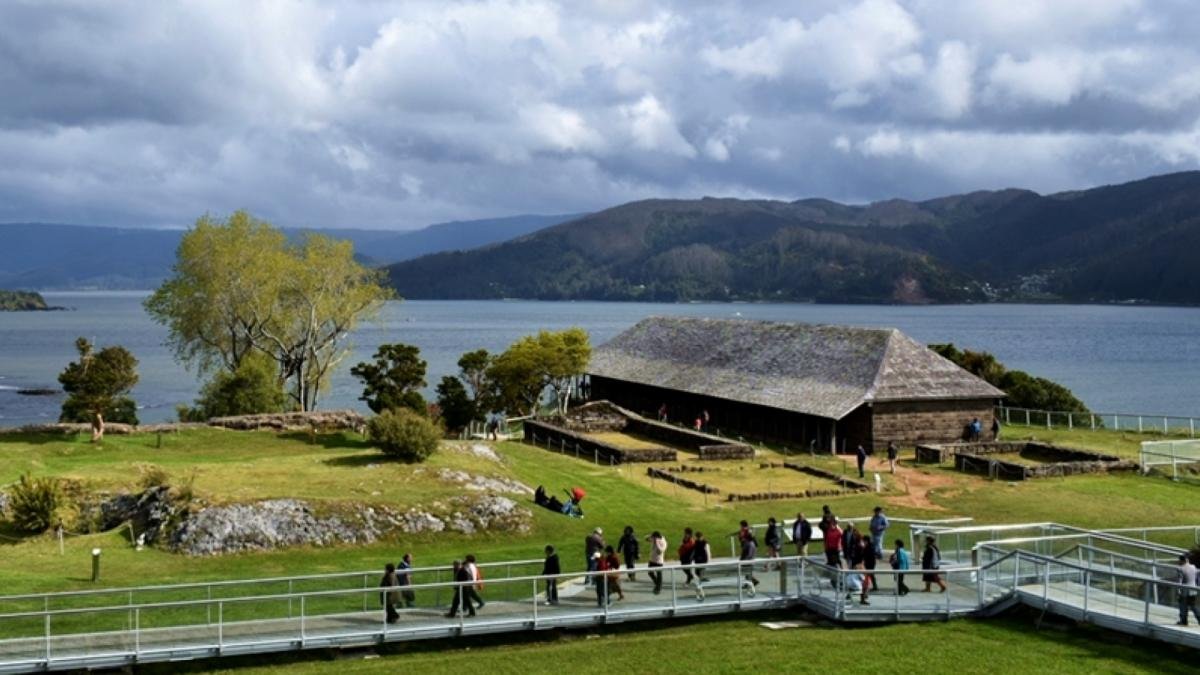
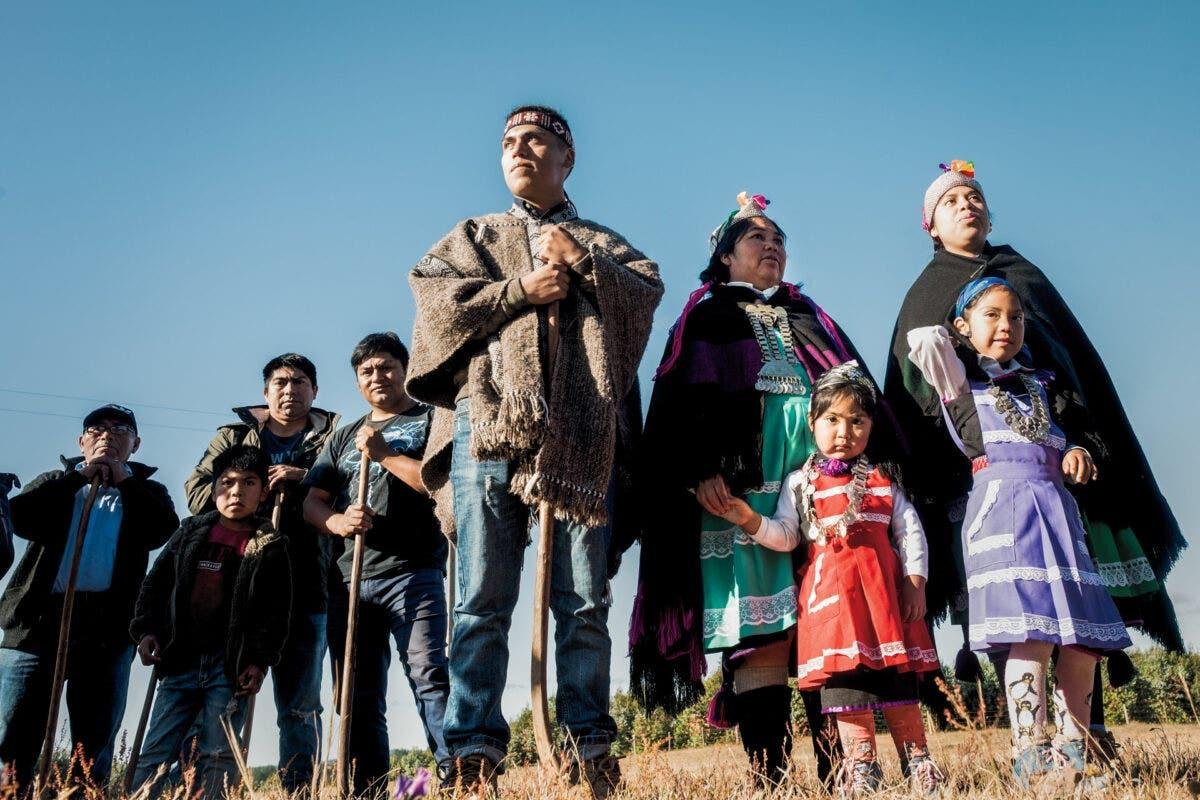
When I started researching the history of Chile, I was surprised to discover that it is not just about political dates and events. Chilean history is marked by ancestral cultures, conquest processes, struggles for independence, economic transformations and a national identity that has been built for centuries.
If you have ever wanted to understand how modern Chile emerged, here you will find a complete and easy-to-understand guide to the country’s historical evolution.
The first inhabitants of Chile
Long before the arrival of Europeans, the Chilean territory was inhabited by various indigenous peoples who developed cultures adapted to different geographical regions.
Among the main indigenous peoples, the following stood out:
- Mapuches
- Aymaras
- Diaguitas
- Atacameños
- Changos
- Selk’nam
- Rapa Nui
The Mapuches were especially important due to their resistance to attempts at external domination.
The influence of indigenous peoples
Many traditions, words, foods and customs present in Chile have indigenous roots. In fact, when studying Chilean history it is impossible to separate the national identity from the heritage of these people.
The arrival of the Spanish and the conquest

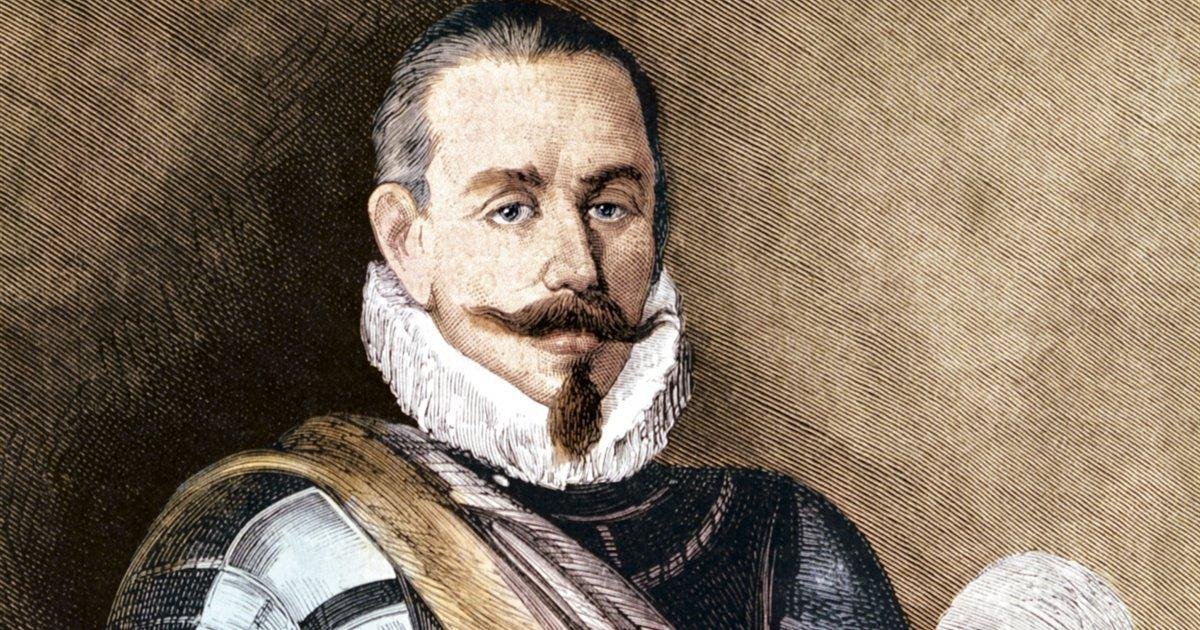

The arrival of the Spanish radically changed the course of the territory’s history.
In 1540, Pedro de Valdivia began the expedition that would culminate with the founding of Santiago in 1541.
However, the conquest was not easy.
The Mapuches offered strong resistance, giving rise to the so-called War of Arauco, one of the longest conflicts in the history of America.
The War of Arauco
This confrontation between the Spanish and the Mapuche lasted for centuries.
Some notable features were:
- Organized indigenous resistance.
- Difficulty in controlling the south of the territory.
- Cultural exchange between both groups.
- Gradual formation of a mestizo society.
Chile during the colonial era
During the 16th, 17th and 18th centuries, Chile was part of the Spanish Empire.
The colonial economy was mainly based on:
- Agriculture.
- Livestock.
- Mining.
- Regional trade.
Although it was a colony relatively far from the great centers of power, its own identity began to develop among its inhabitants.
Everyday life in the neighborhood
The most important cities grew slowly.
Social differences were evident:
- Peninsular Spaniards.
- Creoles.
- Mestizos.
- Indigenous.
- African slaves.
This social system would later influence the independence movements.
The independence of Chile


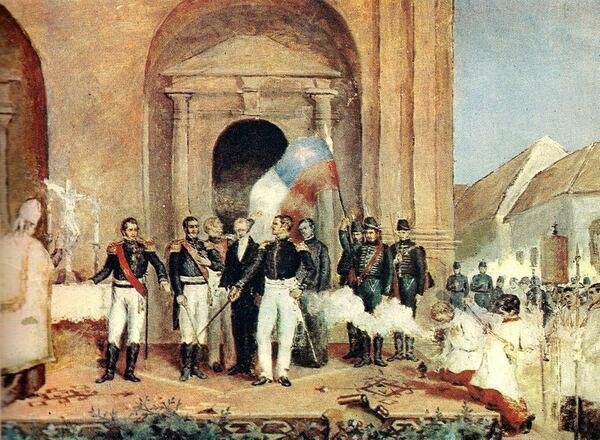
One of the most important chapters in the history of Chile began in 1810.
The crisis of the Spanish monarchy opened the door to independence movements in America.
First National Government Board
On September 18, 1810, the First National Government Board was established, a date that is celebrated today as one of the most important in the Chilean calendar.
Bernardo O’Higgins and José de San Martín
Figures such as Bernardo O’Higgins and José de San Martín played a fundamental role.
After several military campaigns, Chile consolidated its independence in 1818.
The construction of the Republic
Once independence was achieved, the country faced the challenge of building stable institutions.
During the 19th century the following were produced:
- Political reforms.
- Territorial expansion.
- Economic growth.
- Modernization of the State.
The Pacific War
Between 1879 and 1884 the War of the Pacific took place.
This conflict had important territorial and economic consequences for Chile, especially for the control of strategic mineral resources.
The economic boom and the exploitation of saltpeter
At the end of the 19th century and the beginning of the 20th century, saltpeter became one of the main sources of national wealth.
This period allowed:
- Infrastructure construction.
- Railway development.
- Urban growth.
- Strengthening public finances.
However, dependence on a single resource also created economic vulnerabilities.
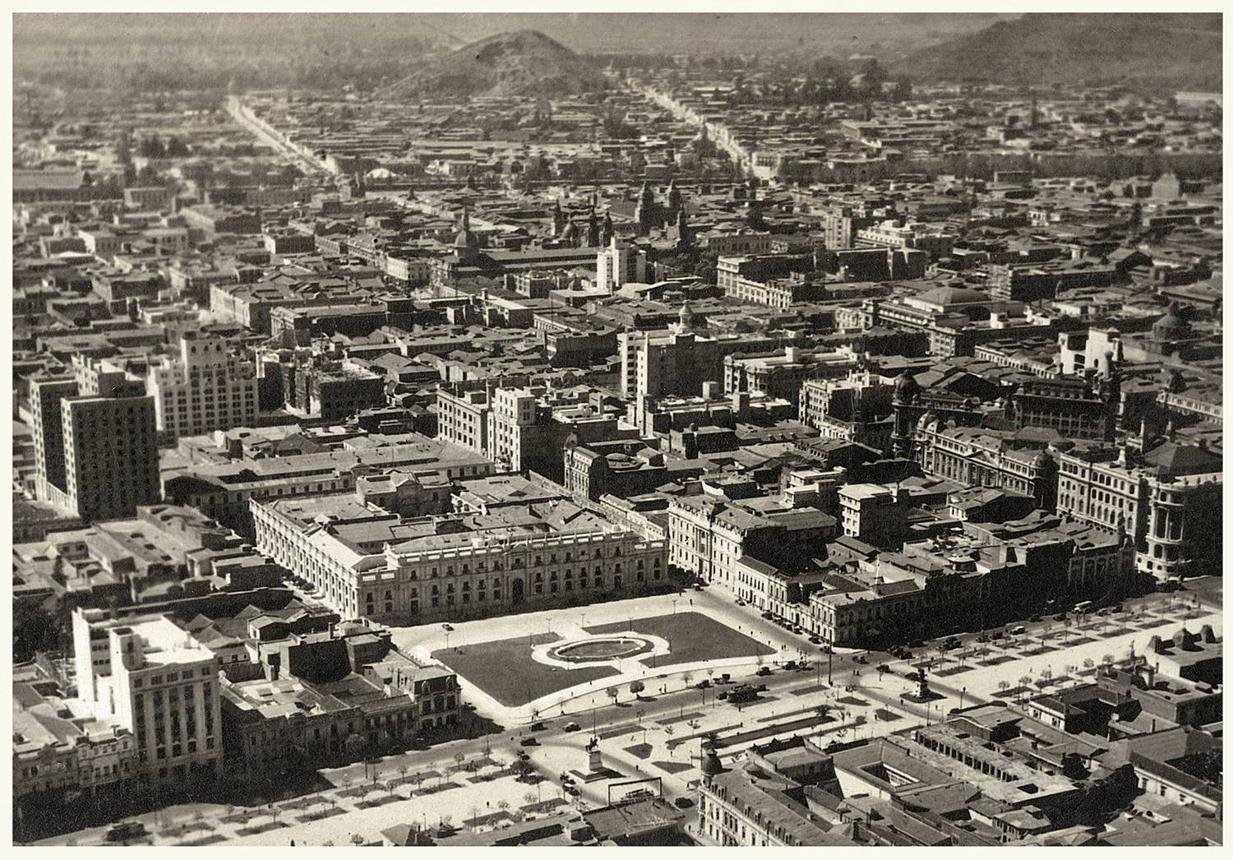
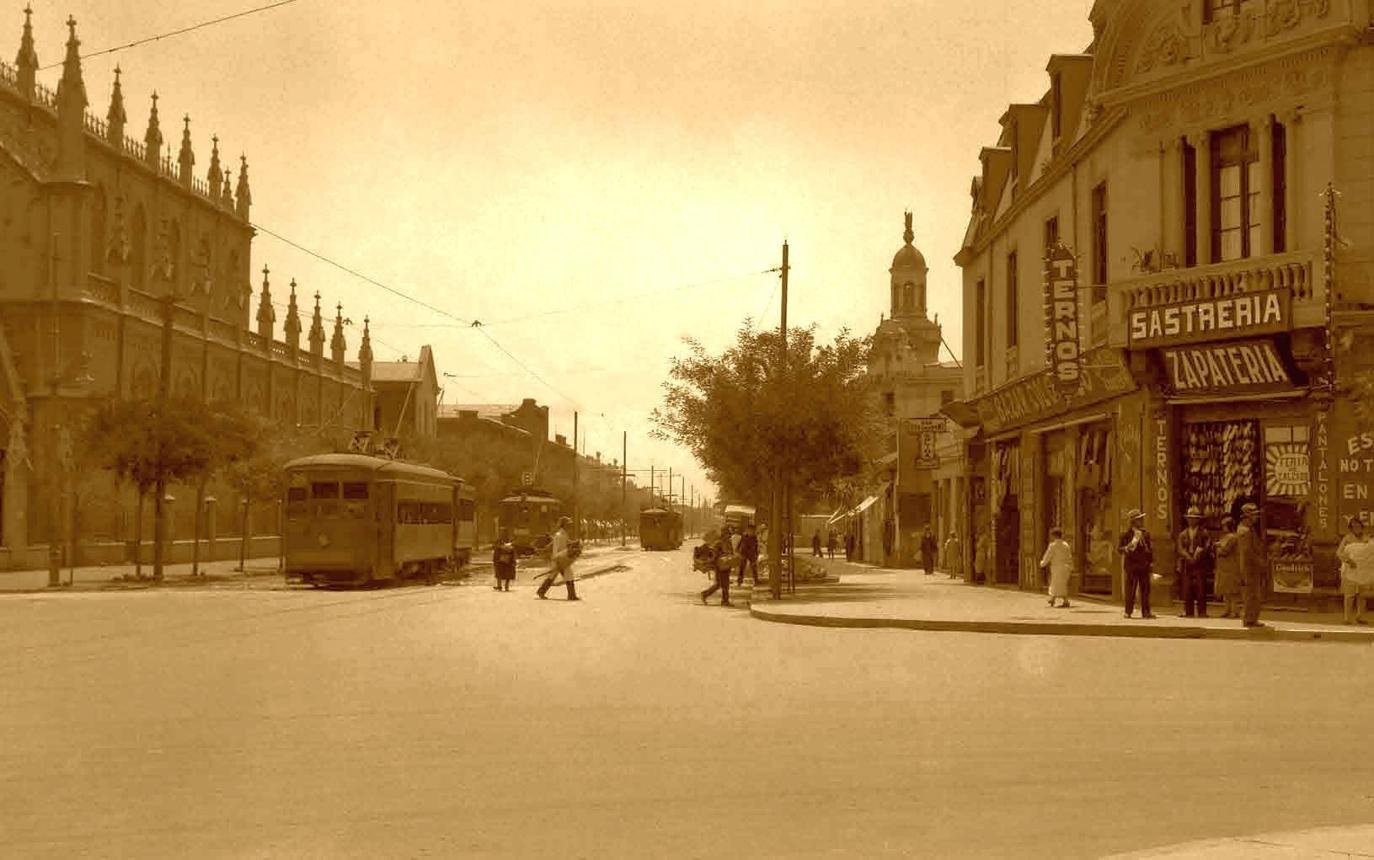
Chile in the 20th century
5
The 20th century was marked by profound political, social and economic changes.
Among them are:
- Industrialization.
- Expansion of education.
- Growth of cities.
- Social reforms.
The government of Salvador Allende
In 1970 Salvador Allende came to power, promoting important economic and social transformations.
The military coup of 1973
On September 11, 1973, a coup d’état led by Augusto Pinochet took place.
This event deeply marked the contemporary history of the country and continues to be the subject of analysis and debate.
The return to democracy
In 1990 a new democratic stage began.
Since then, Chile has experienced:
- Economic growth.
- International opening.
- Technological modernization.
- Poverty reduction.
- Institutional strengthening.
Throughout my research on Chilean history, one of the aspects that most caught my attention was how the country has managed to combine institutional stability with a constant capacity to adapt to political, economic and natural challenges.
The history of Chile today
Today Chile is recognized by:
- Its diversified economy.
- Its development in renewable energies.
- Your leadership in copper mining.
- Its relative stability within Latin America.
- Its cultural and heritage wealth.
History continues to be written with new challenges related to sustainability, innovation and social transformations.
Historical curiosities of Chile
Chile has one of the oldest deserts in the world
The Atacama Desert is considered one of the driest places on the planet.
Mapuche resistance lasted centuries
Few regions in America offered such prolonged indigenous resistance as that carried out by the Mapuche people.
Copper is key to the Chilean economy
Chile is one of the world’s largest producers of copper, a resource that has greatly influenced its historical development.
Frequently Asked Questions (FAQs)
When did the history of Chile begin?
The history of the Chilean territory began thousands of years before the arrival of Europeans, with the first human settlements and the development of various indigenous cultures.
Who founded Santiago de Chile?
The city was founded by Pedro de Valdivia in 1541.
When did Chile obtain its independence?
Chile formally declared its independence in 1818.
What was the most important conflict of the 19th century?
The Pacific War is considered one of the most relevant events of the Republican period.
Which indigenous people had the greatest historical influence?
The Mapuche people played a fundamental role due to their resistance and cultural legacy.
A journey through centuries of identity and transformation
Understanding the history of Chile is understanding how a diverse territory managed to build a nation with its own identity. From the native peoples and the Spanish conquest to independence, republican consolidation and contemporary challenges, each stage left visible marks on Chilean culture, politics and society.
Therefore, every time I delve into Chilean history, I discover that behind each city, monument and tradition there is a fascinating story that helps explain the Chile we know today.