
The culture of Colombia is one of the richest, most diverse and fascinating in Latin America. Talking about Colombia is not just talking about coffee, Caribbean beaches or Andean mountains; is to discover a country where hundreds of traditions, musical rhythms, artistic expressions and customs that have evolved over centuries coexist.
The first time I delved into Colombian culture, I was struck by how each region seems like a different country. In the same trip you can listen to vallenato on the Caribbean coast, dance salsa in Cali, try completely different dishes in Medellín and discover indigenous communities that preserve ancestral traditions. That diversity is precisely what makes Colombia so special.
How was Colombia’s culture formed?
Colombian cultural identity was born from the mixture of three great influences:
- The original indigenous peoples.
- The Spanish colonizers.
- The African communities brought during the colonial era.
As the centuries passed, contributions from European, Arab and Asian immigrants also arrived, further enriching the country’s customs.
This combination gave rise to a unique culture that is reflected in music, gastronomy, architecture, language and popular celebrations.

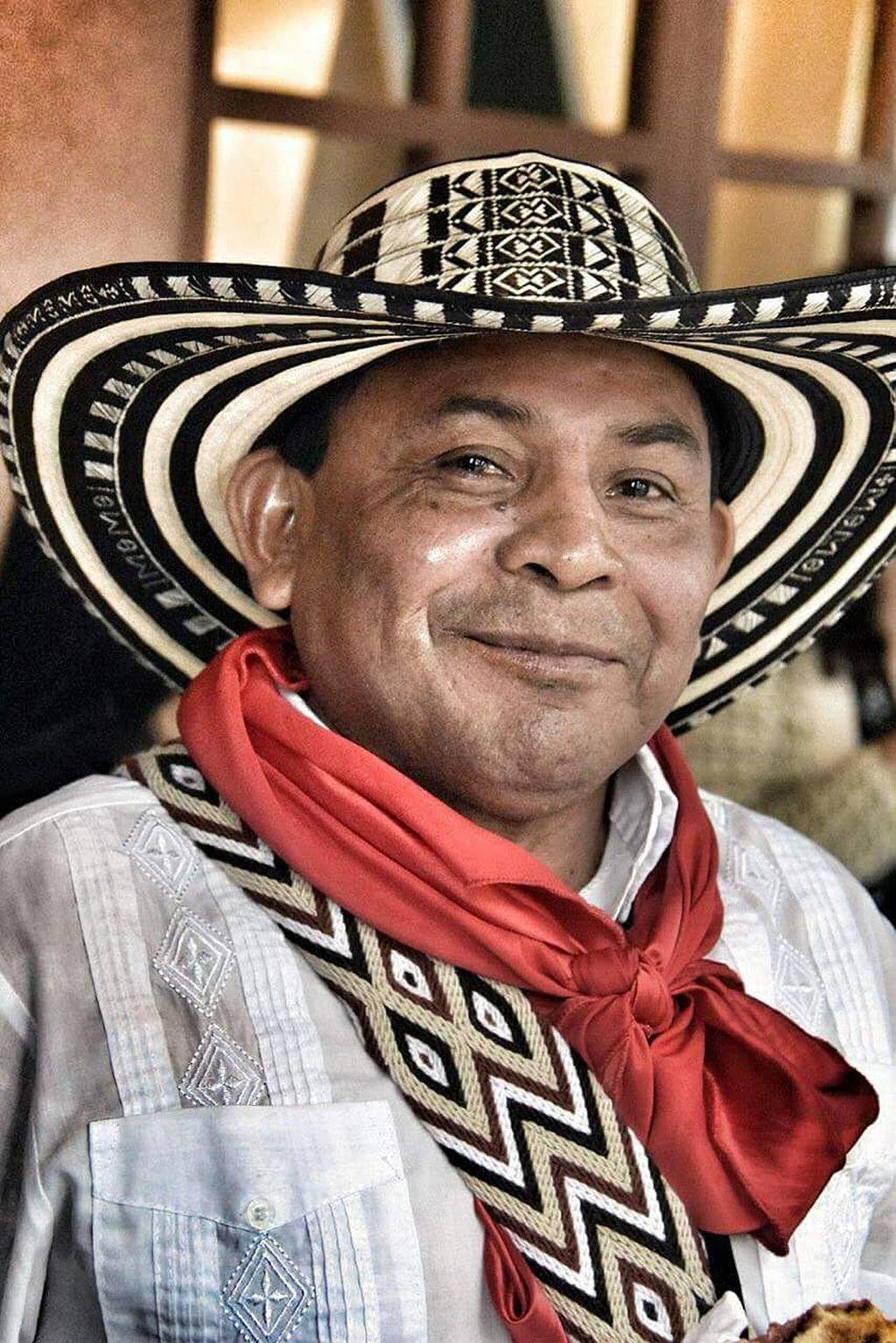

The cultural diversity of Colombia
One of the most surprising aspects of Colombian culture is its enormous regional diversity.
The country is divided into six natural regions:
- Caribbean Region
- Andean Region
- Pacific Region
- Amazon Region
- Orinoquía Region
- Island Region
Each one has its own traditions, accents, gastronomy and artistic expressions.
Caribbean Region
The Caribbean coast stands out for its joy, its carnivals and its musical rhythms.
Popular genres such as:
were born here- Vallenato
- Cumbia
- Champeta
- Joint
Andean Region
It is the most populated area of the country and where cities such as Bogotá and Medellín are located.
Andean culture is closely linked to:
- Traditional music
- Coffee
- Religious festivals
- Mountain gastronomy
Pacific Region
The Afro-descendant influence is especially strong in this region.
Its musical and gastronomic traditions are considered among the most authentic on the continent.
Colombian music: cultural heritage of the country
When someone thinks about Colombian culture, music is probably one of the first things that comes to mind.
Few countries have contributed so many rhythms to the Latin American musical scene.

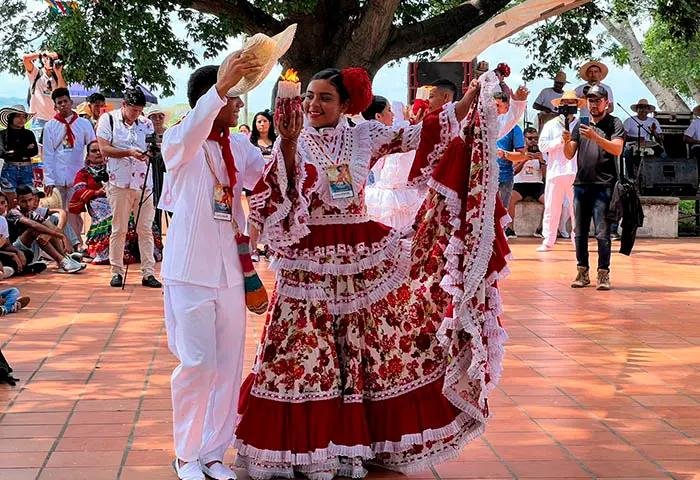

The cumbia
Cumbia is one of the most representative genres of Colombia.
It was born from the mix between indigenous, African and European traditions.
It is currently known and danced in much of Latin America.
Vallenato
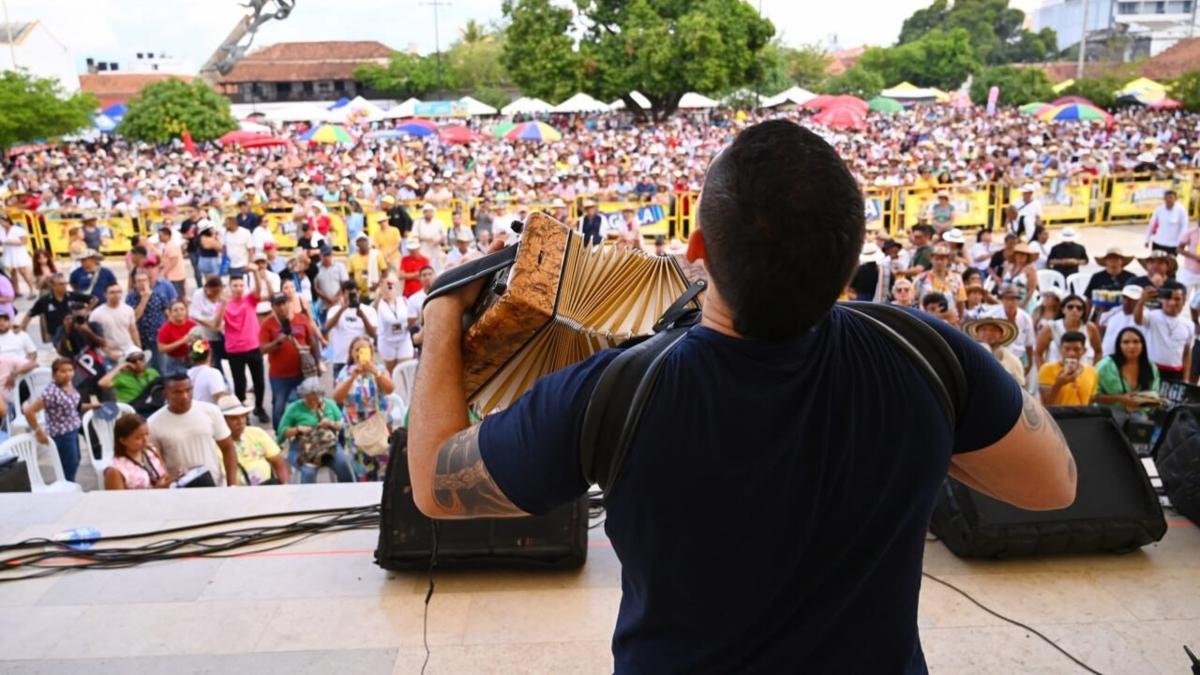
Originating from the Caribbean coast, vallenato uses traditional instruments such as:
- Accordion
- Vallenata box
- Guacharaca
It was declared Intangible Cultural Heritage by UNESCO.
Colombian sauce
Although salsa was born outside of Colombia, cities like Cali have become global references for the genre.
Many consider Cali the world capital of salsa.
Traditional Colombian dances
Dances are an essential part of Colombian festivities.
Among the most popular are:
- Cumbia
- Mapalé
- Joropo
- Bambuco
- Currulao
- Sanjuanero
Each dance tells a story related to the cultural roots of its region.
Colombian gastronomy
One of the best ways to get to know Colombian culture is through its food.
During my research I always find something surprising: practically every department has unique typical dishes.
Typical Colombian dishes
Among the best known we find:
- Country tray
- Ajiaco
- Sancocho
- Piglet
- Tamales
- Arepas
- Empanadas


Colombian coffee
Talking about Colombia without mentioning coffee would be impossible.
Colombian coffee is internationally recognized by:
- Your quality
- Its mild flavor
- Your traditional production methods
Coffee culture is part of the national heritage and attracts thousands of tourists every year.
Traditional festivals and celebrations
The festivities perfectly reflect the joyful and hospitable spirit of Colombians.
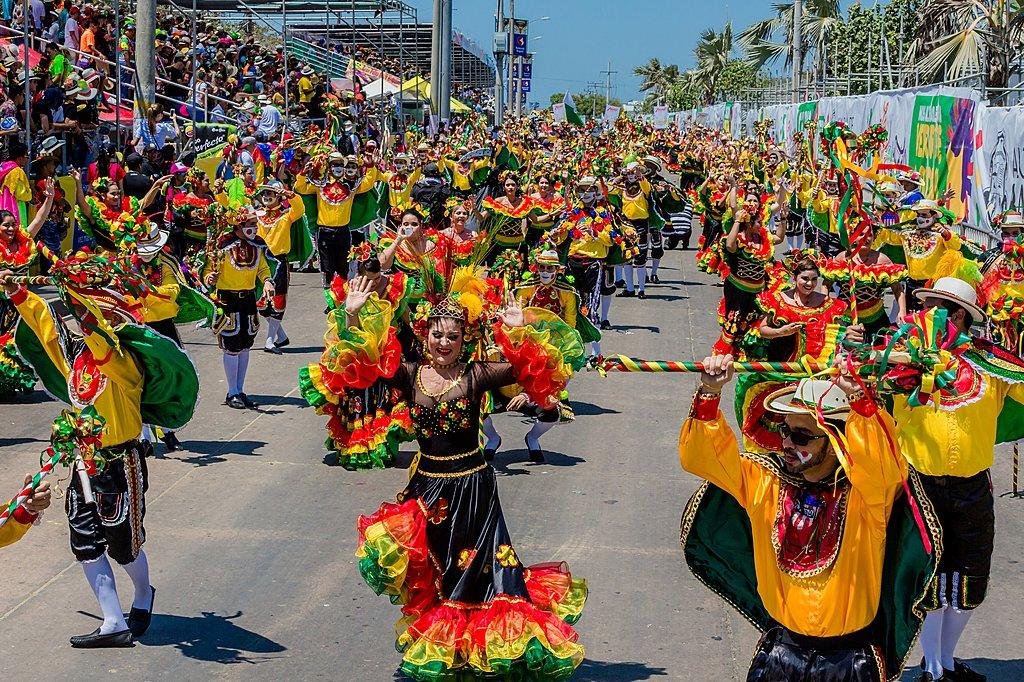
Barranquilla Carnival
The Barranquilla Carnival is one of the most important celebrations in Latin America.
For several days the city is filled with:
- Comparsas
- Music
- Dances
- Parades
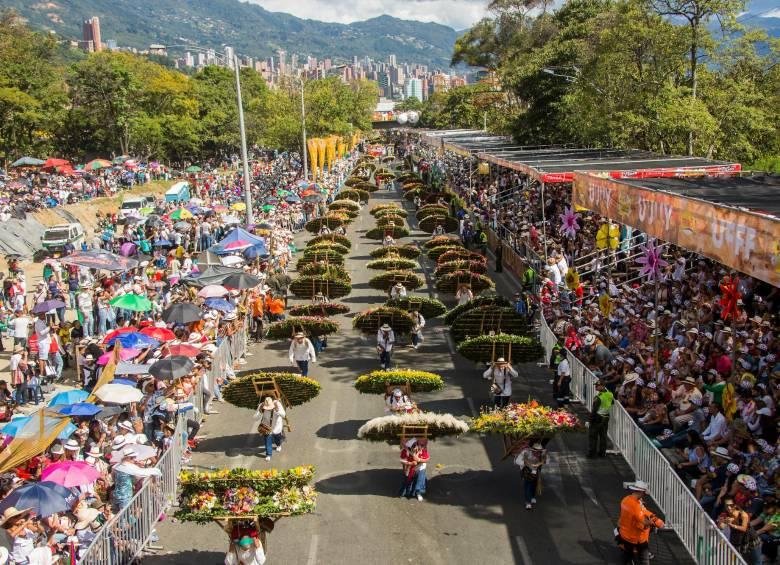
Flower Fair
Held in Medellín, this festival pays tribute to the Silletera tradition of the Antioquia region.
Vallenato Festival
Every year it brings together thousands of people passionate about traditional Colombian music.
Literature and art in Colombia
Colombian culture has also stood out internationally for its literary and artistic contributions.
Gabriel García Márquez and magical realism
The writer Gabriel García Márquez is one of the most important figures in universal literature.
His work helped popularize so-called magical realism.
Colombian art
Colombian art combines tradition and modernity.
One of the most recognized artists is Fernando Botero, famous for his large volume figures.
Colombian customs and traditions
There are numerous customs that are part of the daily life of the country.
Some of the best known are:
- The importance of family.
- Hospitality towards visitors.
- Social gatherings around food.
- The passion for music and dance.
- Respect for regional traditions.
These characteristics are precisely what those who visit Colombia for the first time usually highlight.
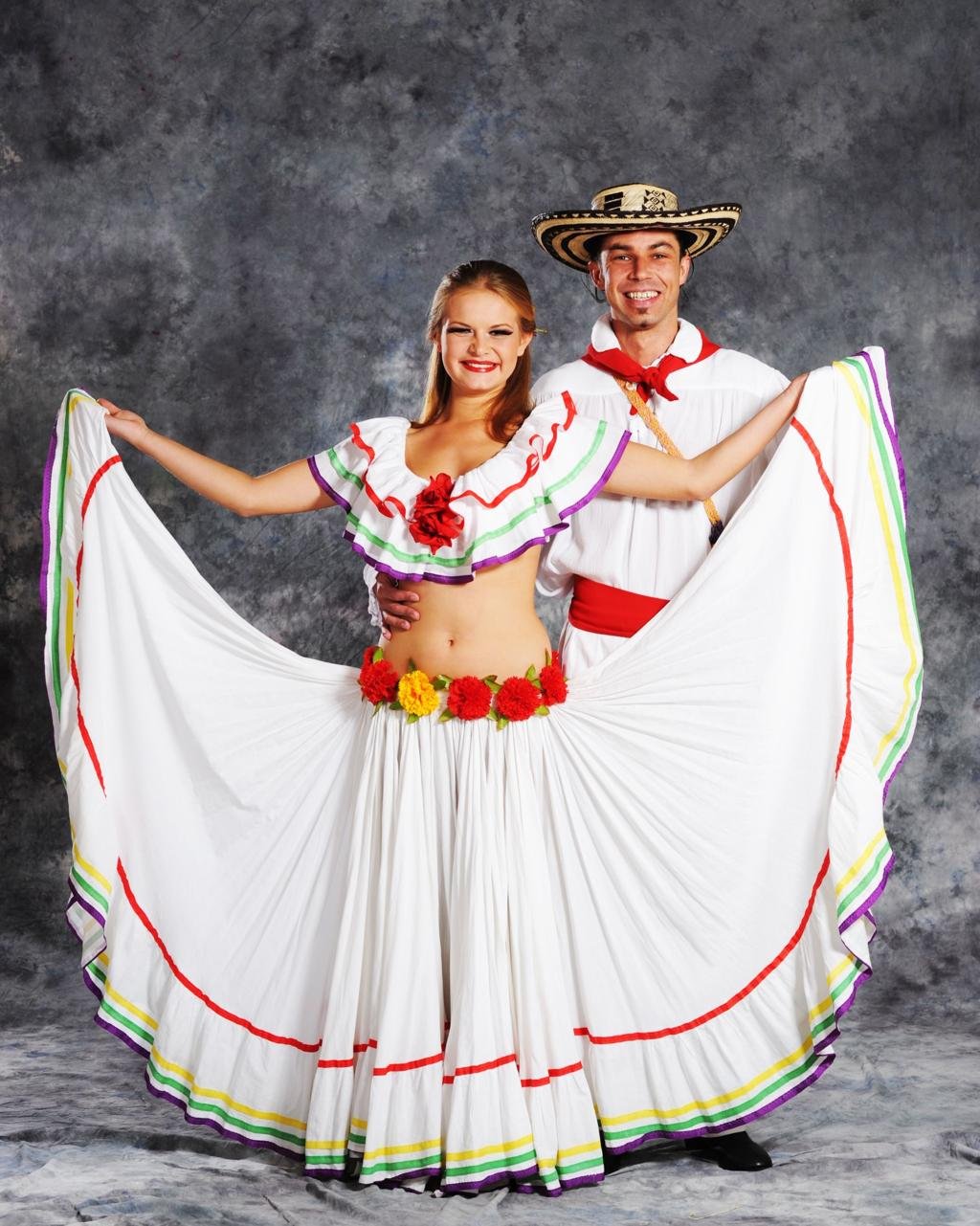
The typical costumes of Colombia
Traditional costumes vary by region.
Among the most representative ones are:
- Cumbia suit
- Joropo costume
- Country suit
- Bamboo costume
- Traditional indigenous clothing
Many of them are used during popular festivals and celebrations.


Sport as part of cultural identity
Although soccer is the most popular sport, Colombia also stands out in:
- Cycling
- Athletics
- Skating
- Weightlifting
Great athletes have contributed to strengthening the national pride and international projection of the country.
Places where Colombian culture is best appreciated
If anyone wants to know the true essence of Colombia, I recommend visiting:
- Cartagena de Indias
- Bogotá
- Medellin
- Cali
- Santa Marta
- Popayán
Each city offers a different perspective of Colombian identity.
Curiosities about the culture of Colombia
Colombia is one of the most biodiverse countries on the planet
Its natural wealth has deeply influenced its customs, gastronomy and traditions.
There are more than 60 indigenous languages
Although Spanish is the official language, many communities preserve their ancestral languages.
It has one of the most famous carnivals in the world
The Barranquilla Carnival attracts visitors from numerous countries every year.
Frequently Asked Questions (FAQs)
What characterizes Colombian culture?
Its regional diversity, a mix of indigenous, African and European influences, in addition to its musical and gastronomic richness.
What is the most representative music of Colombia?
Cumbia and vallenato are considered the most representative genres of the country.
What is the most famous typical dish?
Tranta paisa is often considered one of the most emblematic dishes of Colombia.
What cultural holiday is the most important?
The Barranquilla Carnival is one of the most important and internationally recognized celebrations.
Why is Colombian culture so diverse?
Because the country has multiple geographic regions and a great historical mix of peoples and traditions.
Few cultures in Latin America bring together as much richness and variety as that of Colombia. From the Andean mountains to the Caribbean coasts, passing through the Amazon and the Pacific, each corner contributes a different piece to the great Colombian cultural mosaic. Precisely that mix of history, music, flavors, traditions and joy is what makes millions of people fall in love with Colombia year after year.