
The culture of Mexico is one of the richest, most diverse and recognized on the planet. It is a fascinating combination of indigenous roots, Spanish heritage and contributions from numerous communities that have contributed to forming a unique identity. From its colorful festivities to its gastronomy, through its music, art and popular traditions, Mexico has a cultural heritage that has conquered millions of people inside and outside its borders.
When I began to delve deeper into Mexican culture, I discovered that it was impossible to summarize it in a single definition. Each state, each region and even each town preserves its own customs that further enrich the cultural mosaic of the country. That diversity is precisely what makes Mexico so special.
How was the culture of Mexico formed?
Current Mexican culture is the result of centuries of history and miscegenation.
His main influences include:
- Pre-Hispanic civilizations.
- Spanish culture.
- African traditions.
- Later European influences.
- Global contemporary contributions.
This mixture gave rise to a national identity that combines ancestral elements with modern expressions.
Personally, one of the things that stands out to me the most when studying Mexico is how ancient traditions are still alive today. Many customs that were born hundreds or even thousands of years ago continue to be part of everyday life.
The indigenous roots of Mexican culture
Before the arrival of Europeans, Mexican territory was inhabited by great civilizations.
The Mayans
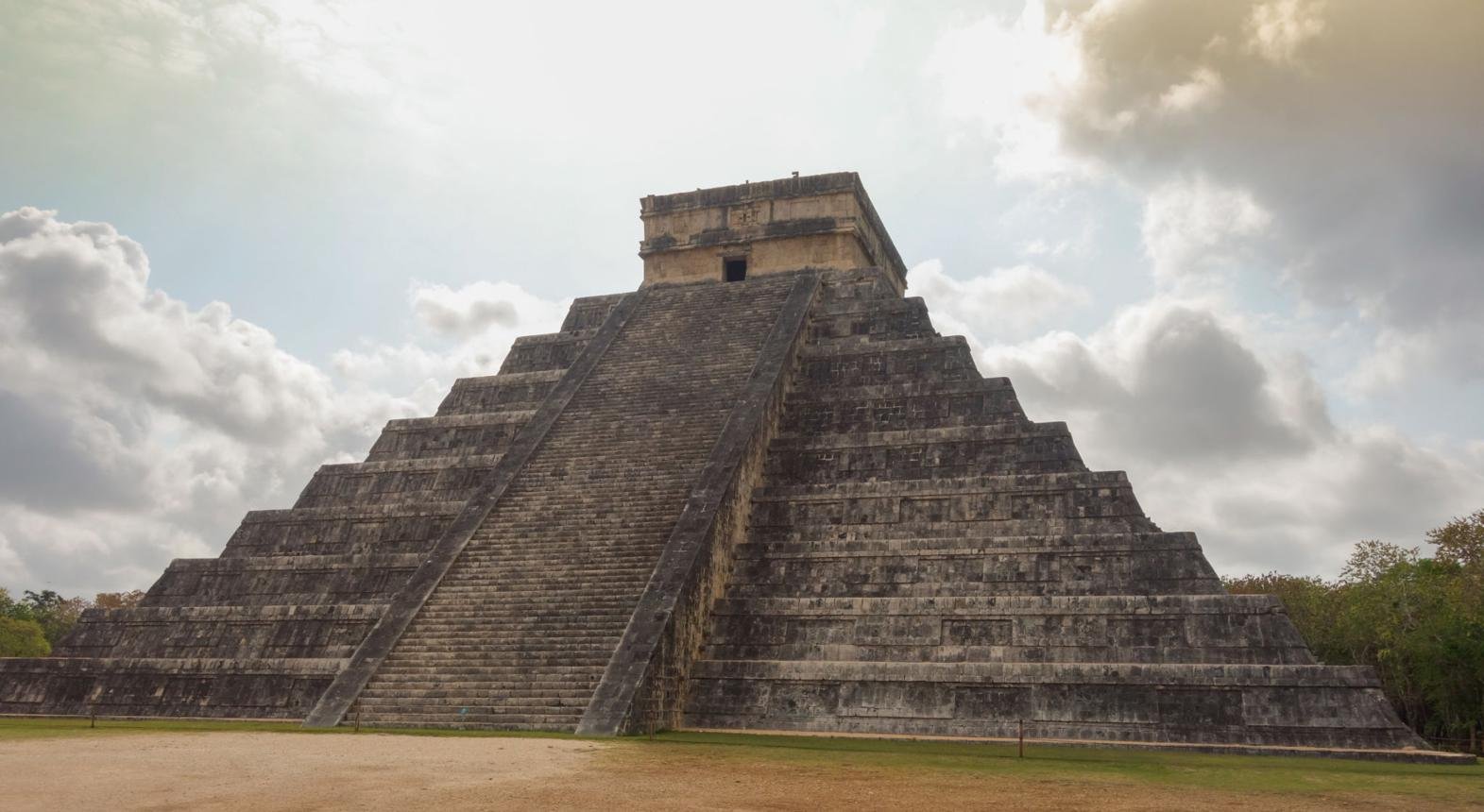
The Mayans stood out for their knowledge in:
- Astronomy.
- Mathematics.
- Architecture.
- Writing.
His legacy can still be seen in numerous regions of the country.
The Mexicans or Aztecs
Founders of Tenochtitlán, the Mexica developed a complex political, military and religious organization.
Other important cultures
They also left a deep mark:
- Olmecs.
- Zapotecs.
- Mixtecs.
- Toltecs.
- Totonacas.
Many current traditions have their origins in these ancient cultures.
Mestizaje: the basis of Mexican identity
The arrival of the Spanish in the 16th century profoundly transformed society.
The mixture between indigenous, European and African peoples generated a unique cultural identity.
This process is currently reflected in:
- The language.
- Gastronomy.
- The music.
- The celebrations.
- Artistic expressions.
That is why Mexican culture is often considered one of the most diverse on the American continent.
The most important traditions of Mexico
Mexico is known internationally for its festivities full of color and symbolism.
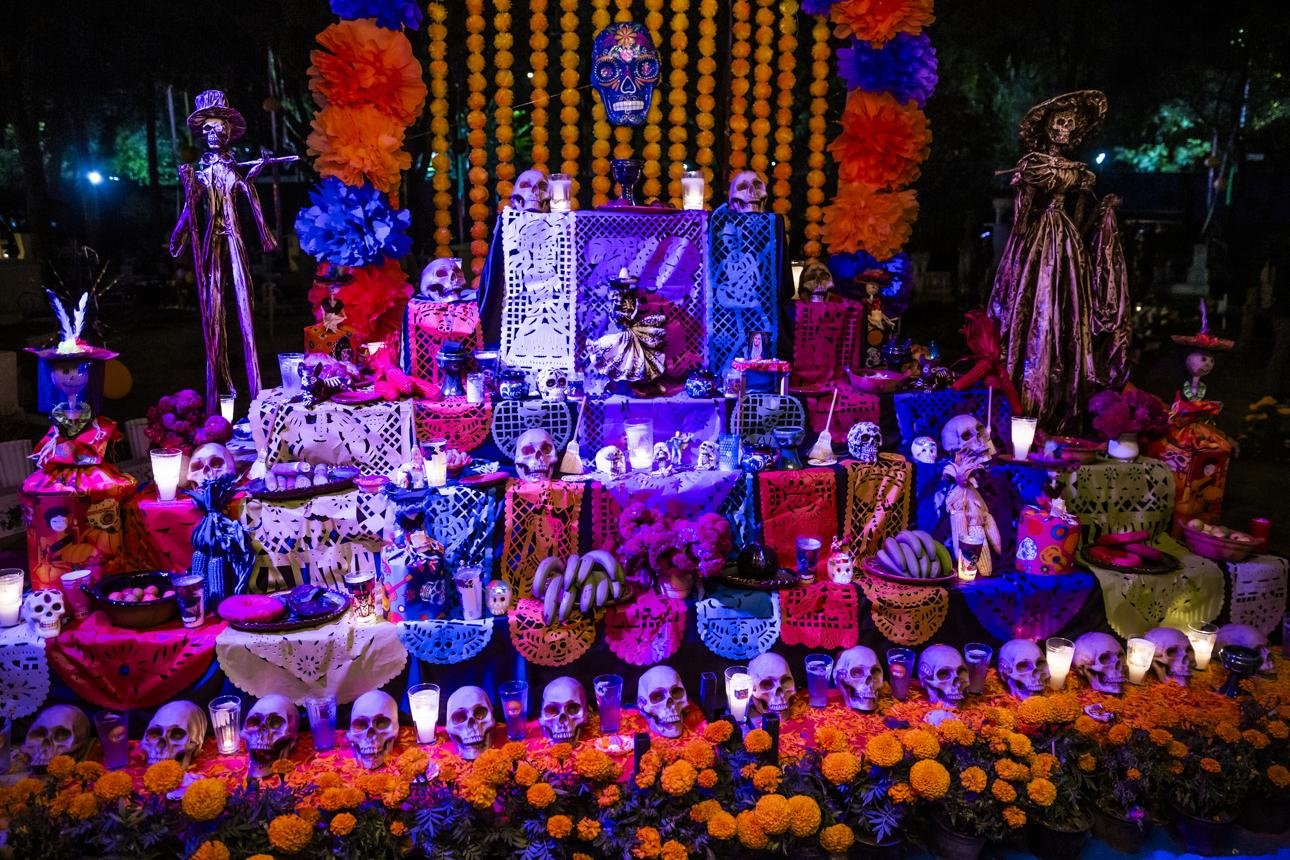
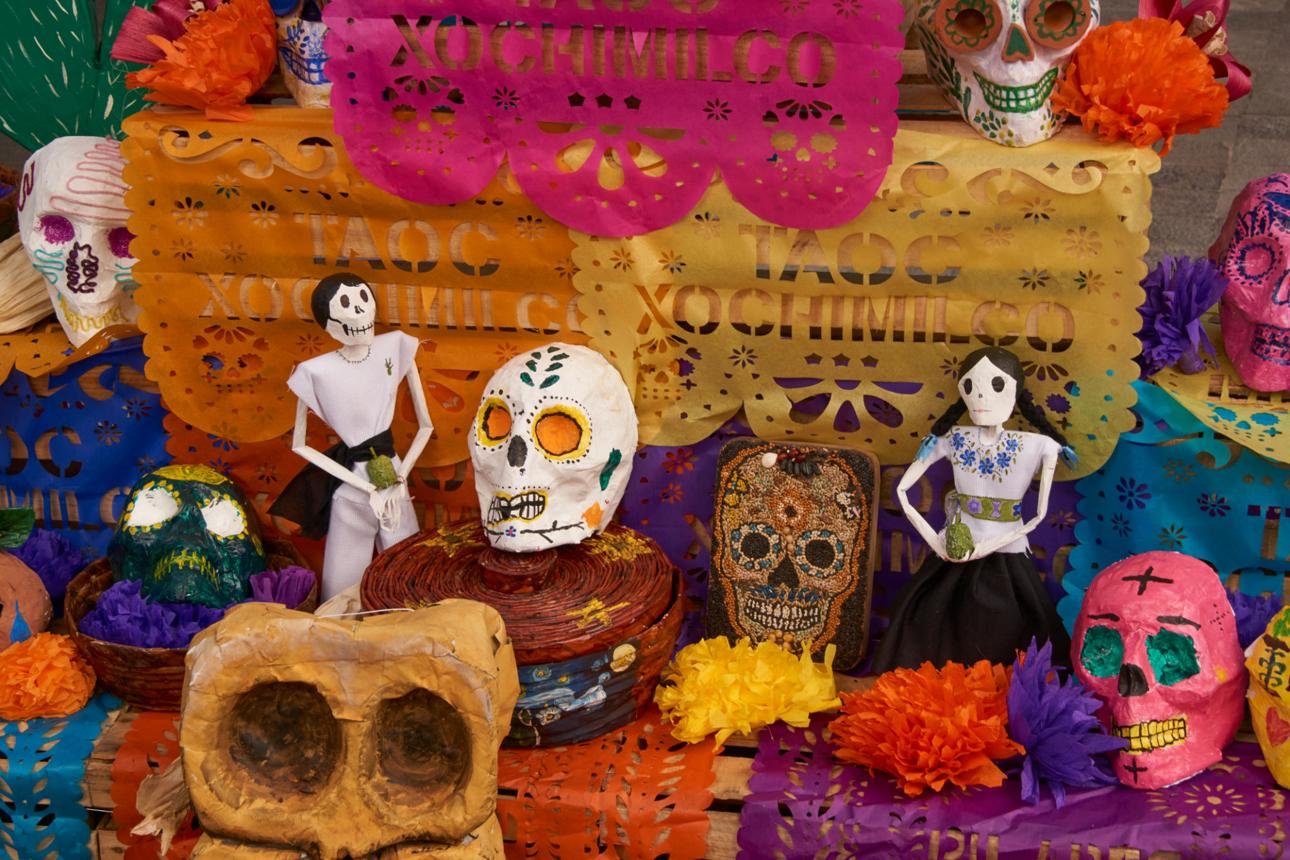
Day of the Dead
It is probably the most famous Mexican celebration in the world.
During this holiday, families:
- They prepare altars.
- They decorate with marigold flowers.
- They post photographs of their loved ones.
- They make traditional offerings.
What impresses me most about this tradition is how it transforms the memory of the deceased into a celebration of life.
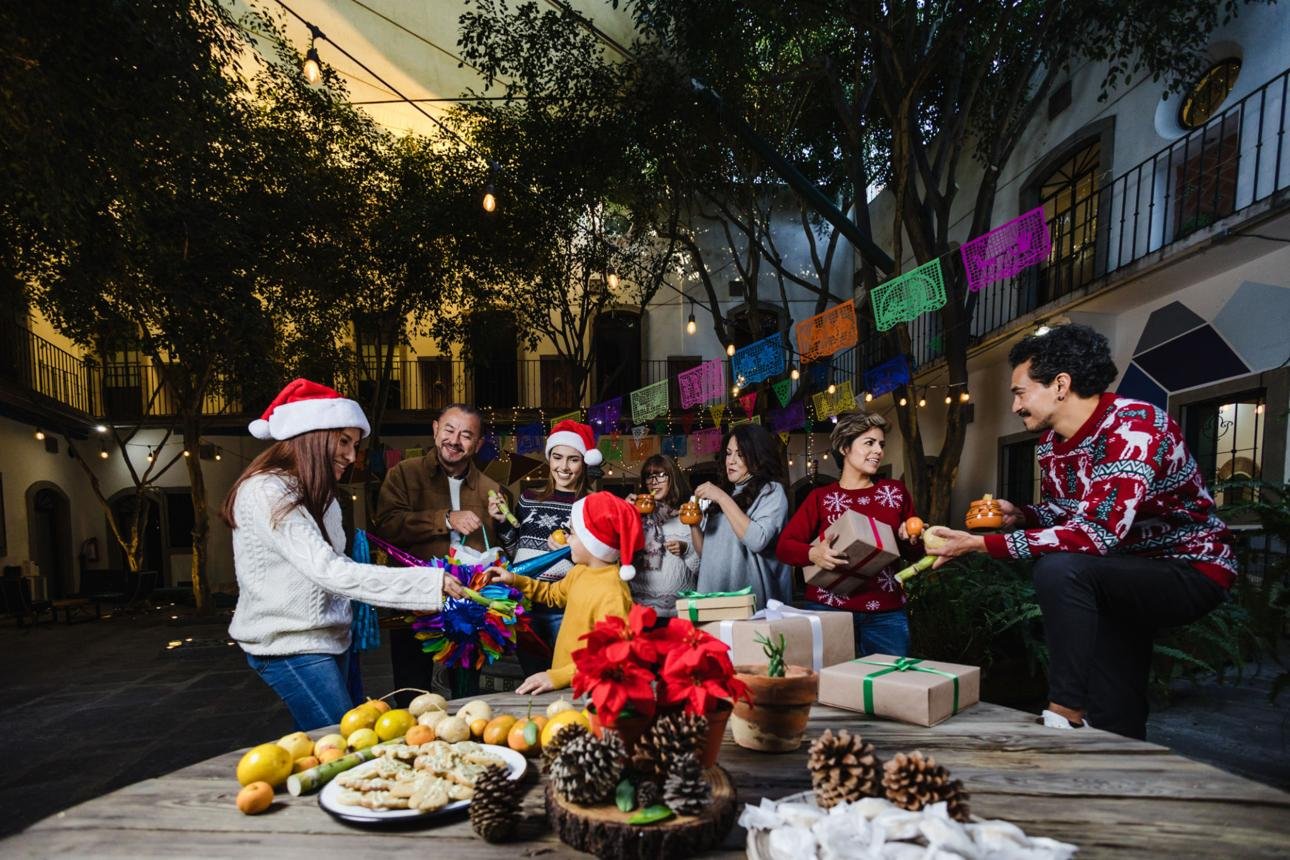
Las Posadas
Celebrated during December, they recreate the journey of Mary and Joseph before the birth of Jesus.
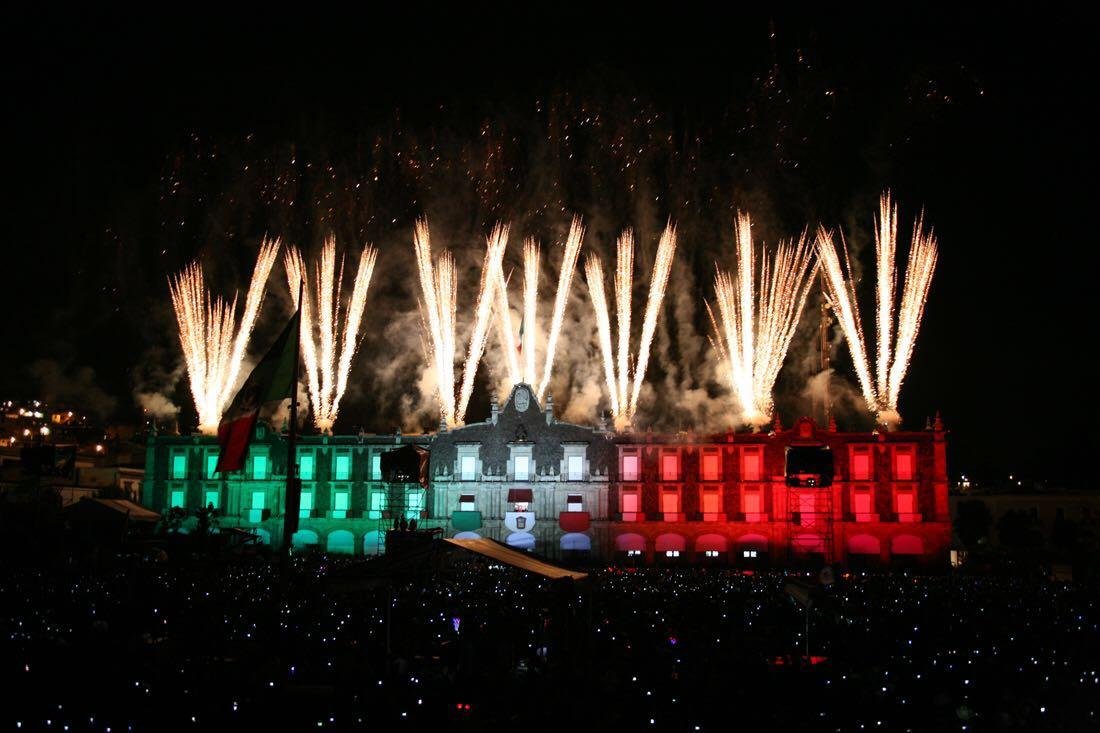
Cry of Independence
Every September 15 commemorates the beginning of Mexican independence.
Mexican gastronomy: world heritage
Talking about Mexican culture without mentioning its cuisine would be impossible.
Mexico’s gastronomy was recognized by UNESCO as Intangible Cultural Heritage of Humanity.
Typical Mexican dishes
Among the most popular we find:
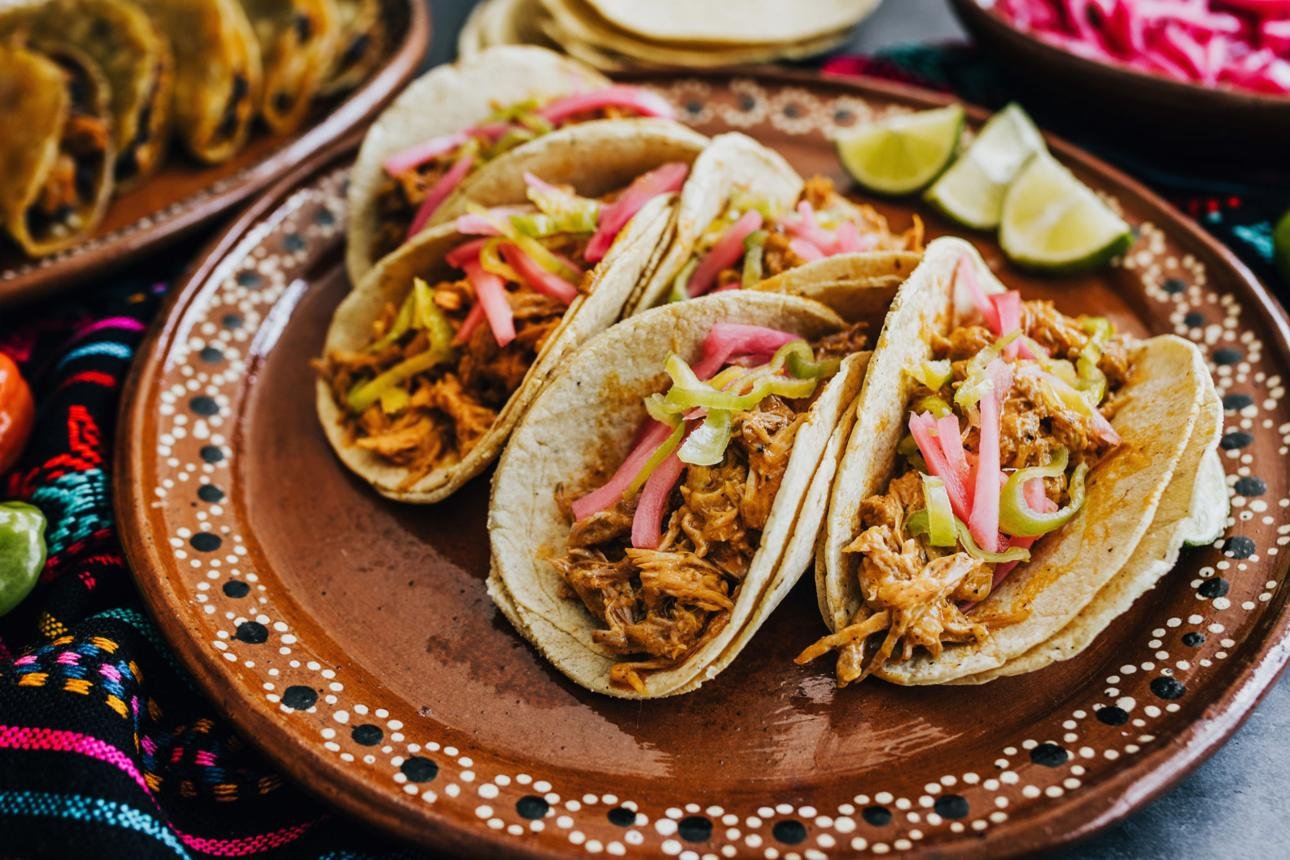
- Tacos.
- Tamales.
- Pozole.
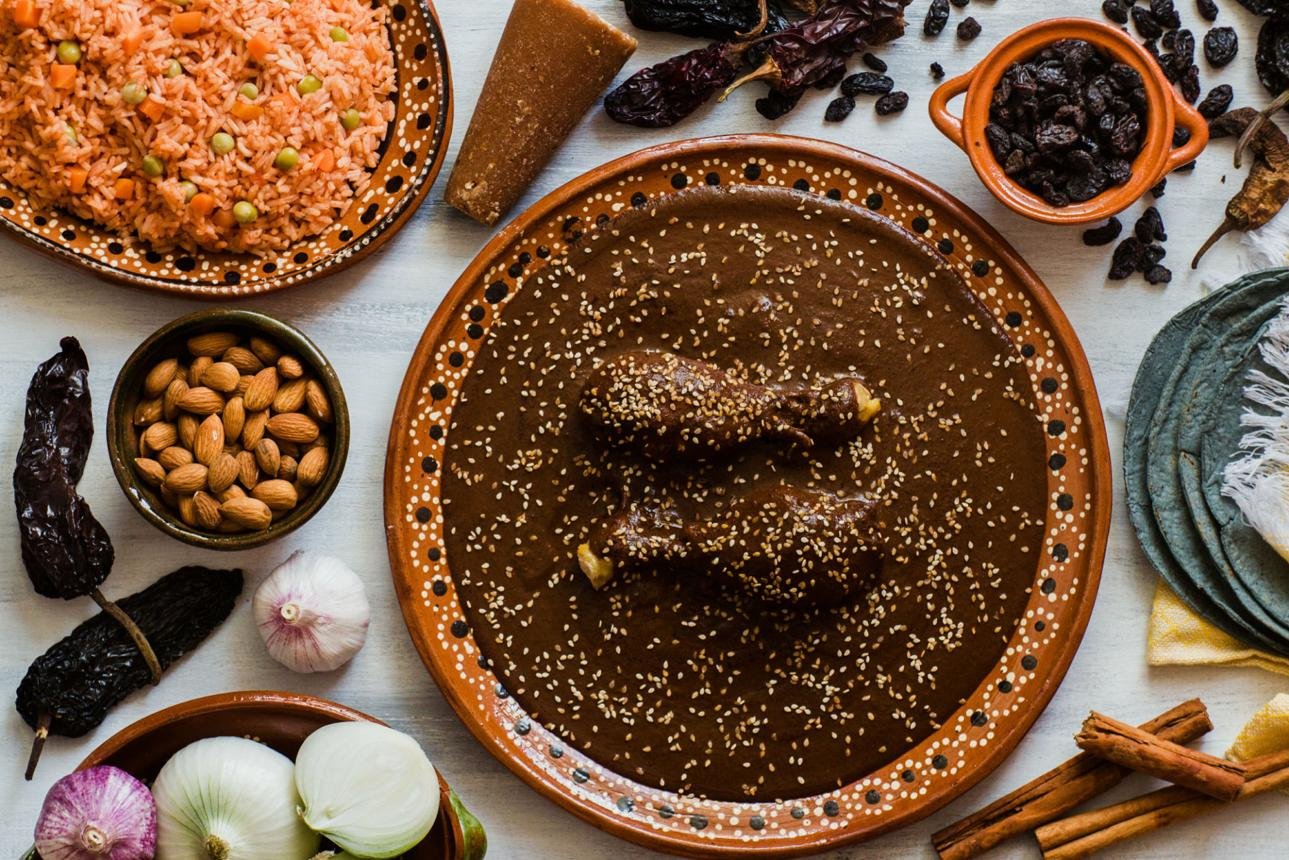
- Mole.
- Enchiladas.
- Chiles en nogada.
- Quesadillas.
Key ingredients
Mexican cuisine widely uses:
- Corn.
- Beans.
- Chiles.
- Avocado.
- Tomato.
- Cocoa.
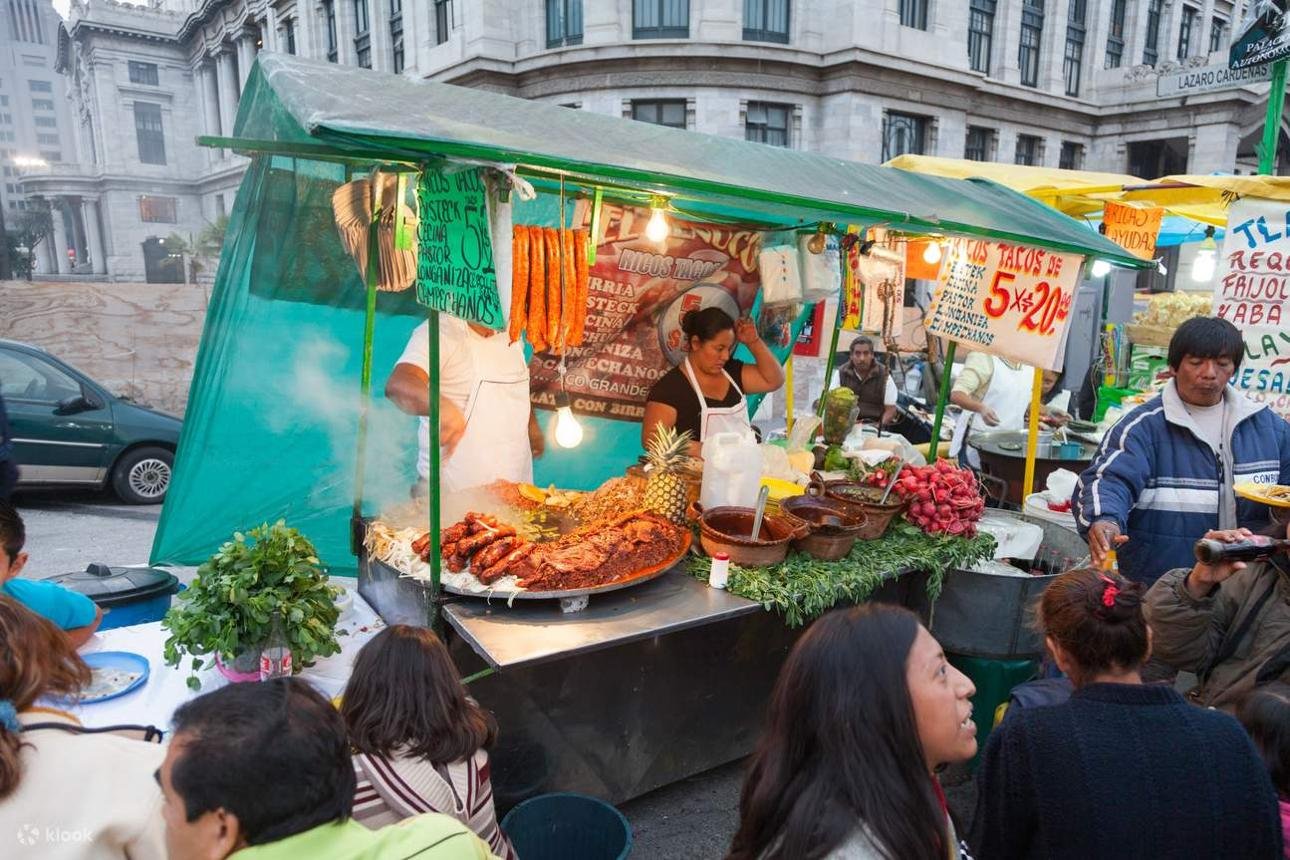
The gastronomic variety changes enormously between regions, which turns each trip through Mexico into a different culinary experience.
Traditional Mexican music
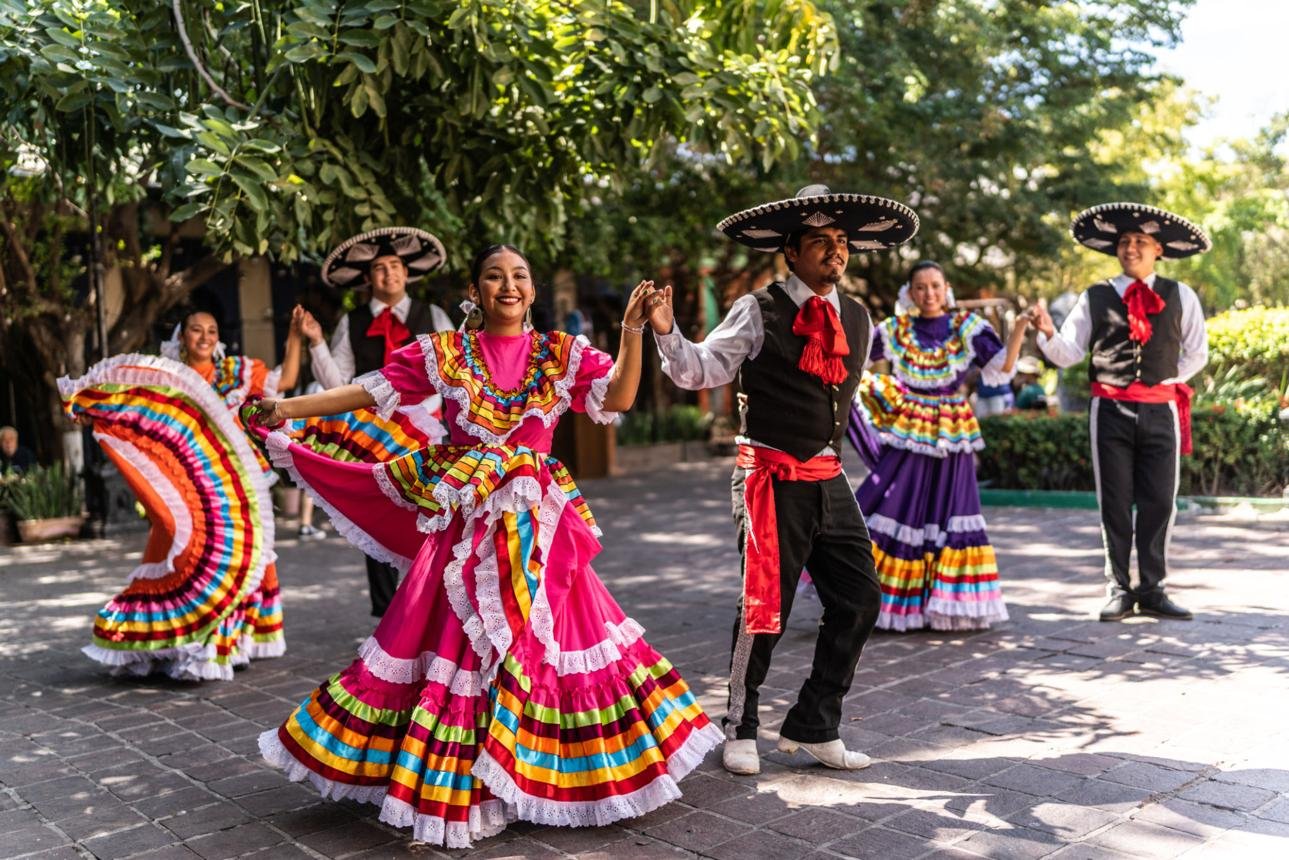
Music is one of the most representative expressions of Mexican culture.
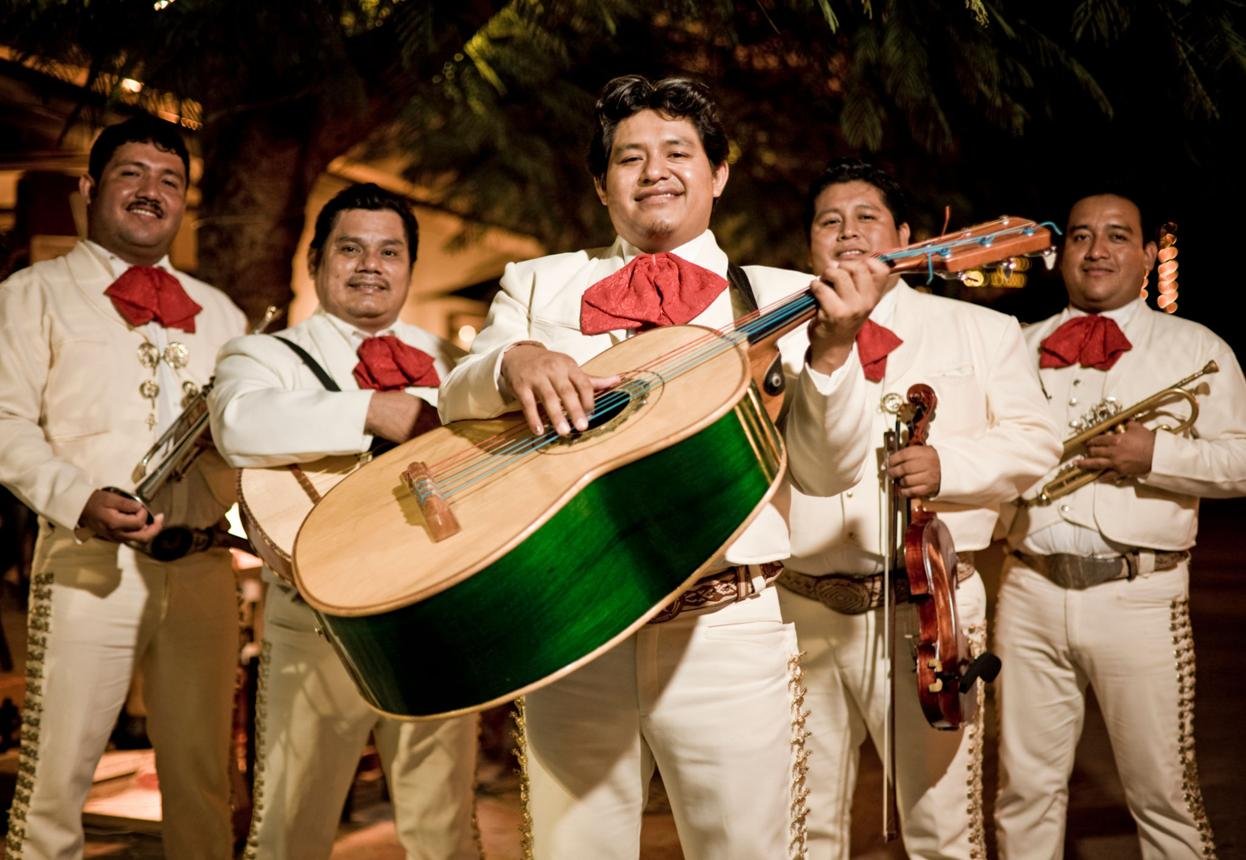
Mariachi
It is probably the most internationally known Mexican musical genre.
Your instruments typically include:
- Violins.
- Trumpets.
- Guitars.
- Guitarron.
Ranchera
It is part of the national identity and usually addresses topics such as:
- Love.
- Family.
- Traditions.
- Rural life.
Other popular genres
- Northerner.
- Band.
- They are jarocho.
- Huapango.
- Corridos.
Mexican art and its global influence
Mexico has given the world some of the most important artists in history.
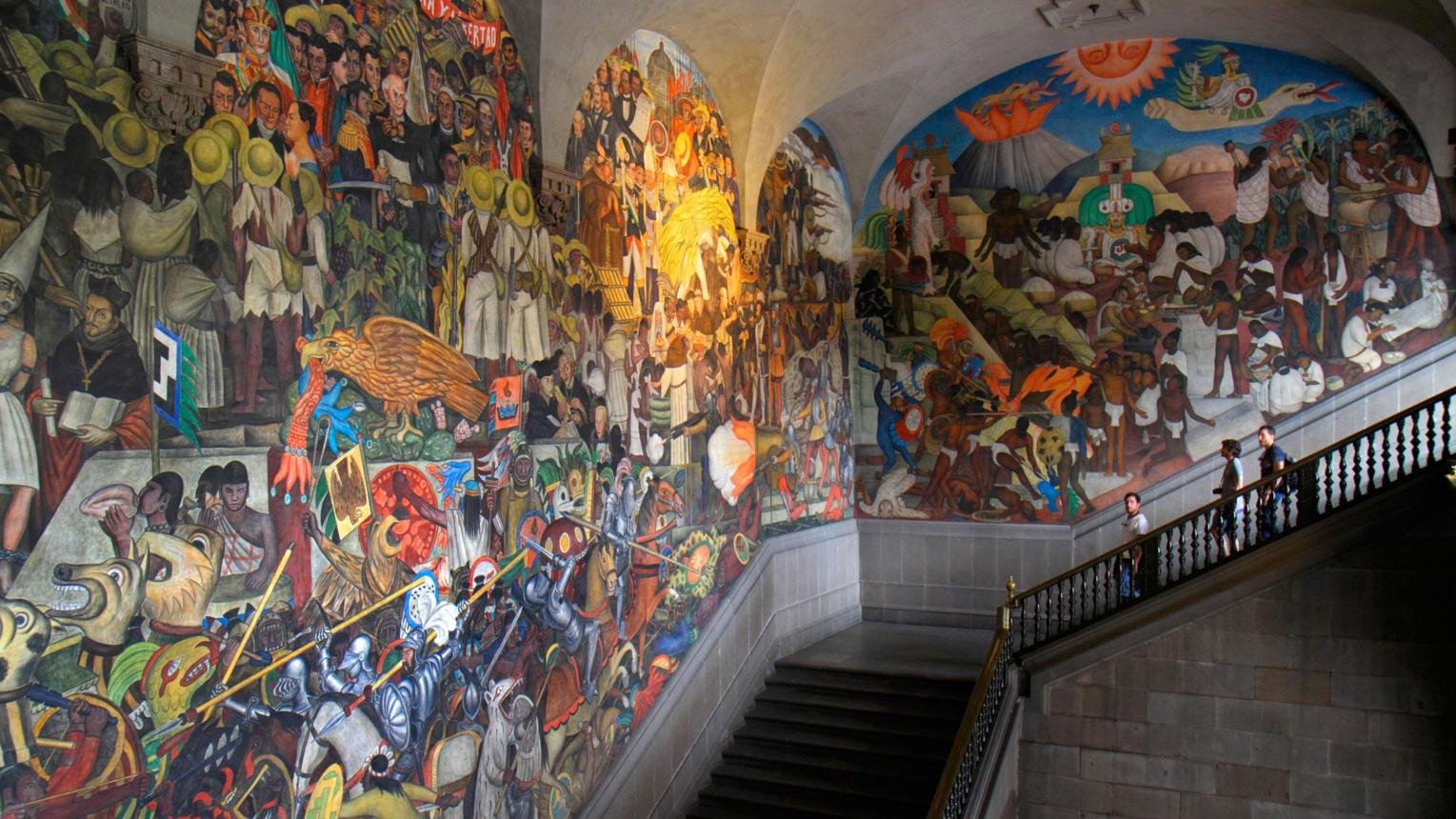
Mural painting
Mexican muralism achieved international recognition.
Its main representatives were:
- Diego Rivera
- José Clemente Orozco
- David Alfaro Siqueiros
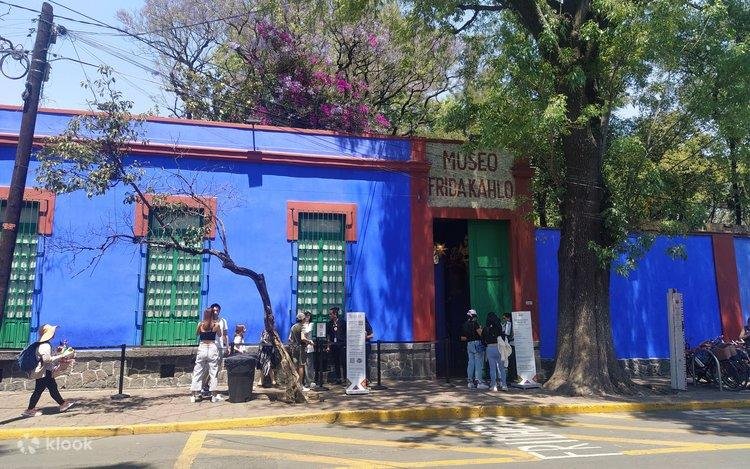
Frida Kahlo
Frida Kahlo’s work has become a world-renowned cultural symbol.
The importance of family in Mexico
One of the most characteristic features of Mexican society is the importance of family.
Family ties often play a central role in:
- Celebrations.
- Important decisions.
- Traditions.
- Emotional support.
This characteristic remains a fundamental part of Mexican cultural identity.
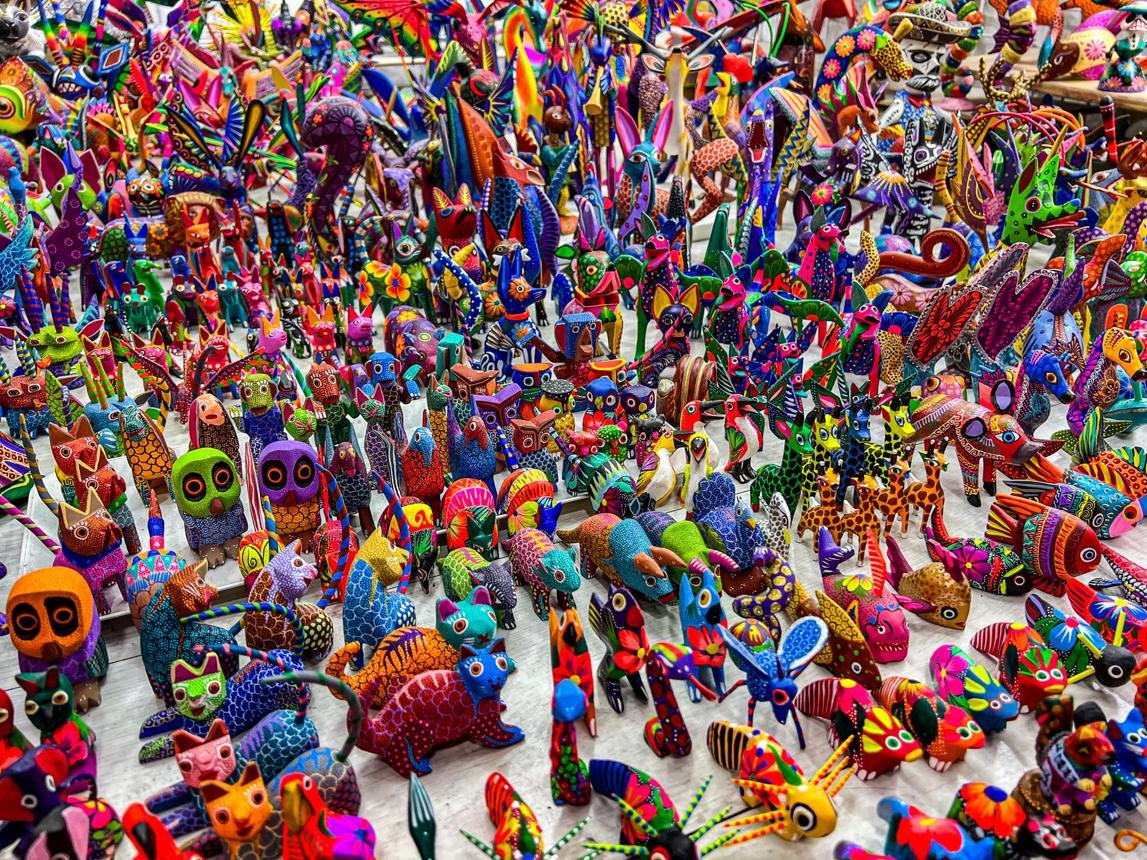
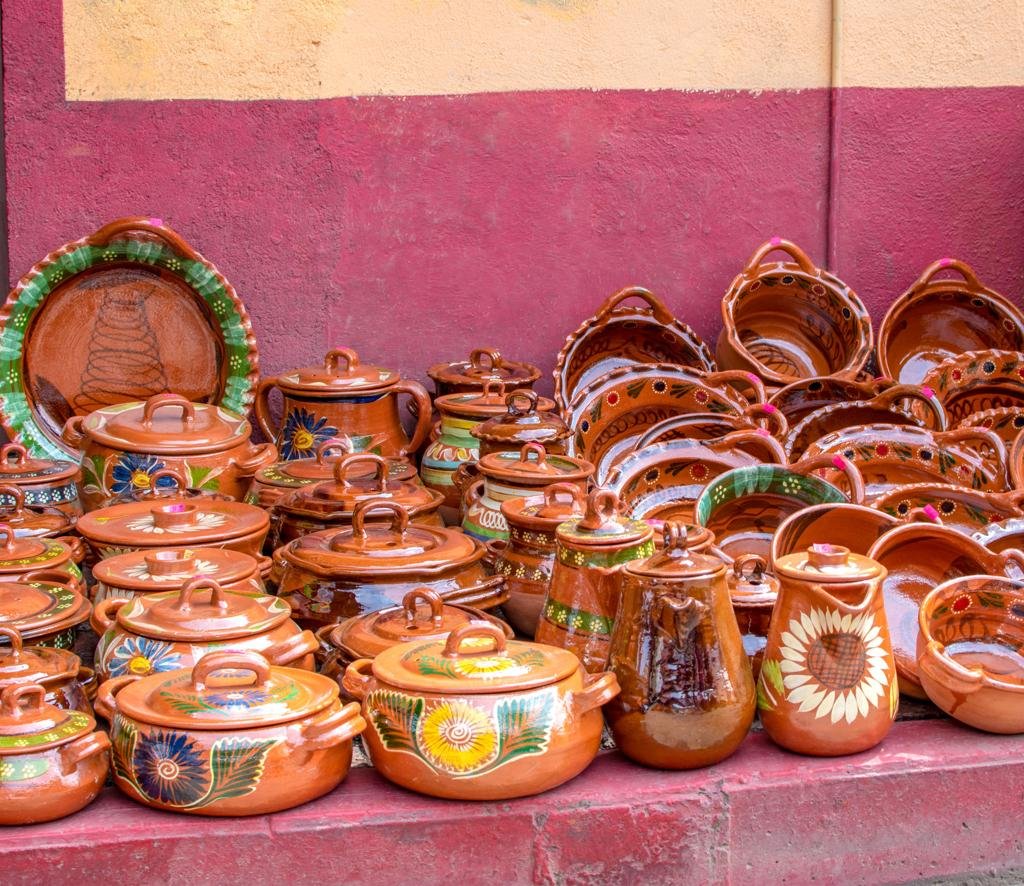
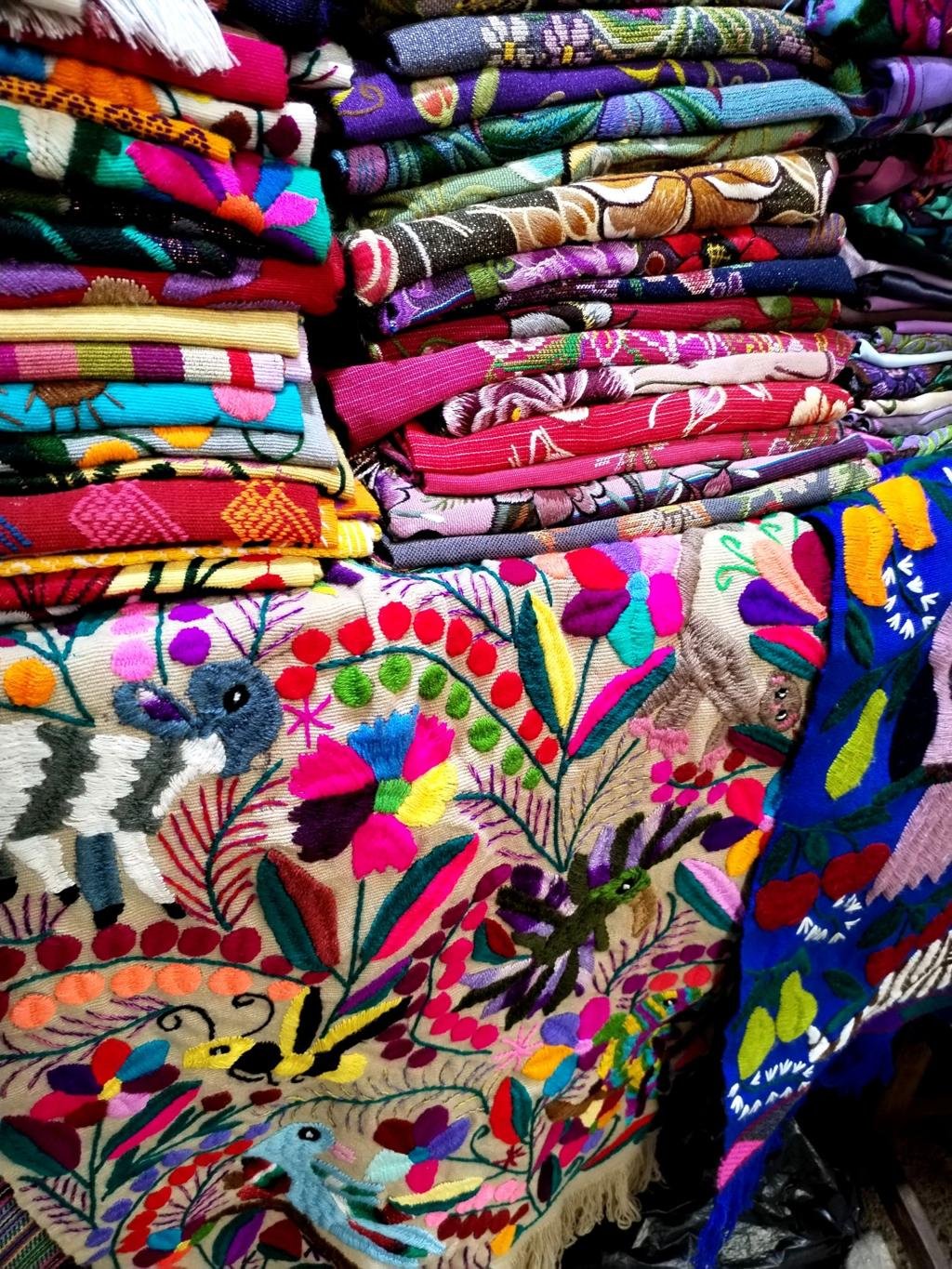
Crafts and popular expressions
Crafts represent centuries of tradition and creativity.
Among the best known are:
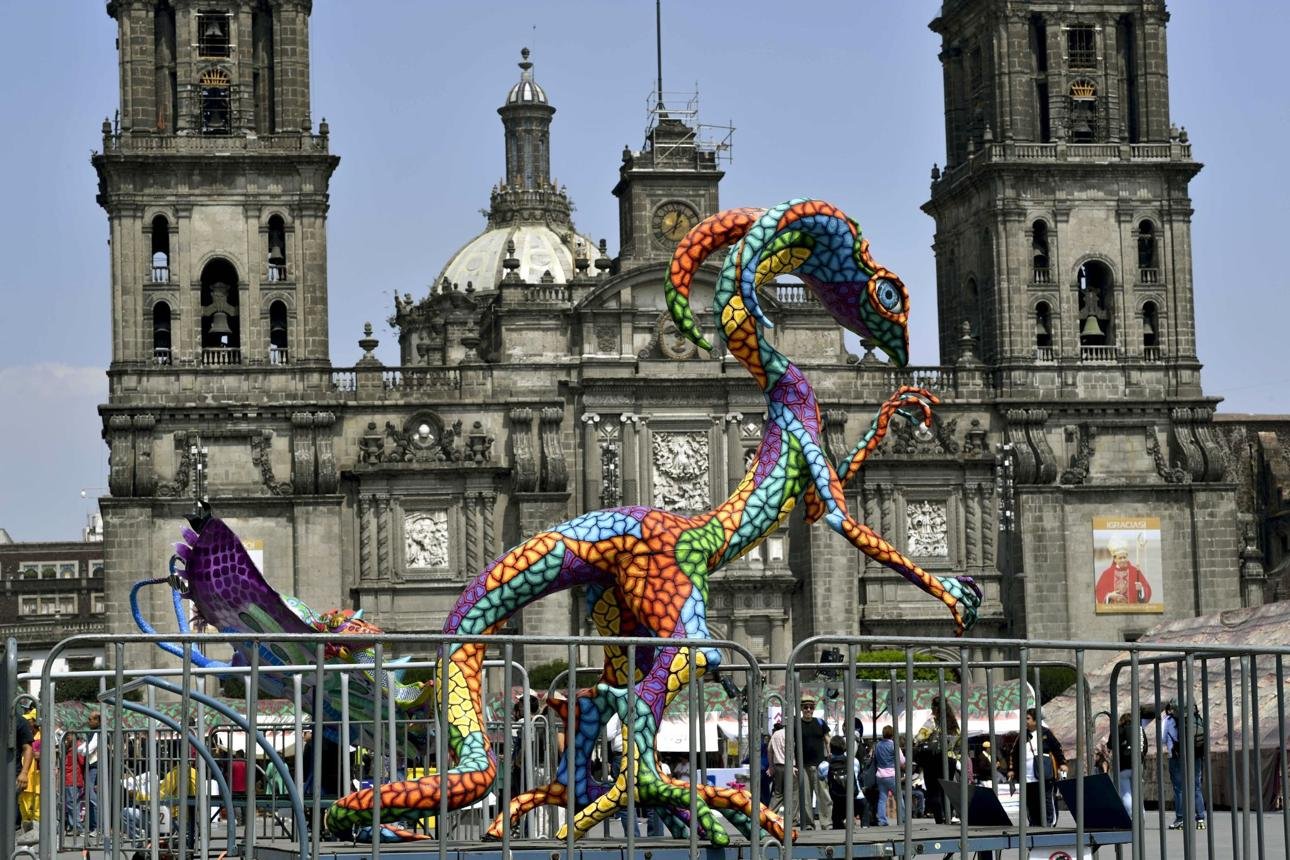
- Alebrijes.
- Talavera from Puebla.
- Indigenous textiles.
- Traditional ceramics.
- Festive masks.
Each region has its own techniques and styles.
Mexican architecture
The architecture perfectly reflects the historical evolution of the country.
We can find:
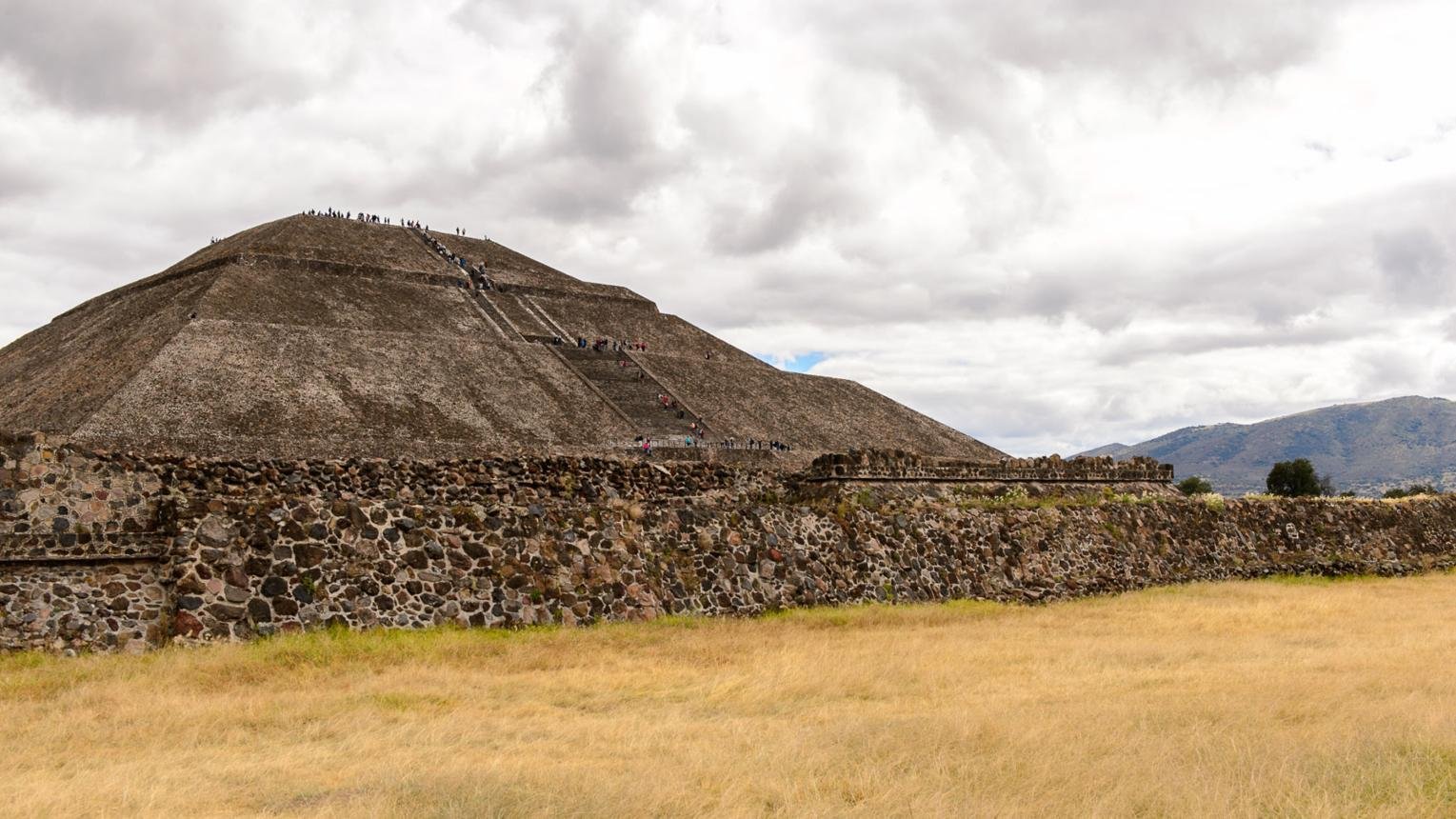
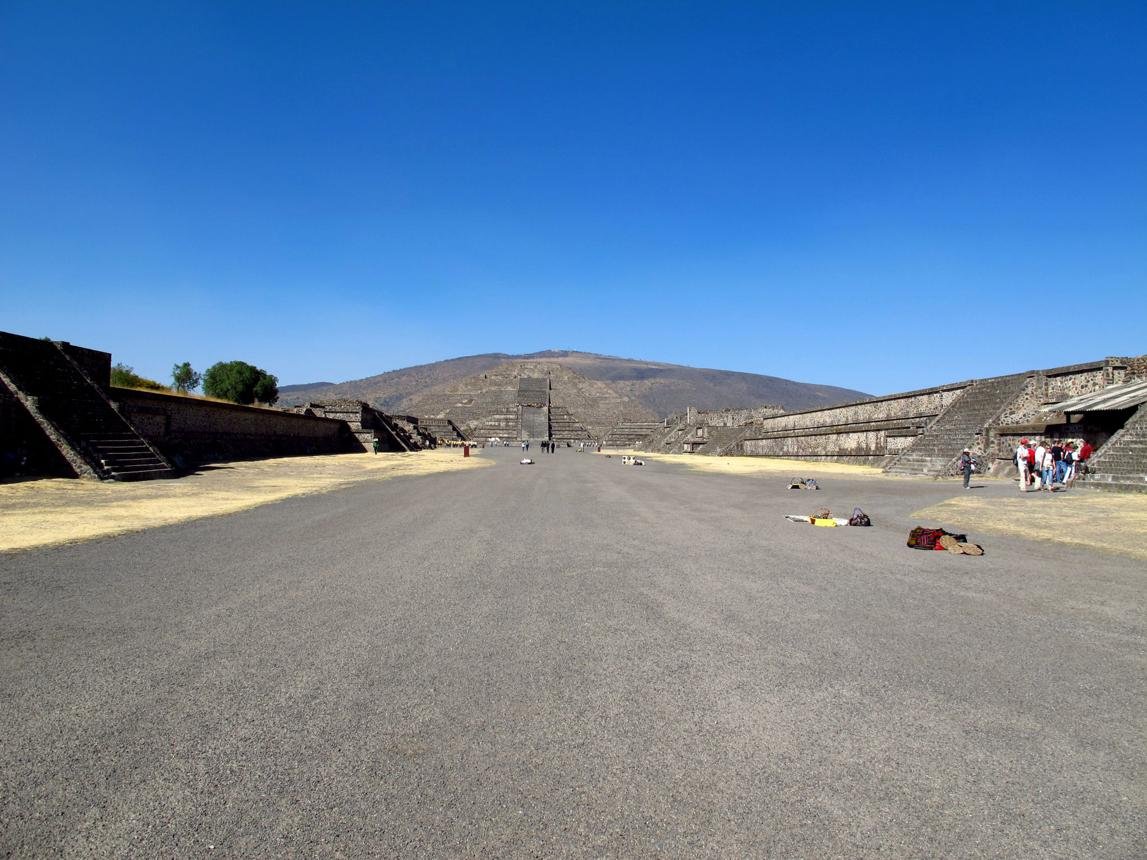
Pre-Hispanic sites
- Chichen Itza.
- Teotihuacan.
- Palenque.
- Monte Albán.
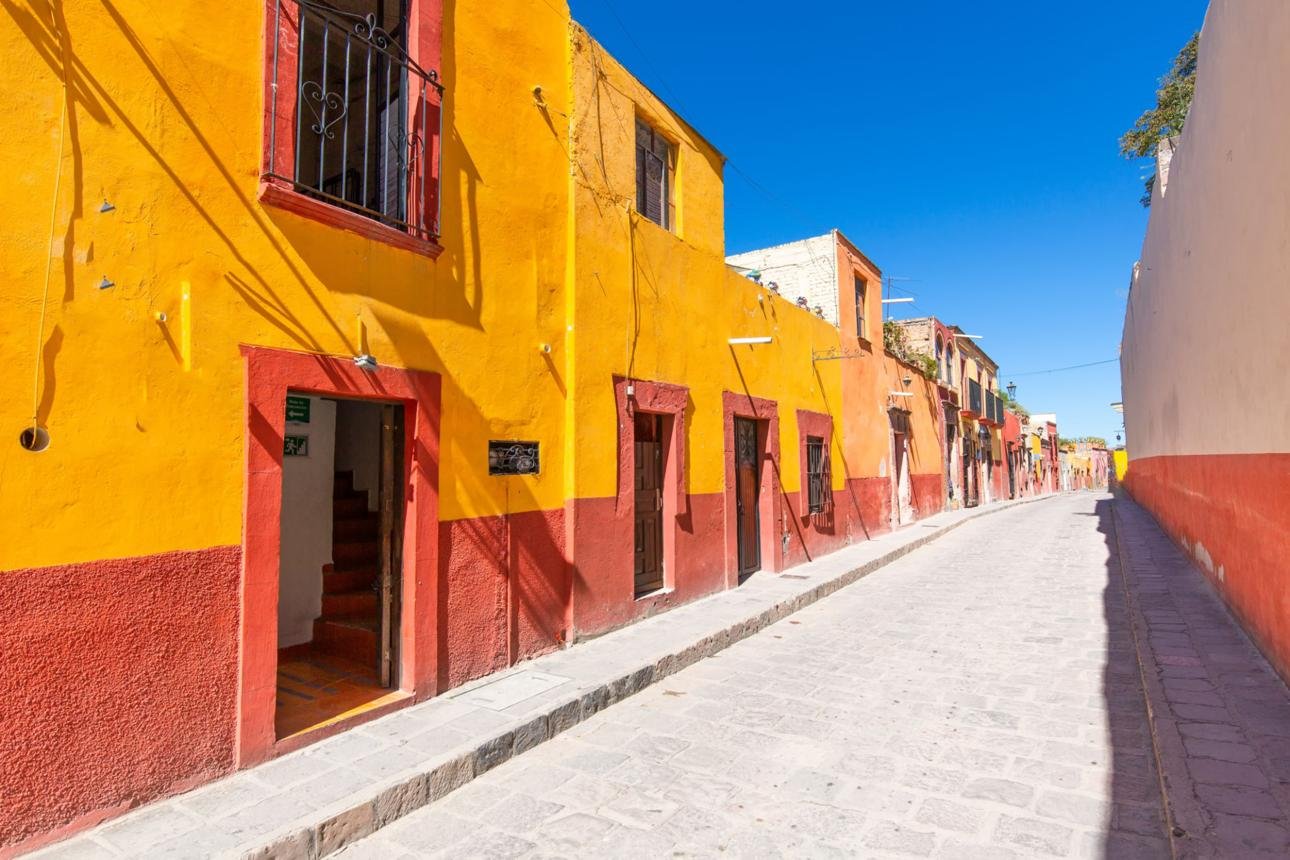
Colonial architecture
- Cathedrals.
- Convents.
- Historic squares.
- Viceregal palaces.
Modern architecture
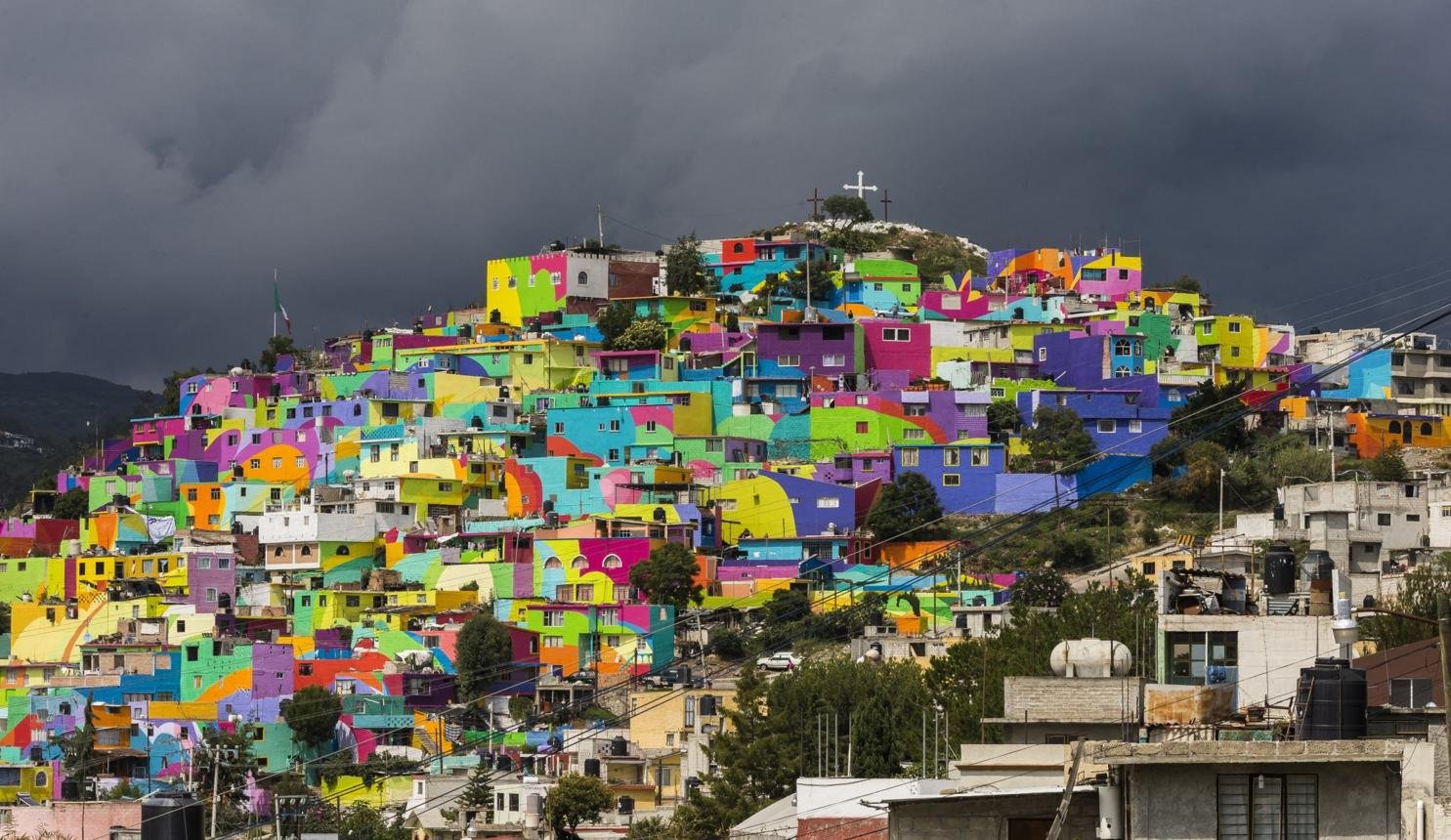
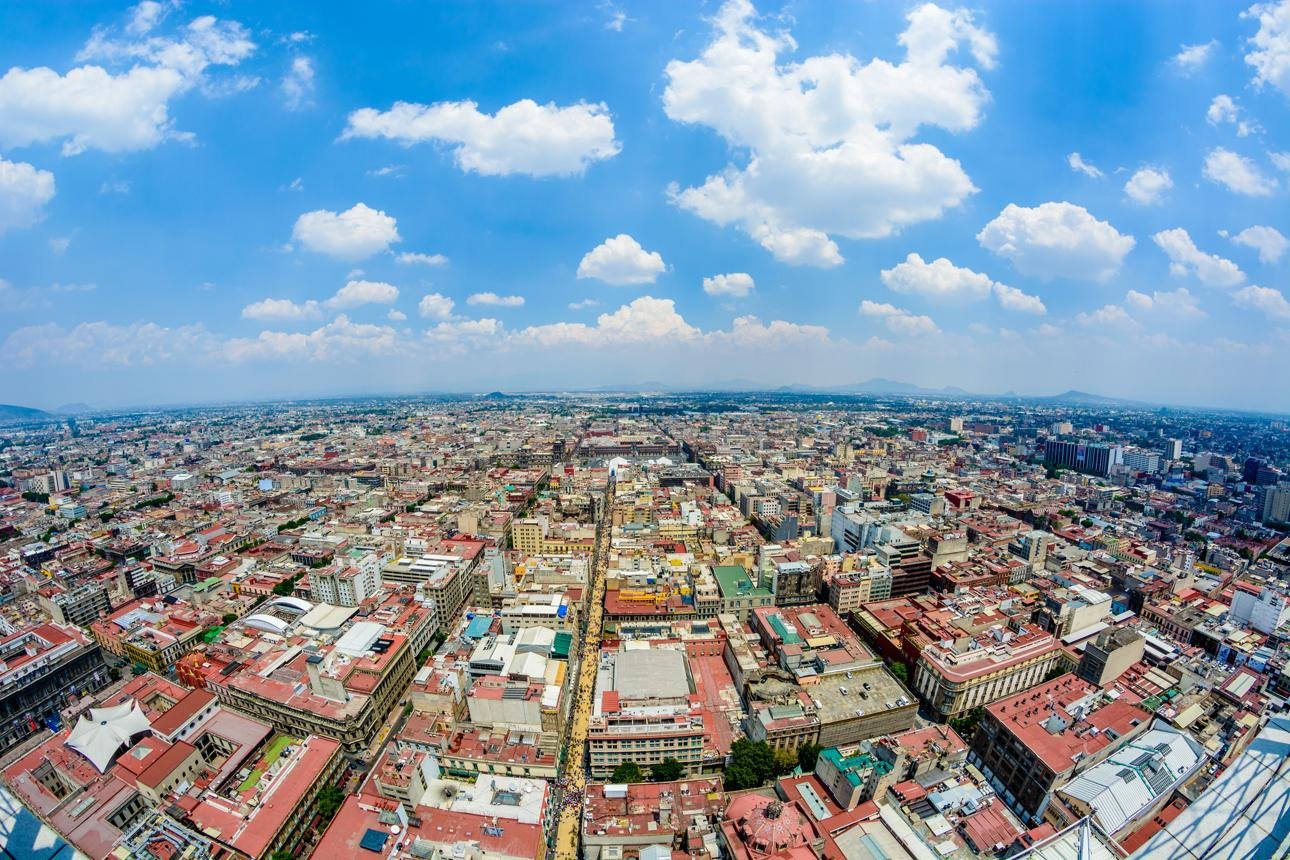
The great Mexican cities combine tradition and modernity in a spectacular way.
The languages of Mexico
Although Spanish is the predominant language, Mexico has an enormous linguistic wealth.
There are dozens of officially recognized indigenous languages.
Among them:
- Nahuatl.
- Maya.
- Mixteco.
- Zapotec.
- Otomí.
This makes Mexico one of the countries with the greatest linguistic diversity in America.
Curiosities about Mexican culture
- The Day of the Dead was recognized by UNESCO.
- Mexico has one of the most influential cuisines in the world.
- There are more than 60 living indigenous languages.
- The mariachi is considered a national symbol.
- Mexico has numerous World Heritage sites.
- Its traditions combine pre-Hispanic and European elements.
Frequently Asked Questions (FAQs)
What characterizes Mexican culture?
Its diversity, the result of the combination of indigenous and Spanish heritages and other cultural influences.
What is the most famous tradition in Mexico?
The Day of the Dead is probably the most internationally known Mexican celebration.
Why is Mexican gastronomy so important?
Because it combines ancient techniques, native ingredients and an enormous regional variety recognized by UNESCO.
What music represents Mexico?
The mariachi is considered one of the main musical symbols of the country.
Why is Mexican culture so recognized in the world?
Thanks to its history, gastronomy, art, traditions, festivities and rich heritage.
A country where each tradition tells a story
The culture of Mexico is much more than folklore, food or popular celebrations. It is the result of thousands of years of history, miscegenation and collective creativity that have built an identity admired throughout the world.
The more you learn about Mexico, the easier it is to understand why its traditions, its music, its art and its way of seeing life continue to captivate millions of people. It is a living, dynamic culture deeply proud of its roots, capable of preserving its past while continuing to evolve into the future.