
The history of the Dominican Republic is one of the most fascinating in Latin America. When I started researching it, I thought it was simply a former Spanish colony that managed to become independent like many other countries on the continent. However, I discovered a much more complex history, marked by the indigenous presence, the arrival of Europeans, invasions, foreign occupations, fights for independence and historical figures who left an indelible mark.
Additionally, the Dominican Republic has a unique place in world history, as it was the site of the first permanent European settlement in the Americas and the starting point for much of the continent’s exploration.


If you want to understand how the Dominican nation was formed and what were the most important events in its evolution, this guide will take you through each stage of its history.
The first inhabitants of the island
Long before the arrival of Europeans, the island of Hispaniola was inhabited by various indigenous peoples.
The most important were the Taínos.
Their society was organized into several chiefdoms governed by leaders known as caciques.
Among the main chiefdoms were:
- Marién.
- Magua.
- Maguana.
- Jaragua.
- Higüey.
The Tainos developed:
- Agriculture.
- Fishing.
- Trade.
- Crafts.
- Advanced political organization.
What caught my attention most when studying this stage was discovering that the island already had a rich and structured culture long before the European arrival.
The arrival of Christopher Columbus
In 1492, during his first voyage to the New World, Christopher Columbus arrived on the island of Hispaniola.
This event forever changed the history of the Caribbean and America.


Columbus was impressed by the beauty and natural wealth of the territory.
Shortly after, the first Spanish settlements began.
The foundation of La Isabela
In 1493 La Isabela was established, considered the first permanent European city in America.
From there the Spanish colonization process began.
Santo Domingo: the first European city in America
One of the most important milestones in Dominican history was the founding of Santo Domingo.
The city became:
- First European administrative center in America.
- Headquarters of colonial institutions.
- Starting point for numerous expeditions.
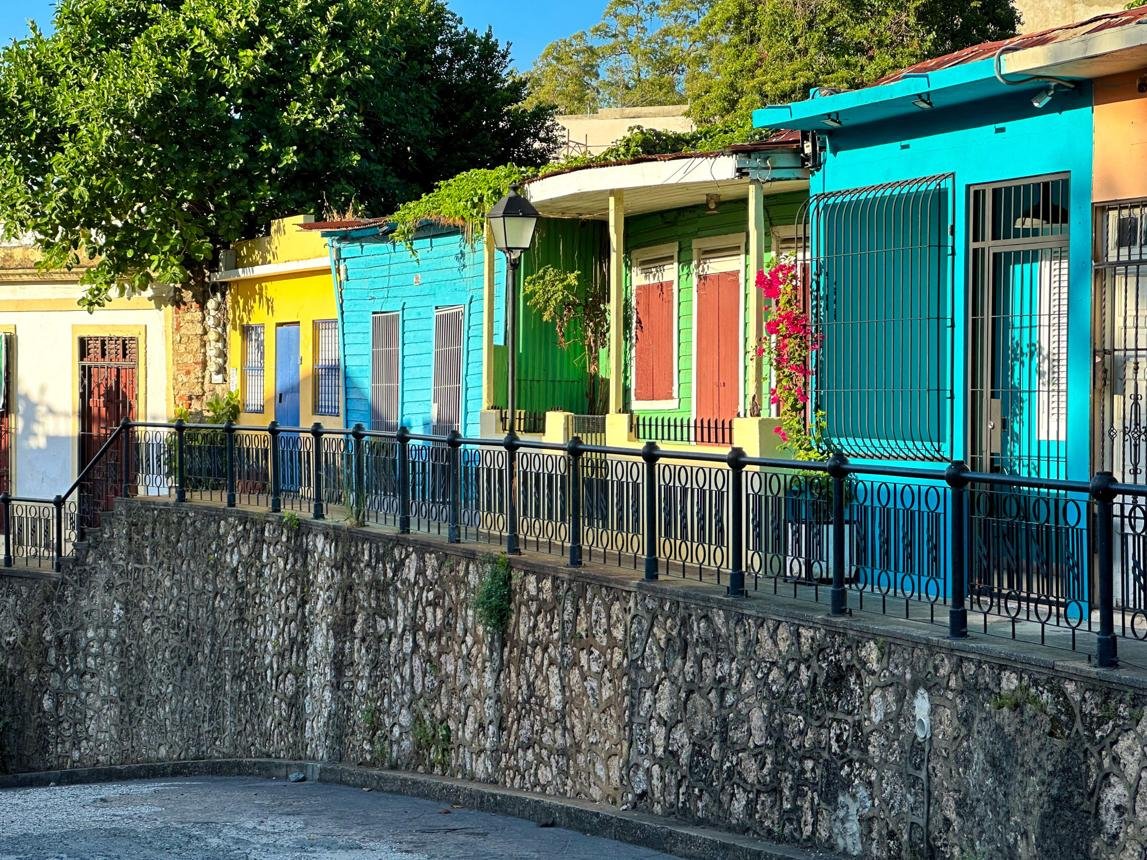
Today its Colonial Zone is considered a World Heritage Site.


Spanish colonization and its consequences
During the 16th and 17th centuries, the island remained under Spanish rule.
Colonization brought important changes:
- Introduction of Christianity.
- Arrival of European settlers.
- Plantation development.
- Introduction of African slaves.
The mix between indigenous, European and African peoples would give rise to a large part of the current Dominican cultural identity.
The division of the island of Hispaniola
As time went by, the western part of the island was occupied by France.
This situation led to the territorial division between:
- Santo Domingo Spanish.
- Saint-Domingue French.
Over time, the French colony would become Haiti.
The Haitian occupation
One of the most important periods in Dominican history occurred between 1822 and 1844.
During those years, the entire island came under Haitian control.
This period produced profound political and social transformations.
It also strengthened the desire for independence among numerous sectors of the Dominican population.
The Dominican Independence of 1844
February 27, 1844 marked the official birth of the Dominican Republic.
Independence was promoted by the movement known as:
The Trinitarian
The secret organization was founded by Juan Pablo Duarte.
Other key protagonists were:
- Francisco del Rosario Sánchez
- Matías Ramón Mella


The proclamation of independence took place at the historic Puerta del Conde.
The first decades of the Republic
Complex years began after independence.
Challenges included:
- Consolidation of the new State.
- Internal conflicts.
- External threats.
- Economic problems.
During this period political figures emerged who would set the course of the country.
The annexation to Spain
In 1861, President Pedro Santana promoted the annexation of the Dominican Republic to Spain.
The decision generated strong opposition.
Many Dominicans considered that national sovereignty was in danger.
The Restoration War
Between 1863 and 1865 the Restoration War took place.
This conflict allowed us to recover national independence.
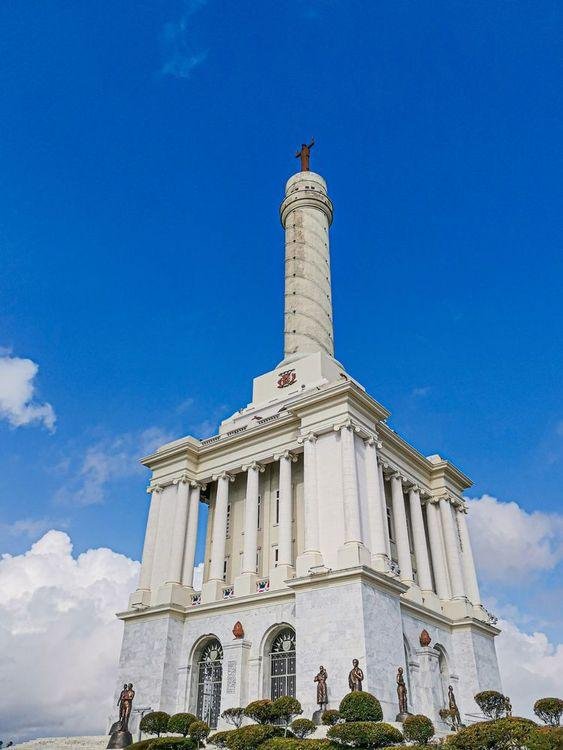
The war is considered one of the most important patriotic events in Dominican history.


The influence of the United States
During the 19th and 20th centuries, the United States increased its political and economic presence in the Caribbean.
Dominican Republic was no exception.
American occupation (1916-1924)
American troops occupied the country for eight years.
This period produced:
- Administrative reforms.
- Infrastructure modernization.
- Institutional changes.
However, it also generated resistance among large sectors of the population.
The Era of Trujillo
One of the best-known chapters in Dominican history is the dictatorship of Rafael Leónidas Trujillo.
He ruled directly or indirectly between 1930 and 1961.
His regimen was marked by:
- Centralization of power.
- Political repression.
- Great public works.
- Cult of personality.
This period continues to be the subject of historical study and debate.
The democratic transition
After Trujillo’s death in 1961, the Dominican Republic began a process of political transformation.
Over the following decades the following were produced:
- Democratic reforms.
- Periodic elections.
- Economic growth.
- Greater international opening.


Dominican Republic today
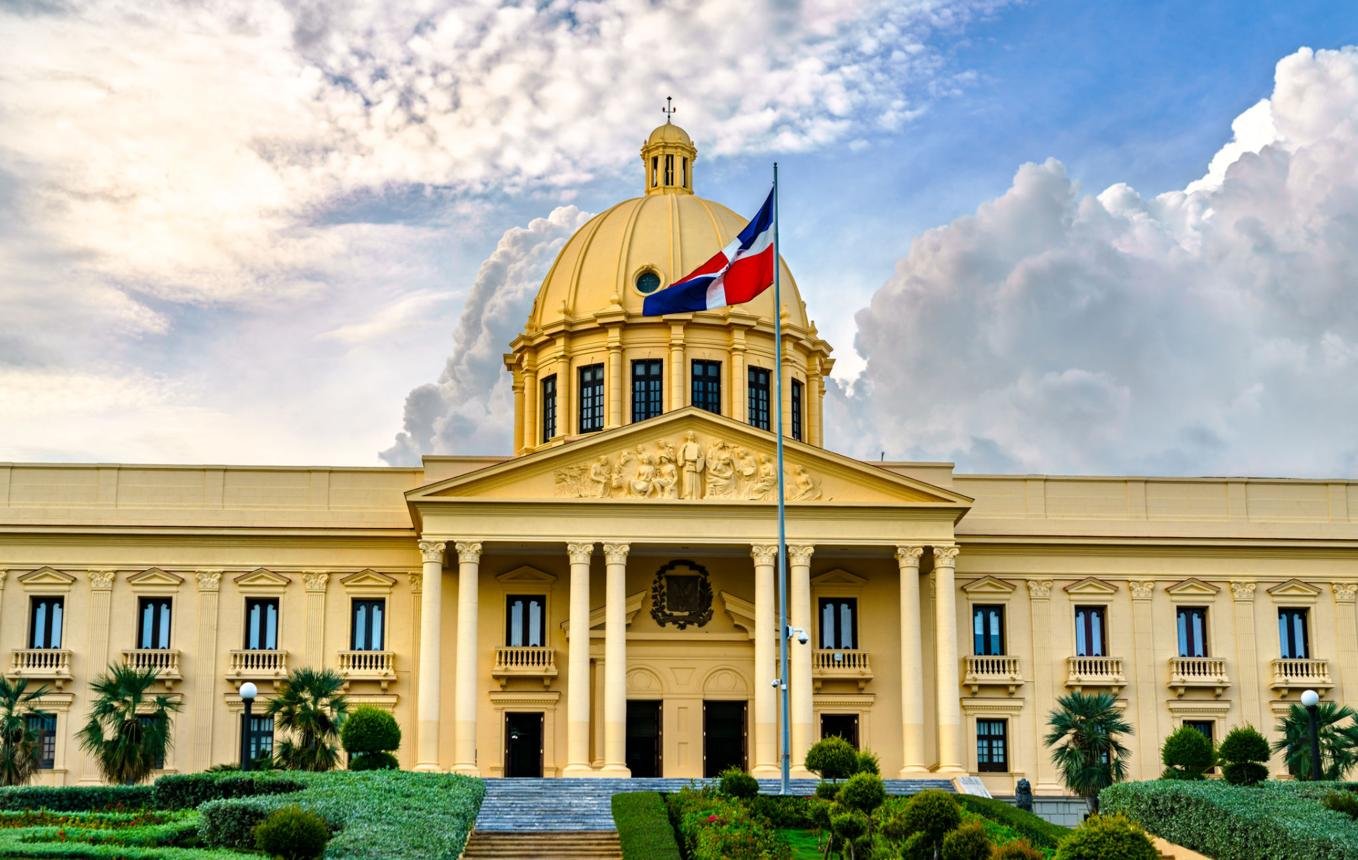
Today the Dominican Republic is one of the most dynamic economies in the Caribbean.
Featured by:
- International tourism.
- Service industry.
- Trade.
- Vibrant culture.
- Urban development.
Furthermore, it maintains a strong national identity built on centuries of history and cultural diversity.
Summary chronology of Dominican history
| Year | Event |
|---|---|
| Before 1492 | Presence of the Tainos |
| 1492 | Arrival of Christopher Columbus |
| 1493 | La Isabela Foundation |
| 1498 | Santo Domingo Foundation |
| 1822 | Haitian Occupation |
| 1844 | Dominican Independence |
| 1863 | Start of the Restoration War |
| 1916 | American occupation |
| 1930 | Beginning of the Trujillo Era |
| 1961 | End of the dictatorship |
| News | Modern democracy |
Historical curiosities of the Dominican Republic
- It was the first territory permanently colonized by Europeans in America.
- Santo Domingo is the oldest European city on the continent that is still inhabited.
- The first cathedral in America is located in Santo Domingo.
- The first university in the New World was founded in Dominican territory.
- Dominican independence was achieved against Haiti, not against Spain.
Frequently Asked Questions (FAQs)
Who discovered the Dominican Republic?
Christopher Columbus arrived on the island of Hispaniola in 1492 during his first voyage to America.
Who founded the Dominican Republic?
The Dominican Republic was officially born in 1844 thanks to the independence movement led by Juan Pablo Duarte, Sánchez y Mella.
When did the Dominican Republic become independent?
February 27, 1844
Who are the Founding Fathers?
Juan Pablo Duarte, Francisco del Rosario Sánchez and Matías Ramón Mella.
What was the most important event in Dominican history?
Many historians consider that the Independence of 1844 was the decisive moment that gave rise to the modern Dominican State.
When exploring the history of the Dominican Republic, it is evident that the Dominican national identity did not emerge from a single event, but from centuries of cultural encounters, struggles for sovereignty and social transformations. From the ancient Tainos to the modern nation we know today, each stage has contributed to building a country with a rich, complex and deeply fascinating history.