
When I began to thoroughly investigate the culture of China , I quickly realized that trying to summarize it in a few customs, typical dishes or festivities falls very short.
We are talking about a civilization with thousands of years of history, a huge territory and impressive regional diversity. What is considered traditional in Beijing can be very different from what we find in Sichuan, Yunnan, Guangdong, Xinjiang or Fujian.
And that is precisely what is interesting.
Chinese culture is not a museum piece. It is a combination of ancient traditions, philosophy, religion, gastronomy, literature, art, languages, architecture and customs that continue to evolve in a completely modern society.
When I compared different sources to prepare this content, I saw that the best approaches agree precisely on that: it is not enough to talk about Chinese gastronomy or the Chinese New Year. To really understand the culture of China you have to connect history, thought, family, language, art and daily life .
And that’s exactly what I’m going to do here.
What is Chinese culture?
Chinese culture is the set of traditions, values, beliefs, artistic expressions, languages, customs and forms of social organization developed over thousands of years in China and in Chinese communities around the world.
One of its main characteristics is its enormous historical continuity.
Despite wars, dynastic changes, invasions, revolutions and economic transformations, many traditional ideas continue to have influence in contemporary society.
At the same time, there is no single completely uniform Chinese culture.
China officially recognizes 56 ethnic groups , with the Han as the majority group, and numerous regional languages, dialects, cuisines, religious traditions and artistic expressions exist within the territory.
Therefore, when we talk about Chinese culture , we are really talking about an enormous cultural mosaic.


The influence of history on Chinese culture
To understand current Chinese customs we must look to the ancient civilizations that developed around the great rivers, especially the Huang He and the Yangtze .
The Xia, Shang and Zhou dynasties are part of the early chapters of Chinese history, although some issues related to the early dynasties remain the subject of historical and archaeological debate.
Later came periods such as Qin, Han, Tang, Song, Yuan, Ming and Qing, each of which left its own cultural imprint.
Historical continuity is precisely one of the characteristics that most highlights the sources on Chinese culture.
For centuries they developed:
- Chinese writing.
- Confucian philosophy.
- Taoism.
- Chinese Buddhism.
- Classic literature.
- Traditional painting.
- Calligraphy.
- Porcelain.
- The paper.
- The printing press.
- Gunpowder.
- The compass.
- Traditional medicine.
- Different schools of martial arts.
- An extremely diverse gastronomy.
And many of these expressions also ended up influencing other countries in Asia.
Confucianism: one of the keys to understanding China
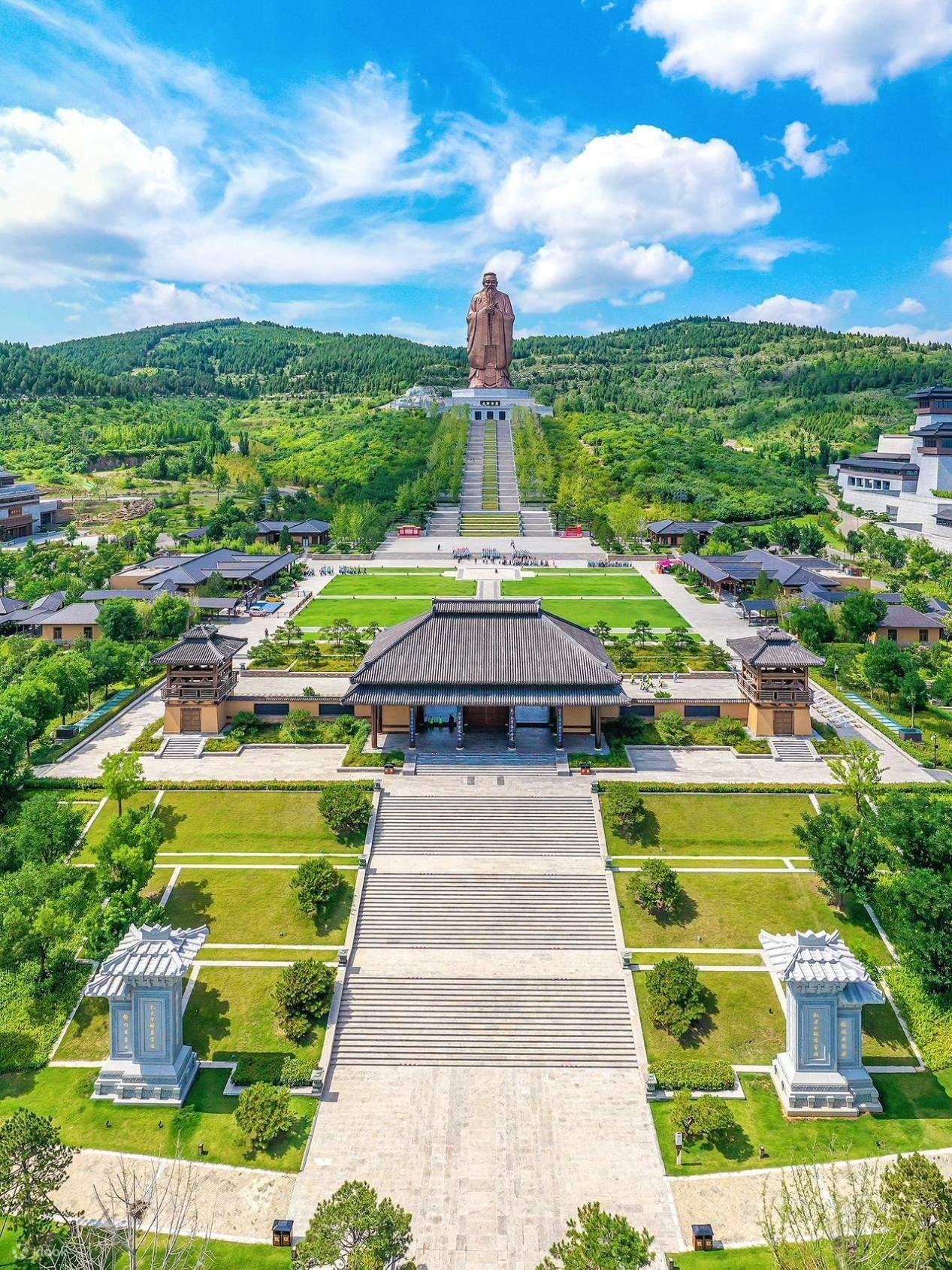
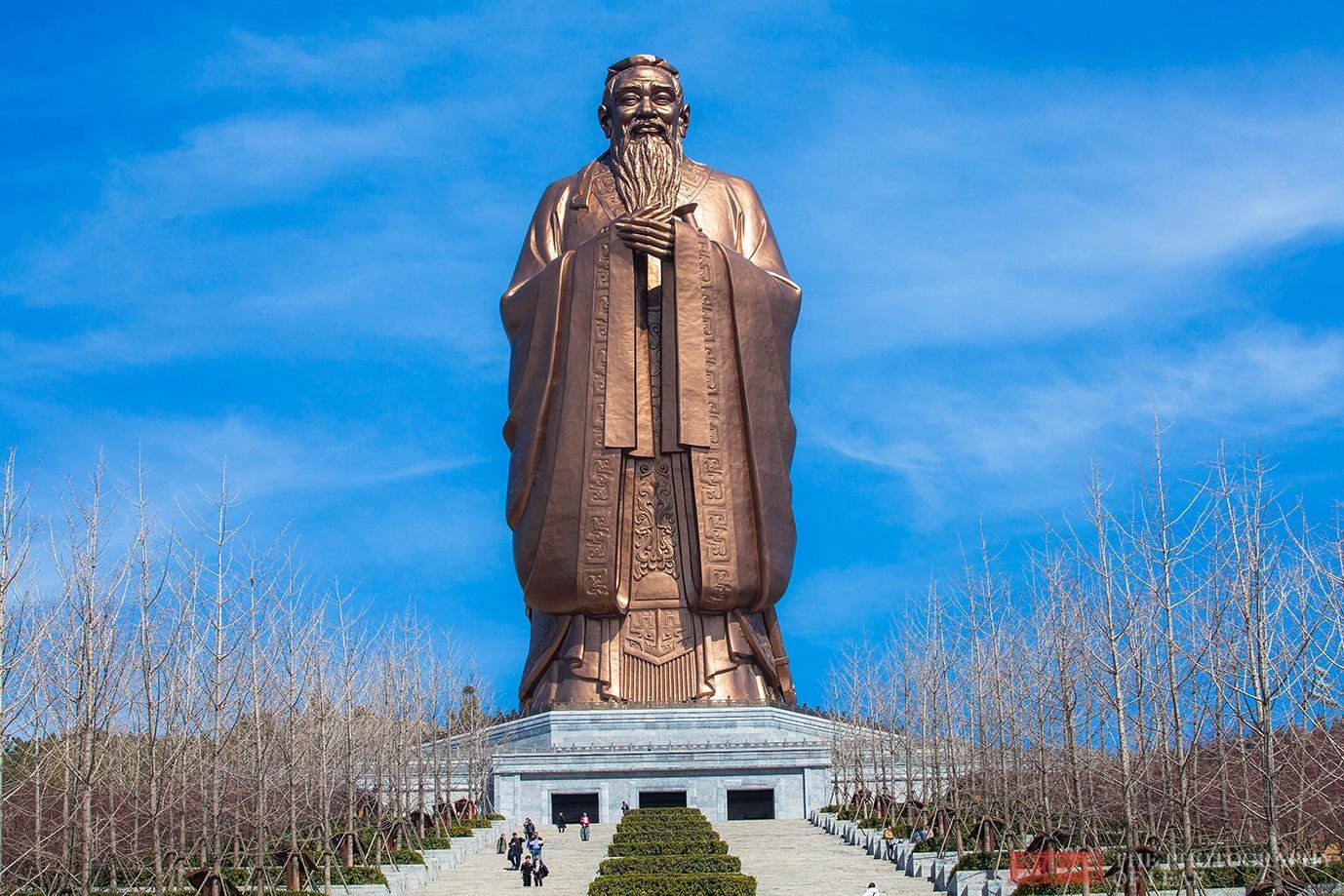
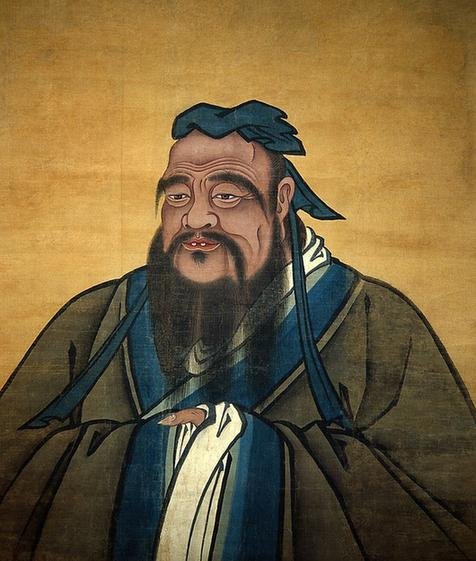
If I had to choose just one idea to begin to understand traditional Chinese society, I would probably choose Confucianism .
The thought of Confucius placed much emphasis on concepts such as education, respect, family, personal responsibility, appropriate conduct and social relationships.
It is not simply a religion.
Confucianism functioned for centuries as an ethical, philosophical and social system that profoundly influenced education and the administration of the State.
Some ideas associated with this tradition include:
- Respect for parents and ancestors.
- Importance of education.
- Responsibility within the family.
- Respect for hierarchies.
- Social harmony.
- Self-discipline.
- Importance of rituals and rules of behavior.
This helps to understand why family and respect for elders have historically occupied such an important place within Chinese culture.


Taoism and the search for balance
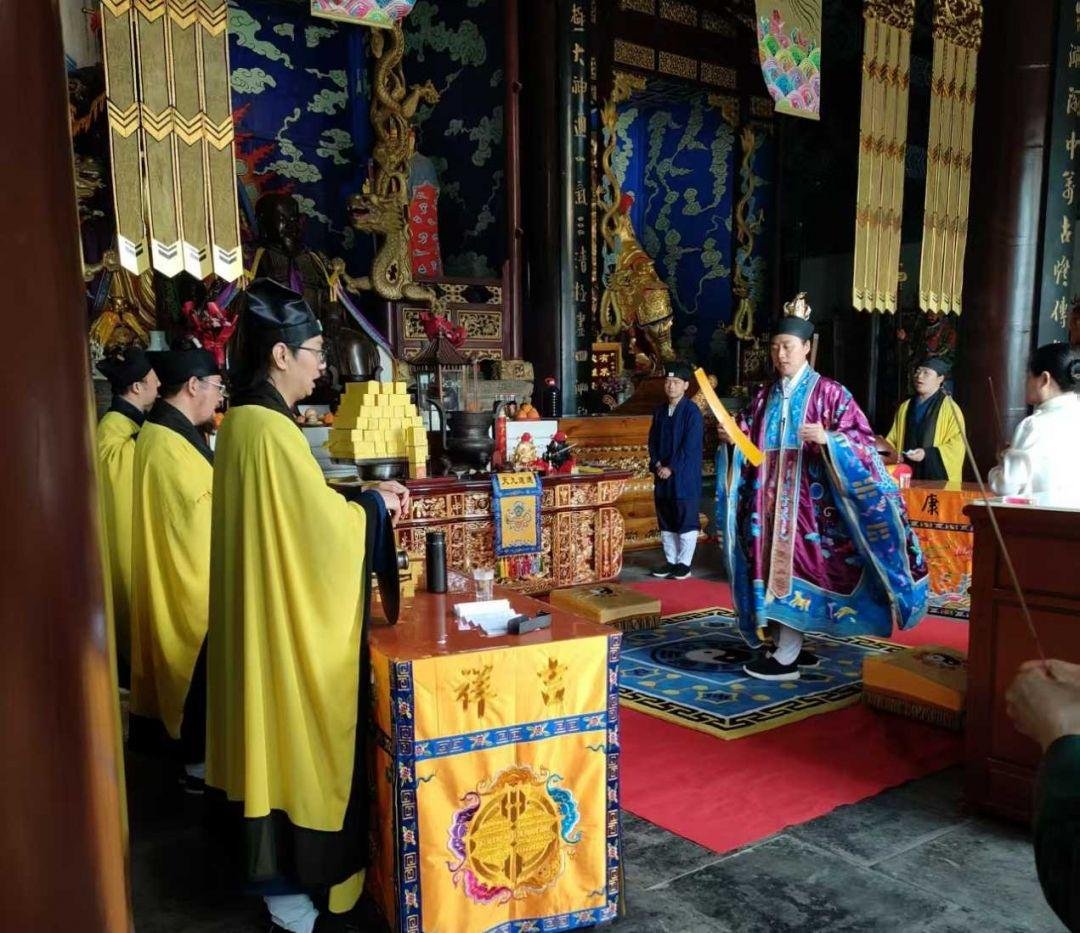
Another fundamental current is Taoism .
While Confucianism is closely related to ethics, education and social relations, Taoism places great emphasis on the relationship between humans and nature, balance and the concept of Tao , understood as the path or principle that crosses reality.
The yin and yang symbol is probably one of the most recognizable Chinese elements in the world.
Represents the complementarity of apparently opposite forces.
It doesn’t just mean “good versus bad.”
The fundamental idea is more related to balance and interdependence.




Buddhism in Chinese culture
Buddhism came to China from the Indian subcontinent through the trade and cultural routes of Asia.
Over time, important Chinese Buddhist schools developed, and Buddhism became part of the religious, artistic and philosophical life of the country.
One of the branches that would later have enormous international influence was Chan Buddhism , related to what in Japan would be known as Zen.
Buddhist temples, sculptures, wall paintings and religious grottoes form a fundamental part of Chinese cultural heritage.
The Mogao Grottoes , near Dunhuang, are one of the most impressive examples.


In practice, the three great traditions — Confucianism, Taoism and Buddhism — have interacted for centuries with popular religions and local customs.
So simplifying Chinese religion by saying that a person “is a Confucian” or “is a Taoist” may be too limiting.
The family in Chinese culture
The family occupies a central place in traditional Chinese culture.
The influence of Confucian thought made family relationships acquire enormous importance.
Respect for parents and elders, known as filial piety , has traditionally been considered a fundamental virtue.
There is also a strong importance of ancestors.
In certain family traditions, practices are carried out to honor deceased relatives and keep the bond between generations alive.
This also helps to understand the importance of family celebrations.
For me, this is one of the most interesting parts when studying Chinese culture: many customs that from the outside seem simply ceremonial have a fairly deep conception of family and continuity between generations behind them.
Chinese language and characters
Language is another of the pillars of Chinese culture.
When we talk about “Chinese”, we are usually grouping together an enormous linguistic diversity.
Standard Mandarin , based mainly on northern varieties, is the official language of the People’s Republic of China, but there are numerous linguistic varieties and languages spoken by different communities.
Among the best-known sinitic varieties we find:
- Mandarin.
- Wu.
- Yue, associated with Cantonese.
- Min.
- Hakka.
- Gan.
- Xiang.
In addition, there are languages belonging to other linguistic families among the different ethnic groups in the country.
Chinese characters
An extraordinary characteristic of Chinese culture is its writing system.
Chinese characters have a history of several thousand years.
The first important evidence appears in the inscriptions on oracle bones used during the Shang dynasty.
Over time, the characters evolved into the forms used today.


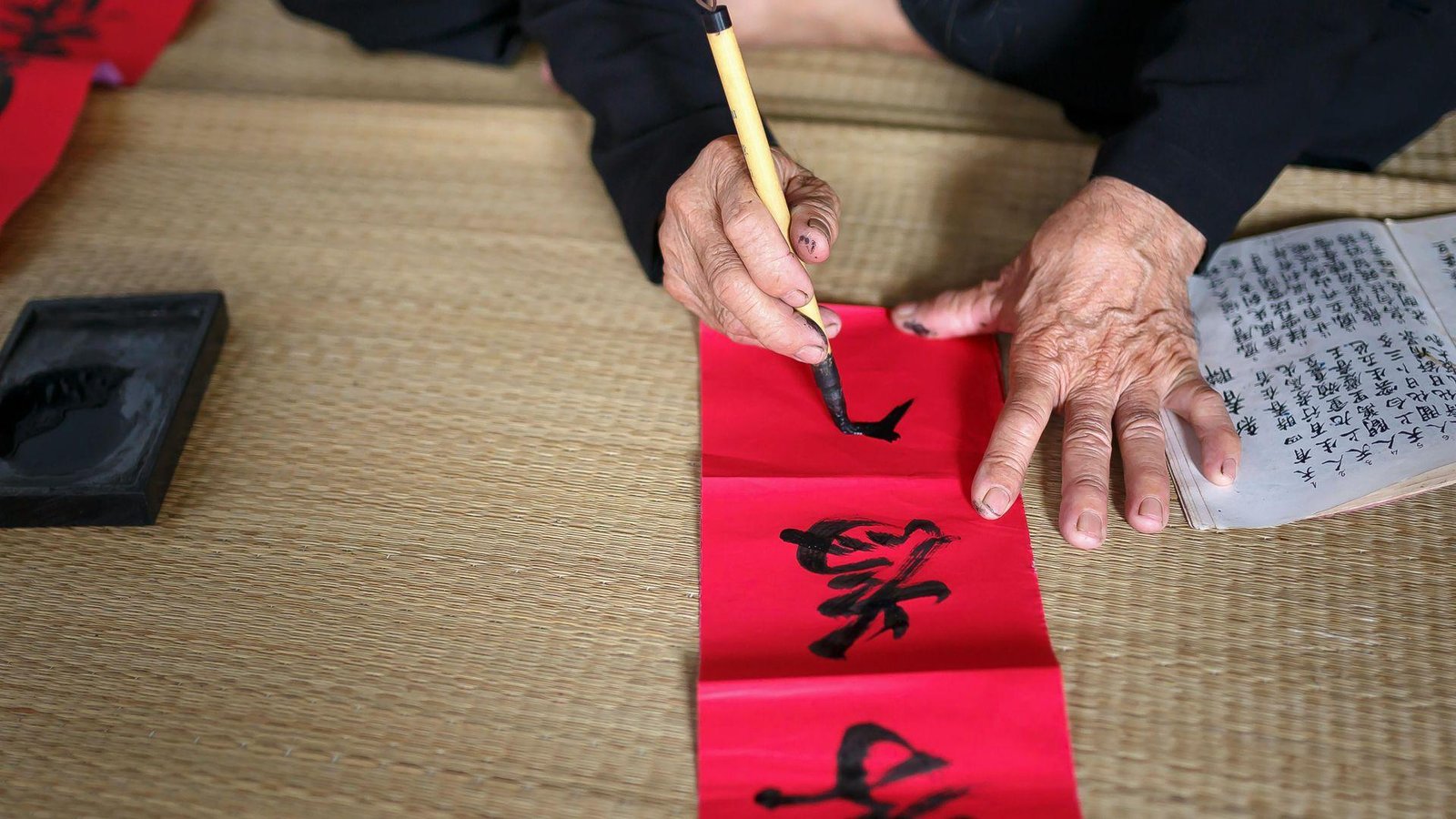
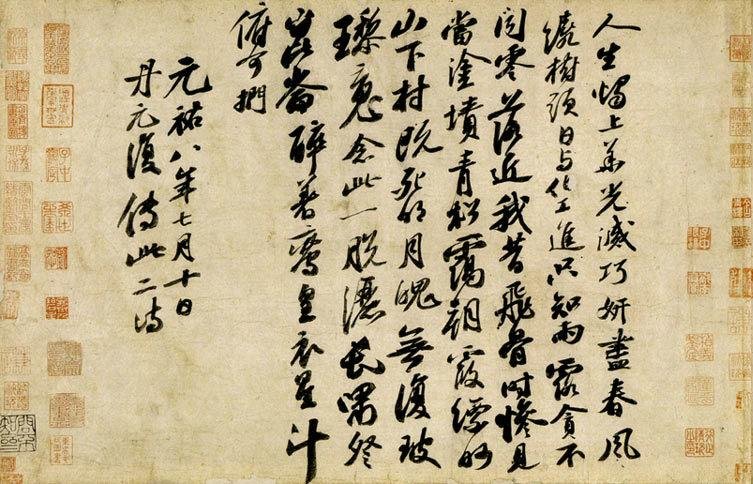
And here appears another fundamental cultural expression: the Chinese calligraphy .
It’s not just pretty writing.
It is traditionally considered an artistic discipline in which the movement of the brush, composition, balance and the personality of the author matter.
The ink, paper, brush and ink stone are part of the set known as the Four Treasures of the Studio.
Chinese literature
Chinese literature has a very long tradition.
Among his classic texts are philosophical, historical, poetic and religious works.
The texts associated with Confucius and other ancient thinkers had an enormous influence on traditional education.
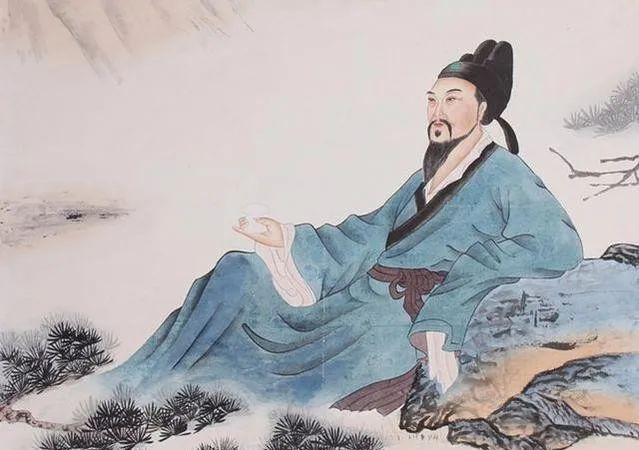
Poetry reached an extraordinary level during the Tang Dynasty.
Poets such as Li Bai and Du Fu remain key figures in Chinese literature.
During the Song Dynasty, poetry and other literary forms continued to develop.


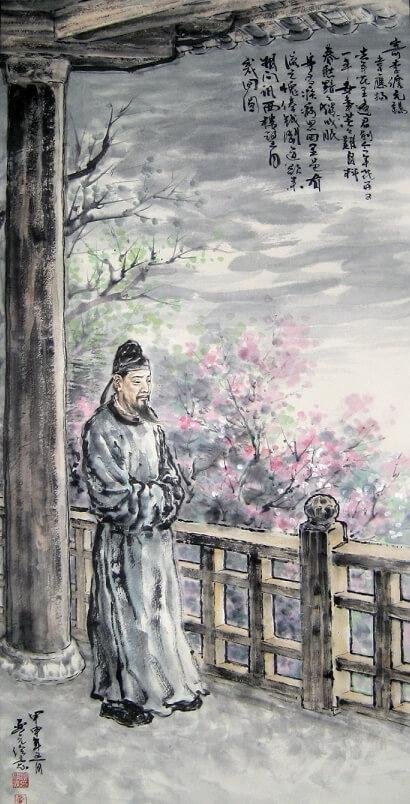

In later times, great classic novels also appeared such as:
- Romance of the Three Kingdoms .
- At the water’s edge .
- Journey to the West .
- Dream in the red pavilion .
These works are not only important as literature.
They have also influenced theater, film, visual arts, and Chinese popular culture.
Chinese gastronomy: much more than rice and rolls
If there is one aspect of Chinese culture that practically everyone recognizes, it is gastronomy.
But there is also a common problem here: talking about “Chinese food” as if it were a single cuisine.
China is huge.
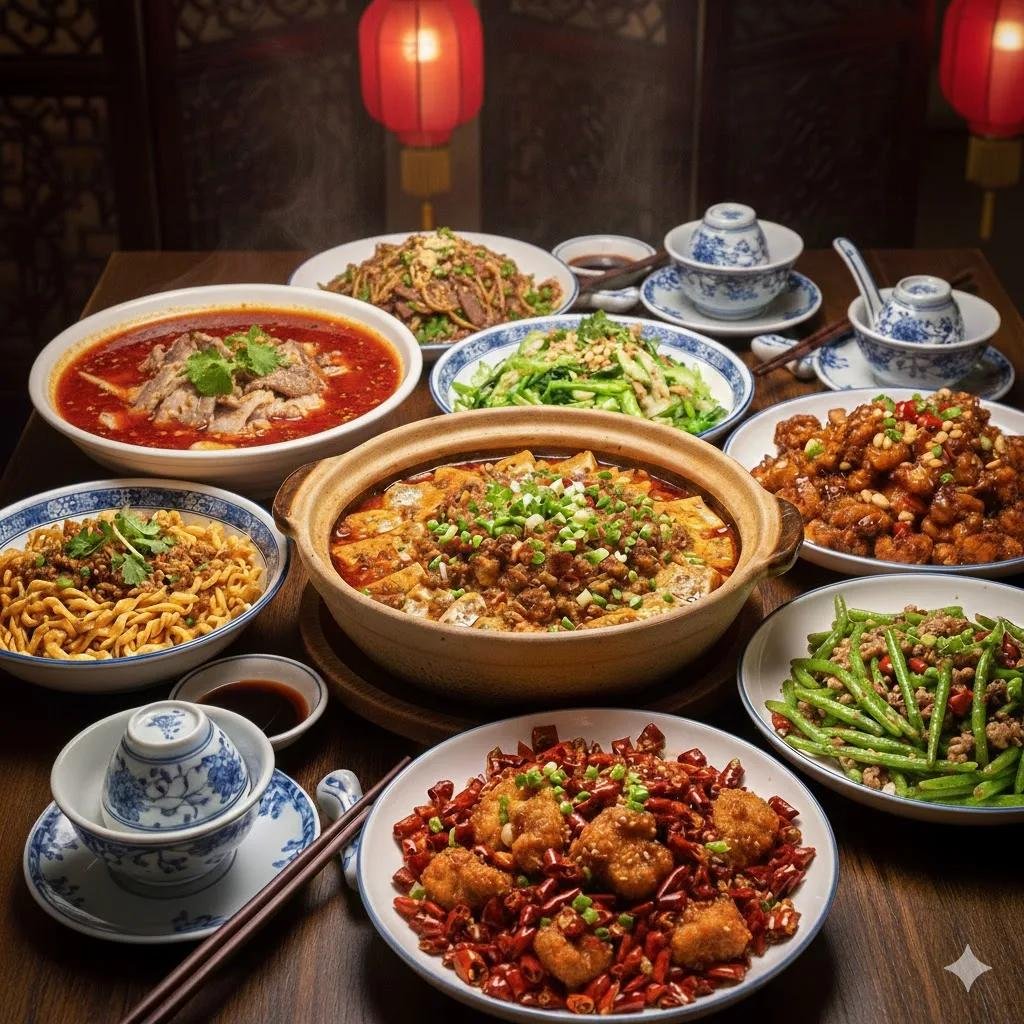
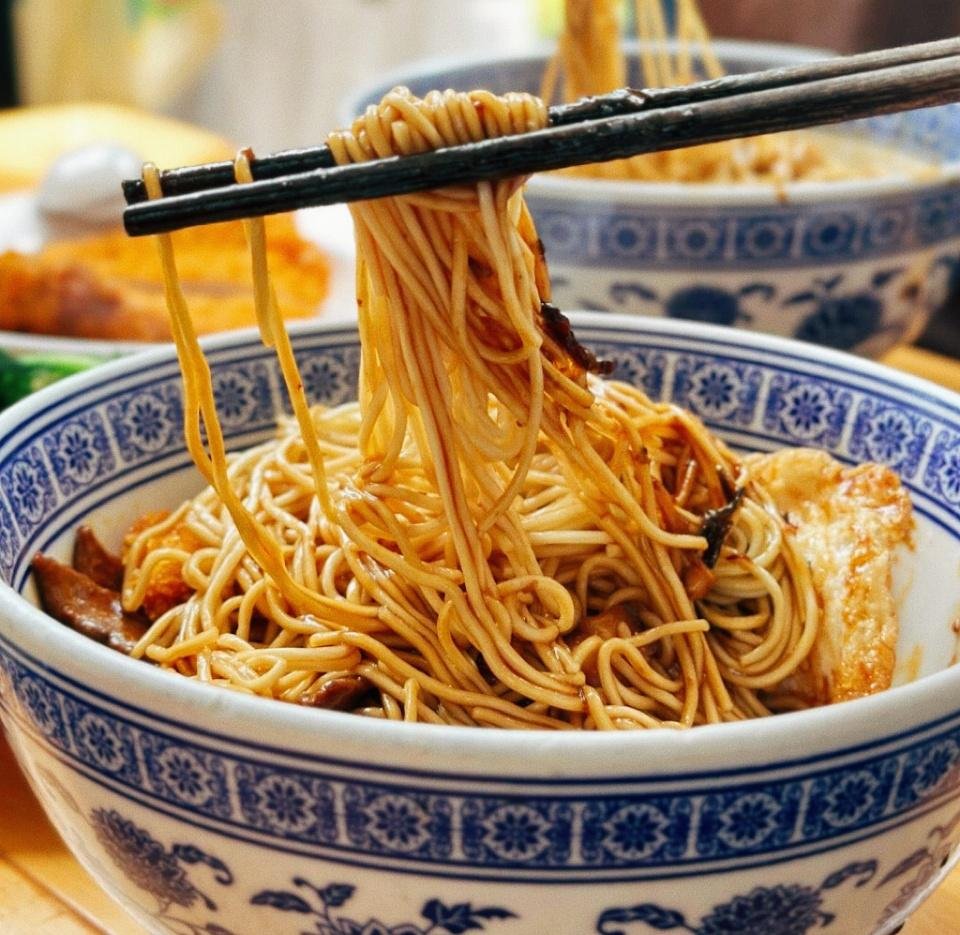
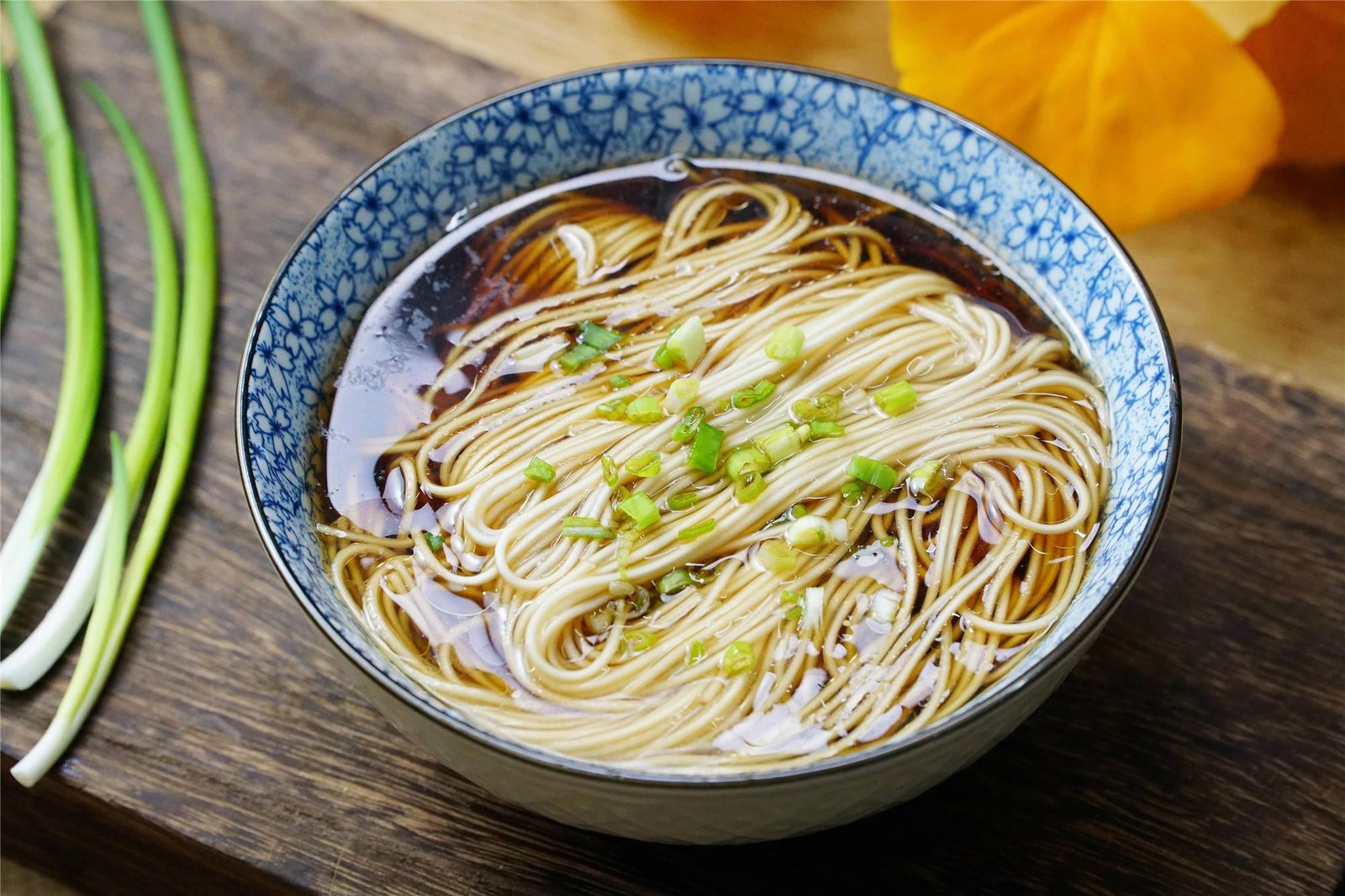
That is why there are very important gastronomic differences between regions.




Sichuan Cuisine
It is famous for intense, spicy flavors and for the characteristic Sichuan pepper .
Sichuan hot pot is one of its best-known dishes.
Cantonese cuisine
It has a huge tradition in Guangdong and Hong Kong.
dim sum , Cantonese roasts and different seafood preparations are part of this culinary tradition.
Beijing Cuisine
The lacquered Peking duck is probably its most famous international representative.
Hunan Cuisine
It is also known for using plenty of spice and intense flavors.
Jiangsu Kitchen
Traditionally notable for refined preparations, attention to texture and presentation.
And these are just some of the great culinary traditions.
Chinese gastronomic diversity is much greater.
The importance of tea in China
Tea is not simply a drink.
It has been part of Chinese history and culture for centuries.
Tea tradition is related to agriculture, traditional medicine, hospitality, ceremony and everyday life.
There are numerous varieties, including:
- Green tea.
- Black tea.
- White tea.
- Yellow tea.
- Oolong.
- Pu-erh.


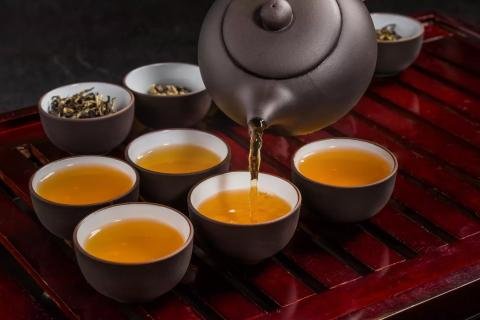

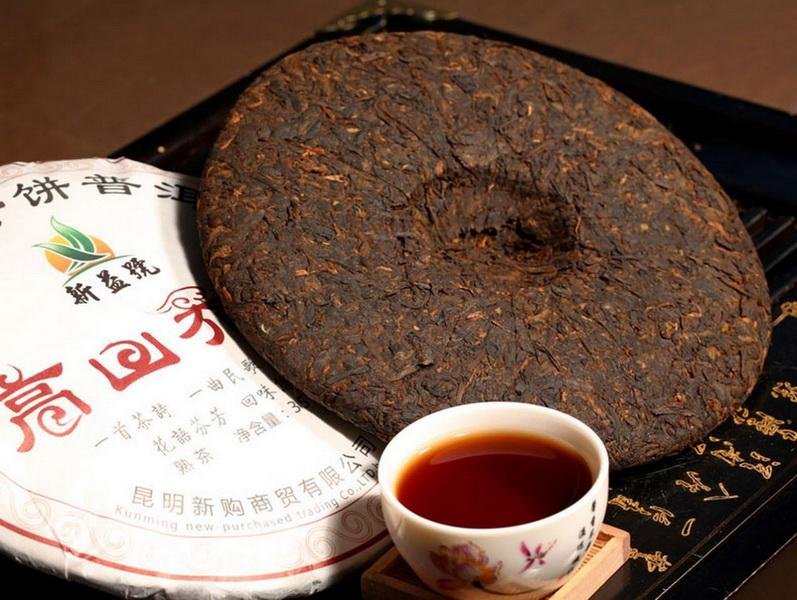

The way tea is prepared and served can vary greatly depending on the region and tradition.
And if there is something I learned by reviewing different aspects of Chinese culture, it is that many times an everyday object—a teacup, a paintbrush, or even a plate—can have centuries of cultural evolution behind it.
Chinese New Year
Chinese New Year , known as the Spring Festival, is one of the most important celebrations in the traditional Chinese calendar.
Its date changes every year because it is related to the traditional lunisolar calendar.
Celebrations typically include:
- Family reunions.
- Special dinners.
- Red decorations.
- Red envelopes.
- Fireworks and public celebrations in certain locations.
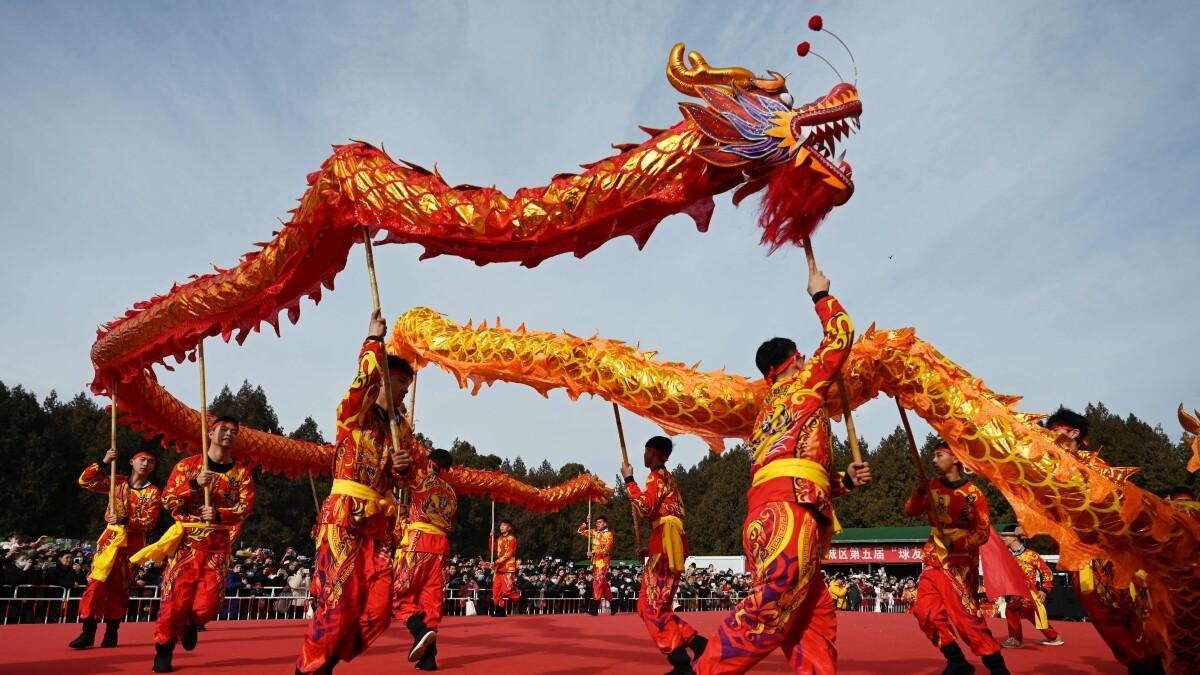
- Dances of the dragon and the lion.
- Family visits.
- Wishes for prosperity for the new year.


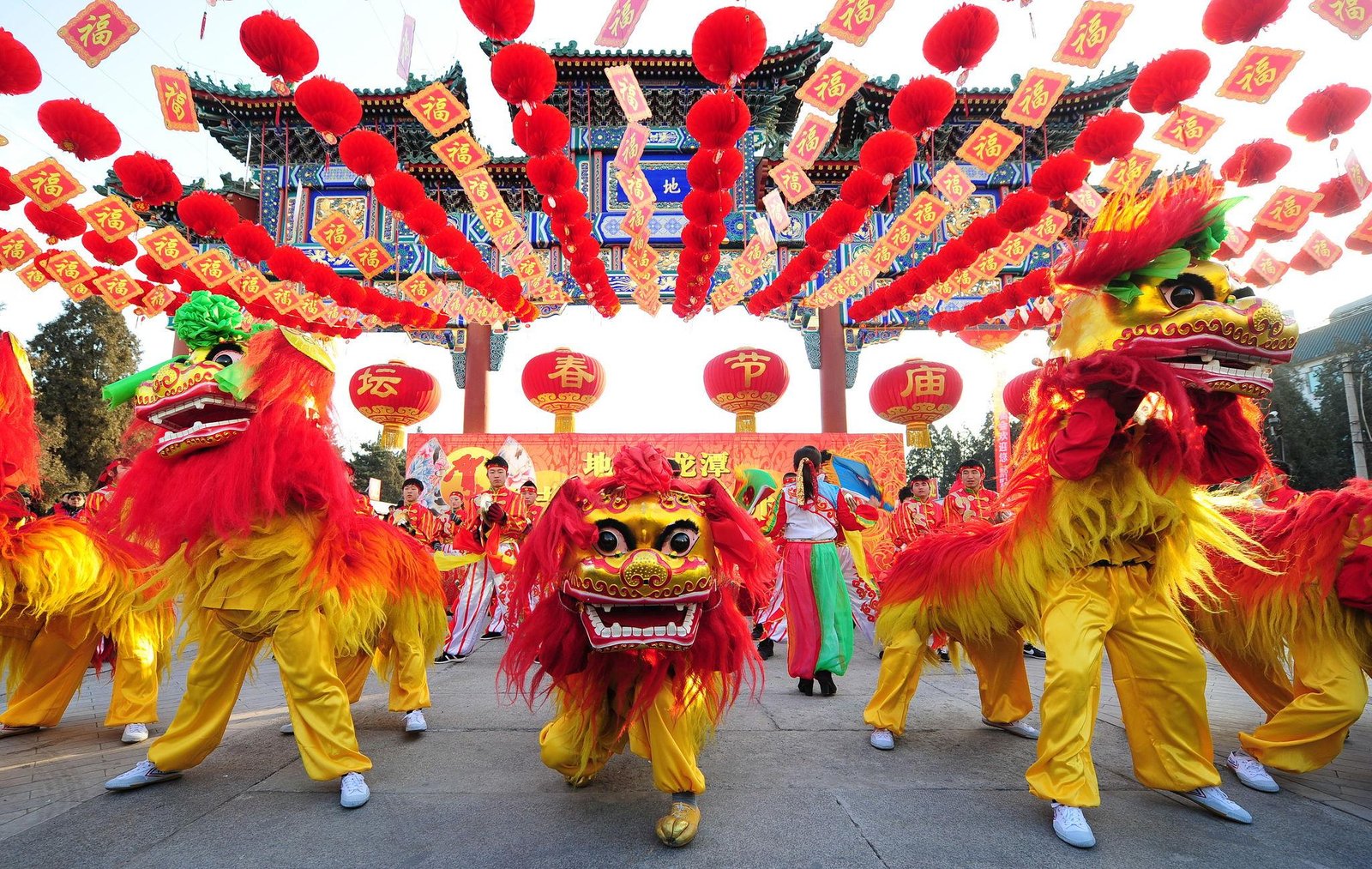


The color red has a huge presence during these celebrations and is traditionally associated with good fortune and prosperity.
But the New Year is not simply a party.
For many families it is one of the most important times of the year to get together .
The Mid-Autumn Festival
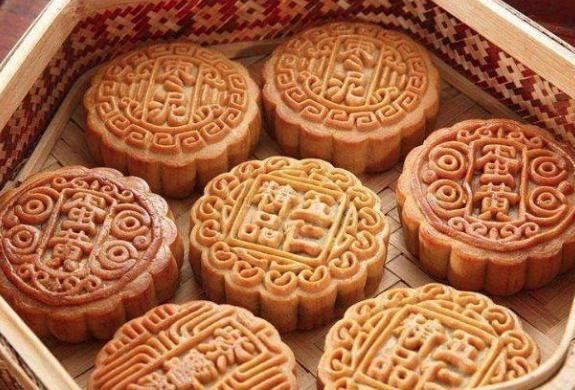
Another essential celebration is the Mid-Autumn Festival .
It is celebrated on the fifteenth day of the eighth month of the traditional lunar calendar.
The full moon plays a central role and family gatherings are an important part of the celebration.
The famous mooncakes , known as mooncakes , are one of its gastronomic symbols.


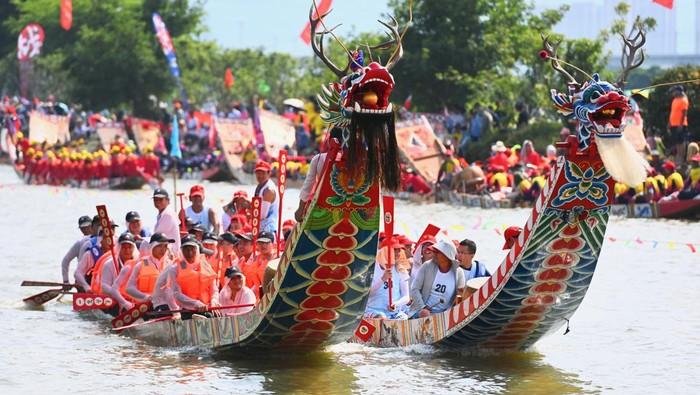
The Dragon Boat Festival
The Duanwu Festival , known internationally as the Dragon Boat Festival, combines traditions, competition and gastronomy.
Dragon boat racing is its best-known element.
The famous zongzi , glutinous rice preparations usually wrapped in leaves, are also consumed.




The symbolism of colors in China
Colors can have particular cultural meanings.
Red
It is one of the colors most associated with:
- Good fortune.
- Celebration.
- Prosperity.
- Happiness.
Yellow
Historically it was associated with imperial authority and the position of the emperor.
Green
It can be related to nature, life and other meanings depending on the context.
White
It has traditionally had associations with mourning in China, something that may be different for people from cultures where black people occupy that role.
Therefore, understanding cultural symbolism even helps to correctly interpret certain celebrations, buildings, works of art and decorations.
The dragon in Chinese culture
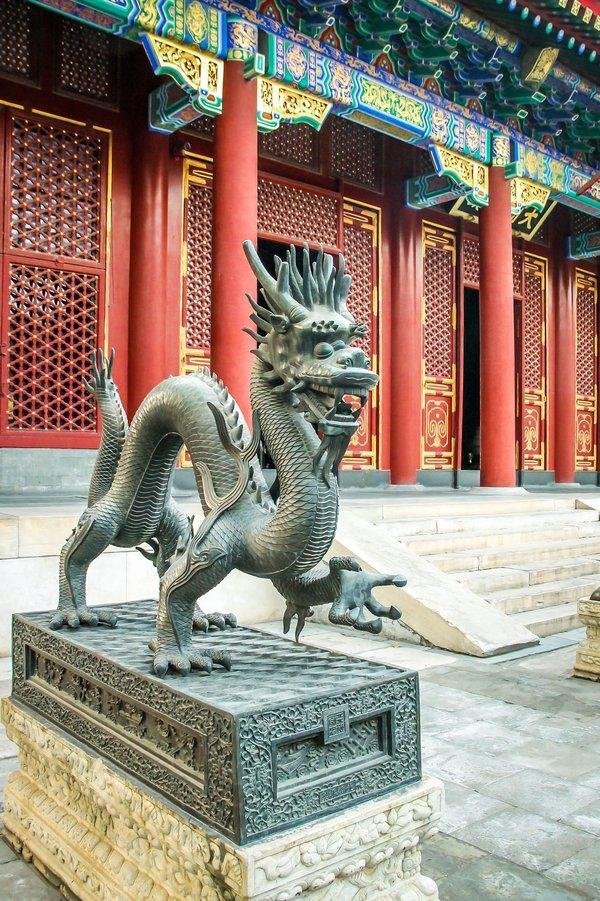
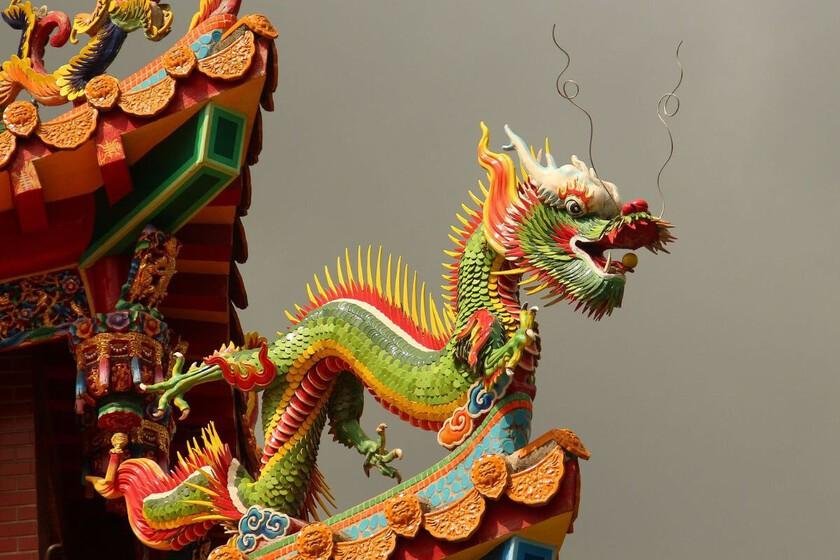
Few symbols are as closely associated with China as the Chinese dragon .
Unlike many Western depictions, the traditional Chinese dragon is usually not simply a dangerous, fire-breathing monster.
It has historically been related to power, rain, water, prosperity and authority.
The dragon was also associated with the imperial figure.



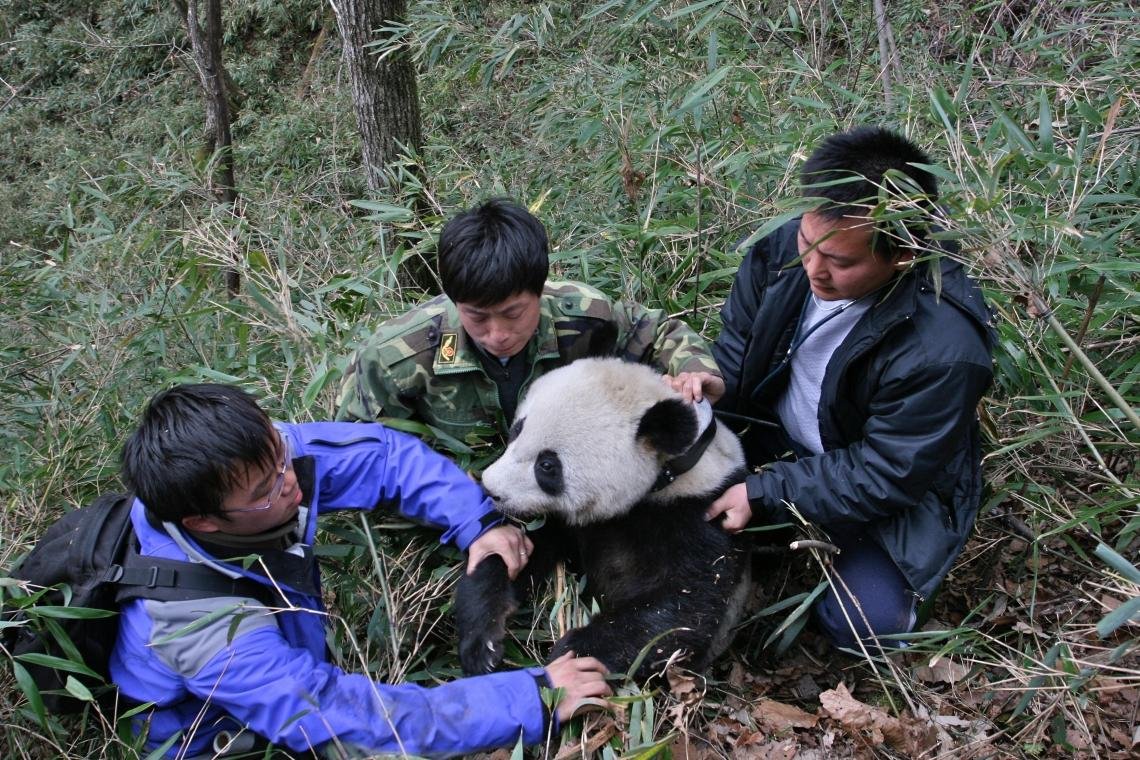
The giant panda as a cultural symbol
The giant panda has become one of the most recognizable symbols of China.
Although it mainly belongs to the country’s natural heritage and is not a “tradition” in the strict sense, its contemporary cultural importance is enormous.
Appears in international campaigns, cultural products, institutions and popular representations of China.




Traditional Chinese architecture
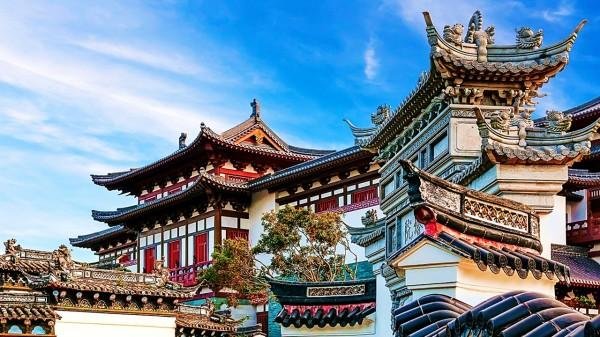
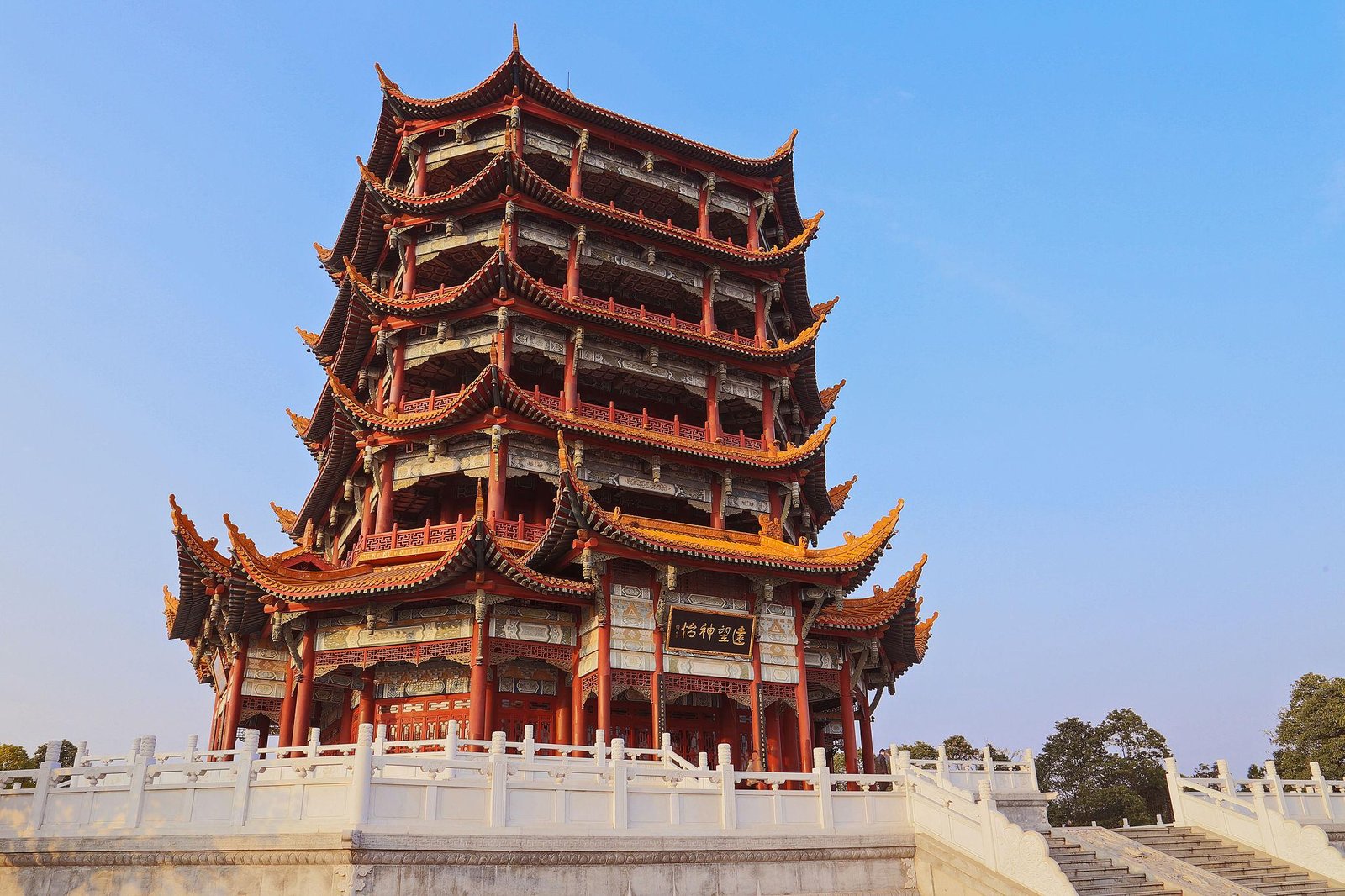
Architecture is another of the great expressions of Chinese culture.
Traditional buildings often use wooden structures, patios, symmetry and complex roofs.
Imperial palaces, temples, pagodas, gardens and traditional homes show different versions of this architecture.
One of the important principles is the relationship between the building and its environment.
feng shui has also historically influenced certain decisions related to the orientation and layout of spaces.



The Forbidden City
The Forbidden City , in Beijing, is probably one of the best examples of Chinese imperial architecture.
It was the political and ceremonial center of the emperors for centuries.
Its enormous patios, doors, halls and buildings follow a design that reflects hierarchy, symmetry and symbolism.
The complex allows us to visualize how the architecture was directly related to imperial power.
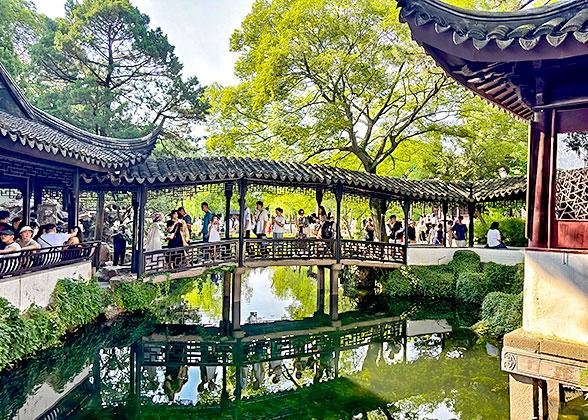
The Chinese gardens
Traditional Chinese gardens seek to create an idealized representation of nature.
Instead of trying to completely dominate the landscape, they seek to integrate with it.
Water, rocks, trees, pavilions, bridges and paths are carefully combined.
Suzhou Classical Gardens are one of the most famous examples.




Traditional Chinese painting
Traditional Chinese painting has a very different philosophy from Western painting.
Landscapes are not necessarily intended to reproduce exactly what the artist sees.
Many works seek to convey a sensation, an atmosphere or a certain relationship between human beings and nature.
Ink painting and landscape painting achieved enormous development.
Mountains, rivers, trees, animals and human figures appear frequently.


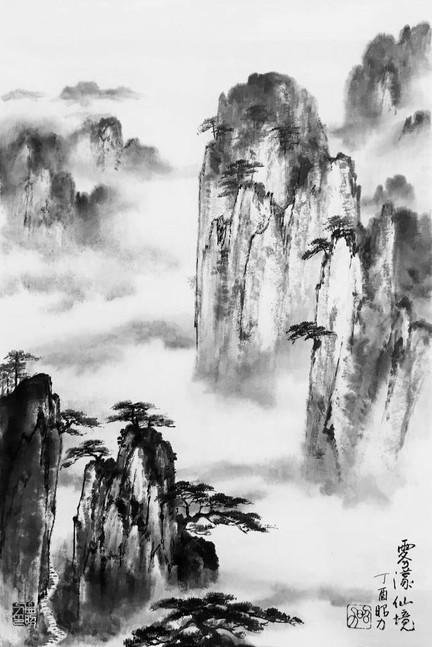


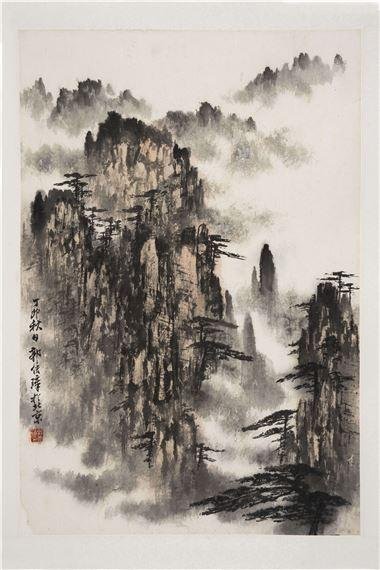
The concept shan shui , literally related to “mountain and water”, is especially important within the landscape tradition.
Chinese porcelain
Porcelain is another of the great symbols of Chinese culture.
The city of Jingdezhen historically became one of the most important centers of porcelain production.
Chinese porcelain was exported for centuries to different parts of Asia, the Middle East and Europe.


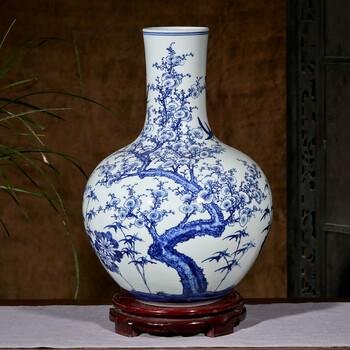

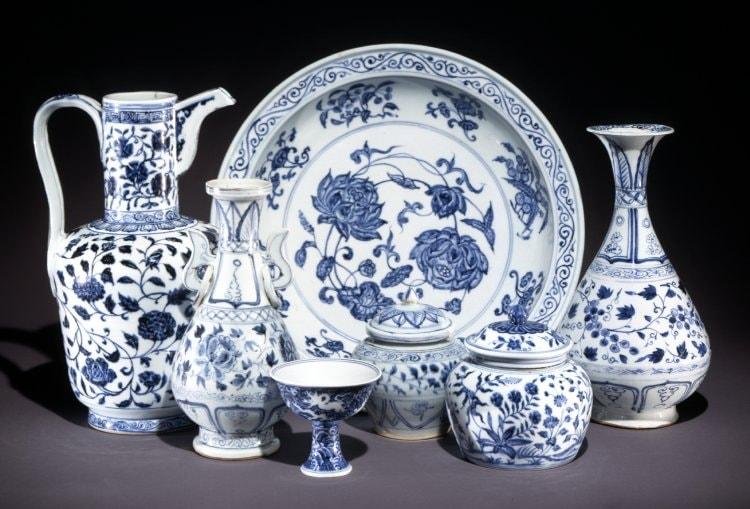

In fact, the European fascination with these pieces was so great that the English word , Chinese , also ended up being associated with porcelain.
Silk and the Silk Road
Silk is another inseparable element of the historical image of China.
For centuries, China developed an extraordinary silk production industry.
The Silk Road connected China to Central Asia, the Middle East and finally Europe through a complex network of land and sea routes.
Not only products were transported.
Also traveling:
- Religions.
- Technologies.
- Ideas.
- Scriptures.
- Customs.
- Works of art.
- Plants and foods.


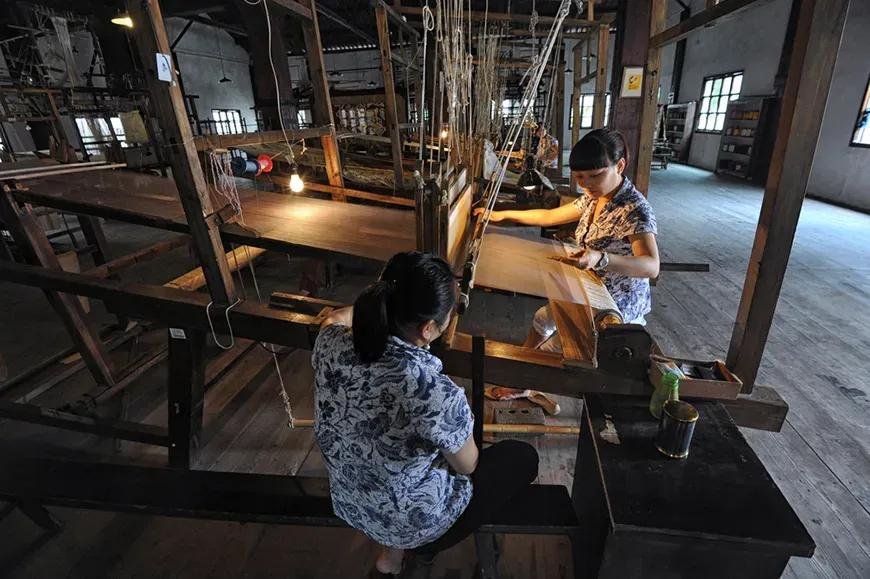


That is why China’s cultural history cannot be understood as something completely isolated either.
China has received external influences for thousands of years and, at the same time, has exported an enormous amount of products and ideas.
Chinese martial arts
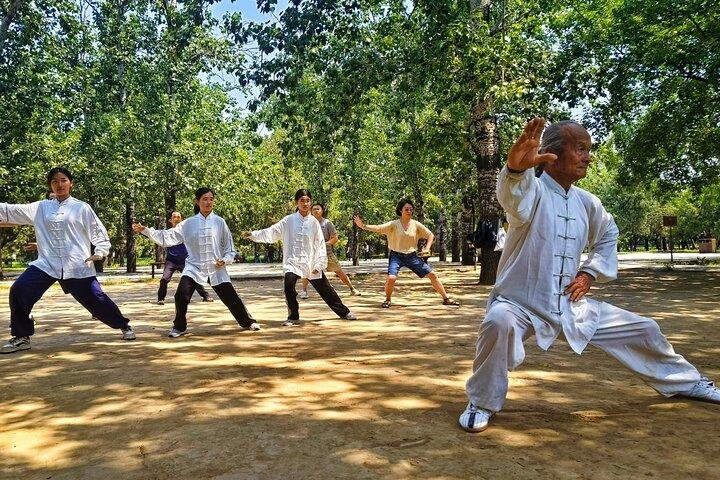
The Chinese martial arts , generally known as wushu or kung fu , bring together numerous schools and traditions.
Among the best known are:
- Shaolin.
- Tai chi.
- Wing Chun.
- Bajiquan.
- Modern Wushu.
Some are historically linked to monasteries, others to local communities and others to family traditions.
tai chi , for example, is practiced both as a martial discipline and as an exercise related to slow movements, breathing and balance.



Chinese opera and the performing arts
When we talk about Chinese theater we find an enormous variety.
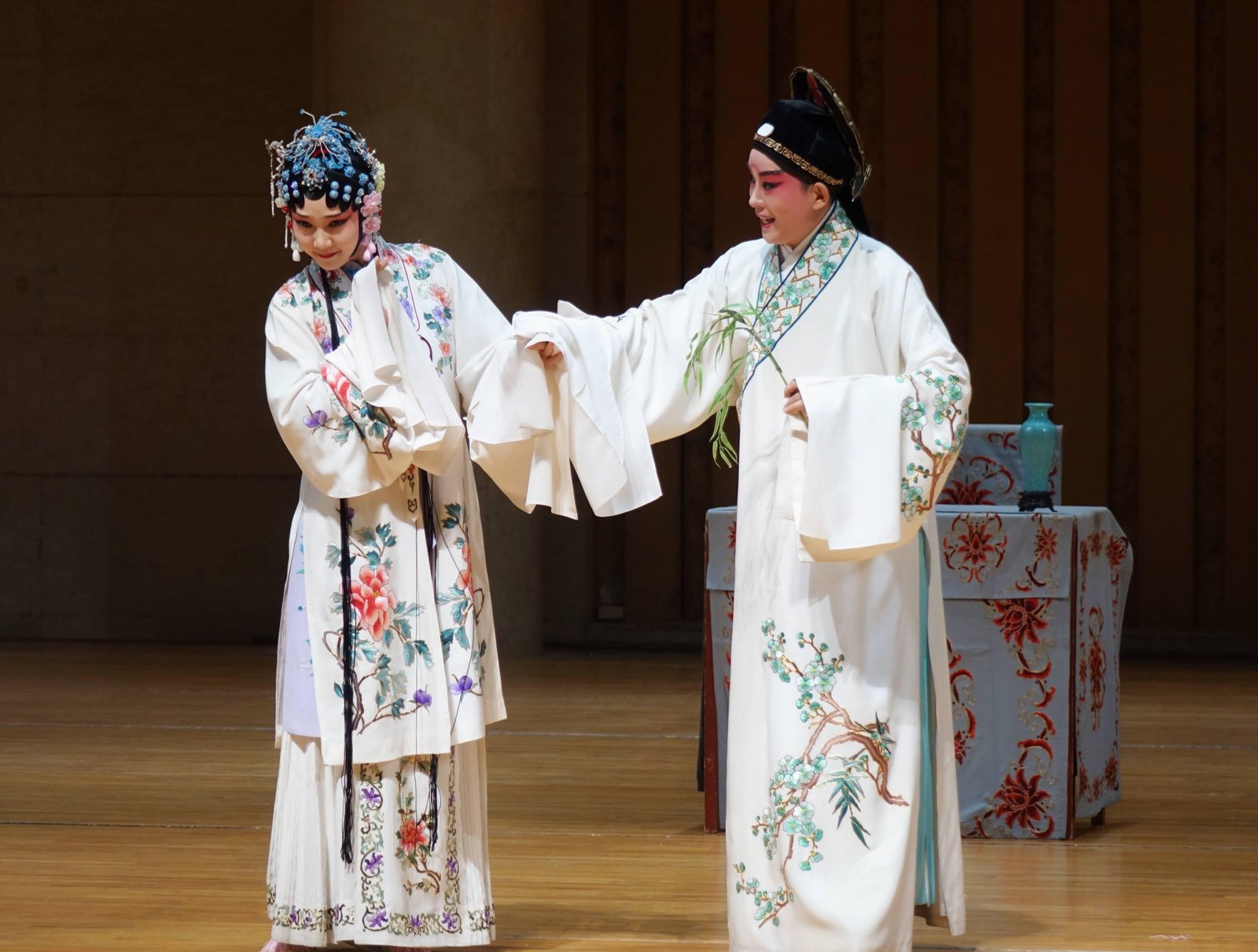
The Peking opera is probably the best known internationally.
Combine:
- Music.
- Singing.
- Dance.
- Acrobatics.
- Martial arts.
- Makeup.
- Costume.
- Narration.




But there are many other regional forms.
The Sichuan opera , for example, is famous for its rapid mask changes, while the Kunqu is known for its elegance, music and poetry. Advantour highlights precisely this diversity of performing forms within traditional Chinese arts.
Traditional Chinese music
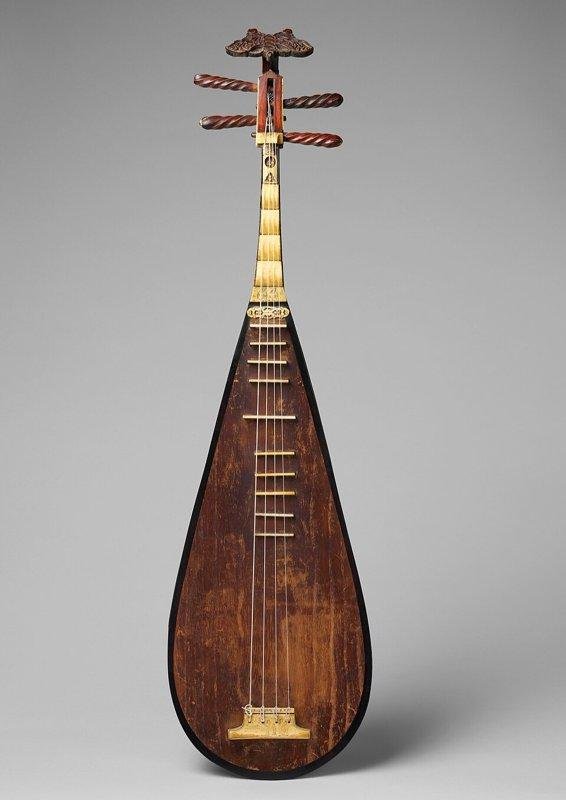
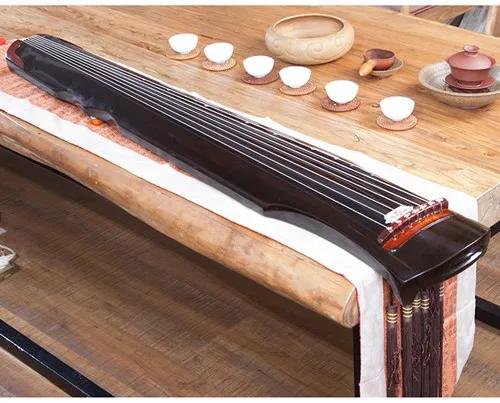
Traditional Chinese music uses instruments with very particular sounds.
Some of the best known are:
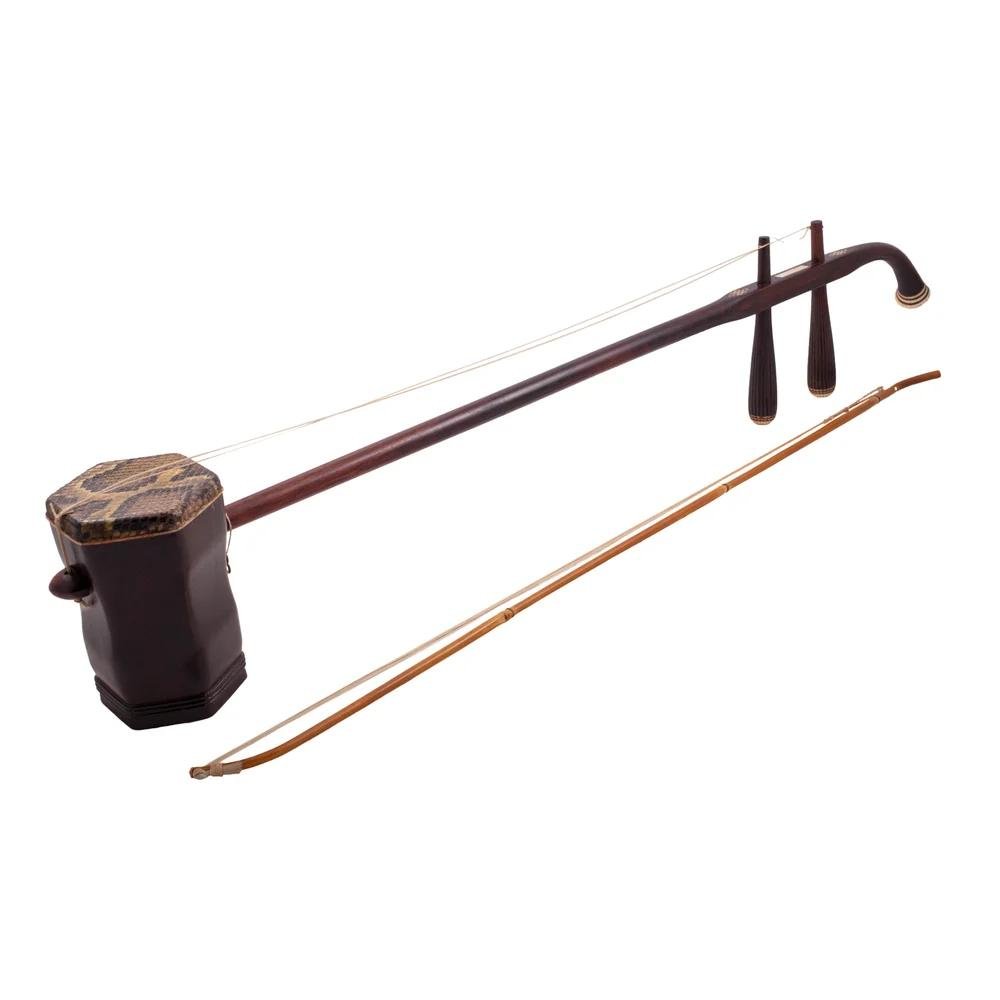
- Erhu .
- Pipe .
- Guzheng .
- Guqin .
- Dizi .
- Sheng .
The erhu, for example, is a bowed string instrument whose sound has become one of the most recognizable in Chinese music.

Feng shui in Chinese culture
feng shui is a tradition related to the organization of space and the search for harmony between people and their environment.
It has had historical influence on architecture, urban planning, layout of buildings and certain aspects of daily life.
Although it is marketed internationally in many ways today, its origin is related to much broader Chinese philosophical and cosmological traditions.
Traditional Chinese Medicine
Traditional Chinese medicine constitutes another important element of cultural heritage.
Among his practices we find:
- Acupuncture.
- Moxibustion.
- Phytotherapy.
- Traditional massage.
- Certain exercise and breathing practices.
It is important to differentiate its value as a cultural tradition from the scientific evaluation of each specific treatment.
From a cultural point of view, its historical influence in China and other Asian countries is indisputable.
Jade and its cultural importance
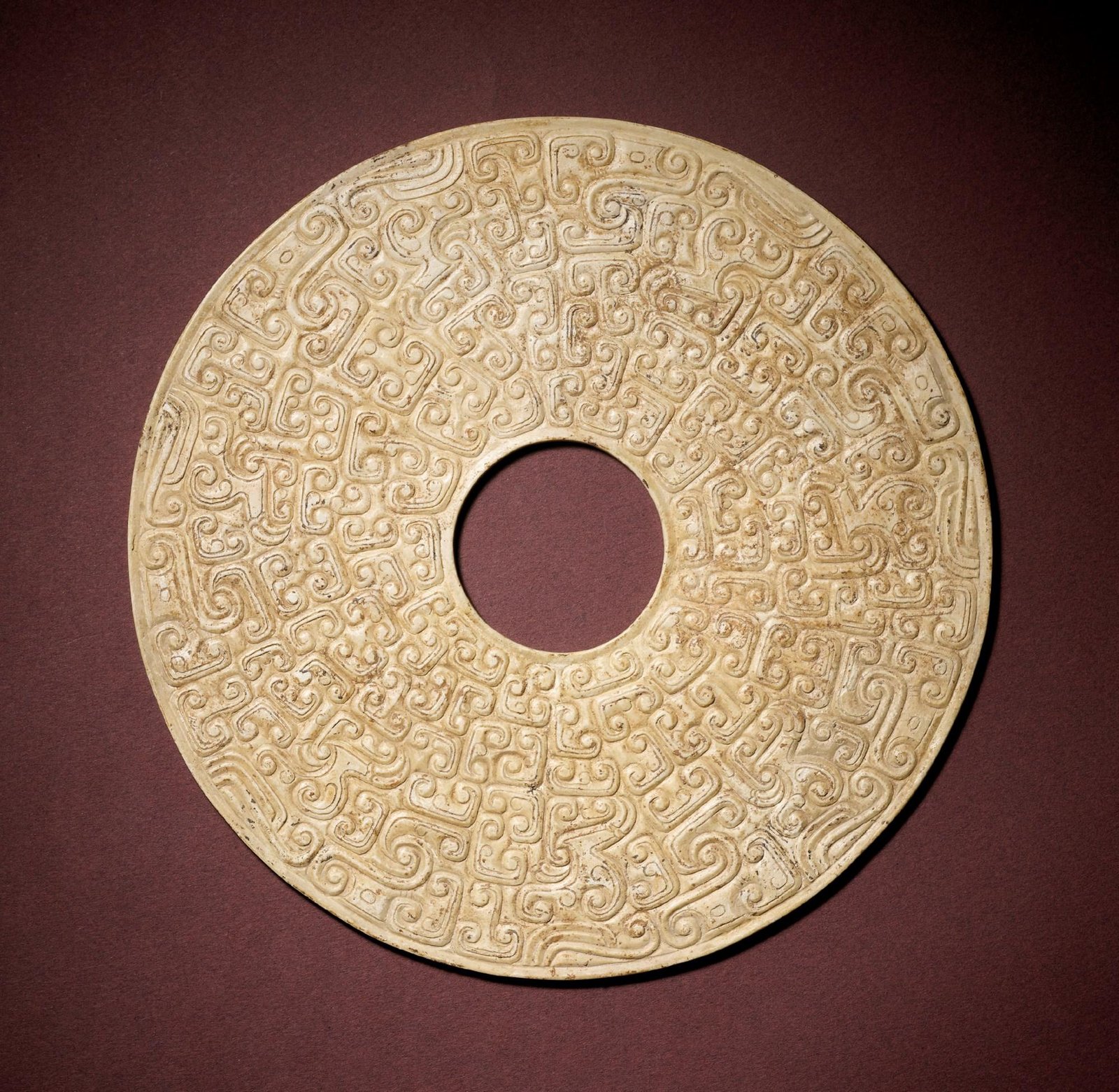
The jade has held a special place in Chinese culture for thousands of years.
It has been used in ritual objects, ornaments, sculptures, jewelry and funerary objects.
Qualities related to purity, virtue, protection and status have traditionally been attributed to it.
The importance of jade dates back to prehistoric periods and continued during different dynasties. Advantour especially highlights the long relationship between jade, craftsmanship and Chinese symbolism.




The four great inventions of China
One of the best-known topics when talking about Chinese culture and history are the so-called Four Great Inventions :
- Paper.
- Printing.
- Gunpowder.
- Compass.
These technologies had a huge impact not only in China, but also in other parts of the world.
Gunpowder, for example, began linked to alchemical experiments and was later used for military purposes and finally also in fireworks.


The Dragon Dance and the Lion Dance
Traditional celebrations include numerous popular dances.
The Dragon Dance uses large structures that are manipulated by several participants.
The lion dance has different regional styles and usually appears at festivities, celebrations and special events.
Both are related to popular traditions and symbolism of prosperity, protection and good fortune.
Etiquette and social customs in China
Chinese etiquette can vary greatly depending on region, age, context and situation.
However, some general ideas are still important:
- Show respect to older people.
- Take care of forms in formal situations.
- Give importance to personal relationships.
- Avoid provoking unnecessary public confrontation.
- Pay attention to hierarchy and context.
- Rate hospitality.
Confucian tradition has had considerable influence on these forms of behavior, although contemporary Chinese society is also deeply influenced by globalization and modern urban life.
Chinese culture in modern daily life
This is where it is easiest to make a mistake.
Traditional Chinese culture does not mean that today’s society lives like hundreds of years ago.
China today is an urban, technological and industrialized society.
Big cities are full of:
- Skyscraper.
- Meter.
- Digital payments.
- E-commerce.
- Social networks.
- Modern universities.
- Technology companies.
- Electric cars.
- New forms of entertainment.
But at the same time, festivities, gastronomy, family practices, temples, calligraphy, martial arts and other traditions continue to exist.
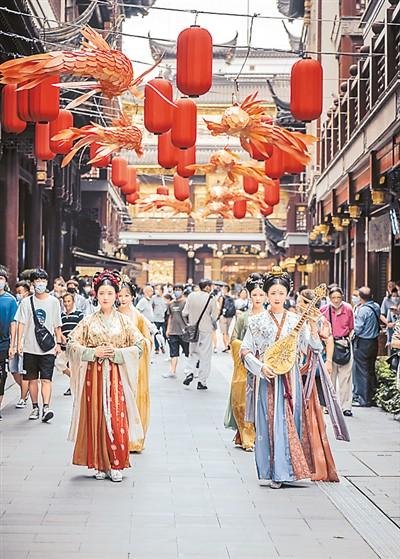

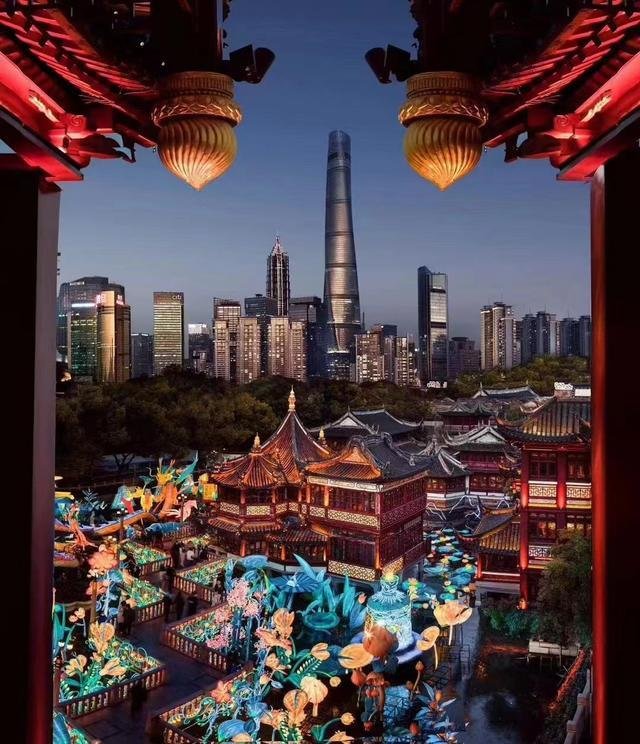


Precisely this coexistence between tradition and modernity is one of the characteristics that most attracts my attention when studying Chinese culture.
It is not necessary to choose between one thing and the other.
They can coexist.
The Cultural Revolution and its impact
One cannot talk about contemporary Chinese culture without mentioning the Cultural Revolution , developed between 1966 and 1976.
It was a period of enormous political and social transformation during which many traditions, cultural institutions, intellectuals and artistic expressions were persecuted or profoundly altered.
Numerous historical objects and sites were damaged and many traditional practices were restricted.
Subsequently, especially since the reforms begun in the late 1970s, there was a recovery and reinterpretation of many cultural traditions.
This episode is important because it shows that culture is not something completely static.
It can be attacked, modified, recovered and reinterpreted.
China’s cultural diversity
One of the most common mistakes when searching for information about Chinese culture is to imagine a single homogeneous national culture.
China has huge regional differences.
For example:
Sichuan: spicy cuisine, opera and its own traditions.
Guangdong: Cantonese cuisine, dim sum and Cantonese linguistic culture.
Yunnan: enormous ethnic and cultural diversity.
Tibet: traditions deeply related to Tibetan Buddhism.
Xinjiang: presence of Turkic and Islamic cultural traditions, among others.
Inner Mongolia: culture historically related to Mongolian peoples.
Fujian: maritime traditions and own linguistic varieties.
This means that visiting different regions of China can almost feel like experiencing different cultures within the same country.
The 56 recognized ethnicities of China
The People’s Republic of China officially recognizes 56 ethnic groups .
The have are the majority, but there are other communities with their own languages, traditions, clothing, cuisines, music and festivities.
Among them are:
- Zhuang.
- Hui.
- Manchus.
- Miao.
- Yi.
- Tujia.
- Mongols.
- Tibetans.
- Uyghurs.
- Kazakhs.
- Koreans.
- Dai.
This adds even more depth to the idea of Chinese culture .
There is no one way to be culturally Chinese.
Intangible cultural heritage of China
Chinese culture also stands out for the enormous number of traditions that have been internationally recognized as intangible cultural heritage.
Among them we find various forms of opera, craft techniques, festivities, traditional medicine, music, dance, instrument making and practices related to tea.
Advantour notes that China has an especially high number of UNESCO intangible cultural heritage inscriptions.
This is important because cultural heritage is not only made up of monuments.
Can also be:
a recipe, a song, a technique, a ceremony, a dance or knowledge transmitted between generations.
Symbols of Chinese culture
If I were to put together a quick list of items that internationally identify China, it would include:
- 🐉 The dragon.
- 🐼 The giant panda.
- 🏮 The red lanterns.
- 🍵 The tea.
- 🥢 The chopsticks.
- 🖌️ Calligraphy.
- 🏯 The pagodas.
- 🧧 The red envelopes.
- 🥮 The mooncakes.
- 🥋 Martial arts.
- 🧘 Taoism and Buddhism.
- ☯️ The yin and yang.
- 🏮 Traditional festivals.
- 🏺 Porcelain.
- 🟢 The jade.
Each represents only a small part of a much broader culture.
What characterizes Chinese culture?
If I had to summarize its main characteristics after going through all these areas, I would highlight:
Antiquity
China has one of the oldest continuous cultural traditions in the world.
Diversity
The enormous territory and the existence of multiple ethnic groups have produced great regional variety.
Importance of family
Family, ancestors and respect between generations have historically had enormous importance.
Education
Knowledge and intellectual training have traditionally occupied a privileged position.
Harmony
The search for balance appears in different philosophical and religious currents.
Respect for tradition
Many cultural practices have been passed down for generations.
Adaptation
Chinese culture has also demonstrated an enormous capacity to incorporate external influences and transform them.
Relationship with nature
Landscape, water, mountains, gardens and cosmology have a huge presence in art and philosophy.
Chinese Culture Timeline
For a quick overview:
- c. 1600-1046 BC. C.: Shang dynasty and development of early writing.
- 1046-256 a. C.: Zhou dynasty and expansion of philosophical thought.
- 6th-5th centuries BC. C.: Confucius and development of important philosophical schools.
- 221-206 a. C.: Qin dynasty and imperial unification.
- 206 a. C.-220 AD C.: Han dynasty and cultural expansion.
- 618-907: Tang dynasty and great artistic and literary flourishing.
- 960-1279: Song dynasty and scientific, artistic and commercial development.
- 1271-1368: Yuan dynasty under Mongol rule.
- 1368-1644: Ming dynasty.
- 1644-1912: Qing dynasty.
- 1912: establishment of the Republic of China.
- 1949: founding of the People’s Republic of China.
- 1966-1976: Cultural Revolution.
- Since the late 1970s: economic reforms and recovery of numerous traditional expressions.
- 21st century: combination of historical traditions with a highly urbanized and technological society.
Frequently Asked Questions (FAQs)
What is the culture of China?
Chinese culture comprises the traditions, values, beliefs, languages, cuisine, literature, philosophy, religion, architecture, arts and customs developed over thousands of years in China and its communities around the world.
What are the main traditions of China?
Among the best known are the Chinese New Year, the Mid-Autumn Festival, the Dragon Boat Festival, the tea ceremony, calligraphy, martial arts, dragon and lion dances and different practices related to family and ancestors.
What are the three main religions in China?
When talking about Chinese religious and philosophical traditions, Confucianism, Taoism and Buddhism are usually highlighted. However, the religious reality is much more diverse and includes popular religions and other traditions.
What characterizes the Chinese family?
Traditionally, great importance has been given to respect for parents and elders, family responsibility and continuity between generations.
What language is spoken in China?
Standard Mandarin is the official language, but China has enormous linguistic diversity and there are numerous Sinitic varieties and languages belonging to other families.
What food is typical of China?
There is no single national cuisine. Among the most internationally known dishes and gastronomic traditions are Peking duck, dim sum, hot pot, noodles, dumplings, rice and numerous regional specialties.
What does the dragon represent in China?
The traditional Chinese dragon is related to power, prosperity, water, rain and authority. Historically he was also closely linked to the emperor.
Why is the color red important in China?
Red is traditionally associated with good fortune, prosperity, happiness and celebration, which is why it especially appears during holidays such as Chinese New Year.
How important is tea in China?
Tea has been part of Chinese culture for centuries and is related to daily life, hospitality, gastronomy and certain ceremonies and traditions.
What is feng shui?
It is a Chinese tradition related to the organization of space and the search for harmony between people and their environment.
What are traditional Chinese arts?
Among them are calligraphy, painting, porcelain, sculpture, music, theater, opera, martial arts, jade crafts, embroidery and different traditional techniques.
What important inventions come from China?
Traditionally we talk about the Four Great Inventions : paper, printing press, gunpowder and compass.
How many ethnicities does China recognize?
The People’s Republic of China officially recognizes 56 ethnic groups , with the Han being the majority group.
Is Chinese culture the same throughout the country?
No. Regional differences are enormous and affect language, gastronomy, music, religion, architecture, clothing and traditions.
China between tradition and modernity
After reviewing all these elements, there is something that I consider fundamental to understand the culture of China : we should not see it as a collection of ancient customs frozen in time.
Chinese culture has constantly changed.
Writing evolved. Gastronomy was transformed. Religions interacted with each other. The dynasties incorporated foreign influences. The cities grew. Traditions survived revolutions and periods of enormous transformation.
And today exactly the same thing happens.
A person can use a smartphone to pay for their food in seconds and then join their family to celebrate a holiday with centuries-old roots.
You can live in one of the most modern cities on the planet and still drink tea, visit a temple, practice calligraphy, or celebrate the Lunar New Year.
That coexistence is, for me, one of the best ways to understand the wealth of China.
Because when one begins to look beyond the clichés—the dragon, the panda, the chopsticks or the Great Wall—a much deeper culture appears: a civilization where philosophy, family, gastronomy, art, nature, spirituality and daily life have been in dialogue with each other for thousands of years .
And that ability to retain a huge cultural identity while continuing to change is probably one of the reasons why Chinese culture continues to have such an influence on the world.