
South Korea is one of those countries that seem like an impossible mix between tradition and future. On the one hand you find palaces with hundreds of years of history, Buddhist temples and traditional villages. On the other hand, you have cities full of skyscrapers, cutting-edge technology, robots, artificial intelligence and a pop culture that has managed to conquer half the planet.
When I research Asian destinations, one of the things I like to discover the most are those little details that explain how people really live. And in the case of South Korea there are many interesting facts about South Korea that go far beyond K-pop, Korean dramas or spicy food.
Behind the modern image of Seoul there is a society with very particular customs, an ancient history, a unique gastronomy and some traditions that can surprise any traveler.
In this article I have gathered the most interesting curiosities about South Korea: from its language and technology to its daily habits, culture, food and most representative places.


1. South Korea has one of the easiest alphabets to learn
One of the most interesting curiosities about South Korea is related to its writing.
The Korean language uses its own writing system called hangul (한글) , created during the 15th century by King Sejong the Great and his scholars.
Before the creation of Hangul, many people had difficulties reading and writing because much more complex Chinese characters were used.
The funny thing is that Hangul was designed following a fairly clear logic. Some letter shapes are related to the position of the mouth and tongue when pronouncing sounds.
That is why many linguists consider it to be one of the most efficient writing systems in the world.
When I started researching South Korea, this was one of the details that caught my attention: an extremely modern country that proudly preserves an alphabet created centuries ago.
2. South Korea is the country of kimchi
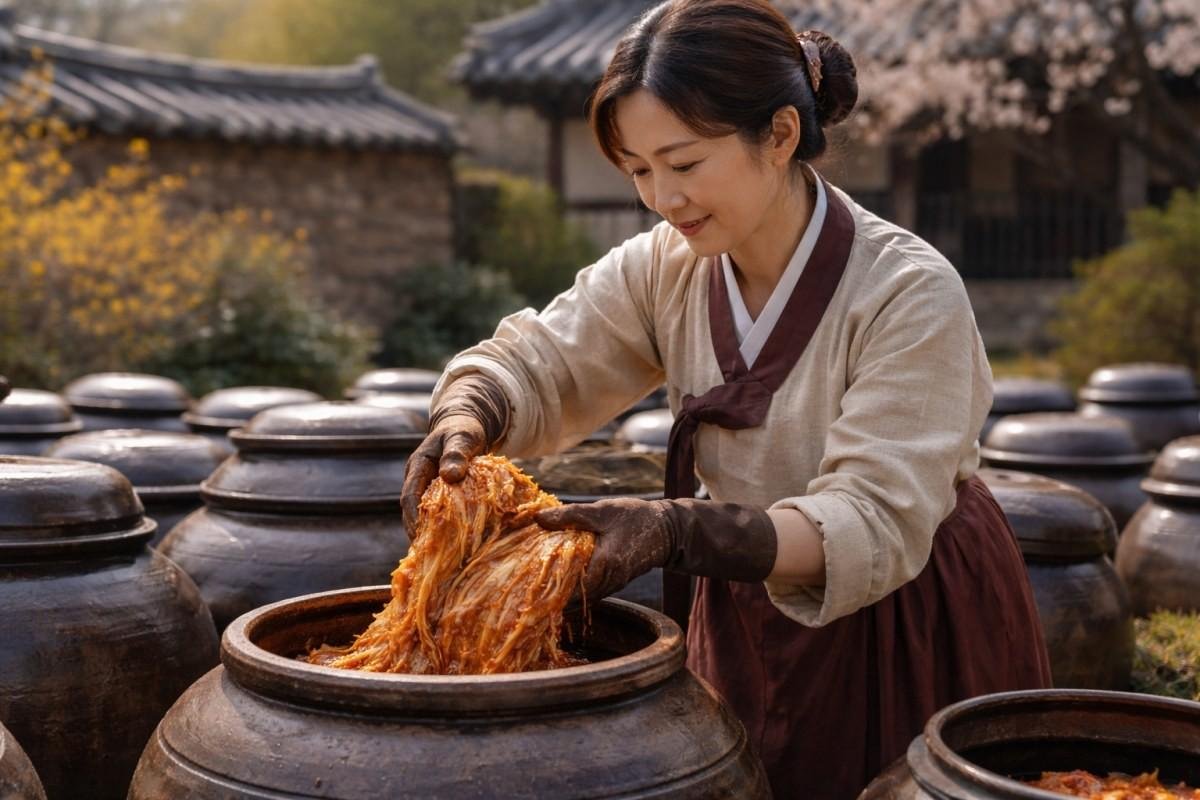
If there is a food that represents South Korea, it is kimchi .
This traditional dish consists mainly of fermented vegetables, especially bok choy, mixed with spices, garlic, chili and other ingredients.
But reducing it to “a spicy side dish” would be an understatement.
Kimchi is part of Korean cultural identity and is present in practically all foods.
Additionally, there is a tradition called kimjang , related to the collective preparation of large quantities of kimchi to preserve during the winter. This practice was recognized by UNESCO as Intangible Cultural Heritage of Humanity.
It seems to me to be one of those customs that shows that food can be much more than food: it can also be memory, family and community.


3. In South Korea there is a huge coffee culture
When we think of coffee, we usually think of producing countries like Brazil, Colombia or Vietnam.
But South Korea has a very developed urban coffee culture.
In Seoul you can find themed cafes of all kinds:
- Cafes with animals.
- Minimalist cafes.
- Character-inspired cafes.
- Spaces with futuristic decoration.
- Cafes specialized in preparation methods.
Going out for coffee is a fairly common social activity.
In fact, in some neighborhoods in Seoul there are streets where it seems like a new coffee shop appears every few meters.
This is one of those South Korean curiosities that demonstrates how the country mixes global trends with its own identity.
4. South Korea has one of the fastest internet connections in the world
South Korea has stood out for its technological infrastructure for years.
The country was one of the first to develop large-scale high-speed internet networks and currently has one of the most connected societies on the planet.
This is noticeable in everyday life:
- Widespread digital payments.
- Connected transportation.
- Online public services.
- Applications for almost any need.
- Regular use of technology in businesses and homes.
It is not surprising that many digital innovations that later reach other countries are already part of daily routine in Korea.
5. Koreans have a very special relationship with age
This is one of the cultural curiosities of South Korea that most surprise visitors.
Traditionally, age has an important weight in social relationships.
Knowing a person’s age can influence the way you speak to them, the level of formality used, and even certain behavioral norms.
The Korean language has different levels of respect and formality, something that is closely related to social hierarchy.
Although new generations are changing some customs, this importance of age is still an interesting part of Korean culture.
6. South Korea has a traditional way of greeting
The most well-known greeting in South Korea is a slight bow of the head.
It is also common to make a small bow in situations where you want to show respect.
The handshake exists, especially in international or professional contexts, but it is usually accompanied by a bow.
The interesting thing is that small gestures like these show the importance of courtesy within Korean society.
7. Seoul is a city where past and future constantly coexist
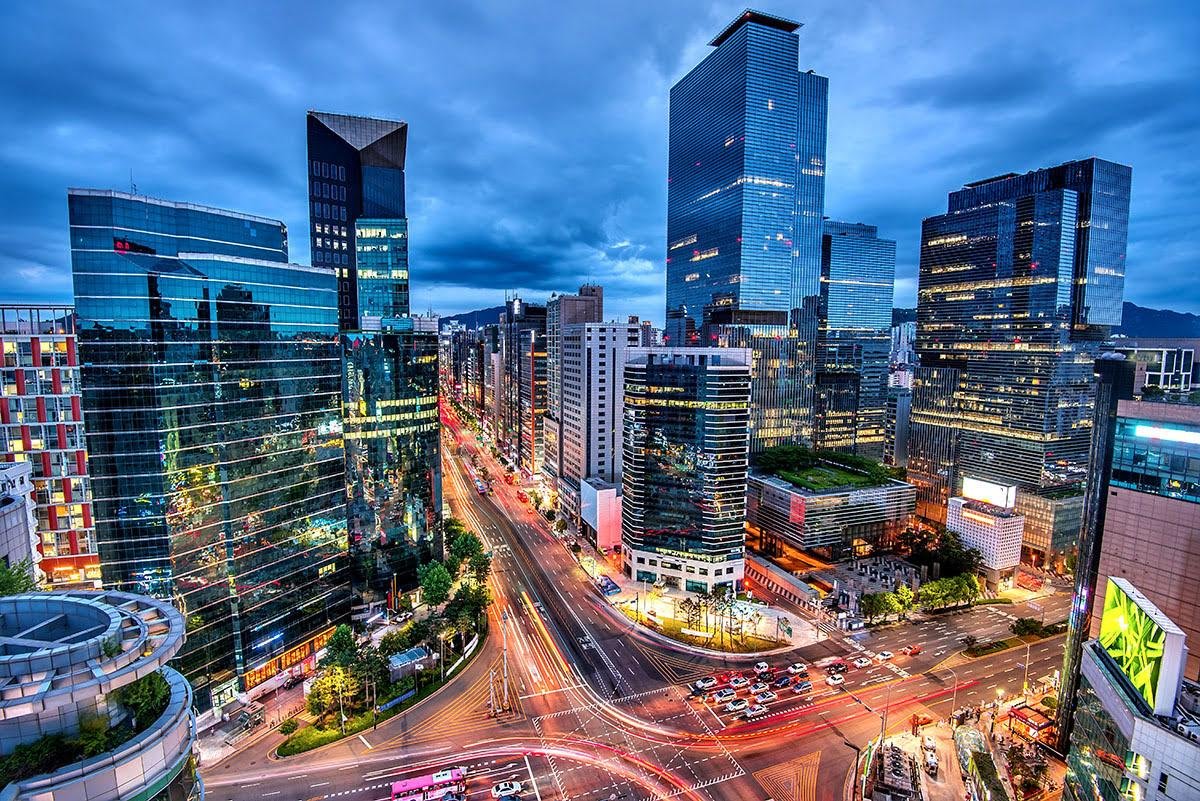
Seoul is probably one of the best examples of the contradictions that make South Korea interesting.
You can walk through an area full of skyscrapers, technology stores and giant screens, and a few minutes later you will find a royal palace or a traditional neighborhood.
Some examples:
- Gyeongbokgung Palace.
- Bukchon Hanok traditional village.
- Historical temples.
- Traditional markets.
- Modern neighborhoods like Gangnam.


8. K-pop is much more than music
Probably one of the reasons why many people became interested in South Korea was the K-pop phenomenon .
Groups like BTS or BLACKPINK brought Korean music to international audiences.
But K-pop is not just songs.
Includes:
- Very elaborate choreographies.
- High-level audiovisual production.
- Fashion.
- Digital marketing.
- Global communities of followers.
What’s interesting is how the music industry became a tool of cultural influence for South Korea.
9. Korean dramas changed the image of the country
K-dramas or Korean dramas have gained millions of followers around the world.
These series helped popularize:
- Korean gastronomy.
- Fashion.
- Tourist places.
- The language.
- Local customs.
For many people, their first contact with South Korea was not a history book or a trip, but a series.
And then came the curiosity to know the real country behind those productions.
10. South Korea has a much broader cuisine than kimchi
Although kimchi is the best-known symbol, Korean cuisine has a lot of variety.
Some traditional dishes are:
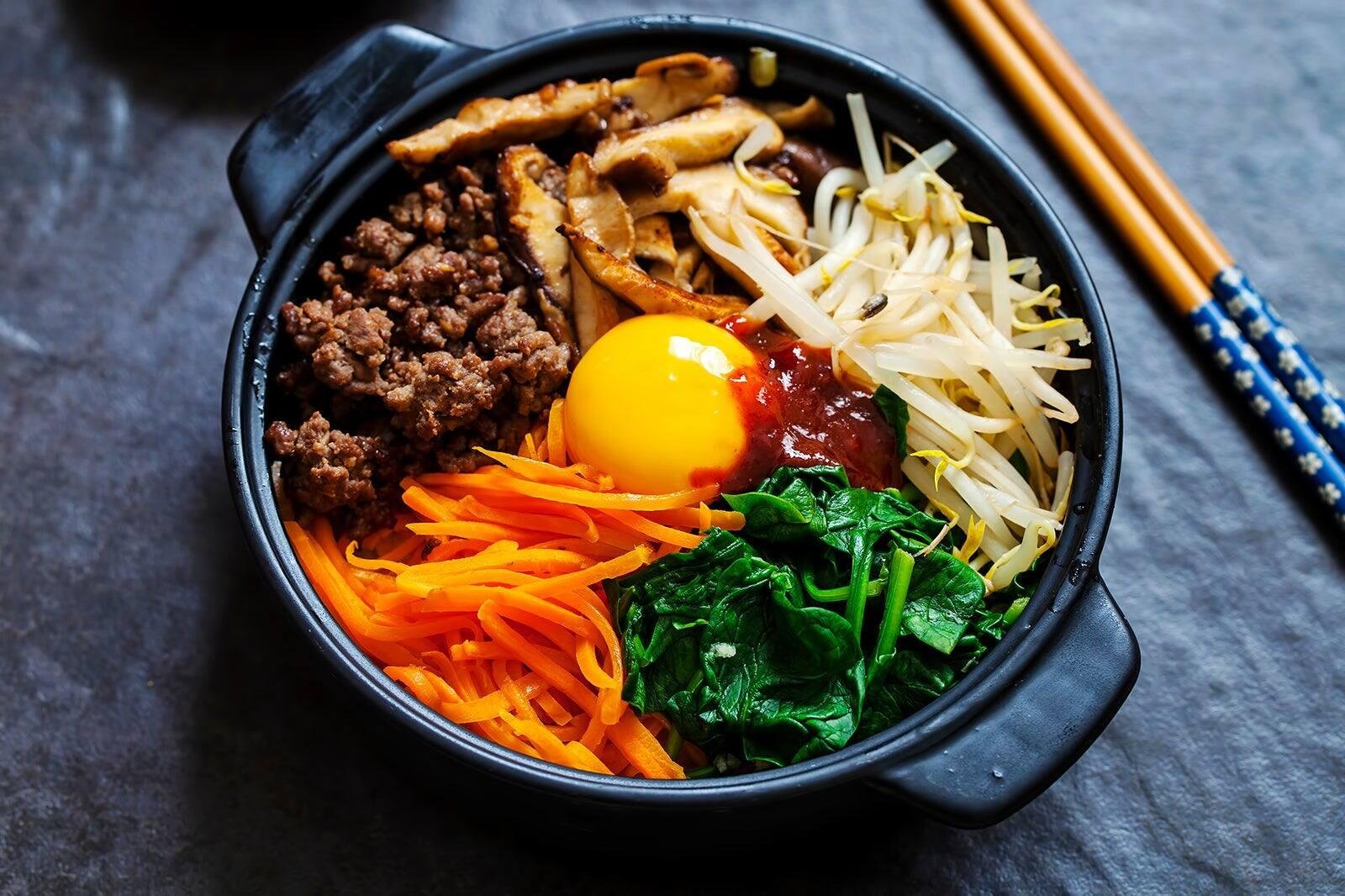
Bibimbap
Rice mixed with vegetables, meat, egg and spicy sauce.
Bulgogi
Marinated meat usually cooked on the grill.
Korean barbecue
An experience where diners cook meat on small grills placed on the table.
Tteokbokki
Rice cakes with a spicy sauce very popular as street food.
Japchae
Sweet potato noodles mixed with vegetables and other ingredients.
One of the things I like most about Korean cuisine is that the table is usually filled with small accompaniments called banchan .
It’s not just a main dish: it’s an experience.



11. Korean restaurants often have grills on the table
A very typical experience is the samgyeopsal , a meal where customers cook pork directly on a small grill installed on the table.
This turns eating into a social activity.
It’s not just sitting, ordering and eating.
It’s sharing, cooking together and spending time talking.
These types of details are what make gastronomy also a way of understanding a culture.
12. South Korea is one of the leading countries in cosmetic surgery
Another of the curiosities of South Korea that tends to appear a lot is related to the beauty industry.
The country has a huge cosmetics industry known worldwide as K-beauty .
Their facial care products, beauty routines and cosmetic trends have followers around the world.
Seoul even has areas known for their cosmetic surgery clinics.
But it is important to understand that beauty in South Korea is not limited to surgery alone. There is a whole culture related to personal care, skin and image.
13. Korean beauty popularized multi-step routines
The famous Korean facial care routine attracted international attention for including several steps:
- Cleaning.
- Tonic.
- Essence.
- Serum.
- Masks.
- Hydration.
- Sun protection.
Although not everyone exactly follows such long routines, this trend had a huge global impact.
The Korean cosmetics industry became one of the country’s great cultural exports.
14. South Korea has one of the most developed recycling rates
The country has advanced waste separation and management systems.
In many urban areas there are specific regulations to correctly separate different types of garbage.
This may surprise visitors because the system is usually much more organized than elsewhere.
As with many things in Korea, technology and planning play an important role.
15. Korean internet cafes are part of gamer culture
PC bangs are places where people can play video games on high-performance computers.
But they are not simply Internet cafes.
In South Korea they are part of a culture related to competitive video games and electronic sports.
The country was a pioneer in popularizing eSports and many professional players became real celebrities.
For someone who comes from outside, it is curious to see how an activity that in other places may seem like a private hobby has an enormous social dimension.
16. South Korea has a huge passion for video games
Gamer culture is deeply integrated into Korean society.
Online games, professional competitions and live broadcasts are part of many people’s regular entertainment.
This explains why South Korea is considered one of the world’s great powers in electronic sports.
17. There is an island famous for its volcanic landscapes
Jeju Island is one of the best-known natural destinations in South Korea.
Located in the south of the country, it stands out for:
- Volcanic landscapes.
- Beaches.
- Waterfalls.
- Trails.
- Mount Hallasan.
The Jeju volcanic site was recognized as a UNESCO World Heritage Site.
One of the most curious things about Jeju is the tradition of the haenyeo , female divers who collect seafood without using modern breathing equipment.
This tradition is also recognized by UNESCO as Intangible Cultural Heritage.




18. South Korea has traditional villages called hanok
hanok are traditional Korean houses.
They are characterized by elements such as:
- Use of natural materials.
- Curved roofs.
- Integration with the environment.
- Traditional heating system called ondol.
Although South Korea is famous for its modern buildings, there are still neighborhoods where these houses are preserved.
Bukchon Hanok Village in Seoul is one of the best-known examples.
19. The warm floor of houses has centuries of history
One of the most interesting curiosities of traditional Korean architecture is the ondol .
This system uses heat that circulates under the floor to heat rooms.
In a country with cold winters, this solution was essential for centuries.
The funny thing is that even many modern Korean homes maintain underfloor heating systems.
It’s a perfect example of how an ancient tradition can be adapted to modern life.
20. South Korea has one of the most famous borders in the world
The border between South Korea and North Korea is one of the best-known geopolitical zones on the planet.
The so-called Demilitarized Zone (DMZ) has separated both countries since the armistice of 1953.
Although its name may seem to indicate that it is a quiet area, historically it has been a place of enormous political and military importance.
For some travelers it has become a tourist visit, always under specific conditions and regulations.
21. Conscription is part of the lives of many Korean men
In South Korea there is mandatory military service for men, due to the security situation related to North Korea.
The duration and conditions may change depending on current laws, but historically it has been an experience that is part of the lives of a large part of the male population.
This topic constantly appears in Korean popular culture, including movies, series, and artist interviews.
22. South Korea celebrates the day of birth in a particular way
A cultural curiosity is that traditionally age had a different way of counting in Korea.
For a long time, the so-called “Korean age” was used, where a person could be considered one year older from birth.
However, since 2023, South Korea officially adopted the international system for legal and administrative documents.
Still, the cultural significance of age continues to be an interesting topic within Korean society.
23. Seoul’s public transportation is extremely efficient
Getting around Seoul may seem complicated due to the size of the city, but its transportation system is one of its strong points.
Network includes:
- Meter.
- Buses.
- Trains.
- Navigation applications.
- Refillable transportation cards.
The Seoul subway stands out for its length, cleanliness and amount of information available to users.
For a traveler, it is one of the best ways to explore the city.
24. South Korea has a themed cafe culture
This is one of the most fun curiosities.
In South Korea there are coffee shops with very different concepts:
- Cafes with cats.
- Cafes with dogs.
- Character-inspired cafes.
- Virtual reality cafes.
- Cafés with very particular decorations.
It’s not unusual for a coffee shop to be an experience in itself.
This fits quite well with a society where commercial spaces seek to offer something more than simply selling a product.
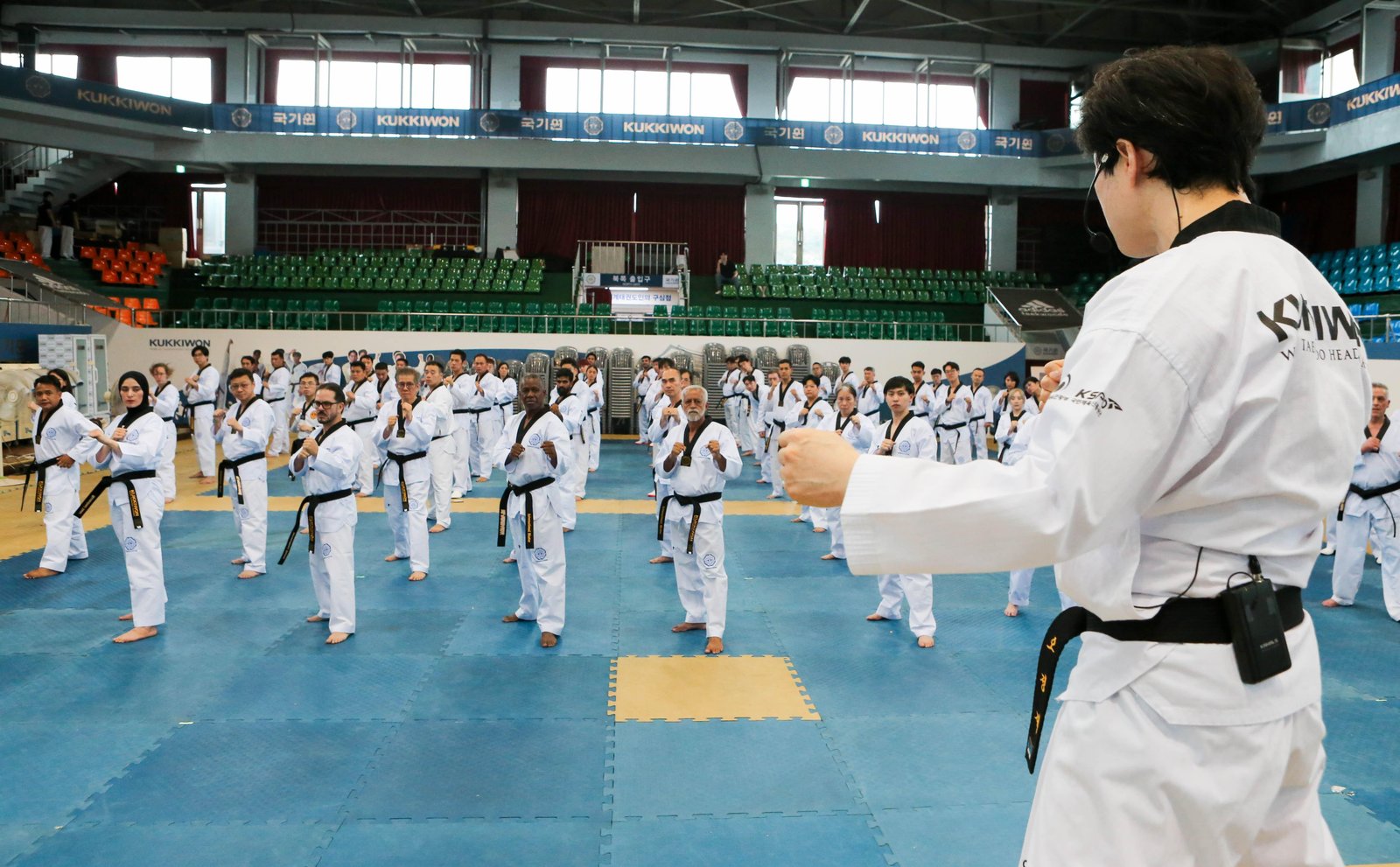
25. Taekwondo was born in Korea
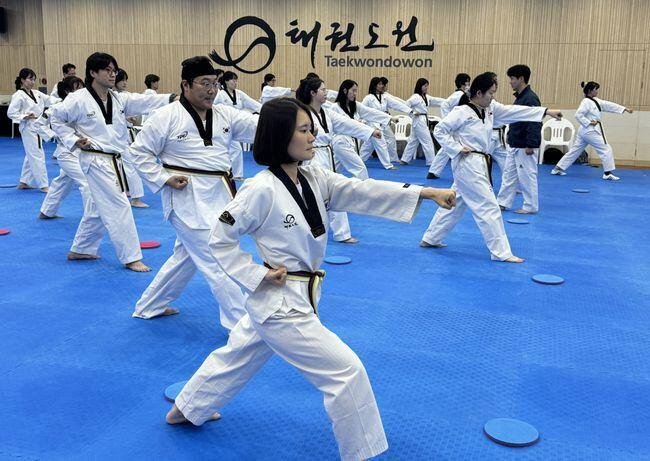
taekwondo is one of the best-known martial arts in the world and has its roots in Korea.
It is currently an Olympic sport and one of the greatest Korean cultural expressions internationally.
Beyond competition, taekwondo is related to values such as discipline, respect and self-control.




26. South Korea has impressive flower festivals
Although many people associate Korea only with modern cities, the country also has a very strong relationship with nature.
During spring, cherry blossom festivals are especially notable.
The streets, parks and palaces are filled with visitors looking to enjoy the flowering trees.
It is a very popular time to travel to the country.
27. Public baths have an important tradition
jjimjilbang are traditional Korean public bath and sauna complexes.
They are not simply places to bathe.
They function as rest spaces where people can:
- Relax.
- Eat.
- Sleep.
- Spend several hours.
- Enjoy different thermal rooms.
For many foreign visitors it is a quite different cultural experience.
28. South Korea has a huge entertainment industry
In addition to K-pop and dramas, South Korea exports:
- Movies.
- TV Shows.
- Video games.
- Fashion.
- Cosmetics.
- Gastronomy.
This phenomenon known as Hallyu or “Korean wave” turned the country’s culture into one of its greatest tools of international influence.
29. The name Korea comes from an ancient dynasty
The word “Korea” comes from Goryeo , an ancient Korean dynasty that ruled between the 10th and 14th centuries.
During that time, the name began to be known internationally by merchants and foreign visitors.
It is curious to think that a name currently used throughout the world has roots dating back more than a thousand years.
30. South Korea shows that tradition and technology can coexist
After researching all these curiosities about South Korea, I think this is the idea that best sums up the country.
South Korea did not choose between preserving its history or advancing technologically.
Did both.
You can find royal palaces next to smart skyscrapers.
You can eat a traditional recipe while paying with advanced technology.
You can see young people following global trends while maintaining customs related to respect, family and tradition.
That mix is precisely what makes South Korea so interesting.
Other curiosities of South Korea that are also worth knowing
In addition to the above, there are many other details that show the personality of the country:
- The Hangul alphabet has a national day dedicated to its creation.
- Koreans celebrate Chuseok, one of their most important family holidays.
- The number 4 is traditionally associated with bad luck in some contexts.
- Many buildings do not have a fourth floor numbered “4” because of this superstition.
- Gift giving is often important in social relationships.
- Traditional markets are still part of urban life.
- Korean fashion has enormous international influence.
- Labor and educational agreements are often marked by strong competition.
- Soju is one of the most popular alcoholic beverages in the country.
- Korean food often combines spicy, fermented, sweet and salty flavors.
Frequently Asked Questions (FAQs)
What is the most famous curiosity in South Korea?
The K-pop phenomenon is probably one of the best known currently, but hangul, kimchi, Korean dramas, technology and the mix between tradition and modernity also stand out.
What language do they speak in South Korea?
The official language is Korean, written mainly with the Hangul alphabet.
Why is South Korea famous all over the world?
Due to a combination of factors: technology, international brands, K-pop, dramas, cinema, video games, gastronomy and traditional culture.
What typical food represents South Korea?
Kimchi is one of its gastronomic symbols, although dishes such as bibimbap, bulgogi, tteokbokki and Korean barbecue also stand out.
Is it easy to learn the Korean alphabet?
Many students consider Hangul to be relatively accessible because it was designed with a logical structure.
What is Hallyu culture?
It is the term used to describe the international expansion of South Korean culture, including music, series, cinema, fashion and gastronomy.
What are hanok?
They are traditional Korean houses that use natural materials and designs adapted to the environment.
What is a jjimjilbang?
It is a traditional complex of baths, saunas and rest spaces that is very popular in South Korea.
Why is kimchi so important?
Because it is part of the Korean gastronomic identity and is related to family and community traditions such as kimjang.
What is the most famous natural place in South Korea?
Jeju Island is one of the best-known natural destinations thanks to its volcanic landscapes, beaches and traditions such as haenyeo.
South Korea is much more than K-pop and technology
When someone thinks of South Korea for the first time, it is normal to imagine musical groups, smartphones, romantic series or the huge screens of Seoul.
But after knowing all these curiosities about South Korea, it is clear that the country has many more layers.
There is the history of hangul.
There is the tradition of kimchi.
There is respect for age.
There are the ancient palaces.
There’s the coffee culture.
There are the markets, the temples, the hanok and the volcanic islands.
And at the same time there is one of the most technologically advanced societies on the planet.
That ability to maintain its roots while constantly looking to the future is, to me, the most interesting characteristic of South Korea.
Because in the end, what makes a destination special are not only its most famous monuments, but all those small customs and details that make a country have its own identity.