
When I think about the culture of Japan , one of the first things that comes to mind is that almost unique ability to combine two worlds that, at first glance, seem incompatible.
On the one hand there are temples, Zen gardens, kimono, tea ceremonies, samurai, traditional festivals and Shinto shrines. On the other hand, Tokyo, anime, manga, video games, technology, urban fashion and a pop culture that has managed to conquer half the planet.
But the more I study Japan, the clearer it becomes to me that this contradiction is precisely one of its greatest riches. Japanese culture is not about choosing between tradition and modernity, but about ensuring that both coexist.
That’s what I want to explore in this article: the traditions of Japan , its religion, language, gastronomy, art, festivals, customs, social values and all those little characteristics that help understand why Japanese culture is so recognizable around the world.


What is the culture of Japan like?
The culture of Japan is the result of a very long historical process in which influences from China, Korea, other areas of Asia and, later, from the West converged. The political isolation during much of the Tokugawa period and the subsequent openness during the Meiji era also profoundly marked its evolution.
That’s why I think it’s a mistake to describe Japanese culture simply as “ancient” or “traditional.”
Japan is traditional, yes, but it is also tremendously modern.
Among the features that stand out the most we can find:
- Respect for social norms.
- The importance of collective harmony.
- The influence of Shintoism and Buddhism.
- Respect for nature.
- The importance of family.
- A gastronomy with a huge identity of its own.
- An extraordinary artistic tradition.
- The preservation of ancient ceremonies and festivals.
- An extremely developed popular culture.
- The coexistence between traditional customs and technology.
Humanidades.com also structures its explanation around elements such as language, religion, arts, gastronomy, sports and historical influences, while Discovering Japan gives a lot of prominence to philosophy, traditional arts and festivals. This combination is especially useful to understand the search intention of those who really want to know Japanese culture and not just a list of curiosities.
A culture built over centuries
Japan did not develop its culture completely isolated from the rest of Asia.
China had an enormous influence in areas such as writing, religion, architecture and certain artistic expressions. Buddhism came to the archipelago from the Asian continent and ended up mixing with native religious traditions.
Later, the opening to the West also transformed Japanese society.
And here appears a characteristic that I consider fundamental: Japan has an enormous capacity to adopt foreign elements and adapt them until they become something of their own .
The writing system is a perfect example. Japan adopted Chinese characters and later developed its own systems such as hiragana and katakana.
Food also shows this ability to adapt. Even some dishes that today we consider completely Japanese have stories of cultural exchange behind them.
The importance of harmony in Japanese society
A word that constantly appears when studying Japanese society is wa , associated with harmony.
The idea of maintaining balanced relationships, avoiding unnecessary conflict, and being considerate of others has had a huge influence on Japanese social norms.
This doesn’t mean that everyone in Japan thinks exactly the same. It would be a simplification.
But it does help to understand certain customs:
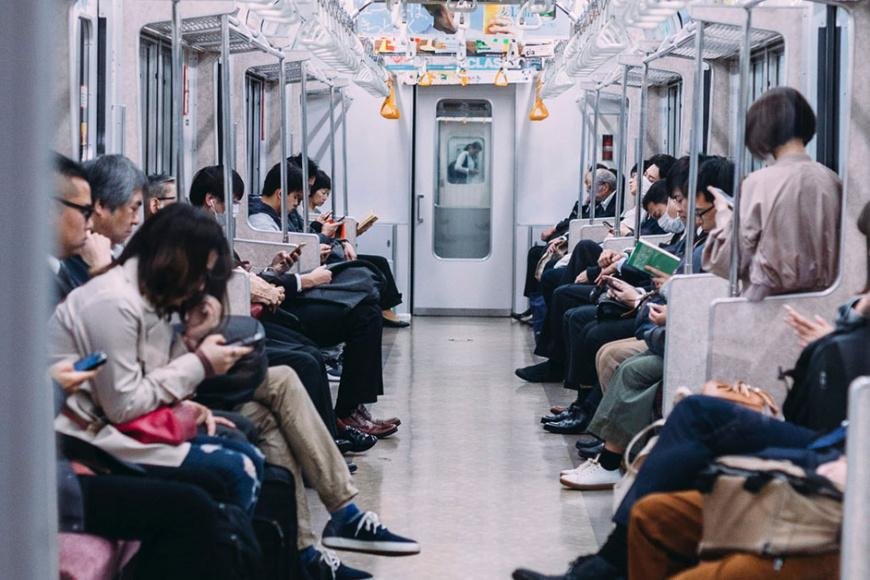
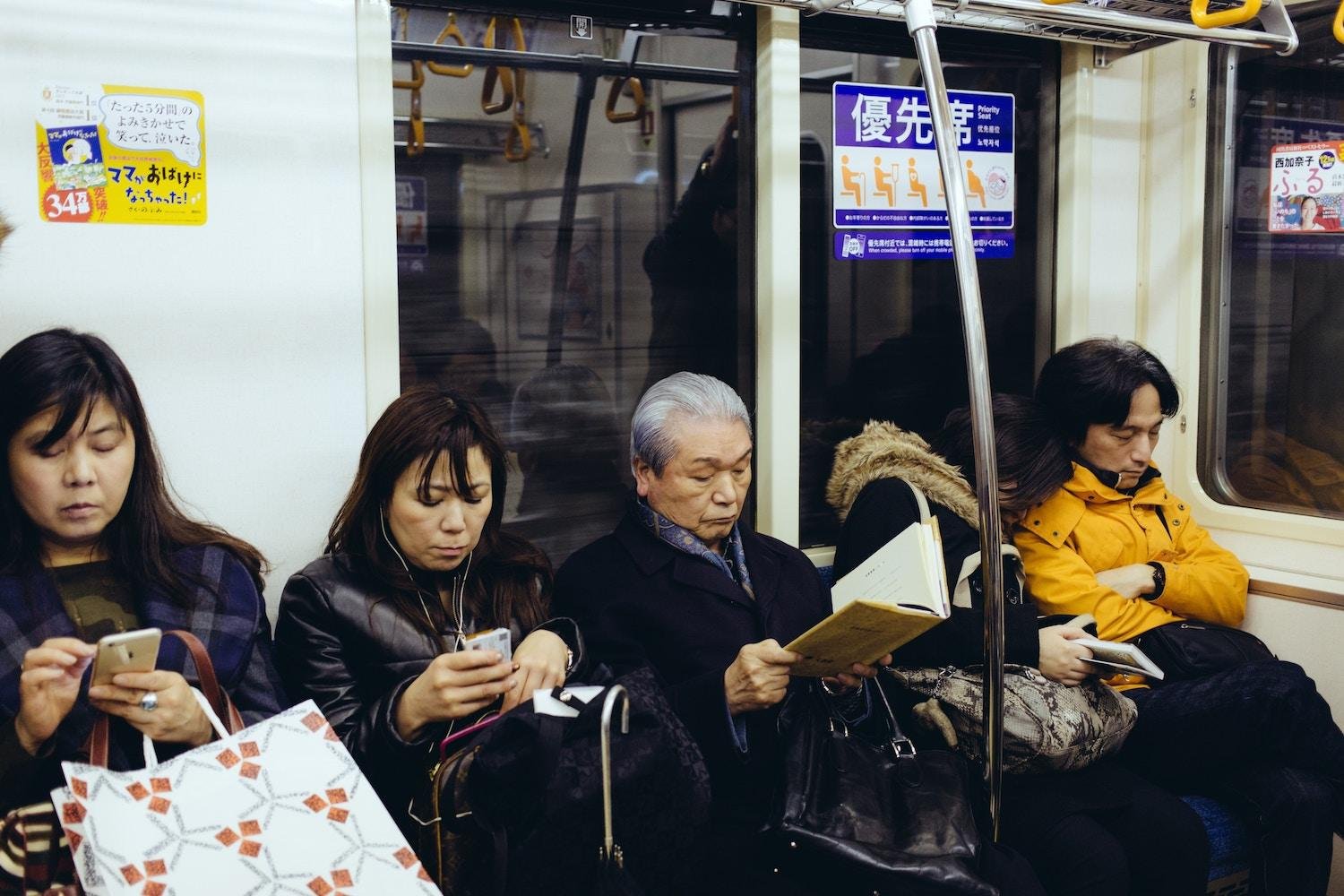
- Speak quietly in certain spaces.
- Respect the rows.
- Avoid disturbing other people.
- Comply with collective standards.
- Be punctual.
- Maintain certain courtesy codes.
- Separate public conduct from the private sphere.
Discovering Japan precisely identifies values such as respect, humility, honesty, gratitude and harmony among the principles associated with Japanese society.



Respect and Japanese etiquette
If I had to choose one characteristic that constantly appears when studying the customs of Japan , it would be respect.
Respect for elders, guests, certain spaces and other people is part of many aspects of daily life.
The Japanese greeting
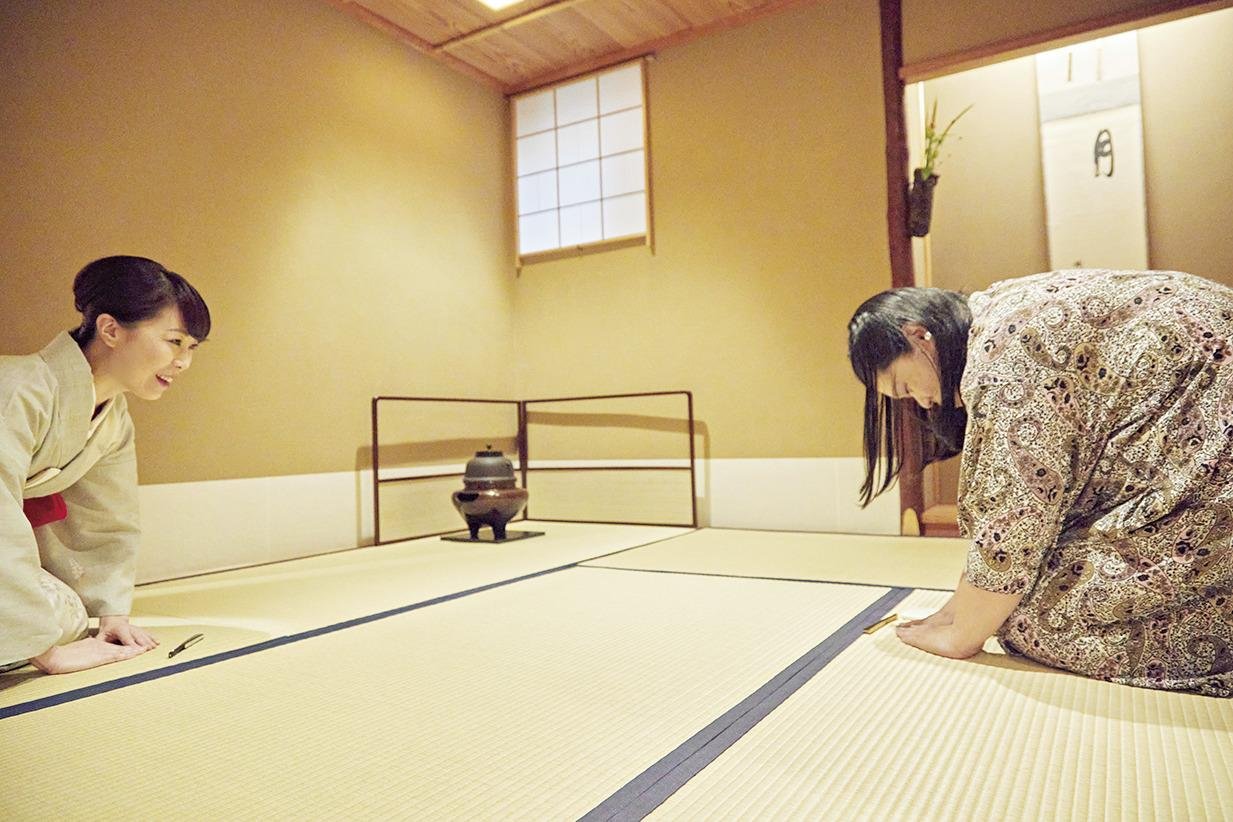
Unlike many Western countries, where handshaking is common, in Japan bowing or ojigi is a traditional way of showing respect.
The inclination may change depending on the context.
Greeting someone informally is not the same as apologizing or bowing in a formal situation.
And I find this interesting because it shows that even a gesture as simple as saying hello can have different levels of meaning.
Punctuality
Punctuality is another aspect closely associated with Japanese culture.
In certain social and professional contexts, being late can be interpreted as a lack of consideration for the time of others.
That is why Japan has developed a true culture around temporal precision, something that is especially noticeable in public transportation and in certain work environments.
Speak quietly
In places like trains and certain public spaces there is a pretty clear expectation not to disturb others.
It doesn’t mean that Japanese people never talk loudly or make noise.
There are simply contexts where consideration for others has special weight.
Religion in Japan: Shintoism and Buddhism
Here we have one of the most interesting aspects of Japanese culture.
The two most important religious traditions are Shintoism and Buddhism .
Shintoism is a religious tradition originating in Japan related to the kami , entities or spiritual forces associated with nature, places, ancestors and different aspects of existence.
Their places of worship are the jinja , or Shinto shrines.
Buddhism, for its part, came from the Asian continent and acquired enormous importance in Japanese history. With the passage of time, a very particular coexistence and syncretism occurred between both traditions.
This explains something that may seem curious from the outside: the same person can participate in certain Shinto ceremonies and also be related to Buddhist practices.
There isn’t always a Western separation between “I belong to this religion and not that religion.”




Shinto shrines and Buddhist temples
A basic difference to remember:
Jinja: Shinto shrine.
Otera: Buddhist temple.
Shinto shrines are often visually associated with the famous torii , those gates that symbolically mark the entrance to a sacred space.
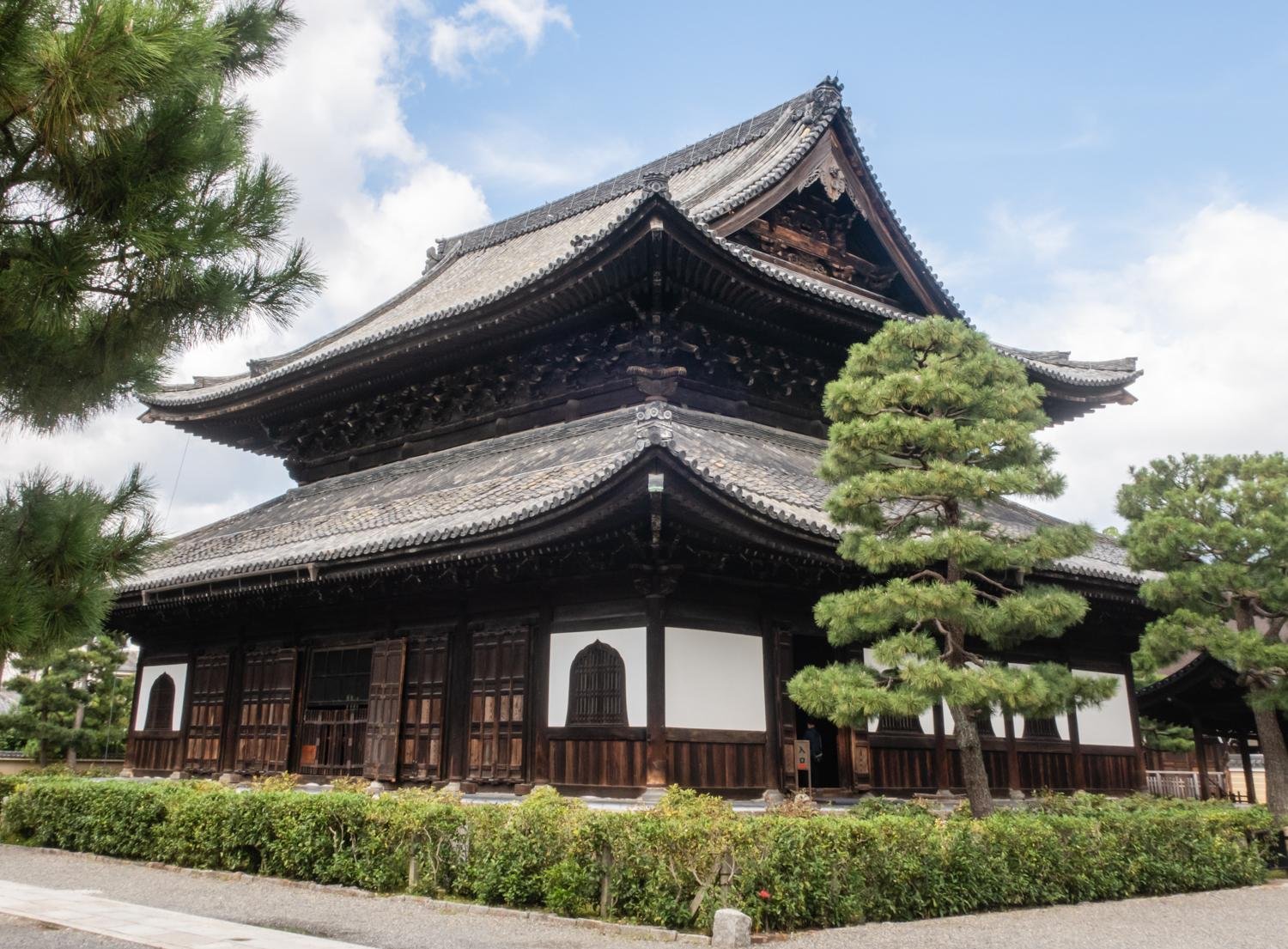
In Buddhist temples we find pagodas, Buddha statues, worship rooms and other elements of the Buddhist tradition.
The relationship between Japan and nature
Nature holds a special place in Japanese culture.
It is no coincidence that elements like:
- Cherry blossoms.
- Mount Fuji.
- The gardens.
- Bamboo.
- The mountains.
- The lakes.
- The moon.
- The seasons of the year.
constantly appear in literature, painting, poetry, architecture and celebrations.
There is also a sensitivity towards ephemeral beauty that is related to concepts such as mono no aware , the awareness that things are beautiful precisely because they are temporary.
Cherry blossoms are a perfect example.


Hanami: much more than just seeing flowers
hanami is the tradition of viewing cherry blossoms.
At first glance it just seems like a pretty activity: people gathered under trees full of pink and white flowers.
But culturally it represents much more.
Flowering lasts a short time and, precisely for that reason, it becomes an opportunity to appreciate a moment that we know will be temporary.
In spring, parks and public spaces can become gathering places where family, friends and colleagues share food and drink under the cherry trees.
Discovering Japan identifies hanami as one of the great seasonal expressions of Japanese culture.
The seasons and Japanese culture
One thing that I find especially beautiful is the importance of the seasons.
Japanese culture pays close attention to the changes of:
- Spring.
- Summer.
- Autumn.
- Winter.
This appears in gastronomy, decoration, literature, festivals, clothing and everyday activities.
The arrival of each season is not simply a change in weather.
What is eaten, what is celebrated, and even the decorative motifs that appear on certain products also changes.
The great Japanese festivals
matsuri are traditional festivals celebrated throughout the year.
Some have religious origins, while others are related to historical events, seasons, local communities or regional traditions.
Among the best known we find:
- Gion Matsuri.
- Tanabata.
- Obon.
- Awa Odori.
- Setsubun.
- Hinamatsuri.
- Hanami.
- Japanese New Year.
- Tsukimi.

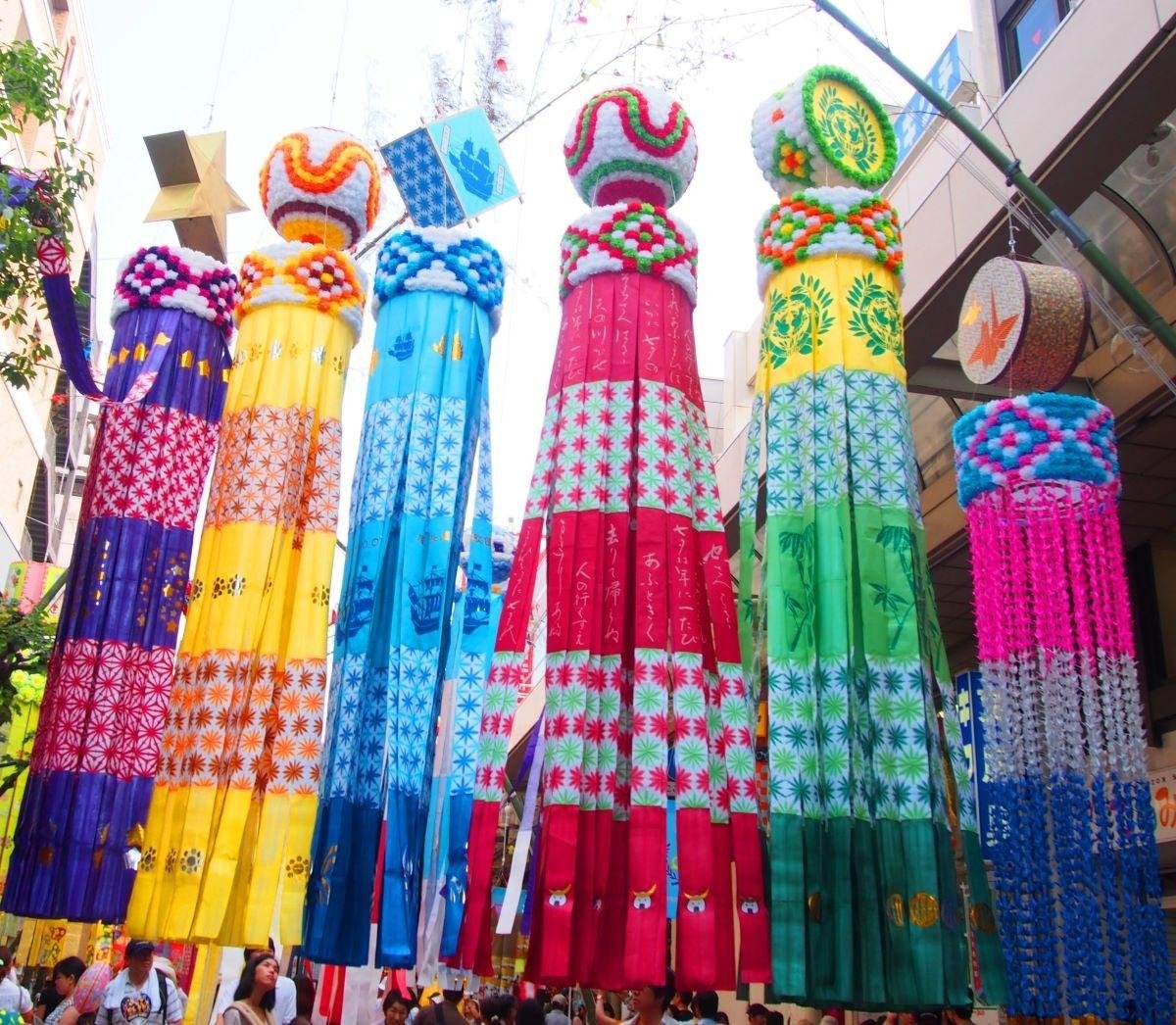


Gion Matsuri
The Gion Matsuri , held in Kyoto, is one of the most famous festivals in Japan.
Its enormous floats, processions and traditions that date back centuries stand out.
Tanabata
Tanabata is known as the festival of stars.
People write wishes on small strips of paper called tanzaku and place them on bamboo branches.
The tradition is related to an ancient legend about Orihime and Hikoboshi.
Obon
Obon is a celebration related to the memory of ancestors.
Families gather and perform different practices to honor those who have died.
Discovering Japan precisely explains Obon as a Buddhist festival linked to the symbolic visit of the spirits of ancestors to the world of the living.
Japanese gastronomy as part of culture
If there is something that has managed to become Japan’s global ambassador, it is its gastronomy.
But here it is also convenient to escape from clichés.
When someone says “Japanese food,” we usually immediately think of sushi.
And sushi is important, of course, but Japanese gastronomy is much broader.
We can find:
- Sushi.
- Sashimi.
- Ramen.
- Udon.
- Soba.
- Tempura.
- Yakitori.
- Okonomiyaki.
- Takoyaki.
- Onigiri.
- Donburi.
- Japanese curry.
- Miso soup.
- Wagyu.
- Mochi.
Traditional Japanese food also has a strong relationship with seasonality, presentation and balance of ingredients.


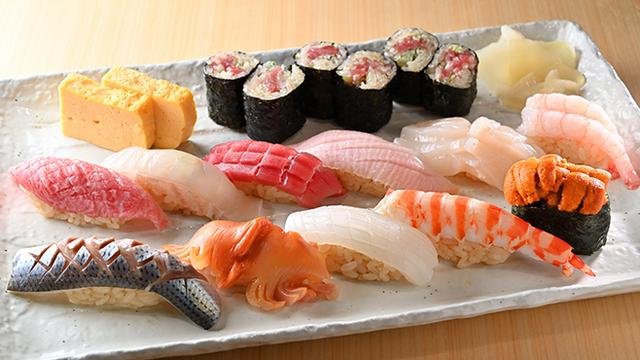
What is washoku?
Washoku is the term used to refer to the Japanese culinary tradition.
UNESCO included the washoku in the Representative List of the Intangible Cultural Heritage of Humanity.
And this makes a lot of sense when we look at the philosophy behind traditional Japanese cuisine: presentation, seasonal ingredients, balance and relationship with social customs.
Rice in Japanese culture
Rice has historically had enormous importance in Japan.
It is present in everyday dishes, ceremonies and culinary traditions.
In fact, many Japanese foods that we know internationally today start from a fairly simple combination:
rice + fish + vegetables + seaweed + soy + seasonal ingredients.
The enormous sophistication comes later.
The tea ceremony
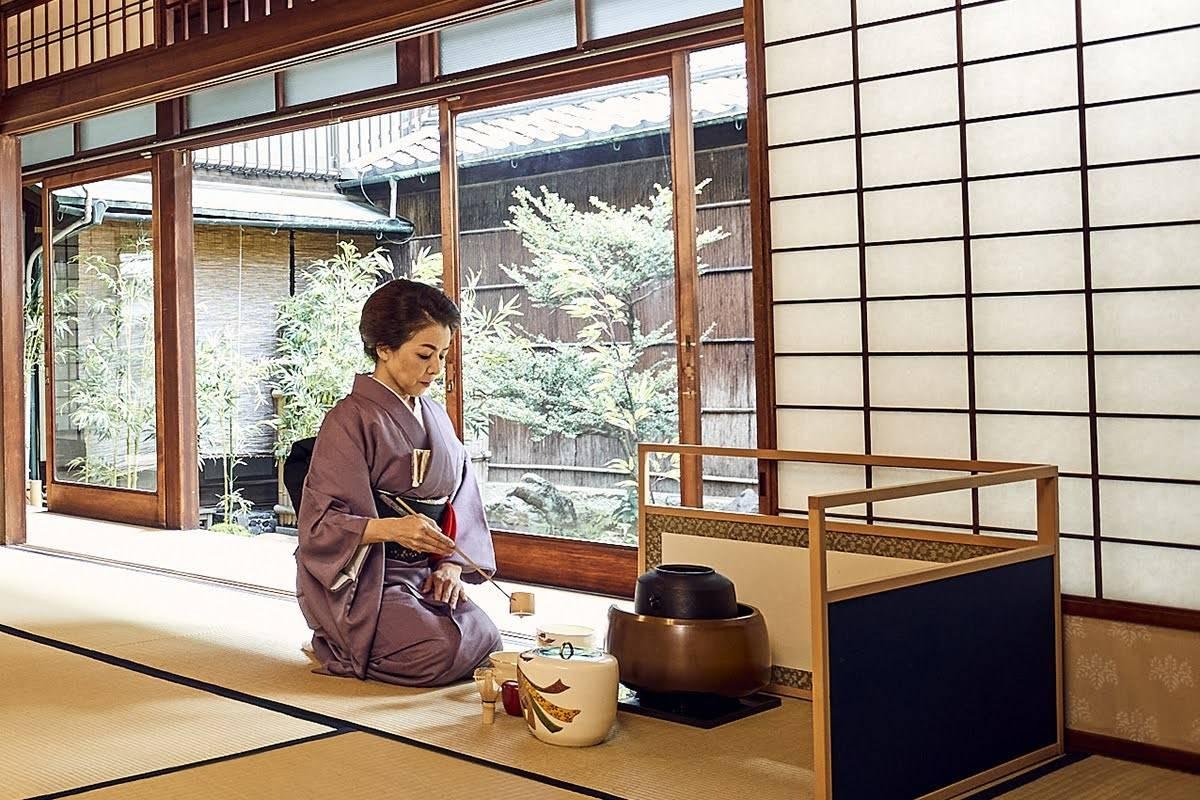
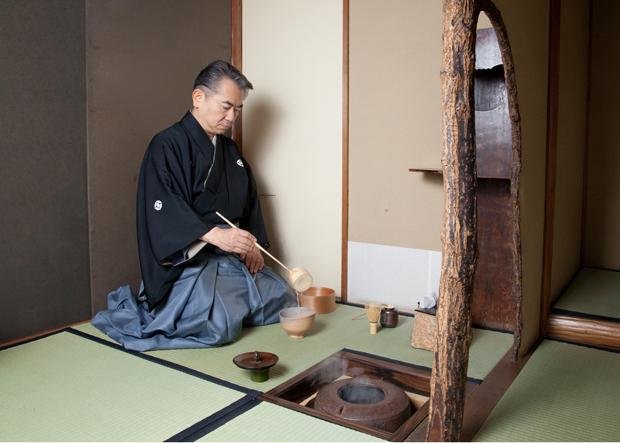
The Japanese tea ceremony , known as chanoyu or sadō , is probably one of the best examples of how Japanese culture turns an everyday activity into a profoundly ritualized.
Preparing and serving matcha involves carefully laid out movements.
But the interesting thing is not simply learning how to make tea.
The ceremony revolves around values like:
- Harmony.
- Respect.
- Purity.
- Tranquility.
Discovering Japan presents it precisely as a practice where preparing and serving tea becomes an experience of attention and reflection.



The kimono and traditional Japanese clothing
When we talk about traditional Japanese clothing , the kimono is probably the most well-known piece.
The kimono is a garment with a very characteristic structure that is currently used especially in certain celebrations and special occasions.
We can see it at:
- Weddings.
- Ceremonies.
- Festivals.
- Graduations.
- Traditional celebrations.
- Tea ceremonies.
There are also related garments such as the yukata , lighter and common during summer festivals.


And here it is important to make an important distinction: not all Japanese wear kimono daily .
It is an image closely associated with Japan, but today’s everyday clothing is mainly modern.
Traditional Japanese arts
Japan has an impressive artistic tradition.
Among the best-known expressions are:
Shodō
It is the art of Japanese calligraphy.
Use brushes and ink to create characters with an aesthetic that goes far beyond simply writing correctly.
Ikebana
It is the art of Japanese flower arranging.
It’s not just about placing flowers in a container.
Composition, empty space, lines and balance are of enormous importance.
Ukiyo-e
ukiyo-e is a tradition of wood engravings that achieved enormous importance during the Edo period.
Artists such as Katsushika Hokusai helped turn this type of art into one of the most recognizable images of Japan.
Sumi-e
Ink painting, known as sumi-e , seeks to express scenes and shapes with a very characteristic economy of strokes.


Japanese literature: from haiku to manga
Japanese literature also has a very marked personality.
One of the most internationally famous genres is the haiku .
This is a short poetic form traditionally associated with a structure of 17 syllables distributed in three verses of 5, 7 and 5 in its usual Western adaptation.
Matsuo Bashō is probably the best-known name associated with classical haiku.
But Japanese literature does not stop there.
Japan has produced authors such as:
- Murasaki Shikibu.
- Yasunari Kawabata.
- Yukio Mishima.
- Haruki Murakami.
- Natsume Sōseki.
And then there’s the manga.
There we already enter another dimension.
Manga and anime: modern Japanese culture
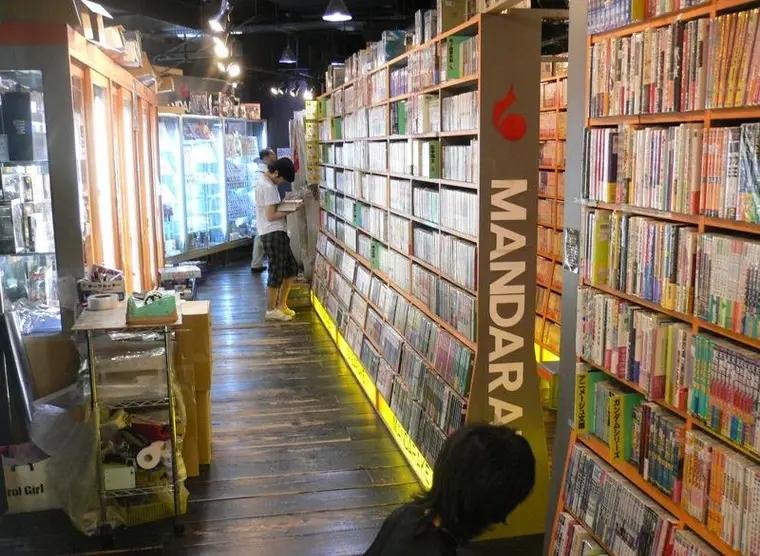
It would be absurd to talk today about Japanese culture without dedicating an important space to manga and anime.
Japan turned these forms of expression into a truly international cultural industry.
Anime is not just “Japanese cartoons.”
There are productions for children, teenagers and adults, and practically any genre imaginable:
- Action.
- Romance.
- Science fiction.
- Terror.
- Fantasy.
- Drama.
- Comedy.
- Sports.
- History.
- Philosophy.
Studio Ghibli, Akira Toriyama, Hayao Miyazaki and many other figures have managed to bring elements of Japanese culture to people who may have never had direct contact with Japan.
Humanidades.com also highlights the international relevance acquired by Japanese cinema and anime during recent decades.



Traditional Japanese cinema and theater
Japan also has a long theatrical tradition.
Two fundamental names are:
Noh: traditional theater characterized by the use of masks, music and highly stylized movements.
Kabuki: much more spectacular theater, with makeup, elaborate costumes, music and very expressive performances.
Japanese theater once again demonstrates how aesthetics, narrative, music and tradition coexist.
Samurai and bushido
Few figures represent the Western imagination of Japan as much as the samurai.
But here I recommend separating historical reality from the image created by movies, anime and video games.
The samurai were a warrior class that had enormous importance in different periods of Japanese history.
The concept of bushido is frequently related to them, understood as a set of ideals associated with the warrior.
However, the idea of a single perfectly defined bushido code from ancient times is much more historically complex than popular culture usually portrays.
That’s why I prefer to talk about bushido as a tradition of ideas and representations that evolved historically, rather than presenting it as an immutable code.
Sumo and other Japanese sports
sumo is probably the best-known traditional Japanese sport.
Its roots are deeply related to religious rituals and traditions.
A sumo match has ceremonial elements that go far beyond the physical confrontation.
We also find:
- Judo.
- Kendo.
- Karate.
- Aikido.
- Kyudo.
Many of these sports have an educational and philosophical dimension as well as a competitive one.
Japanese culture and technology
Here appears another of those contradictions that draw my attention so much.
Japan is famous for its centuries-old traditions, but it is also one of the societies most associated globally with:
- Electronics.
- Robotics.
- Video games.
- Automation.
- Technology.
- Advanced transportation.
- Industrial innovation.
Tokyo is probably the best example of this mix.
You can find a small traditional sanctuary surrounded by buildings, giant screens, trains and technology stores.
It is not necessarily a struggle between past and future.
It’s just Japan.
Traditional Japanese houses and architecture
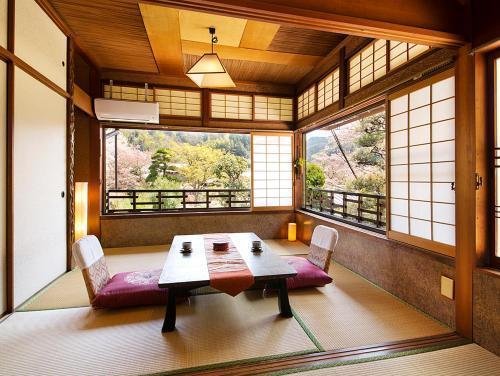
Traditional Japanese architecture is characterized by the use of materials such as wood, paper and stone, as well as a very close relationship between the built space and the environment.
Some known elements are:
- Tatami.
- Shoji.
- Fusuma.
- Engawa.
- Gardens.
- Wooden houses.
- Traditional roofs.
The concept of empty space is also important.
Instead of filling every corner with objects, certain traditional styles precisely seek to make emptiness part of the composition.




The Japanese Gardens
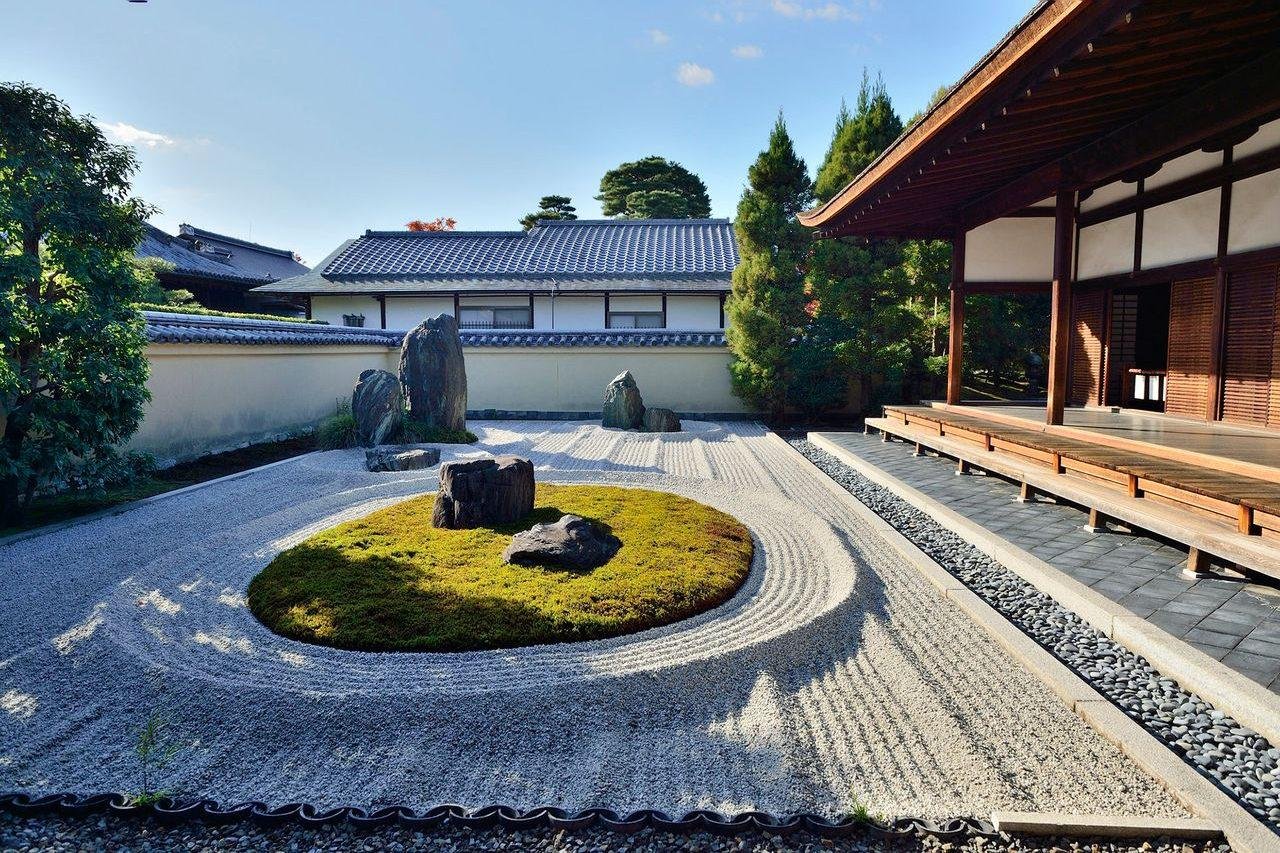
Japanese gardens are a perfect expression of that relationship between nature, aesthetics and balance.
Some incorporate:
- Water.
- Stones.
- Moss.
- Trees.
- Arena.
- Bridges.
- Flashlights.
- Empty spaces.
Zen gardens are especially known for their minimalist compositions.
What I find interesting is that they are not simply trying to reproduce nature.
They reinterpret it.
Japanese customs that should be known
If you are studying the customs of Japan , these are some of the most important ones.
Do not stick the chopsticks vertically into the rice
This is an especially important rule.
Sticking chopsticks vertically into a bowl of rice is reminiscent of certain funeral practices, so it is considered inappropriate during a normal meal.
Do not pass food from toothpick to toothpick
Passing food directly from one chopstick to another should also be avoided, due to its association with funeral rituals.
Do not eat while walking anywhere
Although Japan has a huge food culture, not all spaces are appropriate for walking while eating.
Respect queues
Queuing correctly is one of those little things that speaks volumes about consideration for others.
Taking off shoes
In traditional houses, some restaurants, accommodations and certain spaces it is common to take off your shoes.
Don’t speak too loudly
Especially on public transportation.
Separate waste
Japan is known for its sorting systems and individual responsibility for waste, although specific rules vary by city or municipality.
What makes Japanese culture different?
After reviewing all of these elements, I think there is an idea that connects them.
Attention to detail.
He’s at the tea ceremony.
It is in the presentation of a dish.
It’s in a garden.
It’s in the calligraphy.
It’s in a temple.
It’s in the way you wrap a gift.
It is even in certain aspects of everyday life.
And that obsession with doing things carefully is one of the characteristics we most associate with Japan.
Japan between tradition and modernity
Perhaps this is the best way to fully understand the country.
Japan did not completely abandon its traditions to become a technological power.
Nor did it reject modernity to keep its past intact.
Did something much more interesting: mixed both worlds .
A person can go to a Shinto shrine in the morning, take a high-speed train, eat ramen, buy manga, play video games, and end the day in a traditional ceremony.
All of this can be part of the same company.
And precisely for this reason, when we talk about culture of Japan , talking only about samurai, geishas, sushi and temples would be a very understatement.
Japanese culture is also in language, in the way of relating, in the seasons, in festivals, in gastronomy, in design, in anime, in technology and in that constant search for balance between the old and the new.
Frequently Asked Questions (FAQs)
What is the culture of Japan?
Japan’s culture is the result of centuries of historical evolution and exchange with other Asian societies, especially China and Korea, combined with indigenous traditions and later Western influences. It includes religion, gastronomy, arts, literature, festivals, social norms and a powerful popular culture.
What are the main traditions of Japan?
Among the best-known Japanese traditions are the tea ceremony, hanami, matsuri, Obon, respect through bowing, calligraphy, ikebana, the ceremonial use of the kimono and different practices related to Shintoism and Buddhism.
What is the religion of Japan?
Shintoism and Buddhism are the two most important religious traditions. It is common to find coexistence between both and many people participate in religious practices as part of culture and customs, even without strictly identifying with a single religion.
What is Shintoism?
Shintoism is a religious tradition originating in Japan based on the veneration of the kami , related to nature, certain places, ancestors and other elements of Japanese spirituality.
What is hanami?
Hanami is the Japanese tradition of viewing cherry blossoms, especially during spring. It also works as a social activity in which family, friends and colleagues gather under the trees.
What is the typical food of Japan?
Among the best-known foods and dishes are sushi, sashimi, ramen, tempura, soba, udon, yakitori, okonomiyaki, takoyaki, onigiri and different preparations based on rice, fish, vegetables and seasonal products.
What is washoku?
Washoku is the term used to refer to the Japanese culinary tradition, characterized by the importance of seasonal ingredients, presentation, balance and different social practices related to food.
What is kimono?
The kimono is a traditional Japanese garment that is currently used mainly in ceremonies, festivities and special occasions.
What is manga?
Manga is the term used for Japanese comics. There are mangas of practically all genres and for different age groups.
What is anime?
Anime is the term commonly used to refer to Japanese animation. Japan has developed a huge anime industry that has international influence.
What is bushido?
Bushido is a term associated with ideals and concepts historically related to the samurai class. Its interpretation and historical evolution are complex and should not be reduced to the idea of a single rigid code.
What sports are traditional in Japan?
Sumo, judo, kendo, karate, aikido and kyudo are some of the sports and martial disciplines most closely related to Japanese culture.
Why do Japanese people bow?
Bowing, known as ojigi , is a traditional way of expressing respect, greeting, thanks or apology. The degree of inclination may vary depending on the situation.
What things should not be done in Japan?
Among other things, it is advisable to avoid speaking too loudly in places where silence is expected, jumping lines, behaving disrespectfully in temples and shrines, sticking chopsticks vertically into rice, and passing food directly from one chopstick to another.
Why is Japanese culture so well known?
Because Japan has managed to project both its traditional heritage and its contemporary culture internationally. Temples, gastronomy, martial arts, manga, anime, video games, cinema, technology and fashion have contributed to making Japanese culture one of the most influential in Asia.
Japan is better understood when you put all the pieces together
If I had to summarize what interests me most about Japanese culture , I wouldn’t simply say that it is a “traditional” or “modern” culture.
I would say it is a culture of perfectly integrated contrasts .
The silence of a Zen garden can coexist with the noise of Shibuya.
A tea ceremony can coexist with a gigantic technology industry.
A temple hundreds of years old may be just minutes from a video game store.
The kimono may appear in a ceremony while most people wear completely Western clothing in their daily lives.
And a seemingly simple dish can hide centuries of gastronomic evolution.
That ability to preserve the memory of the past while constantly incorporating new elements is, for me, one of the keys to understanding why the culture of Japan continues to have so much strength and influence in the world.