
Traveling to Japan for the first time may seem complicated. You have to think about flights, accommodation, trains, money, Internet, cultural norms, language and, of course, how to organize a route without ending up spending more time inside a station than enjoying the country.
After reviewing specialized guides, official recommendations and recent traveler experiences, there is one thing that is quite clear to me: Japan is much more enjoyable when you arrive with good planning, but without trying to control absolutely everything .
When preparing a trip of this type, I would start with the basics: choose the cities well, calculate the trips and leave enough days for each place. Then come the small details that seem insignificant from home and that can make your trip much more comfortable.
In this guide I have put together the best tips for traveling to Japan , including transportation, accommodation, money, internet, food, luggage, cultural norms, weather, itineraries and some mistakes I would try to avoid.
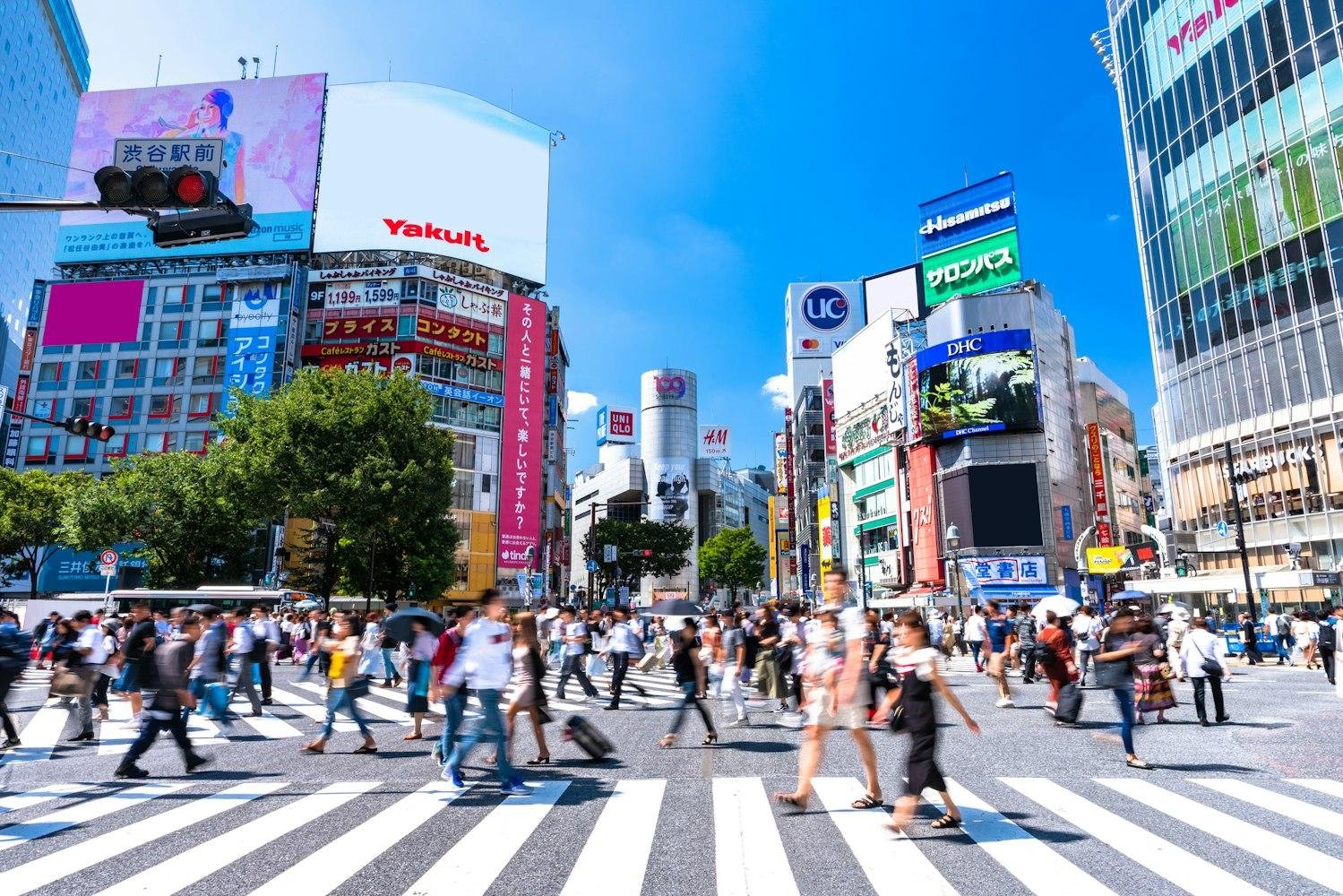


1. Don’t try to see all of Japan in one trip
This is probably the first Japan travel tip I would consider.
Japan is much bigger than it seems when you start preparing a route. Tokyo, Kyoto and Osaka may look relatively close on a map, but when you start adding Hiroshima, Nara, Kanazawa, Mount Fuji, Hokkaido or Okinawa, the trip can quickly become a succession of trains and hotel changes.
For a first trip, I would concentrate on the route.
A fairly logical combination could be:
- Tokyo.
- Kyoto.
- Osaka.
- Nara as an excursion.
- An area close to Mount Fuji if you have time.
With 10 days you can make a first approximation.
With 15 days you have time to travel with more peace of mind.
And with three weeks you can start introducing less common destinations.
The idea I like the most is simple: fewer places and more time in each .
2. How many days does it take to travel to Japan?
If you were to ask me what is the minimum I would recommend, I would say 10 full days .
You can travel for a week, obviously, but taking into account the time needed to arrive from many countries in Latin America or Europe, jet lag and internal travel, a week may not be enough.
Japan in 7 days
I would do something like:
- 3 days in Tokyo.
- 3 days in Kyoto.
- 1 day for an excursion or transfer.
Japan in 10 days
A balanced path could be:
- 4 days Tokyo.
- 3 days Kyoto.
- 2 days Osaka.
- 1 day Nara.
Japan in 15 days
Here you can add:
- Mount Fuji.
- Hiroshima.
- Miyajima.
- Kanazawa.
- Himeji.
- More days in Tokyo or Kyoto.
I wouldn’t try to include all of these destinations. Precisely having 15 days allows you to choose.
3. Book well in advance
One of the pieces of advice that is most repeated in specialized guides is to plan Japan in advance, especially if you want to travel during periods of high demand.
The OM Viajes y Relatos guide also highlights advance planning of flights and accommodation as one of the fundamental points for traveling independently.
I would start in this order:
- Choose the dates.
- Search for flights.
- Design a general route.
- Book accommodation.
- Organize long trips.
- Book activities that have limited places.
- Leave some spaces free.
I wouldn’t book absolutely every minute of the trip.
Japan has so many interesting things that it is very likely that during the tour you will want to modify some part of the route.
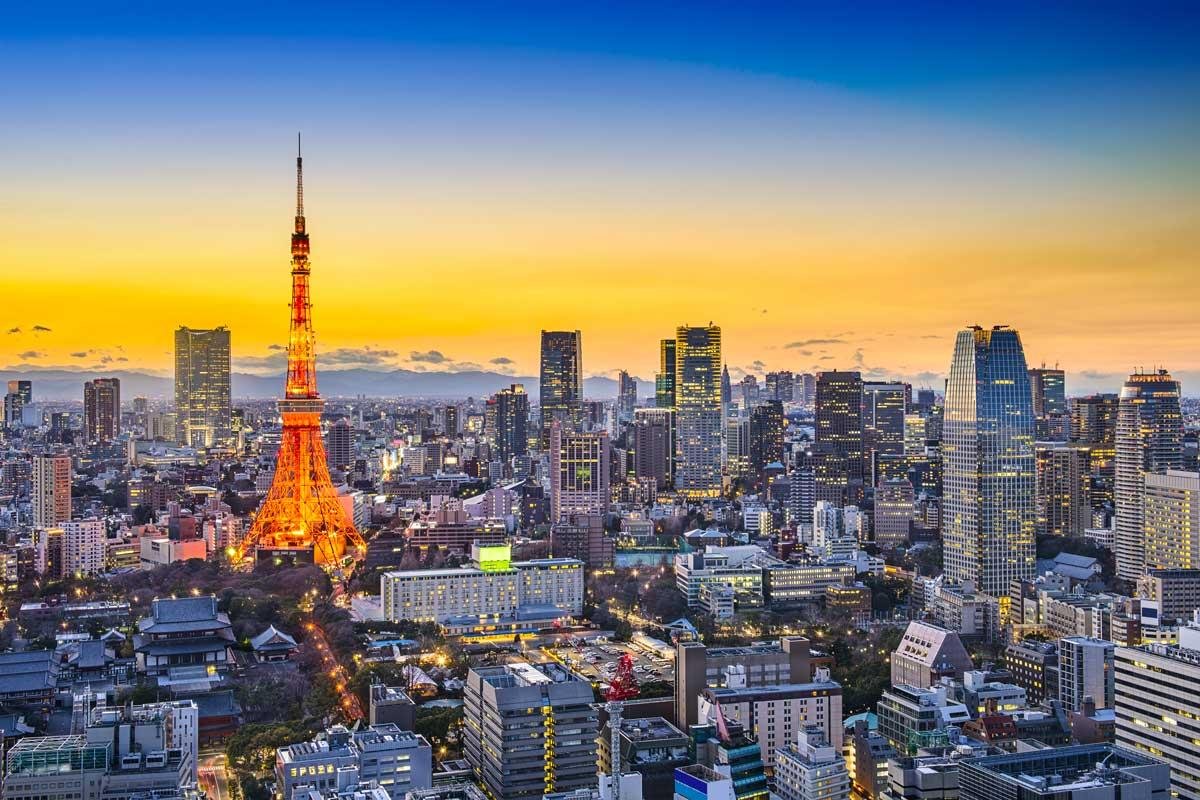


4. Choose your arrival airport carefully
If your route starts in Tokyo, you will mainly find two major international airports:
- Haneda.
- Narita.
Haneda is much closer to central Tokyo and is usually quite convenient to start your trip.
Narita is considerably further away, although it also has efficient connections to Tokyo.
So when I’m looking for flights, I wouldn’t just look at the price.
Would compare:
- Total price.
- Trip duration.
- Number of scales.
- Arrival airport.
- Landing schedule.
- Luggage included.
- Conditions of change.
A small difference in the price of the flight can end up being compensated if you arrive at a much more comfortable airport or at a time that allows you to make better use of the first day.
5. Check entry requirements before you travel
Here I recommend not using an old article as the only reference.
Entry requirements may change and depend on your nationality.
For example, official Spanish recommendations currently indicate that Spanish citizens need a valid passport for the entire intended stay and proof of return or return ticket. They also warn that Japanese authorities are especially demanding with damaged passports.
If you have another nationality, you must consult the requirements corresponding to your passport.
I would also check the transit conditions of any country where you have a stopover.
This is especially important if the flight passes through the United States, Canada, or another country that has its own transit requirements.
6. Don’t underestimate Japanese transportation
One of the things that most impresses travelers visiting Japan for the first time is the number of trains, lines, stations and operators.
At first it may seem like a real puzzle.
But once you understand how it works, getting around Japan becomes much easier.
I would have installed:
- Google Maps.
- A translation application.
- The corresponding railway company application if you need it.
- Offline maps of main cities.
Google Maps is especially useful because it allows you to consult routes, schedules and connections.
JNTO itself recommends using the different railway options and remember that there are regional passes that can be interesting when you are not going to travel throughout the country.
7. Is the Japan Rail Pass worth buying?
Here I would avoid one of the old tips that still appears in many articles: buy the JR Pass automatically because you are traveling by train .
Nowadays we have to do the math.
The price of the Japan Rail Pass has increased significantly and JNTO is currently publishing a price of 50,000 yen for the standard 7-day pass, 80,000 for 14 days, and 100,000 for 21 days.
Therefore, before buying it, I would calculate how much the trips I want to take really cost.
If your path is simply:
Tokyo → Kyoto → Osaka
you may not need a domestic JR Pass.
On the other hand, if you are going to make many long trips through different regions, the situation may be different.
There are also regional passes.
My advice is: design the route first and then decide the pass , not the other way around.
8. Learn to use IC cards
IC cards are one of those little things that make traveling around Japan much more convenient.
Depending on the region you may find cards like:
- Suica.
- AMAZING.
- ICOCA.
- Welcome Suica.
- Other regional IC cards.
They can be used to pay for many trips and also small purchases.
The JNTO explains that IC cards can be used in trains, buses, vending machines and many businesses, although compatibility depends on the area and the operator.
For me, this would be one of the first practical procedures upon arrival.
An IC card avoids buying an individual ticket every time you use certain transportation.
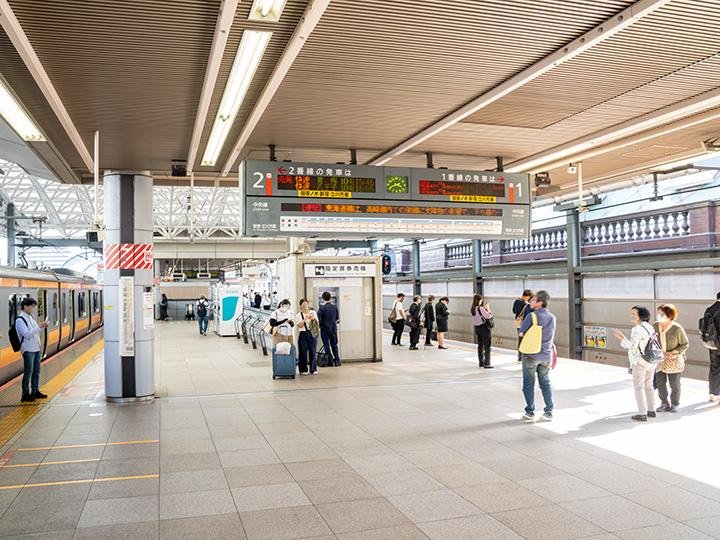


9. Travel light: Japan is not the place to drag a huge suitcase
This advice seems insignificant until you have to change trains in a gigantic station with a 25 kilo suitcase.
Japan involves a lot of walking.
A lot.
I would try to travel with:
- A small or medium suitcase.
- A backpack.
- Comfortable footwear.
- Few clothes.
- Space available for purchases.
Additionally, large luggage has specific considerations on certain Shinkansen trains.
On Tokaido, Sanyo, Kyushu and Nishi-Kyushu lines, luggage with overall dimensions greater than 160 cm requires reserving a seat with specific space for oversized luggage.
This is another reason not to travel unnecessarily loaded.
A trick that I find especially useful
If you want to buy clothes, electronics, souvenirs or Japanese products, leave room in your suitcase.
You may even consider buying a larger suitcase in recent days.
10. Don’t change hotels every night
Another fairly common mistake is trying to save time by constantly changing hosting.
For example:
Tokyo → Kyoto → Osaka → Hiroshima → Tokyo → Fuji → Tokyo.
On paper it seems like a fantastic route.
In practice it means:
- Check-out.
- Luggage.
- Station.
- Train.
- Check-in.
- Search for the hotel.
- Put things back together.
I prefer to use a city as a base when possible.
For example, Kyoto and Osaka are connected enough that you can consider spending more nights in one of them and visiting the other according to the itinerary.
That allows you to enjoy the trip much more.
11. Where to stay in Tokyo?
Tokyo is huge.
That’s why I wouldn’t just search for “cheap hotel in Tokyo”.
I would look at the location first.
Some interesting areas are:
Shinjuku
Very well connected and with a lot of atmosphere.
Shibuya
Perfect if you want to be close to one of the most famous areas of Tokyo.
Ueno
May be interesting for those looking for a practical location and rail connections.
Asakusa
An attractive option if you want a more traditional atmosphere.
Tokyo Station
Very practical for traveling.
I would prioritize being close to a station over getting a slightly cheaper room but away from everything.


12. Don’t be surprised by the size of the rooms
Hotel rooms in Japan can be smaller than what many Western travelers are accustomed to finding.
Especially in cities like Tokyo.
I wouldn’t choose an accommodation based on the size of the room alone.
I would pay more attention to:
- Location.
- Cleaning.
- Private bathroom.
- Proximity to transportation.
- Recent reviews.
- Enough space for luggage.
If you are going to spend almost the entire day outside, a small room can be perfectly functional.
13. Japan is not necessarily as expensive as you imagine
Japan has a reputation for being a very expensive destination.
And yes, you can spend a lot.
But you can also travel on a fairly controlled budget.
There are economical options of:
- Restaurants.
- Supermarkets.
- Conbini.
- Hotels.
- Hostels.
- Transport.
- Prepared food.
JNTO itself recommends different strategies to reduce expenses on transportation, accommodation, food and activities, including regional passes and low-cost airlines.
Accommodation and long trips usually have an important weight in the budget.
Food, on the other hand, allows for much more adjustment.
14. Bring some cash
Japan is much more convenient to pay by card than it was years ago, but I wouldn’t travel without cash.
The JNTO indicates that international cards are generally accepted throughout the country, although there are still establishments and certain transports where they are not accepted. It also notes that Japan Post Bank and Seven Bank ATMs allow you to withdraw money.
That’s why it would have:
- A main card.
- A backup card.
- Some cash.
- A small amount separated from the rest.
I wouldn’t keep all the money and all the cards in the same place.
15. In Japan you don’t need to tip
This is one of those little culture shocks that is worth knowing about.
In Japan it is not common to tip in restaurants, hotels, taxis, cafes and similar services.
The JNTO confirms that tipping is not part of normal practice and explains that there are some exceptional situations, such as certain private guide services, where it can be offered discreetly.
So if you receive good service at a restaurant, simply saying thank you is enough.
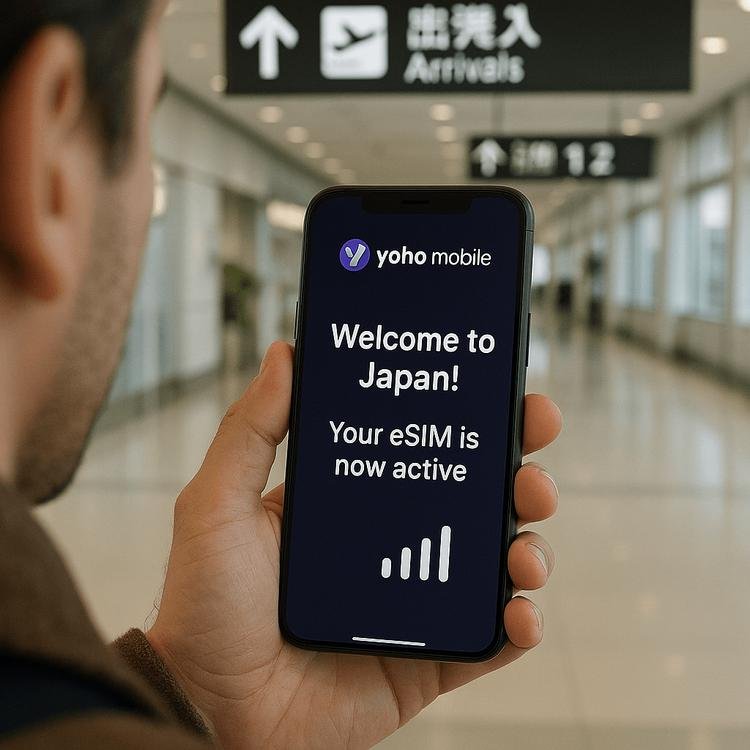
16. Hire Internet before leaving
I believe that traveling through Japan without an Internet connection complicates things unnecessarily.
You will need data for:
- Google Maps.
- Translation.
- Train schedules.
- Reservations.
- Banknotes.
- Messaging.
- Search restaurants.
- Consult tourist information.
You can use:
- eSIM.
- Physical SIM.
- Pocket WiFi.
The best option depends on your phone and the type of trip.
If your mobile phone supports eSIM, it can be especially convenient because you arrive with the connection ready.



17. Don’t be afraid of the language
You don’t need to speak Japanese to travel in Japan.
Obviously, learning some basic expressions can be useful and shows respect, but I wouldn’t try to learn Japanese before the trip as if it were a requirement.
In stations and tourist areas you will find a lot of information in other languages, and the telephone can help you with the translation.
I would have downloaded a translator that can work offline.
Some useful words:
- Konnichiwa: Hello.
- Arigatou: thank you.
- Sumimasen: excuse me/sorry.
- Onegaishimasu: please.
- Hai: Yes.
- Iie: no.
- Eigo: English.
And something as simple as learning to say “thank you” correctly can already change the interaction a lot.
18. Learn some rules of behavior
Japan has a different social culture and knowing some basic rules will avoid awkward situations.
I would have these in mind:
- Do not talk loudly in transport.
- Avoid phone calls inside the train.
- Queue.
- Do not throw garbage in the street.
- Respect religious spaces.
- Do not photograph people without permission.
- Follow the signs to the tourist places.
- Do not lock train doors.
- Do not eat while walking in certain places when it is inadvisable.
- Maintain a certain peace of mind in public spaces.
You don’t need to know all the Japanese customs.
Simply observing and respecting is usually enough.
19. Japan is a very safe country, but it doesn’t mean you should forget about everything
The official Spanish recommendations in force in September 2026 do not establish specific travel restrictions to Japan, although they recommend paying attention to risks related to natural disasters, theft and other aspects.
I would maintain normal precautions:
- Keep your passport safe.
- Have copies of the documents.
- Do not leave the phone anywhere.
- Keep an eye on belongings in crowded places.
- Have travel insurance.
- Share the itinerary with someone.
And there is an especially important point: Japan is a seismically active country .
You may also experience typhoons, heavy rain, floods and other natural phenomena.
That’s why it’s a good idea to check weather alerts during your trip.
20. Choose the time of year well
Japan changes a lot depending on the season.
Spring
It is famous for cherry blossoms.
The problem is that it is also a very popular time of year and some areas can be extremely busy.
Summer
It can be very hot and humid.
In addition, there is a risk of typhoons during part of the season.
Autumn
One of my favorite times to consider a trip through the type of landscapes that you can find with the change of color of the trees.
Winter
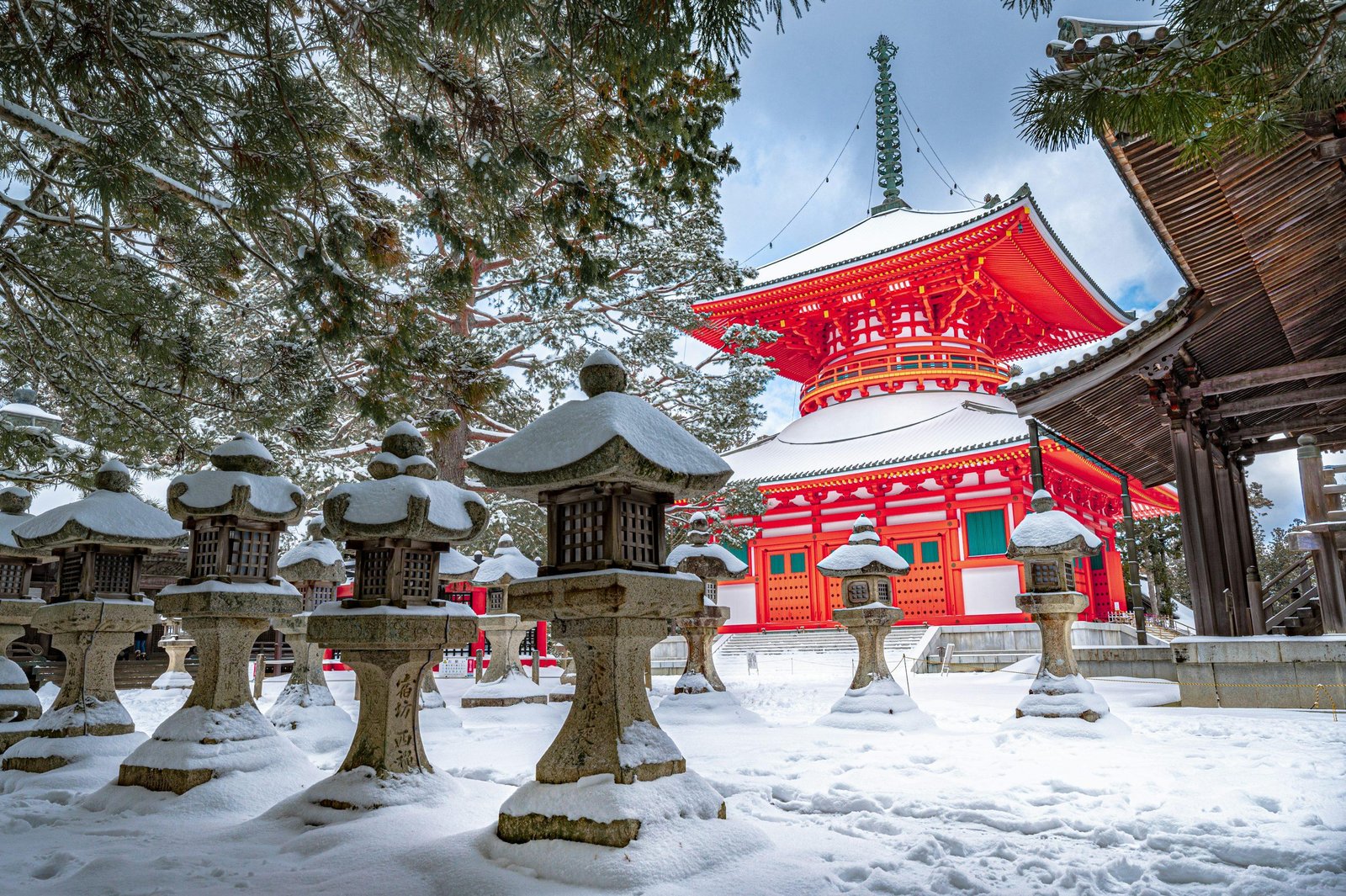
It is a fantastic option if you want snow, winter sports or a different experience.
The key is not to think that there is a single “best time to travel to Japan.”
It depends on what you want to do.


21. If you travel during sakura, book before
Cherry blossoms are one of the great attractions of Japan.
But that is precisely why the demand can be enormous.
If you want to travel during sakura season, I would book accommodation and flights with plenty of margin.
Also, I wouldn’t buy the trip solely thinking that “on April 1st all the trees will be in bloom.”
Flowering depends on the area and weather conditions.
It is advisable to review the forecasts as the dates approach.
22. Kyoto deserves several days
Kyoto is not just a city with a few temples.
It’s one of the easiest places you can end up running if you try to see everything.
I would dedicate at least three full days.
Among the best-known places are:
- Fushimi Inari.
- Kiyomizu-dera.
- Gion.
- Arashiyama.
- Kinkaku-ji.
- Ginkaku-ji.
- Nishiki Market.
- Traditional temples and gardens.
An oft-repeated tip from experienced travelers is to visit the most popular places early.
And it makes sense.
If you want to enjoy Fushimi Inari or some of the main temples with fewer people, getting up early can make a huge difference.


23. Tokyo takes more time than it seems
Tokyo is gigantic.
I wouldn’t try to visit:
Shibuya + Shinjuku + Asakusa + Akihabara + Odaiba + Harajuku + Ginza
in a single day.
It is much better to organize visits by area.
For example:
Shibuya and Harajuku Day
- Shibuya Crossing.
- Meiji Jingu.
- Harajuku.
- Omotesando.
Asakusa Day
- Senso-ji.
- Nakamise.
- Tokyo Skytree.
- Ueno.
Shinjuku Day
- Shinjuku.
- Kabukicho.
- Observatories.
- Shopping streets.
Akihabara Day
Ideal if you are interested in manga, anime, video games and electronics.
The idea is simple: group nearby places .
24. Osaka is not just a quick excursion
Osaka has a completely different personality.
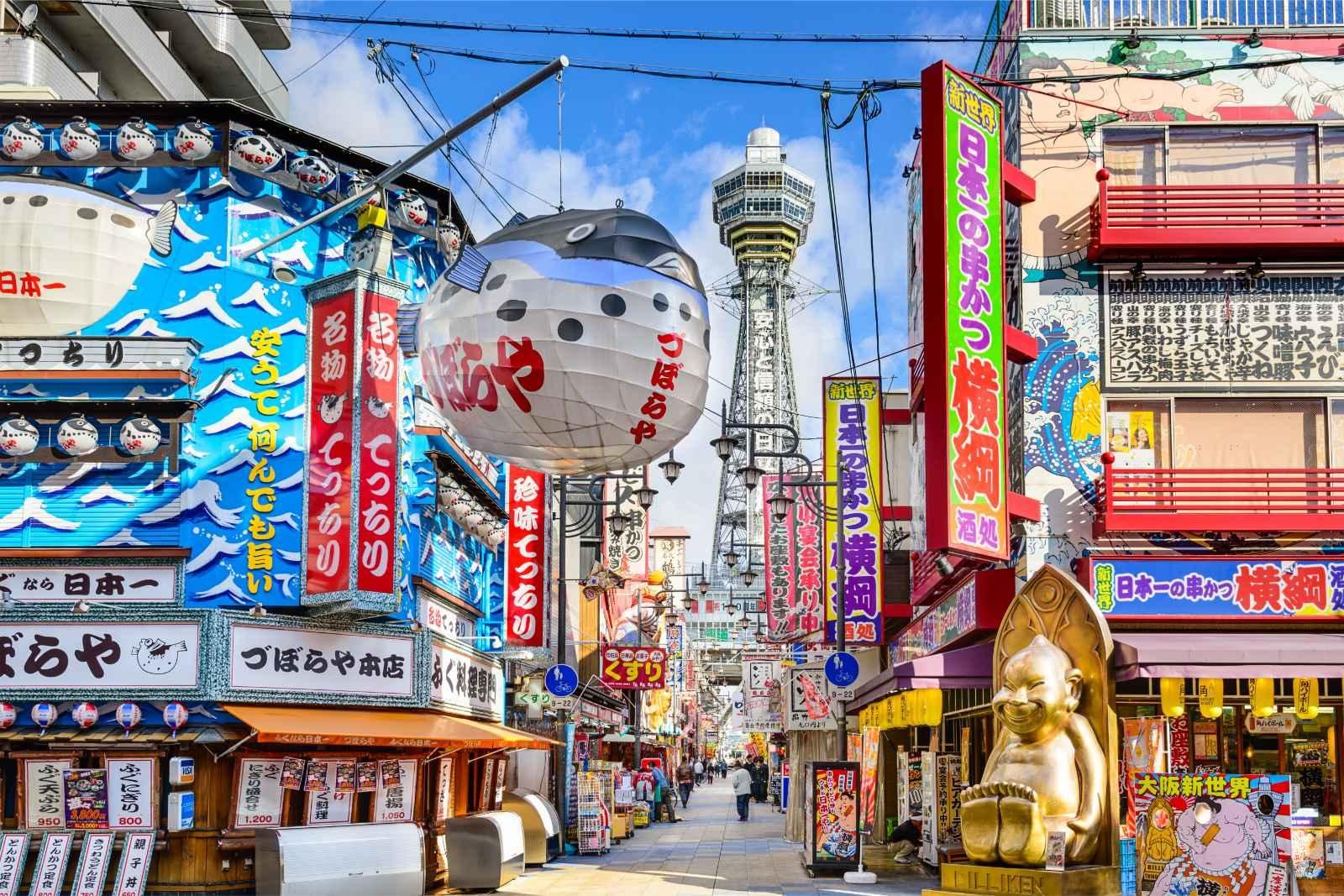
Here I would spend time on:
- Dotonbori.
- Namba.
- Osaka Castle.
- Shinsekai.
- Umeda.
- Markets.
- Local gastronomy.
And above all I would eat.
Osaka has a huge relationship with food and dishes like takoyaki and okonomiyaki are part of the experience.



25. Take an excursion from the big cities
Another advantage of Japan is that you don’t need to change hotels constantly to see other places.
From Tokyo you can consider excursions to:
- Kamakura.
- Yokohama.
- Kawaguchiko.
- Hakone.
- Nikko.
From Kyoto:
- Nara.
- Uji.
- Osaka.
- Himeji.
From Osaka:
- Himeji.
- Nara.
- Kobe.
- Hiroshima, if you have time.
This allows you to see more places without turning the trip into a permanent move.
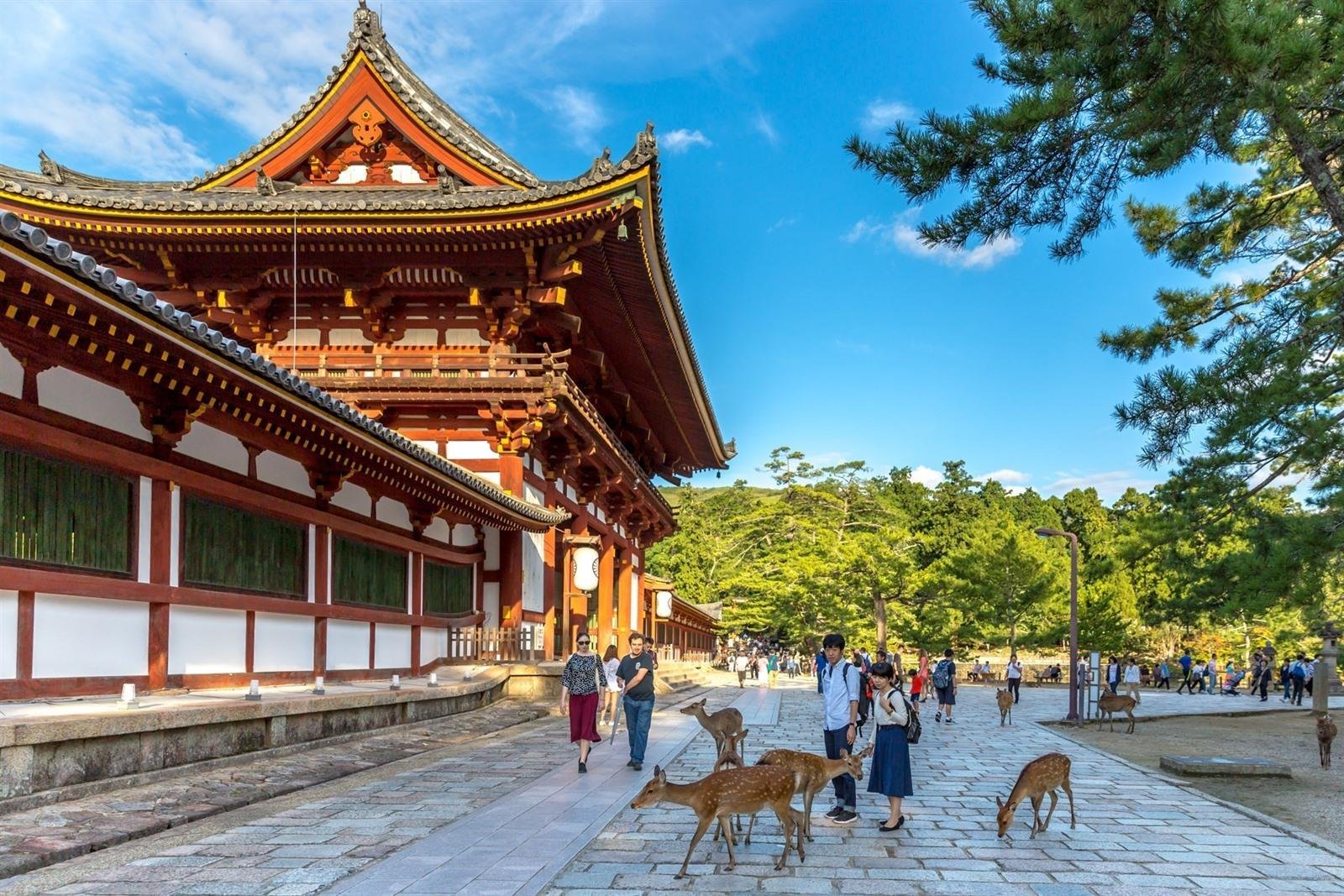
26. Nara is worth a visit
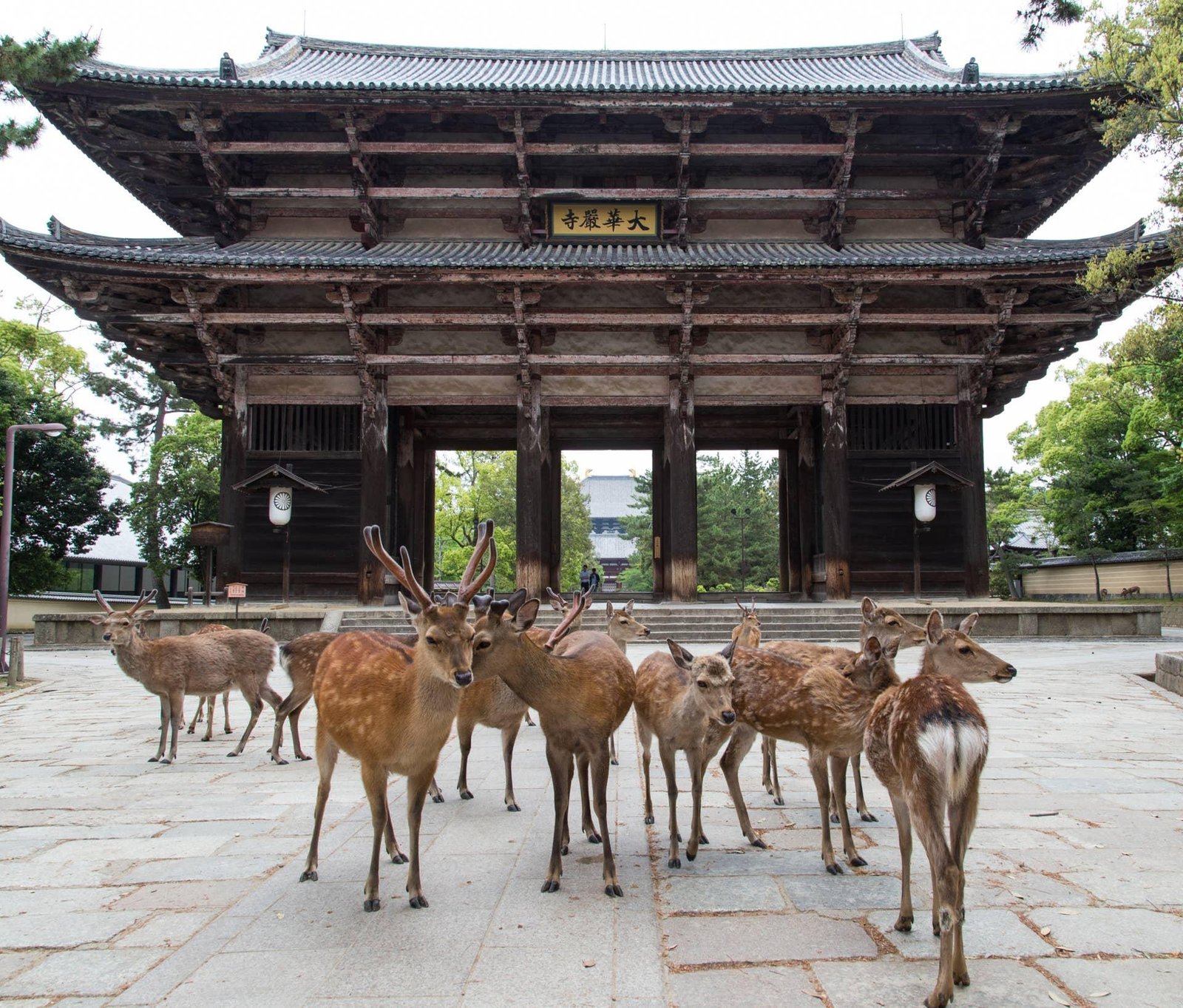
Nara is one of the most popular tours from Kyoto or Osaka.
The park is known for its deer and some of the city’s great historical monuments.
If you go, remember that animals are animals, even if they are used to visitors.
Don’t chase or bother them to get a photo.
And if you buy the special cookies to feed the deer, follow the directions there.


27. Don’t rule out Mount Fuji
If the weather is good, seeing Mount Fuji can become one of the most memorable moments of the trip.
But here I would also avoid making a mistake: the Fuji is not always visible .
You can travel to a spectacular area and encounter clouds.
That’s why I wouldn’t build the entire itinerary around a single photograph.
Some popular areas to view it are:
- Kawaguchiko.
- Hakone.
- Fujiyoshida.
- The Five Lakes area.
If you only have a few days, I would choose an option that fits naturally into the route.
28. Try gastronomy beyond sushi
If you go to Japan and only eat sushi, you are missing out on a huge part of the country.
I would try everything you can.
Some options:
- Ramen.
- Sushi.
- Sashimi.
- Tempura.
- Okonomiyaki.
- Takoyaki.
- Yakitori.
- Japanese curry.
- Udon.
- Soba.
- Tonkatsu.
- Donburi.
- Gyoza.
- Unagi.
- Wagashi.
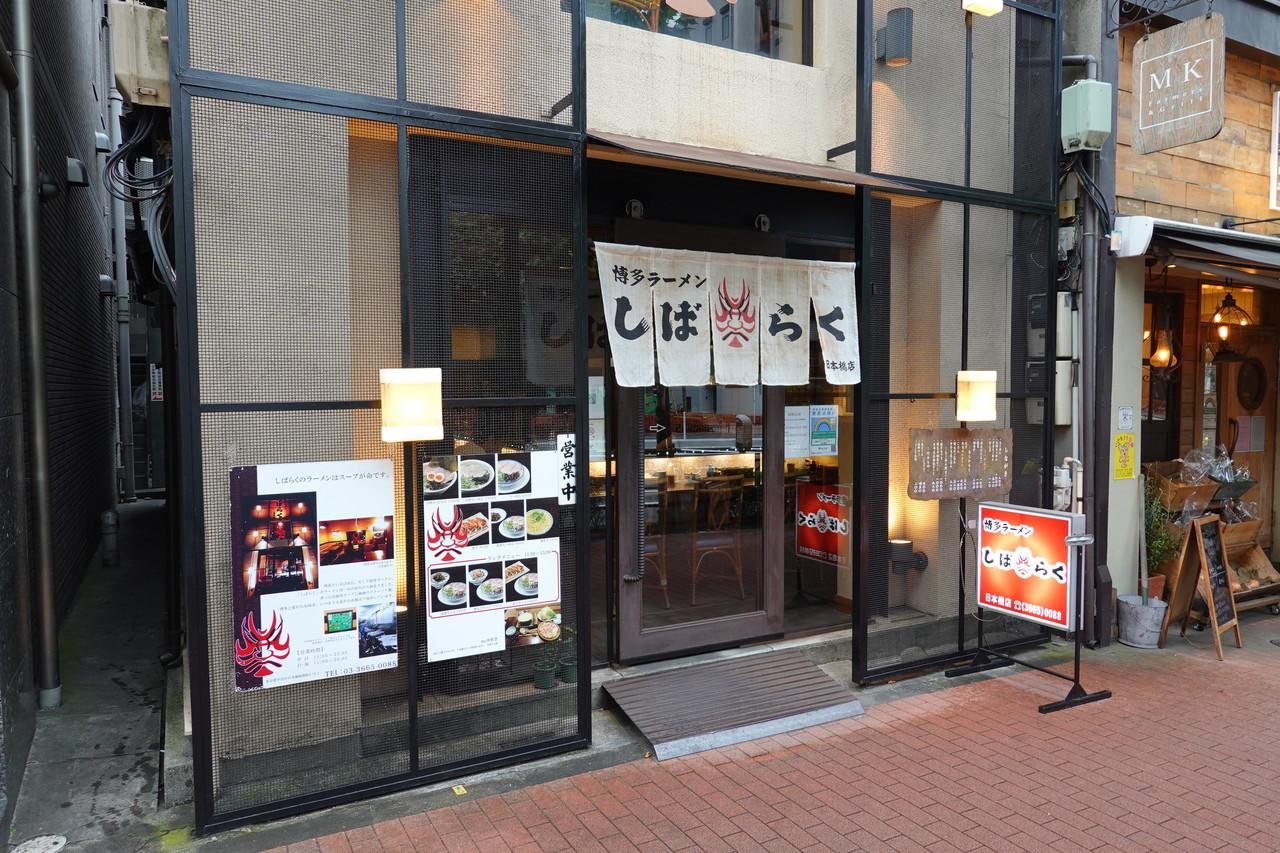
And I wouldn’t rule out small restaurants.
Sometimes a simple facade and a tiny place hide spectacular food.
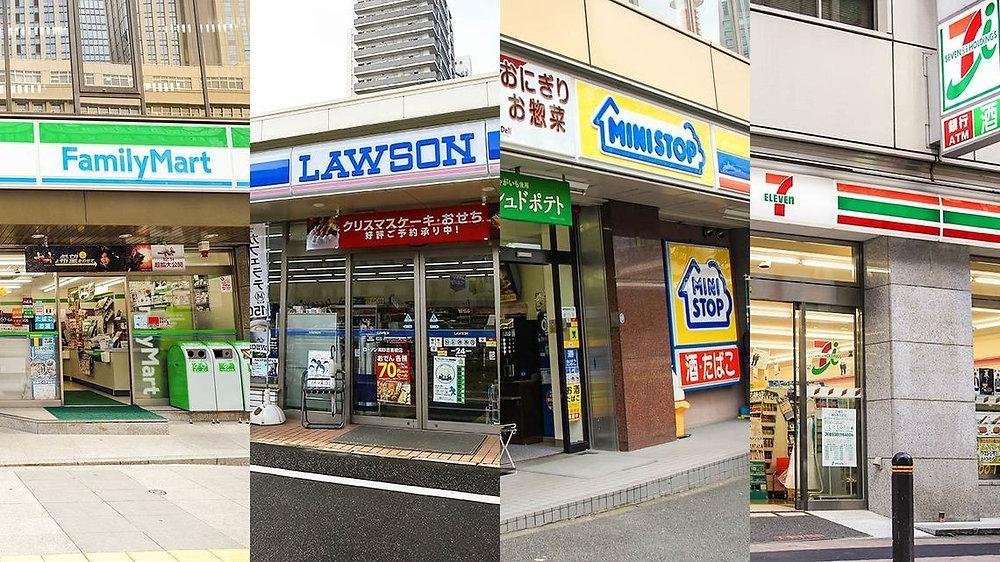
29. The konbini are your allies
Japanese convenience stores, known as konbini , are tremendously convenient.
You can find:
- Onigiri.
- Sandwiches.
- Drinks.
- Coffee.
- Sweets.
- Prepared food.
- Commodities.
- Some medications and everyday items.
Brands like 7-Eleven, Lawson and FamilyMart are everywhere.
It doesn’t mean you have to always eat from there.
But to have a quick breakfast, buy something for the train or have an improvised meal, they are tremendously useful.


30. Do not eat or drink while walking without paying attention to the customs of the place
It may seem silly, but Japan has certain social norms that vary depending on the context.
In some tourist places you can see stalls where you can eat while you walk, but it does not mean that it is appropriate to do so on any street or space.
I would first observe what the local people do and follow the directions.
The same goes for garbage.
You’ll find fewer bins than many travelers expect, so it’s a good idea to bring a small bag to store your waste until you find a suitable location.
31. Do you need a guide or can you travel on your own?
For a first trip, I do not consider it essential to hire an agency.
Japan has a highly developed tourism infrastructure.
You can organize on your own:
- Flights.
- Hotels.
- Trains.
- Excursions.
- Entries.
- Restaurants.
- Transport.
Travelers who are short on time, prefer convenience, or want to gain an in-depth understanding of certain cultural aspects may find value in a guide.
But traveling on your own is perfectly viable if you do your homework before you leave.
In fact, good preparation can give you a lot of freedom during the trip.
32. Don’t be obsessed with having the perfect itinerary
This is perhaps the most important tip of all.
When you start searching for information about Japan you find hundreds of places.
A blog recommends Kanazawa.
Another recommends Nikko.
Another says you need to go to Hiroshima.
Another claims that you have to visit Hokkaido.
Another adds Shirakawa-go.
And you end up trying to fit half the country in two weeks.
I wouldn’t do it.
I would first choose what type of trip I want:
Culture: Tokyo + Kyoto + Nara + Himeji.
Gastronomy: Tokyo + Osaka + Kyoto.
Nature: Fuji + Hakone + Japanese Alps + some rural area.
Anime and video games: Tokyo + Osaka and specific neighborhoods.
First experience: Tokyo + Kyoto + Osaka + Nara.
Then I would build the route.
33. What to pack for Japan
My basic list would be:
- Passport.
- Bank cards.
- Cash.
- Travel insurance.
- Unlocked phone.
- eSIM or Internet alternative.
- Charger.
- External battery.
- Adapter.
- Comfortable footwear.
- Appropriate clothing for the season.
- Small backpack.
- Umbrella or raincoat depending on the season.
- Personal medications.
- Digital copies of documents.
And it would leave empty space.
Japan is one of those places where it is very easy to return with more things than you brought with you.
34. A tip for travelers who buy too much
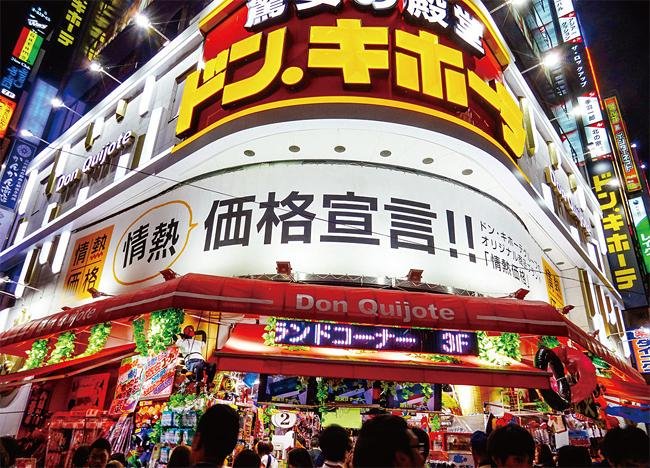
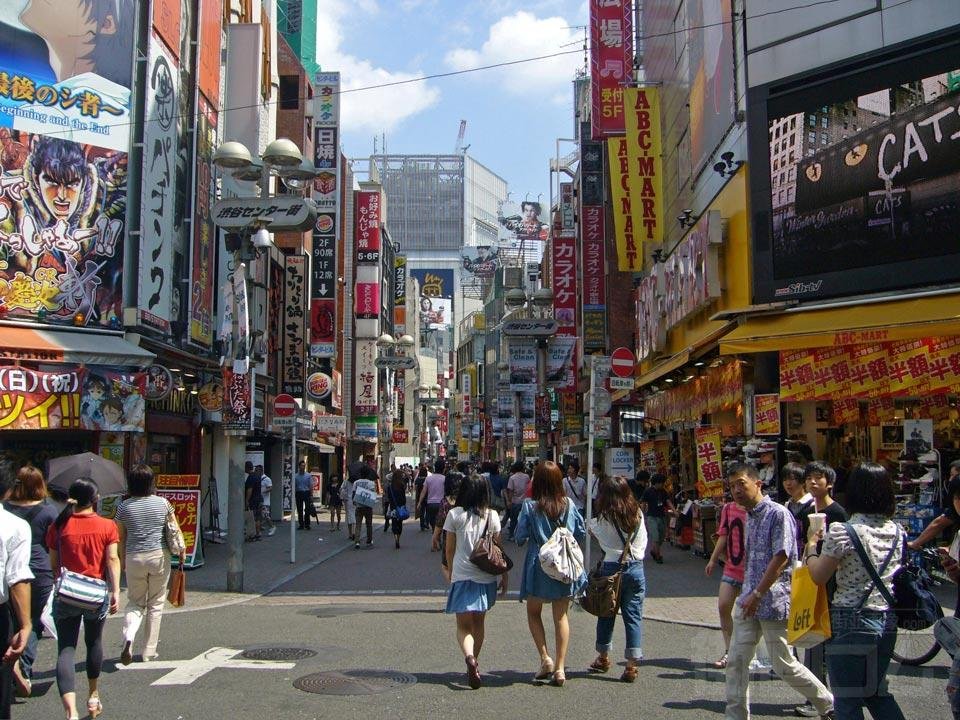
If you are a fan of anime, manga, video games, electronics, figures, clothing or traditional products, set a budget before you arrive.
Because Japan can quickly become a giant store.
Enter:
- Akihabara.
- Don Quixote.
- Anime stores.
- Pokémon Center.
- Markets.
- Second-hand stores.
- Souvenirs.
it’s very easy to spend more than you planned.
I would reserve a specific amount for purchases and avoid touching the money intended for accommodation, transportation and emergencies.



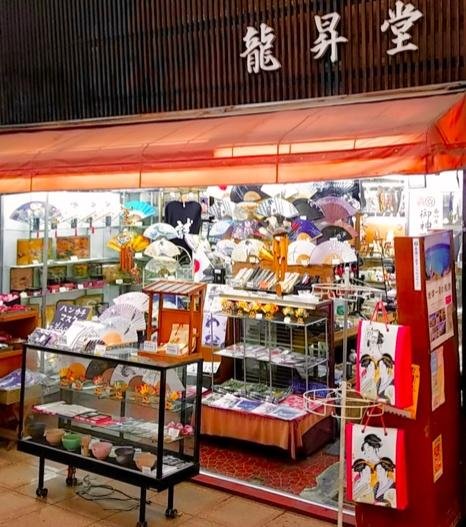
35. Is it necessary to reserve trains with seats?
For certain long Shinkansen journeys, I would prefer to travel with a reserved seat, especially if you have a specific schedule that you need to adhere to.
The JNTO indicates that many Shinkansen trains have reserved and non-reserved seats, although some services operate by reservation only.
If you also have large luggage, remember to check the luggage rules of the train you are going to use.
36. Do not use a taxi as your first option
Japanese taxis are known for their quality and comfort, but they can be expensive compared to public transportation.
For me I would reserve them for specific situations:
- Lots of luggage.
- Night arrival.
- Hotel far from a station.
- People with reduced mobility.
- Routes where they really pay off.
To get around normally, the train and subway will be much more practical.
37. Wear really comfortable shoes
This advice seems absurd until you’ve been touring Tokyo and Kyoto for several days.
There is a lot of walking in Japan.
You don’t just walk the streets.
Also in:
- Seasons.
- Shopping centers.
- Temples.
- Parks.
- Neighborhoods.
- Museums.
- Attractions.
I would prioritize comfortable shoes over any other aesthetic considerations.
Your feet will thank you at the end of the trip.
38. Travel insurance: I wouldn’t leave it out of the budget
The Spanish Ministry of Foreign Affairs recommends having insurance that covers different eventualities and reminds us of the possibility that certain incidents may require an extension of the stay.
I would look for coverage that includes:
- Medical assistance.
- Hospitalization.
- Repatriation.
- Accidents.
- Loss or theft of luggage.
- Cancellation, if you’re interested.
- Activities you are going to do.
I wouldn’t choose just for the price.
39. Keep copies of your documents
Before you leave, I would have a digital copy of:
- Passport.
- Sure.
- Reservations.
- Banknotes.
- Banking information.
- Emergency contacts.
I would also keep a copy accessible from the Internet.
And I would have my bank numbers separate from the cards.
The JNTO specifically recommends keeping contact information for the banking entity in case a card is lost.
40. My way of organizing a first route through Japan
If I were preparing a first trip right now, I would try to do it like this:
10 days
Days 1-4: Tokyo
Explore neighborhoods and book a tour if time permits.
Days 5-7: Kyoto
Temples, Gion, Fushimi Inari and some additional visits.
Day 8: Nara
Excursion from Kyoto.
Days 9-10: Osaka
Dotonbori, gastronomy, Osaka Castle and return.
15 days
I would add:
- Mount Fuji.
- Hiroshima and Miyajima.
Or, if I prefer a less rushed trip, I would simply add more days to Tokyo and Kyoto.
20 days
Here I would start to consider:
- Kanazawa.
- Takayama.
- Himeji.
- Hiroshima.
- Miyajima.
- Japanese Alps.
- Other region according to interests.
I wouldn’t try to fit them all in.
Frequently Asked Questions (FAQS)
What is the best time to travel to Japan?
It depends on what you want to do. Spring and autumn are usually very popular, while summer can be hot and humid and winter offers good possibilities for snow seekers. You also have to consider the typhoon season and the specific conditions of each region.
How many days do I need to travel to Japan for the first time?
For a first route I would try to have at least 10 full days. With 15 days you can organize a much more comfortable trip and add destinations such as Nara, Hiroshima, Miyajima or Mount Fuji.
Is it easy to travel around Japan on your own?
Yes. The transport network, stations and tourist infrastructure allow you to organize an independent trip. Apps like Google Maps and IC cards make getting around much easier.
Do I need to buy the JR Pass?
Not necessarily. The current price of the national pass makes it advisable to first compare the cost of the routes you are actually going to take. There are also regional passes.
What is an IC card?
It is a prepaid card that can be used on numerous trains, buses, vending machines and shops. Suica and PASMO are some of the best known.
Can I pay by card in Japan?
Yes, international cards are generally accepted in many parts of the country, although there are still establishments and certain services that require cash.
Is tipping done in Japan?
Not common. In restaurants, taxis, hotels and cafes you are usually not expected to tip.
Do I need to know Japanese to travel?
No. You can travel without speaking Japanese. Still, learning some basic expressions and using a translation app can make communication much easier.
Is Tokyo or Kyoto better?
I would not consider them as destinations that compete with each other. Tokyo offers a huge, modern urban experience, while Kyoto is especially notable for its temples, gardens, traditional neighborhoods and cultural heritage.
Is it better to stay in Kyoto or Osaka?
It depends on your route. If you are going to spend several days in Kyoto, sleeping there may be more comfortable. If you want to prioritize Osaka and use it as a base for some excursions, it may also make sense to stay there.
Is it safe to travel alone to Japan?
Japan is generally considered a safe destination and current official Spanish recommendations do not establish specific travel restrictions. Even so, normal precautions must be maintained and attention should be paid to natural phenomena such as earthquakes, typhoons and heavy rain.
Do I have to book hotels well in advance?
I would if you travel during high demand seasons, especially during popular periods such as cherry blossoms. For other dates you can have more flexibility.
Can I bring a large suitcase on the Shinkansen?
Yes, but certain lines have specific rules. On several services, luggage with overall dimensions greater than 160 cm requires reservation of space for oversized luggage.
How much money do I need to travel to Japan?
There is no single figure. It depends a lot on accommodation, flights, transportation, restaurants, shopping and activities. Japan allows you to travel with very different budgets if you choose well where to sleep, eat and how to get around.
Japan is best enjoyed when you leave room to improvise
After reviewing everything that goes into organizing a trip to Japan, there is something that I consider especially important: you don’t need to have everything perfectly controlled to enjoy it .
Yes, I would plan flights, first accommodations, long trips and activities that require reservations. But I wouldn’t try to fill every hour of the trip.
I would leave time to get lost on a street in Tokyo, enter a restaurant I hadn’t planned on, discover a small store, sit in a park or simply walk without constantly looking at the clock.
Because that is precisely an important part of traveling to Japan.
Trains can be extremely precise, routes can be calculated down to the minute, and Google Maps can tell you exactly how to get anywhere. But there is no need to turn the trip into a spreadsheet.
If I had to stick with the most important tips for traveling to Japan, they would be these: travel light, use public transport, carry the Internet, have an IC card, carry some cash, respect local regulations, calculate the routes well and, above all, do not try to visit the entire country in two weeks .
Japan will still be there for the next trip.