
Malaysia is one of those countries that is often overshadowed by its Southeast Asian neighbors. When someone thinks of this region, Thailand, Indonesia or Vietnam usually come first, but the more you research about Malaysia, the clearer it becomes that it has a cultural mix that is difficult to find anywhere else.
One of the things I like to discover the most when I prepare information about destinations is precisely that: the details that do not appear in a simple list of tourist places. Customs, history, gastronomy, traditions and those small oddities that make a country have its own identity.
And Malaysia is full of them.
Here you can find huge skyscrapers like the Petronas Towers, rainforests with impressive biodiversity, paradise islands, traditional villages and a mix of Malay, Chinese, Indian and indigenous cultures that is reflected in practically everything.
In this article I have gathered the best curiosities about Malaysia , including historical, cultural, gastronomic facts and some things that surprise even experienced travelers.


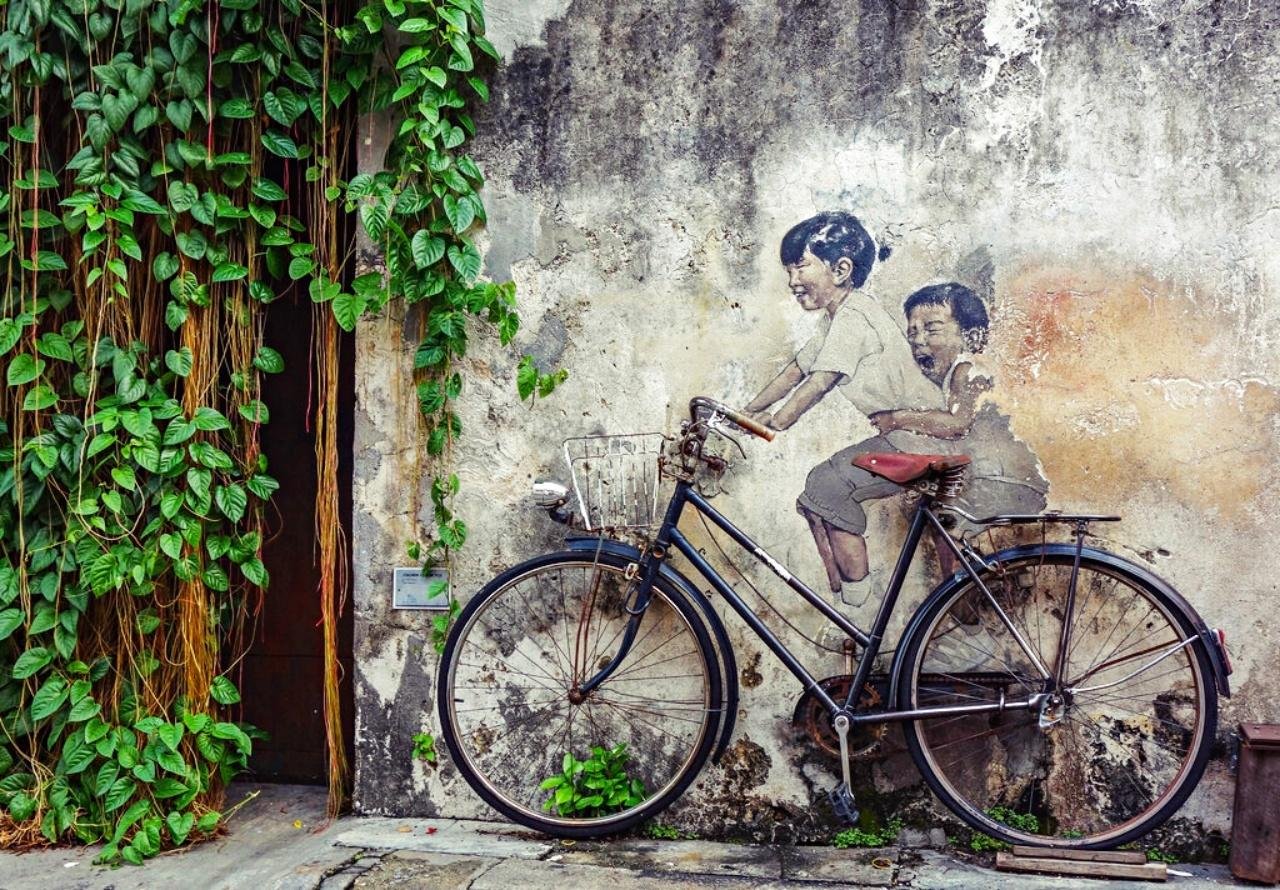
1. Malaysia is divided into two separate territories
One of the first curiosities of Malaysia is its own geography.
The country is divided into two large areas:
- Peninsular Malaysia , located on the Malay Peninsula and connected to Thailand.
- East Malaysia , located on the island of Borneo next to Indonesia and Brunei.
Both sides are separated by the South China Sea and have quite different characteristics.
The peninsular part concentrates cities such as Kuala Lumpur, while the Borneo area stands out for its jungles, mountains and enormous biodiversity.
When you look at a map for the first time, it is surprising to discover that the same country can have two regions so far apart.
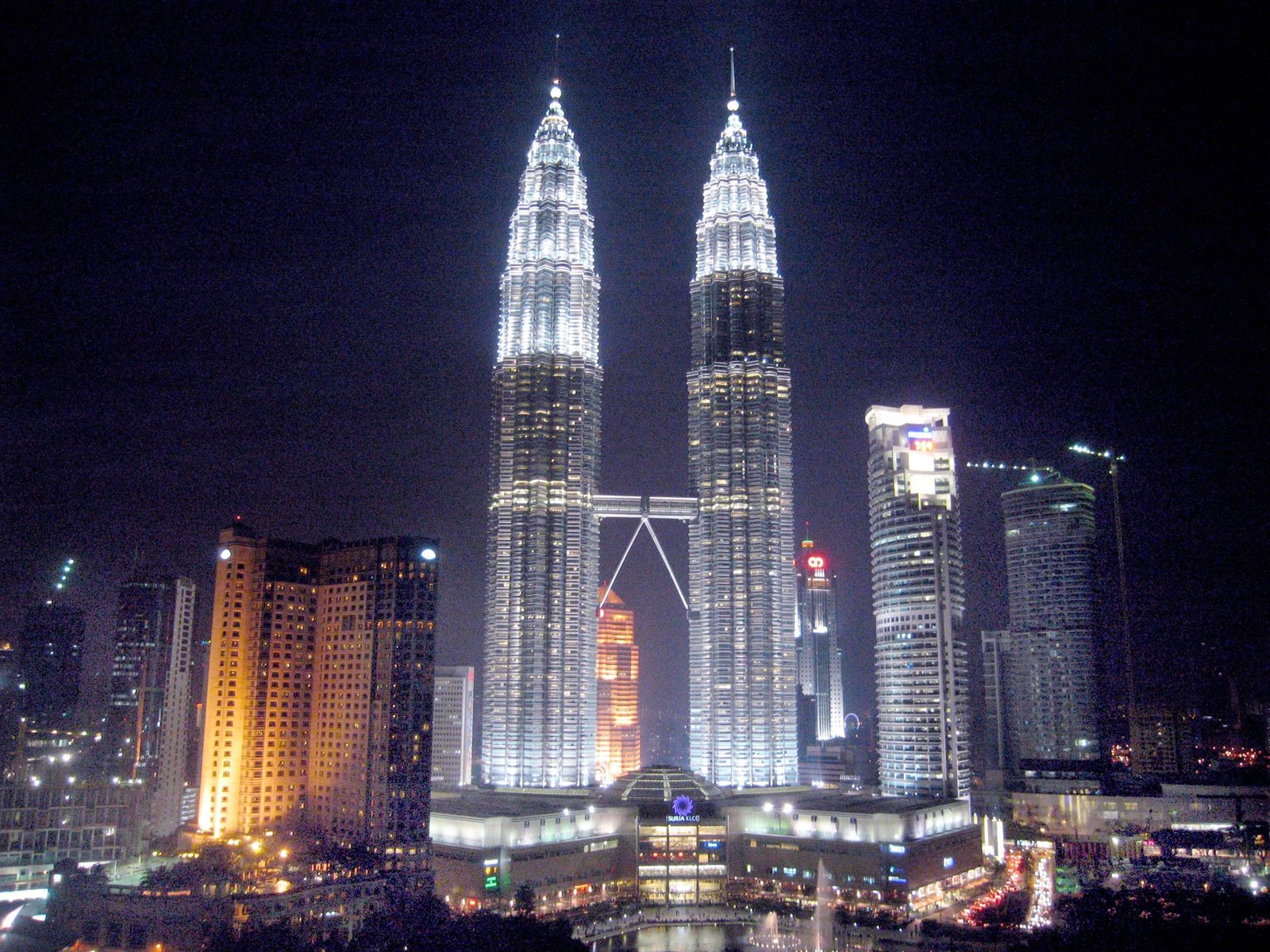
2. Kuala Lumpur has some of the most famous towers in the world
The Petronas Towers are probably the most recognized symbol of Malaysia.
For several years they were considered the tallest twin towers on the planet and currently they remain one of the most photographed buildings in Southeast Asia.
But the interesting thing is that Kuala Lumpur is not just a city of skyscrapers.
You can also find:
- Traditional markets.
- Chinese temples.
- Mosques.
- Historic neighborhoods.
- Street gastronomy.
- Modern areas full of technology.
That mix between future and tradition is one of the characteristics that attract the most attention when visiting the capital.


3. Malaysia has three major main cultural groups
One of the country’s greatest assets is its cultural diversity.
Malaysian society is mainly made up of:
- Malays.
- Malaysian Chinese.
- Malaysian Indians.
Each community has contributed its own elements to gastronomy, languages, celebrations and traditions.
That’s why traveling through Malaysia can feel like traveling through several countries in one.
On the same street you can find a mosque, a Chinese temple and an Indian restaurant.
This cultural coexistence is probably one of the greatest curiosities of Malaysia.
4. Many languages are spoken in Malaysia
The official language is Malay (Bahasa Malaysia) , but the linguistic reality of the country is much more varied.
Also used:
- English.
- Mandarin Chinese and other Chinese dialects.
- Tamil.
- Different indigenous languages.
For a traveler, this may come as a surprise because in many urban areas it is possible to communicate in English quite easily.
The language mix directly reflects the country’s multicultural history.
5. Malaysia has one of the oldest rainforests in the world
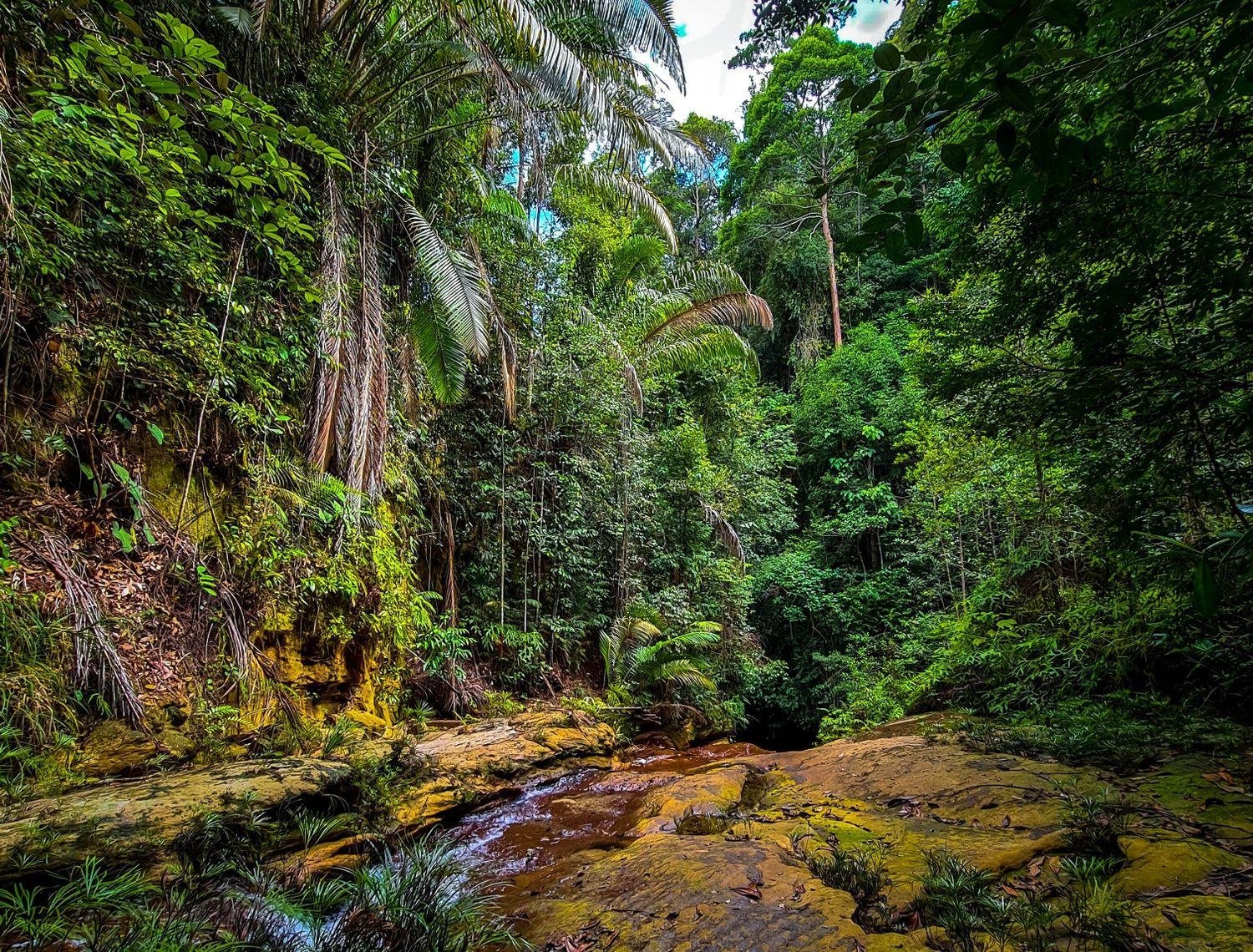
When we think of Malaysia, many people imagine beaches and modern cities, but a fundamental part of the country is made up of rainforests.
The jungles of Malaysia are millions of years old and are home to unique species.
Its inhabitants include:
- Orangutans.
- Malayan tigers.
- Monkeys.
- Asian elephants.
- Thousands of plant species.
The island of Borneo, especially in the states of Sabah and Sarawak, is one of the great places on the planet to observe nature.

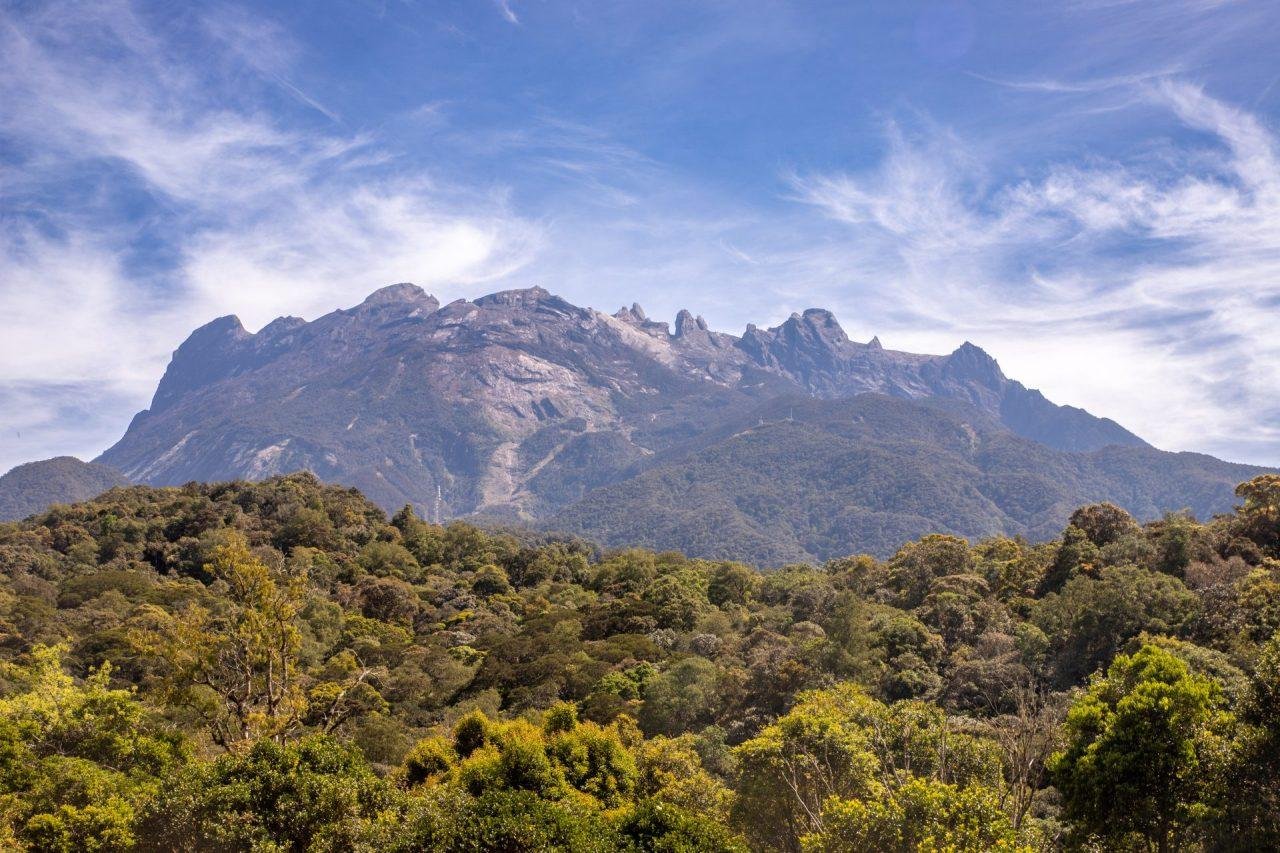


6. Mount Kinabalu is the highest mountain in Malaysia
Mount Kinabalu , located in Sabah (Borneo), reaches approximately 4,095 meters high.
It is one of the most important mountains in Southeast Asia and is part of the Kinabalu National Park, recognized as a UNESCO World Heritage Site.
The curious thing is that the mountain has enormous natural and cultural importance for the local people.
Furthermore, its surroundings have extraordinary biodiversity, with many species that do not exist elsewhere.
7. Malaysia has a giant flower called rafflesia
This is one of the most surprising curiosities of Malaysia.
The rafflesia is one of the largest flowers in the world.
It can exceed a meter in diameter and has a rather peculiar characteristic: it gives off a smell similar to that of decomposing meat.
This is not an accident. The plant uses that smell to attract insects that help with pollination.
Finding it in nature is not always easy because it blooms for a short period.
8. Malaysia is one of the most biodiverse countries on the planet
Although it does not always receive the same attention as other natural destinations, Malaysia is a true paradise for nature lovers.
The country has:
- Tropical jungles.
- Coral reefs.
- Mangroves.
- Mountains.
- Tropical islands.
This variety allows you to find completely different ecosystems within the same territory.
It is one of those places where you can go from a modern city to a deep jungle in a few hours.
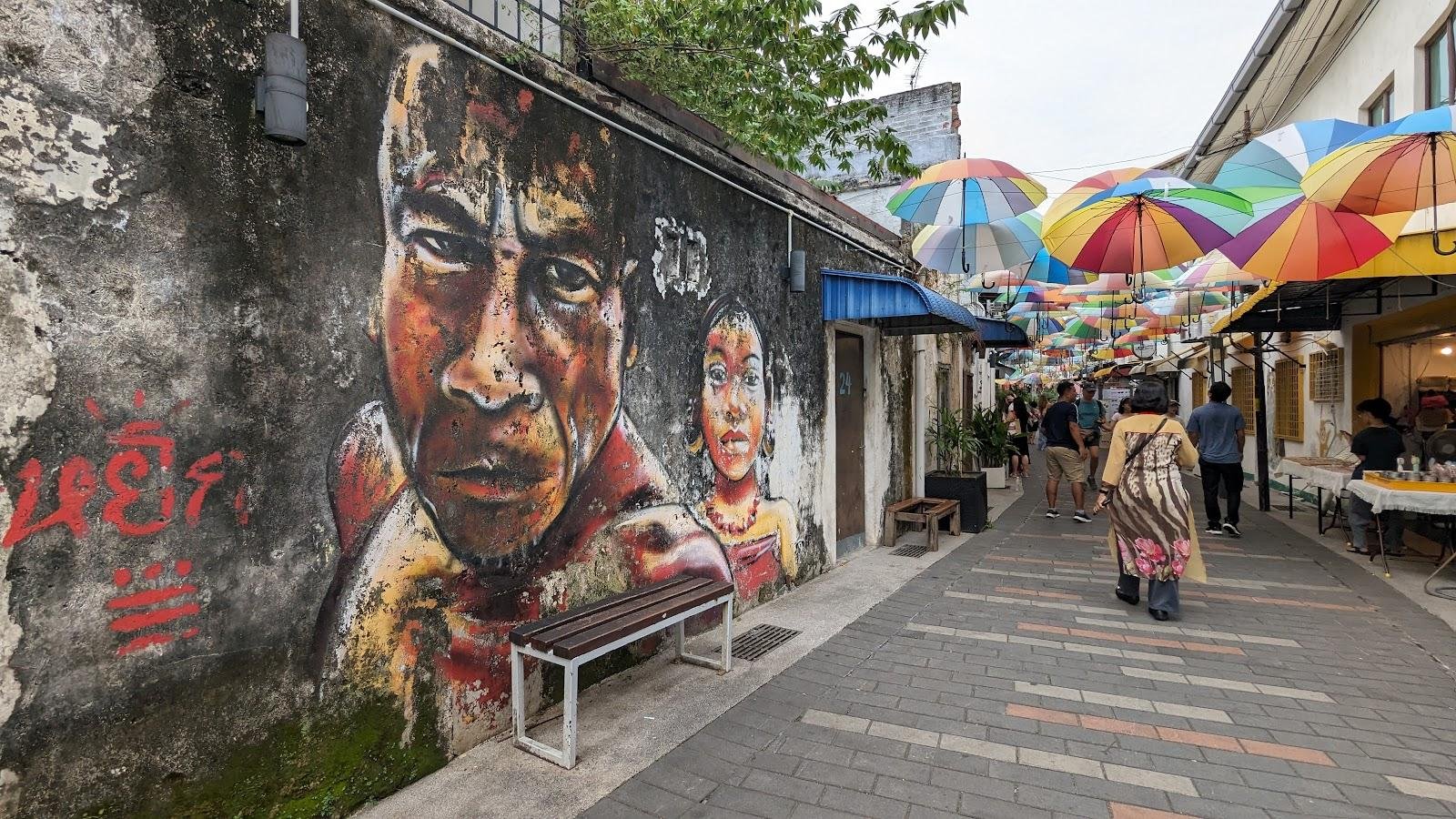
9. George Town is famous for its cultural mix and street art
The city of George Town , on the island of Penang, is one of the most interesting destinations in Malaysia.
Its historic center was recognized as a UNESCO World Heritage Site for its architecture and cultural mix.
Walking through its streets means finding:
- Colonial buildings.
- Chinese temples.
- Mosques.
- Traditional houses.
- Urban murals.
Additionally, its food scene is considered one of the best in the country.


10. Malaysian food is a mix of many cultures
One of the best ways to understand Malaysia is through its food.
Malaysian gastronomy combines influences:
- Malays.
- Chinese.
- Indians.
- Thai.
- Indonesians.
Some well-known dishes are:
Nasi lemak
Considered one of the national dishes of Malaysia. It is composed of rice cooked with coconut milk accompanied by different ingredients.
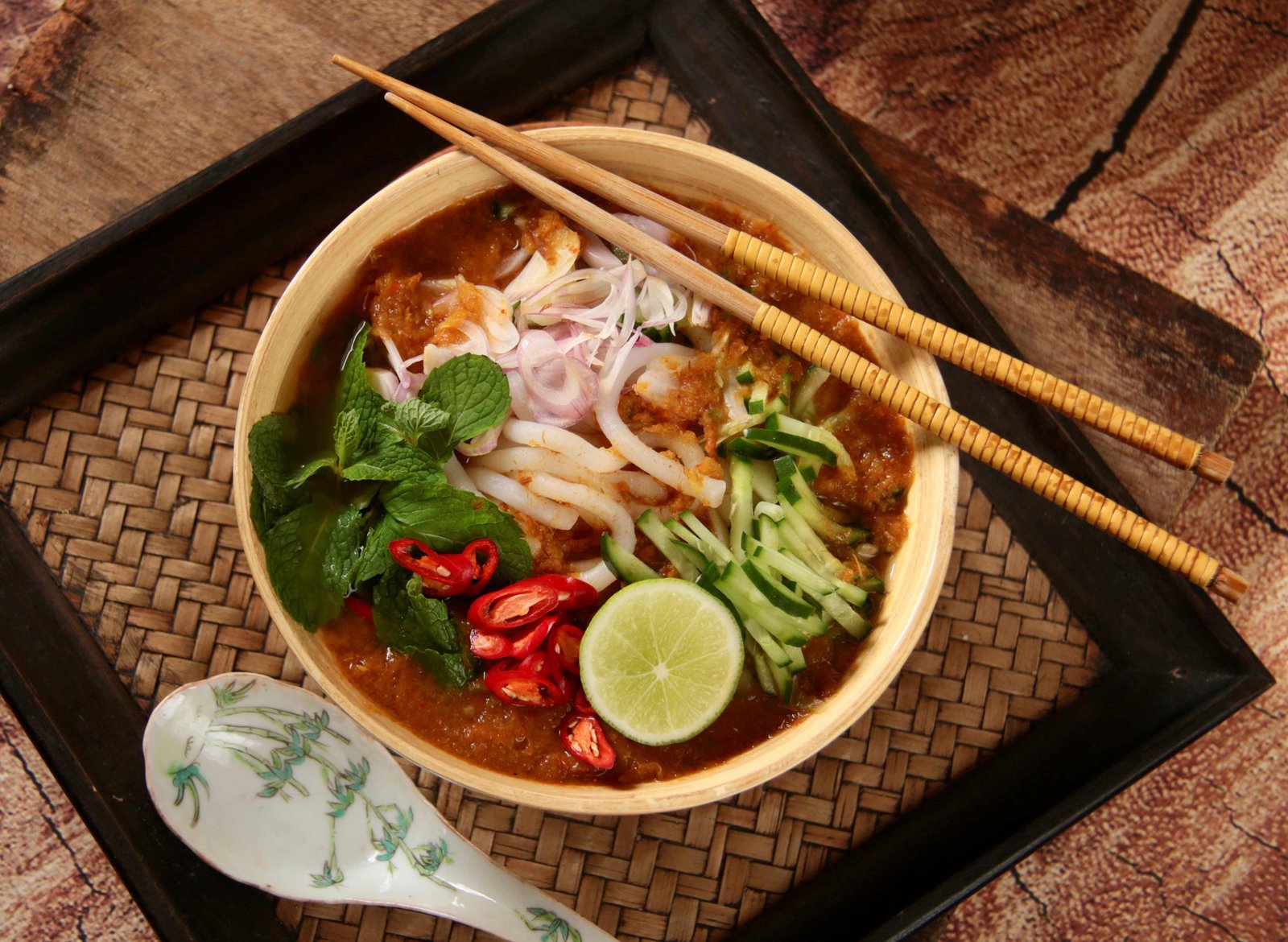
Laksa
A noodle soup with different versions depending on the region.
Char kway teow
Stir-fried noodles with Chinese influence.
Roti canai
A very popular flatbread of Indian origin.
Satay
Meat skewers usually accompanied with peanut sauce.
The funny thing is that eating in Malaysia is almost like taking a tour through the country’s history.



11. Nasi lemak is more than a typical meal
Although many people consider it simply a traditional dish, nasi lemak has important cultural value.
For a long time it was a common food for farmers and workers because it was nutritious and easy to prepare.
Today it appears both in street stalls and in haute cuisine restaurants.
It is a good example of how a simple recipe can become a national symbol.
12. Malaysia has one of the best street food scenes in Asia
Markets and street stalls are an essential part of everyday life.
Especially in places like Penang or Kuala Lumpur you can find a huge variety of dishes at affordable prices.
Malaysian street food stands out because in the same space you can try flavors from different communities.
For me, these types of places usually show the true personality of a country.
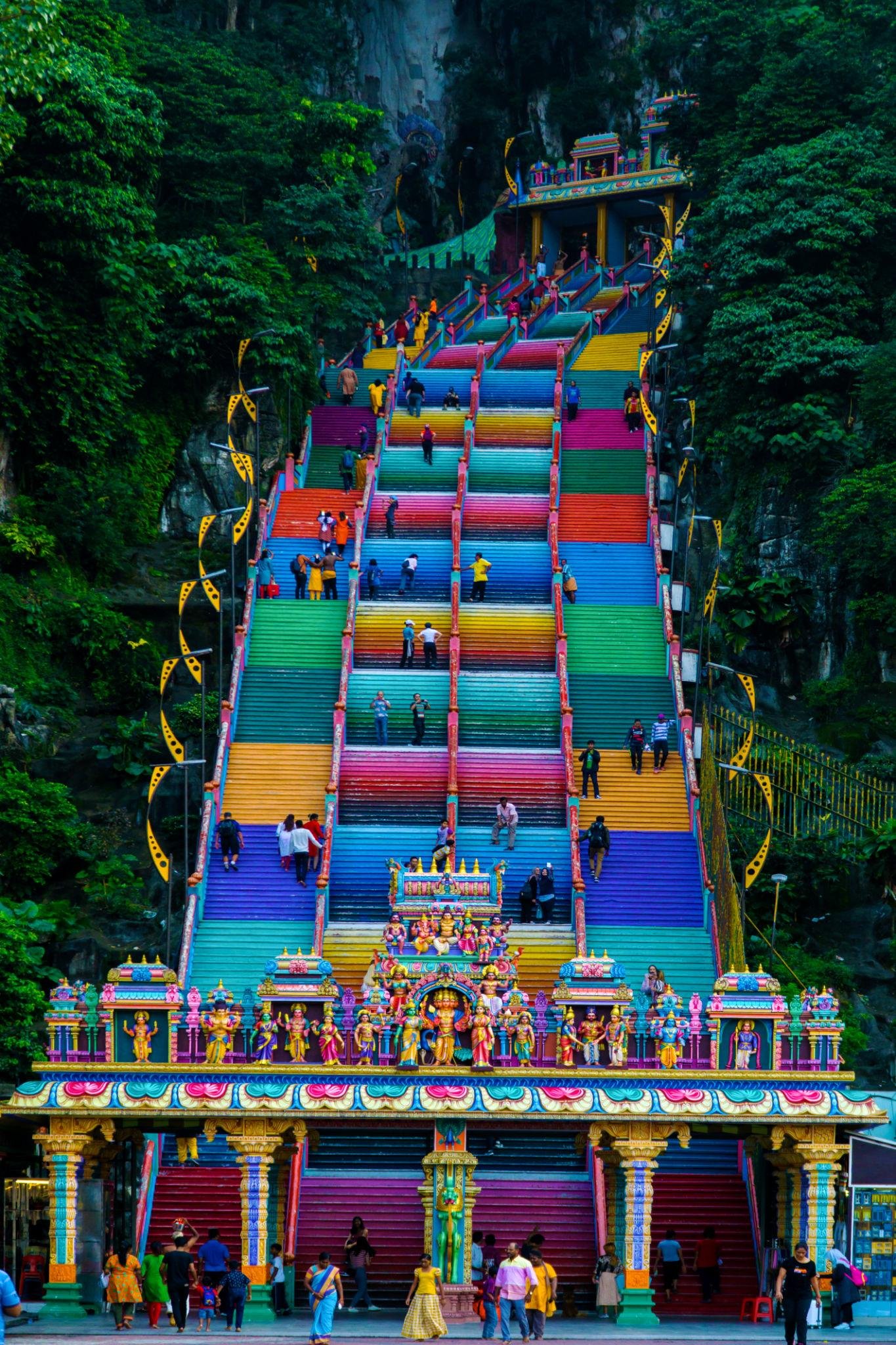
13. Batu Caves has an impressive giant statue
A few kilometers from Kuala Lumpur are the famous Batu Caves .
This Hindu religious complex stands out for:
- A huge golden statue of Murugan.
- Natural caves.
- Temples inside the mountain.
- Colored stairs.
It is one of the most photographed places in Malaysia.
It is also an important pilgrimage center for the Hindu community.



14. Malaysia is a Muslim majority country
Islam is the official religion of Malaysia.
However, due to its cultural diversity, there are also Buddhist, Christian, Hindu and other faith communities.
This is reflected in the urban landscape:
- Mosques.
- Buddhist temples.
- Hindu temples.
- Churches.
The coexistence of different religious traditions is a very visible characteristic of the country.
15. The month of Ramadan changes everyday life
During Ramadan, many Muslims fast from sunrise to sunset.
In Malaysia this era has an important presence in social life.
One of the most interesting moments are the night markets known as pass Ramadan , where numerous dishes are sold to break the fast.
For a traveler it can be an opportunity to learn about an important part of the local culture.
16. Malaysia has some of the best tropical islands in Asia
Although Thailand and Indonesia are usually most famous for their beaches, Malaysia also has spectacular islands.
Some of the best known are:
- Langkawi.
- Perhentian.
- Redang.
- Tioman.
- Sipadan.
Its crystal-clear waters, reefs and natural landscapes attract travelers from all over the world.


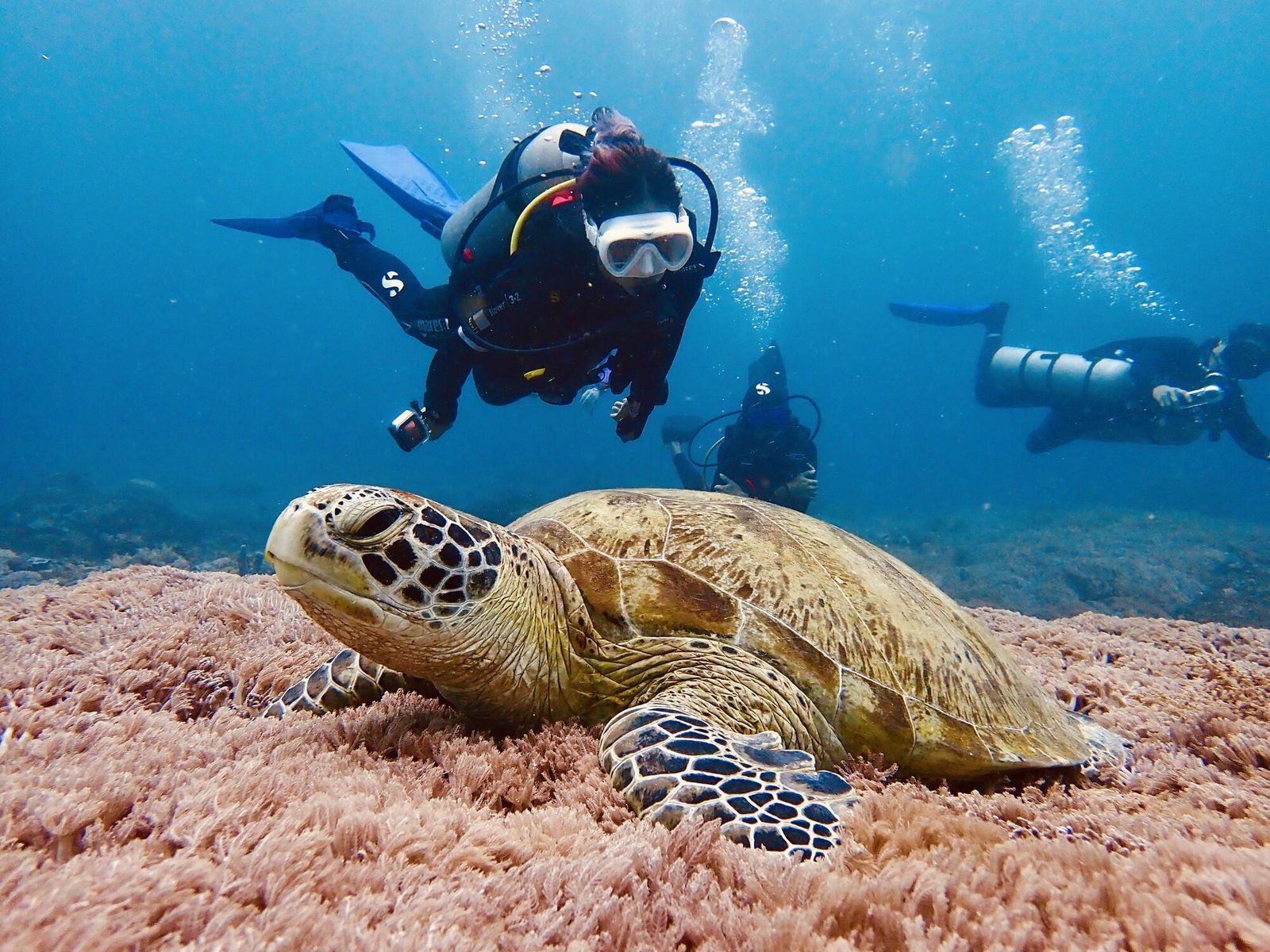

17. Sipadan is one of the best places for diving
Sipadan Island, located in Sabah, is world famous for its marine biodiversity.
Its waters house:
- Sea turtles.
- Barracudas.
- Sharks.
- Large schools of fish.
It is one of those places that shows that Malaysia not only stands out for its terrestrial landscapes.
18. Cameron Highlands tea is famous throughout the country
The Cameron Highlands are a mountainous region known for its tea plantations.
The cool climate allows tea to be grown in a completely different environment than the tropical areas of the rest of the country.
In addition to the plantations, the area stands out for:
- Forests.
- Farms.
- Trails.
- Green landscapes.
It is a Malaysia very different from the usual image of beaches and cities.
19. Malaysia has a unique monarchy system
One of the political and historical curiosities of Malaysia is its system of rotating monarchy.
The country has nine states with hereditary rulers and the office of king (Yang di-Pertuan Agong) rotates among them following an established system.
It is a fairly rare model in the world.
20. Orangutans are one of the great symbols of Borneo
Bornean orangutans are one of Malaysia’s most iconic species.
There are currently important conservation efforts to protect its natural habitat.
Visiting responsible conservation centers can be a way to get to know these animals by supporting protection projects.
21. Malaysia has one of the largest caves in the world
Gunung Mulu National Park in Sarawak is home to some of the most impressive caves on the planet.
Sarawak Chamber Cave is considered one of the largest known natural underground chambers.
The place was recognized as World Heritage by UNESCO thanks to its natural importance.
22. Night markets are part of Malaysian culture
The paso malam are night markets where you can find:
- Food.
- Clothing.
- Crafts.
- Local products.
- Traditional sweets.
They are perfect places to observe how everyday life mixes with gastronomy.
23. Malaysia has a great tradition of tarik tea
teh tarik is a very popular milk tea.
Its name literally means “pulled tea”, due to the technique used to mix it by throwing the liquid between containers.
In addition to the taste, the preparation has become part of the show.
24. Durian is also famous in Malaysia
As in other Southeast Asian countries, durian generates very divided opinions.
Some people consider it a delicacy and others cannot stand its smell.
In Malaysia there are varieties considered especially appreciated by lovers of this fruit.
25. Malaysia has one of the longest highways in Asia
The country’s infrastructure is quite developed, especially on the peninsula.
Its highways connect large cities and make it easy to travel through different regions.
For those who want to take a road trip, Malaysia is one of the countries in Southeast Asia with the best connections.
26. Batik culture is very present
Batik is a traditional textile printing technique.
In Malaysia it has its own identity and is part of the national crafts.
Layouts typically include:
- Flowers.
- Plants.
- Geometric motifs.
- Natural elements.
It is one of those memories that have much more meaning than a simple souvenir.
27. Malaysia has one of the largest concentrations of natural caves
Between mountains and jungles there are enormous cave systems.
In addition to Gunung Mulu, other places stand out such as the Niah Caves, also in Sarawak.
These areas have archaeological importance because they contain evidence of ancient human presence.
28. Christmas, Chinese New Year and other holidays coexist in the calendar
Due to its cultural diversity, Malaysia celebrates numerous festivals.
Among them:
- Hari Raya Aidilfitri.
- Chinese New Year.
- Deepavali.
- Christmas.
- Wesak.
This variety is one of the best examples of the country’s cultural mix.
29. Malaysia was an important trading area for centuries
Its strategic location between the Indian Ocean and the Pacific made the Malaysian territory a key point for merchants.
Influences from:
passed through its ports- China.
- India.
- Middle East.
- Europe.
This business history explains much of its current diversity.
30. Malaysia is a country where many different worlds coexist
After discovering all these curiosities about Malaysia, I think there is one idea that perfectly sums up the country:
Malaysia is not a single destination.
It’s a mix of many.
It’s Kuala Lumpur and its skyscrapers.
It is a traditional village in Borneo.
It is a Hindu temple next to a mosque.
It is a night market full of different aromas.
It is a tropical island with transparent waters.
It is a jungle where unique species still live.
That combination of cultures, nature and history is precisely what makes Malaysia one of the most interesting countries in Southeast Asia.
Other curiosities of Malaysia that are also worth knowing
- The official name of the country is Federation of Malaysia.
- Kuala Lumpur is the capital, although some administrative centers are in Putrajaya.
- The official currency is the Malaysian ringgit.
- The Malayan tiger appears as a national symbol.
- The national bird is the rhinoceros hornbill.
- Malaysia has more than 800 islands.
- The country is close to the equator, so it has a tropical climate all year round.
- Soccer is one of the most followed sports.
- Coffee culture is also growing rapidly.
- Kuala Lumpur’s shopping malls are among the largest in Asia.
Frequently Asked Questions (FAQs)
What is the most famous curiosity in Malaysia?
One of the best known are the Petronas Towers, although the cultural diversity, the jungles of Borneo and the country’s gastronomic mix also stand out.
What language is spoken in Malaysia?
The official language is Malay, although English and other languages such as Mandarin and Tamil have an important presence.
Is Malaysia a Muslim country?
Islam is the official religion, but Malaysia has a multicultural population with different religions and traditions.
What food represents Malaysia?
Nasi lemak is considered one of the national dishes, although Malaysian cuisine includes many different influences.
What animals can you see in Malaysia?
Among others, orangutans, Asian elephants, Malayan tigers, sea turtles and a huge variety of birds stand out.
What is the most famous place in Malaysia?
The Petronas Towers are the best-known symbol, although places like Borneo, Langkawi, George Town and Batu Caves are also very popular.
Why does Malaysia have so much cultural diversity?
Mainly because of its history as a commercial point between different regions of Asia and because of the historical arrival of different communities.
What is the best time to travel to Malaysia?
It depends on the area. The climate varies between the west coast, the east coast and Borneo, so plan accordingly according to the region you want to visit.
Malaysia, a country that deserves more attention
Many times travelers arrive in Southeast Asia thinking first of other destinations, but when you start to discover the curiosities of Malaysia you understand that it has everything to become a great trip.
It has history, nature, beaches, gastronomy and an impressive cultural diversity.
What strikes me most about Malaysia is that it does not try to be a copy of its neighbors. It has its own identity built from many different influences.
And precisely that mix is what makes visiting its cities, trying its food and learning about its traditions such a special experience.