
When I started researching the history of Malaysia , I came across something that should be clarified from the beginning: the Malaysia we know today is quite recent. The territory, on the other hand, has been a true crossroads between Asia for thousands of years, and merchants, kingdoms, sultanates and colonial powers have passed through here.
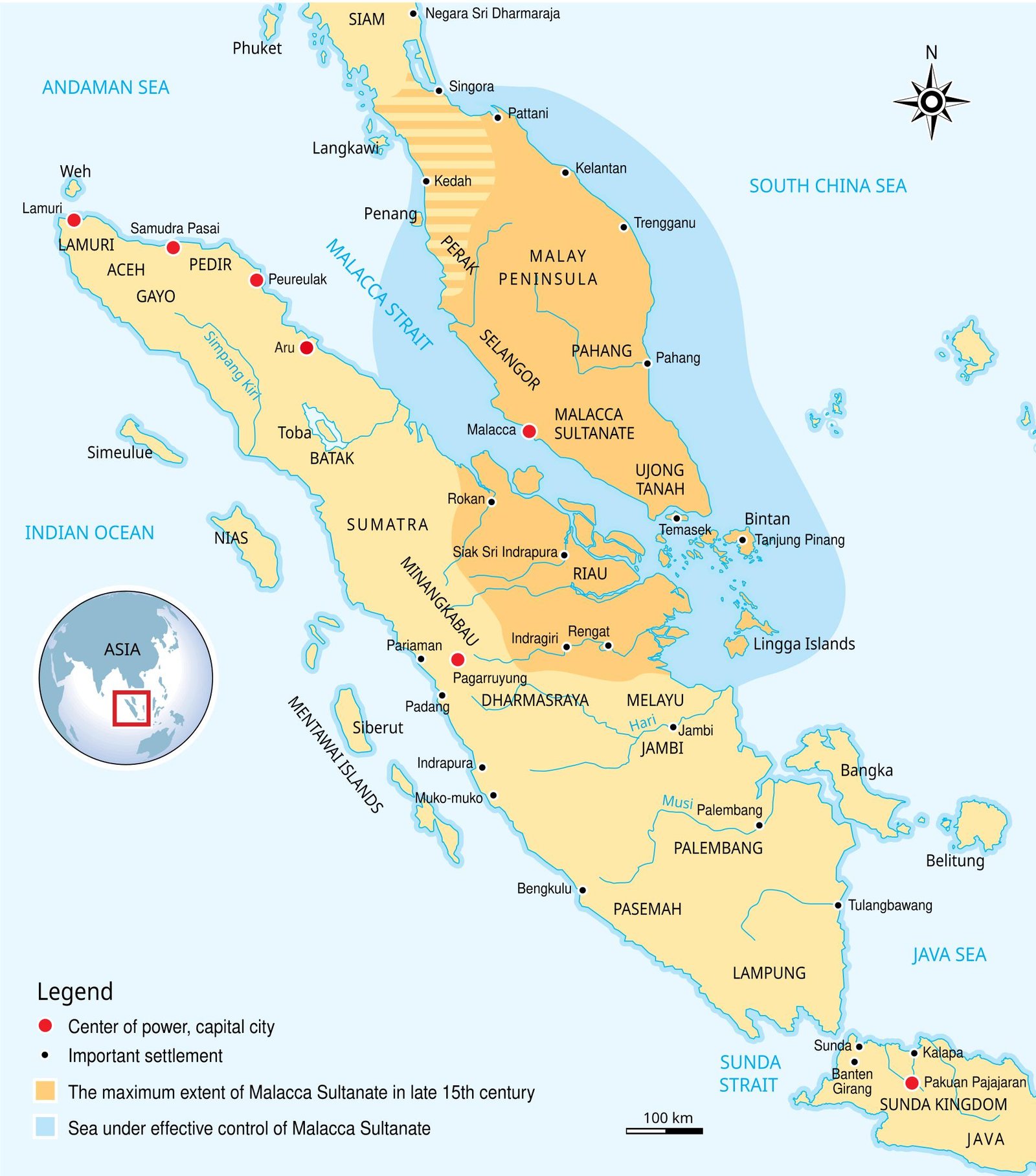
In fact, few things explain the history of Malaysia better than its geographical position. The Malacca Strait connects the sea routes between the Indian Ocean and the Pacific, making the Malay Peninsula a practically inevitable stop for trade between India, China and the rest of Southeast Asia.
And that had a quite logical consequence: whoever controlled Malacca had access to one of the most important trade routes in Asia.
Therefore, when one studies the past of Malaysia, names as different as Srivijaya, Majapahit, the Sultanate of Malacca, Portugal, the Netherlands, the United Kingdom and Japan appear. The history of the country is, to a large extent, the story of how all these influences left their mark.



What is the origin of Malaysia?
The history of Malaysia begins long before the current Malaysian State existed.
Archaeological evidence indicates a very ancient human presence in the region. One of the best-known finds is the so-called Perak Man , whose remains are about 11,000 years old. There were also different indigenous peoples, including groups that today are part of the Orang Asli .
For thousands of years, the Malay Peninsula received different waves of migration and culture.
Location was once again decisive.
Maritime trade routes connected the region with:
- India.
- China.
- Indonesia.
- Arabia.
- Persia.
- The rest of Southeast Asia.
Not only goods traveled on these routes. Religions, languages, technologies, ideas and customs also circulated.
And therein lies one of the keys to understanding the current cultural diversity of Malaysia.
The first kingdoms of the Malay Peninsula
Before the arrival of Islam and European powers, the region was heavily influenced by the cultures of India.
Hinduism and Buddhism came through trade networks and contributed to the rise of different kingdoms.
One of them was Langkasuka , considered one of the first important kingdoms on the peninsula.
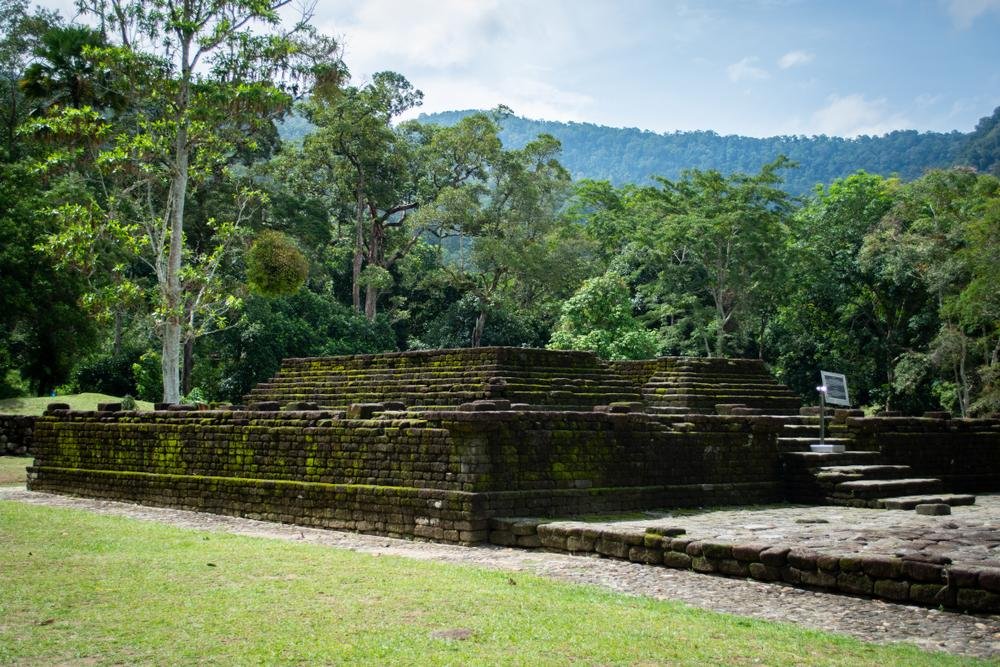
Later, the region became strongly linked to the powerful Srivijaya Empire , centered in Sumatra.
Between the 7th and 13th centuries, Srivijaya dominated much of the Malacca Strait trade routes and established connections with India and China.
This empire was fundamental for the economic and cultural development of the region.


Srivijaya, Majapahit and the struggles for regional control
The history of Malaysia cannot be separated from that of Indonesia.
For centuries, the political powers of Sumatra and Java had enormous influence over the Malay Peninsula.
After the decline of Srivijaya, the Majapahit Empire , centered in Java, became another major regional power.
Meanwhile, different Malay kingdoms were trying to maintain their autonomy and take advantage of the enormous commercial opportunities offered by the Strait of Malacca.
This scenario prepared the ground for the birth of one of the most important states in all of Malay history.
The Sultanate of Malacca: the great commercial center of Asia
If I had to pick a pivotal moment to explain the history of Malaysia , I would probably point to the birth of the Sultanate of Malacca .
In the early 15th century, Parameswara , a prince associated with the region of Sumatra, established a new settlement in Malacca.
The choice of location was extraordinarily smart.
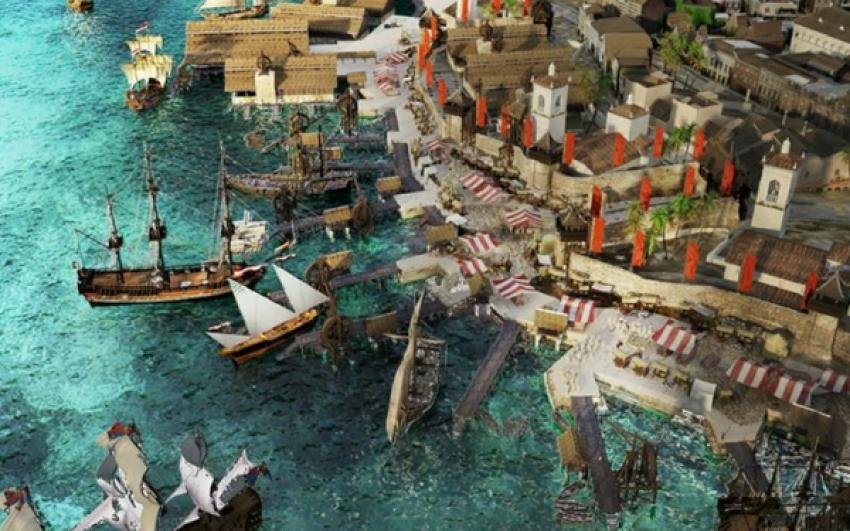
Malacca was located right on one of the most important shipping routes in Asia. Ships from China, India and other regions needed ports where they could rest, trade and resupply.
The small settlement grew rapidly.
Malacca became a huge commercial center where merchants from different parts of Asia met.
The arrival of Islam
During the development of the Malacca Sultanate the influence of Islam also increased.
The sultanate ended up becoming one of the main centers of dissemination of Islam in the Malay Peninsula and the surrounding archipelago.
This had enormous consequences.
Islam became part of the political and cultural identity of many Malay peoples and, over time, Muslim sultanates became a fundamental feature of the region.
Today’s Malaysian history still preserves that heritage.
Malacca, a multicultural city for centuries
What strikes me most about this period is that Malacca already had something that we now associate a lot with Malaysia: a huge cultural mix.
Malays, Chinese, Indians, Arabs and merchants from other parts of the world circulated through its streets and port.
Different languages were spoken and products of all kinds were exchanged.
Malacca was, in some ways, a truly global city centuries before we used that concept.



The Portuguese conquest of Malacca in 1511
Malacca’s prosperity inevitably attracted the attention of European powers.
During the 15th century, Portugal sought to directly control the trade routes that connected Europe with the spices and products of Asia.
In 1509 , the Portuguese arrived in the area.
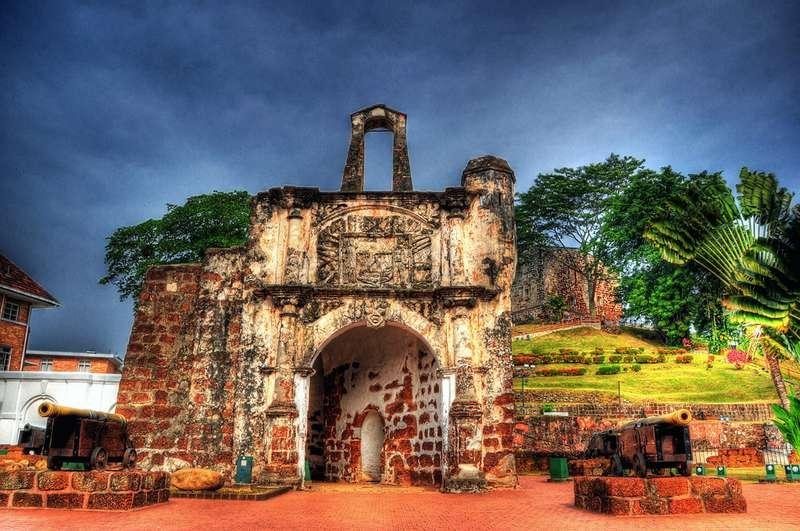
Relations with the Malacca Sultanate deteriorated rapidly and, in 1511 , Portuguese forces led by Afonso de Albuquerque conquered the city.
The sultan was expelled and the Portuguese established their rule.
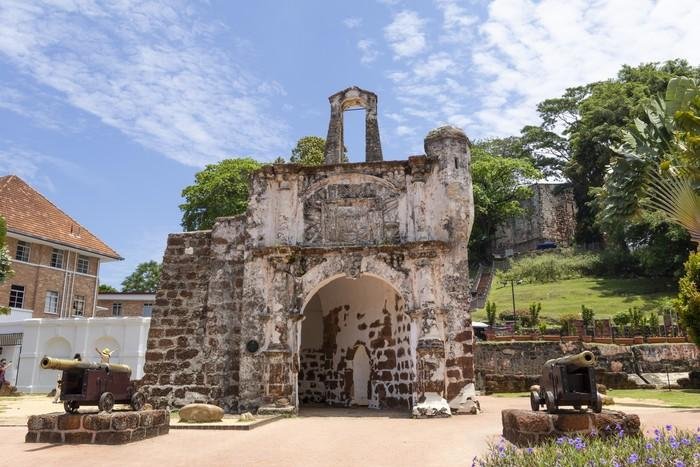
To protect the city they built the famous A Famous fortress, of which some remains can still be seen today.
Portugal managed to control Malacca for approximately 130 years, although it had to constantly confront regional powers trying to regain control of the city.



The Dutch take Malacca
In the 17th century another European competitor appeared: the Netherlands .
The Dutch, also interested in controlling trade in the region, established an alliance with the Johor Sultanate to expel the Portuguese.
In 1641 , a Dutch force and its allies managed to conquer Malacca.
The period of Dutch rule then began.
However, the Netherlands never fully exploited Malacca’s commercial potential. Its main regional center was Batavia , present-day Jakarta, in Indonesia.
For approximately 150 years, Malacca remained under Dutch control.
But the British were already beginning to look towards the peninsula with great interest.
The arrival of the British in Malaysia
British interest was related, once again, to trade.
The British East India Company needed strategic bases for its routes between India and China.
In 1786 , the British established a settlement at Penang .
The position was excellent for controlling maritime traffic and developing commercial activities.
Subsequently, political events in Europe further increased the British presence.
In 1795 , during the French Revolutionary Wars, the British temporarily occupied some Dutch territories in the region.
Changes and returns followed, but the competition between the British and Dutch ended up being partially resolved by the Anglo-Dutch Treaty of 1824 .
The agreement divided the zones of influence:
- The British consolidated their position in the Malay Peninsula.
- The Dutch strengthened their control over the archipelago that would later become Indonesia.
- Penang, Malacca and Singapore became linked to the British sphere.

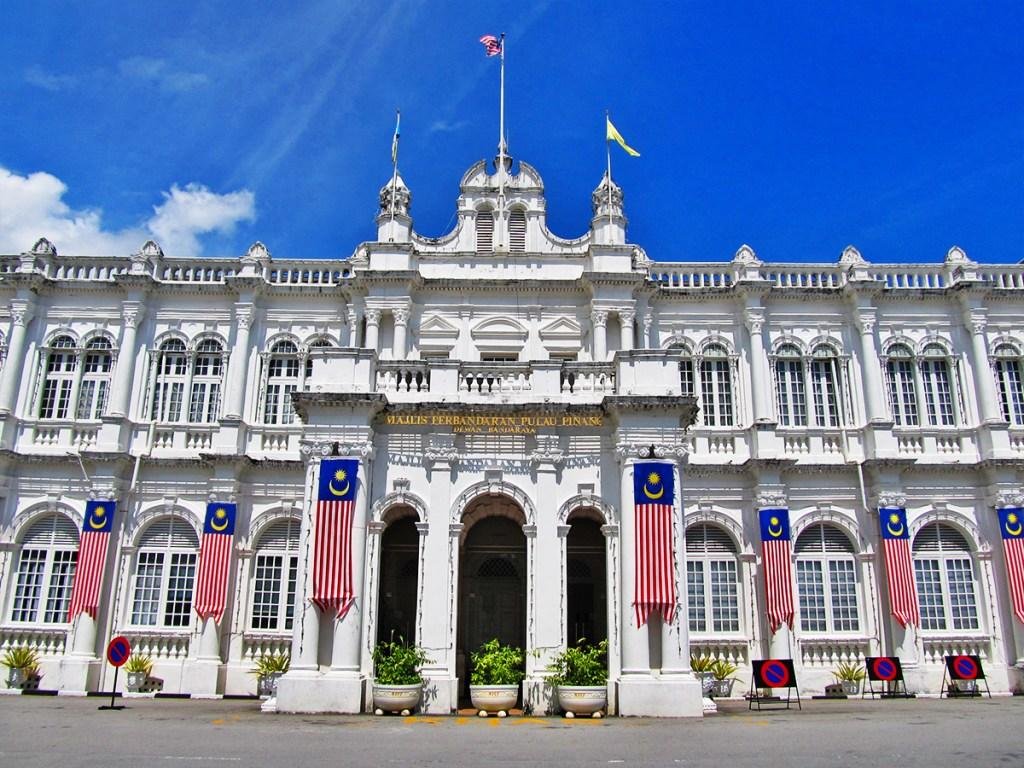


The Straits and the birth of British Malaya
In the 19th century, the British increased their control over the region.
In 1826 , Penang, Malacca and Singapore were grouped into the Straits Colonies .
Later, the British developed different forms of administration over the Malay States.
Some remained under a more direct relationship and others retained their sultans, although with increasing British influence.
This colonial structure was fundamental to the subsequent formation of Malaysia.
Rubber and tin
The colonial economy experienced enormous expansion thanks to resources such as:
- Tin.
- Rubber.
- Wood.
- Agricultural products.
Global demand for rubber increased especially with the growth of the automobile industry.
This caused an enormous economic and demographic transformation.
The British encouraged the arrival of workers from different parts of Asia, especially China and India.
As a result, the peninsula’s population became even more diverse.
This demographic composition would have very important political consequences during the 20th century.
James Brooke and the “White Rajahs” of Sarawak
The history of Malaysia did not develop only on the peninsula.
On the island of Borneo something quite peculiar happened.
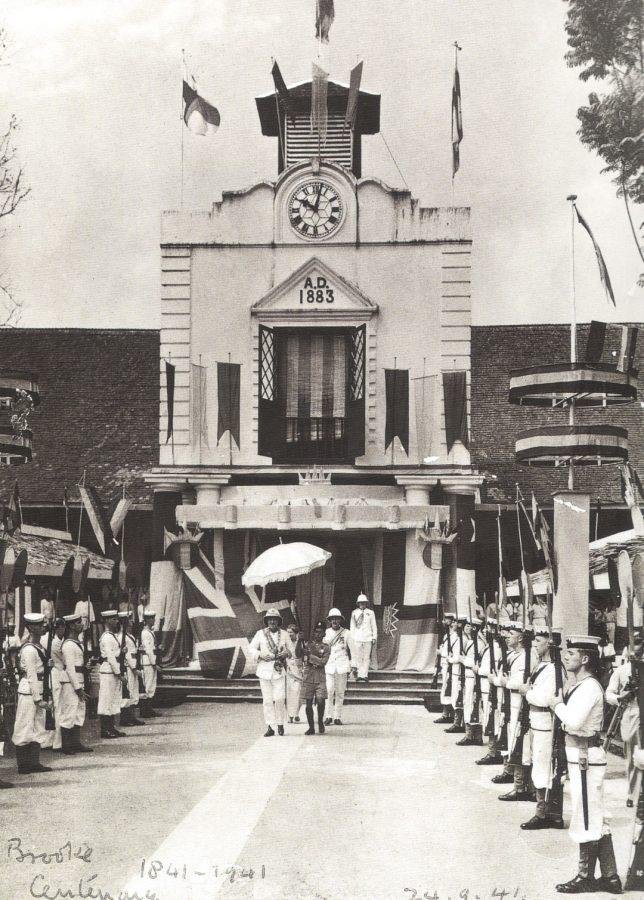
In 1841 , British adventurer James Brooke was given control of Sarawak after helping the Sultan of Brunei put down a rebellion.
Thus began the dynasty of the so-called White Rajahs .
The Brookes ruled Sarawak for about a century, until the Japanese invasion during World War II.
Meanwhile, other territories in Borneo came progressively under British influence.
Sabah , known during the colonial period as North Borneo, came to be administered by the British North Borneo Company.


The arrival of the Japanese during World War II
Japanese expansion into Asia completely changed the situation.
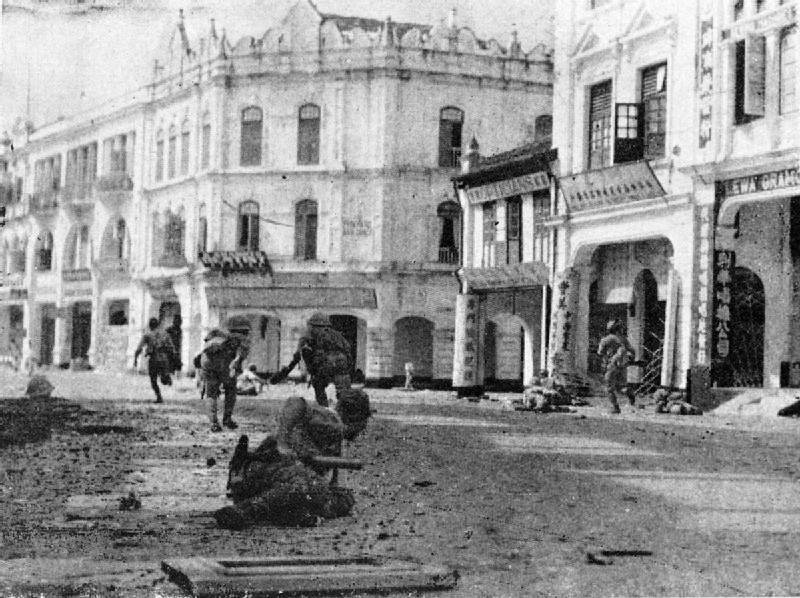
In December 1941 , Japan began its offensive against British positions in Malaya.
Japanese forces advanced rapidly south.
Kuala Lumpur fell in January 1942 and soon after, Singapore surrendered.
The Japanese occupation lasted until 1945.
It was an extremely hard period for the population.
The occupation caused shortages, violence and strong repression, but it also had an unexpected political consequence: it greatly weakened the image of British colonial power.
By the time Japan was defeated, the Malay independence movement had gained strength.



The fight for Malaysia’s independence
After World War II, the British attempted to reorganize their territories.
In 1946 the Malay Union was created, but the project generated strong opposition among Malay sectors, especially over issues related to the position of the sultanates and citizenship.
The nationalist movement grew.
In this context, an organization appeared that would have a fundamental role for decades: the UMNO , National Organization of the United Malays.
Malaysian politics began to organize around different communities and parties.
Tunku Abdul Rahman and the road to independence
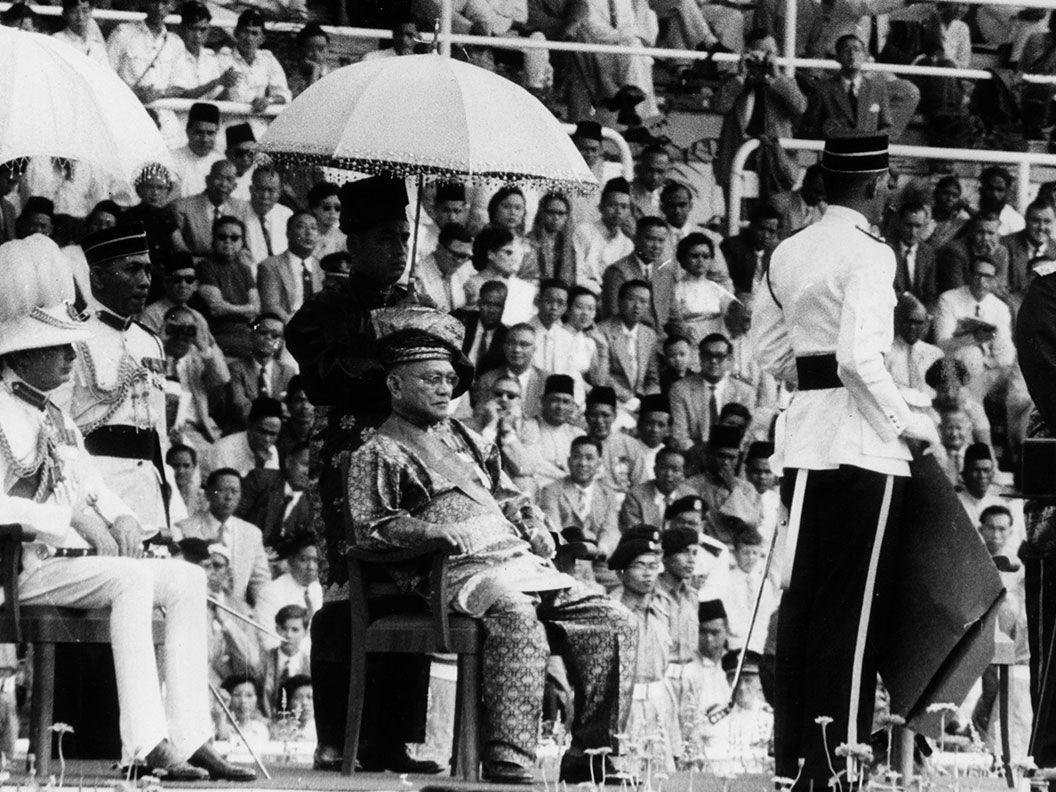
A pivotal figure was Tunku Abdul Rahman .
Under his leadership, the Alliance, consisting mainly of UMNO, MCA and MIC , achieved a landslide victory in the 1955 elections.
The negotiation with the British progressed and finally the expected moment arrived.
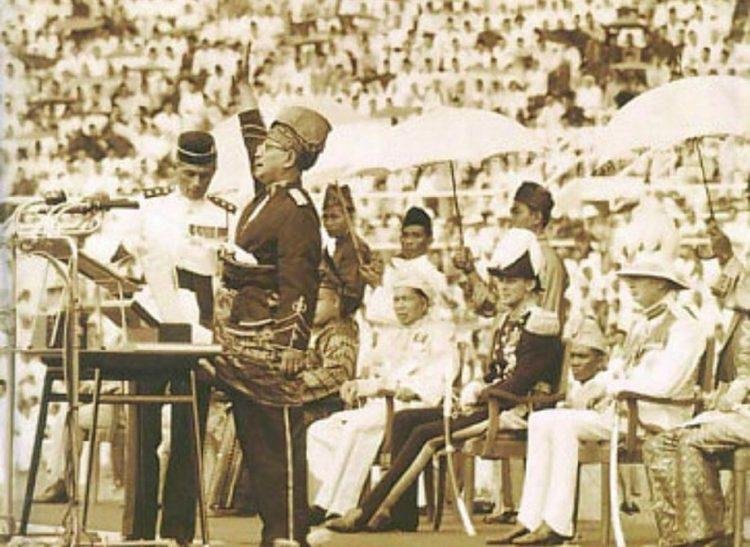
On August 31, 1957 , the Federation of Malaya declared its independence.
Tunku Abdul Rahman uttered ‘s famous cry “Merdeka!” , meaning “independence” or “freedom.”
This date continues to be one of the fundamental moments in the country’s modern history.



When was Malaysia created?
There is a fairly common confusion here.
The Federation of Malaya became independent in 1957 , but the country called Malaysia was born later.
On September 16, 1963 the Federation of Malaysia was created, initially consisting of:
- Federation of Malaya.
- Sabah.
- Sarawak.
- Singapore.
Brunei had been considered to be part of the project, but was ultimately not incorporated.
Therefore, when we talk about the independence of Malaysia, we must distinguish between 1957 , year of independence of the Federation of Malaya, and 1963 , year of creation of the State of Malaysia.
Why did Singapore leave Malaysia?
This is one of the parts that interests me most in the country’s modern history because it shows that the creation of Malaysia was not a simple process.
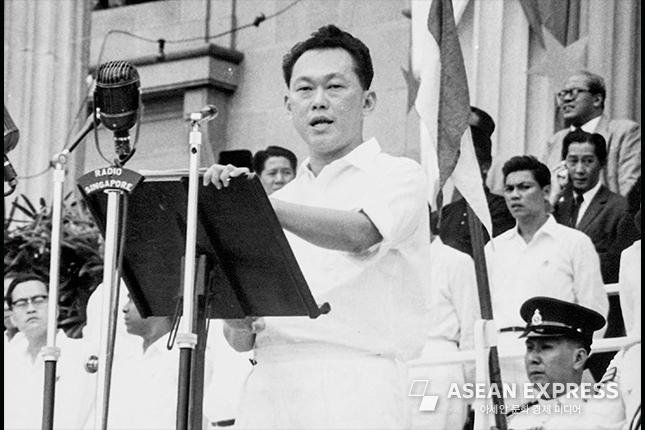
Relations between the federal government and the Singapore government, led by Lee Kuan Yew , deteriorated rapidly.
There were political, economic and social differences, as well as tensions related to race and the distribution of power.
In 1964 serious communal riots occurred in Singapore.
Finally, on August 9, 1965 , Singapore left the Federation and became an independent State.
Thus was born the territorial Malaysia we know today.



The Confrontation between Indonesia and Malaysia
The creation of Malaysia was also not accepted quietly by all its neighbors.
Indonesia opposed the new state and launched a policy known as Konfrontasi or Confrontation.
The conflict included military actions and clashes in Borneo.
The Philippines also maintained a territorial claim over Sabah.
Finally, the Confrontation ended in 1966 , when Indonesia and Malaysia normalized their relations.
These events show that the formation of Malaysia was linked not only to British decolonization, but also to the complex politics of Southeast Asia during the Cold War.
Malaysia after independence
During the decades after independence, Malaysia underwent a profound economic transformation.
The country progressively went from depending on raw materials and agriculture to an increasingly industrialized economy.
Sectors like:
- Electronics.
- Manufacturing.
- Oil and gas.
- Tourism.
- Trade.
- Finance.
- Technology.
were acquiring increasing importance.
Cultural diversity continued to be an essential characteristic of the country.
Malaysia became a society where important Malay, Chinese and Indian communities coexist, as well as numerous indigenous peoples, especially in Sabah and Sarawak.
Malaysian politics and identity
One of the most complex issues in Malaysia’s contemporary history has been the relationship between ethnic identity, religion and politics.
The Constitution recognizes a special position for the bumiputera , a term that mainly encompasses the Malays and various indigenous peoples.
These policies have profoundly influenced the economic and political life of the country.
At the same time, the Chinese and Indian communities have played a huge role in the Malaysian economy, culture and society.
That is why, when I study the history of Malaysia, I constantly find the same element that appeared since the times of Malacca: the coexistence of different cultures .
The difference is that this diversity is now part of a modern State.
Malaysia in the 21st century
During the 21st century, Malaysia consolidated its position as one of the largest economies in Southeast Asia.
Kuala Lumpur was transformed into a large international metropolis.
The construction of the Petronas Towers became one of the most recognizable symbols of the country and its modernization.

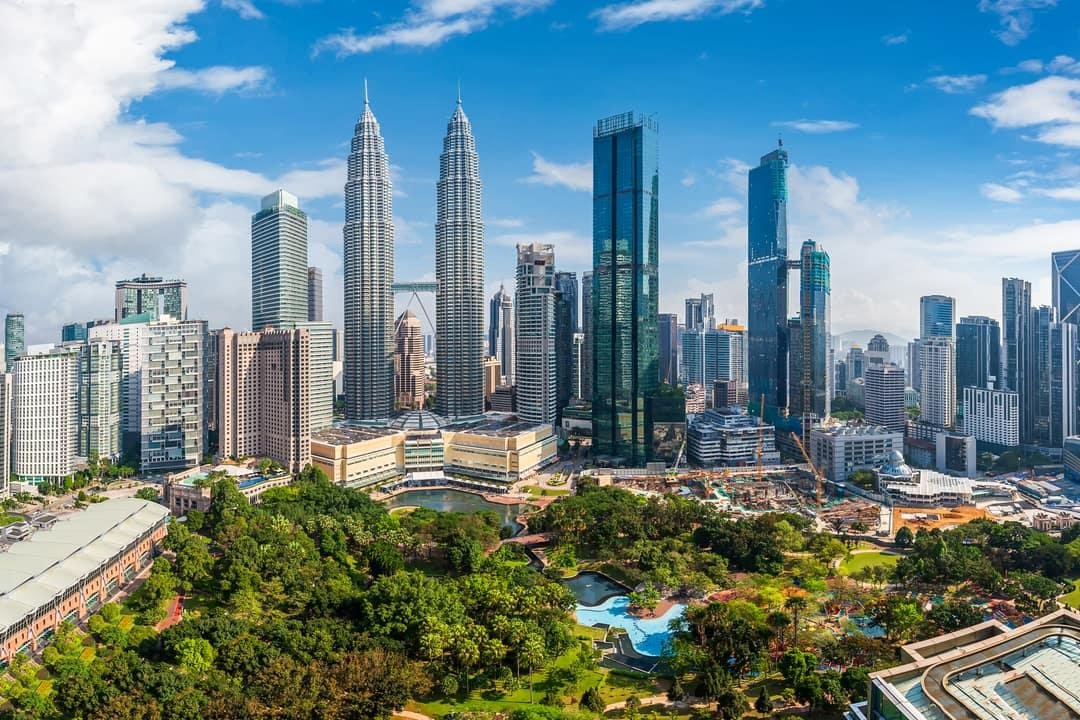

But the country is still much more than Kuala Lumpur.
In Penang we still find an impressive colonial and commercial heritage.
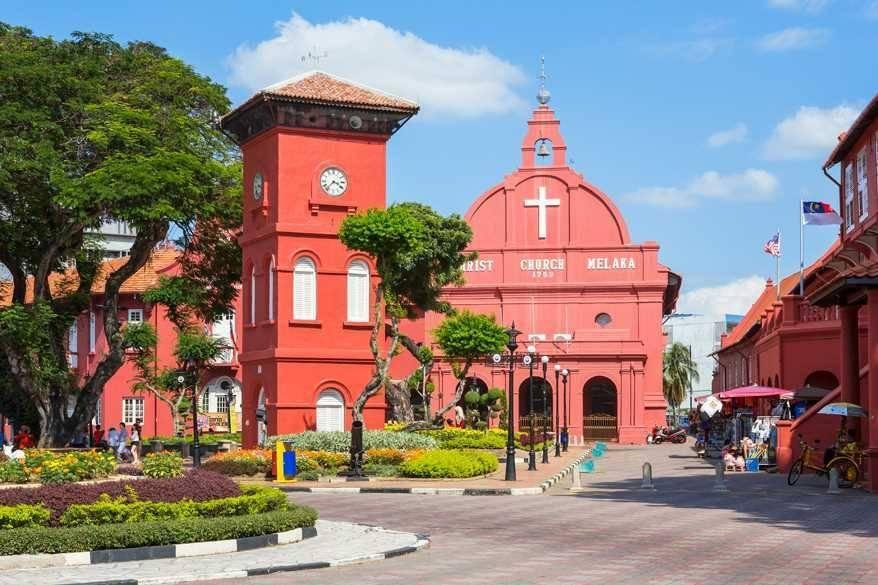
In Malacca Malay, Chinese, Portuguese, Dutch and British influences are mixed.
And in Sabah and Sarawak , in Borneo, there is a different history, marked by indigenous peoples, sultanates, Brunei and the colonial period.
This regional diversity is precisely one of the things that makes talking about “Malaysian history” much more complicated than telling a simple chronology.
Historical places in Malaysia that help understand its past
If I want to understand a country, I prefer to also look at the places where you can still touch its history.
Malacca
It’s probably the must-see place.
The city preserves traces of the Malacca Sultanate and the Portuguese, Dutch and British periods.
George Town
In Penang, George Town allows us to understand the enormous commercial importance of the British presence and Asian immigration.
Kuala Lumpur
The capital represents the transformation of Malaysia from a colonial territory to a modern and highly urbanized state.
Kuching
The capital of Sarawak allows you to get closer to the history of the White Rajahs and the past of Borneo.
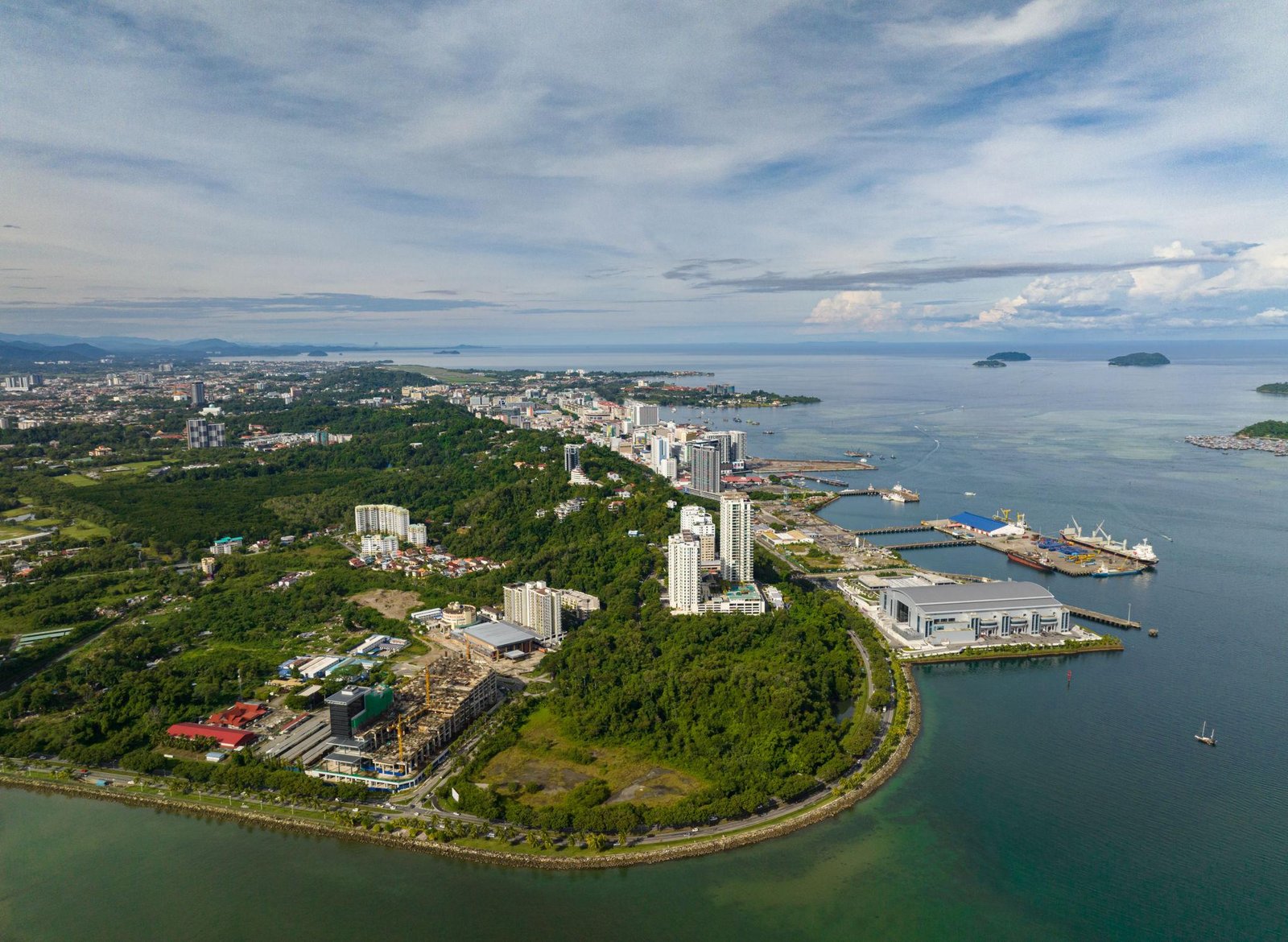
Kota Kinabalu
It is a good gateway to learn about the history and diversity of Sabah.
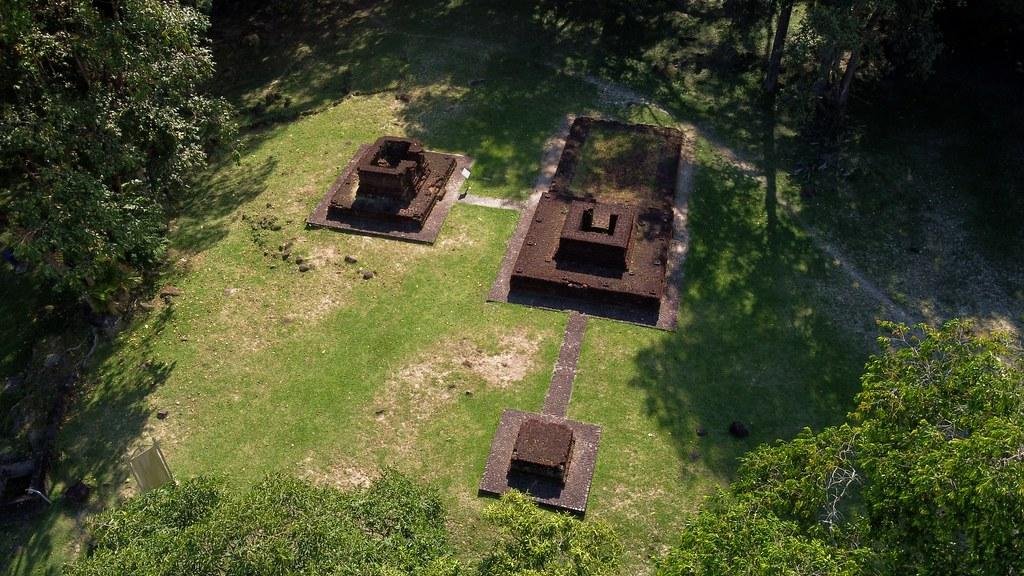
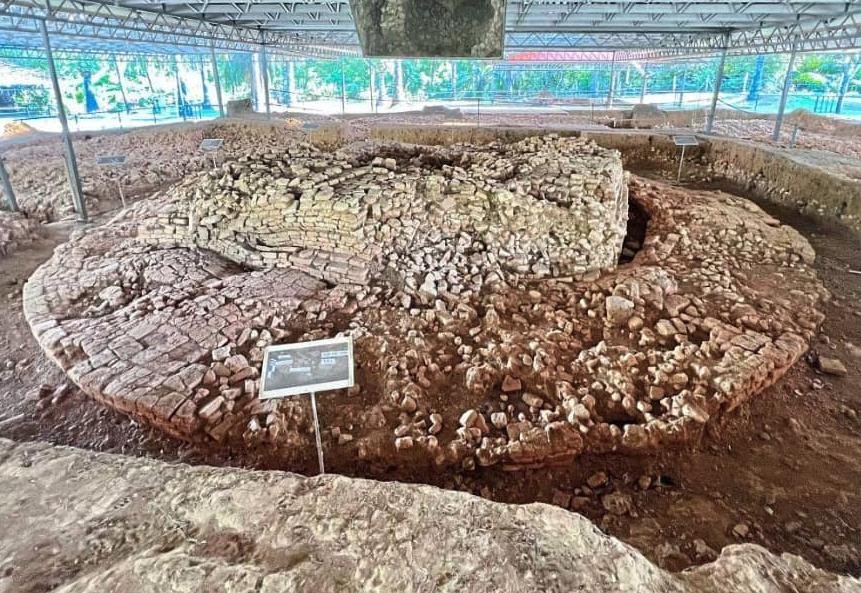
Lenggong Valley
This archaeological site allows us to go back far beyond the sultanates and colonialism, to the first inhabitants of the region.


Malaysia History Timeline
If you want a quick overview of the most important dates, I would stick with this chronology:
- More than 10,000 years ago: presence of ancient human communities in the region.
- Second century: references and commercial contacts related to the Malay Peninsula appear.
- 7th-13th centuries: regional predominance of the Srivijaya Empire.
- 14th century: increases the influence of Majapahit and different Malay kingdoms.
- Around 1400: development of the Malacca Sultanate.
- 1511: Portugal conquers Malacca.
- 1641: the Dutch take Malacca.
- 1786: the British establish a settlement in Penang.
- 1824: Anglo-Dutch Treaty and consolidation of the respective spheres of influence.
- 1826: creation of the Straits Colonies.
- 1841: James Brooke becomes Rajah of Sarawak.
- 1941-1945: Japanese occupation during World War II.
- 1946: creation of the Malayan Union.
- 1955: electoral victory of the Alliance led by Tunku Abdul Rahman.
- August 31, 1957: independence of the Federation of Malaya.
- September 16, 1963: creation of Malaysia.
- August 9, 1965: Singapore leaves Malaysia.
- 1966: end of the Confrontation between Indonesia and Malaysia.
- Late 20th century and 21st century: rapid industrialization and consolidation of Malaysia as a major economy in Southeast Asia.
Curiosities about the history of Malaysia
There are some details that I consider especially interesting and that help to remember this whole story better:
- The name Malaysia corresponds to a relatively recent State, although the history of the Malay people goes back thousands of years.
- Malacca became one of the great shopping centers in Asia.
- Portugal conquered Malacca in 1511 .
- The Dutch controlled Malacca for approximately 150 years.
- Penang became a major British settlement from 1786 .
- Present-day Malaysia is made up of territory on the Malay Peninsula and the island of Borneo.
- Sabah and Sarawak have unique histories and a huge diversity of indigenous peoples.
- Tunku Abdul Rahman is considered the father of Malaysian independence.
- Malaysia was officially created in 1963 , six years after the independence of the Federation of Malaya.
- Singapore was part of Malaysia for just about two years.
- The Strait of Malacca remains one of the most important shipping routes in the world.
- The architecture of Malacca and George Town still allows us to see the different layers of Portuguese, Dutch, British, Chinese and Malay influence.
Frequently Asked Questions (FAQs)
When did the history of Malaysia begin?
Human presence in the current territory of Malaysia dates back tens of thousands of years. However, the first important states and trade networks appeared much later, under the influence of cultures from India, China and other regions of Southeast Asia.
What was the first great kingdom of Malaysia?
Different ancient kingdoms existed, such as Langkasuka, but much of the region later came under the influence of Srivijaya. Later, the Malacca Sultanate appeared, one of the most important states in Malay history.
Who founded the Malacca Sultanate?
The Malacca Sultanate is traditionally associated with Parameswara, a prince from Sumatra who established the settlement of Malacca in the early 15th century.
When did the Portuguese arrive in Malaysia?
The Portuguese arrived in Malacca at the beginning of the 16th century and conquered the city in 1511 under the command of Afonso de Albuquerque.
When did British rule in Malaya begin?
British influence began to consolidate with the acquisition of Penang in 1786 and later spread to other territories on the peninsula and Borneo.
When did Malaysia get its independence?
The Federation of Malaya gained independence on 31 August 1957. The State of Malaysia, with the addition of Sabah, Sarawak and Singapore, was created on 16 September 1963.
Who was Tunku Abdul Rahman?
Tunku Abdul Rahman was the main leader of the political movement that led to the independence of the Federation of Malaya and became its prime minister. His leadership was fundamental for the independence process of 1957.
Why did Singapore leave Malaysia?
Singapore left the Federation in 1965 due to significant political, economic and social differences with the federal government, as well as tensions related to relations between ethnic communities.
Was Malaysia a British colony?
Yes, although British rule took different forms. There were directly administered colonies, protectorates and states ruled by sultans under different levels of British influence.
What happened in Malaysia during World War II?
Japan invaded the Malay Peninsula in 1941 and occupied the region until 1945. The British defeat greatly weakened colonial prestige and favored the growth of Malay nationalism.
How important was the Malacca Sultanate?
It was one of the main commercial centers of Southeast Asia during the 15th century. Its location next to the Strait of Malacca allowed it to connect trade routes between China, India and other Asian regions. He was also instrumental in the spread of Islam in the Malay world.
What countries influenced the history of Malaysia?
Among the main ones we find India, China, Indonesia, Portugal, the Netherlands, the United Kingdom and Japan, in addition to the different kingdoms and sultanates of the region itself.
The history of Malaysia is understood by looking at its cultural mix
After going through all this history, I think there is one idea that pretty much sums up what makes Malaysia special.
The country did not emerge from a single isolated civilization.
It was formed through layers .
First came the ancient inhabitants of the region. Then the influences of India and China, the Hindu and Buddhist kingdoms, Srivijaya and Majapahit appeared. Then came Islam and the powerful Malacca Sultanate. Then the Portuguese, Dutch and British appeared. Japan occupied the territory during World War II and, finally, independence and the creation of the modern State came.
That’s why when I see pictures of Malacca, George Town or Kuala Lumpur, I don’t just see them as tourist destinations. Each building, mosque, temple, fortress or commercial district tells a small part of that story.
And that also explains why the history of Malaysia is so closely related to words like Malacca Sultanate , British colonization , independence of Malaysia , history of Malaysia and Singapore , British Malaysia , Tunku Abdul Rahman , Sabah , Sarawak and Strait of Malacca .
They are all part of the same story.
A story that began long before Malaysia as a country existed and that can still be seen in practically every corner of the territory.