
Singapore is one of those destinations that is hard to fit into a single category. It is a country and a city at the same time, it has futuristic skyscrapers next to centuries-old temples, an enormous cultural mix and rules that can be quite surprising to those who arrive for the first time.
When I prepare content about Asian destinations, there is something I always try to do: not just stick to the places that appear in all the photographs. I’m interested in discovering those little things that explain how a destination really works. And in Singapore there is a lot of material to do it.
After reviewing different sources and guides about the country, I have put together these 20 interesting facts about Singapore , including facts about its culture, gastronomy, transportation, laws, architecture, housing and some pretty strange things that you probably didn’t know about.
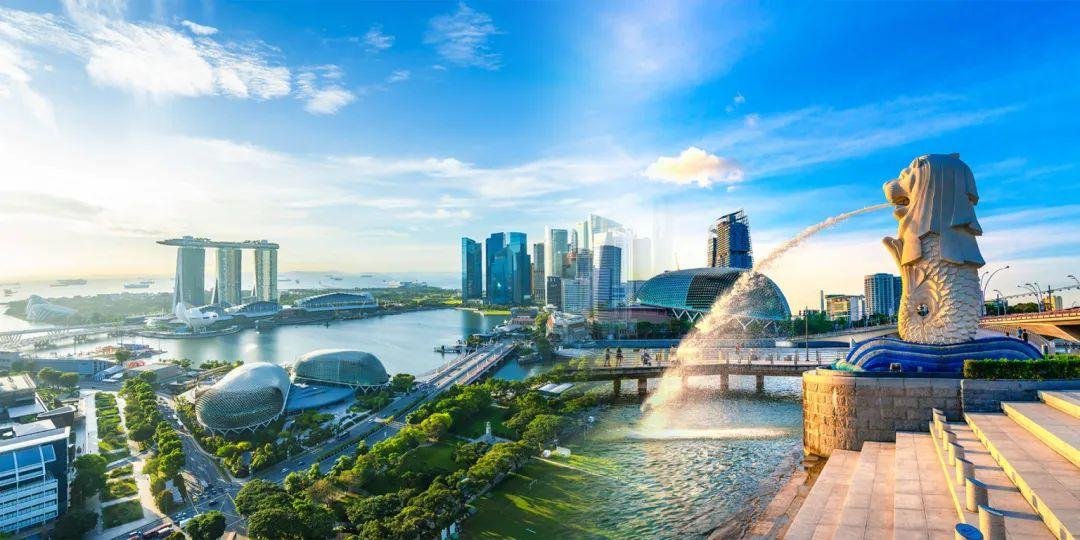


1. Singapore is a country and a city at the same time
This is probably the first curiosity about Singapore that should be clear.
Singapore is a sovereign city-state in Southeast Asia. That is, when you talk about Singapore you can be talking about the entire country and, at the same time, the city that concentrates practically all of its urban activity.
Its territory is relatively small, something that has conditioned much of its development. The available space is limited and, therefore, Singapore has had to take advantage of every meter of land in a quite particular way.
One of the solutions used historically has been to reclaim land from the sea through land reclamation projects.
In fact, Singapore’s territory has increased considerably since the second half of the 20th century.
That partly explains why you find such a vertical, planned and densely built city.
2. It has four official languages
Another of the great curiosities of Singapore is its linguistic diversity.
The country officially recognizes four languages:
- English
- Mandarin
- Malay
- Tamil
Malay also has the status of the national language, while English plays a fundamental role as the language of work and administration.
This diversity makes a lot of sense when you look at the cultural makeup of the country.
In Singapore, communities of Chinese, Malay, Indian and other origins coexist, something that is reflected in the neighborhoods, temples, restaurants, festivities and customs.
And there is another curious element: Singlish , a colloquial variety of English used in Singapore that incorporates expressions and structures influenced by other local languages.
So hearing English in Singapore doesn’t always mean hearing the English you’d expect.
3. Singapore has an impressive cultural mix
One of the things that interests me most about Singapore is that you can change the environment just by walking a few streets.
You can go from Chinatown to Little India and then arrive at Kampong Glam, finding different temples, restaurants, shops and architectural styles in each area.
Chinatown
It is one of the main spaces associated with the Chinese community and concentrates places such as the Buddha Tooth Relic Temple.
Little India
The influences of the Indian community predominate here, especially Tamil, with Hindu temples, restaurants and shops full of colors.
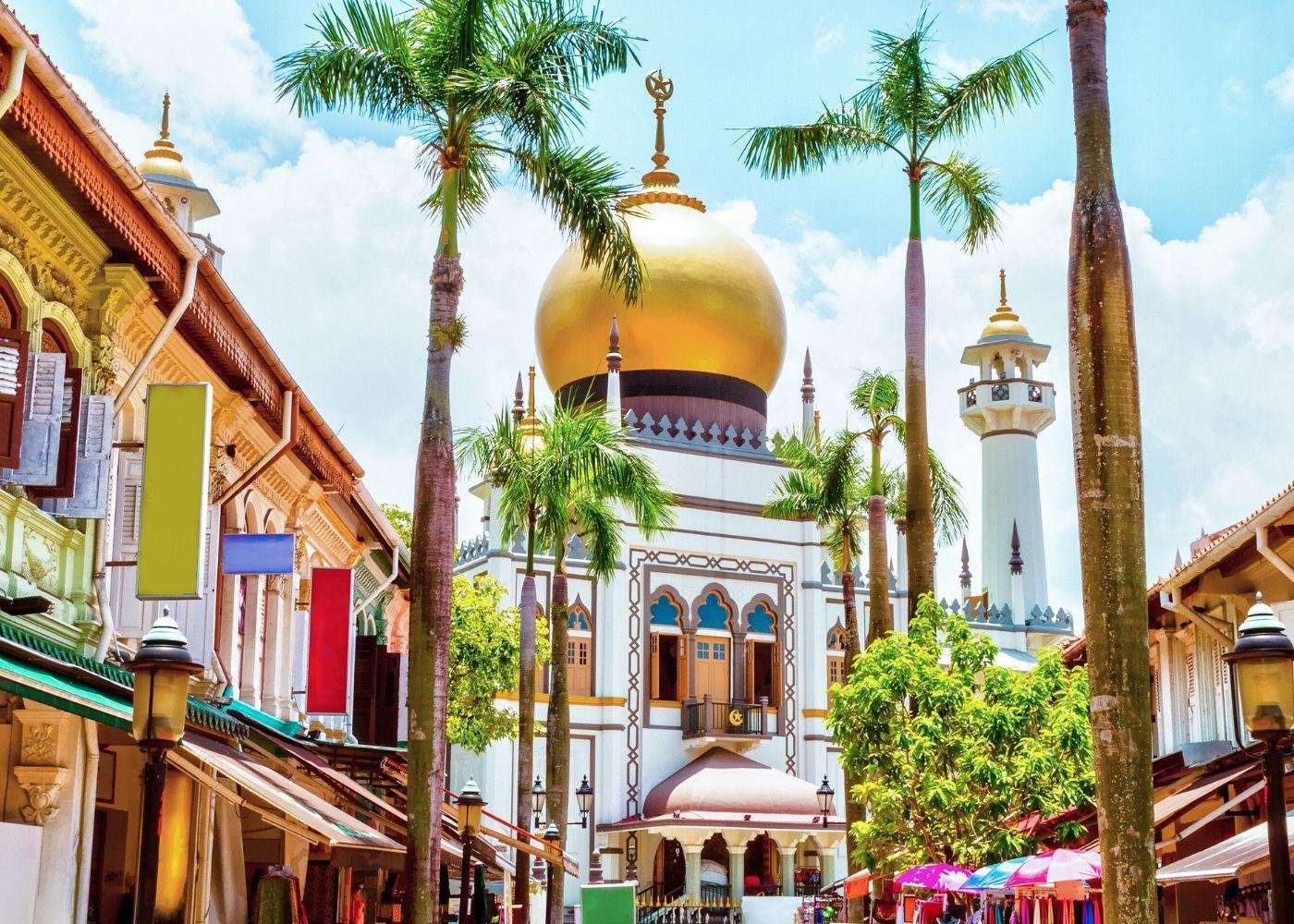
Kampong Glam
It is the historic neighborhood associated with the Malay and Muslim community and is especially notable for the Sultan Mosque and its shopping streets.
This mix is one of the reasons why I think Singapore is much more interesting when you explore it on foot than when you just visit its large buildings.



4. Chewing gum has a very particular history
Yes, you’ve probably already heard that chewing gum is banned in Singapore .
But here it is important to clarify something because it is often told in an exaggerated way.
Current regulations prohibit the importation of chewing gum, with exceptions for certain authorized dental or medicinal products.
Therefore, the idea that simply “chewing gum is illegal” does not correctly describe the entire regulation.
The restriction was mainly established to avoid problems related to the cleaning and maintenance of public spaces.
And this is a good lesson for any traveler: before traveling to Singapore it is worth checking the entry regulations , because some things that are completely normal in other countries may be regulated differently.
5. Singapore is famous as the city of fines
Another of the best-known curiosities of Singapore is related to its numerous regulations.
The country applies strict regulations in different areas of public life, especially in matters related to cleanliness, security and certain behaviors.
Among the regulated topics are, for example:
- Littering.
- Smoking in certain spaces.
- Import chewing gum without authorization.
- Some behaviors related to public spaces.
- Certain restrictions on products and merchandise.
But I also don’t like repeating the typical image of “Singapore fines you for everything”, because it oversimplifies reality.
The most interesting question is how standards are part of a much broader system of urban management.
If you travel there, the smart thing is simple: read the signs and respect local rules .
6. It is one of the great gastronomic cities of Asia
One of my favorite parts appears here.
Singapore may seem like a very expensive city when you look at hotels, luxury restaurants or certain activities, but there is another gastronomic reality: the hawker centers .
They are large food spaces where different stalls sell local and Asian dishes.
You can find chicken rice, noodles, soups, seafood, Malaysian dishes, Indian cuisine, Chinese food and many other options.
The Maxwell Food Centre, for example, has more than 100 stalls and is one of the popular places to try local food.
For me, this is one of the best curiosities of Singapore because it breaks a bit with the image of an exclusively luxury city.
You can be surrounded by impressive skyscrapers and, soon after, sit at a simple table eating a local dish.


7. Ice cream can come inside a slice of bread
This is one of those gastronomic curiosities of Singapore that surprise at first sight.
On city streets you can find ice cream sandwiches, where a serving of ice cream is placed between slices of colored bread.
The combination may seem strange if you’ve never seen it, but it’s part of Singapore’s street food culture.
It is exactly the type of detail that I like to look for when I prepare travel articles: it is not necessarily something monumental, but it is a small experience that can become one of the most curious memories of the trip.
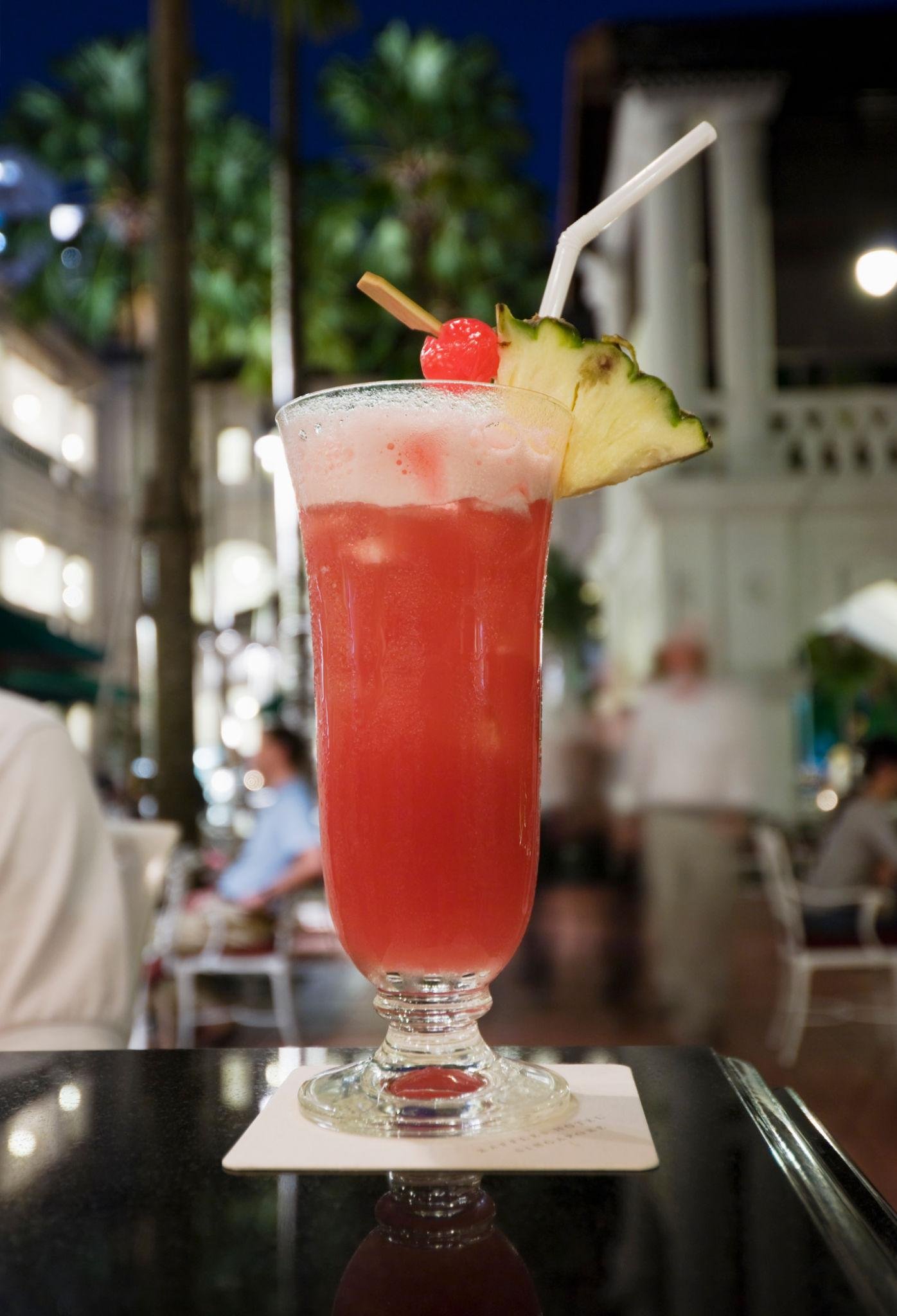
8. The Singapore Sling was born in Singapore
The Singapore Sling is one of the cocktails most associated with the country.
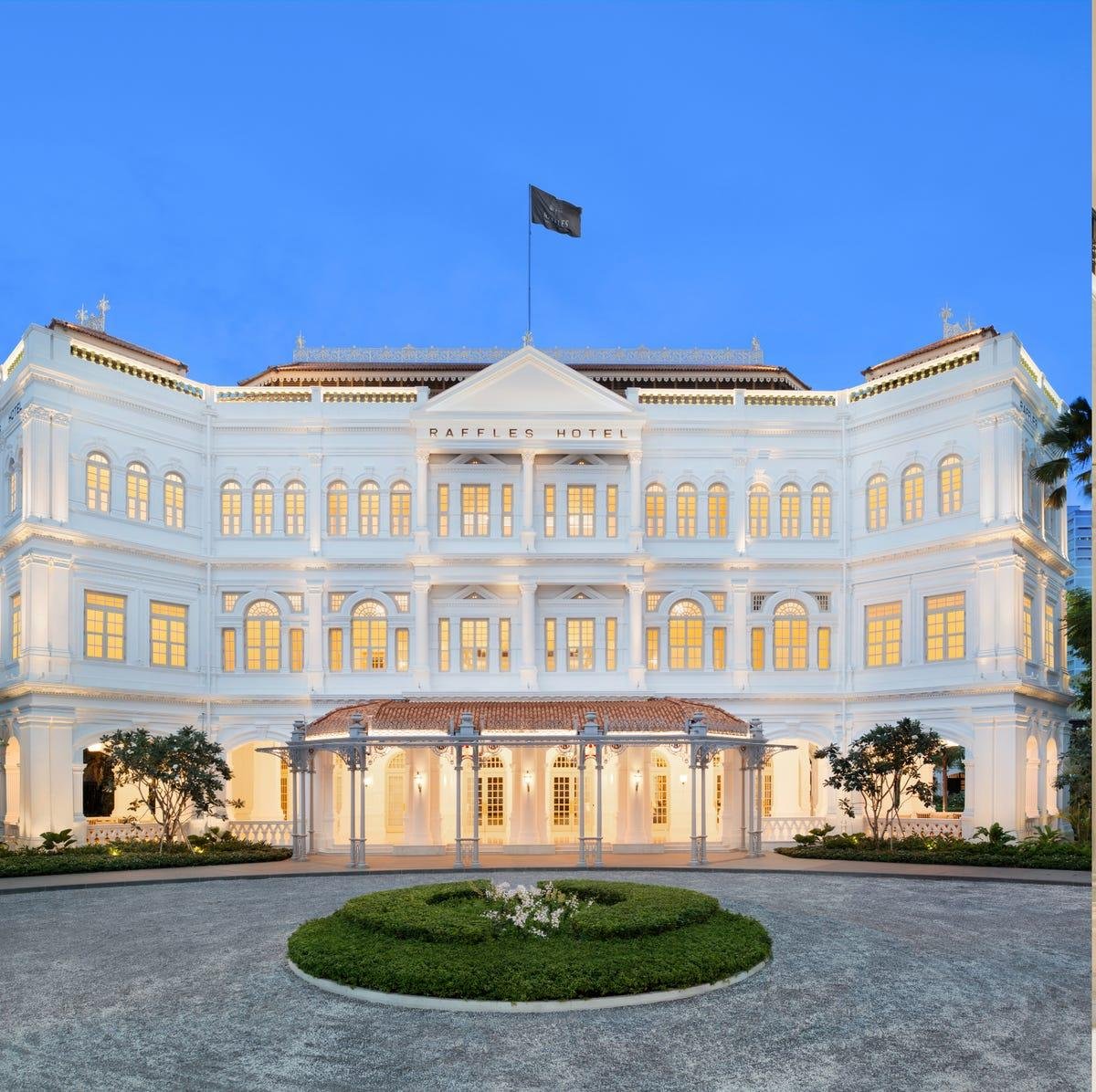
The drink is related to the Long Bar at the Raffles Hotel , where its creation is traditionally located at the beginning of the 20th century.
The story goes that it was created around 1915 by bartender Ngiam Tong Boon.
Over time it became one of Singapore’s iconic drinks.



9. Singapore was the scene of the first Formula 1 night race
This is one of the curiosities of Singapore that most attract the attention of motor racing fans.
The Singapore Grand Prix debuted in 2008 and was the first night race in the history of Formula 1.
Furthermore, it is not contested on a conventional circuit.
The Marina Bay Street Circuit uses city streets and is set against the backdrop of some of Singapore’s most recognizable buildings.
That is why the images of the Grand Prix are so particular: Formula 1 cars driving at night while illuminated skyscrapers appear behind.
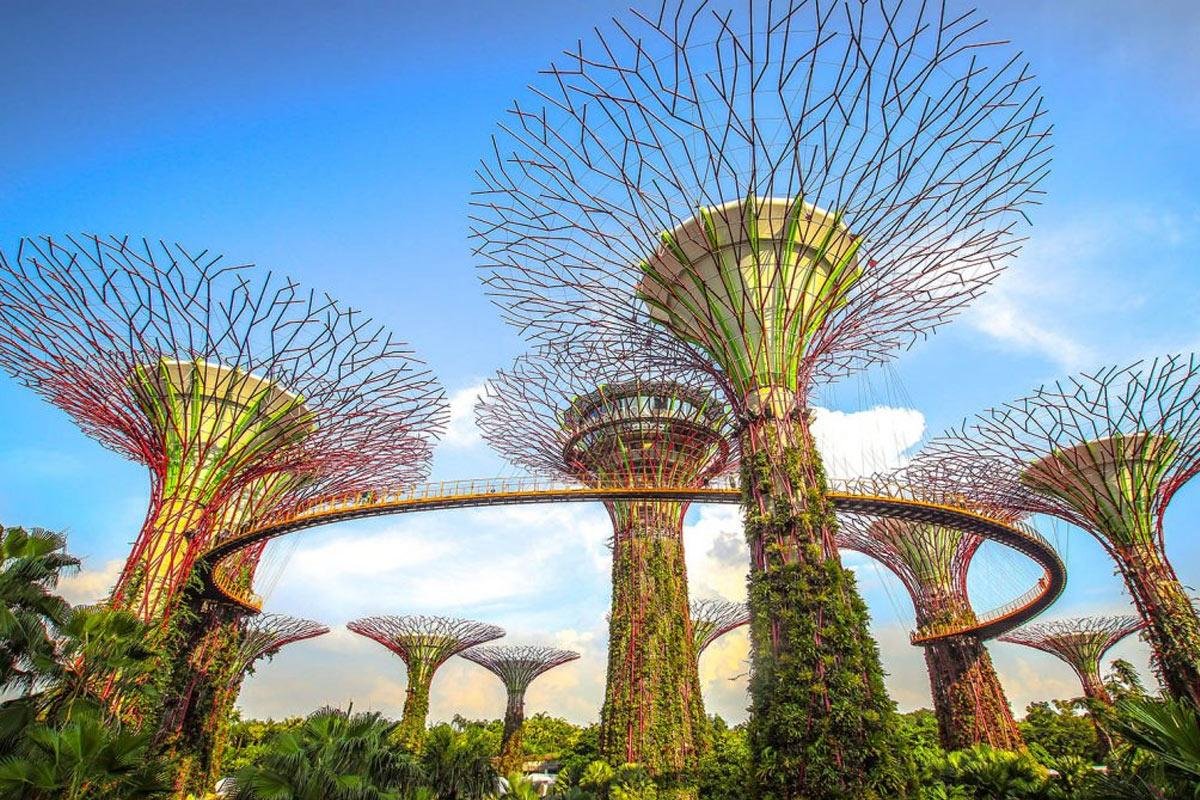
10. Supertrees are not real giant trees
If you have seen photographs of Singapore you surely know the enormous Supertrees at Gardens by the Bay .
They look like giant trees from science fiction, but in reality they are vertical structures designed to integrate vegetation, technology and architecture.
Some incorporate systems related to solar energy and water collection, forming part of the environmental concept of Gardens by the Bay.
It’s one of those things that makes me understand why Singapore is often associated with the idea of a futuristic city.
It is not simply about building more buildings, but about trying to integrate green spaces within an extremely urbanized city.




11. Changi Airport has a huge indoor waterfall
Here Singapore directly seems to be competing with itself.
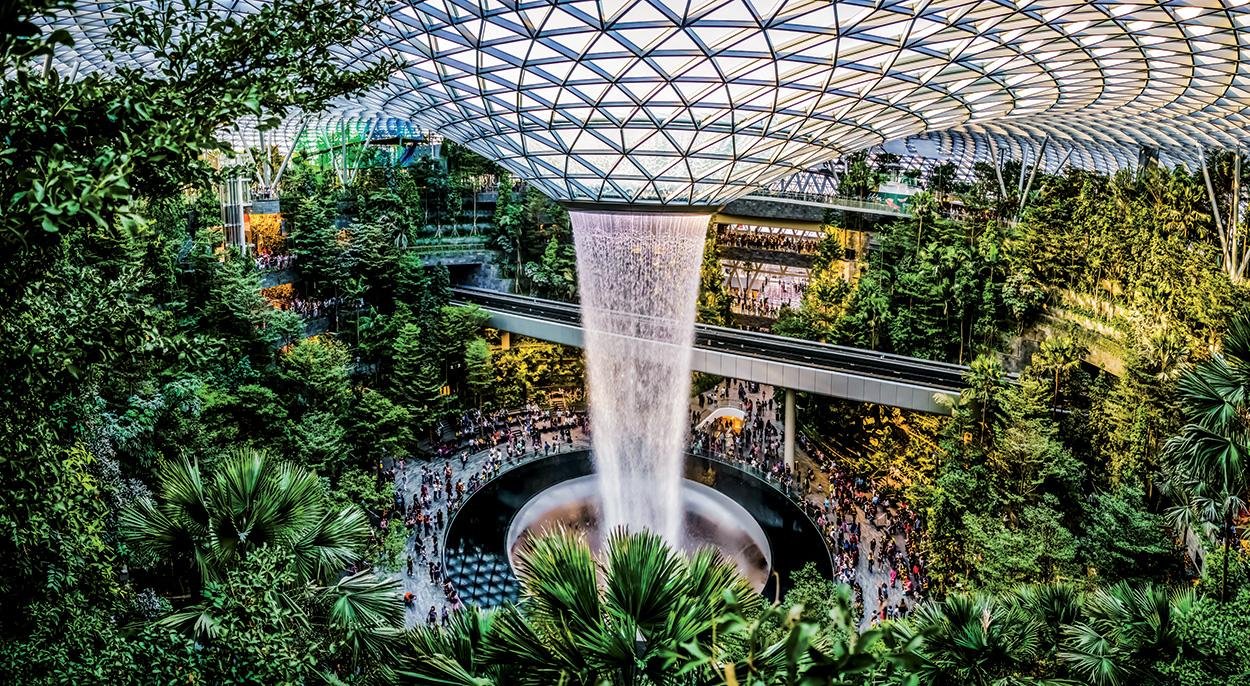
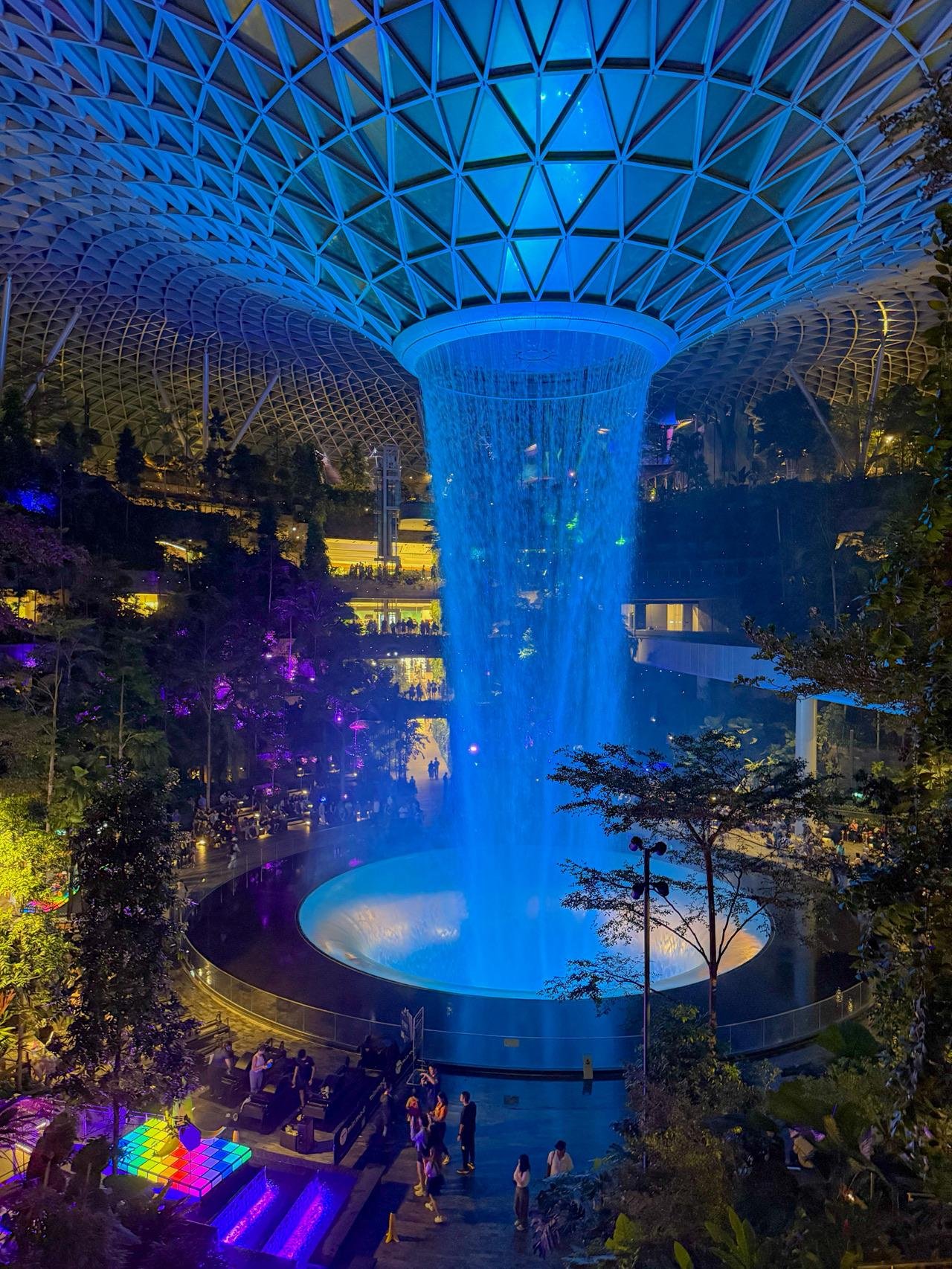
The Jewel Changi Airport complex is home to the Rain Vortex, a massive indoor waterfall.
The water falls approximately 40 meters from the ceiling to the lower levels, and the airport itself presents it as the highest indoor waterfall in the world.
And the funny thing is that you don’t have to leave the airport to see it.
This turns a simple stopover in Singapore into something quite different.


12. HDBs are a vital part of life in Singapore
When you see photographs of Singapore it is easy to think only of Marina Bay Sands, luxury hotels and skyscrapers.
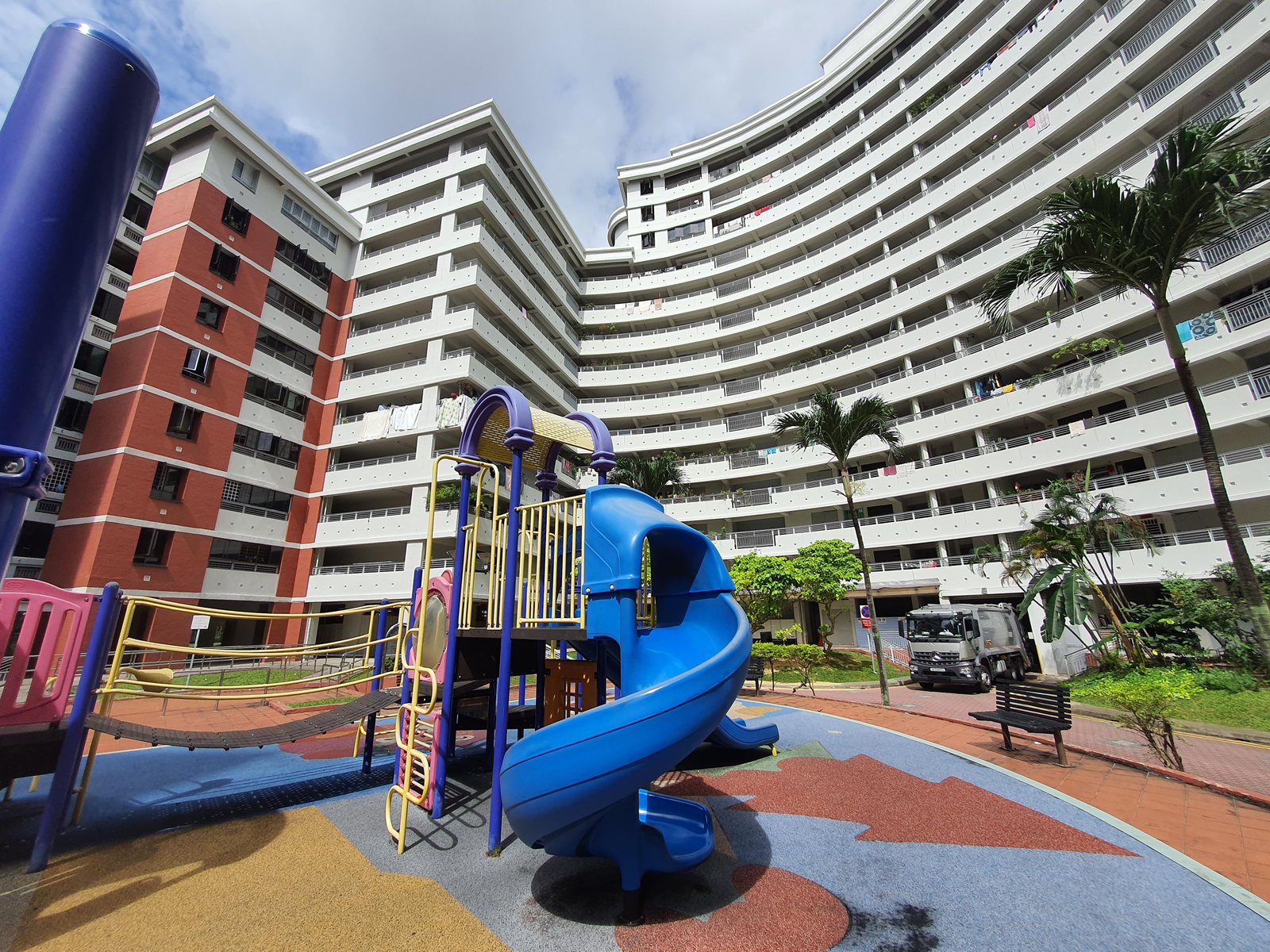
But the city has another, much more everyday side: the huge residential blocks of the HDB system, managed by the Housing & Development Board.
There are currently over one million HDB flats and around 80% of resident households live in them; About nine out of ten of these households own their home.
I find this especially interesting because HDBs are not simply apartment buildings.
Many complexes integrate:
- Stores.
- Schools.
- Parks.
- Sports areas.
- Public transportation.
- Community services.
- Green spaces.
It is practically a way of planning entire neighborhoods around the home.


13. Singapore has had to gain space from the sea
When you live on a small island with a huge population and economy, space quickly becomes an issue.
Singapore has used land reclamation projects to expand its territory for decades.
According to different historical sources, the country’s area has increased by about a fifth since the 1960s.
This territorial transformation explains many things about modern Singapore: ports, industrial zones, new residential areas, roads and urban projects.
But it has also had environmental and regional consequences, especially on coastal ecosystems and sand supply.
That is why this curiosity has two sides: it is an impressive example of urban engineering, but also a process with impacts that should be considered.
14. It has one of the best-known urban transportation systems in Asia
Singapore’s MRT is a fundamental piece of the city’s mobility.
The railway network connects numerous neighborhoods, shopping centers, tourist areas and residential areas.
For someone who is used to moving around large cities, what is interesting is not only the train itself, but how it is integrated with the rest of urban planning.
This allows many people to get around without constantly depending on the car.
And here is another curiosity: owning a car in Singapore can be especially expensive due to the permit system and costs associated with owning and using vehicles.
That is why the car does not occupy the same place in urban life as it does in many other cities.
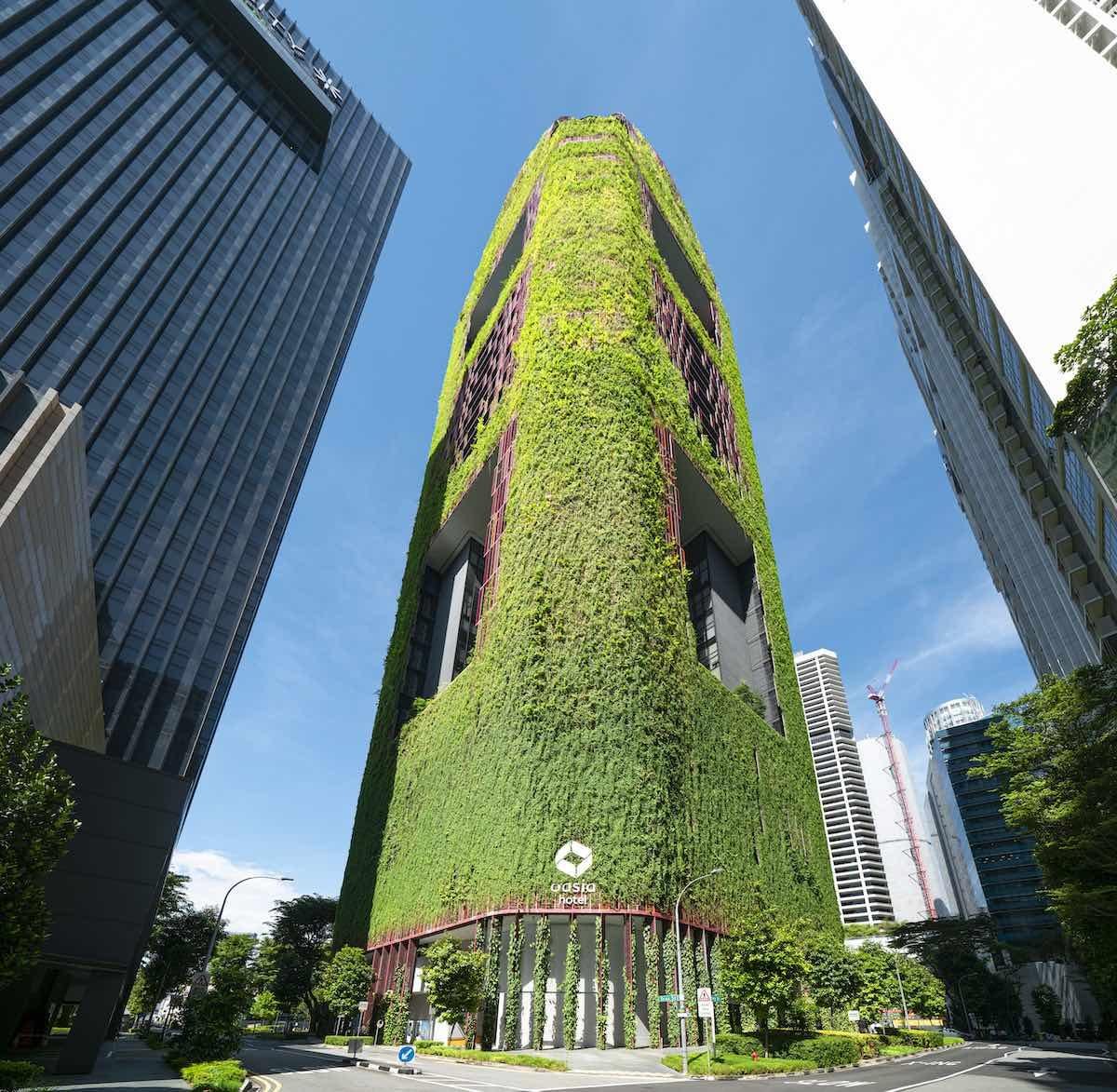
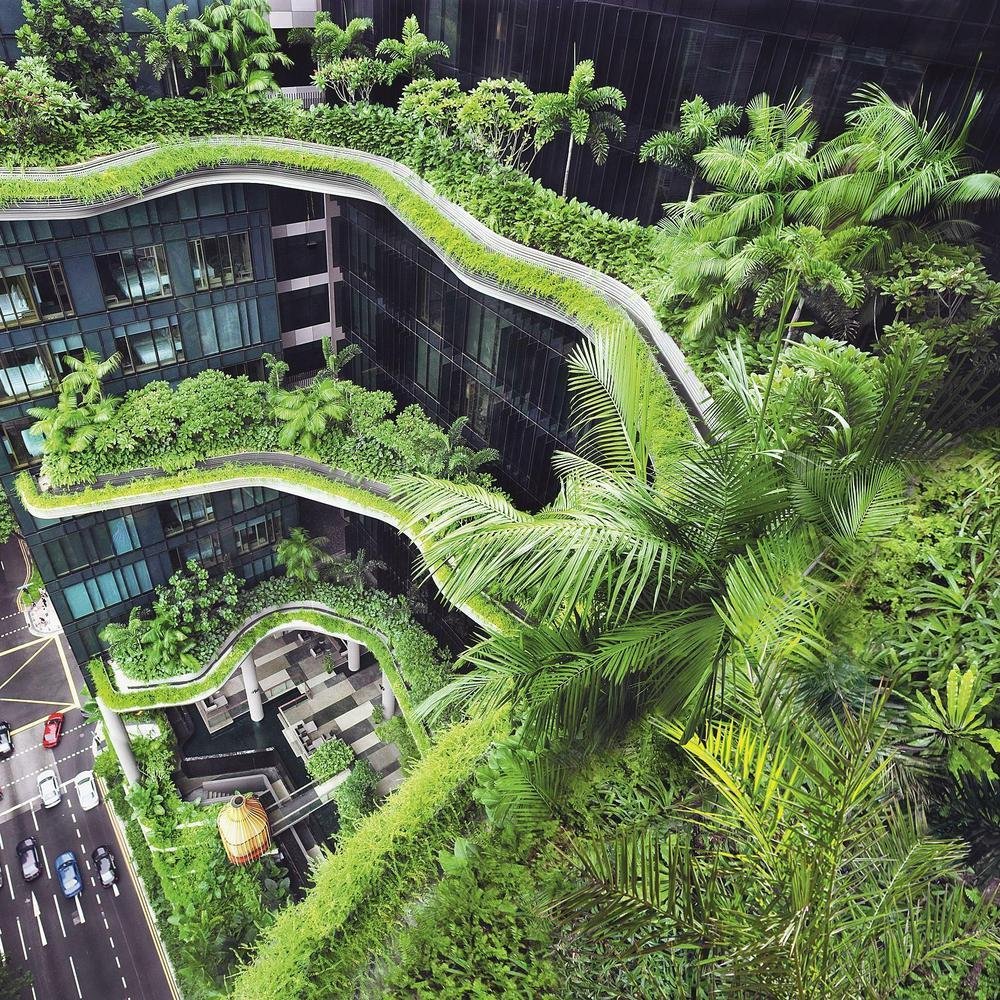
15. You can find a huge amount of vegetation in a very dense city
Singapore has been developing an urban policy aimed at integrating vegetation into the city for decades.
It’s not just Gardens by the Bay.
There are trees in avenues, parks, gardens, green corridors and plant spaces integrated into numerous urban projects.
This is partly where the image of Singapore as a “garden city” comes from.
The interesting thing is that, when you investigate the country, you discover that nature and architecture constantly appear together.




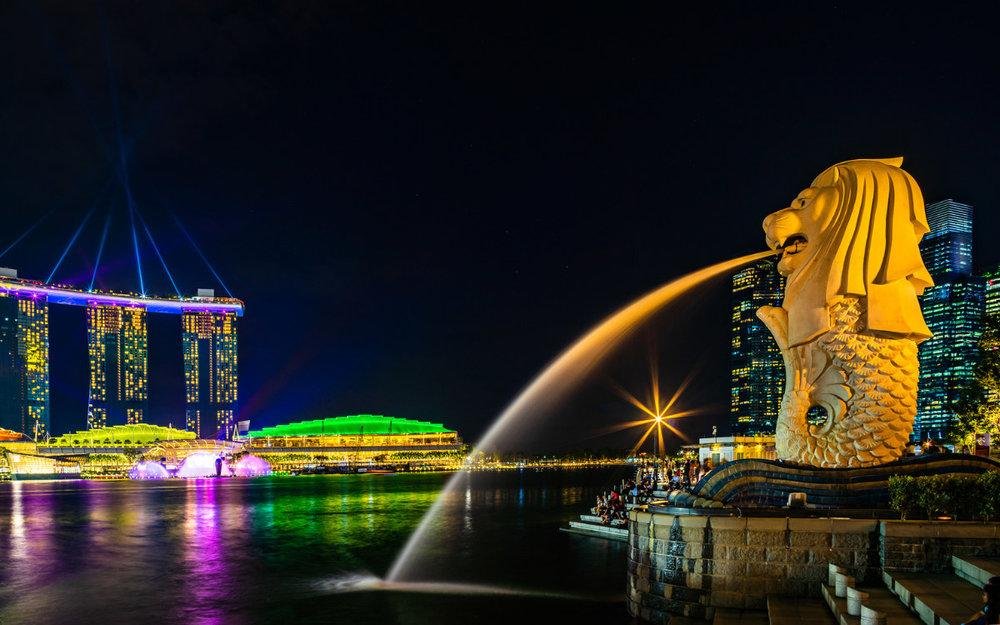
16. The Merlion mixes two symbols
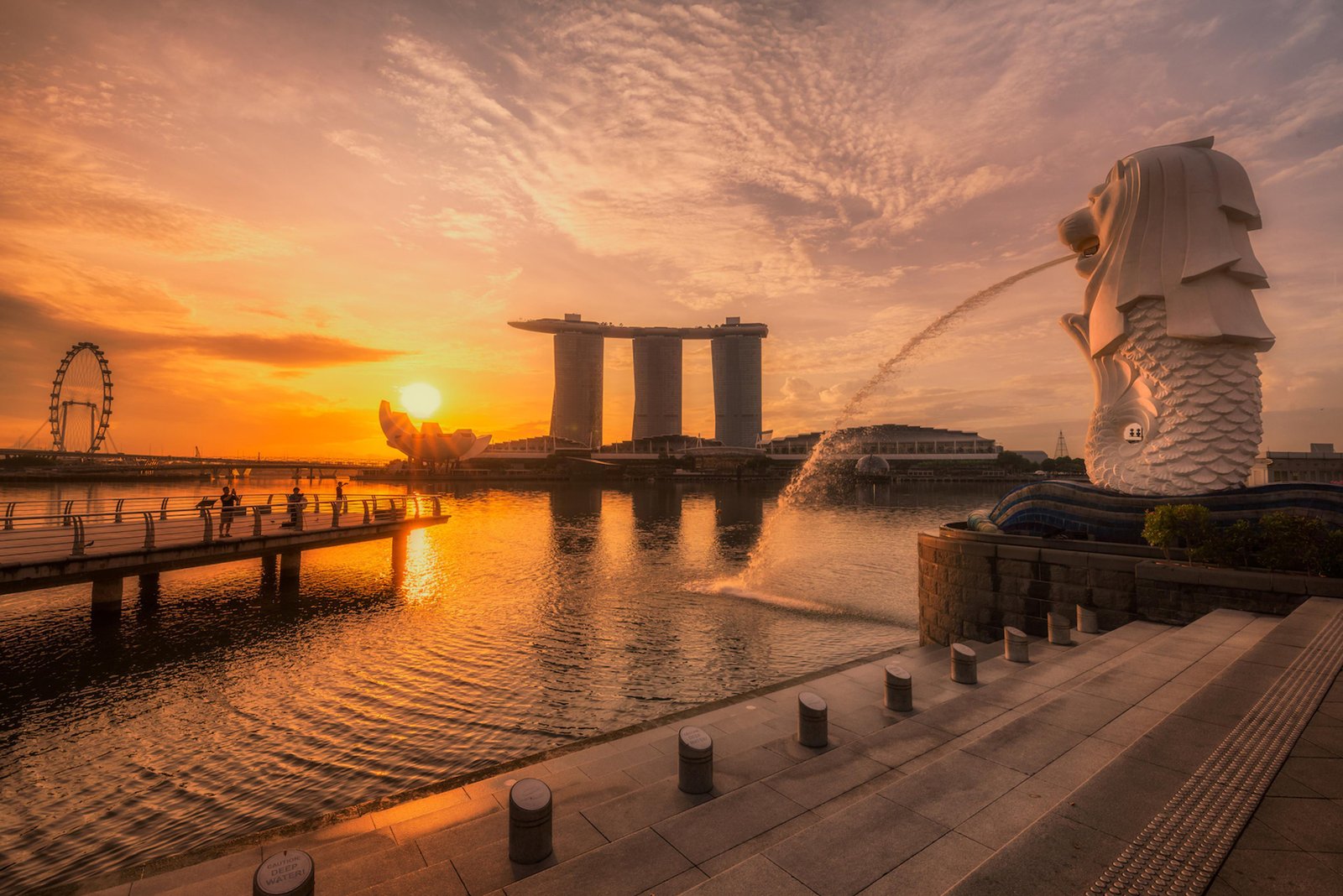
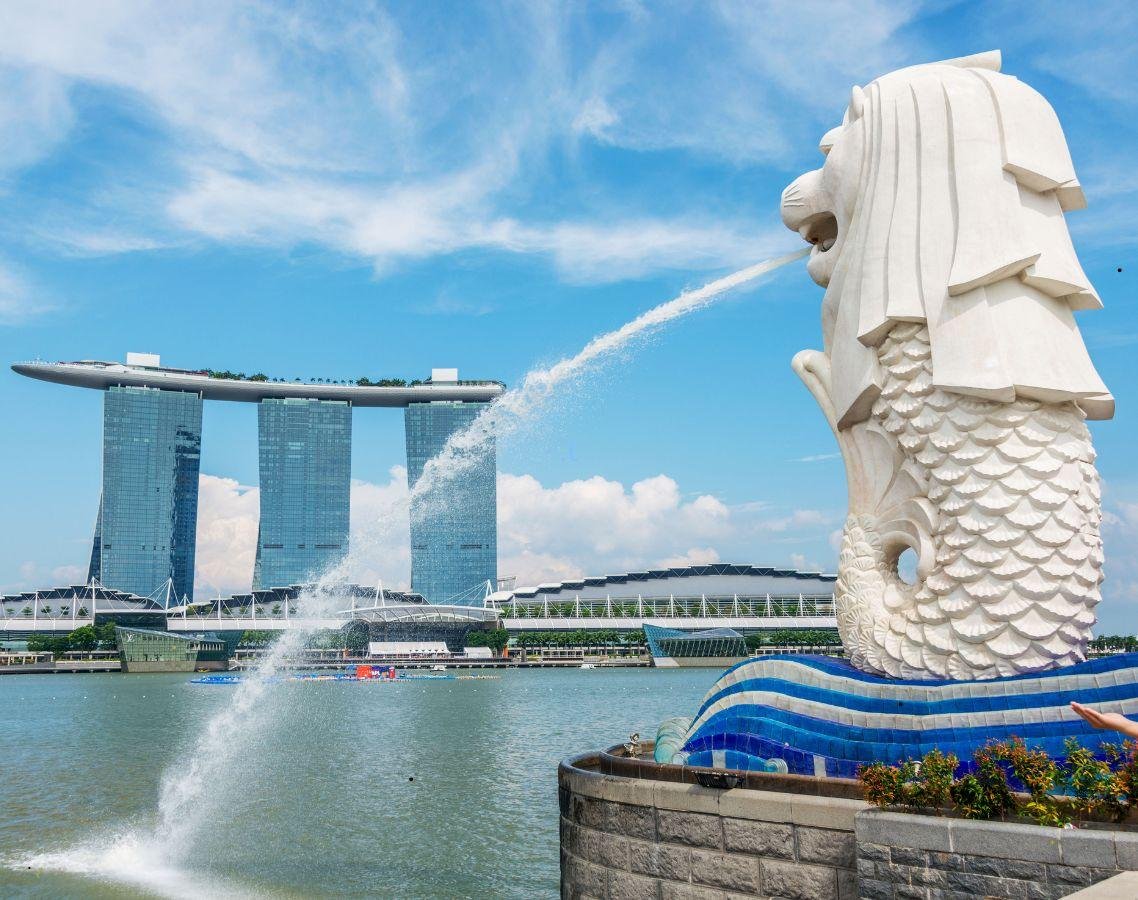
The Merlion is probably the most famous tourist symbol in Singapore.
Its body represents a fish and its head represents a lion.
The fish part refers to Singapore’s origins as a fishing settlement, while the lion relates to the ancient name of Singapura and its associated meaning of “lion”.
The most famous statue is located in front of Marina Bay and has become one of those photographs that practically every visitor wants to take with them.
And yes, the water coming out of his mouth is part of the design.



17. You can visit a Buddhist temple dedicated to a Buddha relic
In Chinatown is the Buddha Tooth Relic Temple & Museum , a Buddhist temple built in 2007.
Its name comes from a relic that Buddhists consider a Buddha tooth.
The temple was designed with inspiration from the architecture of the Tang dynasty and elements related to the Buddhist mandala.
The relic is housed in a stupa and the complex also has spaces dedicated to Buddhist culture and history.
The curious thing is that, despite being a relatively recent building, its architecture tries to convey a much older historical appearance.
18. Singapore has one of the largest concentrations of skyscrapers in Southeast Asia
Lack of space has led Singapore to build upwards.
The result is a skyline dominated by tall buildings, especially in the financial district and around Marina Bay.
But what is interesting is the contrast.
You can be looking at a group of modern skyscrapers and, a few minutes walk away, come across a mosque, a Hindu temple, a traditional street or a market.
That contrast is probably one of the most interesting visual features of Singapore.
19. Not everything interesting in Singapore costs money
This is one of the curiosities that I find most useful for any traveler.
Singapore has a reputation for being an expensive destination, and certain expenses can be high. But that doesn’t mean that everything requires paying an entrance fee.
There are spaces and activities that can be enjoyed for free or at a very low cost, depending on the conditions:
- Tour Chinatown.
- Stroll through Little India.
- Visit certain areas of Gardens by the Bay.
- Tour Marina Bay.
- Stroll through Kampong Glam.
- Visit some temples.
- Visit the exterior of historic buildings.
- Enjoy certain public shows.
That’s why, when I prepare a trip, I always try to separate “Singapore is expensive” from “everything in Singapore is expensive” .
Not exactly the same.
20. Singapore is small, but its history is quite intense
Perhaps this is the curiosity that best summarizes all of the above.
Singapore went from being a British colonial enclave to becoming a city-state with a highly developed economy and a very sophisticated urban infrastructure.
Its small size forced unusual decisions to be made about housing, transportation, urban space, land reclamation and planning.
At the same time, its multicultural population made it necessary to develop a national identity capable of coexisting with different communities, religions and languages.
When you study all of these things together, it becomes much easier to understand why Singapore looks so unique.
Curiosities of Singapore that are also worth knowing
In addition to the above, there are other details that I find interesting to complete the image of the country:
- The Singapore dollar is the official currency.
- English plays a central role in administration and education.
- Malay is the national language.
- Durian is an extremely popular fruit in the region, but its strong smell means it is restricted in certain spaces and transportation.
- Singapore combines Chinese, Malay, Indian and Western cultural influences.
- The Singapore Grand Prix is held at night on a street circuit.
- The Marina Bay Sands has become one of the most recognizable buildings in the country.
- Changi Airport is practically a tourist attraction in itself.
- Hawker centers are essential to understanding local gastronomy.
- Gardens by the Bay perfectly represents the combination of nature, architecture and technology that characterizes the city.
Why does Singapore have so many rules?
This is one of the questions that appears most when searching for curiosities about Singapore .
The answer is not simply reduced to saying that “it is a strict country.”
Singapore has developed an urban model in which public space is of enormous importance. In a densely populated city, issues such as cleanliness, transportation, security, coexistence and use of the streets require quite specific regulations.
That’s why there are regulations that may seem strange to a visitor.
The important thing, if you are going to travel, is not to be stuck with the viral lists of “things prohibited in Singapore”. Some contain outdated or exaggerated information.
I prefer to always check the official regulations before turning a curiosity into travel advice.
Is it true that Singapore is a very expensive country?
Singapore can be expensive, especially for accommodation, certain restaurants, alcohol, vehicles and some tourist experiences.
But the existence of hawker centres, efficient public transport and numerous free activities allows you to organize your trip in very different ways.
That’s why I wouldn’t recommend assuming that you need a huge budget without first defining what type of trip you want to take.
A traveler who sleeps in a luxury hotel, eats in exclusive restaurants and uses taxis constantly will have a completely different economic experience than someone who uses MRT, eats in hawker centers and takes advantage of public spaces.
Frequently Asked Questions (FAQs)
What is the most famous curiosity in Singapore?
The regulations related to chewing gum are probably one of the best known, but Singapore has many other curiosities: its four official languages, HDBs, Hawker Centres, Supertrees, Changi Airport and Formula 1 at night.
Why is Singapore a country and a city?
Because Singapore is a city-state. The country and its main urban center form the same political entity.
What are the official languages of Singapore?
The four official languages are English, Mandarin, Malay and Tamil .
Is chewing gum prohibited in Singapore?
Current regulations primarily prohibit the importation of chewing gum, with exceptions for certain authorized dental and medicinal products. It is not correct to summarize the regulations by simply saying that “chewing gum is illegal.”
Why does Singapore have so many fines?
The country has numerous regulations designed, among other things, to maintain certain conditions of cleanliness, safety and coexistence in public spaces. The sanctions depend on the specific violation.
What are Singapore hawker centers?
They are large gastronomic spaces with numerous food stalls. They are a fundamental part of the country’s culinary culture and allow you to try local and regional dishes.
What is the Merlion?
It is a mythological creature used as a symbol of Singapore. It has the body of a fish and the head of a lion, combining references related to history and the traditional name of the country.
Why are Supertrees so famous?
Gardens by the Bay Supertrees are vertical structures covered in vegetation that incorporate different environmental and technological functions. They have become one of the modern symbols of Singapore.
What’s so special about Changi Airport?
Within the Jewel complex is the Rain Vortex, an indoor waterfall approximately 40 meters high, as well as gardens, restaurants, shops and other attractions.
What are Singapore HDBs?
These are homes developed within the public housing system managed by the Housing & Development Board. About 80% of resident households live in HDB flats.
When was the first Formula 1 night race?
The 2008 Singapore Grand Prix was the first night race in Formula 1 history.
What typical food should I try in Singapore?
Some interesting options are Hainanese chicken rice , laksa, satay, chili crab, char kway teow and different dishes from the hawker centres.
Singapore is much more than Marina Bay
After putting all these curiosities together, I think it is quite clear why Singapore seems to me to be such a particular destination to study and discover.
In a small territory four official languages, communities of different origins, temples of various religions, enormous residential complexes, hawker centres, skyscrapers, vertical gardens, technology and natural spaces coexist .
And the most interesting thing is that many of those things do not exist in isolation.
Housing is related to urban planning. Transportation is related to lack of space. Hawker centers reflect the cultural mix. Supertrees represent the relationship between architecture and nature. And even Singapore’s famous rules are part of a much broader way of organizing the city.
That’s why, when I look for interesting facts about Singapore , I’m not just interested in finding surprising facts to make a list. I’m interested in understanding what’s behind them.
Because that’s where destiny starts to make sense: not when you recognize the Marina Bay skyline in a photograph, but when you understand why such a small city ended up building such a huge identity.