
When I think about the cuisine of Thailand , there is something that seems especially interesting to me: it is not simply spicy cuisine. The real fun is in how he manages to bring together flavors that, at first, seem to go down different paths: sweet, salty, sour, bitter and spicy.
The same dish can have chili, coconut milk, lime, aromatic herbs, fish sauce and palm sugar, and still be balanced. This search for contrast is precisely one of the characteristics that best explains why Thai food has so much personality.
Furthermore, the deeper you delve into it, the more evident it becomes that there is no single Thai cuisine. The north, the northeast, the central zone and the south have their own products, preparations and flavors. Therefore, for me, talking about Thai gastronomy is talking about many cuisines within the same country.



What is Thai cuisine like?
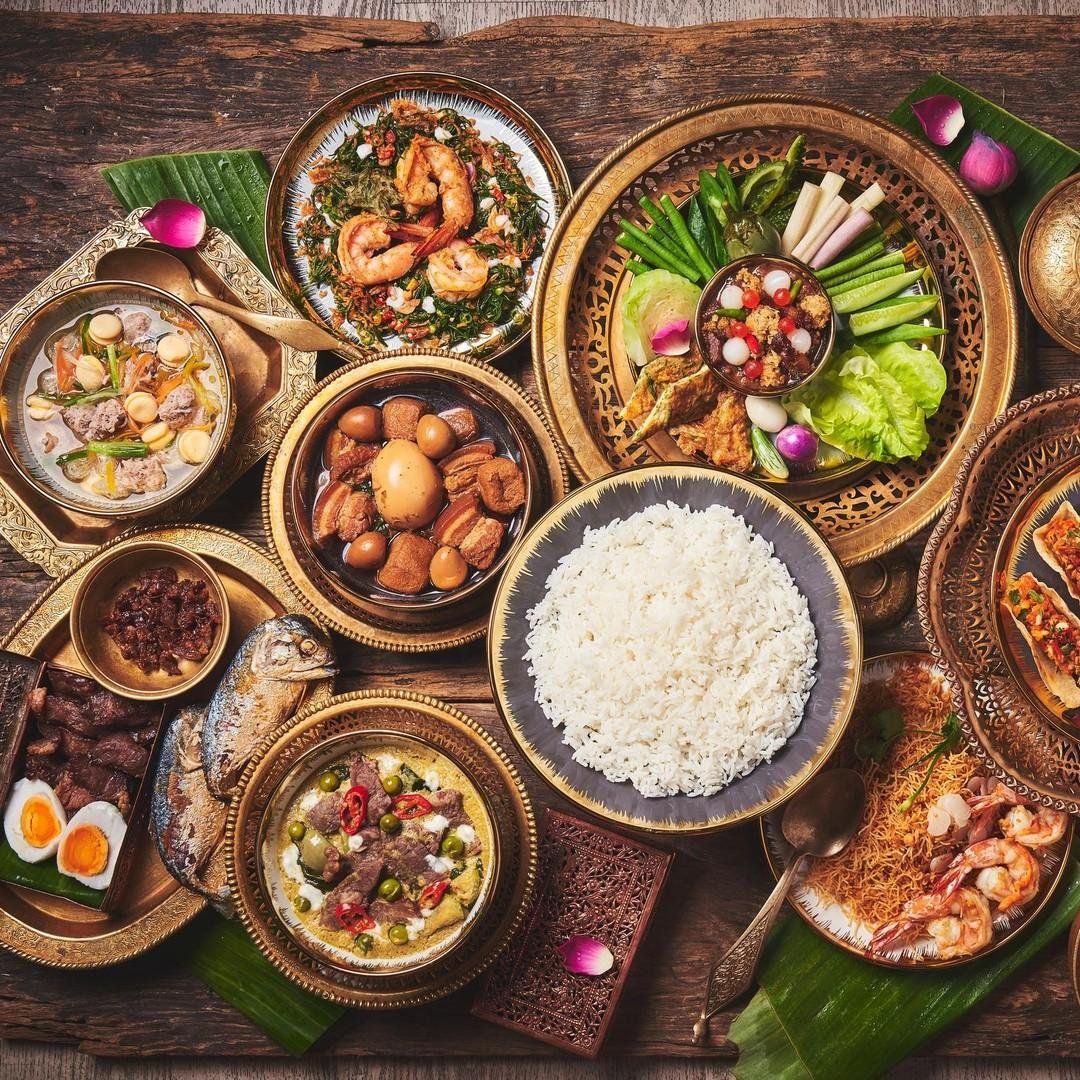
Thai cuisine is characterized by combining intense and contrasting flavors. The balance between sweet, salty, sour, bitter and spicy appears again and again, although not all dishes contain all five flavors with the same intensity.
Rice occupies a fundamental place, accompanied by vegetables, meats, fish, seafood, soups, curries and noodles. Fresh herbs, chilies, curry pastes, coconut milk and different sauces are also extremely important.
There is something worth clarifying from the beginning: not all Thai food is extremely spicy . The level of chili varies greatly depending on the dish and the region, and many dishes can be prepared with less heat.
I think it’s an important distinction because when someone looks for information about what to eat in Thailand they usually quickly come across the idea that everything has enormous amounts of chili. It’s not like that. Thai cuisine has very spicy dishes, but also mild, aromatic, sweet, sour or even quite neutral options.
The flavors that define Thai cuisine
If I had to explain Thai cuisine in a few words, I would start with its contrasts.
Sweet
Palm sugar and other sweet ingredients help balance the acid, spiciness, and saltiness. It doesn’t mean that the food is necessarily sweet, but that that touch can be part of the overall balance.
Acid
Lime, tamarind and other acidic ingredients provide freshness. It is especially evident in soups, salads and sauces.
Salty
Fish sauce, soy sauce, and other seasonings provide much of the depth of flavor.
Spicy
Chili is one of the great protagonists, both fresh and dried or incorporated into curry pastes and sauces.
Bitter
It is less present in the visitor’s perception, but it is also part of the traditional repertoire of flavors.
The interesting thing is that these flavors do not work in isolation. The objective is to ensure that no one completely dominates the rest.


Main ingredients of Thai cuisine
The list of ingredients used in Thai cuisine is huge, but there are a few that appear constantly.
Rice
It is one of the great pillars of Thai food. It is used as an accompaniment, in fried dishes, soups and sweet preparations.
Jasmine rice is especially important, while glutinous rice has a very marked presence in the north and northeast.
Noodles
Rice noodles and other types of noodles appear in soups, stir-fries, and street dishes.
This includes well-known preparations such as the Pad Thai , the Pad See Ew , the Pad Kee Mao or different versions of kuay tiew.
Chile
Fresh, dried, crushed or turned into a paste, chili allows you to completely modify the character of a dish.
Lemongrass
It has a very characteristic citrus and fresh aroma. It is used in soups, curries and different preparations.
Galangal
It is an aromatic root related to ginger, although its flavor is different. It plays an important role, for example, in Tom Kha.
Kaffir lime leaves
They provide a very intense citrus aroma and appear in different curries and soups.
Thai Basil
It is not exactly the same as the Mediterranean basil that we usually know in the West. Its aroma is more aniseed and it is used in numerous dishes.
Coconut milk
It is essential in many curries and desserts, especially in preparations from the center and south of the country.
Fish sauce
The nam pla brings saltiness and depth to many Thai recipes.
Tamarind
Its slightly sweet acidity appears in sauces and preparations such as Pad Thai.
The four great regions of Thai food
One of the points that I like to highlight the most when I talk about Thai cuisine is its regional diversity. If you limit yourself to trying Pad Thai, green curry and Tom Yum in Bangkok, you are only getting to know a part of the country’s cuisine.
Thai cuisine is usually divided into four major gastronomic areas: north, northeast or Isaan, central and south. The differences are related to the climate, the products available, the history and cultural influences of each area.
Northern Thai cuisine
Northern cuisine has its own characteristics and a strong presence of glutinous rice.
One of their best-known dishes is Khao Soi , a noodle soup with curry, usually accompanied by meat and different garnishes.
Dishes like:
also appear- Sai Ua, a northern spiced sausage.
- Nam Prik Ong, a chili and meat sauce.
- Nam Prik Noom, prepared with green chili.
- Gaeng Hang Lay, a historically influenced curry.
- Khao Niao, glutinous rice.
In the north we also find a gastronomic tradition closely linked to herbs, local products and different sauces to accompany rice.


Northeast Gastronomy: Isaan
If there’s one region that proves that Thai cuisine can be intense, it’s Isaan , in the northeast.
Strong, spicy and acidic flavors stand out here, in addition to the use of fermented ingredients such as pla ra , a preparation of fermented fish that plays an important role in numerous regional recipes.
Among the best-known dishes are:
- Som Tam , green papaya salad.
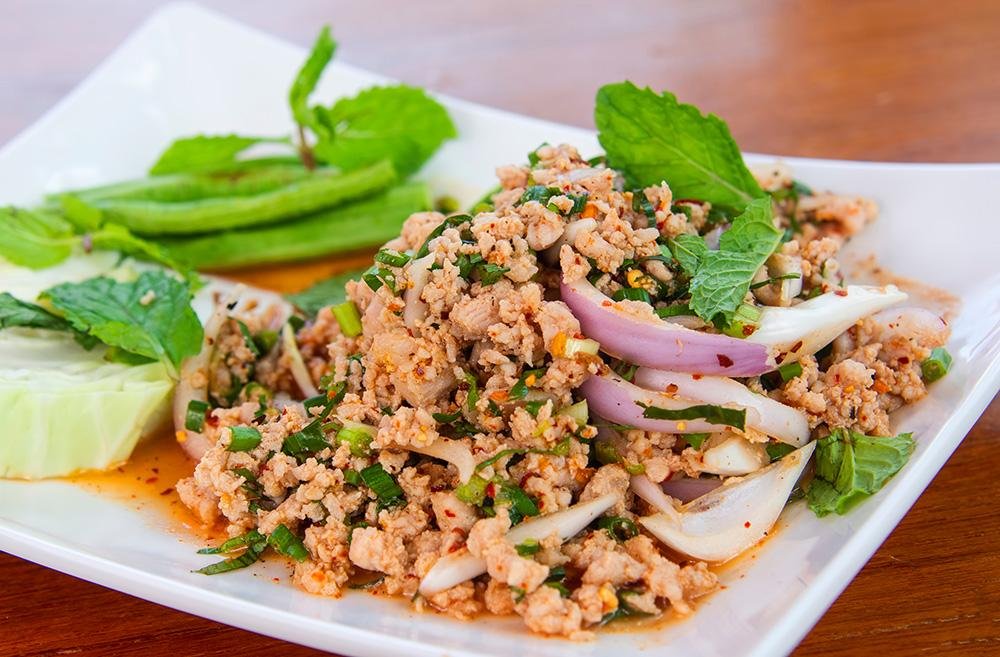
- Laab , minced meat salad with herbs and spices.
- Gai Yang, grilled chicken.
- Nam Tok, meat salad.
- Sticky rice or glutinous rice.
The Som Tam is probably one of the best examples of this philosophy: green papaya, lime, chili, sugar, fish sauce and other ingredients combine to create a fresh, sour, salty and spicy dish.



Gastronomy of central Thailand
The center’s cuisine is probably the one that is most represented internationally.
Bangkok is located here and its enormous gastronomic diversity brings together traditional preparations, street food, markets, modern restaurants and cuisines from different parts of the country.
In this region we find dishes like:
- Pad Thai.
- Tom Yum.
- Tom Kha Gai.
- Green Curry.
- Panang Curry.
- Khao Pad.
- Pad See Ew.
The agricultural abundance of the central plains has also historically favored the cultivation of rice and the availability of different ingredients.
Gastronomy of southern Thailand
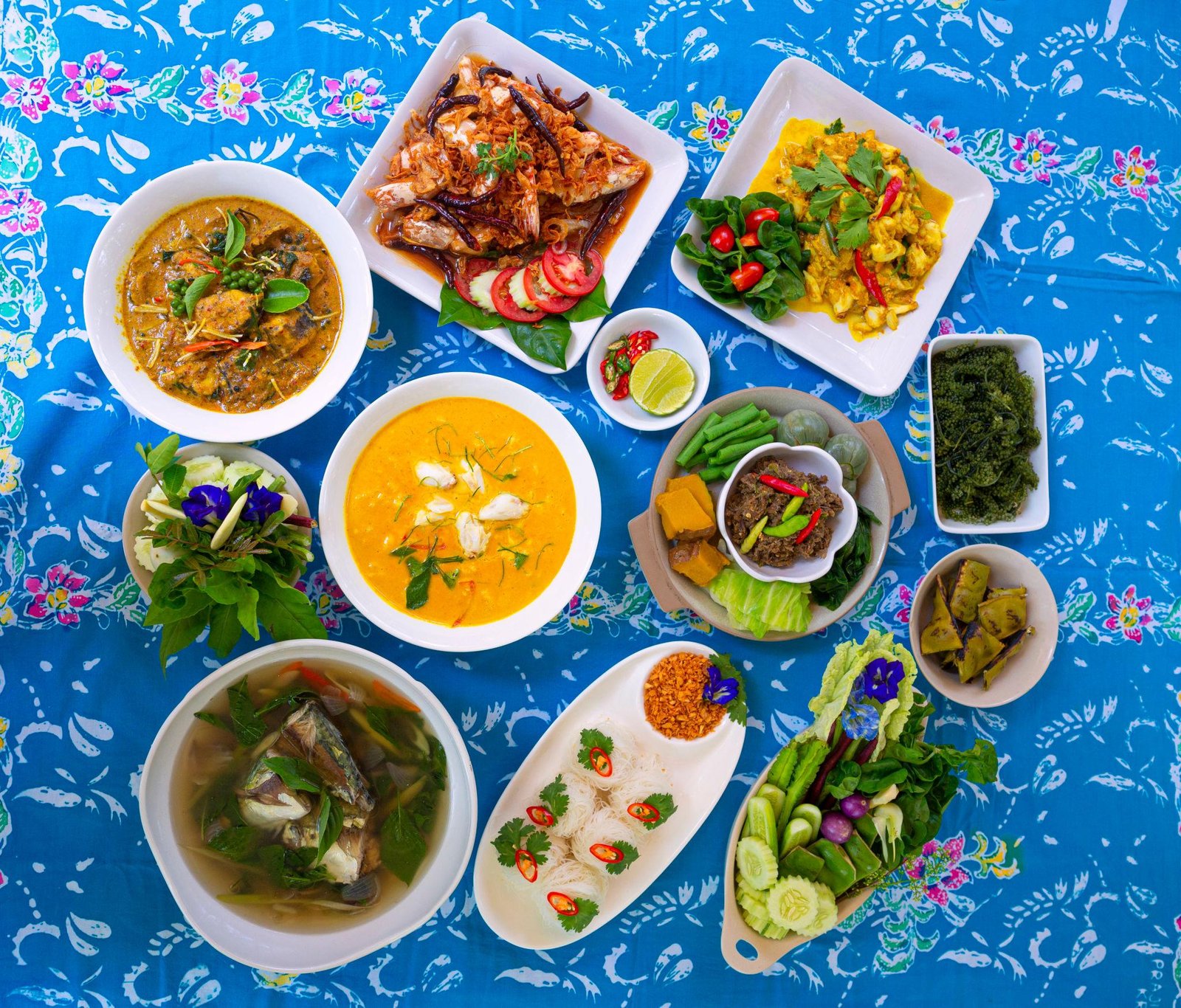
Southern cuisine tends to be richer and spicier, and features historical influences related to the Indian Ocean trade routes and surrounding cultures, including Indian and Malay influence.
Coconut, shellfish, fish and curry pastes have an important presence.
Preparations associated with the south include different curries and fish dishes, as well as local specialties that can be considerably spicier than those normally encountered by a visitor to Bangkok.



What are the typical dishes of Thailand?
Here we come to the part you’re probably looking for if you want to know what to eat in Thailand .
There are many regional dishes, but these are some of the most representative and easy to find.
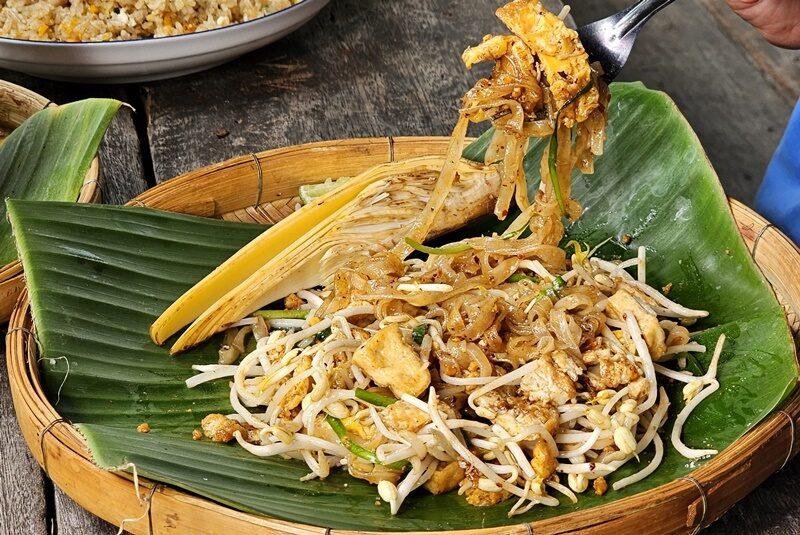
1. Pad Thai
Pad Thai is probably the most internationally known Thai dish.
It is prepared with stir-fried rice noodles and may incorporate egg, tofu, shrimp, chicken or other ingredients. It is usually accompanied with bean sprouts, peanuts, lime and different seasonings.
The interesting thing is that the dish allows you to adjust the flavor by combining sour, sweet, salty and spicy.


2. Tom Yum Goong
Tom Yum Goong is a spicy and sour soup traditionally prepared with prawns.
It usually incorporates lemongrass, galangal, kaffir lime leaves, chili, mushrooms and other aromatics.
It is one of those dishes that perfectly sums up the personality of Thai cuisine: sour, spicy, aromatic and salty at the same time.
3. Tom Kha Gai
The Tom Kha Gai is also a soup, but it has a different profile.
It is usually prepared with chicken, coconut milk, galangal, lemongrass, kaffir lime leaves and other aromatic ingredients.
The result is creamier than Tom Yum and is usually milder for those who are not yet used to the spice.
4. Som Tam
Som Tam is a green papaya salad originating from the northeastern gastronomic tradition.
Grated green papaya is mixed with chili, lime, tomato, peanuts, sugar and fish sauce, among other ingredients.
It is fresh, crisp, acidic and spicy. And yes: it can be quite spicy.
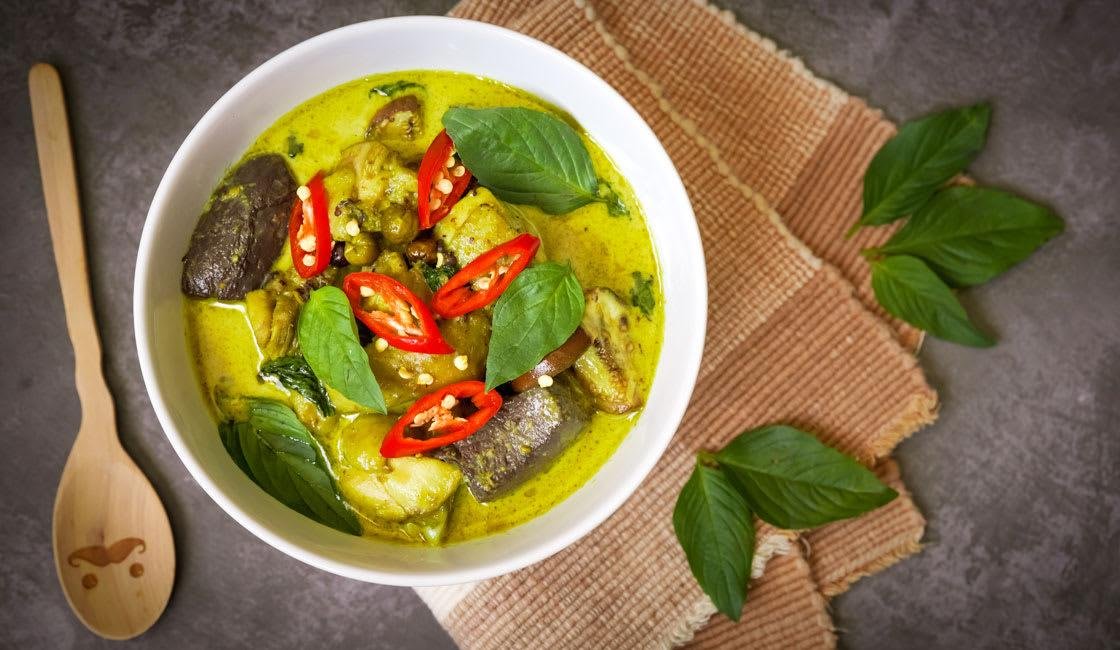
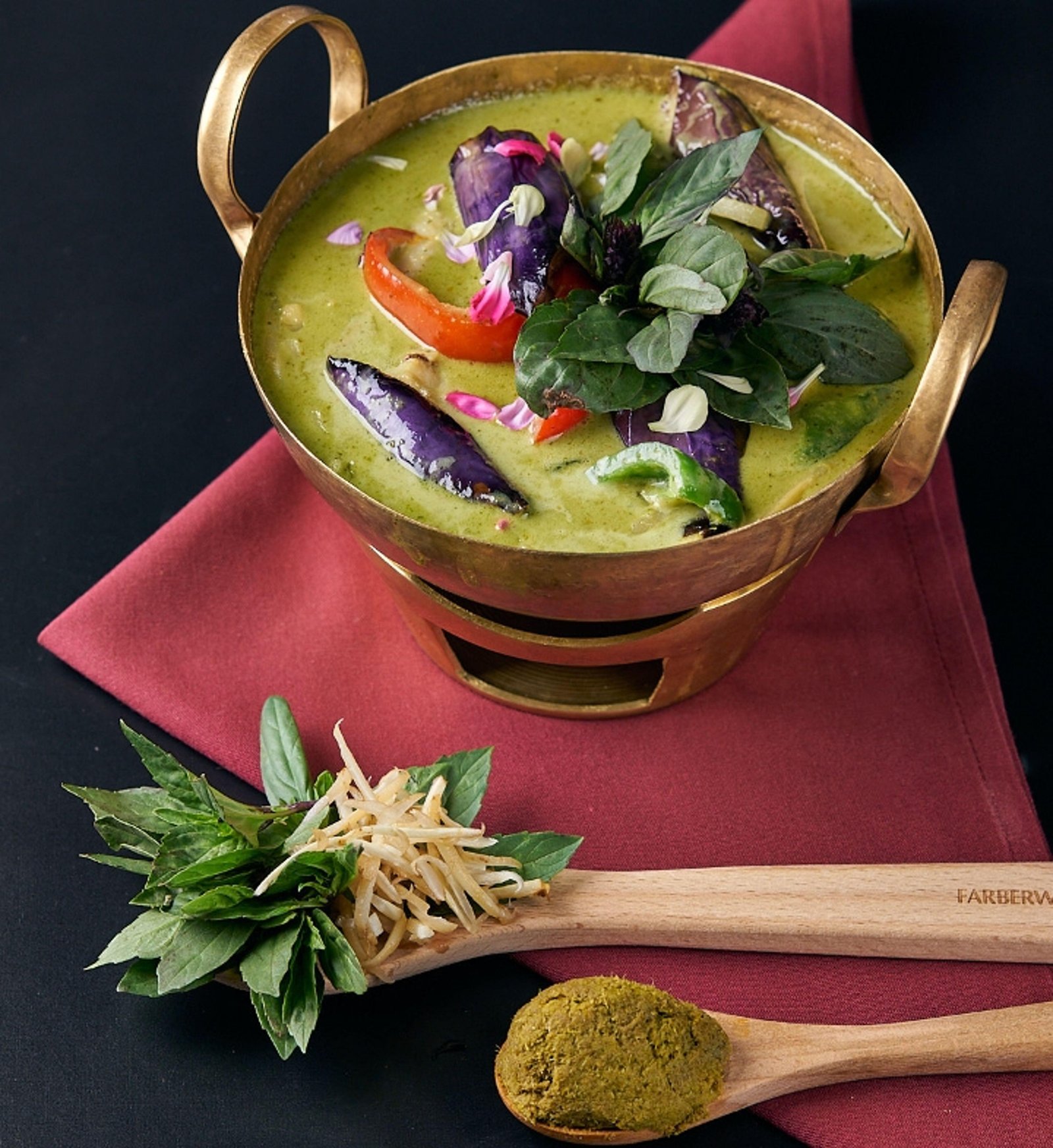
5. Green Curry
Thai green curry , known as Kaeng Khiao Wan , combines green curry paste, coconut milk, Thai eggplant, basil and other ingredients.
Although its color may make you think it will be mild, it can have quite a bit of chili.




6. Massaman Curry
The Massaman Curry is particularly interesting because it reflects the historical connections between different cultures.
It is a generally milder curry, with coconut milk, potato, peanuts and spices. It can be prepared with beef, chicken or other ingredients.
Its profile is usually sweeter and spicier than other Thai curries.
7. Panang Curry
Panang Curry is usually thicker than other curries and has a slightly sweet and creamy profile.
It is prepared with curry paste, coconut milk and usually meat or tofu, and is usually accompanied with jasmine rice.
8. Khao Pad
The Khao Pad is the classic Thai fried rice.
It can have chicken, pork, shrimp or vegetables and is usually accompanied with lime and other fresh ingredients.
It is a very practical option if you want to try Thai food but are not necessarily looking for an extremely spicy dish.
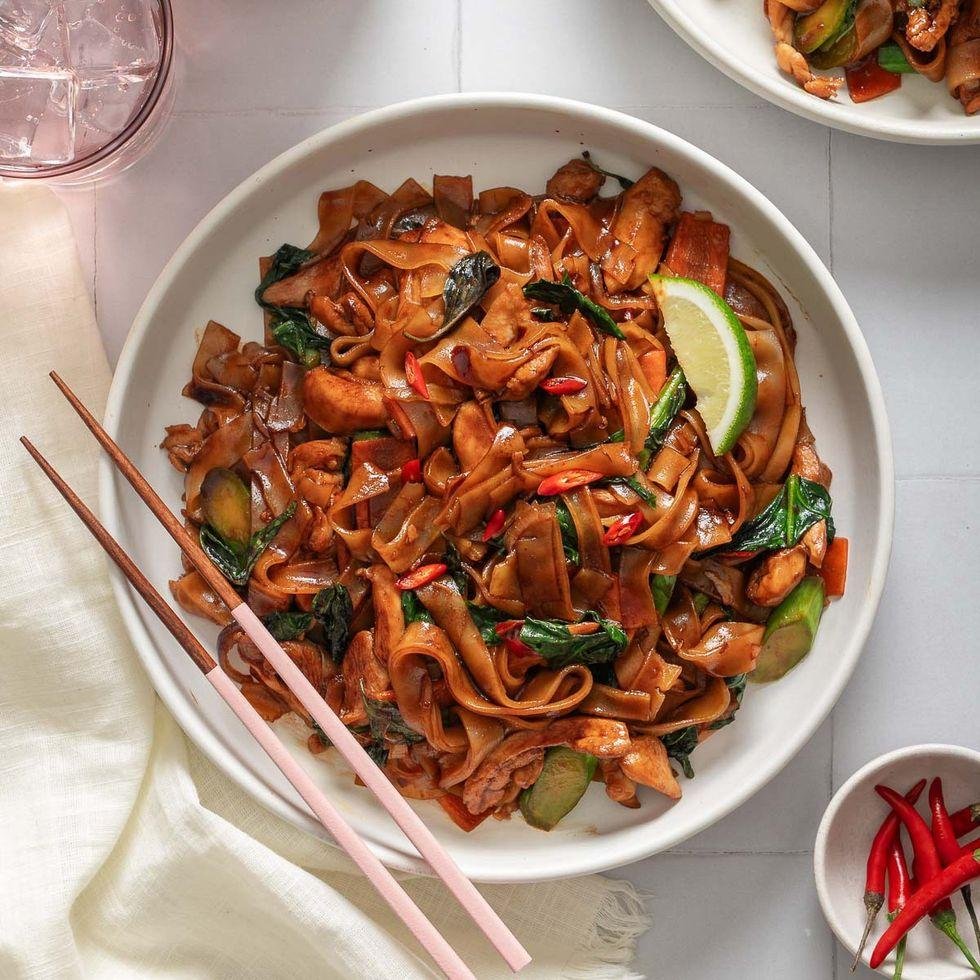
9. Pad See Ew
They are wide rice noodles stir-fried with ingredients such as egg, vegetables and soy sauce.
It has a darker and slightly sweeter flavor than Pad Thai and is usually quite accessible for those who are just starting to try Thai cuisine.
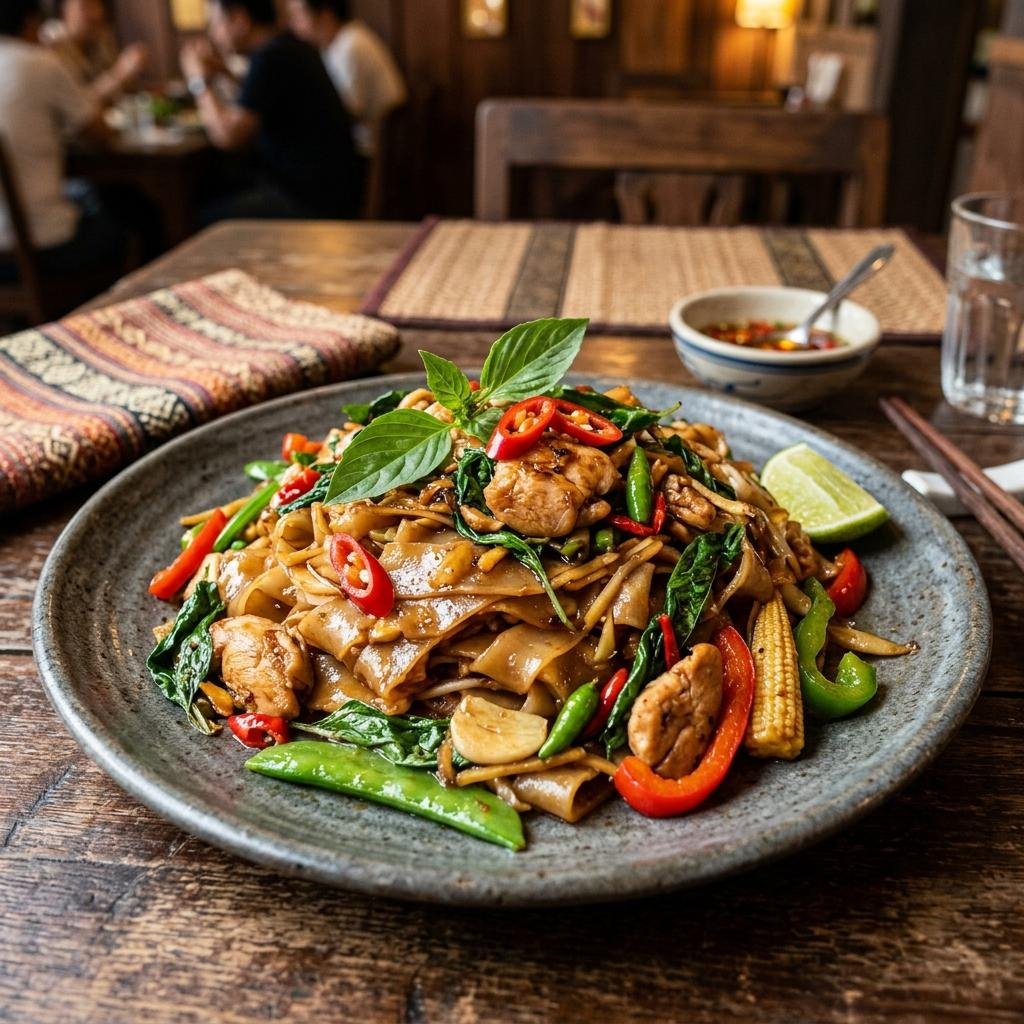
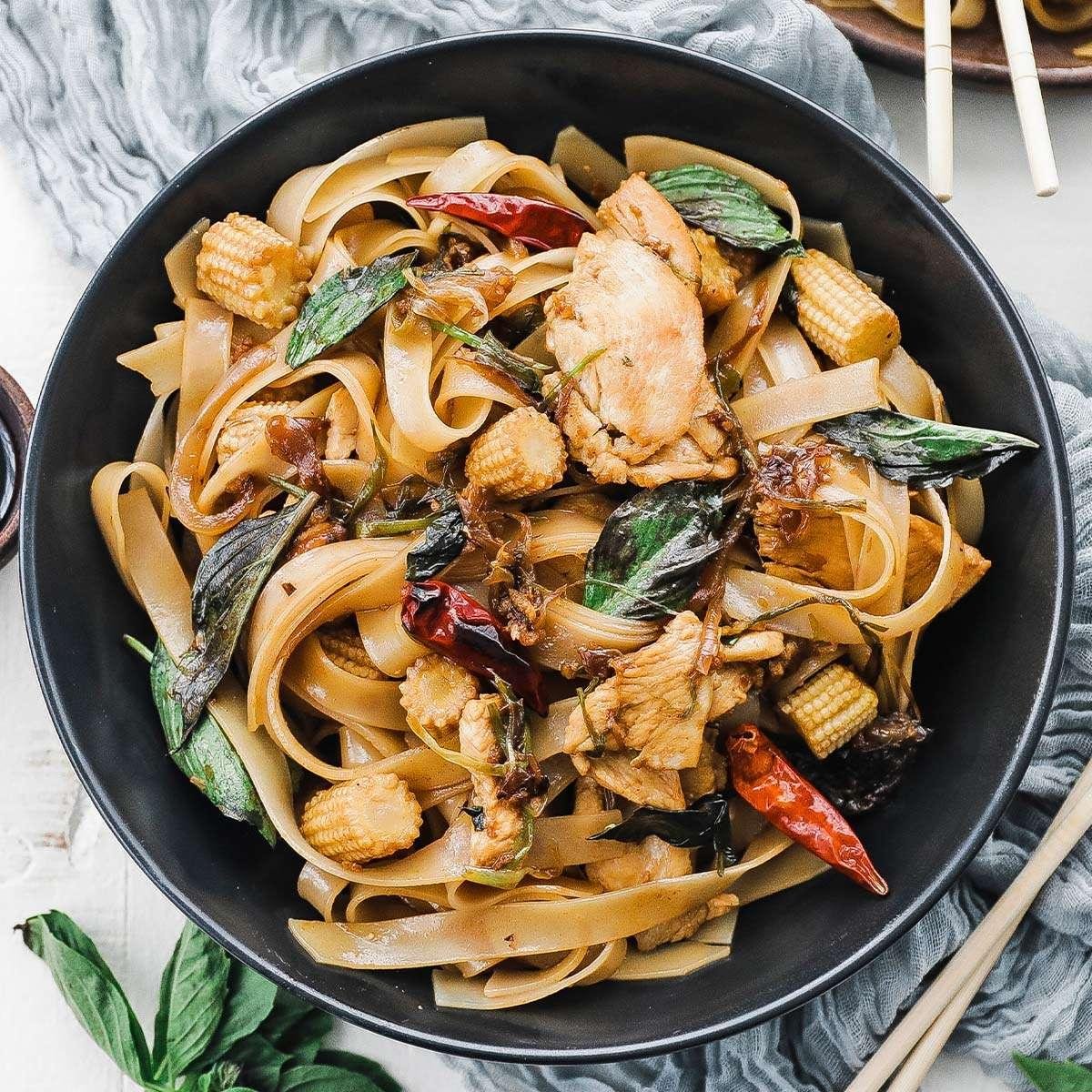
10. Pad Kee Mao
Popularly known as drunken noodles , it is a dish of noodles stir-fried with chili, Thai basil and other ingredients.
It’s much richer and spicier than a Pad See Ew.
11. Khao Soi
If you are traveling north, especially to Chiang Mai, I would put Khao Soi quite high on the list.
It is a noodle soup with curry and coconut milk, usually accompanied by meat and noodles of different textures.
It is one of those regional specialties that demonstrate why it is not advisable to stick only to the most internationally famous dishes.
12. Laab
Laab is a preparation especially associated with Isaan.
It can be made with minced pork, chicken, duck or other meats and combines fresh herbs, lime, chili, fish sauce and ground toasted rice.
The result is intense, aromatic and usually quite spicy.



Street food in Thailand
You can’t talk about Thai gastronomy without talking about street food .
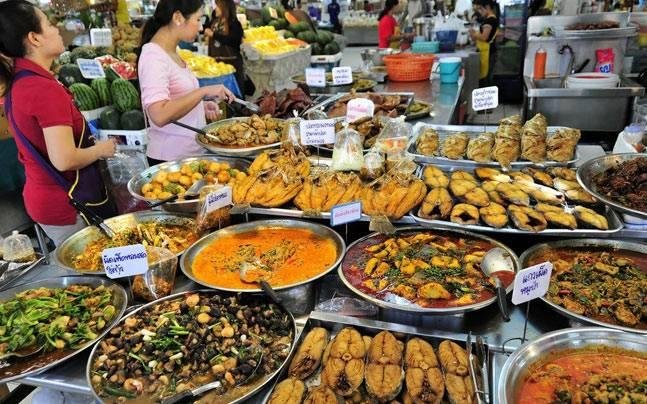
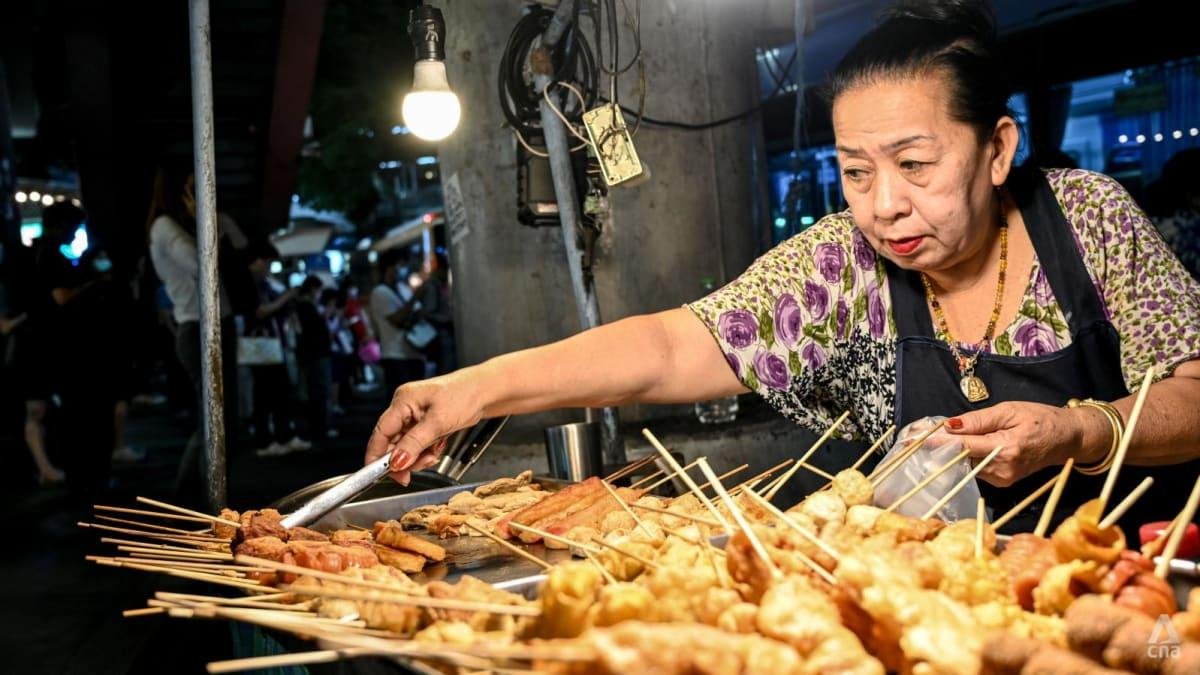
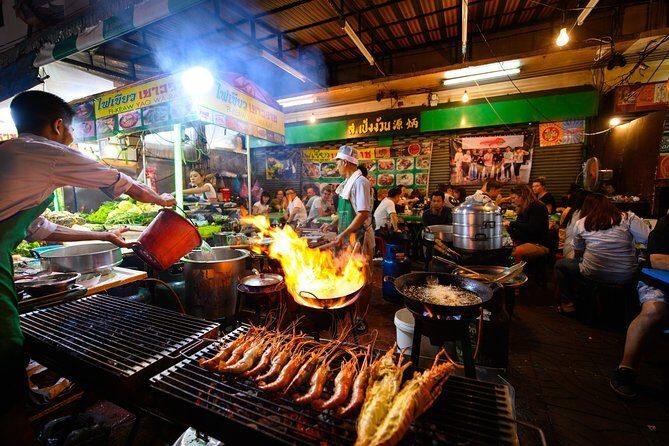
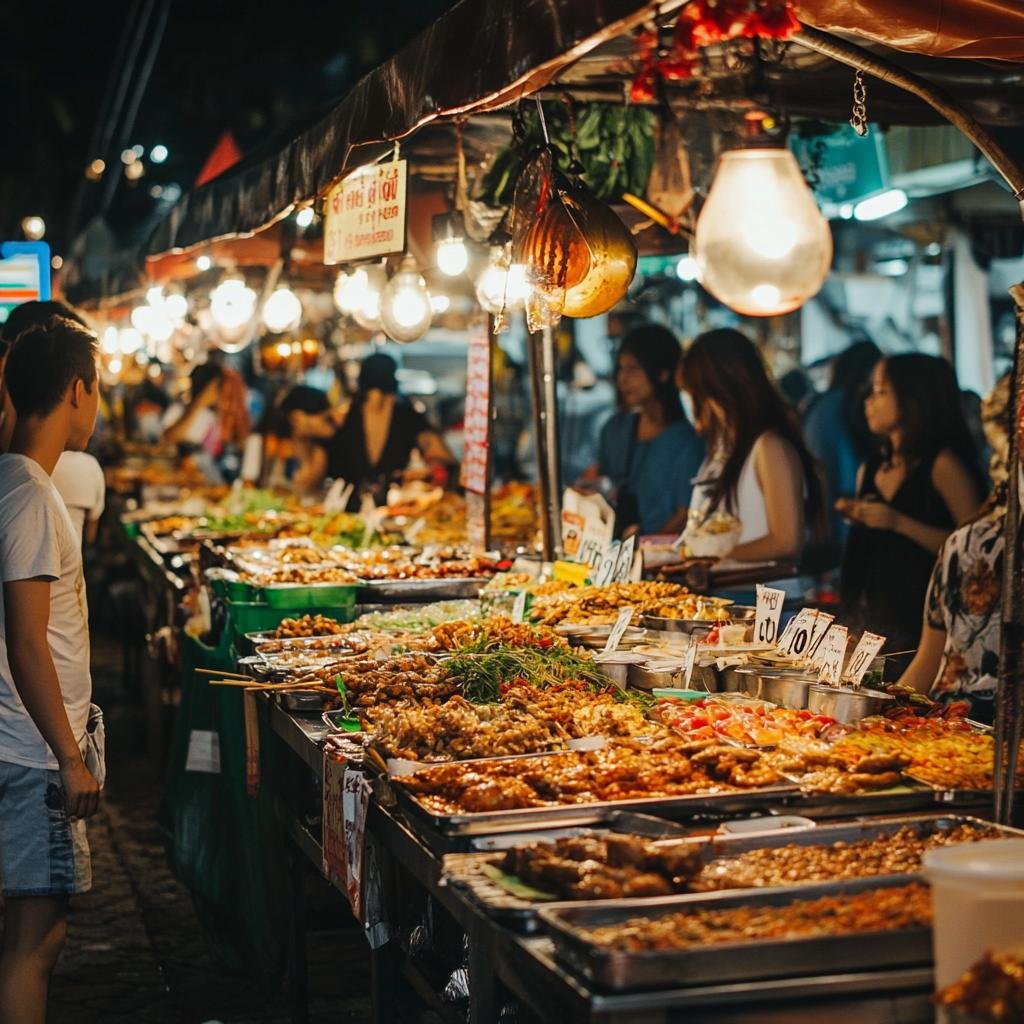
Street food is part of the country’s gastronomic experience. In cities like Bangkok it is possible to find stalls where noodles, skewers, soups, rice, seafood, fruits, desserts and drinks are prepared practically all day long.
For me, this is one of the most interesting parts of Thai cooking because it allows you to see the process: the wok on the fire, the fresh herbs, the seasonings, the skewers on the grill and the dishes prepared in front of the customer.
Markets and street stalls also appear as recommended places to discover local cuisine in specialized guides.



What street food to try?
Some interesting options are:
- Grilled chicken or pork skewers.
- Pad Thai prepared to order.
- Pad See Ew.
- Kuay Tiew, noodle soups.
- Som Size.
- Khao Pad.
- Sweet roti.
- Mango Sticky Rice.
- Cut tropical fruits.
- Different types of curry.
- Sai Krok Isaan and other regional sausages.
It is not necessary to always look for the most touristy position. A good sign is usually finding constant movement and local customers, although this is no substitute for basic hygiene precautions.
Food and gastronomic markets in Thailand
Markets are another fundamental setting to understand Thai food.
In them you can find fresh ingredients, fruits, fish, seafood, curries, noodles, sweets and prepared meals.
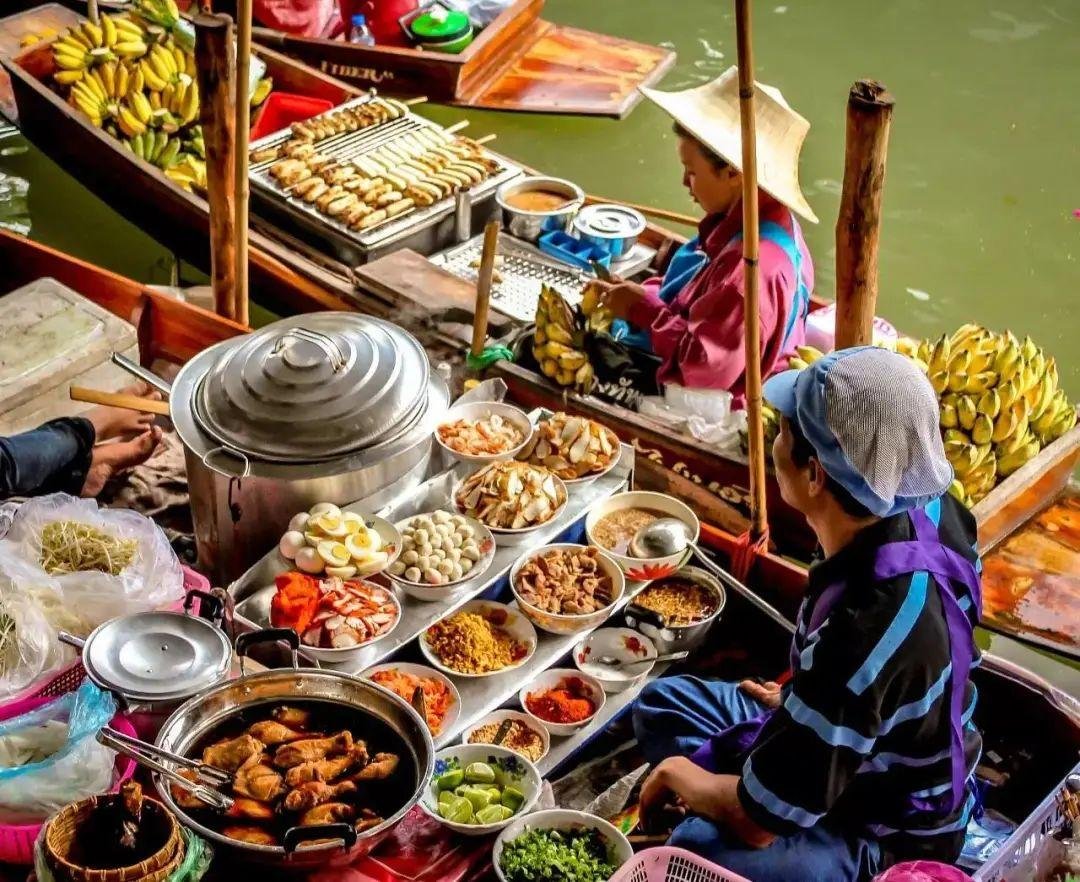
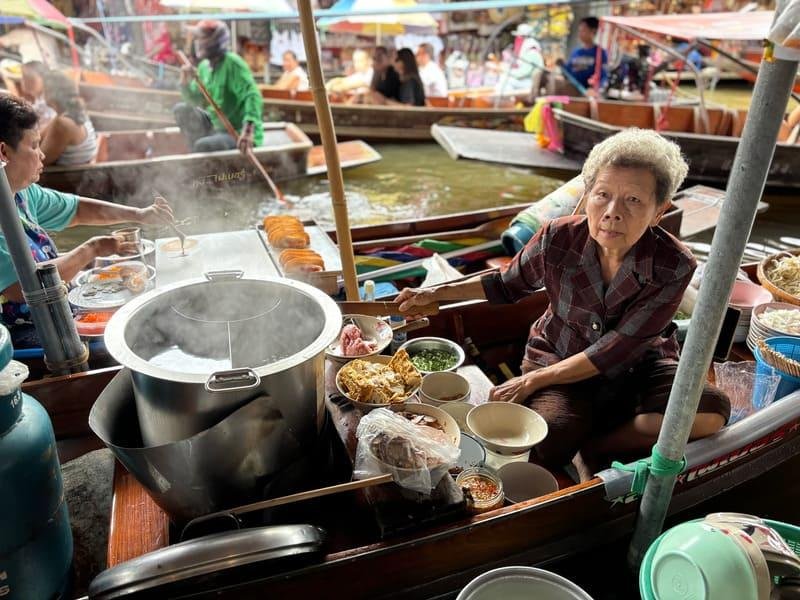
Floating markets, for example, add a particular dimension to the experience because some of the food is prepared and sold from small boats.


Typical Thai desserts
Thai cuisine doesn’t end with savory dishes either.
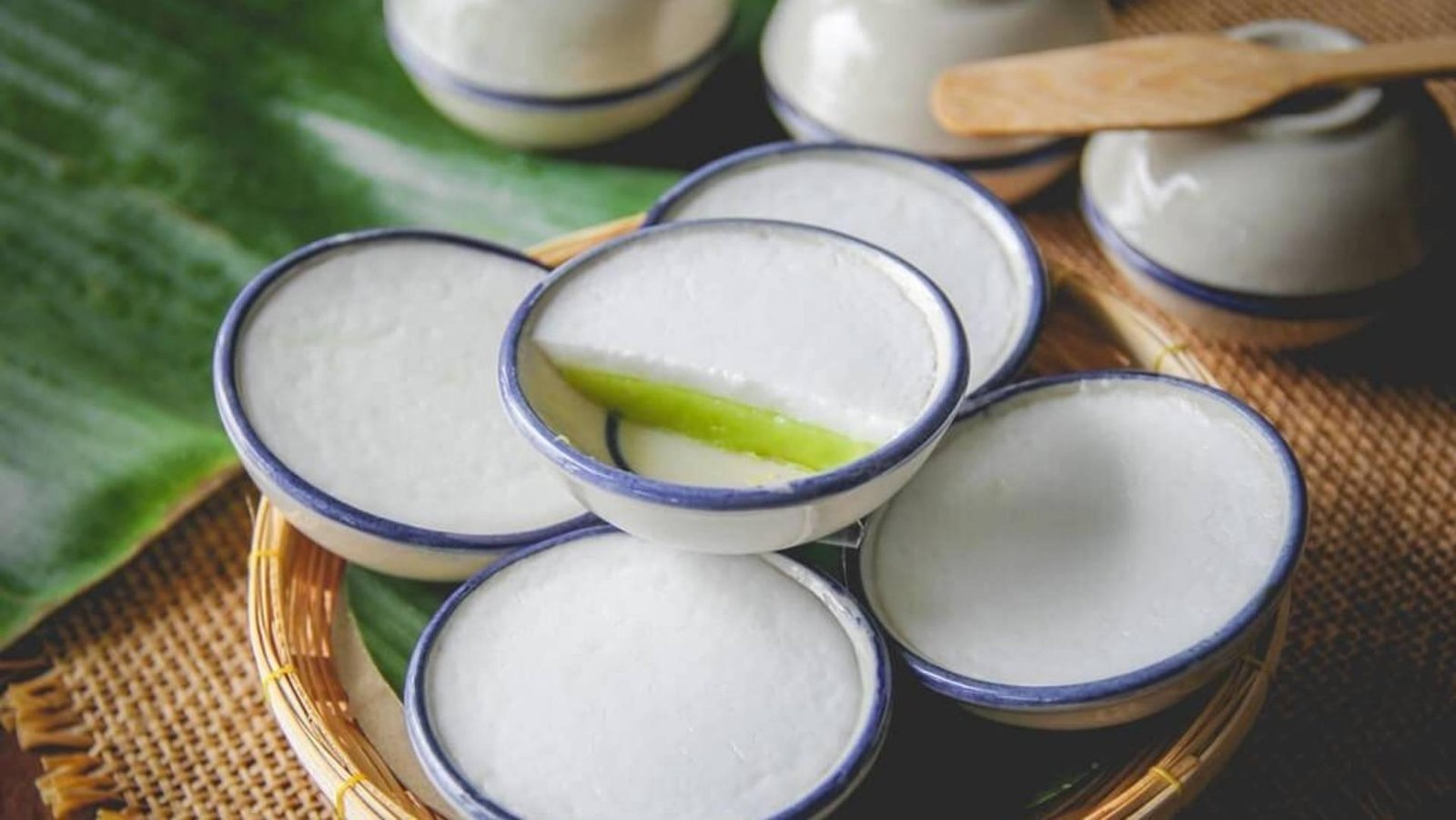
Desserts often use ingredients such as glutinous rice, coconut, palm sugar, tropical fruits and different flours.
Mango Sticky Rice
Khao Niew Mamuang , known internationally as Mango Sticky Rice, is probably the most famous Thai dessert.
Combines glutinous rice, coconut milk and ripe mango. It’s simple, but that’s precisely why it works so well.
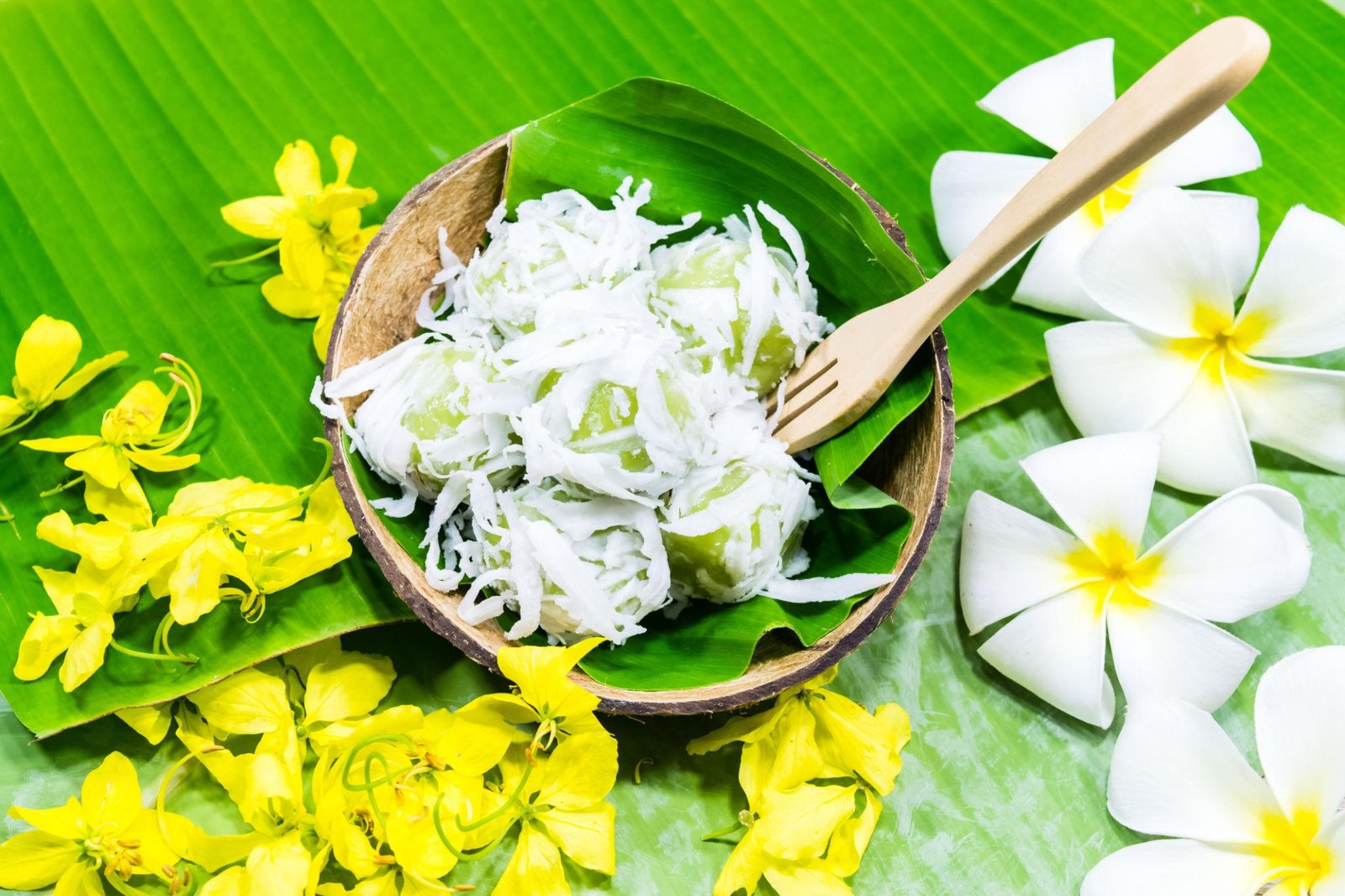
Khanom
There is a huge variety of traditional Thai sweets grouped under different names and preparations. Some stand out for their colors, shapes and delicate presentation.
Sweet roti
Roti prepared at street stalls can become a dessert or snack, especially when accompanied with banana, condensed milk, sugar or other ingredients.
Cendol and desserts with ice
In Southeast Asia, different refreshing preparations with ice, coconut, fruits, jellies and other ingredients are common.





Typical fruits of Thailand
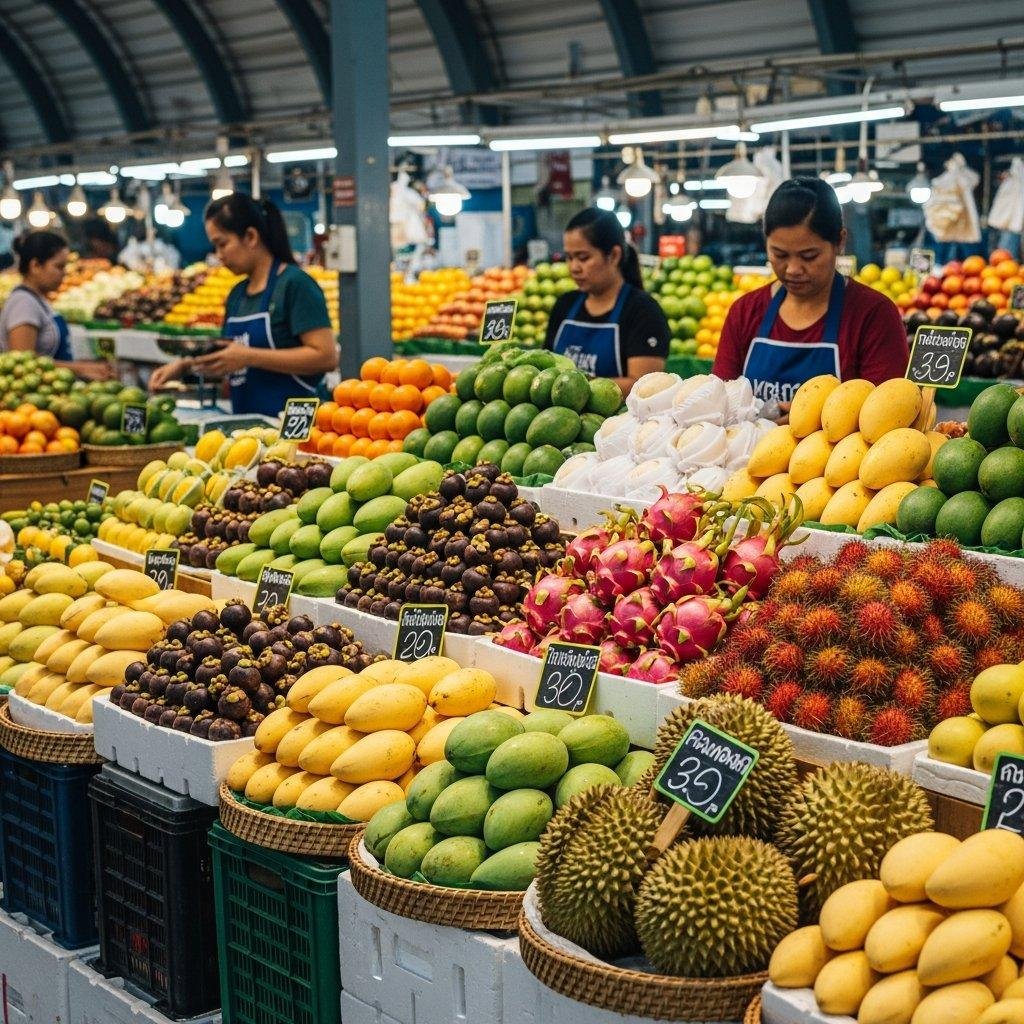
One part that is sometimes forgotten when talking about Thai food is the fruit.
Thailand has a huge variety of tropical fruits and many are sold directly in markets and street stalls.
Among the best known are:
- Handle.
- Mangosteen.
- Rambutan.
- Lychee.
- Pineapple.
- Watermelon.
- Papaya.
- Coconut.
- Durian.
The mangosteen deserves special attention for its sweet and refreshing pulp, while the durian has an extremely intense smell and generates very divided opinions.



Typical Thai drinks
Thai gastronomy also has a very interesting liquid part.
Thai Iced Tea
Cha Yen is a Thai tea served cold and usually accompanied by milk and sugar. Its orange color is very characteristic.
Hot Tea
Tea is also consumed hot, especially as part of breakfast and in different everyday contexts.
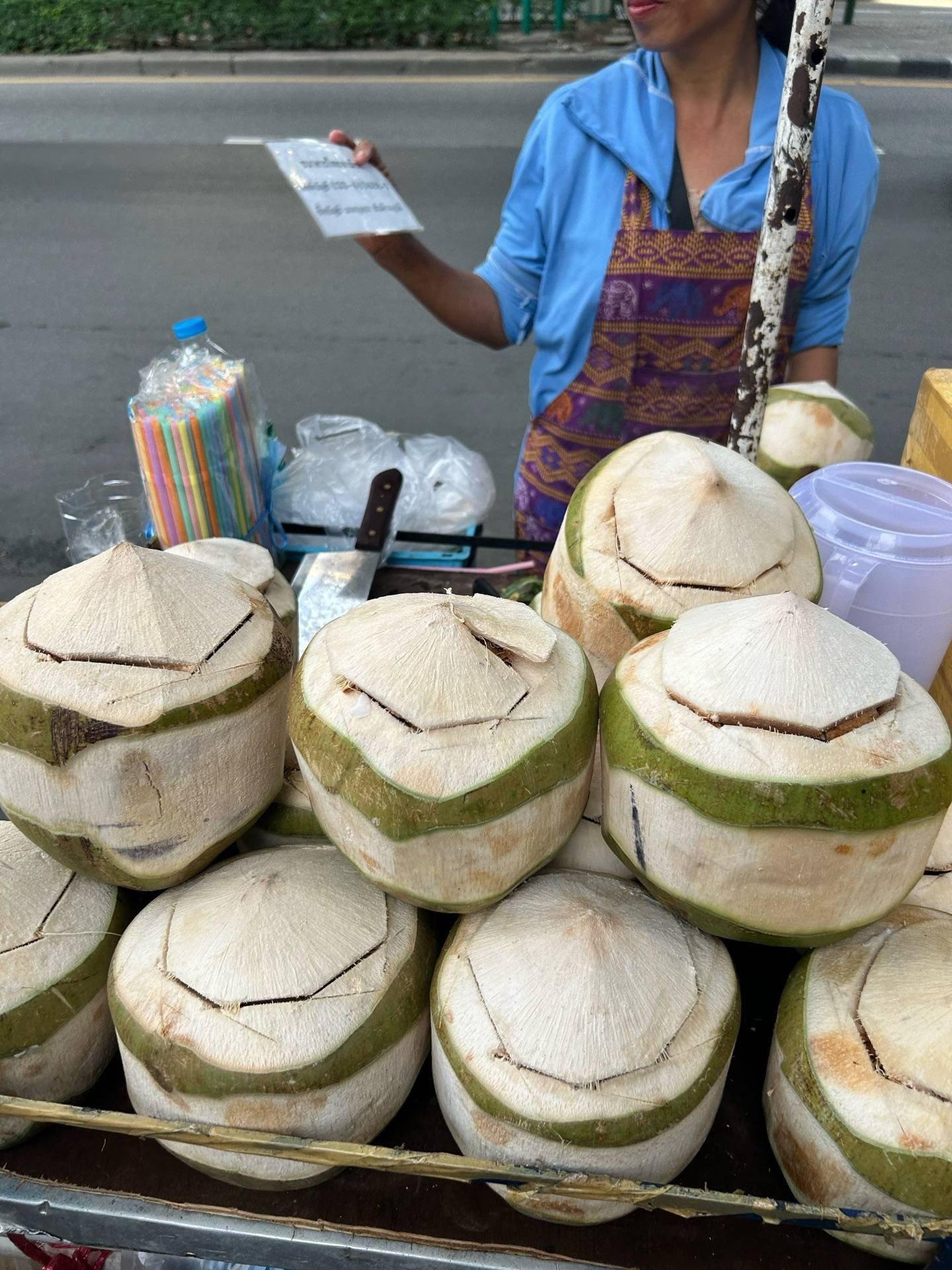
Coconut water
Coconut water is a very common natural drink in tropical areas and markets.
Thai Coffee
Coffee is also part of the country’s contemporary gastronomic culture and can be found in both traditional stalls and modern cafes.
Fruit drinks
Tropical fruit juices and smoothies are very common, especially in markets and tourist areas.


How do you eat in Thailand?
Food can be presented in very different ways depending on the location, the type of restaurant and the region.
At a shared meal it is common to place several plates in the center of the table so that each person can help themselves.
Rice often works as an accompaniment and the different dishes provide flavors, textures and proteins.
It is also very common to eat in simple stalls, local restaurants or markets, especially when we talk about everyday meals.
One thing that seems fundamental to me when analyzing the gastronomy of Thailand is not to separate it from everyday life. Food is not confined to specialized restaurants: it is on the streets, in the markets, in homes and in small neighborhood establishments.
Is Thai food too spicy?
Not necessarily.
There are extremely spicy dishes, especially some southern and northeastern preparations, but there are also many mild options.
If you don’t tolerate spiciness well, you can ask before ordering and request a preparation with less chili.
Some relatively affordable dishes to start with are:
- Khao Pad.
- Pad See Ew.
- Pad Thai.
- Tom Kha Gai.
- Some mild curries.
- Mango Sticky Rice.
- Sweet roti.
Mind you, I wouldn’t assume that a dish will be soft just because it looks seemingly harmless. In Thailand, chili can appear where you least expect it.
Is it easy to eat vegetarian or vegan in Thailand?
The variety of vegetables, tofu, rice, noodles, fruits and different preparations allows you to find vegetarian and vegan options.
However, you have to pay attention to the seasonings. Fish sauce and other ingredients of animal origin can appear even in dishes that visually appear vegetarian.
Therefore, if you follow a strictly vegetarian or vegan diet, it is advisable to communicate this clearly before ordering.
Does Thai cuisine have influences from other countries?
Yes. And this is another point that explains its wealth.
Thai cuisine has developed in contact with other Southeast Asian cultures and has also received influences from India, China and other culinary traditions.
The result is not a cuisine that has simply copied foreign dishes, but rather a tradition of its own that incorporated external techniques, ingredients and flavors and adapted them to its context.
The Massaman Curry is a good example of that history of cultural exchanges.
What to order if it’s your first time eating Thai food?
If you’re just starting out and want to build a sort of introductory menu, I would do it like this:
For something familiar: Pad Thai.
To experiment with flavors: Tom Yum.
For something creamy: Green Curry or Panang Curry.
To discover the northeast: Som Tam o Laab.
To discover the north: Khao Soi.
For something simple: Khao Pad.
To finish: Mango Sticky Rice.
This way you can try very different profiles without turning the first meal into a chili resistance competition.


Frequently Asked Questions (FAQs)
What is the most typical dish in Thailand?
Pad Thai is probably the most internationally known Thai dish, but there is no single dish that represents all of the country’s cuisine. Tom Yum, Som Tam, Green Curry, Khao Soi and Massaman Curry are also essential to understand it.
What characterizes Thai gastronomy?
Mainly the balance between sweet, salty, sour, bitter and spicy flavors, in addition to the use of aromatic herbs, chilis, rice, noodles, coconut milk, sauces and fresh products.
What do you eat the most in Thailand?
Rice is one of the basic foods, accompanied by curries, stir-fries, soups, vegetables, meats, fish and other ingredients. Noodles also have a huge presence in everyday food.
Does Thai food always have spice?
No. Some dishes are very spicy, but others may be mild. The level of chili depends on the dish, region and preparation.
What is the most famous dessert in Thailand?
Mango Sticky Rice or Khao Niew Mamuang, prepared with glutinous rice, coconut milk and ripe mango, is one of the best-known Thai desserts.
What do you eat in northern Thailand?
Northern cuisine stands out for dishes such as Khao Soi, Sai Ua, Nam Prik Ong, Nam Prik Noom and different preparations with glutinous rice.
What food is typical of Isaan?
Northeastern Thailand is known for dishes such as Som Tam, Laab and Gai Yang, as well as cuisine with intense flavours, chili and fermented products.
What food is typical of southern Thailand?
Southern cuisine tends to be especially intense and spicy, with a strong presence of curries, fish, seafood, coconut and different spices. It also reflects historical influences from India and Malaysia.
Where can you try Thai cuisine?
Local markets, street stalls, family restaurants and night markets are great places to learn about different dishes. Bangkok, Chiang Mai, Phuket, Krabi and other tourist areas also offer a huge gastronomic variety.
What Thai food should I try first?
If you have never tried this cuisine, I would start with Pad Thai, Khao Pad or Pad See Ew and then move on to Tom Yum, Green Curry, Som Tam and Khao Soi. This way you can progressively discover the flavors and the level of spiciness.
The best way to understand the cuisine of Thailand is not to limit yourself to just the three or four dishes that appear in any international restaurant. The real interest is in discovering how the food changes when you go from Bangkok to the north, from the north to Isaan or from there to the southern provinces.
And that’s where Thai cuisine gets really interesting: rice, noodles, herbs, curries, chili, coconut, fish, meats, fruits and sauces may seem like simple ingredients separately, but together they build one of Asia’s most recognizable culinary traditions.