
When I think about the gastronomy of Vietnam , the first thing that comes to mind is a cuisine that achieves something quite difficult: being intense without being heavy. There are aromatic broths, fresh herbs, rice, noodles, crunchy vegetables, marinated meats, fish, sauces and a very intelligent use of contrasts.
The deeper I look into Vietnamese food, the more it becomes clear to me that it cannot simply be summed up in a plate of phở . The cuisine of Vietnam changes a lot from one region to another and has a very close relationship with the climate, history, products available and the cultural influences that the country has received.
Furthermore, there is something that I find especially interesting: many dishes combine sweet, salty, sour, spicy and umami flavors in the same bite. This search for balance is one of the characteristics that best defines Vietnamese cuisine.
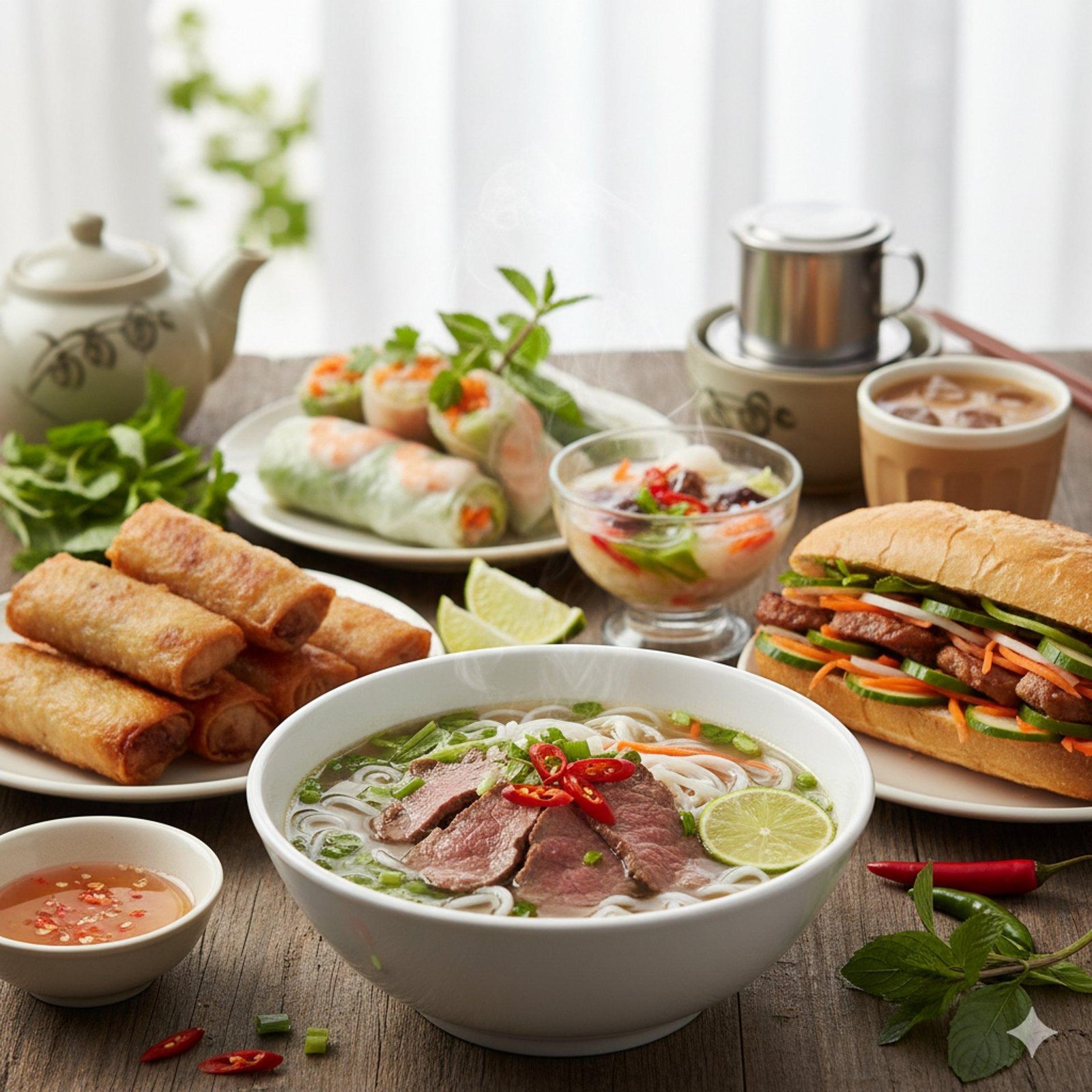


What is the gastronomy of Vietnam like?
Vietnamese cuisine is characterized by using a large amount of fresh ingredients, aromatic herbs, vegetables, rice and rice noodles. Unlike other Asian cuisines that can rely much more on oil or extremely spicy flavors, in Vietnam it is common to look for balance and freshness.
Among the most common ingredients and condiments we find:
- Rice.
- Rice noodles.
- Fish sauce or nước mắm .
- Soy sauce.
- Hoisin sauce.
- Lemon grass or citronella.
- Ginger.
- Lima.
- Coriander.
- Mint and Vietnamese herbs.
- Chile.
- Basil.
- Peanuts.
- Fish and seafood.
- Pig.
- Chicken.
- Veal.
- Tofu.
The presence of fresh herbs is especially important. Many times they are not used simply as decoration, but as a fundamental part of the dish. A bowl of noodles can arrive accompanied by a good handful of herbs, sprouts and vegetables that the diner himself incorporates according to his taste.
And here is one of the keys that I like to highlight the most when I talk about this cuisine: rice appears practically everywhere . It can be served as rice itself, turned into noodles, used to make dough or even be part of the sheets with which some dishes are wrapped.
The flavors of Vietnamese food
Traditional Vietnamese cuisine pays a lot of attention to the balance between different flavors. We usually talk about five fundamental flavors: sweet, salty, sour, bitter and spicy.
That explains why a seemingly simple dish can have so much depth.
For example, you can find:
- The acidity of the lime.
- The sweetness of certain ingredients or sauces.
- The salty, umami flavor of fish sauce.
- The spiciness of chili.
- The freshness of mint and cilantro.
- The aroma of lemon grass.
- Roasting of meats and peanuts.
It seems to me that this is precisely the charm of Vietnamese gastronomy: does not depend on a single main ingredient , but on how they all work together.
The three great regions of Vietnam’s gastronomy
One of the most common mistakes when talking about Vietnamese food is imagining that the entire country cooks exactly the same.
Vietnam has quite marked culinary differences between the north , the center and the south .
Gastronomy of Northern Vietnam
Northern cuisine, especially that associated with Hanoi, tends to feature more balanced and less spicy flavors.
Here we find some of the best-known Vietnamese dishes, such as:
- Phở.
- Bún chả.
- Bánh cuốn.
- Good laugh.
- Different noodle soups.
- Preparations with meat and seafood.
The north is also of enormous importance in understanding the evolution of some of Vietnam’s most popular dishes. Several preparations born there later spread to other parts of the country.
Gastronomy of central Vietnam
The center’s cuisine has as one of its great references Huế , the former imperial capital.
It is a cuisine that can be especially elaborate, with careful preparations and an important gastronomic tradition. In this area dishes like:
appear- Bún bò Huế.
- Bánh bèo.
- Bánh nậm.
- Bánh bột lọc.
- Bánh xèo in different versions.
- Various seafood preparations.
When talking about food from central Vietnam, it is also worth remembering that Huế cuisine has a strong tradition linked to the former imperial court.
Gastronomy of southern Vietnam
In the south we find a cuisine that tends to be more open to sweet flavors and a greater use of certain ingredients and spices.
Ho Chi Minh City is especially interesting to discover this diversity, because in its streets you can find everything from traditional dishes to adaptations and specialties from different regions.
The cơm tấm , the bánh xèo, different types of noodles, soups, seafood and rice dishes are part of this enormous repertoire.
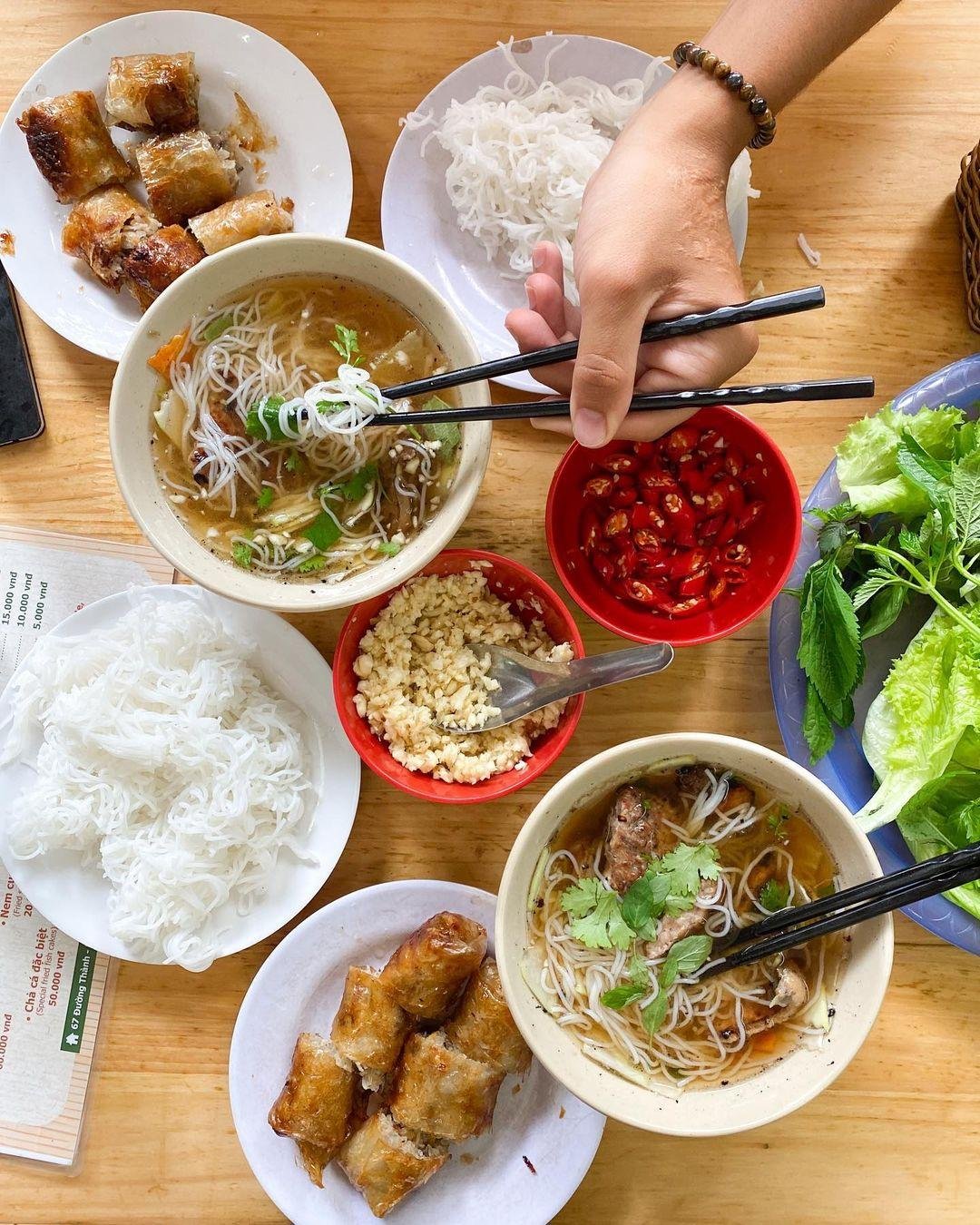


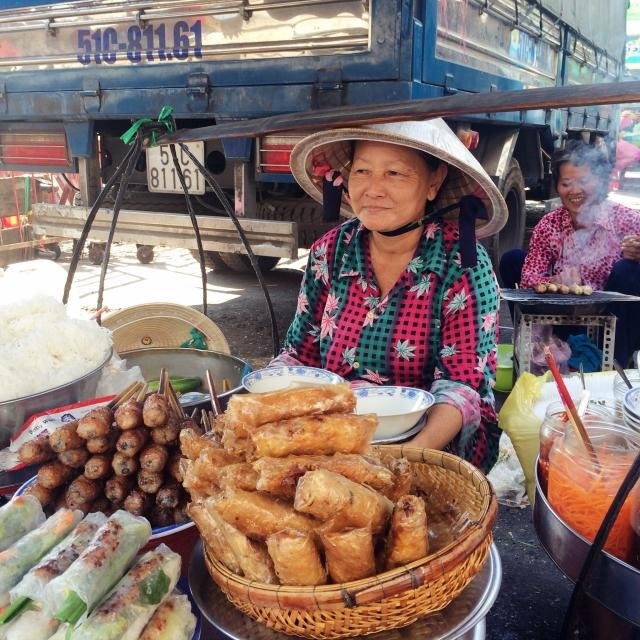

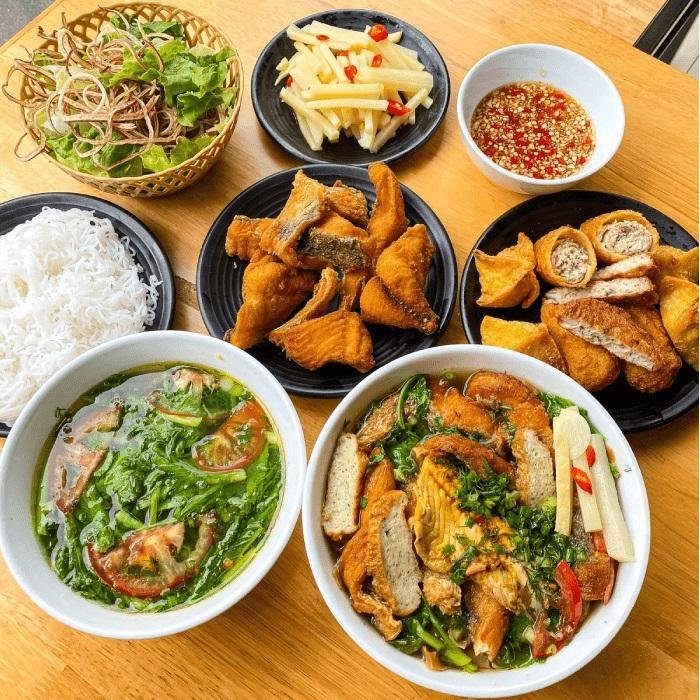
Typical Vietnamese dishes that you should know
If someone asks me what are the most representative dishes of typical Vietnamese food, I would start with these.
Phở
It is probably Vietnam’s most internationally known dish.
phở is a rice noodle soup usually accompanied by meat and an aromatic broth. There are different variants, but preparations with beef and chicken are especially well-known.
Broth is essential. It is not simply about putting noodles in hot water: a good part of the personality of the dish is precisely in the aromatic background and the ingredients that accompany it.
In Vietnam, phở is also traditionally associated with breakfast, although nowadays it can be consumed practically at any time.
Bún chả
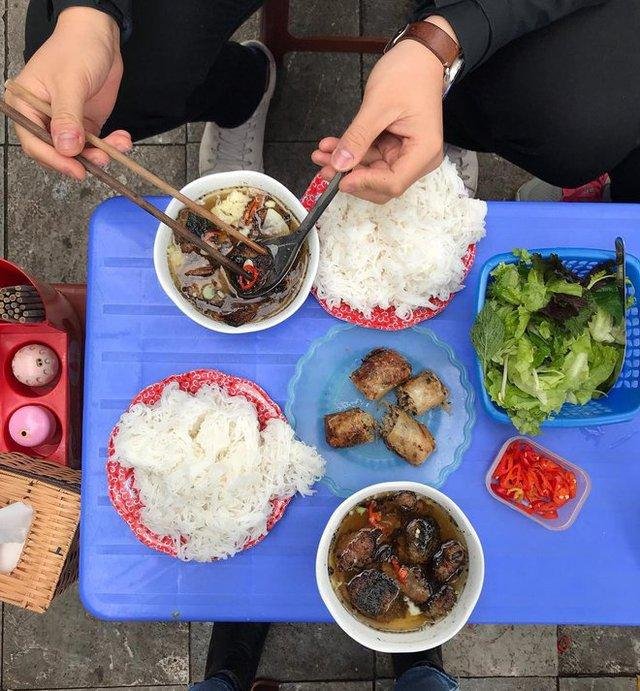
bún chả is one of the dishes that most clearly represents Hanoi cuisine.
Combines grilled pork with rice noodles, fresh herbs and a sauce in which sweet, salty and sour notes often appear.
The meat is cooked until it acquires that characteristic toasted aroma and then is combined with the other ingredients.




Bánh mì
bánh mì is one of the best examples of how different historical influences ended up integrating into Vietnamese cuisine.
It is a sandwich made with baguette-style bread and may include meats, pate, pickled vegetables, cucumber, cilantro, sauces and other ingredients.
The French influence is evident in the use of bread, but the end result is completely Vietnamese.
And I find that mixture particularly interesting: it is not simply a European snack transferred to Asia, but a preparation that evolved into one of the country’s most recognizable street foods.
Bánh xèo
bánh xèo is a kind of crispy crepe made mainly with rice flour.
Can be filled with ingredients such as:
- Prawns.
- Meat.
- Bean sprouts.
- Vegetables.
- Fresh herbs.
It is usually accompanied with different sauces and vegetables.
It is a dish that I especially recommend for those who want to try something different from noodle soups.
Cơm tấm
The cơm tấm is especially popular in southern Vietnam.
Its name refers to broken rice and is usually served accompanied by grilled pork, egg, pickled vegetables and other elements.
It is an apparently simple preparation, but it represents very well that everyday cuisine that often says more about a country than the dishes considered exclusively touristy.
Bún bò Huế
bún bò Huế comes from Huế and is another of the great Vietnamese soups.
It uses rice noodles and an intensely flavored broth, usually accompanied by meat and other ingredients.
If phở is probably the most famous Vietnamese soup outside the country, bún bò Huế shows that the Vietnamese repertoire of soups is much broader.
Gỏi cuốn
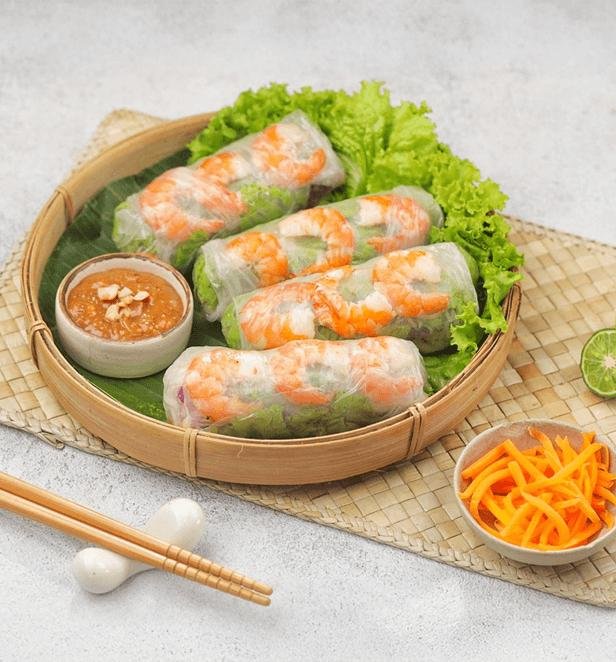
gỏi cuốn , commonly known as fresh Vietnamese rolls, are prepared with sheets of rice that wrap different ingredients.
May include:
- Prawns.
- Meat.
- Rice noodles.
- Lettuce.
- Aromatic herbs.
- Vegetables.
Unlike fried rolls, these are fresh and light.



Sauces: a fundamental part of Vietnamese cuisine
If I had to choose one item that constantly appears in Vietnamese cuisine, I would probably choose sauces .
The most important is nước mắm , a fermented fish sauce that is part of numerous preparations.
It can be used during the preparation of the dish or as part of a sauce to accompany it.
We also find:
- Soy sauce.
- Hoisin sauce.
- Chili sauces.
- Lime-based sauces.
- Preparations with garlic.
- Sauces with sugar and vinegar.
The idea is not to flood the plate with sauce. In many preparations, the sauce is intended to provide the missing point of flavor and balance the whole.
Herbs and vegetables: the secret of Vietnamese freshness
Here we find another of the great differences of Vietnamese cuisine.
Fresh herbs have a huge presence. Coriander, mint, basil and different local varieties appear alongside noodles, soups, meats and rolls.
Also common:
- Bean sprouts.
- Cucumber.
- Carrot.
- Lettuce.
- Onion.
- Green papaya.
- Lemongrass.
- Lima.
- Chile.
That’s why many dishes have a much fresher feel than one might imagine from just looking at photos of meats or soups.
The combination of hot noodles with crispy herbs and vegetables creates a very particular contrast.




Vietnamese street food
I can’t talk about the gastronomy of Vietnam without dwelling on street food.
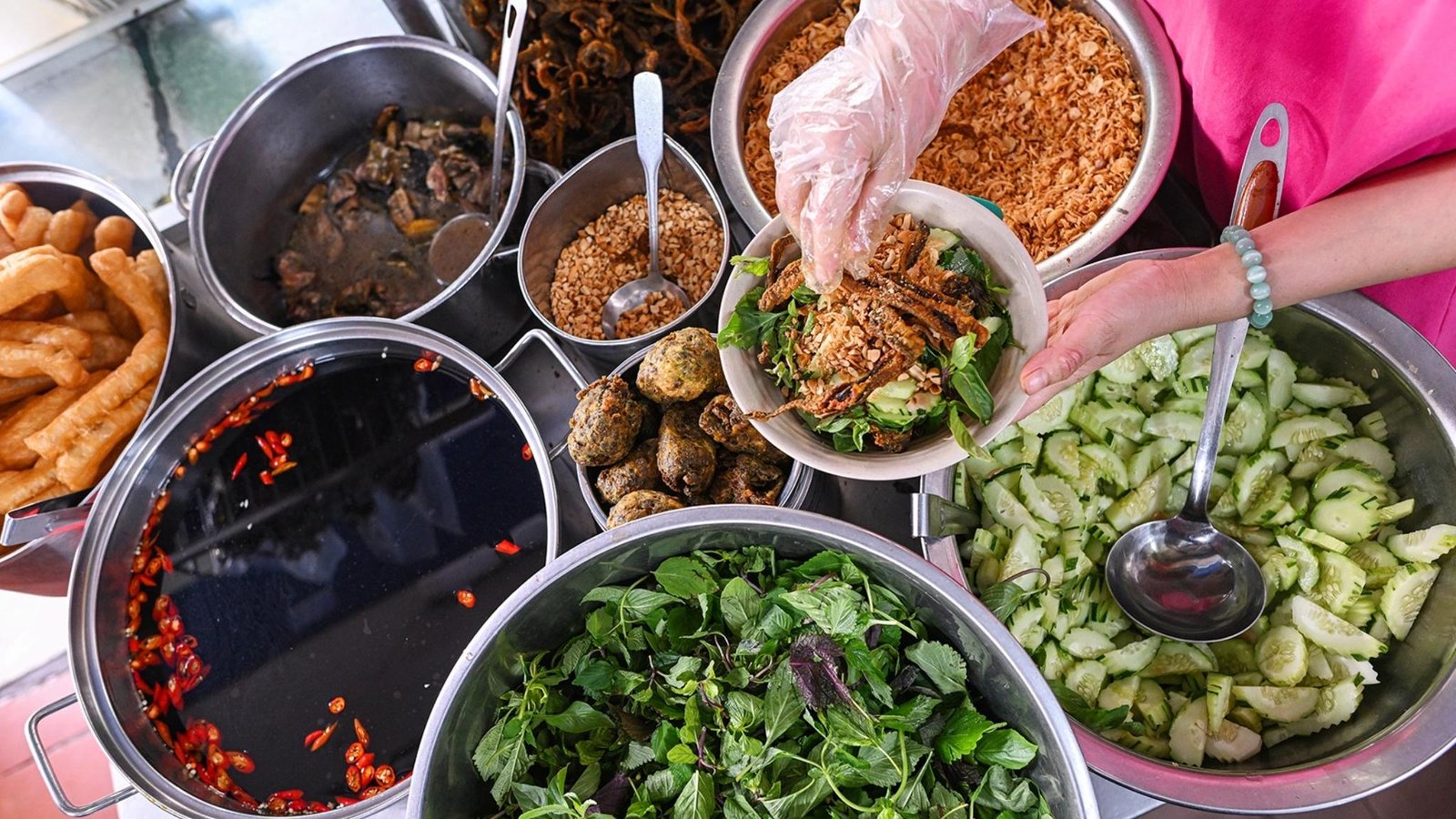
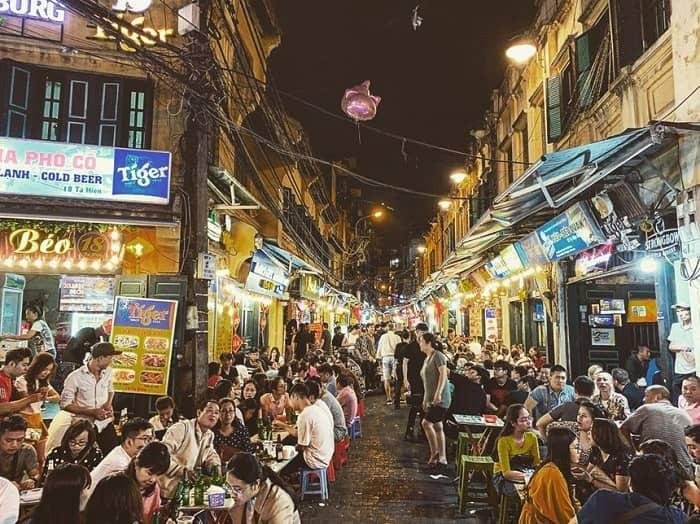
The culture of street food is fundamental and in cities like Hanoi and Ho Chi Minh City it is normal to find small establishments and stalls where the food is prepared practically in front of the customer.
You can find:
- Phở.
- Bún chả.
- Bánh mì.
- Bánh xèo.
- Fresh rolls.
- Skewers.
- Stir-fried noodles.
- Rice with different accompaniments.
- Soups.
- Sweets and desserts.
- Vietnamese coffee.
One of the most characteristic images of Vietnamese food is precisely that: small tables, low stools, large quantities of herbs and vegetables and a kitchen continuously operating in the middle of the street.
Nomad World also highlights the importance of street stalls and local restaurants to discover Vietnamese cuisine in a more authentic way.


Typical Vietnamese desserts
Although phở, bánh mì or bún chả almost always appear first when talking about Vietnam, the desserts also have quite a variety.
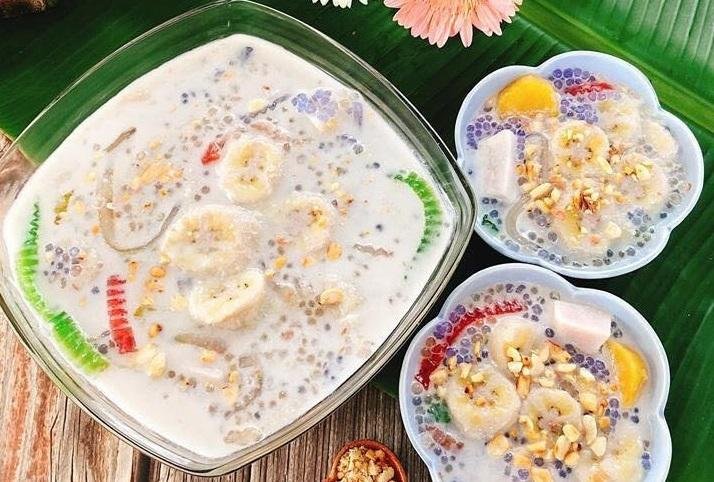
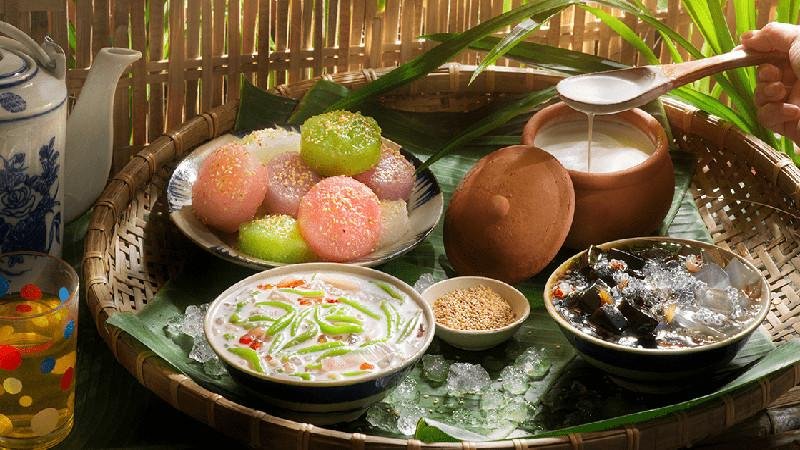
One of the best known is chè , a family of sweet preparations that can include ingredients such as:
- Coconut milk.
- Fruits.
- Jews.
- Seeds.
- Gelatin.
- Rice.
- Ice.
There are many varieties and hot or cold versions can be found.
Preparations with banana, coconut, peanuts and different tropical fruits are also common.
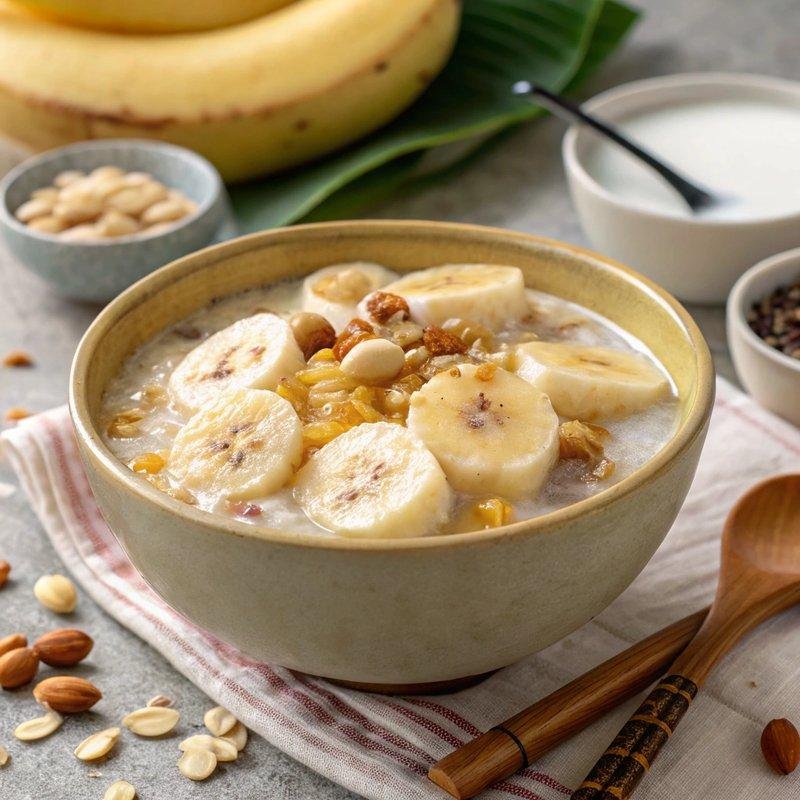
The chè chuối , for example, combines banana, coconut milk and peanuts and is a fairly simple example of the sweet flavors that appear in Vietnamese cuisine.



Vietnamese coffee: a gastronomic experience of its own
Another thing that deserves a separate section is the Vietnamese coffee .
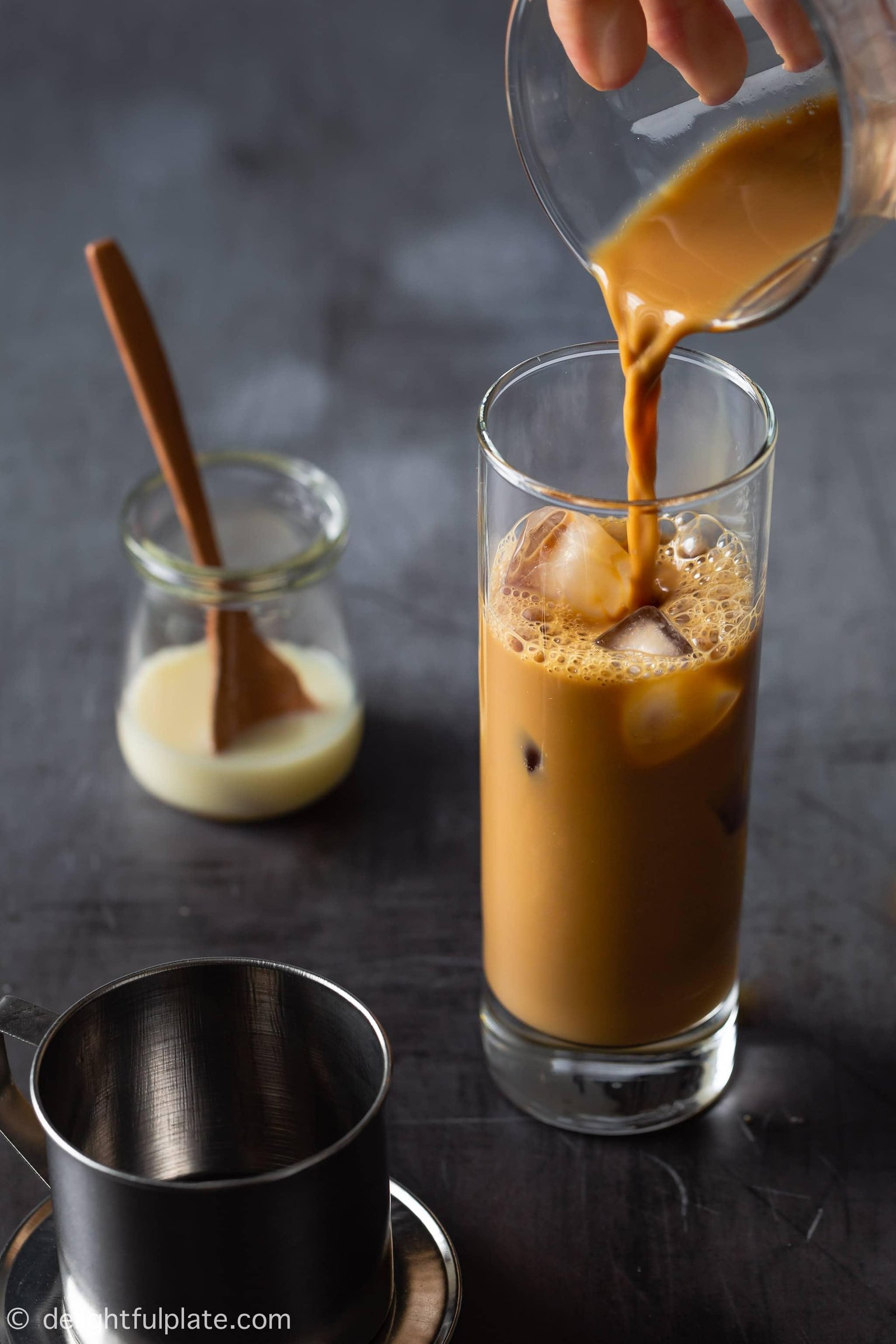
Vietnam has a huge coffee culture and is known internationally for preparations such as cà phê sữa đá , coffee served with ice and condensed milk.
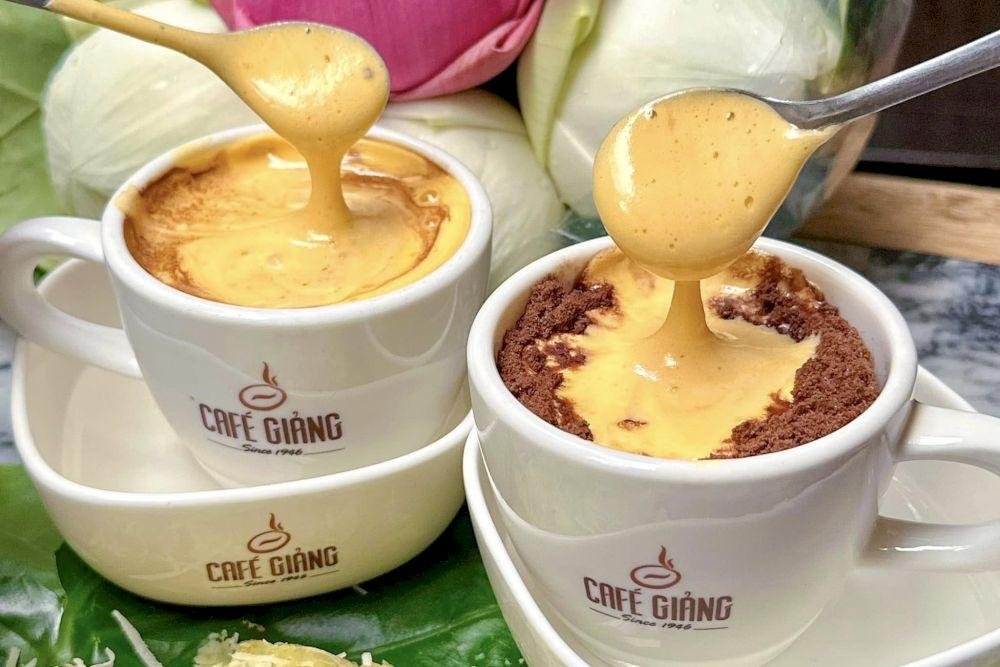
There is also the famous cà phê trứng , or egg coffee, especially associated with Hanoi.
The Vietnamese coffee tradition is also linked to the country’s history and French influence, although it ended up developing completely its own characteristics.
For me, coffee is a good example of how Vietnamese cuisine absorbs outside influences and makes them local.




What do you usually eat in Vietnam?
A Vietnamese family meal can be quite different from what many people imagine when they think of an individual Western dish.
It is common to find different preparations to share, accompanied by rice, vegetables, soups and sauces.
A meal may include:
- Rice.
- Meat, fish or seafood.
- Vegetables.
- A soup.
- Fresh herbs.
- Fish sauce or soy sauce.
- Other small accompaniments.
Potluck is an important part of the Vietnamese dining experience.
Is Vietnamese food spicy?
This is a very common question and the answer depends quite a bit on the region and the dish.
Not all Vietnamese food is spicy.
In fact, many preparations are not particularly spicy and the chili can be offered separately so that each person can adjust the level.
Northern cuisine tends to be less spicy than certain preparations from the center and south, where there is a more marked use of spices and chili peppers.
So if you don’t tolerate spiciness well, it doesn’t mean you have to give up trying Vietnamese cuisine.
Vietnamese gastronomy and its French influence
Vietnam’s history can also be seen in its food.
One of the most obvious examples is the bánh mì , where the tradition of French-style bread ended up fusing with Vietnamese ingredients, techniques and flavors.
But it is not the only case. Coffee culture also has a historical relationship with the French presence in the country.
The interesting thing is that Vietnam did not simply copy those elements. He incorporated them into his own gastronomic culture and transformed them.
The result is something much more interesting than a simple mixture of cuisines.
Vietnamese cuisine and rice: an inseparable relationship
Rice is probably the most transversal ingredient in Vietnamese cuisine.
Appears in different formats:
- Cooked rice.
- Rice noodles.
- Rice flour.
- Rice paper.
- Broken rice.
- Glutinous rice.
- Sweet preparations.
Therefore, when someone asks me what characterizes Vietnamese cuisine, rice inevitably appears among the first answers.
But what’s really interesting is the number of different ways it can be used.
What to eat in Vietnam for the first time?
If I had to prepare a small food tour for someone who has never tried Vietnamese food, I wouldn’t try to eat twenty dishes at once.
I would start with these:
1. Phở
To understand the importance of broths and noodles.
2. Bánh mì
To try one of the great expressions of street food.
3. Bún chả
Especially interesting if you want to know the flavors of Hanoi.
4. Bánh xèo
Ideal for discovering the crunchy side of Vietnamese cuisine.
5. Gỏi cuốn
A fresh and light alternative.
6. Cơm tấm
Highly recommended for getting to know everyday southern cuisine.
7. Bún bò Huế
To discover a soup completely different from phở.
8. Chè
To close the experience with something sweet.
Frequently Asked Questions (FAQs)
What is the typical food of Vietnam?
Among the most representative dishes are phở, bánh mì, bún chả, bánh xèo, gỏi cuốn, bún bò Huế and cơm tấm. Vietnamese cuisine also includes a huge variety of soups, rice dishes, noodles, fish, seafood and street preparations.
What is the most famous dish in Vietnam?
Phở is probably the most internationally known Vietnamese dish. It is a rice noodle soup with an aromatic broth and different accompaniments.
What ingredients are used in Vietnamese food?
Common ingredients include rice, rice noodles, fish sauce, soy sauce, fresh herbs, lime, chili, ginger, lemongrass, vegetables, pork, chicken, beef, fish and seafood.
Is Vietnamese cuisine spicy?
Not necessarily. Many Vietnamese dishes are not particularly spicy and chili can be added separately. The spiciness level also changes depending on the region and recipe.
What do you have for breakfast in Vietnam?
Phở is one of the best-known traditional breakfasts, although other rice dishes, noodles and local preparations are also consumed.
What street food to try in Vietnam?
Among the most interesting options are bánh mì, bún chả, bánh xèo, different types of noodles, fresh rolls, soups and rice dishes.
What dessert is typical of Vietnam?
Chè is one of the best-known families of desserts. There are numerous varieties made with ingredients such as coconut, fruits, beans, rice and other sweet elements.
What drink is typical of Vietnam?
Vietnamese coffee is one of the most characteristic drinks. Particularly noteworthy are the cà phê sữa đá, prepared with coffee, ice and condensed milk, and the cà phê trứng, known as egg coffee.
Is Vietnamese food healthy?
Many traditional preparations use abundant vegetables, fresh herbs, broths and relatively little oil, although this cannot be generalized to all dishes. There are also fried preparations and foods with significant amounts of sodium, sugar or fat.
Is there vegetarian food in Vietnam?
Yes. It is possible to find vegetarian dishes made with tofu, vegetables, rice and noodles. The offer may vary depending on the city and the establishment, so it is advisable to ask about the ingredients and sauces used.
A cuisine that is better understood dish by dish
After reviewing Vietnamese cuisine from its ingredients to its regions, I think it’s pretty clear why it has so much personality.
It is not only the cuisine of phở, nor that of bánh mì, nor a collection of Asian dishes based on rice and noodles. It is a gastronomy built around balance, freshness, herbs, contrasts and regional diversity.
And that is precisely what interests me most about it: you can start with a simple bowl of noodles and end up discovering a whole gastronomic culture behind it. From markets and small street stalls to family tables, food is part of daily Vietnamese life.
If I had to sum up the Vietnamese dining experience in a single idea, it would be this: few ingredients need to scream when they know how to work together .