
The history of Greece is one of the most influential of all humanity. Although today we think of Greece as a Mediterranean country full of islands, beaches and ancient monuments, its true value is in everything it contributed to the world: democracy, philosophy, art, science, literature, architecture and a way of understanding society that is still present.
When I started researching Greek history, I was very struck by how a territory made up of hundreds of islands and small cities could have such an enormous influence. By mentally touring places like Athens, Sparta or Delphi, I understood that Greece not only left ancient ruins, but ideas that we continue to use thousands of years later.
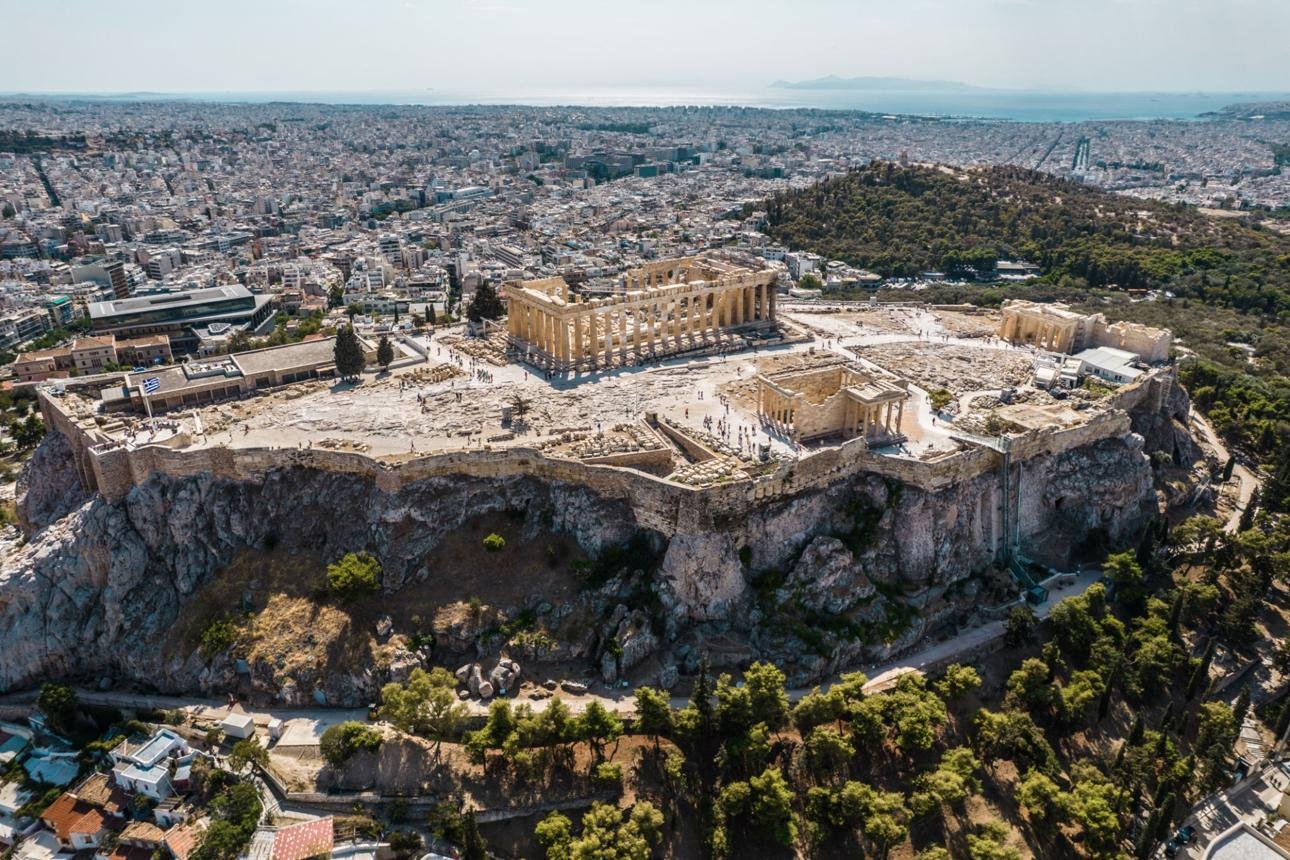


The origins of Greece: the first civilizations of the Aegean
To understand the history of Greece , we must go back thousands of years before the appearance of classical Greece.
Some of Europe’s oldest civilizations emerged in the Aegean region:
- Cycladic civilization.
- Minoan civilization.
- Mycenaean civilization.
These cultures laid the foundations for what would later become the Greek world.
The Minoan civilization: the first great power of the Aegean

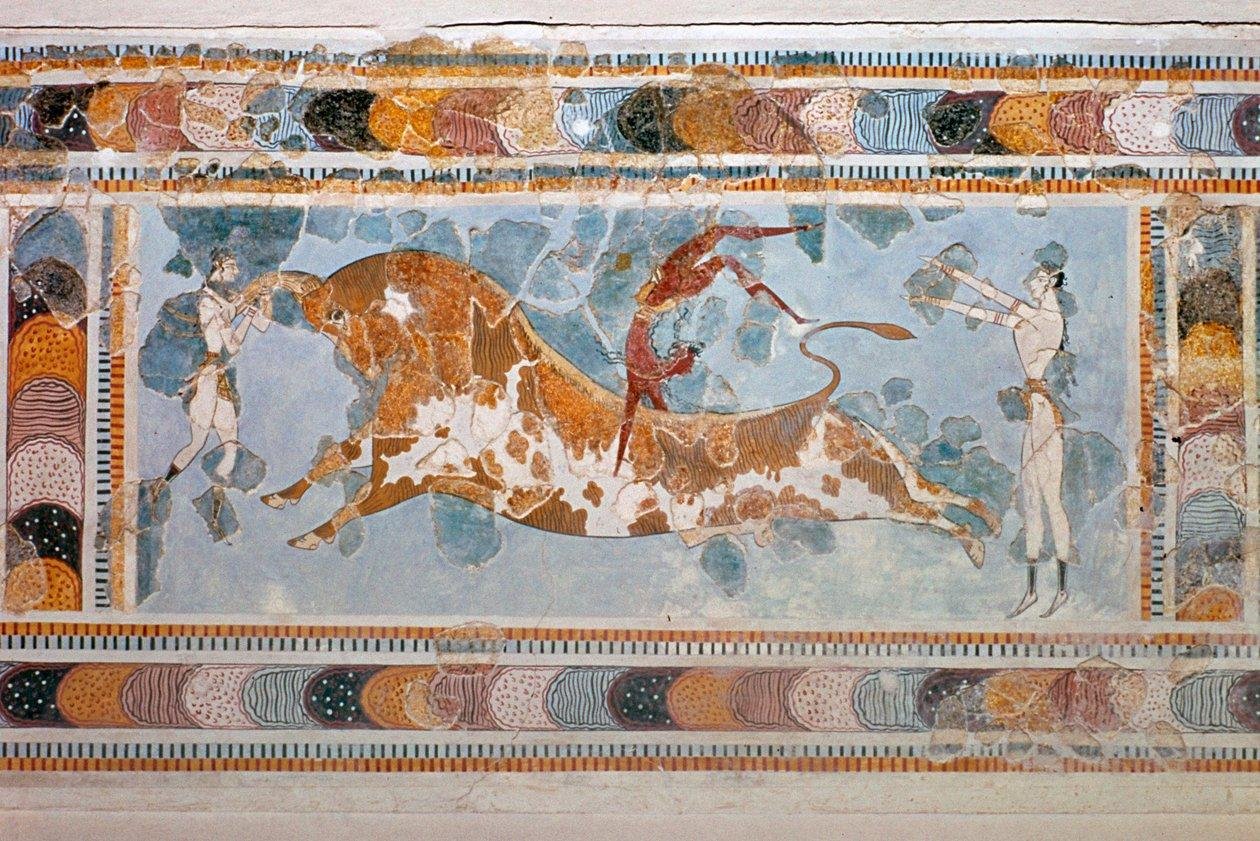
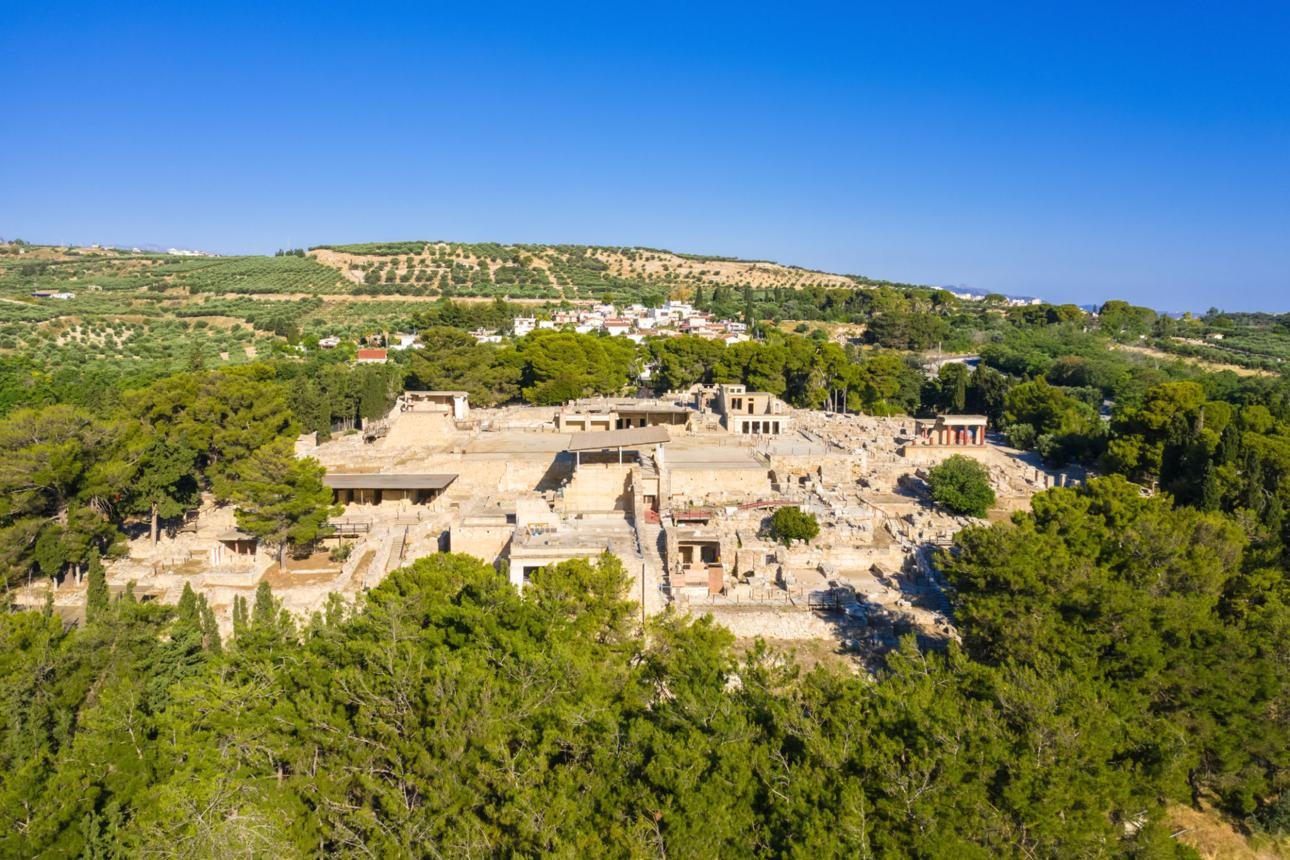
The Minoan civilization appeared on the island of Crete approximately around 3000 BC. C.
Its name comes from the legendary King Minos, related to the famous myth of the Minotaur.
The Minoans stood out for:
- Maritime trade.
- Advanced architecture.
- Colorful art.
- Writing systems.
- Great palaces.
The Palace of Knossos is one of the most important archaeological remains from this era.
Mycenaean civilization and the heroes of Greek mythology
The Mycenaean civilization developed in mainland Greece between the 17th and 12th centuries BC. C.
This society is known for appearing related to many mythological stories, such as the Trojan War later narrated by Homer in the Iliad.
The Mycenaeans were:
- Featured Warriors.
- Great merchants.
- Fortress Builders.
- Creators of one of the first written forms of Greek.
The Greek Dark Ages
After the collapse of the Mycenaean civilization, a period known as the Dark Ages began (approximately between 1200 and 800 BC).
During this stage the population decreased and some written knowledge was lost.
However, it was also a period of transformation that allowed the birth of a new political organization: the polis.
The birth of the Greek polis
One of the most important aspects of ancient Greek history was the appearance of the polis .
Polis were independent city-states that had their own laws, governments, and armies.
The most famous were:
Athens
Known for being the cradle of democracy, philosophy and the arts.
Sparta
Famous for its militarized society and extreme discipline.
Corinth
Important shopping center due to its strategic position.
Although they shared language and culture, many polis constantly competed with each other.
Athenian democracy
One of Greece’s greatest contributions to the modern world was democracy.
In Athens, during the 5th century BC. C., free citizens could participate directly in political decisions.
However, this democracy was limited:
- Women couldn’t vote.
- Slaves had no political rights.
- Foreigners were excluded.
Still, it laid the foundations for many current political systems.
The golden age of Athens

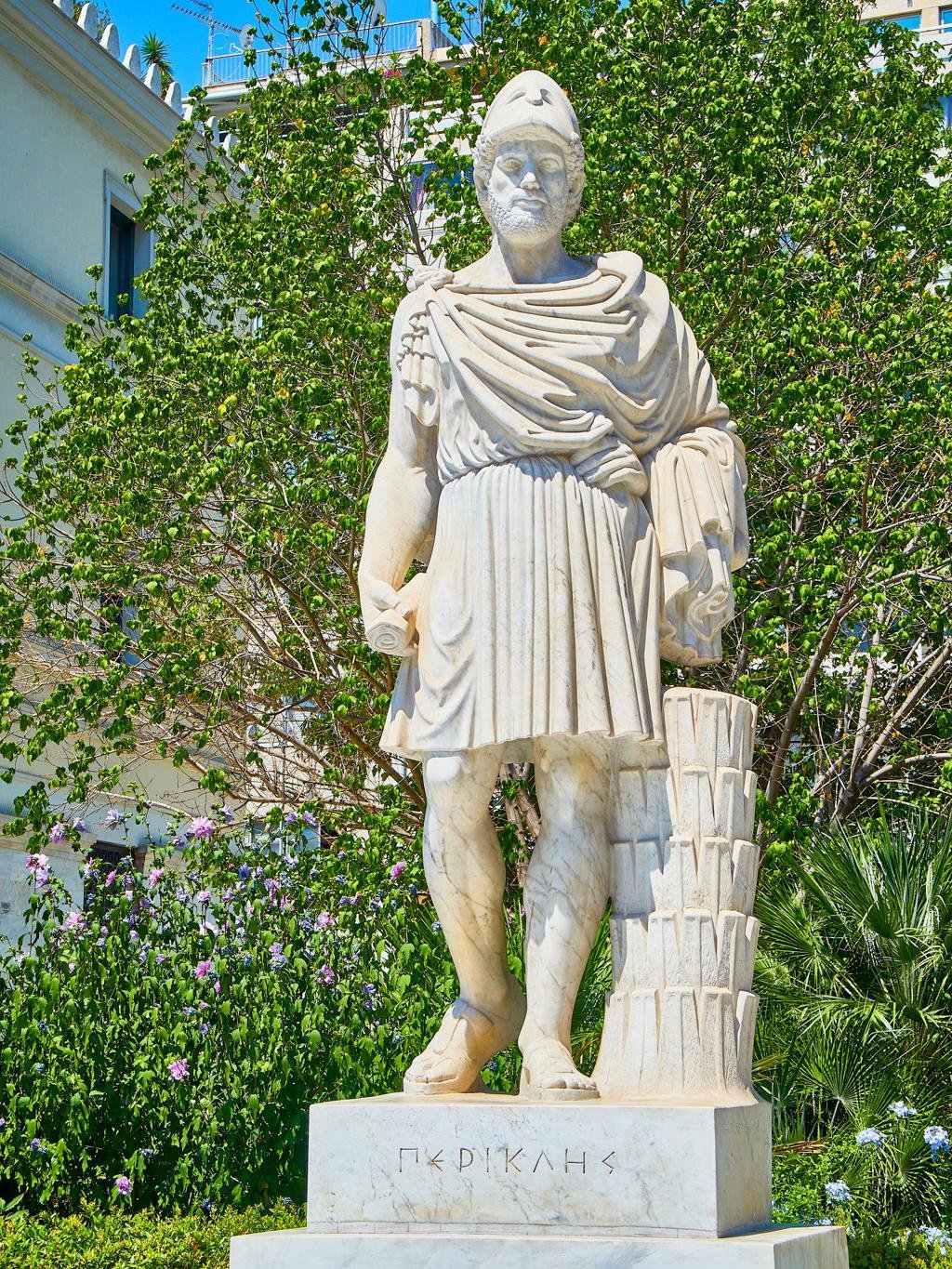

The 5th century BC. C. was known as the Golden Age of Athens.
During this period they flourished:
- Philosophy.
- Theater.
- Sculpture.
- Architecture.
- Mathematics.
- Science.
Great figures appeared at this time:
- Socrates.
- Plato.
- Aristotle.
- Pericles.
- Sophocles.
Many of his ideas are still part of modern education.
The Medical Wars against Persia
Greece had to face the powerful Persian Empire on several occasions.
The Persian Wars occurred between the 5th and 4th centuries BC. C.
Some famous battles were:
- Marathon.
- Thermopylae.
- Salamina.
- Silver.
The Greek resistance against Persia became one of the best-known episodes of antiquity.
The Peloponnesian War
The rivalry between Athens and Sparta ended up causing a long war between the main Greek cities.
The Peloponnesian War (431-404 BC) greatly weakened Greece.
Ultimately, Sparta defeated Athens, although neither city managed to completely dominate the Greek world.
Alexander the Great and the Greek Expansion
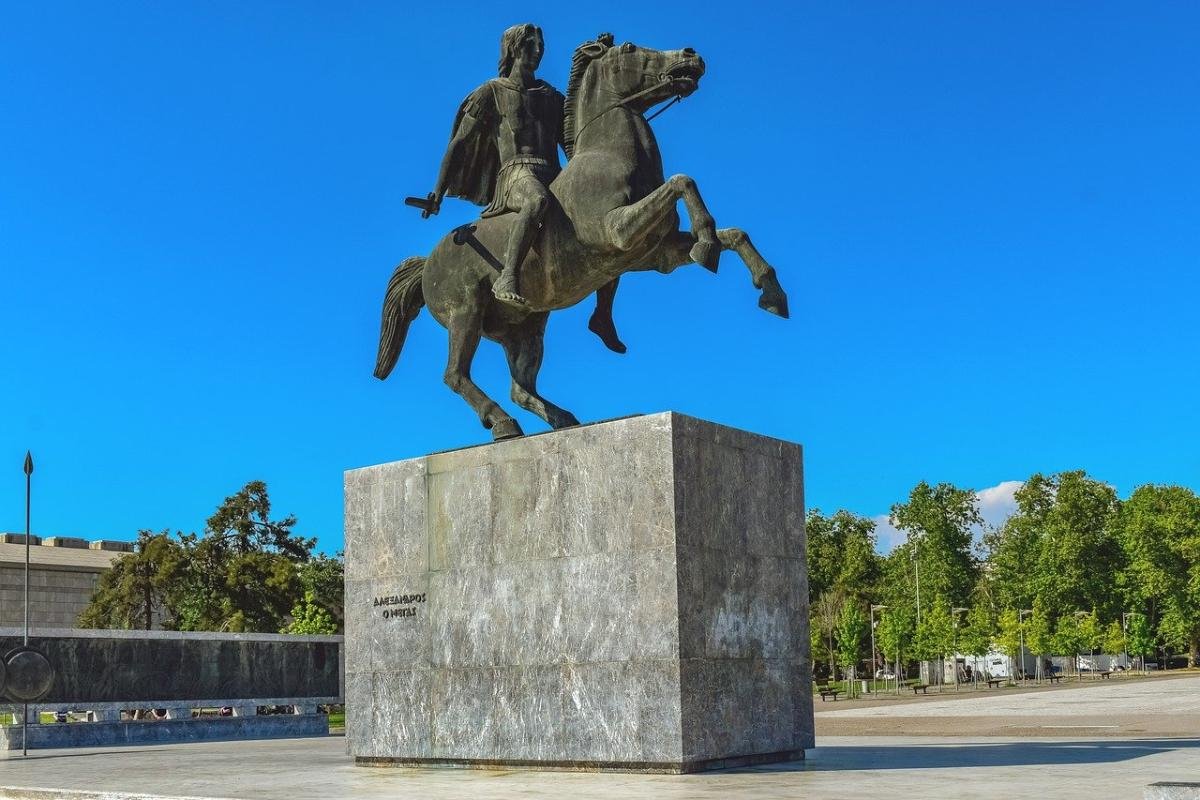
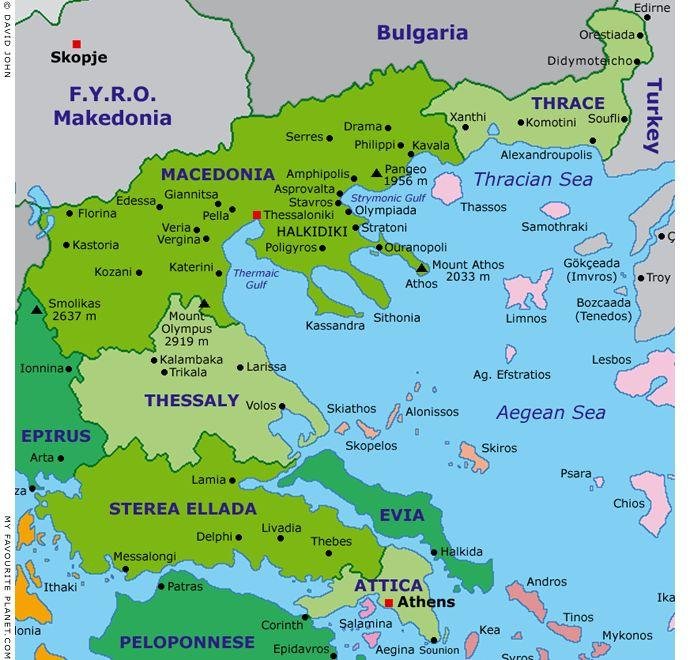

One of the most important figures in the history of Greece was Alexander the Great.
Born in Macedonia in 356 BC. C., created one of the largest empires of antiquity.
His conquests reached:
- Egypt.
- Persia.
- Central Asia.
- India.
His legacy was the expansion of Greek culture, giving rise to the Hellenistic period.
Hellenistic culture
After Alexander’s death, his generals divided the empire.
During this time Greek culture mixed with other civilizations.
Big developments occurred in:
- Astronomy.
- Mathematics.
- Medicine.
- Philosophy.
- Art.
The city of Alexandria became one of the greatest centers of knowledge in the ancient world.
Greece under Roman rule
In the second century BC. C., Rome conquered Greece.
Although it lost its political independence, Greek culture had an enormous influence on the Romans.
In fact, many aspects of Rome were inspired by Greece:
- Architecture.
- Philosophy.
- Literature.
- Education.
As they say, Rome conquered Greece militarily, but Greece conquered Rome culturally.
The Byzantine Empire and Medieval Greece


After the division of the Roman Empire, Greece was integrated into the Eastern Roman Empire, later known as the Byzantine Empire.
For almost a thousand years:
- Christianity gained importance.
- Constantinople became a cultural center.
- The Greek language continued to evolve.
This stage is essential to understand the transition between ancient Greece and modern Greece.
The Ottoman occupation
In the 15th century, the Ottoman Empire conquered much of Greek territory.
Greece remained under Ottoman rule for approximately four centuries.
During this period:
- Cultural traditions were maintained.
- Greek identity survived.
- The desire for independence grew.
The independence of Greece


In 1821 the Greek War of Independence against the Ottoman Empire began.
After several years of conflict, Greece managed to become an independent state in 1830.
Athens was later chosen as the capital.
Greece in the 20th century
The 20th century was a difficult time for Greece.
The country lived:
- Balkan Wars.
- World War I.
- World War II.
- Greek Civil War.
- Military dictatorship.
In 1974 Greece fully regained democracy.
Modern Greece
Today Greece is a member country of the European Union with a cultural identity deeply linked to its past.
Featured by:
- Historical tourism.
- Mediterranean gastronomy.
- Archaeological heritage.
- Literature.
- Philosophy.
- Millennial traditions.
Visiting Greece is not only about visiting paradisiacal beaches; It is walking through places where many ideas were born that changed the world.
Timeline of the history of Greece
| Date | Event |
|---|---|
| 3000 BC. C. | Development of the Minoan civilization |
| 1600 BC. C. | Rise of the Mycenaean civilization |
| 800 BC. C. | Birth of the polis |
| 5th century BC. C. | Golden Age of Athens |
| 431-404 BC. C. | Peloponnesian War |
| 336 BC. C. | Alexander the Great comes to power |
| 2nd century BC. C. | Roman conquest |
| 15th century | Ottoman rule |
| 1821 | War of Independence |
| 1830 | Creation of the Greek State moderno |
| 1974 | Democratic restoration |
Curiosities about the history of Greece
- The word democracy comes from the Greek “demos” (people) and “kratos” (power).
- The Olympic Games were born in ancient Greece in the year 776 BC. C.
- Western theater has its roots in Greece.
- Greek mythology continues to influence movies, books, and video games.
- Many current scientific terms come from the Greek language.
Most important figures in Greek history
- Homer.
- Pericles.
- Socrates.
- Plato.
- Aristotle.
- Alexander the Great.
- Leonidas.
- Hippocrates.
Essential historical places in Greece


If you want to know the history of Greece through its most important places, these sites are essential:
- Acropolis of Athens.
- Delphi.
- Olympia.
- Palace of Knossos.
- Meteora.
- Mycenae.
- Theater of Epidaurus.
Greek gastronomy as part of its history
Greek food also reflects centuries of cultural exchange.
Some traditional dishes are:
- Moussaka.
- Souvlaki.
- Greek salad.
- Greek yogurt.
- Dolmades.
- Baklava.
The Greek Mediterranean diet combines products that have been part of the region for thousands of years:
- Olive oil.
- Fish.
- Cereals.
- Fruits.
- Aromatic herbs.
Frequently Asked Questions (FAQs)
When did the history of Greece begin?
The first records of Greek civilizations appear more than 5,000 years ago with cultures such as the Minoan and the Cycladic.
What was the most important city in ancient Greece?
Athens was one of the most influential cities for its democracy, philosophy and culture, although Sparta also had great military importance.
Why is Greece important to humanity?
Because it was one of the civilizations that most influenced Western politics, philosophy, science, art and literature.
Who was Alexander the Great?
He was a Macedonian king who created one of the largest empires of antiquity and spread Greek culture throughout Asia and Egypt.
When did Greece achieve its independence?
Greece achieved independence from the Ottoman Empire in 1830 after a war that began in 1821.
A legacy that lives on thousands of years later
After knowing the history of Greece , it is difficult not to be surprised by the influence that a relatively small civilization had on the great empires of ancient times. Its philosophers changed the way we think, its architects transformed art, and its political ideas are still part of our world today.
Greece is not just a tourist destination full of ruins and incredible landscapes. It is a place where every temple, every island and every city tells a story thousands of years old, a story that continues to inspire millions of people around the world.