
When I prepared my first trip to Europe, one of the things that caught my attention was discovering that Italy was not just the country of pizza, pasta and the Colosseum. The more I researched the history of Italy, the more I understood that much of the modern world has its roots here. From the Roman Empire to the Renaissance, through Italian unification and world wars, exploring its history is like reading the origin of Western culture.
If you are planning to travel to the country or simply want to learn more about its past, here you will find a complete guide, easy to understand and organized chronologically.
Why is Italian history so important?
Italian history is one of the richest on the planet. For thousands of years it was the scene of great civilizations, empires, artists, scientists, wars and revolutions that changed the course of Europe.
Today we can still see that legacy at:
- Roman monuments.
- Medieval churches.
- Castles.
- Renaissance cities.
- Museums with unique works.
- Traditions that have been alive for centuries.
In my case, while researching different Italian regions to organize a future trip, I discovered that understanding their history makes any visit make much more sense. Admiring the Colosseum without context is not the same as knowing who built it and what it was for.
The first inhabitants of the Italian peninsula
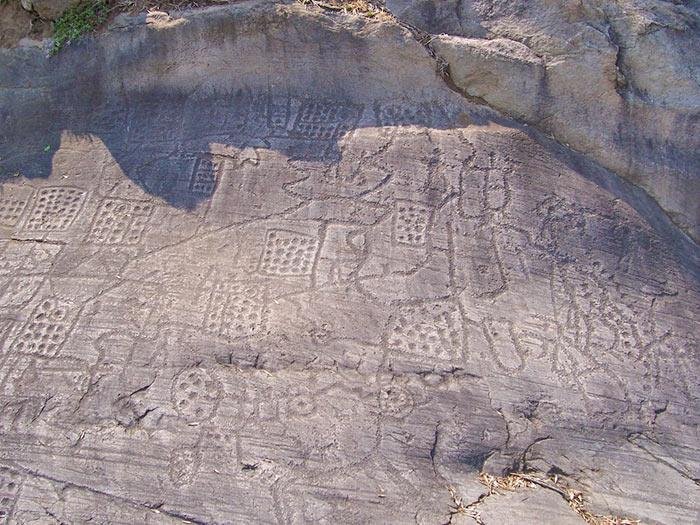


Long before Rome existed, the Italian peninsula was already inhabited by numerous peoples.
Among them were:
- Ligurians
- Samnites
- Umbros
- Latin
- Sabinos
- Greeks in the south
- Etruscans in the center
The Etruscans were probably the most advanced civilization before the birth of Rome.
Developed:
- Hydraulic engineering.
- Writing.
- Architecture.
- Political organization.
- Complex religion.
Many Roman customs come directly from them.
The Birth of Rome
According to tradition, Rome was founded in the year 753 BC. by Romulo.
Although legend speaks of Romulus and Remus being raised by a she-wolf, historians believe that Rome emerged from the union of small settlements around the Tiber River.
During its first centuries it was a monarchy.
It later became a Republic that allowed enormous military, political and economic growth.
The Roman Republic
The Republic was a decisive stage.
Its political system was made up of:
- Senate.
- Magistrates.
- Consuls.
- Popular assemblies.
In this period Rome conquered practically the entire Italian peninsula.
Afterwards, its expansion throughout the Mediterranean began.
Among the most important wars are:
- The Punic Wars against Carthage.
- The conquest of Greece.
- The expansion towards Hispania.
- The occupation of Gaul.
It was a time when Rome went from being an important city to becoming a world power.
The Roman Empire: the moment of greatest splendor
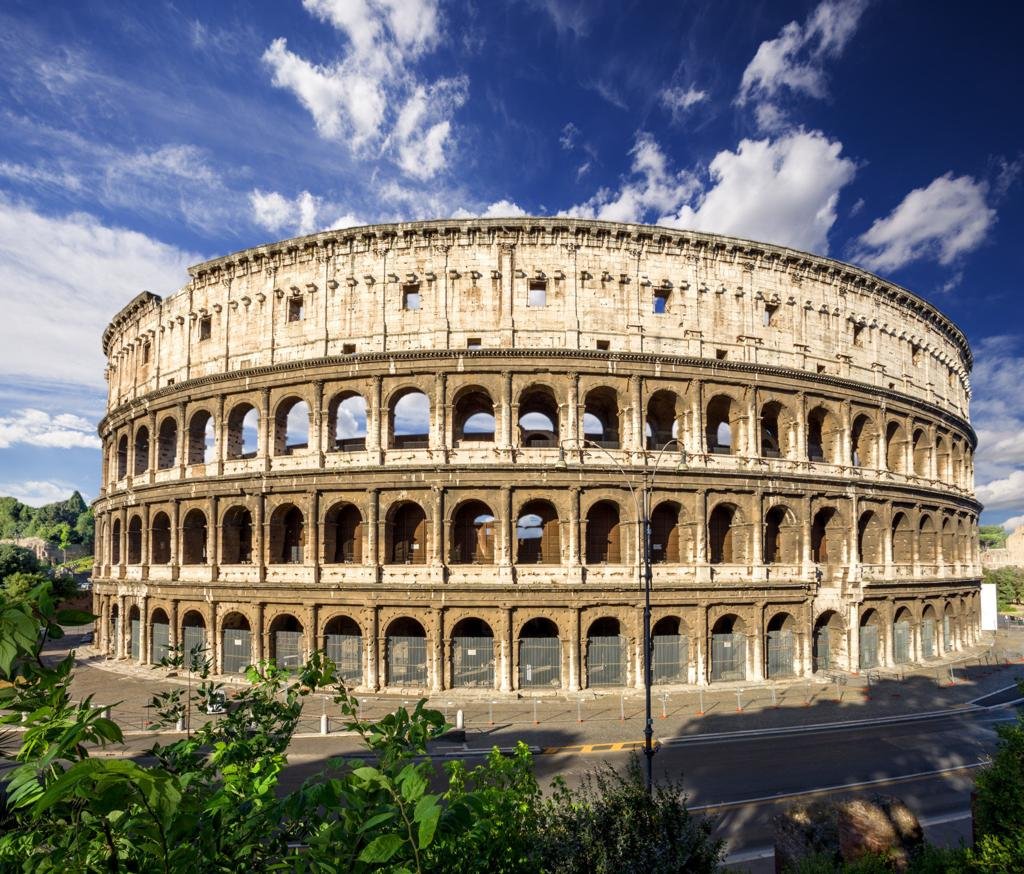


In the year 27 BC. , Octavian Augustus became the first emperor.
Thus began the famous Roman Empire.
During this stage Italy was the political center of a territory that covered:
- Much of Europe.
- North Africa.
- Middle East.
Rome built:
- Roads.
- Aqueducts.
- Amphitheaters.
- Bridges.
- Ports.
- Libraries.
- Temples.
Even today many European roads follow the original Roman layout.
Every time I see photographs of the Roman Forum I am impressed to think that such an advanced city already existed almost two thousand years ago.
The fall of the Roman Empire
In the year 476 AD. , the Western Roman Empire officially came to an end.
The causes were numerous:
- Economic crisis.
- Political corruption.
- Barbarian invasions.
- Military problems.
- Division of the Empire.
From then on centuries of political fragmentation began.
Italy was divided into numerous kingdoms.
The Italian Middle Ages
During the Middle Ages, important independent cities appeared.
Among them were:
- Venice.
- Florence.
- Genoa.
- Pisa.
- Milan.
These cities became rich through maritime trade.
Venice became one of the greatest commercial powers in the Mediterranean.
Meanwhile, the papacy greatly increased its influence from Rome.
The Italian Renaissance changed the world
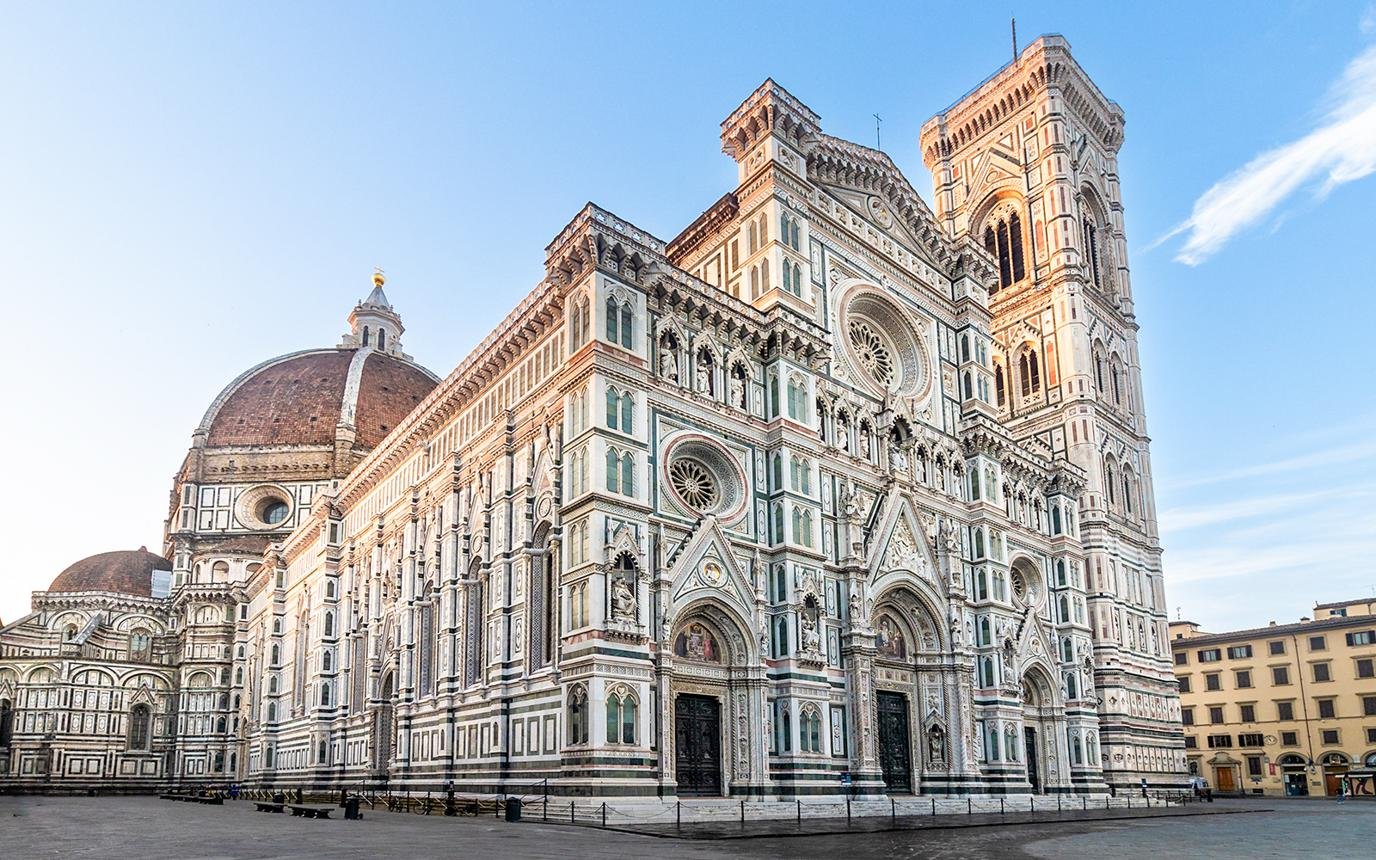


If there is a moment when Italy completely transformed the history of humanity, it was during the Renaissance.
Between the 15th and 16th centuries, artists, scientists and thinkers emerged who revolutionized knowledge.
Some of the most famous characters were:
- Leonardo da Vinci.
- Michelangelo.
- Rafael.
- Donatello.
- Brunelleschi.
- Machiavelli.
It was a time marked by:
- El arte.
- Science.
- The architecture.
- Literature.
- Humanism.
Florence was one of the great cultural centers of the world.
Foreign invasions
After the Renaissance, Italy went through several centuries of conflict.
Different European powers dominated different Italian territories.
Among them:
- France.
- Spain.
- Austria.
Each region developed its own identity, which delayed the creation of a unified country.
The unification of Italy
During the 19th century the well-known Risorgimento began.
Its objective was to unite all the Italian states under a single country.
The main characters were:
- Giuseppe Garibaldi.
- Camillo Cavour.
- Victor Emmanuel II.
- Giuseppe Mazzini.
Finally, in 1861 the Kingdom of Italy was officially born.
Rome was definitively incorporated in 1870 .
Italy during the world wars


The First World War had a huge impact on the country.
Decades later the fascist regime led by Benito Mussolini emerged.
Italy participated in World War II alongside Germany.
After the defeat of the Axis:
- Fascism fell.
- The monarchy was abolished.
- The Italian Republic was born in 1946.
A completely different stage then began.
Modern Italy
Since the middle of the 20th century, Italy has experienced great economic growth.
It became one of the most important economies in Europe thanks to sectors such as:
- Automotive.
- Fashion.
- Tourism.
- Design.
- Food.
- Industry.
Currently it perfectly combines its enormous historical heritage with modern cities and a great quality of life.
The historic cities that best represent the history of Italy


Rome
The capital brings together more than two thousand years of history.
Here we find:
- Colosseum.
- Roman Forum.
- Pantheon.
- Vatican.
- Navona Square.
Florence
Considered the cradle of the Renaissance.
Highlights:
- Cathedral of Santa Maria del Fiore.
- Uffizi Gallery.
- Ponte Vecchio.
- Pitti Palace.
Venice
A unique city built on canals.
For centuries it dominated European maritime trade.
Milan
Economic capital of the country.
It also has an important medieval and Renaissance history.
Naples
One of the oldest cities in Western Europe and gateway to the ruins of Pompeii.
Curiosities about the history of Italy
- Rome was for centuries the largest city in the Western world.
- Latin was born in the Lazio region.
- The Roman Empire controlled nearly five million square kilometers.
- Italy has one of the greatest cultural heritages declared by UNESCO.
- The Renaissance began primarily in Florence.
- Many modern laws are inspired by Roman Law.
- The Vatican is the smallest independent state in the world and is located within Rome.
How important is Italian history to tourism?
In my experience, knowing the history makes any trip much more interesting.
When you understand who built the Colosseum, why Florence was so powerful, or how Venice came to dominate Mediterranean trade, each monument is no longer just a pretty photograph.
That is why I always recommend spending a few hours before the trip to read about the different historical stages of the country. Then, as you walk through its streets, everything makes much more sense.
Frequently Asked Questions (FAQs)
When was Italy born as a country?
Italy was officially unified in 1861, although Rome became part of the new State in 1870.
What was the most important civilization in Italy?
Without a doubt, the Roman civilization was the most influential due to its impact on politics, law, architecture, language, and Western culture.
What happened during the Italian Renaissance?
It was a cultural, artistic and scientific movement that revolutionized Europe between the 15th and 16th centuries, with figures such as Leonardo da Vinci and Michelangelo.
Who founded Rome?
Tradition states that Romulus founded Rome in 753 BC, although historians consider that the city arose from the union of several Latin settlements.
What is the most important era in Italian history?
It depends on the focus, but the most influential stages are Ancient Rome, the Roman Empire, the Renaissance and the Italian unification, since they deeply marked the history of Europe and the world.