
Portugal is one of those destinations that seem easy to organize… until you start preparing the trip and the questions appear: do I need a passport? How do tolls work? Should I rent a car? What time of year is best? How many days do I need? Is it expensive? How does transportation work?
When I prepare a trip, I try to resolve precisely those small doubts before arriving at the airport. I’d rather spend a few minutes researching how transportation works or what documentation I need than finding out when I’m already at the destination.
And Portugal has a huge advantage: it is a fairly manageable country to explore on your own. You can combine Lisbon, Sintra, Porto, the Douro Valley, Coimbra, the Alentejo, the Algarve, Madeira or the Azores , but not all of those places fit into the same trip.
The main references that I have reviewed to prepare this guide coincide on several points: tolls, transportation, accommodation, documentation, insurance, internet, gastronomy, security and route planning are some of the topics that generate the most doubts.
Official Portuguese information and consular recommendations also focus on documentation, security, healthcare and precautions in tourist areas.
So here is my own, broader and more practical version of the best travel tips for tourists in Portugal .
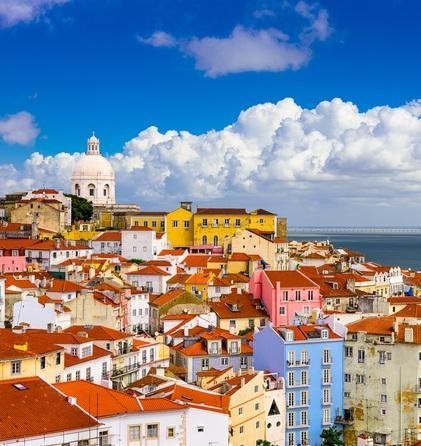


1. Before traveling, check what documentation you need
This should always be one of the first steps when organizing a trip.
Portugal belongs to the European Union and the Schengen area, but the requirements depend on your nationality.
If you are a Spanish citizen, you can currently travel to Portugal with DNI or valid passport , even if you travel by road. The Spanish Ministry of Foreign Affairs recommends carrying both when possible and not storing them together, precisely to have an alternative in case of loss or theft.
For citizens of other countries, the requirements may be different.
My advice is very simple: do not assume that because Portugal is within the European Union you can enter without further requirements .
Before purchasing the flight, review the conditions corresponding to your nationality.
2. Bring a copy of your documents
Even if you can only travel with your ID, I would also carry a digital copy of:
- ID or passport.
- Travel insurance.
- Accommodation reservations.
- Plane or train tickets.
- Driving license.
- Car rental reservations.
You can save them on your phone and also in the cloud.
And if you carry important physical documents, try not to keep them all in the same place.
The Ministry of Foreign Affairs itself recommends not carrying all documentation, money and cards together.
It’s a small detail that can save you a lot of headache.
3. Portugal uses the euro
Here you won’t have to complicate things too much if you come from Spain or another country in the eurozone.
The official currency of Portugal is the euro (€) .
You can pay with a card in many establishments, although I would always carry some cash for small purchases, markets, certain establishments or simply as a backup.
Portugal also has the national network Multibanco , widely used for cash operations.
Card or cash?
I would mainly use cards and carry a small amount of cash.
Before traveling I would also check if my bank charges:
- fee for withdrawing money;
- commission for international payments;
- currency exchange fee if I do not use euros.
4. The climate changes a lot depending on the region
One of the mistakes I would avoid is to think that all of Portugal has exactly the same climate .
The north is usually cooler than the south and the Atlantic Ocean also has a significant influence on weather conditions.
Portugal’s official tourism website highlights precisely these regional differences: the north can be cooler, while the south is usually warmer and drier during the summer. Madeira and the Azores also have particular climatic conditions.
Therefore, before packing my suitcase, I would look at the specific forecast for each area of my route.
Lisbon and central Portugal
You can find pleasant temperatures for much of the year, although summers can be quite hot.
Porto and north
It is wise to be prepared for cooler temperatures and possible rain, especially outside of summer.
Algarve
It is one of the most popular areas for those looking for beaches and warm temperatures.
Madeira
It has a particularly mild climate and conditions different from those of mainland Portugal.
5. What is the best time to travel to Portugal?
If I had the freedom to choose dates, I would avoid deciding solely by thinking “summer = better.”
Portugal can be enjoyed for much of the year.
Spring
One of my favorite times to plan a trip to Portugal would be spring.
Interesting for:
- Lisbon.
- Porto.
- Sintra.
- Coimbra.
- Alentejo.
- excursions.
- road routes.
Summer
Perfect if the priority is the beaches of the Algarve, although it is also usually the time of year with the highest tourist demand.
Autumn
Very interesting to explore cities, take gastronomic routes and visit wine regions.
Winter
It can be an alternative to visit Lisbon, Porto and other cities without the same tourist pressure of the summer months.
Of course, weather conditions can change quite a bit depending on the region.
6. Don’t try to visit all of Portugal in one week
This is probably one of the travel tips for tourists in Portugal that I would apply the most.
Portugal looks small on the map, but try to squeeze in:
Lisbon + Sintra + Porto + Algarve + Madeira + Azores
in a single week is crazy.
I prefer to build a coherent route.
For example:
5 days: Lisbon + Sintra.
7 days: Lisbon + Sintra + Porto.
10 days: Lisbon + Sintra + Porto + Algarve.
14 days: Lisbon + Porto + Algarve + some additional region.
And if I want to visit Madeira or the Azores, I would treat them practically as independent trips.



7. Lisbon deserves several days
Lisbon is probably the best starting point for a first trip.
Has:
- Alfama.
- Baixa.
- Chiado.
- Belém.
- Castelo de São Jorge.
- Praça do Comércio.
- Viewpoints.
- historic trams.
- restaurants.
- nightlife.
But there is something that I would keep in mind:
Lisbon has many hills.
When you’re looking at accommodation, don’t just think about the distance in kilometers.
A hotel that appears to be 800 meters away can involve a pretty serious climb.
8. Walk around Lisbon, but don’t underestimate the slopes
Lisbon is a city for walking.
And precisely its streets, viewpoints and historic neighborhoods are part of its charm.
You can spend a morning browsing:
Baixa → Praça do Comércio → Chiado → Bairro Alto
and another to:
Alfama → Sé → Portas do Sol → Castelo de São Jorge
But I would wear comfortable shoes.
This is not the place where I would wear new sneakers.
9. Tram 28 is famous, but take precautions
The tram 28 is one of Lisbon’s classic experiences and runs through historic areas such as Graça and Alfama. The official Portuguese tourism website presents it precisely as a way to get to know part of the city’s historical and architectural heritage.
But there is a less romantic part:
is an area where you should keep an eye on your belongings.
The Spanish Foreign Ministry specifically warns of theft in Portuguese tourist areas and mentions Lisbon lines 28 and 15 among the places where extreme precautions must be taken.
So:
- closed backpack;
- saved phone;
- wallet in a secure pocket;
- no leaving objects loose;
- special attention when there are many people.
The tram can be a fantastic experience.
Losing your phone on it, not so much.
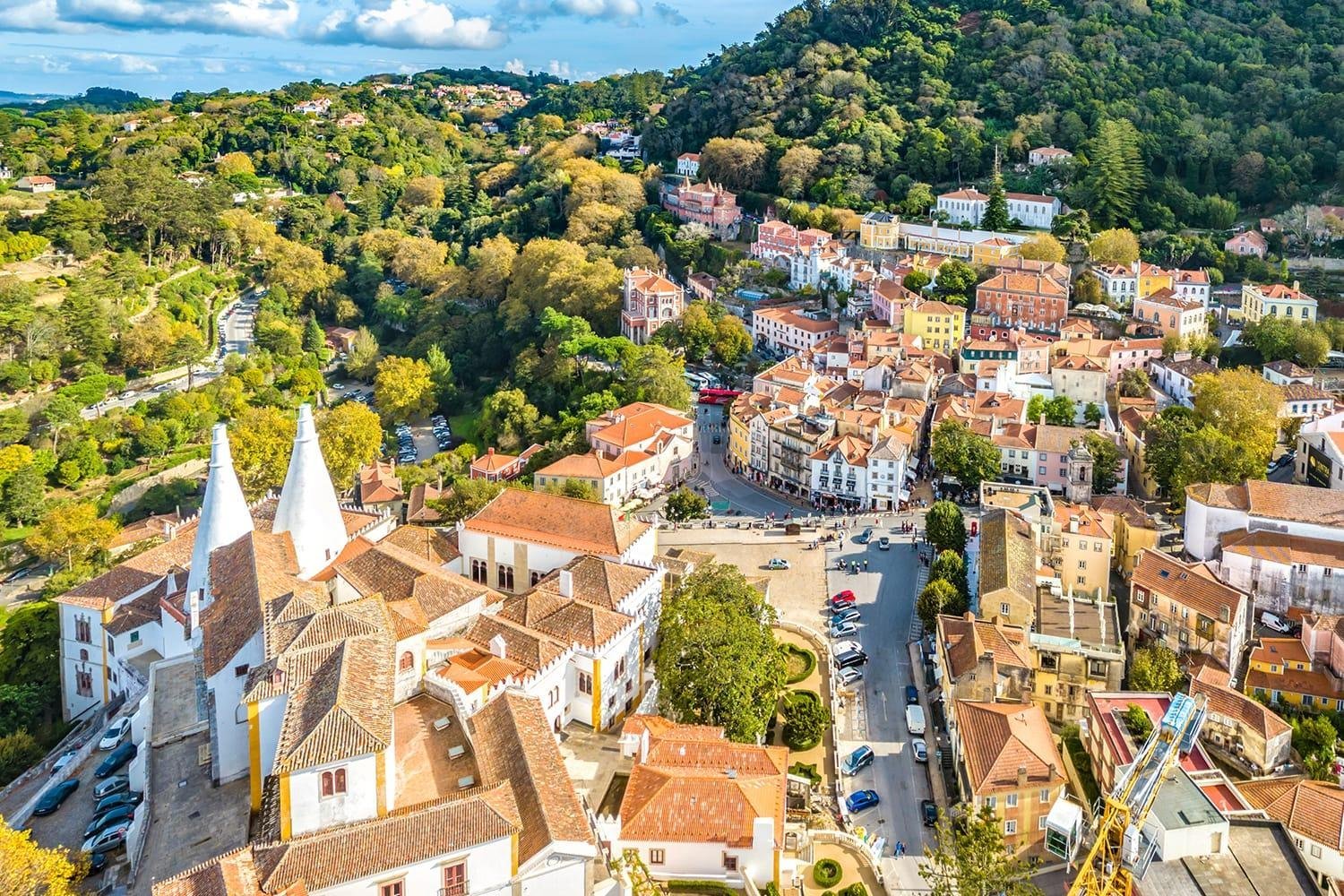
10. Make time for Sintra
If you have several days in Lisbon, I would try to reserve at least one day for Sintra .
The Pena Palace is probably the most famous place, but the town offers much more:
- Quinta da Regaleira.
- Castelo dos Mouros.
- National Palace of Sintra.
- gardens.
- historic center.
The mistake I would avoid is trying to see absolutely everything in a few hours.
Sintra has slopes, travel and a lot of tourist demand.
I would pick two or three important places and enjoy the day.


11. Porto is different from Lisbon
Porto is not simply a “smaller Lisbon”.
He has a completely different personality.
The Ribeira area , the Douro River, the Dom Luís I Bridge, Vila Nova de Gaia and the Port wine cellars are some of its great attractions.
You will also walk a lot here, but the city can be explored very well by combining areas on foot and public transportation.
If I have only a few days, I would try to dedicate at least two or three days to it.
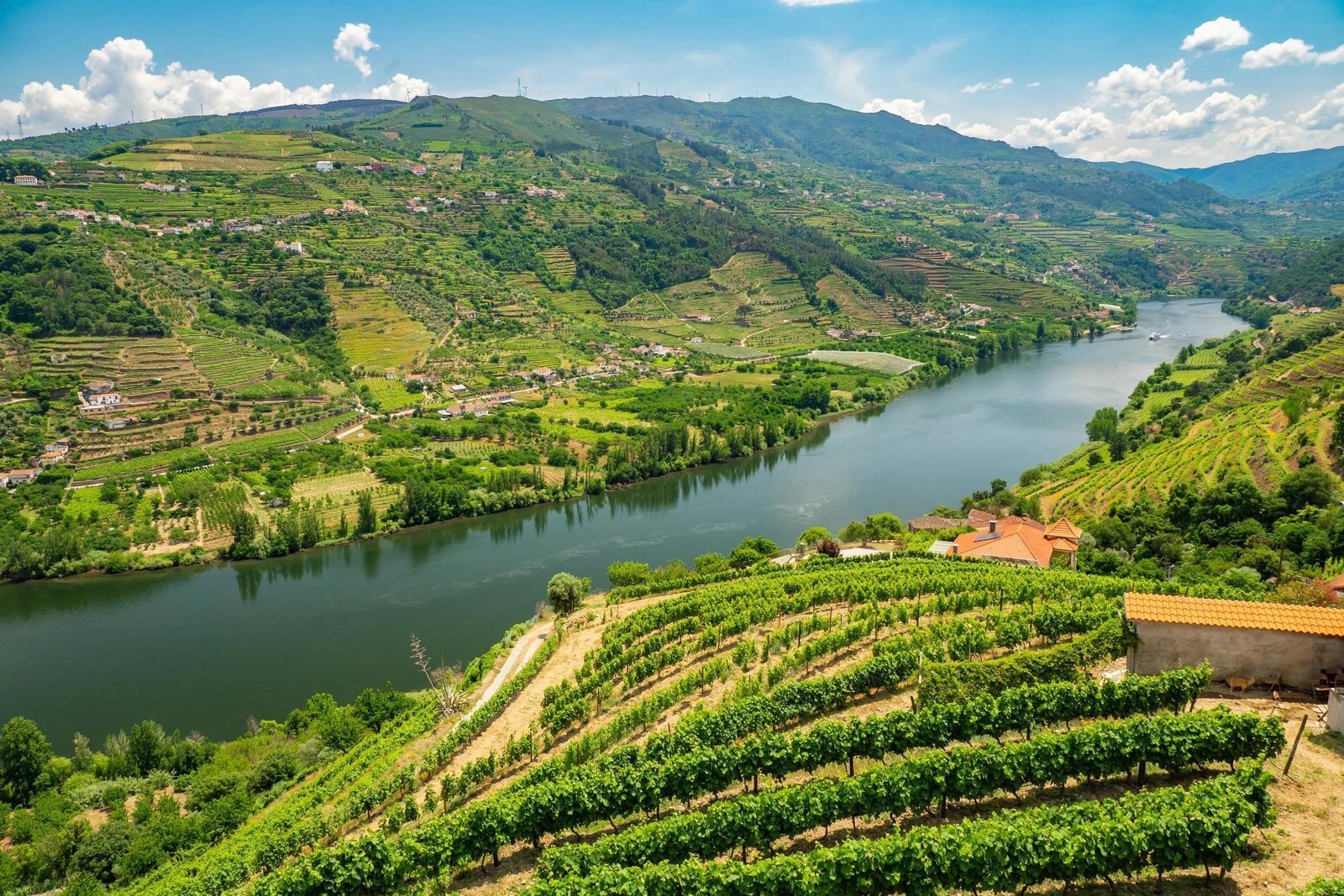
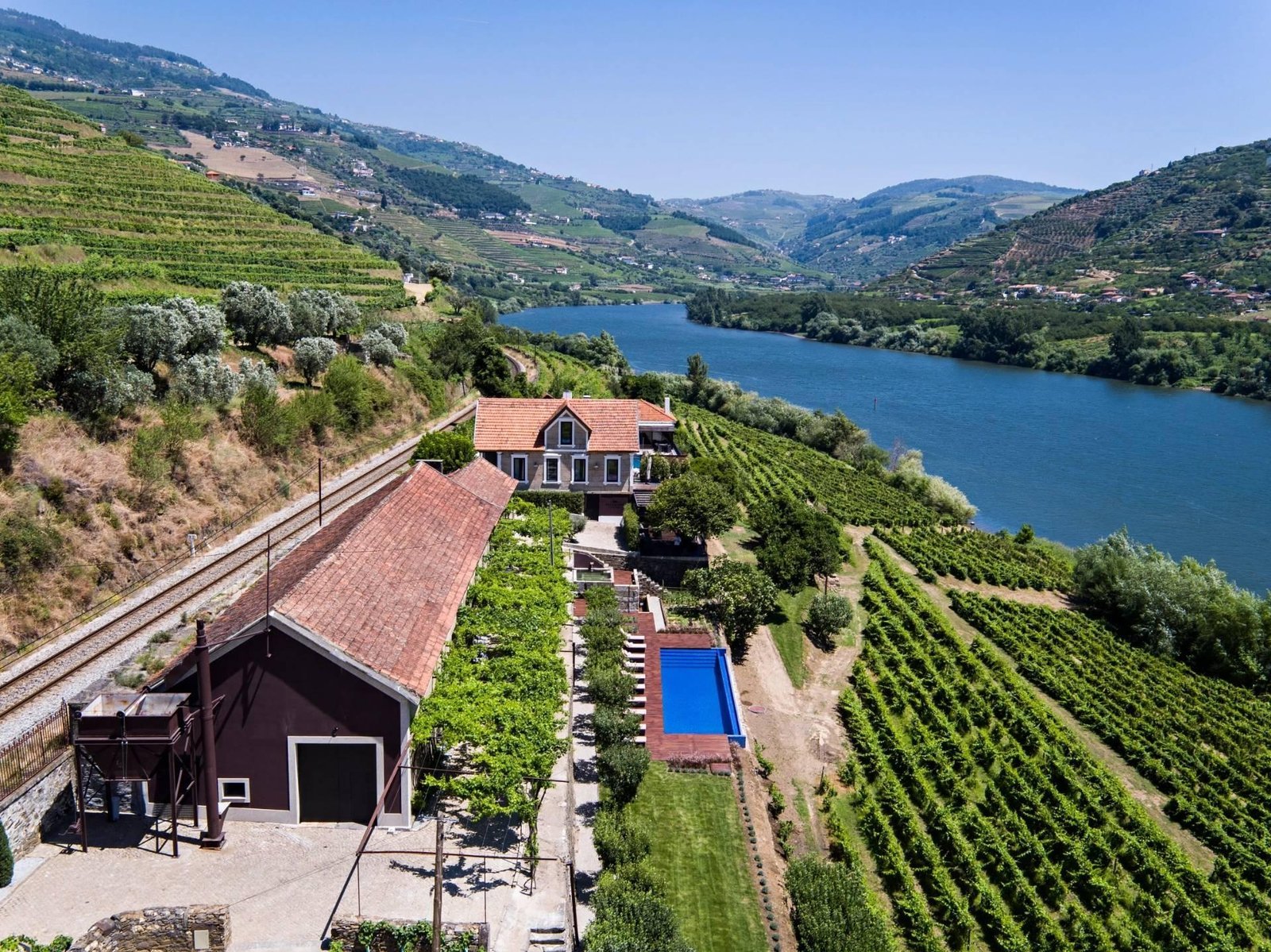
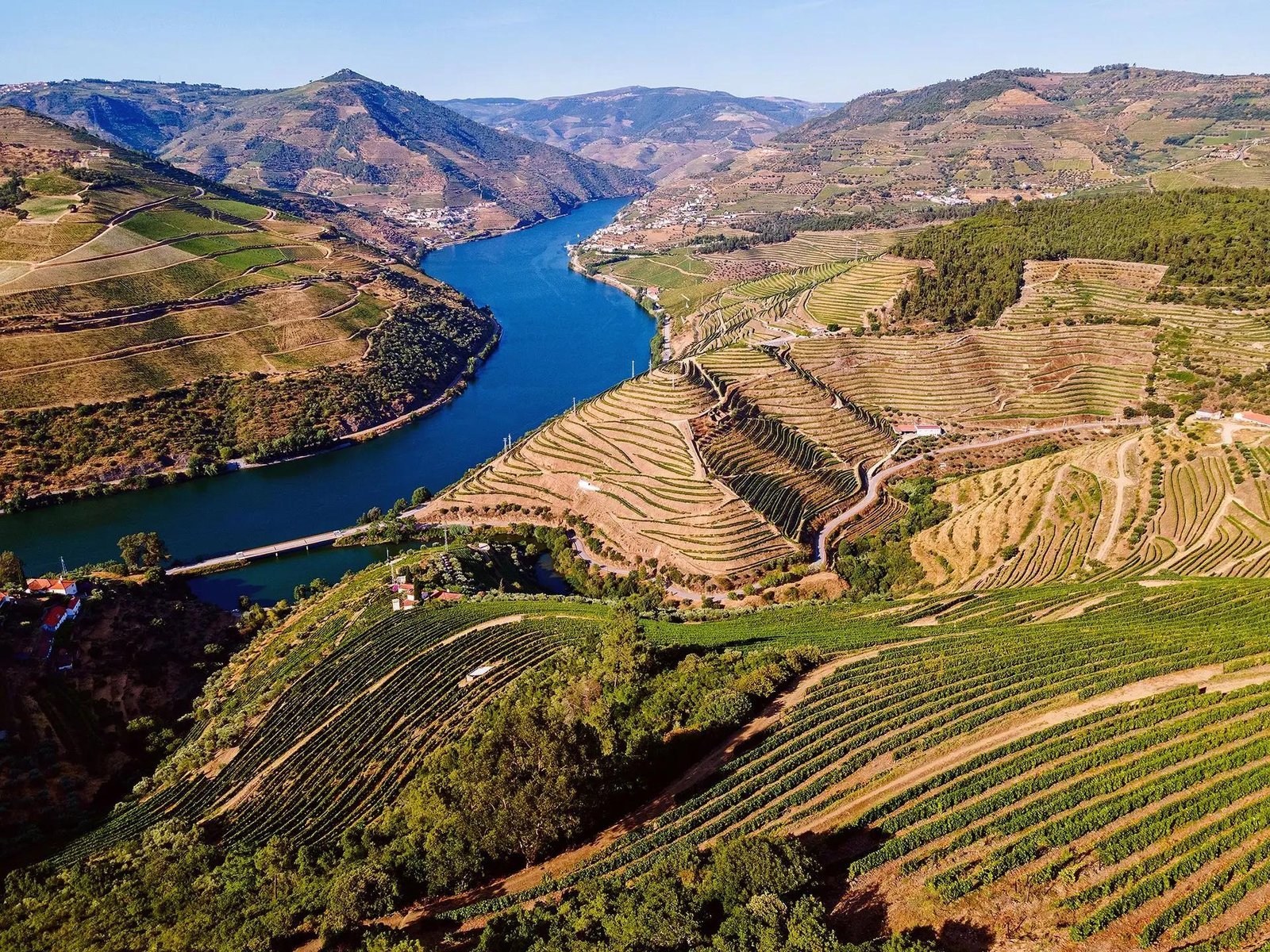
12. Take a trip to the Douro Valley
If you have time, the Douro Valley is one of the most meaningful getaways from Porto.
The landscapes of terraced vineyards around the river are spectacular and the region has a huge winemaking tradition.
You can find it through:
- train;
- car;
- organized excursion;
- ship;
- visits to villas.
If you are interested in wine, gastronomy and landscapes, I would try to reserve at least one day.




13. Decide well if you need to rent a car
I wouldn’t automatically rent a car.
First I would decide which route I want to take.
For Lisbon
You don’t need it.
For Porto
It is not essential either.
For Algarve
It can be very useful.
For Alentejo
It can make a big difference.
For rural routes
I would seriously consider renting it.
Travelers who analyze Portugal themselves recommend choosing transport depending on the route and the available connections.
This is a rule that I really like:
First design the route and then choose the transportation.
Not the other way around.
14. Portuguese tolls deserve attention
If you are going to travel by car, this is a point that I would not leave for the last minute.
Portugal has highways and toll systems that can operate in different ways, including electronic systems.
On certain routes you may encounter electronic tolls , where the vehicle is identified by license plate or associated devices.
Therefore, if you rent a car, I would ask the company directly:
- how the toll device works;
- how tolls are collected;
- what commission the company applies;
- which roads have tolls;
- how electronic systems are paid.
This is one of the points that the main travel blogs consulted place among their main recommendations for driving through Portugal.
I wouldn’t assume “I’ll pay at the barrier now.”
15. If you drive, pay attention to the roads
The main roads are comfortable, but if you are going to travel through rural areas you will find secondary roads and sections where it is better to drive more calmly.
I would be especially careful with:
- speed limits;
- signage;
- roundabouts;
- parking;
- tolls;
- historic areas;
- narrow roads.
And if you rent a car, I would check the vehicle well before leaving.
Take photographs of any existing damage.
16. The train is a good option for various routes
For certain trips between cities, the train can be very practical.
For example, you can consider connections between:
- Lisbon and Porto.
- Lisbon and Coimbra.
- Lisbon and Faro.
- Porto and other northern cities.
You don’t need to have a car to get to know Portugal.
In fact, for a first route focused on big cities, I would probably start without a car.
Then I would decide if it is worth renting it for the second part of the trip.
17. Use public transportation within cities
Lisbon has metro, buses, trams and other means of transportation.
Porto also has a very useful public transport network.
Official Portuguese tourism information explains the main urban transport options and cards available in Lisbon and Porto.
My advice is not to automatically buy the first tourist card you find.
First calculate:
How many transports am I really going to use?
Sometimes a tourist card pays off.
Other times paying for trips individually is easier.
18. Wear comfortable shoes
This tip seems too basic, but it’s important.
Portugal has many historic cities with:
- paving stones;
- pending;
- stairs;
- narrow streets;
- viewpoints.
Lisbon and Porto can easily become real exercise sessions.
I would prioritize:
comfort > aesthetics
when it comes to travel footwear.
Your feet will thank you on the fourth day.
19. Travel insurance is still recommended
Although Portugal is within the European Union, I would not rule out travel insurance.
The Spanish Ministry of Foreign Affairs reminds us that expenses arising from certain situations, such as hospitalization or repatriation, may fall on the traveler and recommends having insurance that covers eventualities.
Also, if you are going to do activities like:
- hiking;
- water sports;
- excursions;
- routes through remote areas;
check that the policy includes these activities.
If you have a European Health Insurance Card, it is also a good idea to carry it if you are entitled to it.
20. Keep an eye on your belongings in tourist areas
Portugal is a very popular and generally safe tourist destination, but that doesn’t mean you can completely forget about your belongings.
The Ministry of Foreign Affairs points out that thefts are frequent in tourist areas of cities and regions such as Lisbon, Porto, Sintra and Algarve, as well as train, metro and bus stations.
I would be especially careful with:
- wallets;
- phones;
- cameras;
- backpacks;
- luggage;
- objects left inside the car.
You don’t need to travel paranoid.
Just use common sense.
21. Do not leave visible luggage inside the car
If you rent a car, this tip is even more important.
I wouldn’t leave:
- cameras;
- computers;
- backpacks;
- documents;
- money;
in view.
If you need to leave luggage in the vehicle during a stop, try to store it in the trunk before arriving at the location and park in appropriate areas.
The idea is that from the outside there is nothing that attracts attention.
22. Try Portuguese gastronomy
One of my tips would be not to turn the trip into a constant search for international food.
Portugal has fantastic gastronomy.
I would try:
- bacalhau;
- roasted sardines;
- green broth;
- seafood rice;
- drum rice;
- francesinha in Porto;
- bifana;
- pasteis de nata;
- queijo;
- Portuguese wines;
- Port wine.
And if you go to the Algarve, I would look for fresh fish and seafood.






23. Meal times may be different
If you come from Spain, it probably won’t seem too strange to you, but it is worth paying attention to the schedules.
In many Portuguese restaurants, lunch and dinner are served earlier than some tourists from Spain might expect.
One of the recurring pieces of advice from the guides analyzed is precisely to take into account meal and restaurant hours.
I usually do something very simple:
Before I head out, I look for some interesting restaurants near the area I’m visiting.
This way I don’t end up entering the first restaurant that appears when I’m already starving.
24. The Internet should not be a problem
If you are traveling from another country in the European Union, check your operator’s roaming conditions.
In many cases you can use your mobile rate in Portugal under European roaming rules, although it is always advisable to check the specific conditions of your contract.
If you are traveling from outside the EU, you can study:
- eSIM;
- Portuguese SIM;
- international roaming.
I would also previously download the maps of the areas I am going to visit.
Travelers who have analyzed Portugal precisely recommend having offline maps and an external battery as practical measures.
25. Learn some words in Portuguese
Although you can find people who speak Spanish or English in many tourist areas, I think it’s a nice touch to learn a few words.
Some useful expressions
Hey — Hello.
Bom dia — Good morning.
Good afternoon — Good afternoon.
Obrigado / Obrigada — Thank you.
Please — Please.
Excuse me — Excuse me.
How much does it cost? — How much does it cost?
Onde fi…? — Where is…?
Account, please — Account, please.
And a little advice: although Portuguese and Spanish are similar, it does not mean that everything is pronounced the same.
I would try to speak normally and not make up strange Portuguese by mixing Spanish with Portuguese words.
How many days do I need to travel to Portugal?
This is one of the questions I would ask myself the most before booking the flight.
3 days
I would focus on Lisbon .
4-5 days
Lisbon + Sintra.
7 days
Lisbon + Sintra + Porto.
10 days
Lisbon + Sintra + Porto + Algarve.
14 days
You can do a fairly complete route through continental Portugal.
And if you have more time, then I would start considering Madeira, Azores, Alentejo, northern Portugal or more specific routes.
The idea is not to turn the trip into a race.
What places to visit in Portugal for the first time?
If I had to make a short list for someone who has never been, I would start with:
- Lisbon
- Sintra
- Porto
- Douro Valley
- Algarve
- Coimbra
- Évora
- Obidos
- Nazaré
- Madeira , if you have time to add an island
But the list depends entirely on the type of traveler you are.
If you are looking for cities, I would prioritize Lisbon and Porto.
If you are looking for beaches, Algarve.
If you want nature, Madeira, Azores, Gerês or Serra da Estrela.
If you are interested in wine, Douro and Alentejo.
If you like history, Lisbon, Sintra, Coimbra, Évora and Óbidos.



Is it expensive to travel to Portugal?
Portugal is no longer the extremely cheap destination that some travelers remember from decades ago.
Even so, it can be competitive with other European destinations depending on the season and type of trip.
Accommodation is usually one of the expenses that can vary the most.
I would especially compare:
- season;
- location;
- transport;
- accommodation;
- restaurants;
- activities.
A cheap room located too far away can end up costing you time and money traveling.
Sometimes paying a little more for a better location ends up being cheaper.
Where to stay in Lisbon?
For a first visit I would look for an area with good connections.
Some areas you can study are:
- Baixa.
- Chiado.
- Alfama.
- Avenida da Liberdade.
- Rossio.
- Belém.
- Parque das Nações.
I wouldn’t choose accommodation based on price alone.
Check:
- distance to transport;
- recent reviews;
- noise;
- accessibility;
- air conditioning if you travel in summer;
- cancellation policy.
Where to stay in Porto?
You can study areas like:
- Ribeira;
- Baixa;
- Bolhão;
- Cedofeite;
- Vila Nova de Gaia.
Porto has quite a few slopes, so again I would check the actual location on the map before booking.
Is the Algarve worth visiting?
If you like beaches, yes.
The Algarve offers:
- cliffs;
- cleats;
- extensive beaches;
- coastal towns;
- caves;
- trails;
- seafood gastronomy.
Lagos, Albufeira, Faro, Tavira and other towns can serve as bases depending on the route.
But I wouldn’t assume that all areas of the Algarve have the same vibe.
Some are more familiar.
Others have a lot of nightlife.
And others are much calmer.
And Madeira?
Madeira is a completely different option.
If you like:
- nature;
- mountains;
- hiking;
- viewpoints;
- scenic roads;
- natural pools;
can become one of the great trips within Portugal.
Furthermore, Madeira’s climate is much milder than much of the continent throughout the year. ( Visit Portugal )
Of course, I wouldn’t try to combine Madeira with Lisbon, Porto and Algarve on a short getaway.
My ideal route for a first 10-day visit
If I wanted to prepare a balanced trip, I would propose something like this:
Days 1-3: Lisbon
Alfama, Baixa, Chiado, Belém and viewpoints.
Day 4: Sintra
Pena Palace, Quinta da Regaleira and historic center.
Days 5-6: Porto
Ribeira, Dom Luís I bridge, historic center and Vila Nova de Gaia.
Day 7: Douro Valley
Excursion, train, boat or car.
Days 8-10: Algarve
Lagos, Ponta da Piedade, beaches and some coastal towns.
It is not the only possible route, but it has an advantage: combines city, history, wine and beach without trying to fit half the country into the itinerary.
What to pack for Portugal
I would pack the suitcase depending on the time and region, but as a base I would take:
- documentation;
- bank cards;
- some cash;
- travel insurance;
- phone;
- external battery;
- loader;
- comfortable slippers;
- sunscreen;
- sunglasses;
- light clothing;
- a jacket;
- umbrella or raincoat if applicable;
- common medications.
If you hike, I would obviously add the necessary equipment.
And if you go to the Algarve in summer, I wouldn’t forget sun protection.
Frequently Asked Questions (FAQs)
What documents do I need to travel to Portugal?
It depends on your nationality. Spanish citizens can currently travel with a valid ID or passport. Citizens of other countries must check the specific entry requirements according to their nationality.
Do I need a passport to travel to Portugal from Spain?
If you are a Spanish citizen, not necessarily: you can travel with a valid DNI. Even so, also carrying your passport can be useful as an alternative document.
Does Portugal use the euro?
Yes. The euro is the official currency of Portugal.
Is it safe to travel to Portugal?
Portugal is generally a safe tourist destination, but you should take the usual precautions. The Ministry of Foreign Affairs warns especially about theft in tourist areas, public transport and places with large concentrations of visitors.
Do I need travel insurance for Portugal?
It is not always an entry requirement for tourists, but it is recommended. It can help you cover certain eventualities, assistance and repatriation.
Is it better to travel around Portugal by car or train?
Depends on the path. You can get around Lisbon and Porto perfectly without a car. For the Algarve, Alentejo and some rural areas, renting a car can offer much more freedom.
Are there tolls in Portugal?
Yes. There are different toll systems, including electronic systems. If you are going to drive, it is advisable to find out beforehand how they are charged on the route you are going to take.
Is it expensive to travel in Portugal?
Depends on the season, city and travel style. Lisbon, Porto and Algarve can become more expensive during periods of high demand, especially in accommodation.
What is the best time to visit Portugal?
Spring and autumn can be excellent for exploring cities and doing routes. Summer is especially interesting for the Algarve and the beaches, although there is usually more tourist demand.
How many days do I need to visit Portugal?
For a first route I recommend approximately 7-10 days, although you can do a 3-5 day getaway focused exclusively on Lisbon and Sintra.
Is Sintra worth visiting?
Yes. Sintra is one of the best excursions from Lisbon, especially for its palaces, gardens and landscapes.
How many days to spend in Lisbon?
For a first visit, I would book 3 or 4 days, especially if you want to take a trip to Sintra.
How many days to spend in Porto?
Two or three days allow you to get to know the main attractions of Porto. If you want to add the Douro Valley, I would book an extra day.
Is it worth renting a car in Portugal?
Yes for certain routes, but it is not essential for a first visit focused on Lisbon and Porto.
What to eat in Portugal?
I would start with bacalhau, sardines, green broth, seafood rice, francesinha, bifanas and pasteis de nata.
Can I use my mobile phone in Portugal?
If you are traveling from another EU country, check your operator’s roaming conditions. If you arrive from outside the EU, you can consider an eSIM, local SIM or international roaming.
What language is spoken in Portugal?
The official language is Portuguese. In tourist areas you will also find people who speak Spanish, English and other languages.
The little tricks that make traveling in Portugal much easier
After reviewing the recommendations of the main travelers and contrasting them with official sources, I think there is an idea that sums up quite well how I would prepare a trip to Portugal:
no need to complicate it.
Check the documentation.
Take out adequate insurance.
Decide first what you want to know.
Then choose the transport.
If you drive, find out about tolls.
Book in advance when traveling in high season.
Wear comfortable shoes.
Protect your belongings in tourist areas.
And leave some room to improvise.
Portugal has a combination that I think is especially good for traveling on your own: historic cities, beaches, towns, gastronomy, wine, nature and good connections between many of its tourist areas .
Lisbon could be your first contact.
Sintra adds palaces and landscapes.
Porto completely changes the atmosphere.
El Duero provides vineyards and tranquility.
The Algarve offers the beaches.
Madeira and Azores play in another league when you are looking for nature.
And that’s precisely why I wouldn’t try to see it all in one trip.
If I have seven days, I make a route.
If I have ten, I expand.
If I have two weeks, then I start exploring less obvious areas.
Because one of the best travel tips for tourists in Portugal that I can give you is this: don’t travel with the obsession of crossing places off a list; organize a route that allows you to enjoy them .
Sometimes a quiet afternoon having a drink in front of the Douro, getting lost in the streets of Alfama or sitting on a beach in the Algarve ends up being much more memorable than running all day to visit five monuments.
And Portugal, precisely, is a country that lends itself very well to traveling without so much haste.