
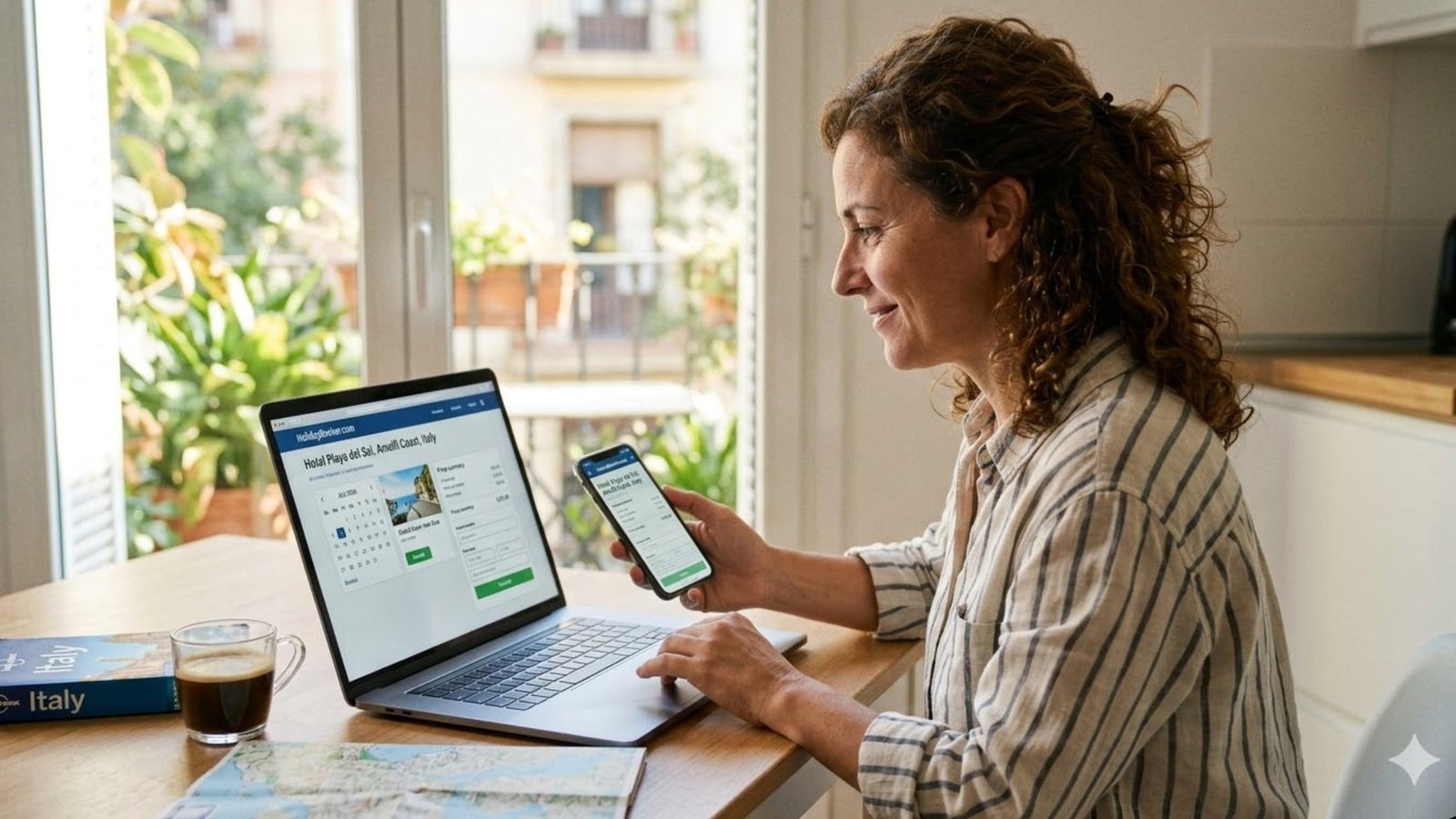
Booking a hotel online seems like a simple task: you enter the destination, choose the dates, compare prices and click book. But after organizing trips and comparing accommodations, I have learned that finding a hotel is not the same as finding a good hotel at the best price and with good conditions .
There are details that are easily overlooked: taxes, additional charges, location, room type, breakfast, cancellation policy, luggage, check-in and check-out times, recent reviews or even if the price you are seeing is really the final price.
And this is where I want to stop.
Because when I search how to book hotel accommodations online like an expert , I’m not just trying to find the cheapest room. My goal is to find the option that has the best balance between price, location, quality, conditions and security of the reservation .
Currently we have a huge number of options: online agencies, comparators, official hotel pages, mobile applications and loyalty programs. Forbes Advisor, for example, compares booking platforms using factors such as price transparency, filters, date flexibility, customer support, rewards programs and user experience.
So let’s do it in a much smarter way.




Before booking a hotel, define what you really need
This is a step that many people skip.
Open any hotel search engine and you will find hundreds of results. The problem is that, if you are not clear about what you are looking for, you will end up comparing hotels that are not really comparable.
Before starting, I would define:
- Destination.
- Entry and exit dates.
- Number of travelers.
- Number of rooms.
- Approximate budget.
- Accommodation type.
- Desired location.
- Meal plan.
- Free cancellation required.
- Essential services.
For example, if I am going to spend two nights in a city and I want to mainly visit the historic center, I would rather pay a little more for a well-located hotel than save €30 and end up using public transport or taxis constantly.
On the other hand, if I am going to spend a week in a resort and I am practically not going to leave the hotel, the location relative to the center may matter much less to me.
The best hotel does not exist in absolute terms. There is the hotel that best fits your trip.
Don’t start with the lowest price
This is one of my top tips.
When you sort the results from lowest to highest price, it’s very easy to think you’ve found a bargain.
But first you have to look at what you are buying.
One hotel may appear for €60 per night and another for €80. At first glance, the first one wins.
Then you discover that:
- Does not include breakfast.
- It is 40 minutes from downtown.
- Cancellation is not allowed.
- It has an interior room.
- Charges an additional fee.
- Wi-Fi has limitations.
- The second hotel includes breakfast and is five minutes from where you want to be.
In that case, the €20 difference may be perfectly justified.
That’s why my first rule is:
Don’t look for the lowest price. Find the best price for what you need.
The three main ways to book a hotel online
When you search for accommodation online, you will usually end up using one of these three channels.
Online travel agencies
They are known as OTA , for its acronym in English: Online Travel Agency.
Here come platforms that bring together hotels from many brands and allow you to compare accommodations in the same search.
The advantage is obvious: you have a huge number of options in one place.
In addition, they usually offer filters by price, rating, location, services, accommodation type, and cancellation policies.
Hotel comparators
Comparators work as search engines that can display prices from different platforms and providers.
They are especially useful for answering a simple question:
Where is this same hotel cheaper?
Here it is important not to confuse a comparator with an agency. Some tools simply send you to the site where you will end up making the reservation.
Official hotel website
This option is often forgotten.
If I find a hotel that really interests me, I usually check their official website as well.
Why?
Because you can have:
- Exclusive rates.
- Breakfast included.
- Member Benefits.
- Different cancellation.
- Best room category.
- Loyalty programs.
- Special conditions.
Forbes Advisor precisely points out that hotel chains often offer advantages for booking directly, especially when the traveler participates in their loyalty programs.


How to compare the real price of a hotel
Here begins the part that I consider really important.
Suppose you find a room for €90 .
Don’t book yet.
Search for the final price.
It may happen that those €90 are:
€90 per night
or:
€90 + taxes + fees + additional charges
The difference can be important.
That’s why when I compare hotels, I try to get to the final booking screen before deciding.
Forbes Advisor uses price transparency as one of its main criteria for evaluating hotel booking sites and places greater importance on platforms that display taxes and fees before payment.
What I would always compare
| Item | What to Check |
|---|---|
| Price | Total stay |
| Taxes | If included |
| Fees | Resort, city or other |
| Breakfast | Included or additional |
| Cancellation | Free or with penalty |
| Payment | Now or on hosting |
| Room | Exact category |
| Guests | Number allowed |
| Location | Actual distance |
| Services | Wi-Fi, parking, swimming pool, etc. |
This avoids one of the most common mistakes when booking accommodation online: comparing prices that do not really represent the same thing .
Location may be worth more than a spectacular room
I’ve learned that pretty photographs can fool us a little.
A hotel may have a great pool, beautiful rooms, and an excellent rating, but if it’s too far from the places you want to visit, it may not be the best choice.
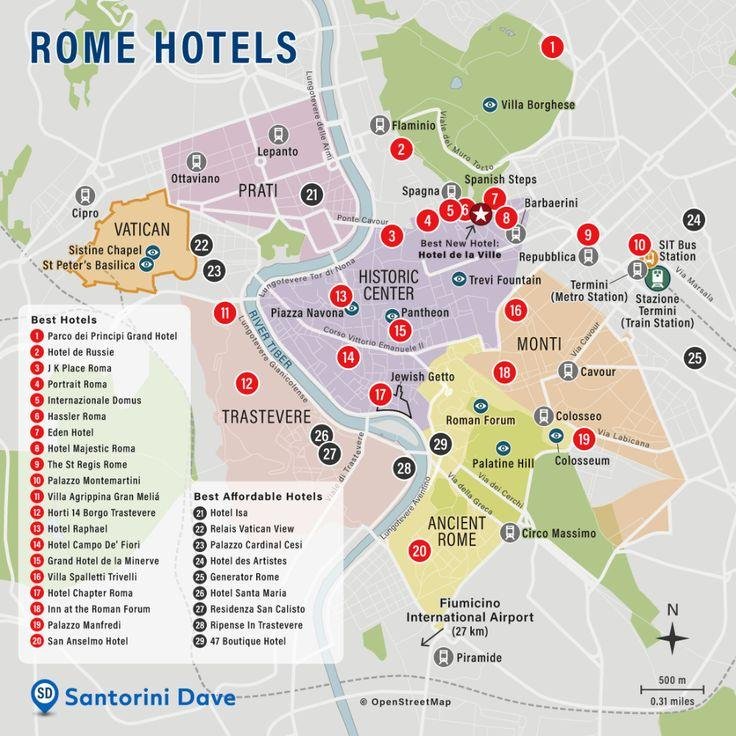
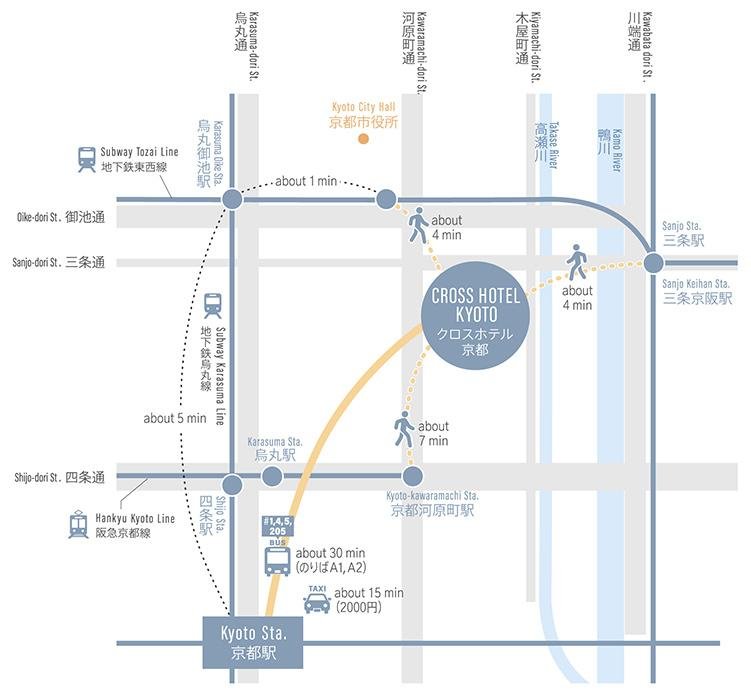
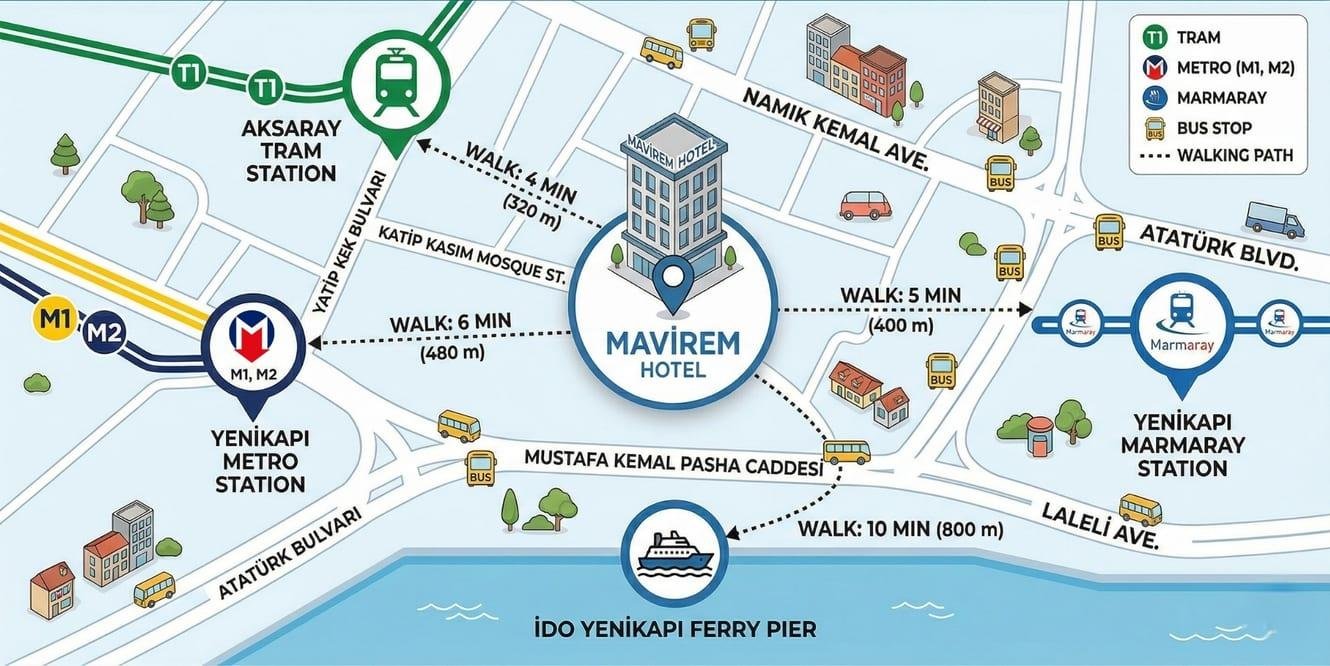
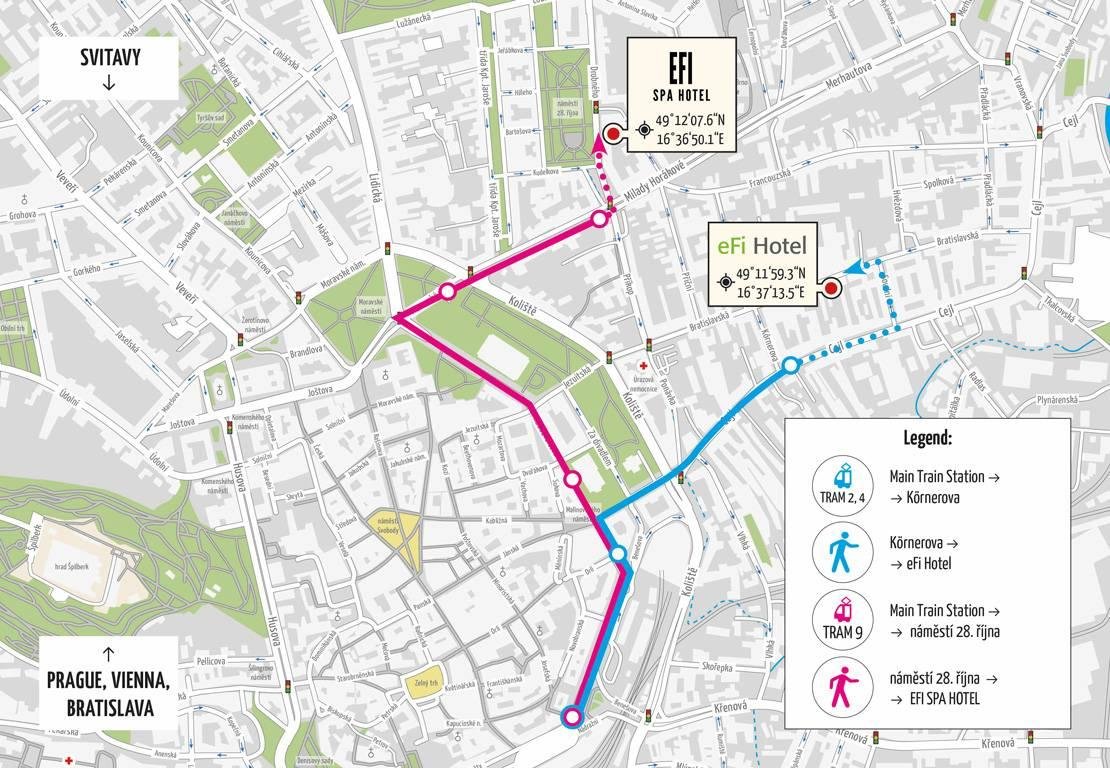
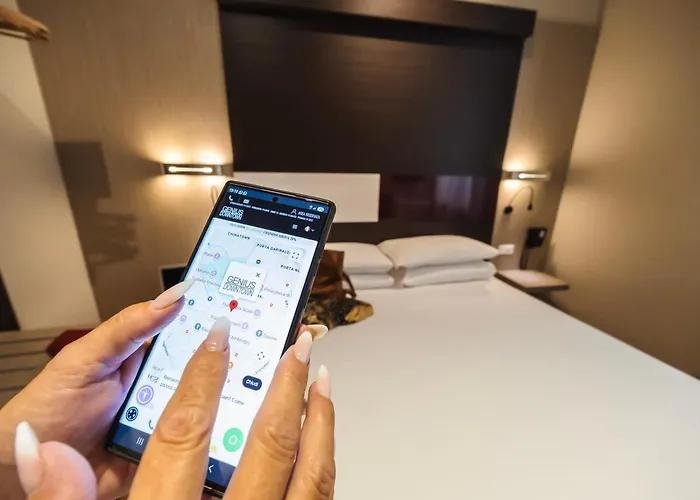
When I search for accommodation, I open the map.
Always.
I check where it is:
- The center.
- The main attractions.
- Train stations.
- Meter.
- Bus stops.
- Airport.
- Restaurants.
- Supermarkets.
- Beaches.
- Areas I want to know.
And here’s another little detail: I don’t put too much faith in phrases like “10 minutes from downtown” without checking exactly what it means.
Ten minutes walking is not the same as ten minutes driving.
And ten minutes by car during an hour of traffic is not ten minutes either.
For short trips, location matters even more
If I’m only going to stay two or three days, every hour counts.
In that case I prefer a centrally located hotel even if it costs a little more.
For a stay of several weeks, however, I can accept a more remote area if it has good transportation and the savings are worth it.

Learn to read hotel reviews
Reviews are one of the most useful tools we have.
But you also have to know how to interpret them.
I wouldn’t just stick with a score of 9.1 or 8.4.
I read several recent opinions.
And I look for patterns.
For example:
“The room was small.”
It doesn’t necessarily mean that the hotel is bad.
But if twenty people mention that the rooms are small, I already have useful information.
The same goes for:
- Noise.
- Cleaning.
- Wi-Fi.
- Mattresses.
- Air conditioning.
- Hot water.
- Breakfast.
- Staff.
- Elevators.
- Location.
- Security.
- Maintenance.
Negative reviews can also be helpful
This seems contradictory, but it is not.
A negative review can tell me exactly what I need to know.
If someone complains because the hotel is a 15 minute walk from the center, it may not be a problem for me.
If you’re complaining because the walls are too thin and I’m a light sleeper, then I’m interested.
That’s why I’m not looking for a hotel without reviews.
I’m looking for reviews to let me know what I’m buying .
How many stars should a hotel have?
I wouldn’t use stars as the only criterion.
Hotel categories may vary by country and do not necessarily indicate that the accommodation is perfect for you.
A three-star hotel can be an excellent choice for a budget trip.
A five-star hotel may have services you don’t need.
I would look at together:
category + reviews + location + price + services.
That set tells me much more than the stars alone.
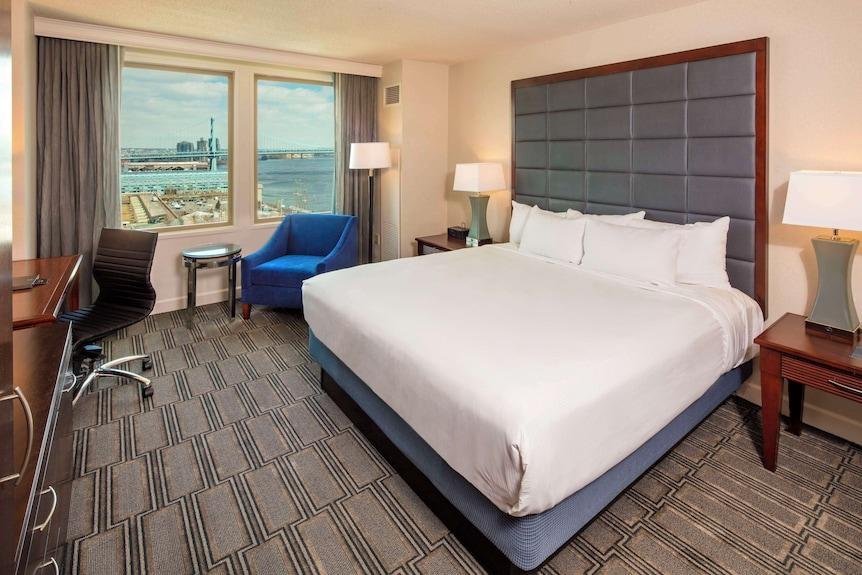
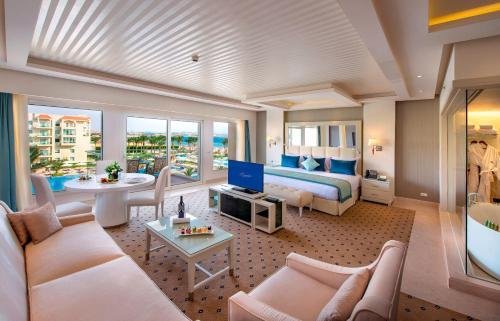
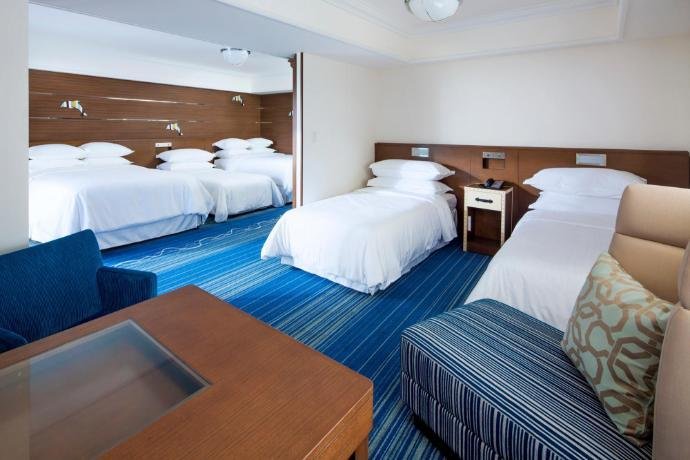
Room type matters a lot
This is where some seemingly inexpensive reservations start to get complicated.
Not the same:
- Single room.
- Double room.
- Twin.
- Double top.
- Deluxe.
- Suite.
- Family room.
- Study.
- Apartment.
And a room with:
is not the same either.“city view”
than:
“partial city view.”
Before booking, I read the entire description.
I also check:
- Room size.
- Bed type.
- Private bathroom.
- Balcony.
- Kitchen.
- Air conditioning.
- Safe.
- Refrigerator.
- Desk.
- Washing machine, if it is a long stay.
I don’t want to discover upon arrival that the room that looked perfect in the photo was a superior category that was not included in my reservation.



Reservation with free cancellation when the difference is reasonable
This is one of the features I value most.
If I find two options:
Option A: €500, non-refundable.
Option B: €520, free cancellation until a certain date.
I wouldn’t automatically rule out the second one.
That €20 can buy me peace of mind.
Of course, it’s not always worth paying more to cancel. But when the journey can still change, flexibility has value.
Also, never assume that “free cancellation” means you can cancel at any time.
Must read:
Until what date?
What time?
What happens next?
Is there a non-refundable deposit?
Policies can vary greatly between hotels and rates.
Non-refundable offers can be useful, but they come at a price
A non-refundable rate can usually be cheaper.
If I’m completely sure about my dates, I might be interested.
But if there’s even the slightest chance I’ll have to change my trip, I’d rather consider how much I’m actually saving.
Saving €50 and then losing €400 if I have to cancel is not saving.
It is transferring the risk to my pocket.
Is it better to book directly with the hotel?
Many times it is worth checking.
It doesn’t mean it’s always cheaper.
My process is usually:
- I find the hotel on an OTA.
- I check the location and reviews.
- I write down the price.
- I’m looking for the official website.
- I enter exactly the same dates.
- I compare the equivalent room.
- I compare the conditions.
And here something interesting appears.
It may happen that the OTA is cheaper.
But it may also happen that the hotel offers:
- Best rate for members.
- Breakfast.
- Premium Wi-Fi.
- Best room.
- Flexibility.
- Points.
- Loyalty benefits.
Forbes Advisor precisely differentiates between online agencies, aggregators and official hotel pages, and highlights that booking directly can be especially interesting for those who want to accumulate points or take advantage of the benefits of a chain.
What are OTAs and why should you know about them?
OTA means Online Travel Agency .
They are platforms that act as intermediaries between travelers and accommodation providers.
Its great advantage is variety.
You can compare hotels from different chains and independent accommodations from the same interface.
Additionally, many offer:
- Filters.
- Maps.
- Opinions.
- Loyalty programs.
- Mobile applications.
- Customer Service.
- Cancellation options.
- Comparison of different categories.
But there is a disadvantage that we should not forget:
when you book through an intermediary, you are adding another actor to the relationship with the hotel.
If a problem occurs, it may be necessary to coordinate the solution between the platform and the establishment.
Therefore, for important reservations, I always save the confirmation and the hotel’s contact details.
How to book a cheap hotel without sacrificing quality
If my budget is limited, I don’t just try to find the cheapest hotel.
I make some adjustments.
Change dates
Sometimes a day difference changes the price quite a bit.
Go a little further away from the center
But only if there is good transportation.
Reduce category
Going from four to three stars can save you money without making the experience too much worse.
Delete services I don’t need
If I’m going to spend all day exploring a city, maybe I don’t need a hotel with a spa and pool.
Find longer stays
Weekly or monthly discounts appear in some accommodations.
For longer stays, it’s worth looking specifically for long-stay options rather than booking each night as if it were a weekend trip. Specialized platforms and hotels may offer different rates for this type of accommodation.
Compare rooms
Sometimes a slightly different room has a small difference in price and better conditions.
How to book a hotel for a long stay
Here my way of searching completely changes.
If I’m staying one night, I care a lot about location and comfort.
If I’m going to stay a month, other things start to matter:
- Kitchen.
- Washing Machine.
- Refrigerator.
- Workspace.
- Wi-Fi.
- Cleaning.
- Storage.
- Transport.
- Discounts per stay.
- Cancellation conditions.
- Cost of services.
- Neighborhood security.
For long stays I would also compare traditional hotels with furnished apartments, aparthotels and accommodations specialized in extended stays.
There is no point in paying every night as if you were taking a weekend getaway if you are going to live there temporarily.
Breakfast may change the actual price
“Breakfast included” sounds great.
But you have to do numbers.
Suppose:
Hotel A: €90 without breakfast.
Hotel B: €105 with breakfast.
If two people would have to spend €15 each having breakfast out, the second hotel may be cheaper in practice.
Of course it depends on what that breakfast actually includes.
That’s why I try to calculate the cost of the entire stay, not just the price of the room.






Parking, Wi-Fi and other extras that can change everything
There are expenses that appear after you have chosen the hotel.
For example:
- Parking.
- Wi-Fi.
- Use of facilities.
- Additional bed.
- Crib.
- Breakfast.
- Mascot.
- Cleaning.
- Tourist tax.
- Resort fee.
- Deposit.
If I travel by car, a cheap hotel without parking may end up being more expensive than one that includes it.
If I’m going to work from the hotel, poor Wi-Fi may be much more important than a pool.
The best filter depends on your situation.
Which platform is best for booking hotels?
I don’t think there is a single answer.
Forbes Advisor evaluated ten large hotel booking sites in 2026 considering ten factors, including price transparency, consumer reviews, rewards, filters, rating options, travel protection, flexible dates, support and mobile experience.
That seems like a much more sensible way to compare platforms to me than simply asking which is “the best.”
I would divide them like this:
If I want to compare many hotels
I would use an OTA or comparator.
If I already have a hotel chain in mind
I would directly check their official website.
If I want to take advantage of a loyalty program
I would book considering where I can earn points or receive benefits.
If I want a long stay
I would look for specific rates for long stays.
If I want to save
I would compare the same hotel on multiple platforms.
I wouldn’t marry a single website.
Is it better to book from an application or from your computer?
For research, I personally prefer the computer.
I have more space for:
- Open maps.
- Compare multiple tabs.
- Read reviews.
- Review policies.
- Compare rooms.
To manage the reservation during the trip, the telephone is much more convenient.
The application may be useful for:
- Consult the reservation.
- Show confirmations.
- Contact the accommodation.
- Receive notifications.
- See directions.
So I don’t see why choose one or the other.
Computer to compare and mobile to manage.
How to spot a hotel deal that’s really worth it
When I see an offer, I ask myself five questions.
Is it really the same hotel?
It seems obvious, but check the exact name and location.
Is it the same room?
Don’t compare a standard room to a suite.
Are they the same dates?
A single night can change the average price a lot.
Are the conditions the same?
Cancellation, breakfast, payment and services.
Is the final price really lower?
I’m not interested in the price that appears in the ad.
I am interested in the one I will pay for.
A simple trick: make a table before booking
When I have several interesting options, I stop looking at the photographs and turn to the numbers.
| Hotel | Total | Location | Reviews | Breakfast | Cancellation |
|---|---|---|---|---|---|
| Hotel A | €420 | Excellent | 8.8 | No | Yes |
| Hotel B | €390 | Good | 8.4 | Yes | No |
| Hotel C | €450 | Excellent | 9.1 | Yes | Yes |
Suddenly, the decision is much easier.
Hotel B seems cheap, but there is no cancellation.
Hotel C costs more, but has a higher rating and more flexibility.
Hotel A may be the halfway point.
There is no universal answer.
It depends on what you value more.
How to avoid errors when entering your data
Before confirming, I especially check the personal data.
Check:
- Name.
- Surnames.
- Number of guests.
- Dates.
- Number of rooms.
- Room type.
- Email.
- Telephone.
- Payment terms.
And save the confirmation immediately after booking.
If you receive a reservation number, don’t lose it.
I also recommend checking that the hotel address and contact details match official sources.
Beware of suspicious messages after booking
There is one security point that I consider especially important.
After booking an accommodation, you may receive communications related to your stay. It does not mean that all of them are legitimate.
If you receive an unexpected message asking for bank details, passwords or additional payments using a strange link, I would not act directly from that message.
I would enter the platform from its official application or website and check the reservation.
You can also contact the hotel directly using their official details.
I would never hand over sensitive information simply because someone claims to represent the accommodation.
What do I do the day before I travel
Here I do one last review.
Check:
- Entry date.
- Check-in time.
- Address.
- How to get there.
- Reservation number.
- Payment method.
- Deposit Policy.
- Documentation.
- Accommodation telephone number.
If I arrive late, especially if my flight lands at night, I also check if there is 24-hour reception or if I need to arrange arrival.
That little detail can prevent a pretty unpleasant problem.







My method to book accommodation online like an expert
After all this, my process sums up pretty well in ten steps.
1. I define the trip
Dates, destination, travelers and budget.
2. I am looking for several options
I never choose the first hotel.
3. I check the map
I check where it really is.
4. I read recent opinions
I look for patterns, not a single opinion.
5. I compare rooms
I make sure I’m comparing exactly the same thing.
6. I check the final price
Not only the advertised price.
7. I review the cancellation
Especially if the trip can still change.
8. I compare OTA and official website
Sometimes one wins, sometimes the other.
9. I calculate the extras
Breakfast, parking, transportation, taxes and other services.
10. I check everything before paying
Five minutes here can save me a problem during the trip.
How the hotel fits into the entire trip
Something I’ve also learned is that the hotel shouldn’t be analyzed completely separately from the rest of the trip.
For example, if you are organizing a trip with flight + hotel, you can compare the price of booking them together versus booking them separately.
My article on Tour Packages fits in very well: where to find the best to book .
And if you are still looking for flights, you can also continue with How to Buy Flight Tickets Online and Beat the Algorithm.
The idea is that the hotel does not end up being an isolated decision. The actual price of a vacation depends on how transportation, accommodation, food and activities fit together.
Frequently Asked Questions (FAQs)
What is the best website to book hotels?
There is no single page that is always the best. It depends on the destination, price, conditions, variety, loyalty program and type of accommodation you are looking for.
Is it cheaper to book a hotel directly?
Not necessarily. Sometimes an online agency offers a lower price and other times the hotel has an exclusive rate or benefits for direct bookings. It is advisable to compare both options.
How can I get cheap hotels?
Compare several platforms, modify dates if you have flexibility, check hotels located outside the center but well connected and always compare the final price with taxes and fees included.
Is it safe to book hotels online?
Yes, as long as you use recognized platforms or the accommodation’s official website and carefully check the booking conditions.
What should I check before booking a hotel?
Total price, location, recent reviews, room type, taxes, breakfast, cancellation, payment method, additional services and any deposits or fees.
Should I choose free cancellation?
When the price difference is reasonable and there is a possibility that your plans will change, it can be a very interesting option.
Are hotel reviews reliable?
They are useful, but it is worth analyzing them together. An isolated opinion may not represent the general experience. Look for patterns among many recent opinions.
Is a central hotel better?
For short trips it can usually be very convenient. For long stays, accommodation a little further away but well connected can offer better value for money.
How do you know if the price of a hotel is really cheap?
Compare the same hotel, room, dates and conditions on different platforms. Then review the final price, including taxes, fees and additional services.
What does OTA mean in hotels?
OTA means Online Travel Agency. They are online travel agencies that allow you to search and reserve accommodation from different providers from the same platform.
Which is better for a long stay: hotel or apartment?
It depends on your needs. For several weeks or months, an apartment, aparthotel or specialized long-stay accommodation can offer a kitchen, laundry and different rates than a conventional room.
Should I book the hotel before or after the flight?
Depends on the trip. If flight dates are fixed, it usually makes sense to confirm transportation first and then find accommodation. If you are using a package, you can compare both things together.
The small detail that makes the difference
For me, booking a hotel online like an expert doesn’t mean knowing a secret website where rooms appear at half price.
Means know compare .
Compare the advertised price with the final price.
Compare an OTA with the official website.
Compare location with category.
Compare one room to another.
Compare a non-refundable rate with a flexible one.
Compare what the photographs say with what the guests say.
And above all, compare the price with what I will really receive .
When I do all this, the reservation stops being just “I found a hotel for €80”.
Becomes:
“I found an accommodation that costs €80, is well located, has good reviews, includes what I need and I can cancel until a certain date.”
That’s the difference.
And that is precisely the way I recommend to book hotel accommodations online like a expert: not by desperately searching for the cheapest room, but by learning to recognize when a reservation is really worth it.