
When I think about traveling around Europe on a budget, the first thing I try to avoid is the idea that to see the continent I need to spend as if I were on a luxury vacation. Europe has expensive destinations, of course, but there are also countries where accommodation, food, transportation and activities can cost significantly less than many imagine.
And here is something that is fundamental to me: it is not enough to find the cheapest hotel .
When I plan a budget trip, I look at the full price. How much does it cost to sleep? How much does it cost to eat? Can I travel by public transport? Are the main attractions expensive? Can I walk around the city and enjoy much of it for free?
With that perspective, the Balkans and Eastern Europe come out especially well. Recent comparisons for 2026 place Albania, Bulgaria, North Macedonia, Romania and other countries in Eastern Europe and the Balkans among the cheapest options on the continent.
Therefore, if you are looking for the 10 cheapest countries to travel in Europe , this is the selection that I would take into account to organize a trip without destroying the budget.
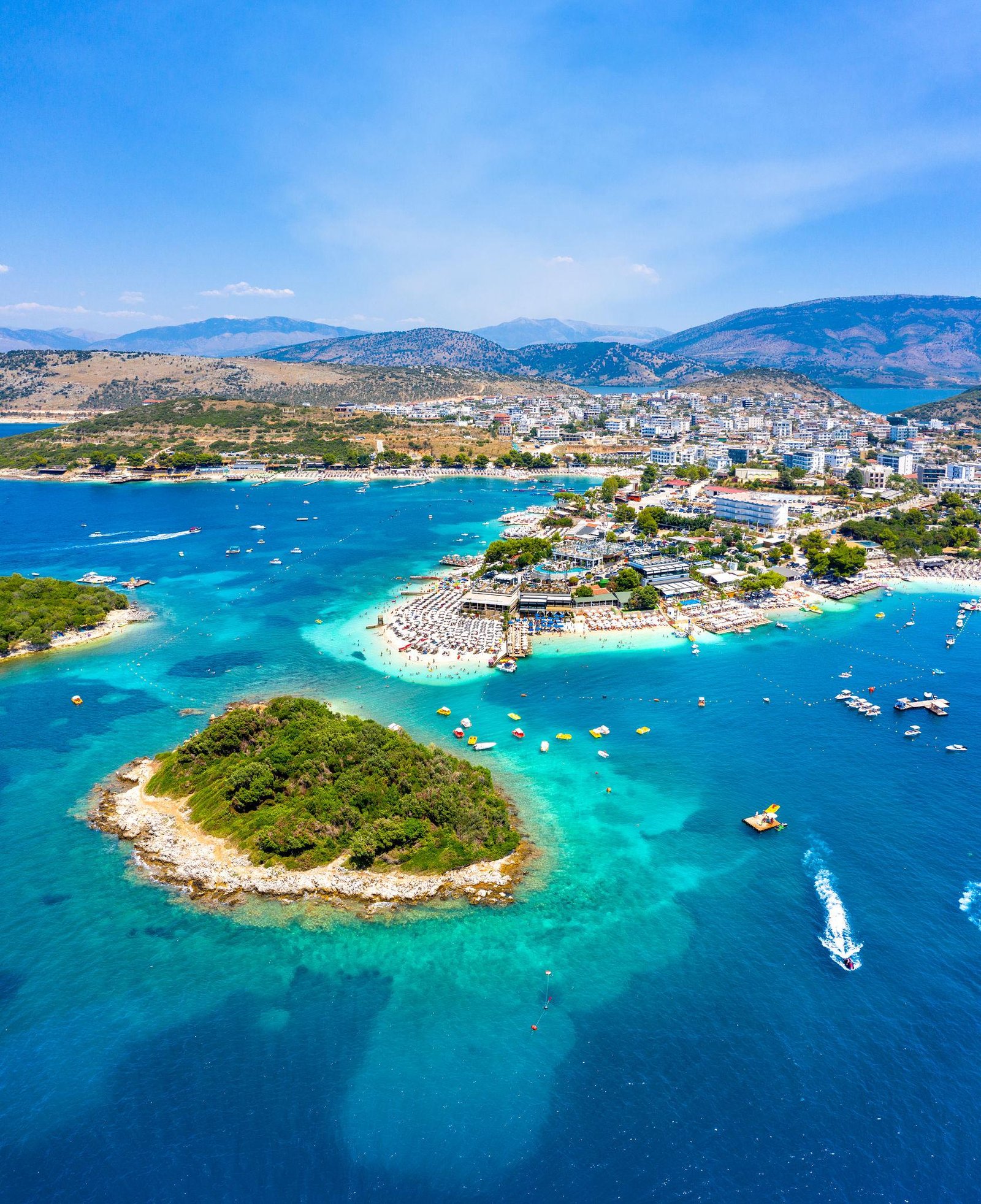
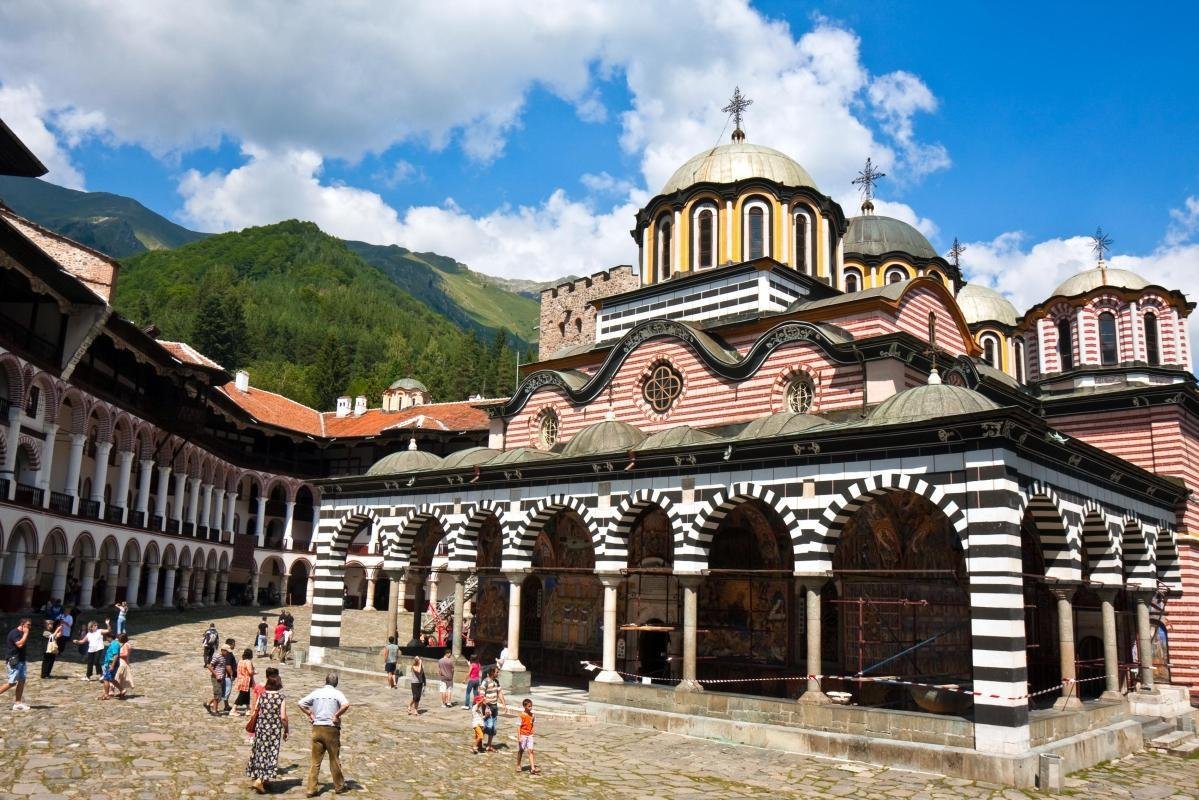
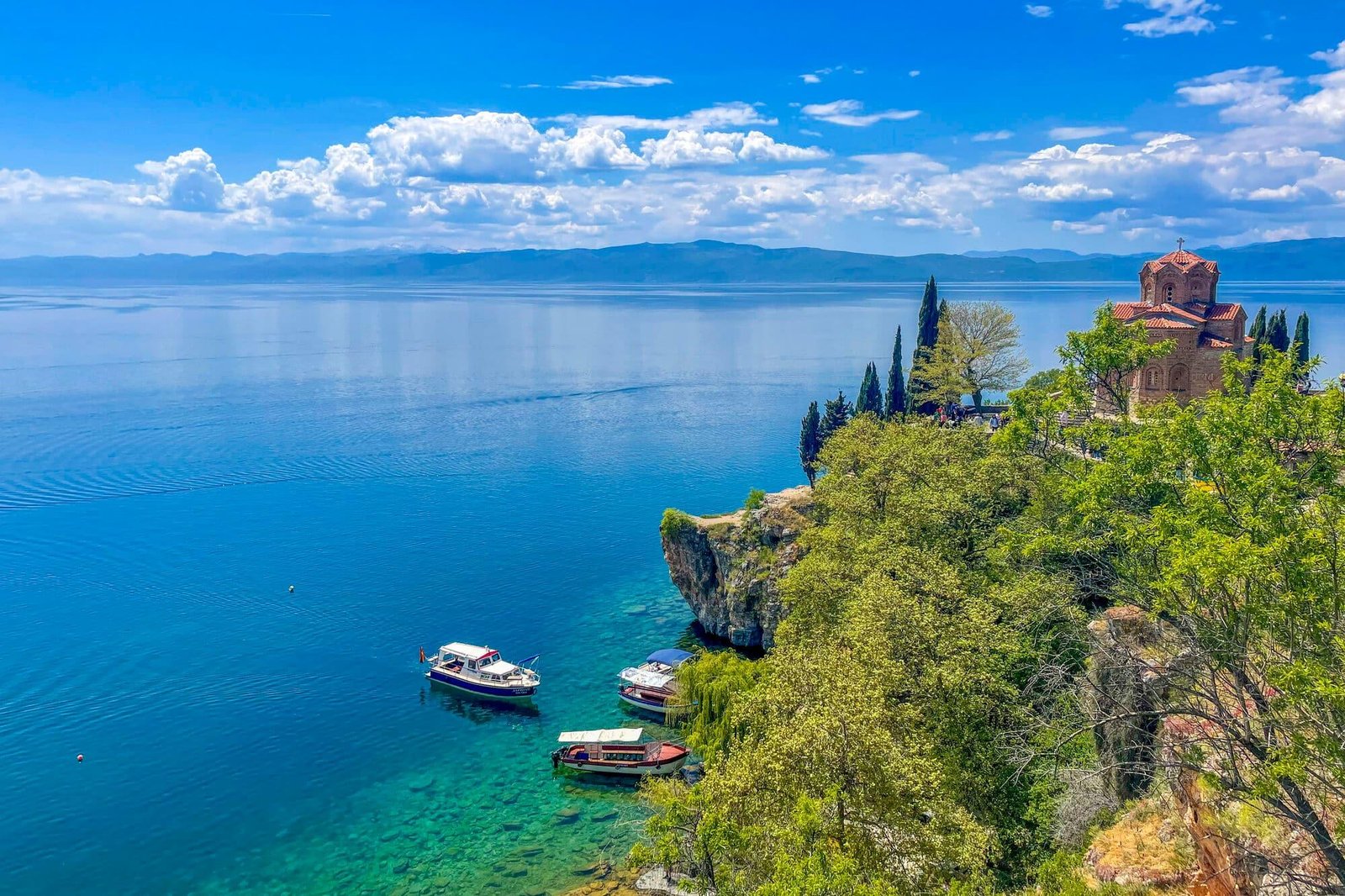


What are the cheapest countries to travel to in Europe?
For budget travel in 2026, I would start by mainly looking at these ten countries:
| Position | Country | Indicative daily budget |
|---|---|---|
| 1 | Albania | 30-40 € |
| 2 | Bulgaria | €32-45 |
| 3 | North Macedonia | €30-45 |
| 4 | Romania | €35-50 |
| 5 | Serbia | €30-45 |
| 6 | Bosnia and Herzegovina | €30-45 |
| 7 | Hungary | €35-55 |
| 8 | Poland | €35-55 |
| 9 | Portugal | €45-65 |
| 10 | Greece | €45-65 |
These quotes are a reference for travelers who use budget accommodation, eat mostly local food, use public transportation, and do not take expensive excursions every day. They do not normally include the flight from your country of origin.
The figures can change a lot depending on the city and the season. For example, spending a few days in Budapest or Krakow may be quite reasonable, while traveling to a coastal tourist area in the height of the high season may double some expenses.
In addition, there is an important novelty for 2026: Bulgaria officially adopted the euro on January 1, 2026 , so you no longer have to calculate the budget in cash as was the case in previous years.
1. Albania: probably the best value for money in Europe
If someone were to ask me these days where I would look first for a budget trip around Europe, Albania would be high on my list .
The country combines Mediterranean beaches, mountains, historic towns, gastronomy and cities that can still be visited with a budget much lower than that of many Western European destinations.
Comparisons from 2026 place an economical trip through Albania at approximately 30-40 euros per day , depending on the type of accommodation and the season.
And what I like most is that you don’t have to sacrifice too much to save.
What to visit in Albania?
- Tirana
- Berat
- Gjirokastër
- Shkodër
- Sarandë
- Ksamil
- Himarë
- Albanian Riviera
- Lake Ohrid
- Albanian Alps
Berat and Gjirokastër are especially interesting if you want more than just the beach. Both allow you to discover the traditional architecture and history of the country.
And then there is the Albanian Riviera.


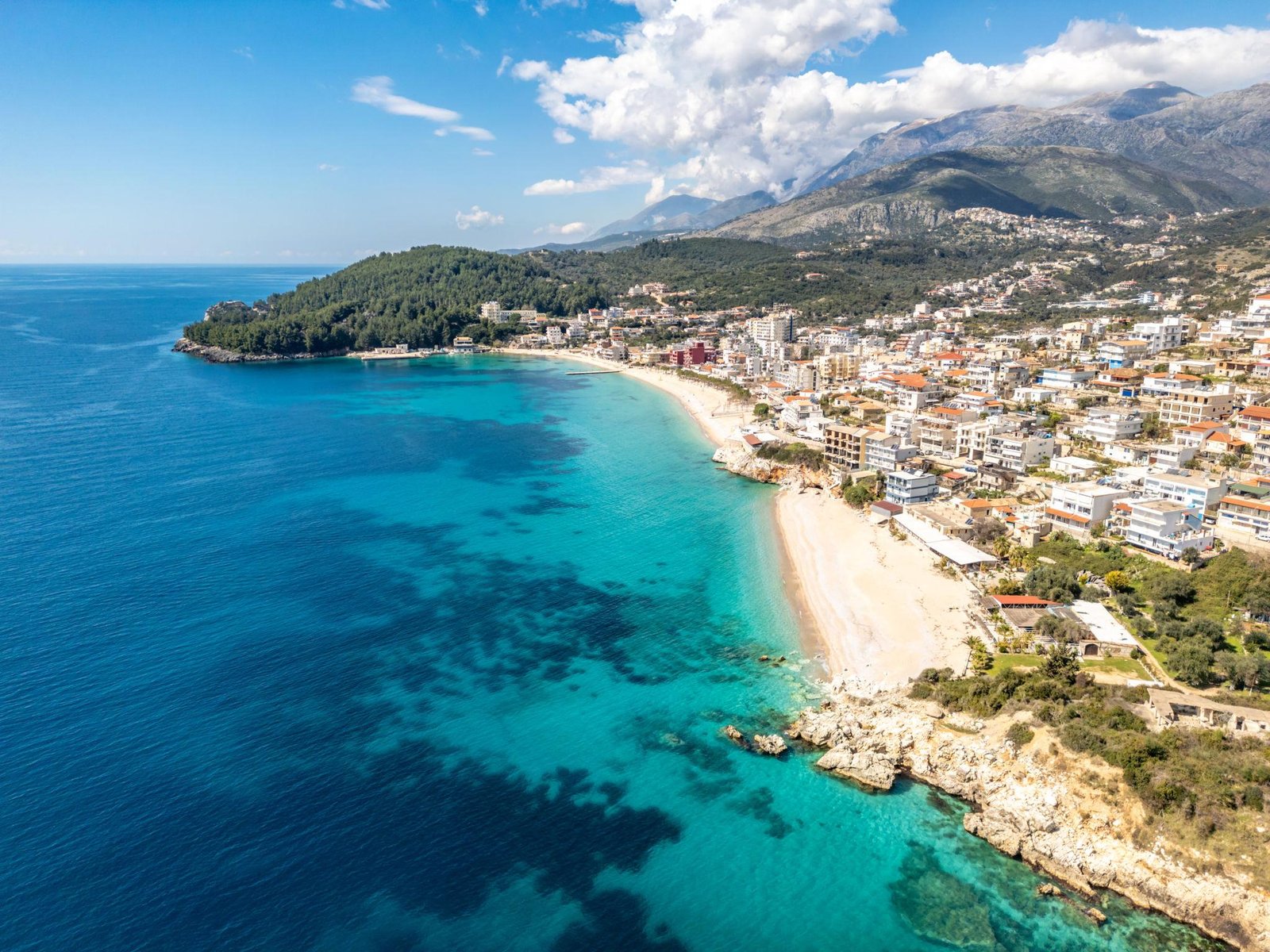
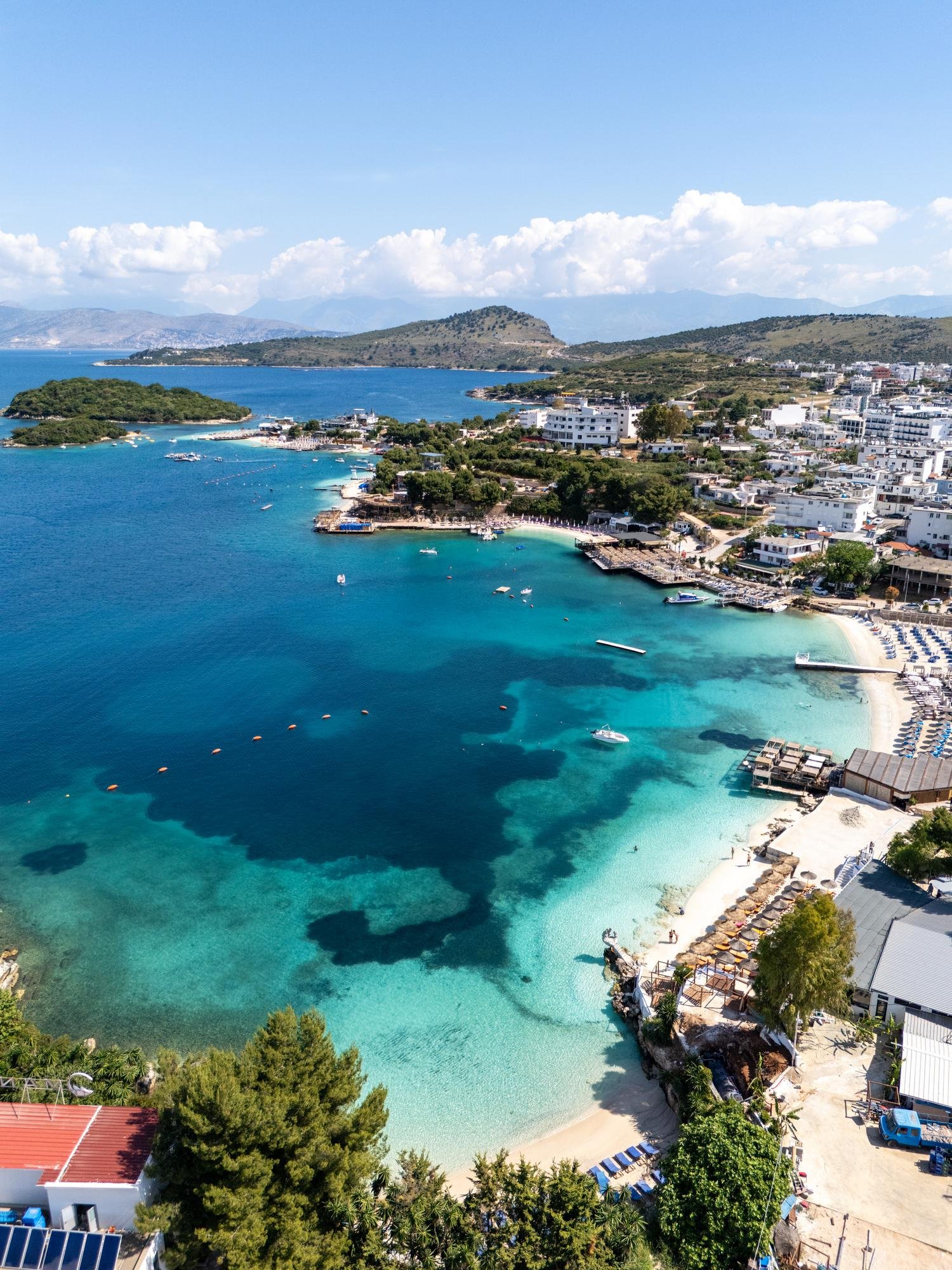
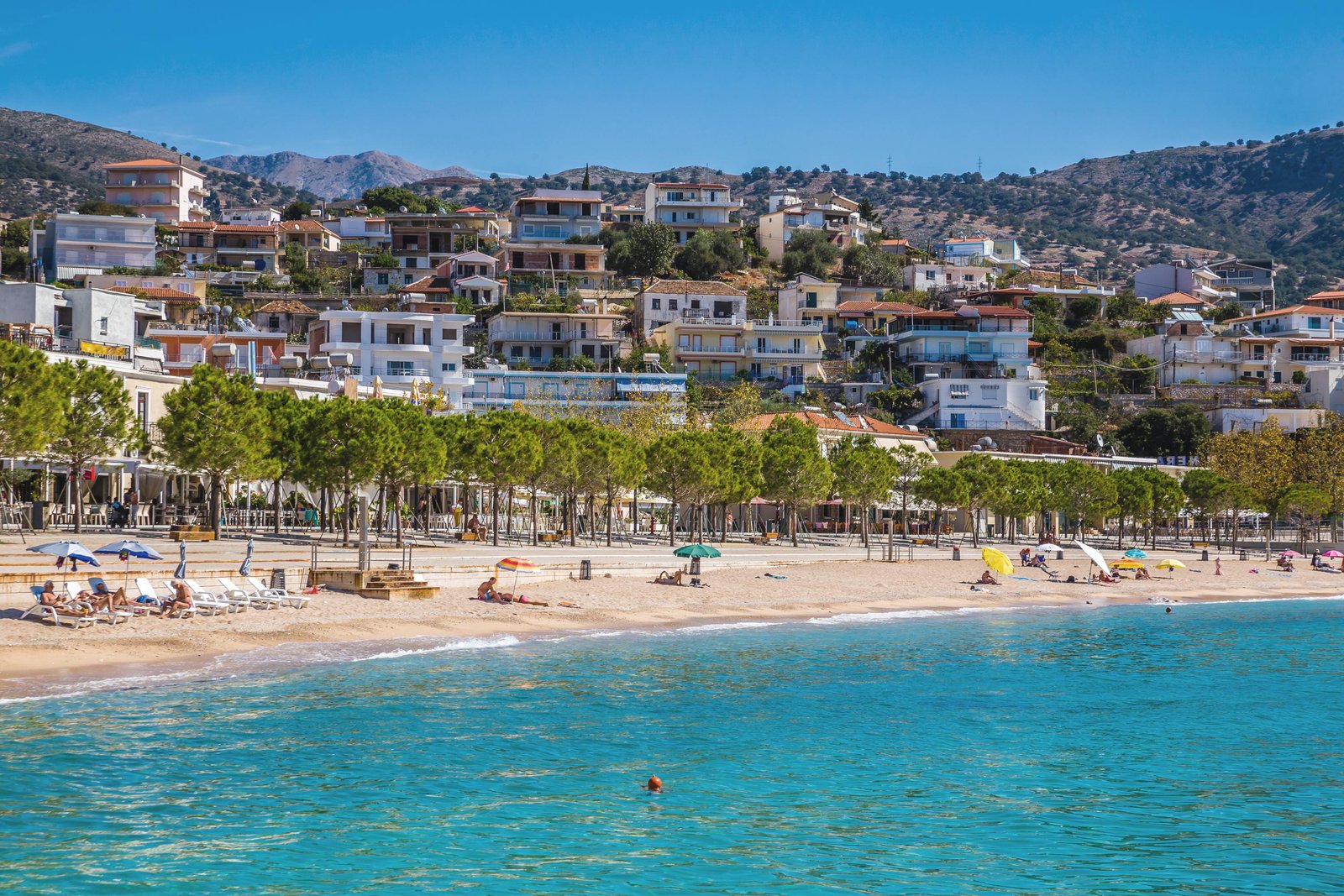
The problem is that Albania is not exactly a secret anymore. Places like Ksamil can get quite expensive in July and August.
Therefore, if saving was my priority, I would try to travel in May, June, September or October and avoid concentrating exclusively on the most famous beaches.
How much does it cost to travel in Albania?
As a practical budget, I would calculate about 30-40 euros per day traveling simply.
You can reduce spending by using buses, homestays, local restaurants, and avoiding renting a vehicle for the entire trip.
Albania seems especially good to me for travelers who want to have beach, mountains and culture in the same trip .
2. Bulgaria: history, nature and reasonable prices
Bulgaria is another country that I would immediately put on an economic route through Europe.
Sofia, Plovdiv, the monasteries, the mountains and the Black Sea coast make for a fairly complete trip without having to pay the usual Western European prices.
And 2026 brings an important change: Bulgaria officially started using the euro on January 1, 2026 .
This makes comparing prices now much easier for those who already handle euros.
What to visit in Bulgaria?
- Sofia
- Plovdiv
- Varna
- Burgas
- Rila
- Rila Monastery
- Veliko Tarnovo
- Nessebar
- Pirin National Park
I find Plovdiv especially interesting for a budget trip. Its historic center, the Roman ruins and the Kapana neighborhood allow you to spend a lot of time exploring the city without having to constantly pay for tickets.
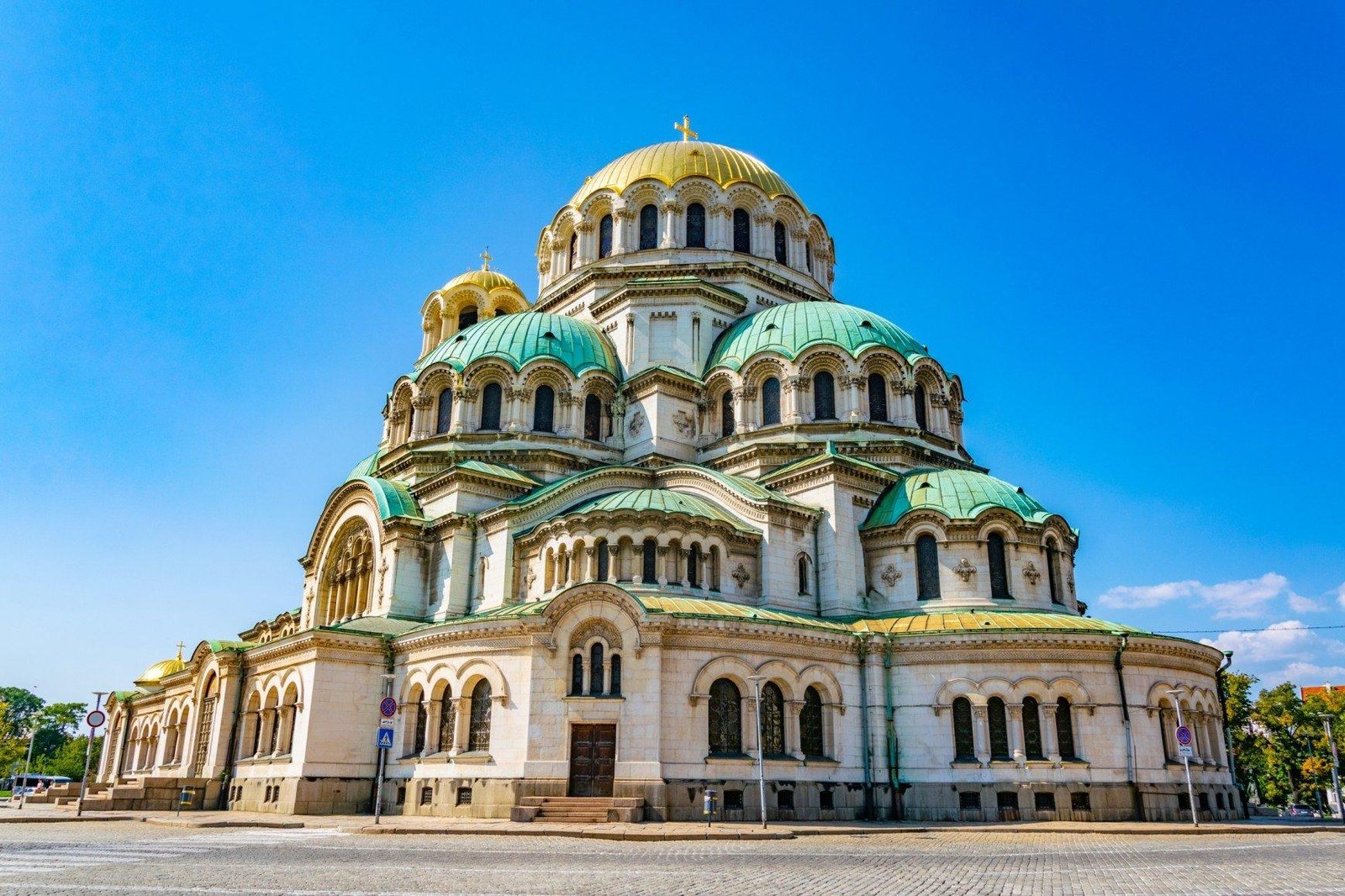
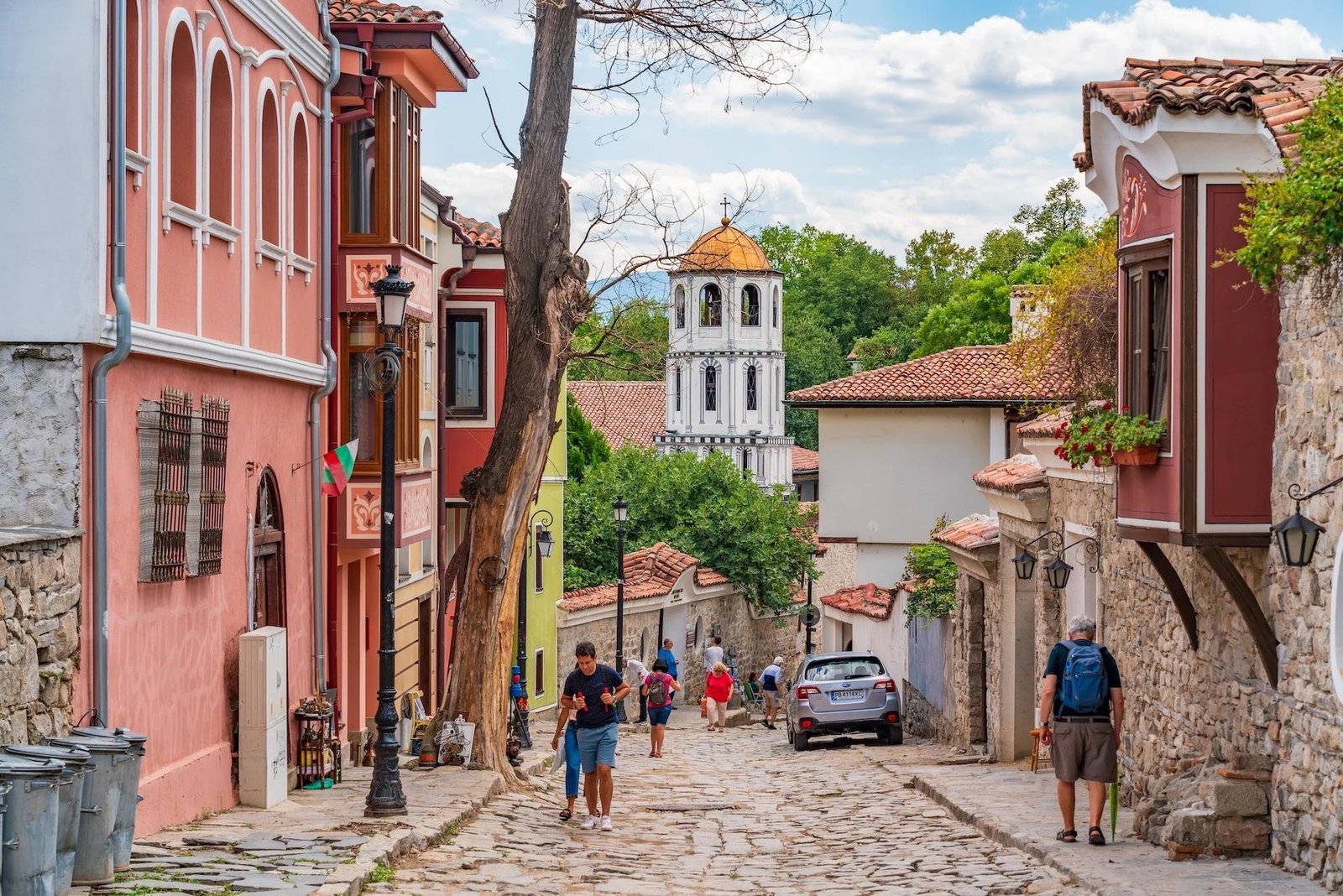
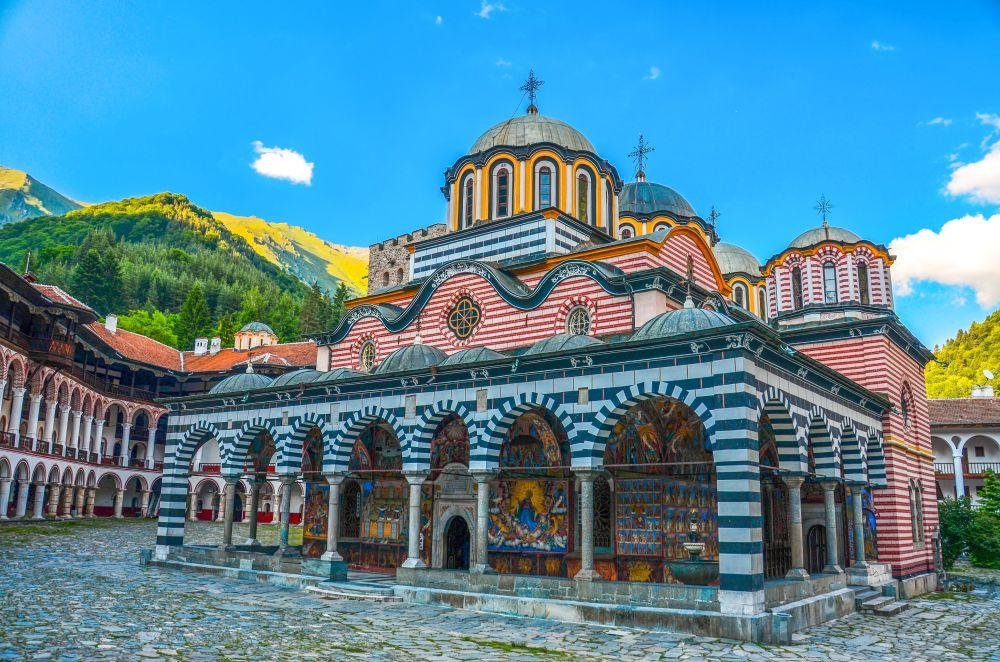

A route through Bulgaria also allows you to combine cities with nature. And that, to me, is one of the keys to a cheap trip: having lots of free or cheap activities available .
A walk through a historic center costs nothing. A hiking trail doesn’t have to cost anything either. And small towns can be much cheaper than popular tourist destinations.
How much does it cost to travel around Bulgaria?
A reasonable economic budget for 2026 can be around 32-45 euros per day .
The number increases if you look for high-end private hotels or travel along the coast during July and August.
3. North Macedonia: the small country that many travelers overlook
If you want to travel cheaply in Europe and are also looking for less saturated destinations, North Macedonia deserves much more attention.
It is one of those countries that does not usually appear in the first conversations about European tourism, but that is precisely where part of its charm lies.
The budget can be maintained approximately between 30 and 45 euros per day for a traveler who moves with a certain austerity. Recent comparisons from 2026 place it among the cheapest destinations on the continent.
What to visit in North Macedonia?
- Skopje
- Lake Ohrid
- Bitola
- Matka Canyon
- Mavrovo National Park
- Monastery of Saint Naum
- Pelister National Park
Lake Ohrid is probably the main protagonist.
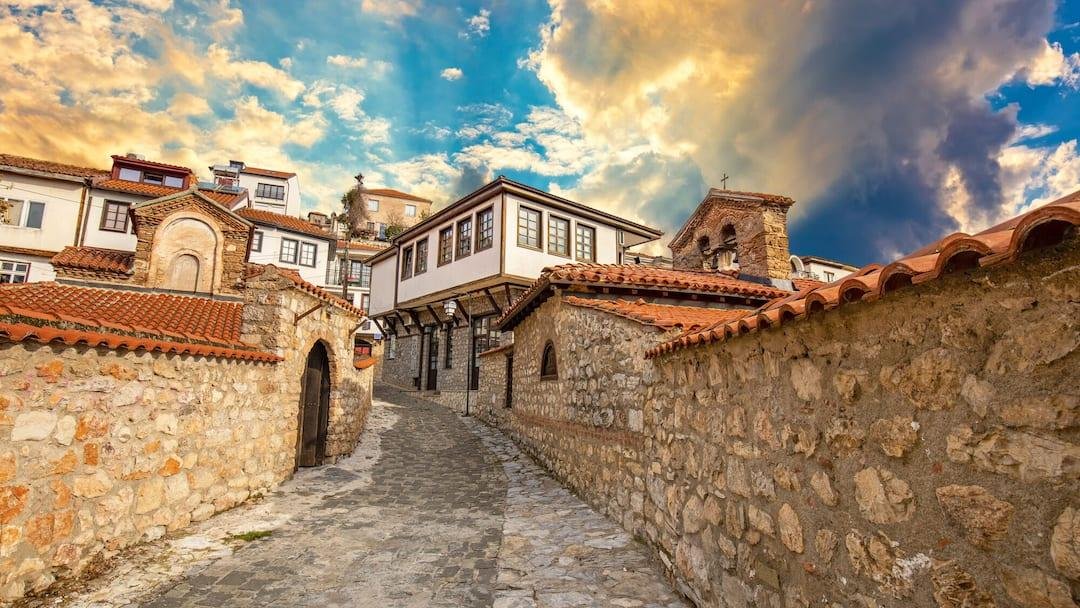


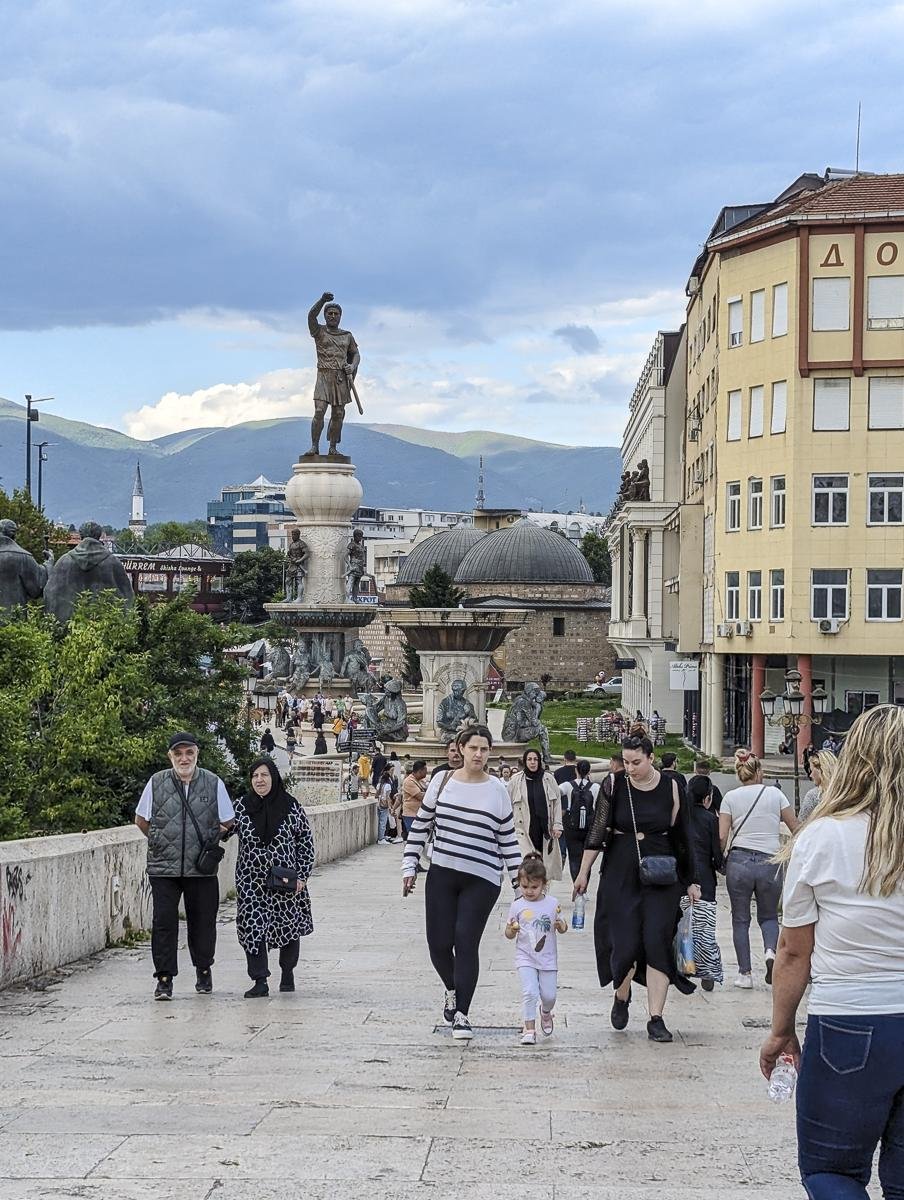
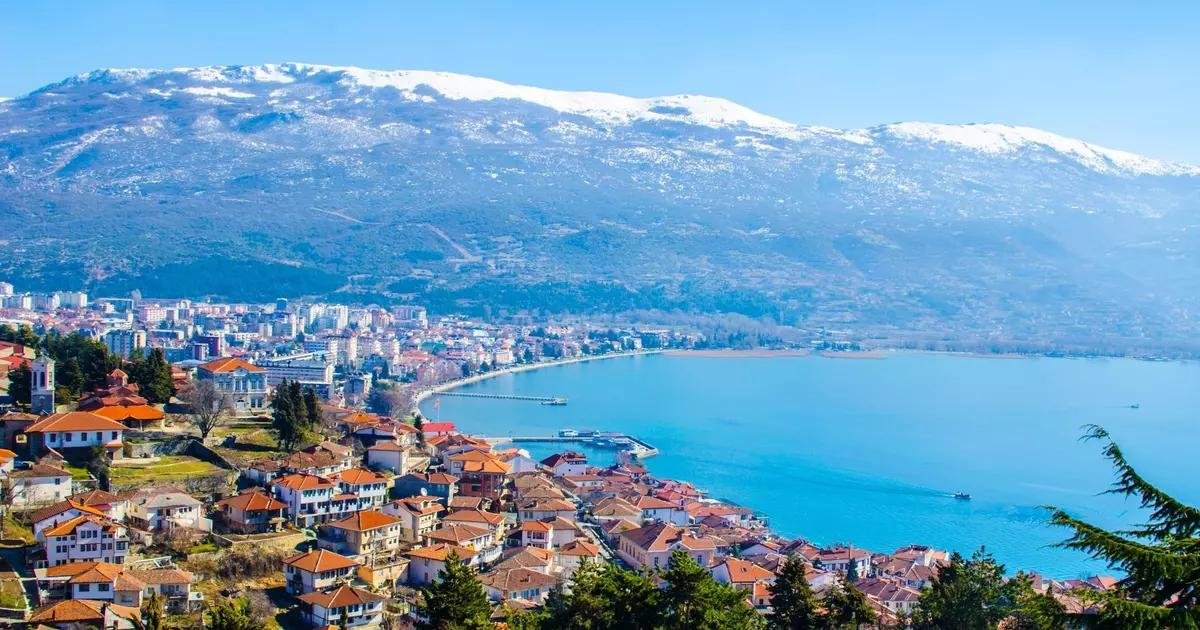
For me, this is one of those perfect destinations for those who want nature and culture without paying prices of much more famous European destinations .
Plus, you can easily combine it with other Balkan countries, creating a fairly inexpensive overland route.
4. Romania: castles, historic cities and the Carpathians
Romania has a huge advantage: you can take a very varied trip without having to travel absurd distances.
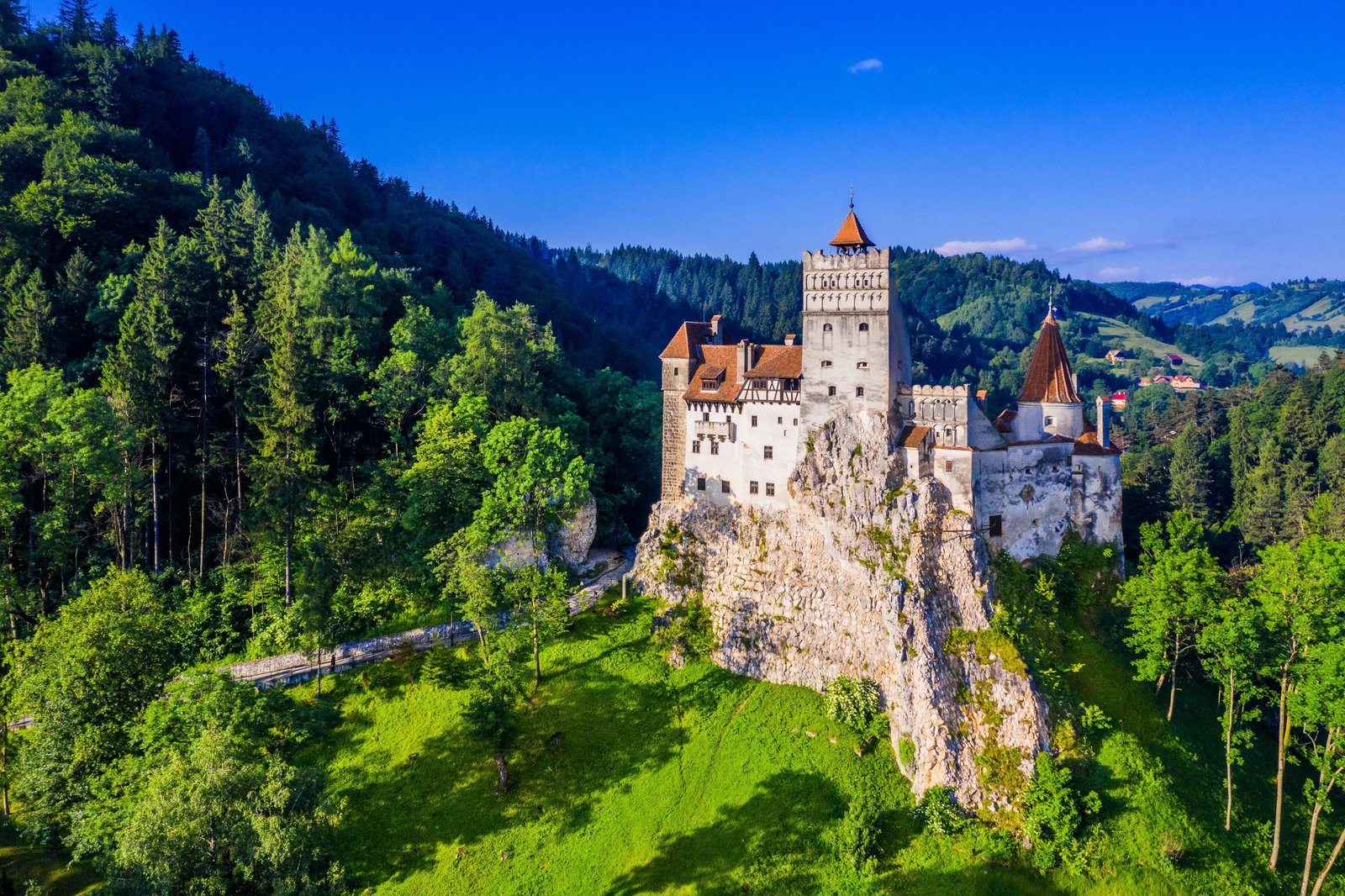
You have Bucharest, medieval cities, castles, mountains, traditional villages and the Transylvania region.
An economic budget of around 35-50 euros per day is a reasonable reference for 2026.
What to see in Romania?
- Bucharest
- Brașov
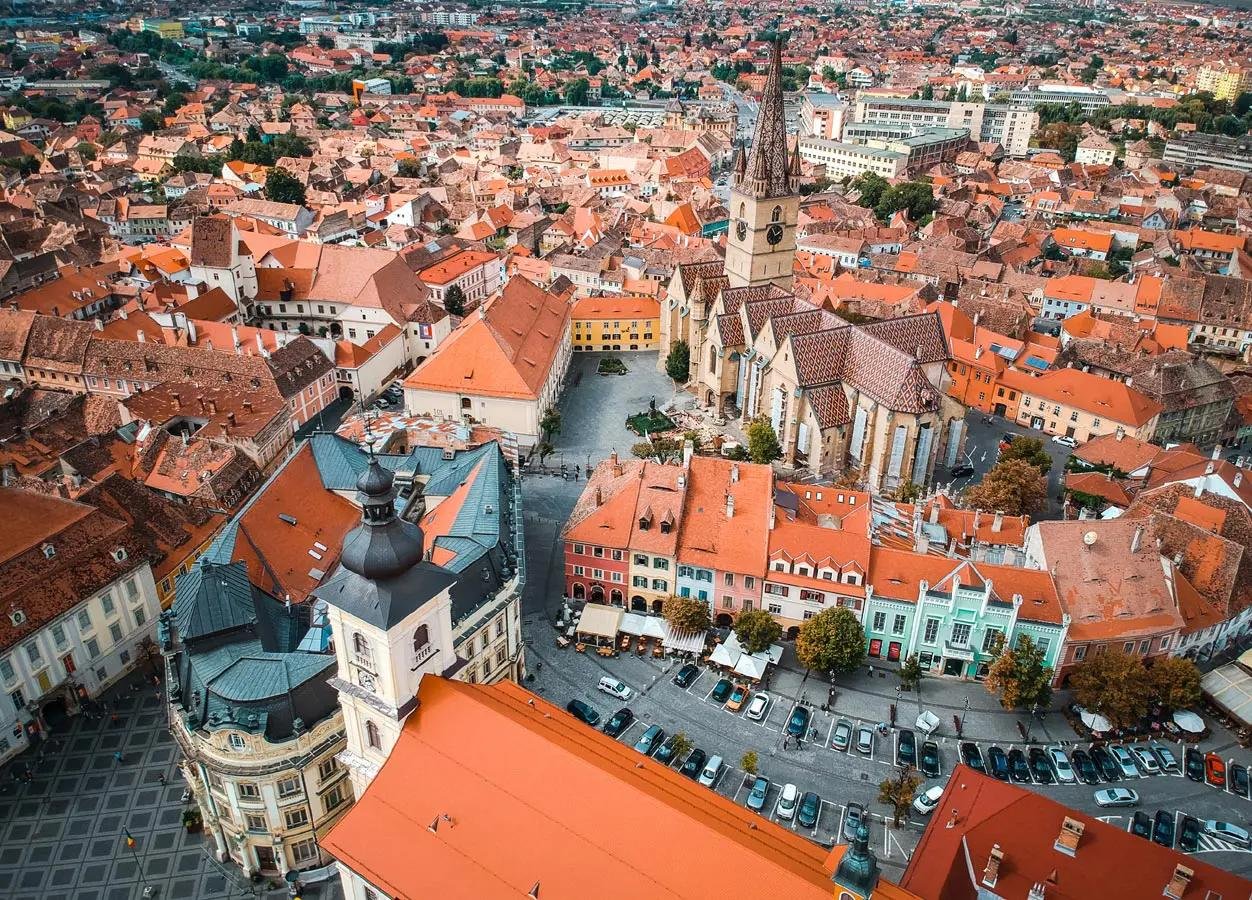
- Sibiu
- Sighișoara
- Bran
- Cluj-Napoca
- Peleș Castle
- Carpathian Mountains
- Danube Delta
Brașov is one of the cities that most attracts me for this type of trip. Its historic center is compact and you can explore a good part of it on foot.


And here is another plus point: Romania allows you to combine urban tourism with nature.
You can spend the morning touring a medieval center and the next day be hiking in the Carpathians.
Is Romania cheap to travel to?
Yes. In fact, it is one of the countries that I would consider when I want a lot of travel for each euro spent .
Local food, accommodation and transportation can be quite affordable compared to Western Europe.
5. Serbia: an excellent option for young travelers
Serbia is especially interesting if you like lively cities, gastronomy and nightlife.
Belgrade is probably the best-known destination, but the country has much more to offer.
For a budget trip, I would estimate around 30-45 euros per day .
What to visit in Serbia?
- Belgrade
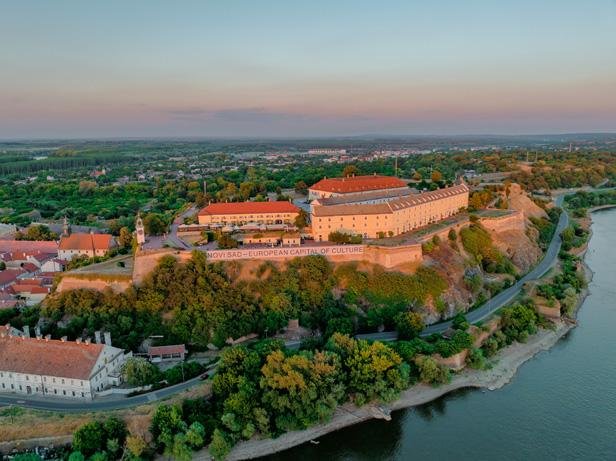
- Novi Sad
- Niš
- Tara National Park
- Đerdap National Park
- Zemun
- Belgrade Fortress
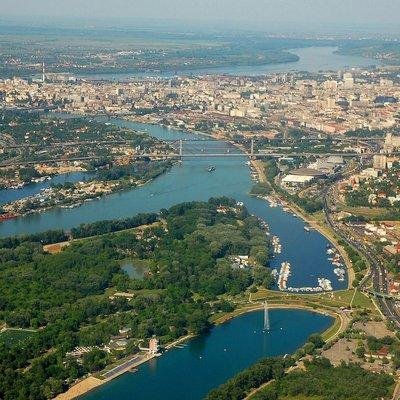
Belgrade has a spectacular location next to the Danube and Sava rivers.

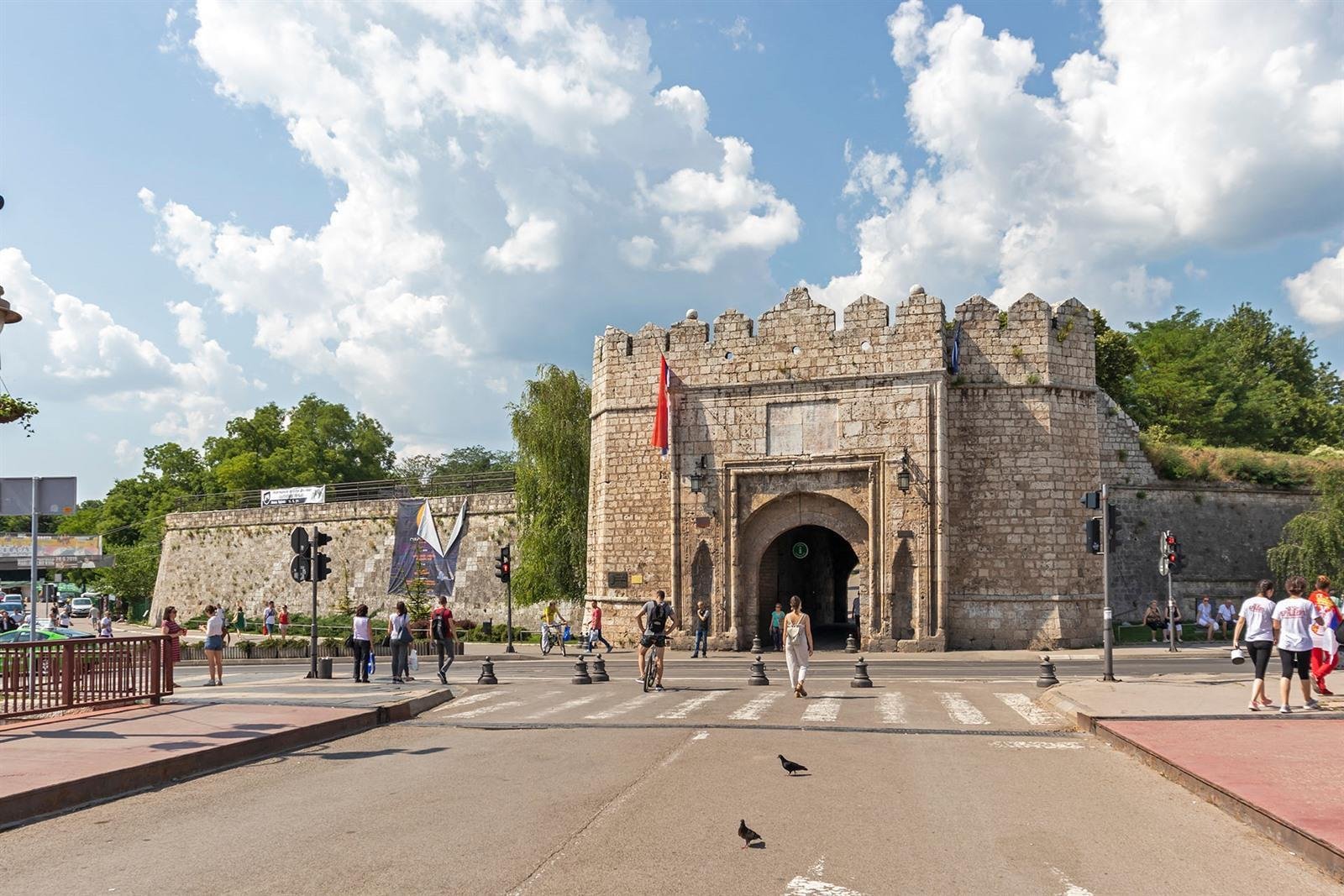
Gastronomy also plays in favor of the budget.
Dishes such as ćevapi, burek and different meat preparations allow you to eat well without having to look for expensive restaurants.
And if you like going out at night, Serbia can be especially interesting because the offer of bars and clubs is wide.
6. Bosnia and Herzegovina: history, mountains and low prices
Bosnia and Herzegovina is another of those Balkan destinations that I would take into account if the objective is to travel cheaply through Europe .
Sarajevo is probably the best entry point to understand the country.
The city mixes Ottoman, Austro-Hungarian and contemporary influences in a way that is quite different from other European destinations.
What to visit in Bosnia and Herzegovina?
- Sarajevo
- Show
- Old Bridge of Mostar
- Travnik
- Jajce
- Blagaj
- Una National Park
- Kravica Waterfalls
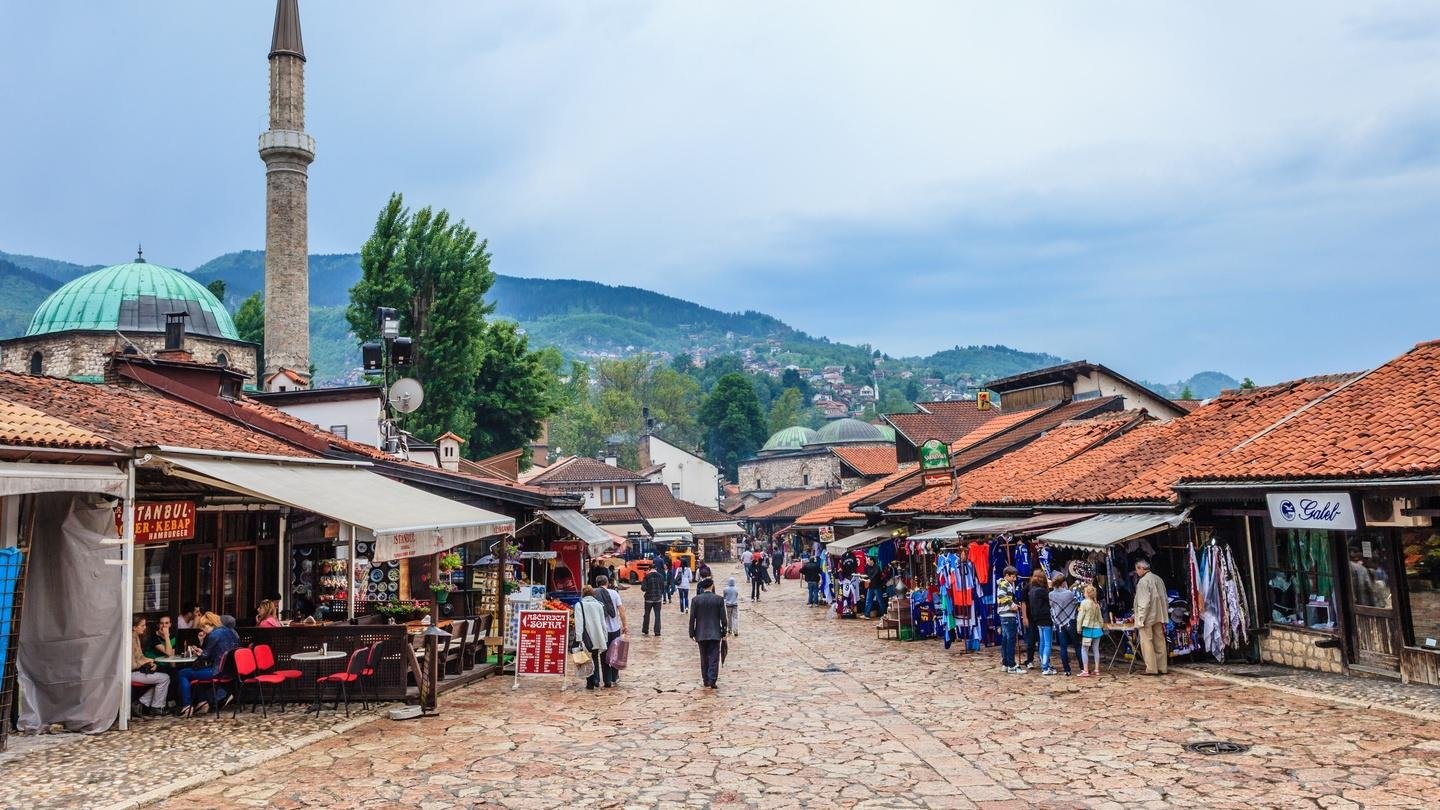

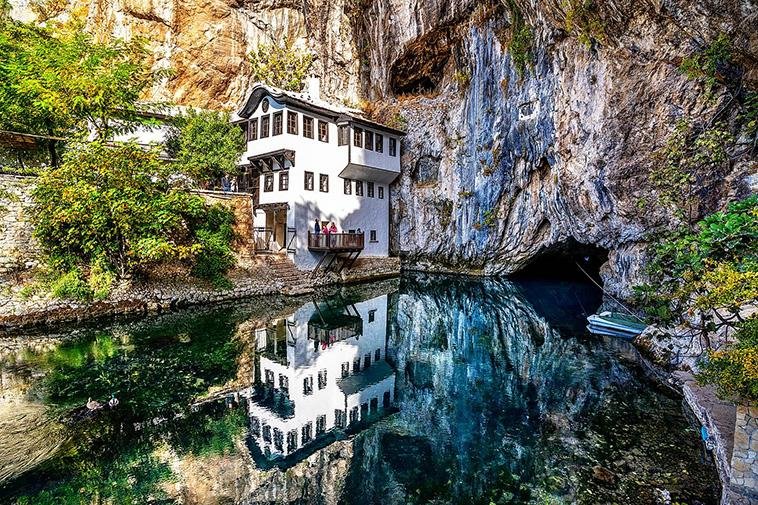

One of the biggest attractions is that you can spend several days sightseeing without having to constantly pay for tickets.
Walking around Sarajevo, exploring Mostar or enjoying the natural landscapes can take up a good part of the trip.
For an economical budget, estimate approximately 30-45 euros per day , although the season and accommodation can change the figure quite a bit.
7. Hungary: Budapest without spending like in Paris
Hungary proves that a famous European capital does not automatically have to be very expensive.
Budapest can be quite accessible if you know where to sleep, eat and get around.
For an economical trip, I would use a reference of 35-55 euros per day .
What to do in Hungary?
- Tour Budapest
- Parliament of Hungary
- Buddha Castle
- Fisherman’s Bastion
- Chain Bridge
- Central Market
- Thermal baths
- Lake Balaton
- Pecs

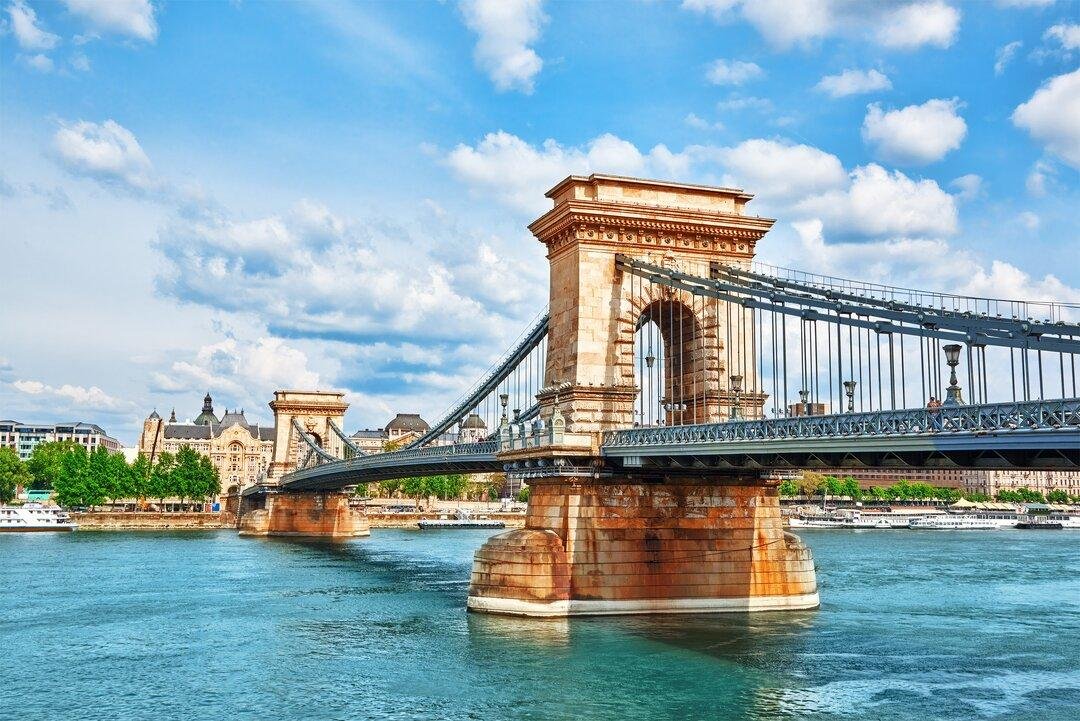
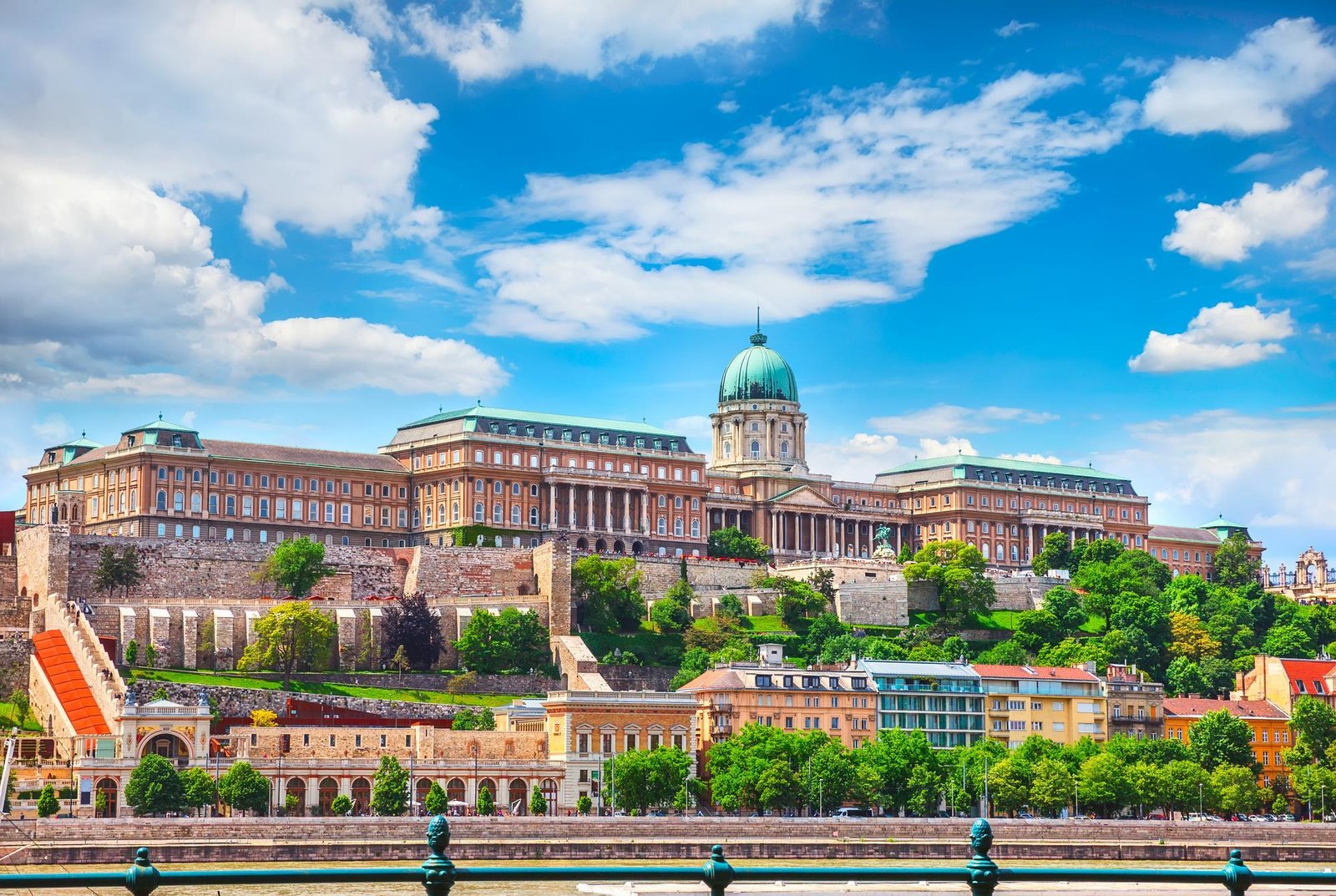


The thermal baths are one of the great attractions of Budapest and are part of an experience that you can hardly reproduce in other European capitals.
Of course, the accommodation must be controlled.
Budapest has a huge supply, but prices can rise during festivals, weekends and high demand seasons.
8. Poland: one of the best options for cheap travel in Central Europe
Poland is one of my favorites to recommend when someone wants to see Europe without paying Western prices.
Krakow, Warsaw, Gdańsk, Wrocław and Poznań offer a lot.
Furthermore, the gastronomy is another plus point.
Pierogi, soups, meats, breads and other traditional dishes can be found at quite reasonable prices.
What to visit in Poland?
- Krakow
- Warsaw
- Gdańsk
- Wroclaw
- Poznań
- Toruń
- Zakopane
- Tatra Mountains


Gdańsk is a perfect example of how to find an attractive European city without going directly to Paris, Amsterdam or London.
IATI highlights Gdańsk among its economic destinations in Europe, pointing out its prices for accommodation, food and transportation, in addition to its connections with other cities in northern Poland.
And Poland also offers nature. The Tatras allow you to go hiking and enjoy mountain landscapes without having to turn the trip into a luxury experience.
9. Portugal: Western Europe’s budget option
I make a small difference here.
Portugal is not as cheap as Albania, Bulgaria or Romania, but it is still one of the most interesting options if you want to travel through Western Europe on a moderate budget .
Instead of thinking only about Lisbon, I would also look at Porto, Braga, Coimbra or smaller cities.
What to visit in Portugal?
- Lisbon
- Porto
- Panty
- Coimbra
- Aveiro
- Sintra
- Algarve
- Guimaraes
Braga is especially interesting.
IATI highlights it as a considerably cheaper destination than Lisbon or Porto, with good gastronomy, historical heritage and connections with other cities in northern Portugal.
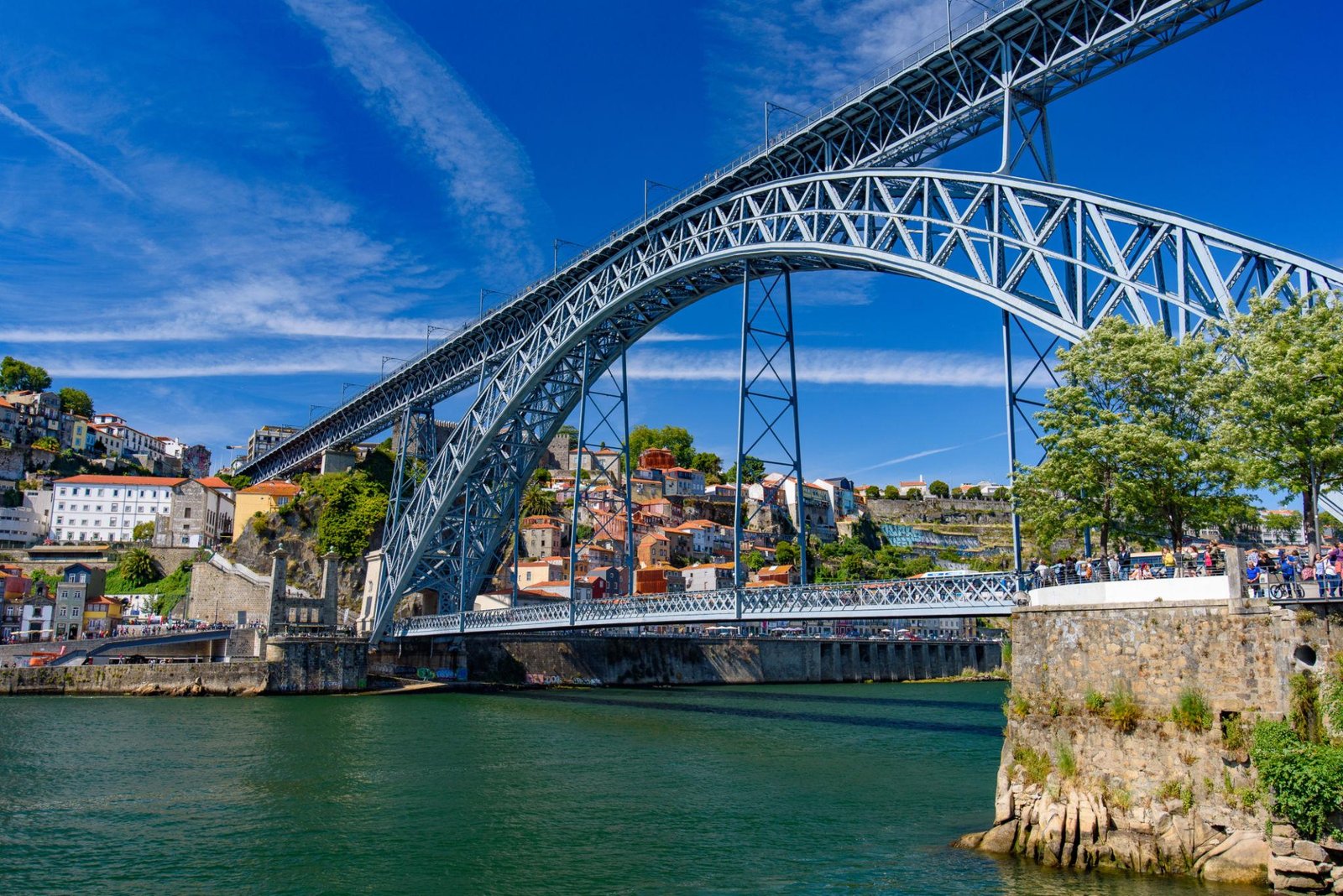


The trick to saving in Portugal is precisely not limiting yourself to Lisbon .
Porto can also be reasonable, but if you’re looking to cut the budget even further, the smaller cities in the north can offer much better value for money.
I would estimate approximately 45-65 euros per day for an economical trip.
10. Greece: travel cheap if you know how to avoid the most expensive destinations
Greece may seem incompatible with a budget trip.
Famous islands, beachfront hotels, tourist restaurants and high season can make the budget skyrocket.
But Greece has another side.
Athens, Thessaloniki and many areas of the continent can be visited with much more control over spending.
And there is something I always like to remember: you don’t need to pay for an excursion to enjoy a good part of Greece .
You can walk through historic neighborhoods, visit squares, see ruins from certain points and enjoy local cuisine.
What to visit in Greece on a budget?
- Athens
- Thessaloniki
- Meteora
- Nafplio
- Corfu
- Crete
- Peloponnese
- Delphi


If you want to visit the most famous islands during July or August, I would increase the budget considerably.
But if you travel in the shoulder season and choose less popular destinations, Greece can perfectly fit into an economical trip.
An indicative budget would be 45-65 euros per day .
Which European country is cheapest to travel to?
If we talk exclusively about budget, Albania, Bulgaria and North Macedonia are among the destinations I would look at first.
Recent comparisons from 2026 precisely place Albania, Bulgaria and North Macedonia at the lowest part of European budgets, with approximate figures of 30-45 euros per day for economic travelers.
But there is an important difference between “cheapest” and “best for you.”
If I want beaches, I would probably choose Albania.
If I want history and nature, Romania.
If I want a capital with a lot of life, Serbia or Hungary.
If I want cities and good gastronomy, Poland.
If I want Western Europe without spending so much, Portugal.
If I want islands and the Mediterranean, Greece outside of high season.
How much money do I need to travel around Europe for a week?
If we use an average budget of 40 euros per day, seven days would be about 280 euros per person for basic expenses during the trip.
With 50 euros a day it would be about 350 euros .
And with 60 euros a day, around 420 euros .
But remember that these figures do not necessarily include international flights.
Therefore, if I am preparing a budget trip, I separate the budget in this way:
Transport to Europe
This includes flights from your country of origin and initial transfers.
Daily expenses
Here I include:
- Hosting
- Food
- Local Transport
- Some entries
- Small expenses
Extras
And finally I leave an amount for:
- Excursions
- Shopping
- Leisure
- Emergencies
- Route changes
This last part is important. A budget that is too tight may work on paper, but any unforeseen event throws it off.
What is the cheapest city to travel to in Europe?
There is no single answer because prices change constantly, but some cities that I consider especially interesting for a budget trip are:
- Tirana
- Berat
- Sofia
- Plovdiv
- Skopje
- Ohrid
- Bucharest
- Brașov
- Belgrade
- Sarajevo
- Budapest
- Krakow
- Gdańsk
- Panty
IATI, for example, uses a different strategy and highlights less touristy cities such as Gdańsk, Braga, Brno, Pécs, Shkodër, Plovdiv, Košice, Sarajevo, Riga and Timișoara as budget destinations.
And this seems like an excellent idea.
Many times saving in Europe does not mean changing countries, but changing cities.
Is it cheaper to travel in Eastern Europe?
Generally, yes.
The Balkans and much of Eastern Europe tend to offer lower prices than countries such as France, Switzerland, Norway, the United Kingdom, the Netherlands or Denmark.
Therefore, when my goal is to set up an economical route, I start by searching for destinations in:
- Balkans
- Eastern Europe
- Central Europe
- Some areas of the Iberian Peninsula
A recent comparison of 2026 precisely points out that the lowest budgets are especially concentrated in the Balkans and Eastern Europe, while Portugal and Greece represent relatively inexpensive alternatives within Southern and Western Europe.
How to travel cheaply in Europe?
Finding a cheap country is just the first step.
The difference between an economical trip and an expensive one is often in the small decisions.
Travel in the shoulder season
If I can choose the dates, I would try to travel during April, May, June, September or October , depending on the country.
Prices for accommodation and transportation can be much more pleasant than during July and August.
Also, in many destinations you will have fewer tourists.
Don’t always stay in the center
Sometimes walking 15 or 20 minutes longer allows you to find considerably cheaper accommodation.
Of course, I would always check how much public transport costs and how long it takes before booking.
A cheap hotel that forces you to take taxis every day may end up being more expensive.
Eat at local markets and restaurants
Food is one of the items where you can most easily save.
In Poland you can look for pierogi.
In Bulgaria, banitsa.
In the Balkans, burek and different traditional dishes.
In Hungary, local food and markets.
The idea is simple: eat like a local instead of eating like a tourist .
Walk as much as you can
Historic European cities are very enjoyable to walk around.
Plus, walking is free.
And in cities like Sofia, Budapest, Krakow or Sarajevo you can discover a huge number of places simply by walking through their streets.
Use public transportation
Buses, trains and subways are usually much cheaper than taxis.
Ubigi also highlights that cities like Budapest and Krakow have frequent public transportation that is cheaper than constantly resorting to taxis.
Book early when it makes sense
It is not always necessary to reserve everything months in advance, but it is a good idea to compare prices before arriving.
In particular:
- Trains
- Buses
- Internal flights
- Hosting
- Very popular attractions
Booking early can make a big difference on certain routes.
How to save on accommodation in Europe?
If I want to keep the budget low, I don’t necessarily look for the cheapest accommodation of all.
I am looking for the best balance between price and location .
My options would be:
- Hostels
- Family pensions
- Guesthouses
- Small Apartments
- Budget Hotels
- Accommodations outside the center but well connected
I would also always compare the final price and not just the initially displayed price.
An accommodation that costs 25 euros but charges an additional 15 for cleaning or taxes may end up being a worse option than one for 32 euros with everything included.
How to save on transportation during a trip through Europe?
This is where good planning can make a huge difference.
If you are going to visit several countries, you can combine:
- International Buses
- Trains
- Low cost flights
- Local public transportation
- Hikes
But I also don’t recommend trying to fit eight countries into ten days.
It’s one of the quickest ways to turn a cheap trip into an expensive one.
Every time you change cities you have to pay for transportation, travel to the station or airport, waste time and probably consume food during the trip.
That’s why I prefer a slower route.
Three countries well enjoyed can be cheaper than six visited at full speed.
When is it cheapest to travel in Europe?
In general, I would avoid July and August if my main goal is to save.
Prices tend to rise especially in:
- Greek Islands
- Albanian Riviera
- Coast of Portugal
- Tourist cities
- Beach destinations
- Capitals during major events
The shoulder season usually offers a much better balance between weather, prices and number of tourists.
For me, September is especially interesting for many European destinations: you can still find good weather, but tourist pressure is starting to decrease.
Which cheap European countries would you choose based on the type of trip?
To travel to the beach
Albania, Greece and Portugal.
Albania stands out especially if you want to reduce the budget.
For nature
Romania, Bulgaria and North Macedonia.
All three have mountains, lakes and natural parks.
For history
Poland, Romania and Bosnia and Herzegovina.
Here you can find medieval cities, religious heritage and places related to some of the most important historical events in Europe.
For night life
Hungary and Serbia.
Budapest and Belgrade have a huge offer.
For gastronomy
Portugal, Greece, Poland and Serbia.
And the best thing is that you can eat quite well without necessarily going to expensive restaurants.
For a multi-city trip
Poland, Hungary, Romania and the Balkans.
The ability to travel on land makes it easier to create a route.
Can you travel around Europe on 30 euros a day?
Yes, but you have to be quite careful.
With 30 euros a day you can get it in some of the cheapest countries, especially Albania, North Macedonia, Bosnia and Herzegovina or certain areas of Bulgaria and Serbia.
But that quote usually means:
- Very affordable bedroom or accommodation.
- Local food.
- Public transportation.
- Many free activities.
- Little paid entertainment.
- Travel outside of high season.
If you want a private room, restaurants every day and excursions, I would raise the budget to 40-60 euros per day .
What are the cheapest countries in Europe to travel as a couple?
Traveling as a couple has an interesting advantage: some expenses can be shared.
For example:
- A double room.
- Occasional taxi.
- Apartment.
- Car rental.
- Some transfers.
That’s why countries like Albania, Romania, Bulgaria and Portugal can work especially well.
Instead of paying for two beds in a hostel, a couple can find a cheap private room and split the cost.
And in destinations like Albania or Romania, renting a vehicle for a few days can make sense if you want to see rural areas or places that are difficult to reach by public transport.
Frequently Asked Questions (FAQs)
What is the cheapest country to travel to in Europe in 2026?
Albania is among the cheapest countries in Europe to travel to in 2026. An economical budget can be around 30-40 euros per day, although the season and the specific destination can change the expense quite a bit.
Which European countries are cheapest for tourists?
Albania, Bulgaria, North Macedonia, Romania, Serbia, and Bosnia and Herzegovina are among the cheapest options for budget travelers.
What is the cheapest country in Europe to eat?
The Balkans and Eastern Europe tend to offer some of the best price/quantity ratios. Albania, Bulgaria, Serbia, Bosnia and Herzegovina, Romania and Poland are good options for finding cheap local food.
Is Albania really cheap?
Yes, although the most touristy areas of the Albanian Riviera can go up quite a bit in price during July and August. To save, it is advisable to travel in the shoulder season and also explore the interior of the country.
Is Bulgaria cheap in 2026?
Yes. Bulgaria continues to be one of the economic destinations in Europe. In addition, since January 1, 2026, it officially uses the euro as its currency.
Which European country is cheapest to travel to in summer?
Albania, Bulgaria, North Macedonia and some areas of Romania may be good options. If you want a beach, Albania tends to be especially attractive, although you should avoid peak weeks if you want to keep the budget low.
How much money do I need to travel around Europe for a week?
It depends on the country. In a very economical destination you can expect around 210-300 euros for seven days of daily expenses, while in medium-priced destinations you may need 350-450 euros or more. To this you must add flights and other expenses.
What is the cheapest country to travel to from Spain?
It mainly depends on the price of the flight on the chosen dates. Portugal can be very accessible by land or air, while the Balkans can have much lower daily prices once you arrive.
What is the cheapest country to travel to from Latin America?
In this case, the international flight can represent a huge part of the budget. Therefore, I would not choose solely based on daily cost. It is a good idea to first compare the available flights and then analyze the cost of living at the destination.
Is it cheaper to travel in Eastern Europe?
In many cases yes. Countries in Eastern Europe and the Balkans tend to have lower prices than in Western Europe, especially for accommodation, food and local transportation.
My way to choose a cheap destination in Europe
After comparing countries, prices and types of travel, for me the key is not to obsess over finding the absolutely cheapest country .
I prefer to look for the place where my money has the most value.
If I can pay 35 euros a day in Albania and have beaches, mountains, food and historic cities, it seems like excellent value for money.
If I spend something similar in Romania and I can combine Bucharest, Transylvania and the Carpathians, too.
If I have 40 or 50 euros for Poland, I can set up a route through Krakow, Warsaw and Gdańsk with a huge amount of history and culture.
And if I want to see Western Europe, Portugal is probably one of the first options I would look at.
I also think it is important not to make the mistake of thinking that traveling cheap means traveling inconveniently. Many times the savings simply consist of choosing better dates, booking wisely, using public transportation, eating where the locals eat and spending more time at each destination.
The competitors analyzed agree on several of these points: look for less touristy cities, take advantage of public transportation, eat in local markets and restaurants, walk and reserve certain transportation in advance.
And that is precisely what I like most about traveling through Europe on a budget.
You don’t need to visit Paris, London, Rome or Switzerland to feel like you’re on a great trip.
Sometimes a street in Berat, a square in Krakow, a cafe in Sarajevo, a train through Romania, an afternoon by Lake Ohrid or a walk through Sofia end up being much more memorable experiences than you imagined.
Europe still has many destinations where you can travel well without spending a fortune. You just have to know where to look and, above all, when to go.