
There is a huge difference between backpacking and actually backpacking .
The backpack is just the luggage. The rest is an attitude: having the freedom to change routes, sleeping where it makes sense, using local transportation, eating what the locals eat and not needing each day to be perfectly planned.
When I prepare a trip of this type, I try to start from a very simple idea: I want to take with me what I need, not everything that I could theoretically need . That difference ends up affecting money, time and even the desire to keep moving.
Backpacking trips can be economical, adventurous, cultural, solitary, or completely social. There is no single way to do them. You can spend weeks traveling through Southeast Asia, cross several Latin American countries, take a route through Europe or simply spend ten days exploring a single country.
The important thing is that the trip adapts to you and not the other way around.
WeRoad’s own proposal defines Backpack trips around three very clear ideas: economy, adaptation and authentic contact with the destination. Its focus is on hostels, local transportation and experiences away from excessively touristy itineraries.


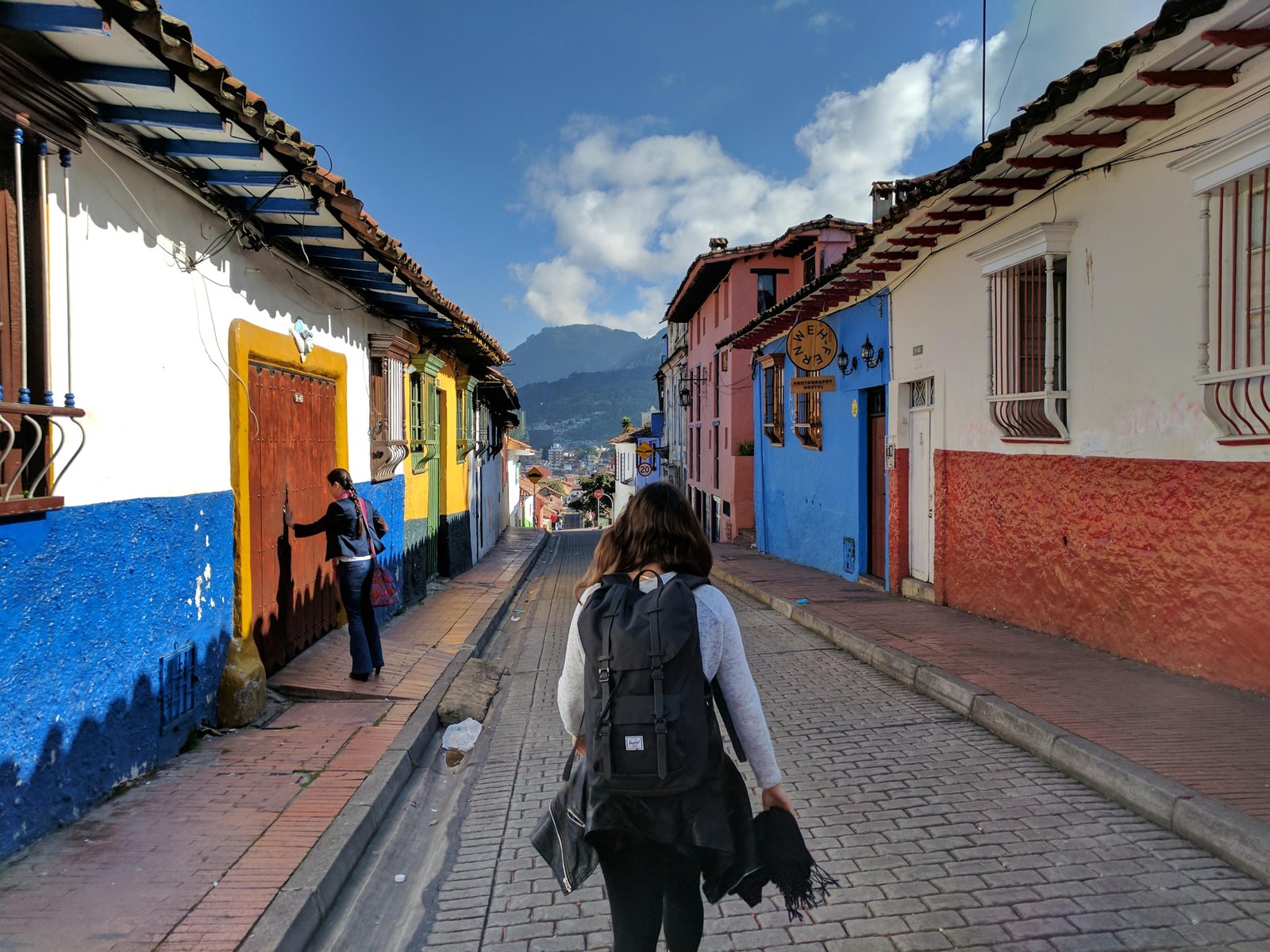


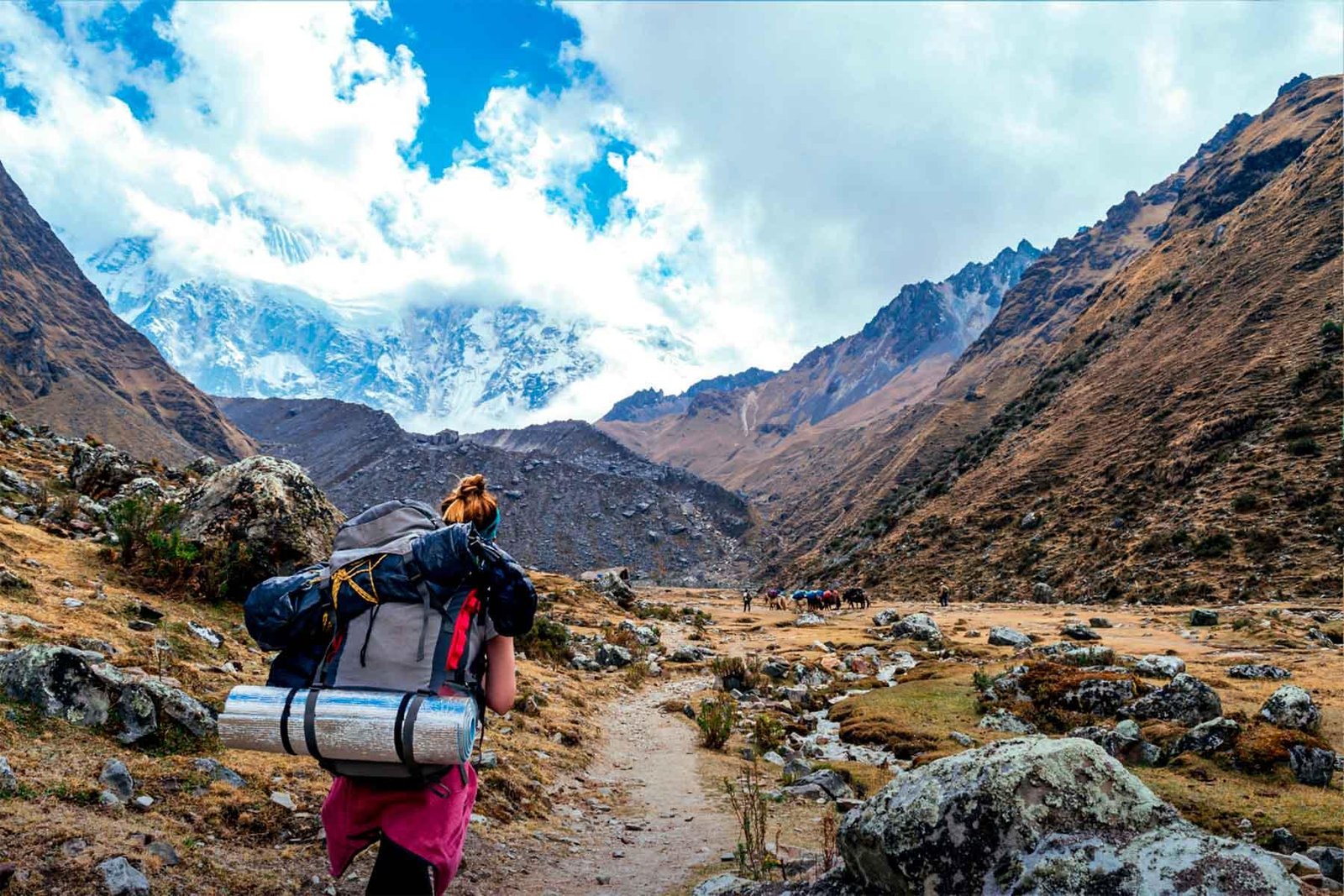
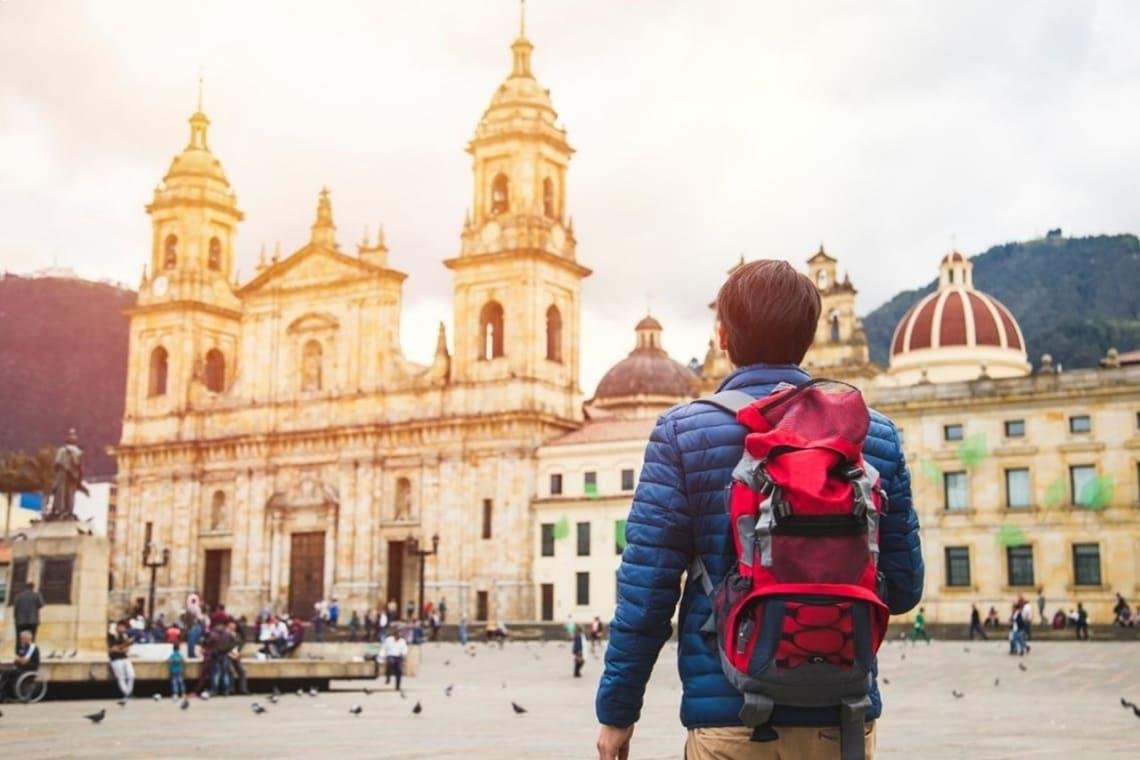
What is backpacking really?
A backpacking trip is a way of traveling based on independence, flexibility and adaptation .
It doesn’t necessarily mean traveling with very little money. It also doesn’t mean always sleeping in shared dormitories or going hungry to save money.
For me, the concept has more to do with consciously deciding where to spend.
A backpacker can save on accommodation and use that money to go on a spectacular excursion. You can ride the bus for eight hours and then treat yourself to a nice dinner. You can stay five days in a city you love even though you initially only planned to spend two.
That freedom is precisely what is interesting.
The characteristics of a good backpacking trip
You will usually find several of these elements:
- Lightweight backpack.
- Controlled budget.
- Public transportation.
- Hostels, guesthouses or cheap accommodations.
- Local food.
- Flexible routes.
- Longer stays.
- Free or cheap activities.
- Contact with other travelers.
- Greater interaction with the local population.
- Ability to improvise.
- Less dependence on closed itineraries.
And there is something that I consider fundamental: backpacking does not mean traveling badly .
You can sleep in a hostel for five nights and book a private room when you need to rest. You can eat cheaply for several days and pay for a special experience. You can walk around a city and use a taxi when the situation really warrants it.
Freedom is also about choosing.
Backpacking is not the same as traveling without planning
Here is a fairly common error.
Some people think that backpacking means buying a ticket and figuring everything out when they arrive.
It may work.
But I prefer an intermediate formula: plan enough to avoid problems and leave enough room to improvise .
WeRoad’s current guide for traveling alone with a backpack recommends precisely having a base route, booking at least the first night, taking out insurance, controlling the budget, carrying documentation and downloading tools that work offline, leaving room to modify plans. ( WeRoad )
That seems much more sensible to me than trying to control absolutely every minute.
My 70/30 rule
A formula I like to use is:
70% planned + 30% open to improvisation.
70% may include:
- Arrival flight.
- First night.
- Main destinations.
- Budget.
- Documentation.
- Sure.
- Important transportation.
30% is free for:
- Change city.
- Stay longer.
- Meet other travelers.
- Add an excursion.
- Discover a recommended destination during your trip.
This way you have structure without turning the vacation into a spreadsheet.
How to choose a backpacking destination
Not all countries offer the same experience.
When I compare destinations for a backpacking trip, I typically pay attention to six factors:
- Daily cost.
- Shipping available.
- Safety and ease of movement.
- Budget accommodation.
- Number of activities.
- Ease of improvisation.
I also consider the weather and season.
A destination may be very cheap, but if you arrive during a season of extreme rain and need to constantly modify your route, the supposed savings can quickly disappear.
Interesting countries to start
Among the destinations that usually fit very well with the backpacking philosophy are:
| Destination | Ideal for | Budget Level |
|---|---|---|
| Thailand | First Adventure | Low-Medium |
| Vietnam | Culture and gastronomy | Low |
| Laos | Nature and tranquility | Low |
| Cambodia | History and adventure | Low |
| Indonesia | Beaches and nature | Low-medium |
| Colombia | Varied route | Low-medium |
| Peru | Culture and mountains | Low-medium |
| Guatemala | Volcanoes and culture | Low |
| Nepal | Trekking | Low-medium |
| Portugal | First European route | Medium |
| Hungary | Central Europe | Medium |
| Mexico | Culture & Variety | Low-Medium |
I would not take these quotes as fixed prices. They are simply a way to sort destinations before investigating the real cost of a specific route.
Thailand: one of the best gateways to the backpacking world
Thailand has pretty much everything a beginning traveler could ask for:
- Hostels.
- Tourist and local transportation.
- Cheap food.
- Islands.
- Mountains.
- Temples.
- Big cities.
- Nightlife.
- Lots of international travelers.
A route could start in Bangkok and continue north or to the islands.
The great danger is wanting to see everything.
If you are changing cities every two days, transportation begins to become one of the main expenses of the trip.
That’s why I prefer a route with fewer destinations and more time in each one.
Vietnam: travel, eat and move for little money
Vietnam is another destination that fits perfectly with the concept of backpacking travel.
Hanoi, Ninh Binh, Hué, Hoi An, Da Nang and Ho Chi Minh allow you to create a fairly complete route.
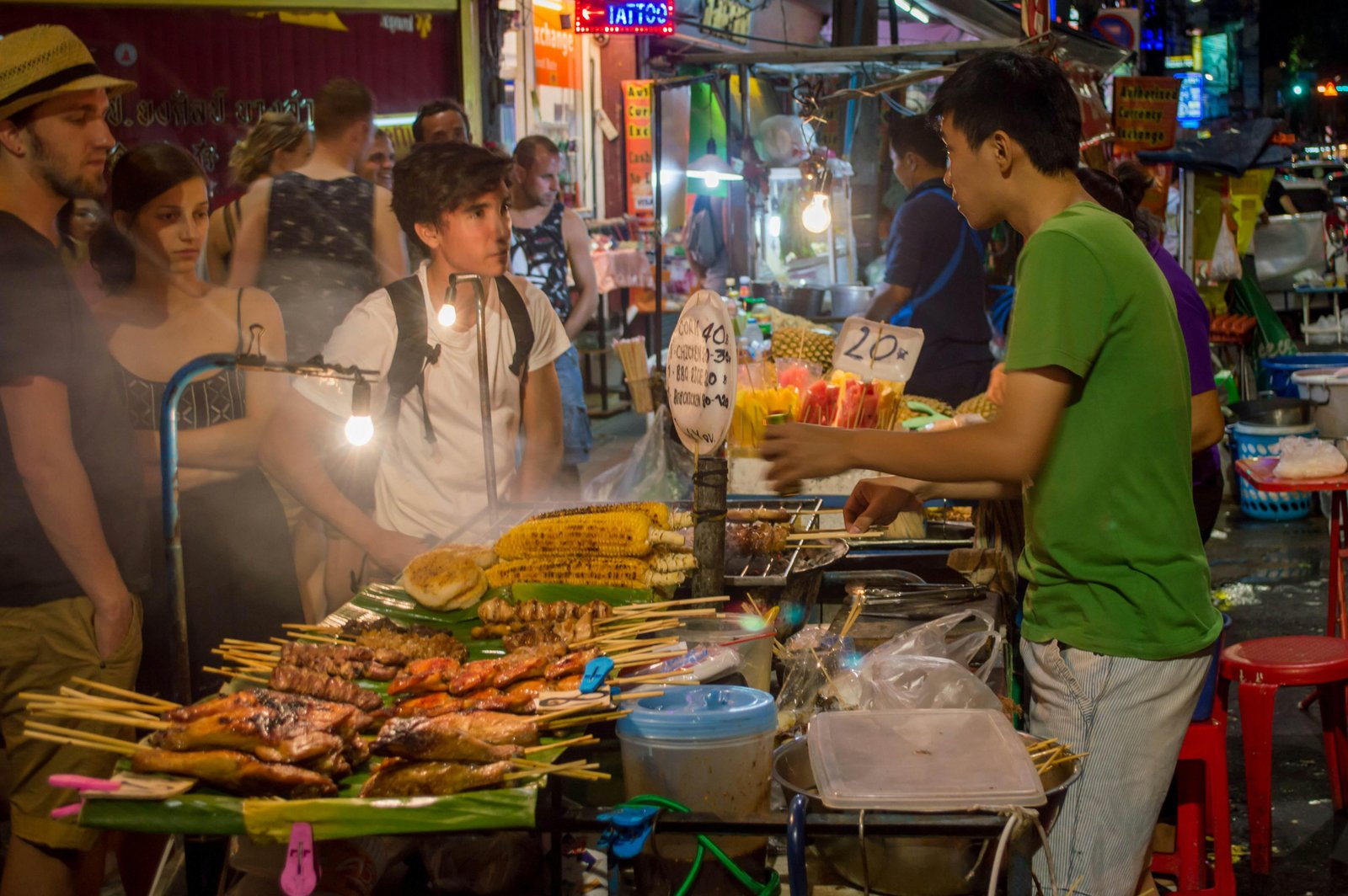
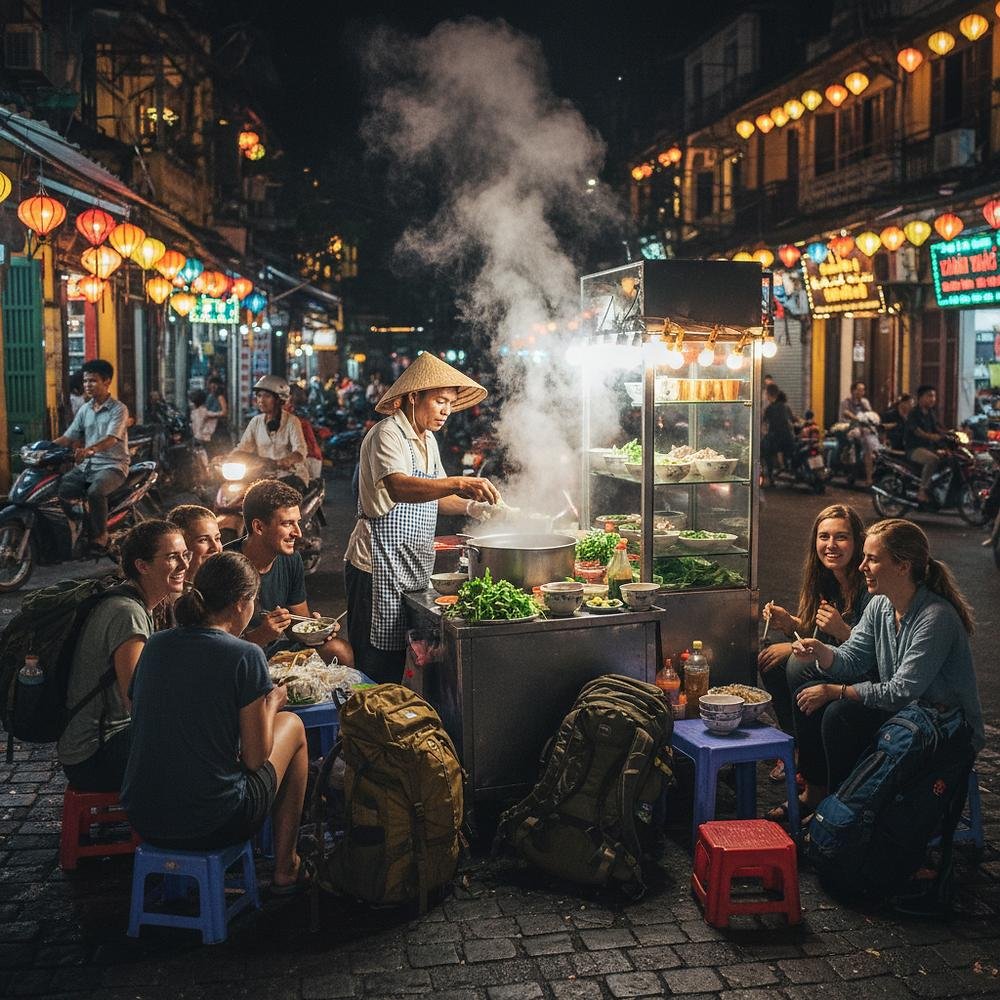
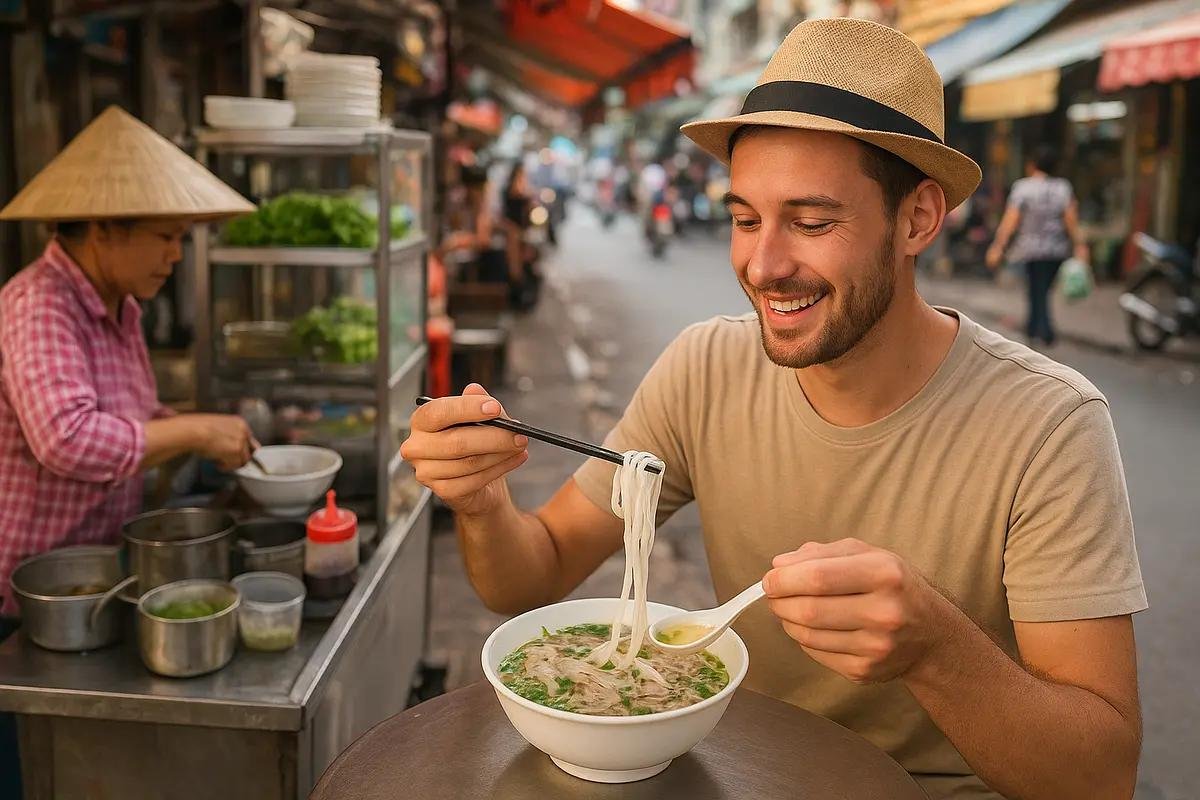
Additionally, street food can become a fundamental part of the experience.


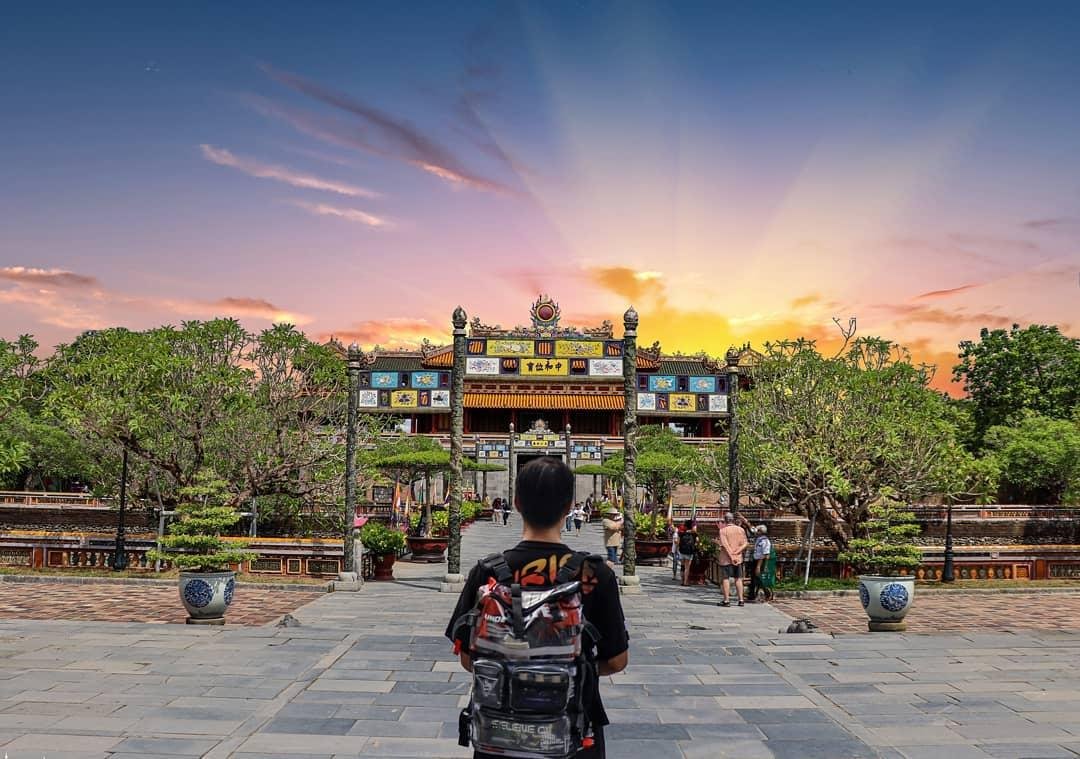

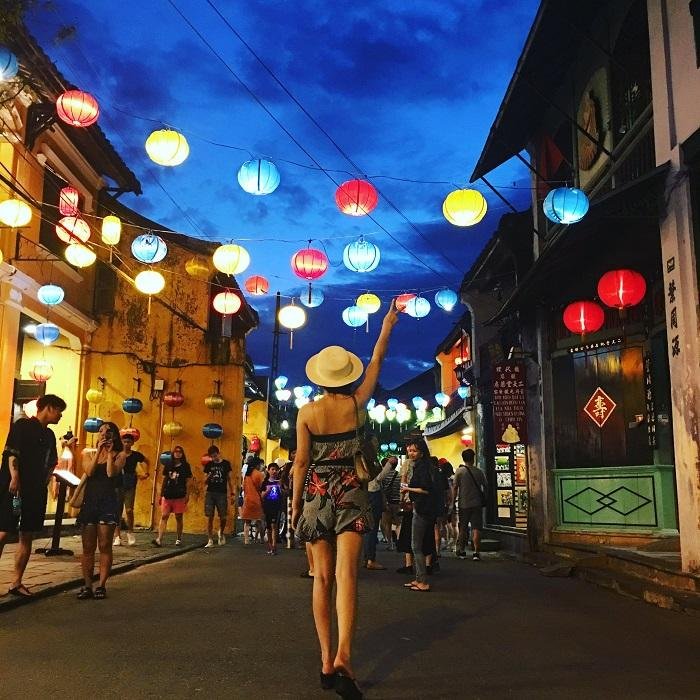

For me, Vietnam also represents a good lesson in traveling cheap: you don’t need to constantly search for expensive activities to enjoy a country .
Walking, trying food, visiting markets, exploring neighborhoods, and using local transportation can perfectly fill a day.
Colombia: a very complete backpacking route
Colombia allows you to combine city, mountains, Caribbean, towns and nature.
A classic route could go through:
Bogotá → Medellín → Salento → Cartagena → Santa Marta
But it doesn’t necessarily have to be complete either.
One of my rules when organizing routes is not to confuse the number of places visited with the quality of the trip.
If you have ten days, perhaps it is better to visit three destinations than to try to squeeze in seven.
Peru and Bolivia: for those who want adventure
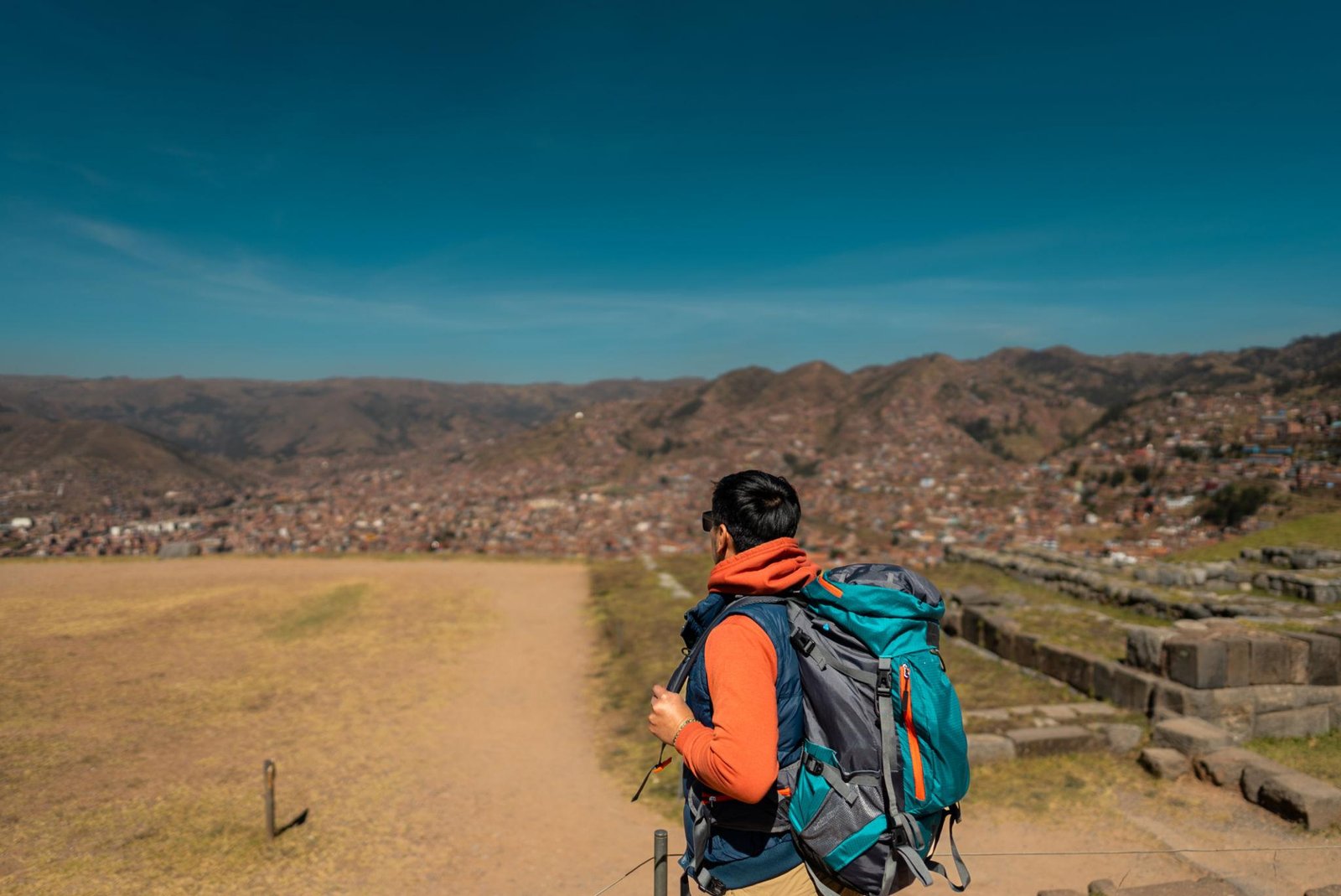
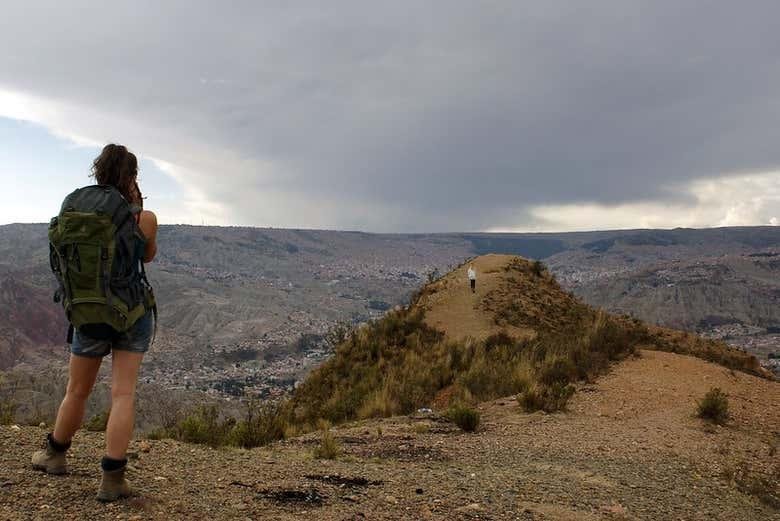
If your idea of a backpacking trip includes mountains, extreme landscapes and culture, the Andean region offers a lot.
Peru allows you to combine cities such as Lima, Arequipa and Cusco with mountain areas and archaeological sites.
Bolivia provides another type of experience, with La Paz, Uyuni, Sucre and other destinations.
Here the budget must include excursions.
A destination may seem cheap for accommodation and food, but certain experiences can cost significantly more.
That’s why I would always separate:
daily cost + special experiences.


Traveling alone or accompanied?
This is one of the big decisions of any backpacking trip.
Traveling alone
It has a huge advantage: freedom.
You can get up whenever you want, change your destination, stay three more days or leave the next day.
It also forces you to make all the decisions.
For some people that is precisely what makes the trip special.
Travel accompanied
Ridesharing can reduce some expenses and make certain situations easier.
It also means to negotiate.
If you want to stay five days and your partner wants to leave tomorrow, the freedom disappears a little.
Traveling alone does not mean being alone
This is one of the best things about hostels and backpacking.
It is relatively easy to meet travelers at:
- Hostels.
- Excursions.
- Buses.
- Trains.
- Free tours.
- Cafes.
- Markets.
- Group activities.
And many times a casual conversation ends up changing the itinerary completely.
The budget of a backpacking trip
Here I recommend doing the numbers before booking.
The basic formula is:
Total budget = international transportation + accommodation + food + internal transportation + activities + insurance + documentation + emergency.
Then I would calculate the daily expense.
For example:
€40 × 30 days = €1,200
But those €1,200 do not necessarily represent the full cost of a month of travel.
There are still flights, insurance, visas when necessary, activities and unforeseen expenses.
Where to save?
I would start with:
- Accommodation.
- Transport.
- Tourist restaurants.
- Unnecessary taxis.
- Unimportant activities.
- Impulse purchases.
I wouldn’t start by eliminating the experiences I really want to have.



How to find cheap accommodation without making a mistake
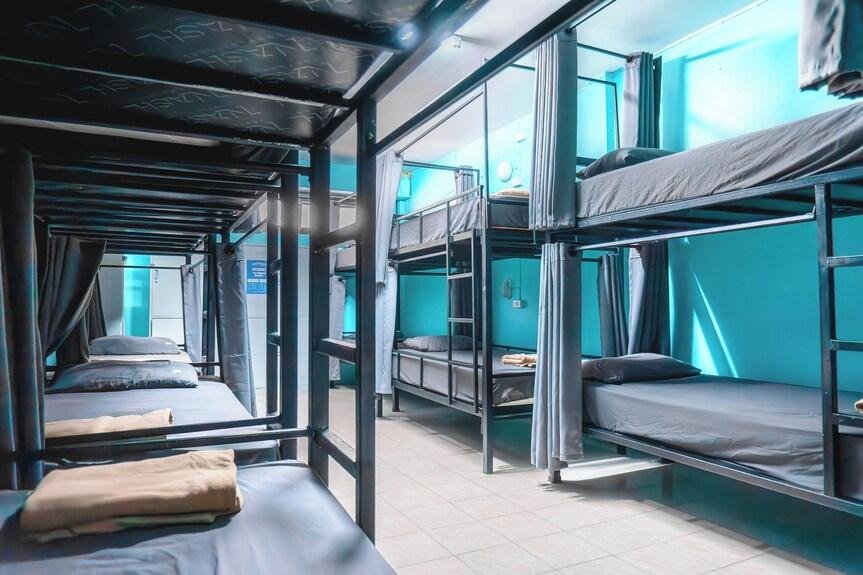
Accommodation can quickly become the biggest expense of a long trip.
The main options are:
Hostels
Perfect if you travel alone and want to meet people.
Guesthouses
Very interesting for quiet stays and, in some countries, quite economical.
Private rooms
There is no backpacking law that requires you to always sleep in a bunk bed.
If you have been traveling for several weeks, a private room can be an excellent investment to recover your energy.
Work exchanges
There are platforms where travelers collaborate certain hours with hosts in exchange for accommodation and, depending on the proposal, other benefits.
This formula can considerably reduce the cost of a long stay, although you must always check the conditions and legal requirements of the country.
The perfect backpack does not exist
There is the backpack that is comfortable for you .
I would not be obsessed with having the most expensive model or with a gigantic number of liters.
The capacity must correspond to the type of trip.
For reference, current WeRoad guides place approximately 40 to 60 liters as the usual range for long trips or backpacking, although they also recommend avoiding excessive capacity because it makes it easier to end up carrying unnecessary things.
What would I wear
- T-shirts.
- Underwear.
- Lightweight pants.
- Long pants.
- Jacket or outer layer.
- Waterproof.
- Comfortable footwear.
- Sandals.
- Small toiletry bag.
- Lightweight towel.
- First aid kit.
- Chargers.
- Adapter.
- Power bank.
- Documentation.
- Padlock.
- Reusable bottle.
And I would leave room.
Because if you fill your backpack from day one, any purchase during the trip becomes a problem.
Traveling light completely changes the experience
This seems like a minor issue until you have to walk 40 minutes looking for accommodation.
A light backpack means:
more mobility + less fatigue + less checked luggage + less complications.
Plus, you can hop on a bus, get off a train, or walk around a city without feeling like you’re transporting your room.
My criterion would be simple:
If you don’t use it regularly, you probably don’t need to carry it.
Transportation: the key to maintaining freedom
Transportation can be one of the most fun parts of backpacking.
Trains, buses, ferries, subways and cheap flights allow you to build huge routes.
But there is a catch.
Cheap transportation is not always the cheapest option for the entire trip.
A €10 bus that takes 14 hours may seem like a bargain compared to a €35 flight, but if you also need an extra night’s accommodation and lose a full day, the difference is reduced.
I would always compare:
- Price.
- Time.
- Luggage.
- Transfers.
- Schedules.
- Comfort.
- Need additional accommodation.
Traveling slowly is one of the best tricks to save money
This is probably one of my favorite strategies.
Imagine two travelers:
Traveler A: visits six cities in 15 days.
Traveler B: visits three cities in 15 days.
The second will probably spend less on transportation and will have more time to get to know each place.
Plus, you’ll be able to search for better accommodations, find affordable restaurants, and discover free activities.
Traveling slowly doesn’t mean doing less.
Means stop constantly paying to move .
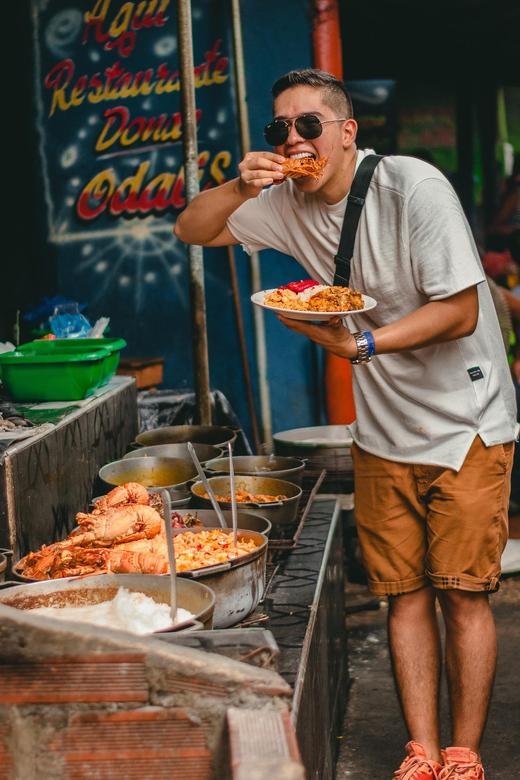
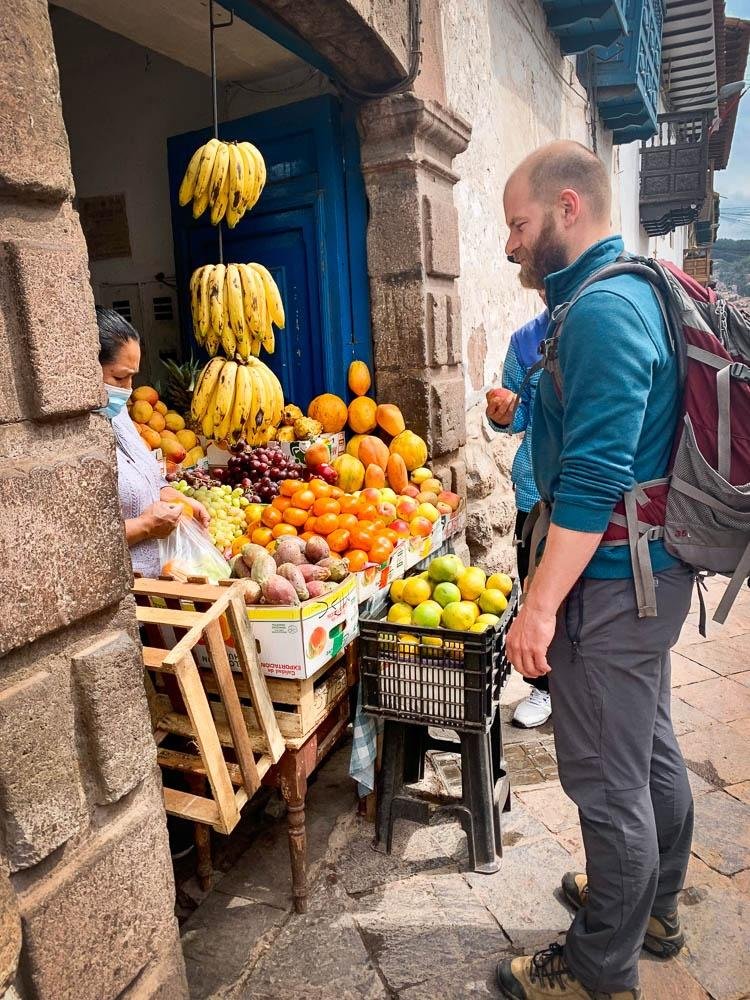
How to Eat Cheap During a Backpacking Trip
Gastronomy is one of the reasons why I don’t like the idea of saving in an extreme way.
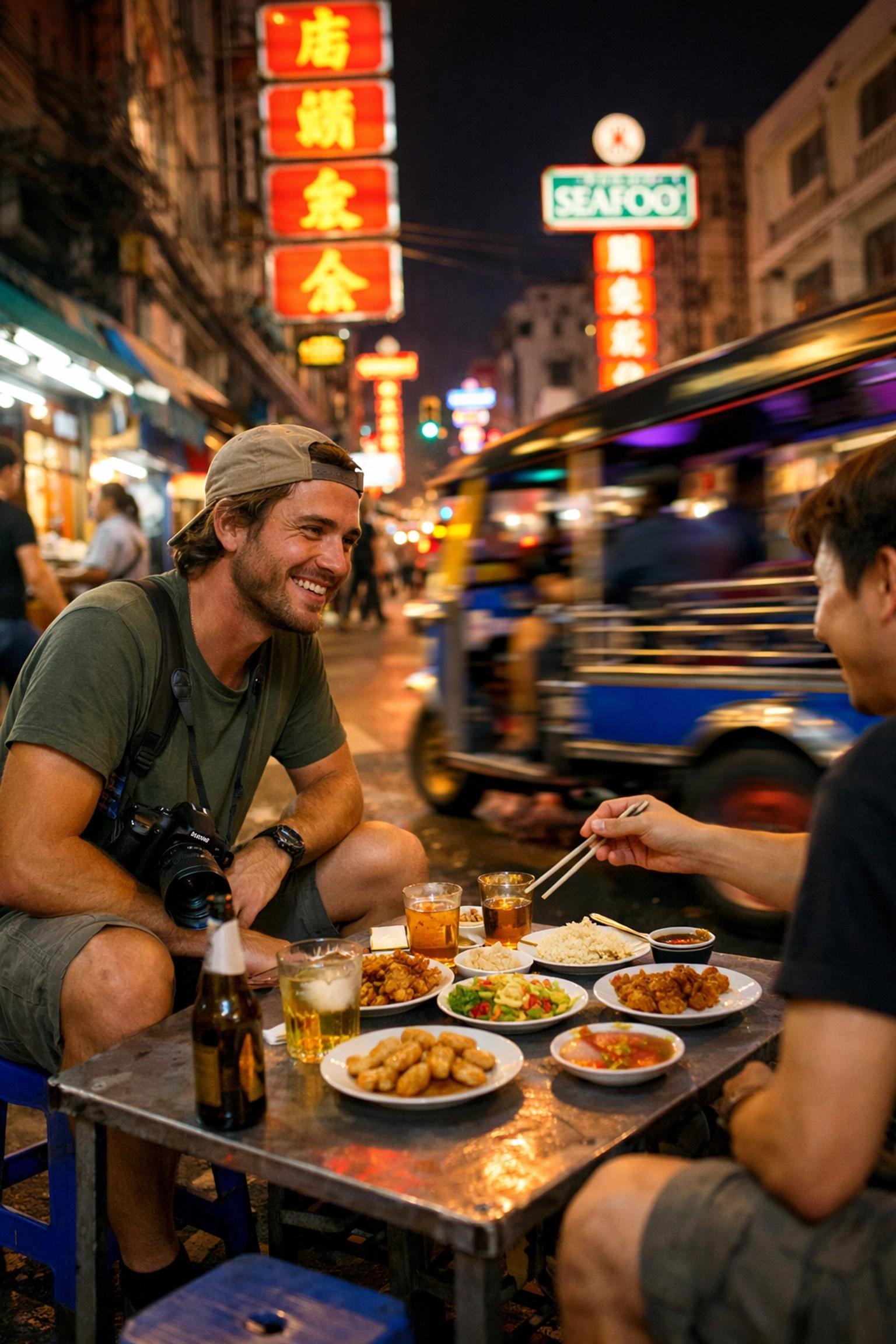
Eating is part of the journey.
What I would avoid is eating every day in restaurants located in the most touristy areas.
Search:
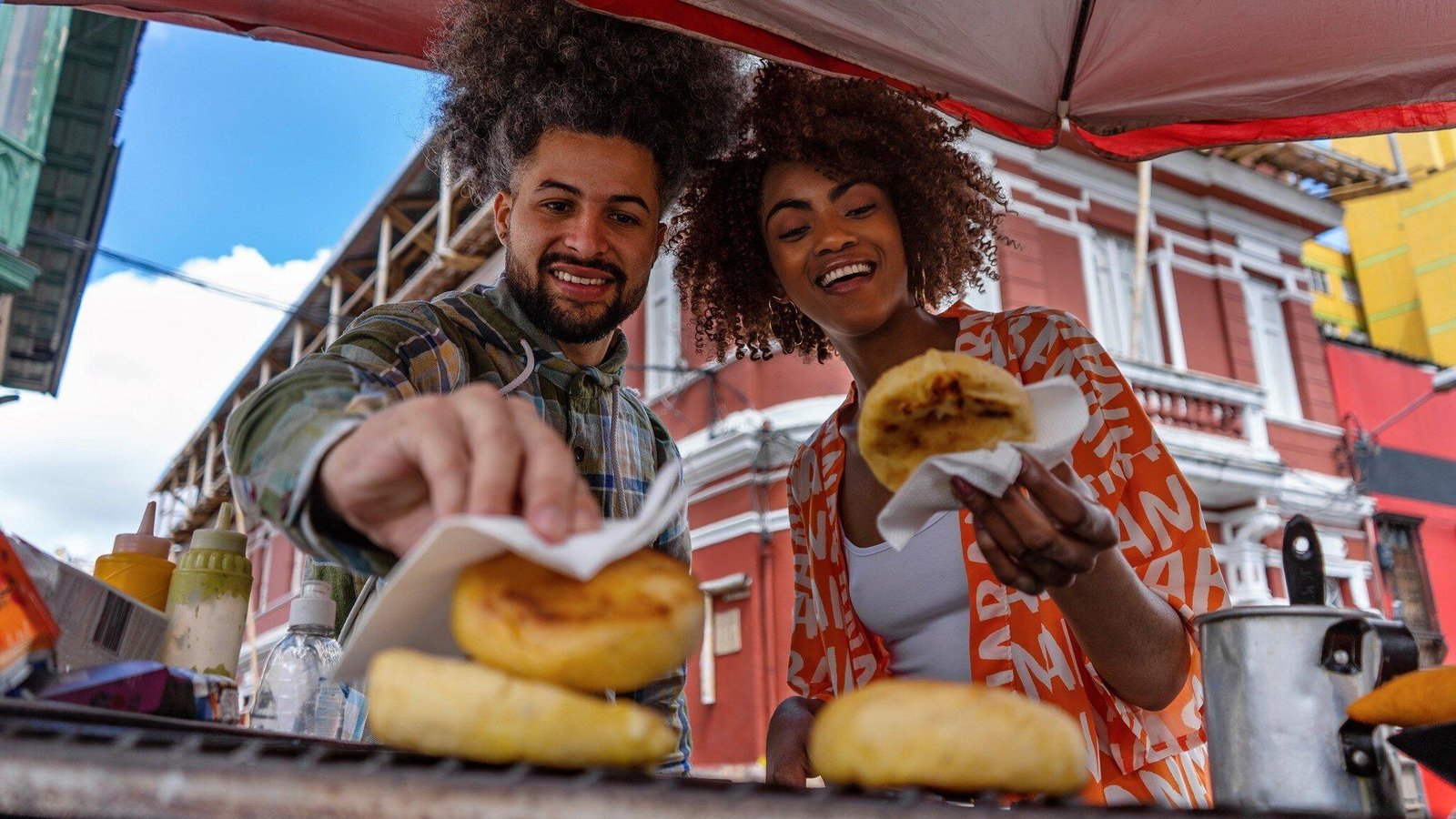
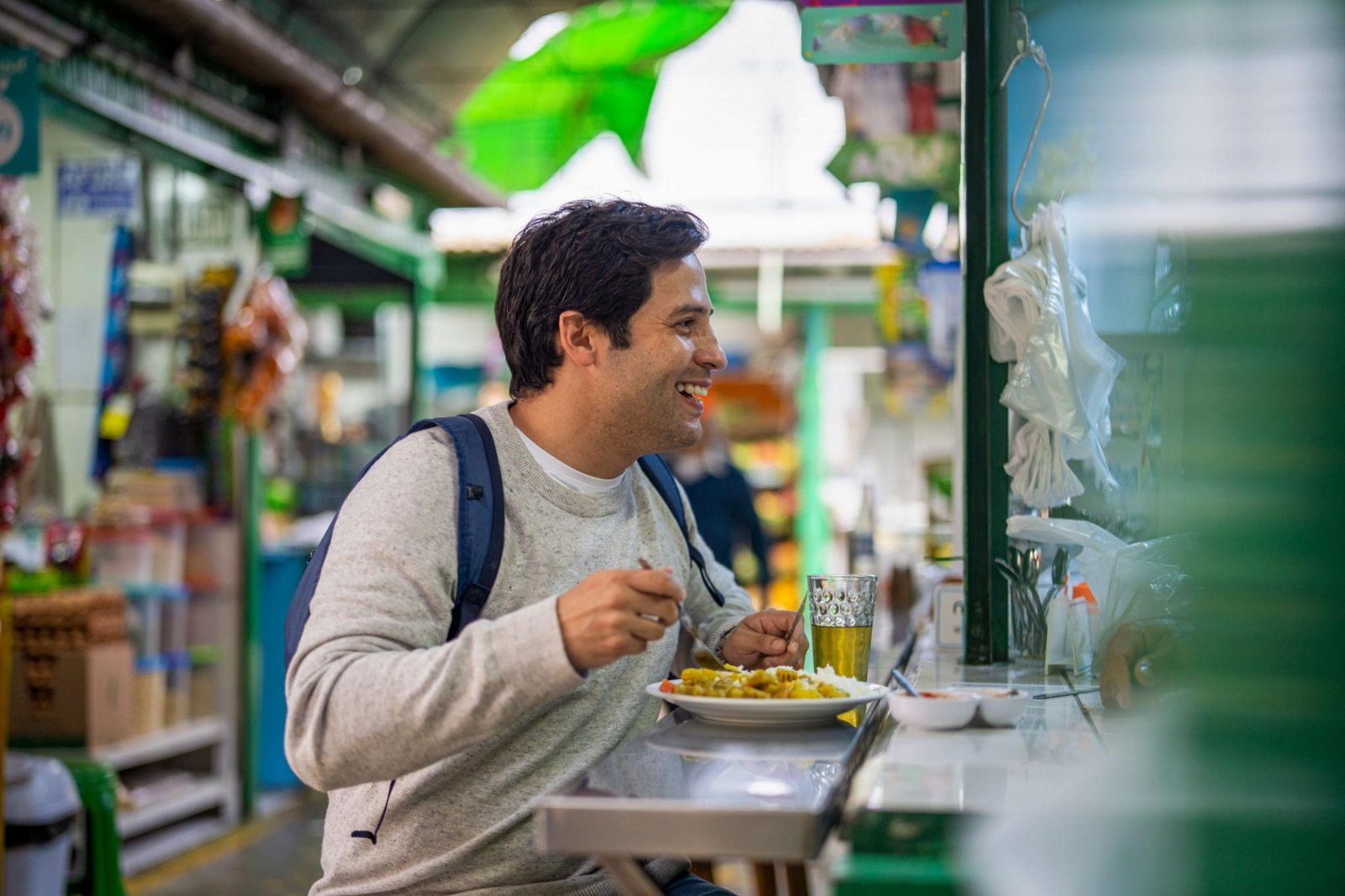
- Markets.
- Small restaurants.
- Street stalls.
- Local coffee shops.
- Supermarkets.
- Takeout.
And if the accommodation has a kitchen, I would take the opportunity to prepare some meals.
You don’t have to cook every day.
Sometimes it is enough to prepare breakfast, buy fruit, water or some simple food to have greater control of the budget.


Safety during a backpacking trip
Traveling freely does not mean ignoring common sense.
Before traveling I would investigate:
- Areas to avoid.
- Recommended shipping.
- Common scams.
- Entry requirements.
- Local customs.
- Health situation.
- Emergency numbers.
And I would use a digital copy of:
- Passport.
- Sure.
- Reservations.
- Banknotes.
- Visas.
- Contact information.
I wouldn’t keep all the money in one place.
I also wouldn’t constantly show how much money I carry.
And if a situation seems strange to me, I would not try to prove that I am an invincible adventurer.
Changing routes is also traveling.
Travel insurance: the expense that would not eliminate
If you want to save, there are many expenses you can reduce.
Insurance wouldn’t be one of them.
Before hiring him I would especially check:
- Medical coverage.
- Hospitalization.
- Repatriation.
- Luggage.
- Cancellation.
- Sports activities.
- Maximum duration.
- Exclusions.
The reason is simple: an emergency can turn a cheap trip into a bill that is not cheap at all.
Backpacking and technology: fewer apps, more utility
You don’t need 30 apps to travel.
With a few tools you can solve practically everything.
Would carry:
- Offline maps.
- Translator.
- Currency converter.
- Application for reservations.
- Banking application.
- Cloud storage.
- Messaging.
- Notes.
I would also previously download:
- Maps.
- Reservations.
- Banknotes.
- Accommodation information.
- Documentation.
- Important addresses.
I wouldn’t assume you’ll always have internet.
When is it best to backpack?
It completely depends on the destination.
Before purchasing a flight I would check:
- Rainy season.
- Temperatures.
- High season.
- Holidays.
- Hurricanes.
- Trekking season.
- Accommodation prices.
I wouldn’t choose a date just because the flight is cheap.
A cheap flight to a destination where it rains for most of the trip can turn out to be a false bargain.
The best routes for backpacking trips
Route through Southeast Asia
Thailand → Laos → Vietnam → Cambodia
Ideal for:
- First long trip.
- Tight budget.
- Culture.
- Gastronomy.
- Nature.
- Beaches.
Route through South America
Colombia → Ecuador → Peru → Bolivia
Ideal for:
- Mountain.
- Culture.
- Great landscapes.
- Long trips.
- Land routes.
Route through Central America
Mexico → Guatemala → Nicaragua → Costa Rica → Panama
It is not necessary to make it complete.
You can select three or four countries and travel much more calmly.
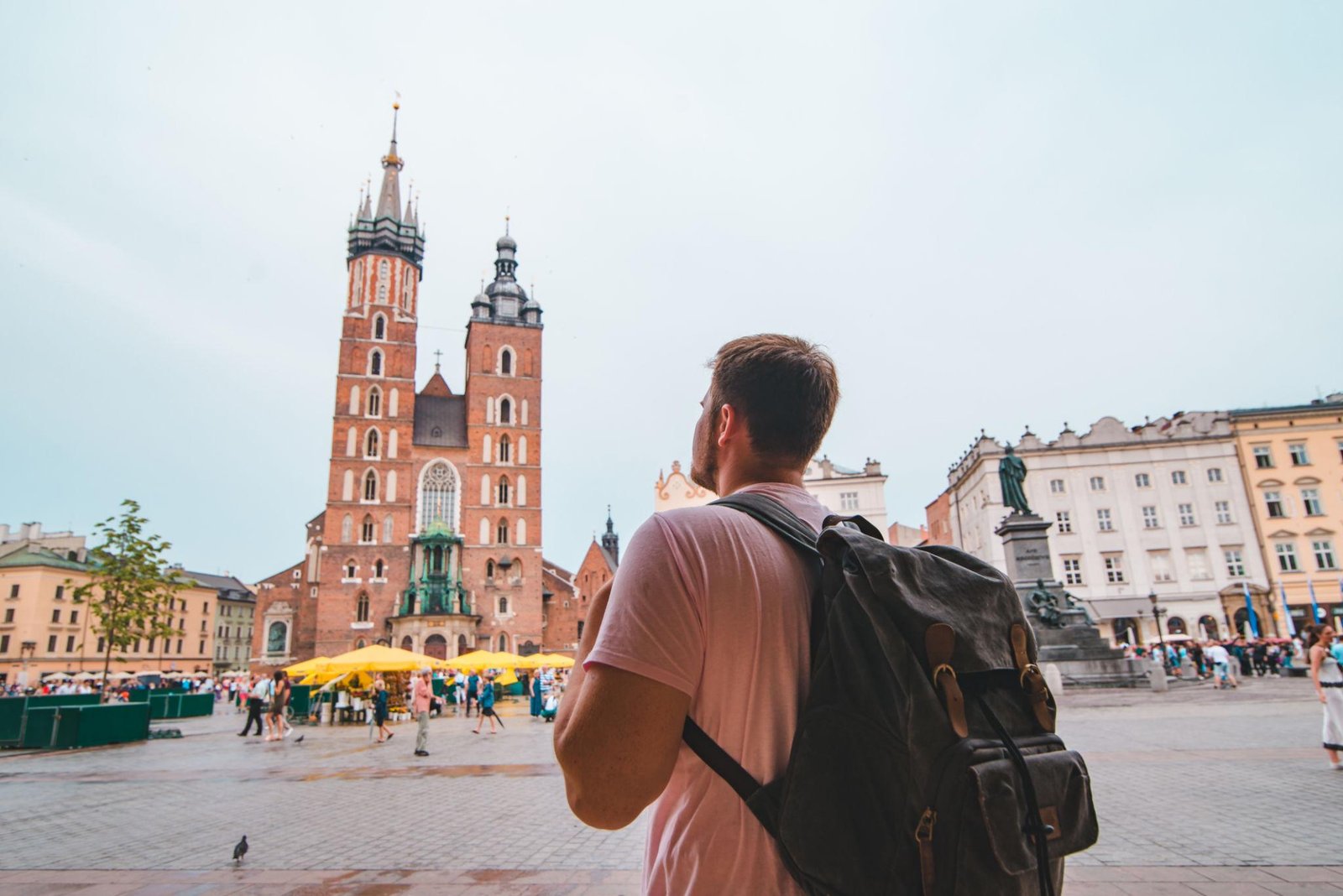
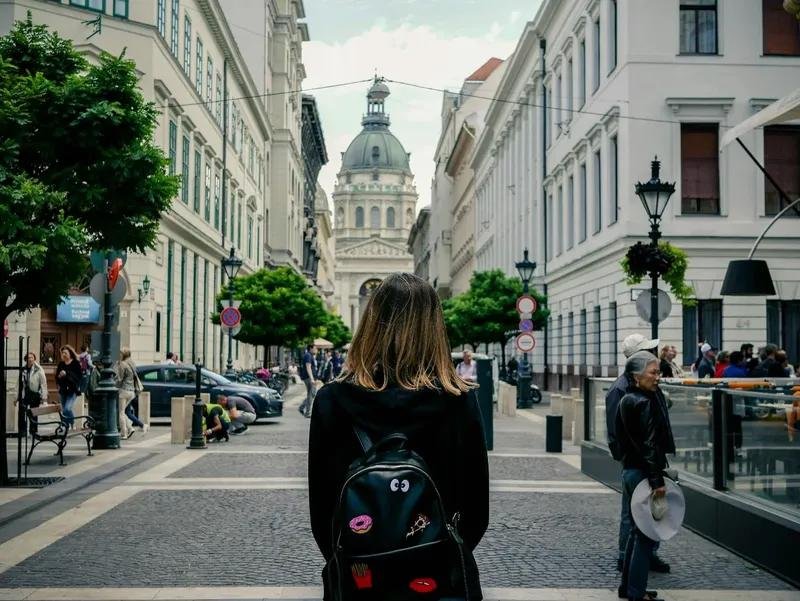
Route through Central Europe
Poland → Czech Republic → Hungary → Romania
It is an interesting alternative for those who want to get to know Europe without concentrating exclusively on the most expensive destinations in Western Europe.





The mistakes that can ruin a backpacking trip
Try to see absolutely everything
You don’t need to visit ten countries to say you’ve had a great trip.
Traveling with a gigantic backpack
More capacity usually ends up meaning more unnecessary stuff.
Not controlling expenses
A coffee, another taxi, an excursion and a small purchase seem insignificant.
They cease to be so for 30 days.
Reserve activities by pressure
You don’t have to take a tour just because all the travelers in the hostel are doing it.
Leave no margin
If everything is booked for weeks, you lose one of the great advantages of backpacking.
Save on absolutely everything
This is also a bug.
If you save so much that you can’t enjoy the trip, perhaps you are over-optimizing an experience that should precisely be enjoyed.
How to organize your first backpacking trip
If I were preparing my first trip, I would follow this order:
1. I would choose a region
I wouldn’t start thinking about 20 countries.
2. I would define the available time
Two weeks requires a completely different strategy than six months.
3. I would set a maximum budget
And I would add an emergency fund.
4. I would choose the main destinations
Three to five is usually enough to get started.
5. I would study transportation
Especially the connections between cities.
6. I would book arrival
At the very least, I’d be clear on the first night.
7. I would review documentation and requirements
Passport, visa, insurance and entry conditions.
8. I would prepare a light backpack
Without filling every inch.
9. I would download information offline
In case the connection fails.
10. I would leave room to improvise
This is where the journey really begins.
What is the difference between a backpacker and a traditional tourist?
I don’t think one is better than the other.
They are simply different ways of traveling.
| Backpacker | Traditional Tourist |
|---|---|
| More flexibility | More planning |
| Reduced luggage | More luggage |
| Local transportation | More frequent private transfers |
| Hostels/guesthouses | Hotels |
| Adaptive route | Defined itinerary |
| Greater local interaction | More structured experience |
| Flexible budget | More predictable budget |
| More improvisation | More comfort |
You can also mix both styles.
Actually, that’s what I would do.
There’s no reward for getting a bad night’s sleep when you can get a good night’s sleep for a reasonable price.
Frequently Asked Questions (FAQs)
What is backpacking?
These are trips in which reduced luggage is used and independence, flexibility, local transportation, affordable accommodation and direct contact with destinations are prioritized.
How much money do I need to go on a backpacking trip?
It depends on the country, the duration and your style. To calculate it, add accommodation, food, transportation, activities, flights, insurance, documentation and an emergency fund.
What is the best country to start backpacking?
Thailand is usually a very accessible option for beginners due to its tourist infrastructure, variety of accommodations and ease of connecting with other travelers. Vietnam, Guatemala, Colombia and Portugal can also work very well depending on the type of experience you are looking for. WeRoad currently includes several of these destinations within its Backpack offer and highlights precisely the adaptation and contact with the destination.
Is it better to backpack alone?
Not necessarily. Traveling alone provides a lot of freedom, while traveling with someone can make certain expenses and situations easier. The important thing is to choose the format that fits your personality.
What size should a travel backpack be?
For long trips, a capacity of around 40 to 60 liters may be practical, although it depends on the route and how much luggage you need. A bigger backpack is not always better because it makes it easier to carry unnecessary things.
Can you backpack with little money?
Yes. Traveling slowly, using public transportation, choosing affordable accommodations, eating locally, and reducing unnecessary travel can significantly reduce your budget.
Can I backpack without knowing English?
Yes. An offline translator, some basic words of the local language and having reservations and important information saved on your phone help a lot.
How many countries can I visit in a month?
Whatever you want, but I wouldn’t try to maximize the figure. Three or four well-connected countries can provide a much better experience than trying to visit ten at full speed.
Is backpacking safe?
They can be, but it depends on the destination, the situation and the behavior of the traveler. Investigating beforehand, taking out adequate insurance, protecting documentation and using common sense are basic measures.
True freedom is not having to run
There is a rather romantic image of the backpacker: a person with a huge backpack walking towards the horizon without knowing where they will sleep that night.
It can be an adventure.
But for me, true freedom is something much simpler.
It is being able to say:
“I like this place. I’ll stay two more days.”
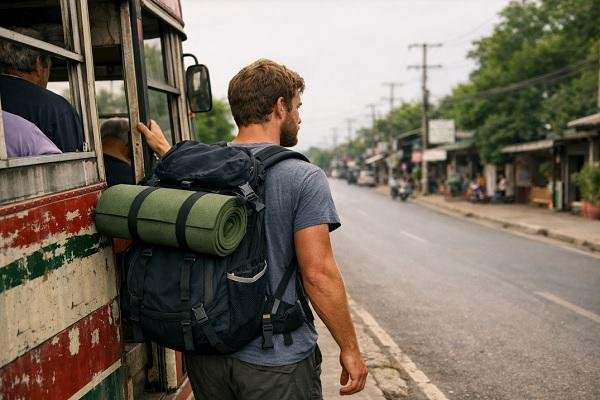
It’s getting on a local bus because it’s cheaper and because you want to see the scenery.
It’s sitting in a market without constantly looking at the clock.
It is meeting someone during the trip and changing a part of the route.
It’s not having to drag a huge suitcase.
It’s knowing how much money you have and being able to decide how to use it.
Backpacking trips are not about traveling as many kilometers as possible. They consist of making every kilometer have some meaning.
And that is precisely the part that interests me most about this way of traveling: less luggage, less rigidity and more world .